.webp)
.webp)
Discovering Tripoli Souks and Mamluk Heritage
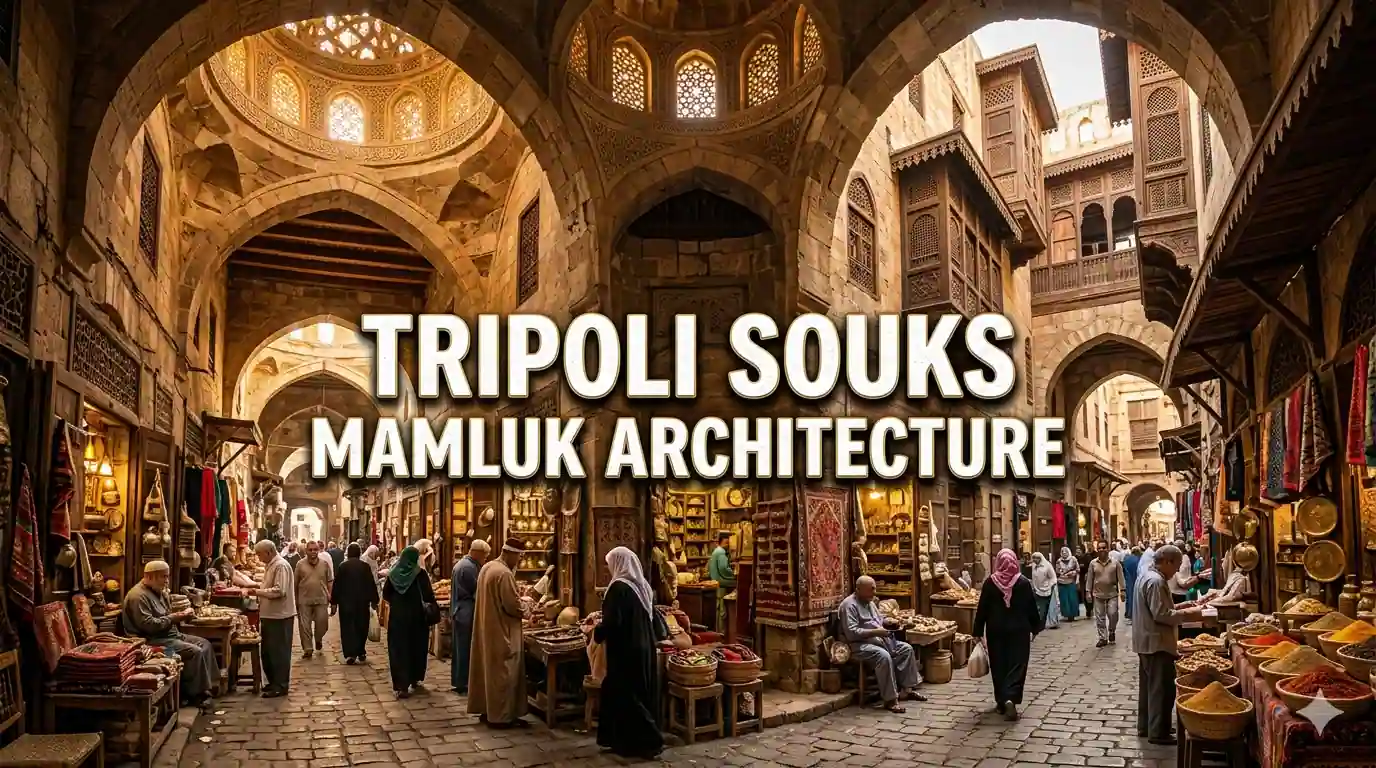
Tripoli Lebanon holds one of the most impressive collections of Mamluk architecture in the entire Middle East. The city's ancient souks form a labyrinth of covered markets that transport visitors back to the medieval era.
These historic marketplaces showcase stunning Islamic architecture from the 13th and 14th centuries. Stone arches, vaulted ceilings, and intricate carvings define the atmospheric corridors.
Unlike the more touristy souks of Beirut or Damascus, Tripoli's markets remain authentic and largely untouched by mass tourism. This preservation makes exploring them a truly special experience.
The Mamluk sultans who ruled Lebanon during this period invested heavily in Tripoli's infrastructure. They built mosques, hammams, madrasas, and covered markets that still function today.
Walking through these ancient souks feels like stepping into a living museum. Vendors sell traditional goods in the same spaces their ancestors occupied centuries ago.
Why Tripoli Souks Offer Unique Mamluk Architecture

Tripoli served as the capital of Mamluk Syria during the 14th century. This political importance resulted in massive architectural investment throughout the city.
The Mamluk style combines Syrian, Egyptian, and Persian influences. This fusion created distinctive architectural features visible throughout Tripoli's old city.
Black and white stone ablaq masonry characterizes many buildings. This alternating pattern creates striking visual effects on facades and arches.
Intricate muqarnas decorations adorn doorways and ceilings. These honeycomb-like stone carvings demonstrate incredible medieval craftsmanship.
The souks feature covered stone vaulting that has protected merchants and shoppers for over 700 years. This architectural ingenuity keeps the markets cool in summer and dry in winter.
What Makes Mamluk Architecture Special in Tripoli?
Tripoli contains the second largest collection of Mamluk monuments in the world after Cairo. This concentration makes the city essential for architecture enthusiasts.
Many structures remain in active use today. Mosques still host prayers, hammams welcome bathers, and souks bustle with commerce just as they did in medieval times.
The architectural preservation in Tripoli exceeds most Lebanese cities. Minimal modern development in the old city maintains the medieval atmosphere.
Guided tours led by local historians reveal hidden details visitors would otherwise miss. These experts explain the symbolism and history behind architectural features.
How to Reach Tripoli Souks from Major Cities

Tripoli lies 85 kilometers north of Beirut along Lebanon's Mediterranean coast. The journey takes approximately 90 minutes by car or bus.
Shared taxis and buses depart regularly from Beirut's Dawra station. These affordable options cost between $5 and $10 per person.
Private taxis from Beirut charge approximately $40 to $60 one way. This option provides flexibility and comfort for families or groups.
From Tripoli's modern center, the old souks sit within walking distance. The historic area begins near Al Mina port and extends inland.
Car rental in Beirut costs $30 to $50 daily plus fuel. This option allows exploration of Tripoli and surrounding areas at your own pace.
Transportation from Other Lebanese Cities
Visitors from Byblos can reach Tripoli in 45 minutes by car. The coastal highway provides scenic Mediterranean views during the journey.
Bsharri residents in northern Lebanon access Tripoli via mountain roads. This 60 kilometer trip takes about 90 minutes through spectacular scenery.
Shared service taxis operate fixed routes between major cities. These vehicles depart when full and offer budget-friendly transportation.
Organized tours from Beirut include round-trip transportation. These packages typically cost $25 to $40 per person including guide services.
Visa Requirements for Visiting Tripoli Lebanon

Most international visitors obtain visas on arrival at Beirut Airport. Citizens of the United States, Canada, United Kingdom, European Union, and Australia qualify for this convenient option.
Tourist visas typically cost 2,000,000 Lebanese Pounds or may be free for certain nationalities. UK citizens receive free single-entry visas valid for one month.
Your passport must remain valid for at least six months beyond your travel date. Ensure you have two blank pages available for entry stamps.
Passports containing Israeli stamps, visas, or seals face entry denial. Lebanese immigration strictly enforces this policy without exceptions.
Immigration officers require proof of return or onward travel. Keep printed flight itineraries readily available for inspection.
Required Documentation for Entry
Prepare a Lebanese phone number and local address before arrival. Hotel reservations or tour operators provide this information.
Carry proof of accommodation for your entire stay. Hotel confirmations satisfy this requirement for most tourists.
Some nationalities may need to show bank statements proving financial means. Recent statements not older than three months demonstrate your ability to support yourself.
Employment certificates strengthen your visa application. These documents prove your intention to return home after tourism activities.
GCC Citizens and Visa-Free Entry
Citizens of Gulf Cooperation Council countries enjoy visa-free entry. Bahrain, Kuwait, Oman, Qatar, Saudi Arabia, and UAE passport holders enter without visa requirements.
Jordanian citizens also benefit from visa-free access for tourism purposes. This facilitates regional travel for Middle Eastern visitors.
Best Time to Explore Tripoli Souks

Spring from March to May offers ideal weather for souk exploration. Mild temperatures around 20-25 degrees Celsius make walking comfortable.
Autumn between September and November provides similar pleasant conditions. The summer heat has dissipated but winter rains have not yet begun.
Summer months from June to August bring intense heat and humidity. Early morning or evening visits help avoid peak temperatures.
Winter from December to February sees cooler temperatures and rainfall. The covered souks provide shelter during wet weather.
Friday represents the weekend in Lebanon. Many shops close for prayer but reopen in the afternoon with lively crowds.
Optimal Visiting Hours
Morning hours from 9 AM to 12 PM offer peaceful exploration. Shopkeepers welcome early visitors and provide attentive service.
Afternoon between 2 PM and 5 PM brings maximum activity. The souks buzz with local shoppers creating authentic atmosphere.
Evening visits after 6 PM reveal a different character. Gas lamps illuminate the stone corridors creating magical ambiance.
Avoid visiting during Friday prayer times around 1 PM. Many shops close temporarily during this religious observance.
Seasonal Events and Festivals
Tripoli Heritage Festival occurs annually showcasing traditional crafts. This event highlights the city's cultural importance.
Ramadan brings special evening atmosphere to the souks. Night markets operate late with festive decorations and traditional foods.
Christmas and Easter see increased activity in Christian quarters. The old city's diverse communities celebrate their traditions openly.
Complete Cost Breakdown for Tripoli Souk Visit

Exploring Tripoli's souks costs very little compared to other Lebanese destinations. The markets themselves charge no entrance fees.
Guided walking tours range from $15 to $30 per person. These typically last 2-3 hours and include expert historical commentary.
Private guides charge $50 to $80 for half-day tours. This option allows customized itineraries and flexible pacing.
Photography permits for professional equipment cost approximately $20. Casual smartphone photography requires no special permission.
Transportation Expenses
Public buses from Beirut cost $5 to $10 per person one way. This budget option requires additional local taxi fare in Tripoli.
Private taxi from Beirut charges $40 to $60 one way. Round-trip service with waiting time costs $100 to $120.
Car rental in Beirut starts at $30 daily plus fuel. Parking in Tripoli's old city costs $5 to $10 daily.
Local taxis within Tripoli charge $3 to $5 for short distances. Negotiate fares before beginning your journey.
Food and Dining Costs
Traditional Lebanese street food costs $3 to $8 per item. Try manakish, falafel, and fresh juice from souk vendors.
Local restaurants serve mezze platters for $15 to $25 per person. These generous portions easily feed two people.
Upscale dining in Tripoli costs $25 to $40 per person. Fine restaurants offer wine pairings and gourmet Lebanese cuisine.
Fresh produce and spices from souk markets cost very little. Bargaining is expected and can reduce prices by 20-30 percent.
Shopping and Souvenirs
Traditional soap from Tripoli's famous soap factories costs $2 to $5 per bar. The city produces some of Lebanon's finest olive oil soap.
Handmade copperware ranges from $10 for small items to $100 for large pieces. Skilled artisans continue traditional metalworking techniques.
Antique items and collectibles vary widely in price. Always verify authenticity before purchasing expensive pieces.
Textiles and traditional clothing cost $20 to $100 depending on quality. Embroidered pieces make excellent souvenirs.
Sample Itinerary for Exploring Tripoli Souks

A perfect day exploring Tripoli's Mamluk architecture requires strategic planning. This itinerary maximizes your experience while covering essential sites.
Morning: Old City and Main Souks
Arrive in Tripoli by 9 AM to beat crowds and heat. Begin at Bab al-Tabbaneh gate, the historic entrance to the old city.
Walk through Souk al-Attarine, the perfume market. This covered corridor features stunning Mamluk vaulting and aromatic shops.
Visit Souk al-Saboun, the soap market. Observe traditional soap-making techniques and purchase authentic Tripoli soap.
Explore Souk al-Nahhasin, the copper market. Watch artisans hammer intricate designs into metal using centuries-old methods.
Stop at Khan al-Saboun, the soap caravanserai. This historic merchant inn showcases Mamluk architecture with its central courtyard.
Midday: Religious Architecture
Visit the Great Omari Mosque at noon. This 12th century structure combines Crusader and Mamluk architectural elements.
Explore Taynal Mosque nearby. Built in 1336, it features classic Mamluk design with ablaq stonework and elegant minarets.
Walk through Bab al-Ramla, the sand gate. This historic entrance displays impressive medieval fortification architecture.
Enjoy lunch at a local restaurant serving traditional Tripoli cuisine. Try kibbeh, tabbouleh, and fresh grilled fish.
Afternoon: Hidden Gems
Discover Hammam al-Abed, a 14th century Turkish bath. This restored hammam demonstrates Mamluk engineering prowess.
Visit Hammam al-Jadid, the new bath. Despite its name, this structure dates to the Mamluk period.
Explore Souk al-Harir, the silk market. Delicate textiles and traditional garments fill this atmospheric corridor.
Stop at Madrassa al-Shamma'iyya, a historic Islamic school. The architecture showcases educational buildings from the Mamluk era.
Evening: Atmosphere and Dining
Return to the main souks as evening approaches. Gas lamps create magical ambiance in the stone corridors.
Enjoy traditional dinner at a family-run restaurant. Fresh seafood and mezze represent Tripoli's culinary excellence.
Sample traditional sweets like knafeh and baklava. Tripoli's pastry shops rank among Lebanon's finest.
Depart Tripoli by 8 PM for comfortable return to Beirut. The evening drive offers peaceful Mediterranean coastal views.
Safety Tips for Exploring Tripoli Souks

Tripoli's old city remains generally safe for tourists who exercise normal precautions. Understanding local customs enhances your security.
Dress modestly when visiting religious sites and traditional areas. Shoulders and knees should remain covered out of respect.
Keep valuables secure and out of sight. Pickpocketing occasionally occurs in crowded market areas.
Avoid political discussions or photography of military installations. Lebanon's complex political situation requires sensitivity.
Travel with a local guide if unfamiliar with the area. Knowledgeable guides navigate safely and provide cultural context.
Health and Comfort Considerations
Wear comfortable walking shoes with good traction. Cobblestone streets and uneven surfaces require sturdy footwear.
Carry water especially during summer months. The covered souks can become warm despite stone construction.
Bring sun protection for outdoor portions of your visit. Hats, sunglasses, and sunscreen prevent sunburn.
Respect prayer times when visiting mosques. Non-Muslims may enter outside prayer hours with appropriate dress.
Cultural Sensitivity
Ask permission before photographing people. Many vendors and shoppers prefer not to be photographed.
Greet shopkeepers with "As-salamu alaykum" when entering stores. This Arabic greeting shows respect for local culture.
Bargain politely and with a smile. Aggressive haggling offends vendors who expect friendly negotiation.
Learn basic Arabic phrases for enhanced interactions. Simple greetings earn smiles and better service.
Essential Photography Tips for Mamluk Architecture

Tripoli's Mamluk architecture offers incredible photographic opportunities. Proper techniques capture the beauty of these medieval structures.
Best Photography Locations
Souk al-Attarine provides stunning vaulted ceiling shots. Position yourself centrally to capture the symmetrical stone arches.
Khan al-Saboun's courtyard offers excellent natural lighting. The contrast between shadow and light creates dramatic compositions.
Taynal Mosque's exterior showcases classic ablaq masonry. Wide-angle lenses capture the full facade effectively.
Bab al-Ramla gate provides impressive fortification photography. The massive stone construction demonstrates medieval military architecture.
Technical Settings
Use wide-angle lenses between 16-35mm for interior shots. These focal lengths capture architectural scale effectively.
Shoot in RAW format for maximum editing flexibility. The dynamic range in covered souks requires post-processing adjustment.
Increase ISO to 800-1600 for dimly lit interiors. Modern cameras handle these settings with minimal noise.
Use tripod when permitted for sharp images. Some religious sites prohibit tripods so check regulations first.
Composition Techniques
Include people for scale reference in architectural shots. Human figures demonstrate the grandeur of Mamluk buildings.
Look for leading lines in souk corridors. The covered markets naturally guide the eye through compositions.
Capture details like carved stone and woodwork. Close-up shots reveal the incredible craftsmanship of medieval artisans.
Photograph during golden hour for warm light. Early morning and late afternoon provide the best natural illumination.
Must-See Mamluk Monuments in Tripoli

Tripoli contains dozens of significant Mamluk structures. These essential sites showcase the period's architectural achievements.
Religious Buildings
The Great Omari Mosque originally served as a Crusader cathedral. Its conversion to mosque demonstrates the city's layered history.
Taynal Mosque represents pure Mamluk design. Built in 1336, it features elegant proportions and beautiful stonework.
Al-Uwaysiyat Mosque displays intricate decorative elements. The 14th century structure showcases advanced Islamic architecture.
Madrassa al-Ashrafiyya served as both school and mosque. This dual-purpose building demonstrates Mamluk educational investment.
Public Buildings
Hammam al-Abed remains one of the best-preserved medieval baths. Its complex heating system demonstrates engineering sophistication.
Khan al-Saboun functioned as a merchant caravanserai. The structure provided lodging and storage for traveling traders.
Dar al-Imara served as the Mamluk governor's palace. Though partially ruined, it reveals the administrative architecture of the period.
Bimaristan al-Mansuri operated as a medieval hospital. This charitable institution demonstrates Mamluk social welfare systems.
Commercial Architecture
Souk al-Attarine features the most impressive vaulting. The perfume market's stone ceiling showcases Mamluk construction techniques.
Khan al-Ruzz, the rice caravanserai, displays massive scale. The structure accommodated bulk goods storage and trade.
Qaysariyya al-Jadida housed luxury goods merchants. The covered market protected valuable merchandise from weather.
Traditional Crafts and Shopping in Tripoli Souks

Tripoli's souks maintain traditional crafts that have disappeared elsewhere. Artisans continue producing goods using medieval techniques.
Famous Tripoli Products
Olive oil soap represents Tripoli's most famous export. The city's soap factories have operated continuously for centuries.
Copper and brassware demonstrate skilled metalworking. Artisans hammer intricate designs into functional and decorative items.
Traditional sweets like knafeh and baklava use family recipes. Tripoli's pastry shops compete for recognition as Lebanon's best.
Handwoven textiles feature traditional patterns. Embroidered pieces reflect Palestinian and Lebanese cultural heritage.
Shopping Etiquette
Bargaining is expected in souk markets. Start at 50-60 percent of asking price and negotiate politely.
Examine goods carefully before purchasing. Check for quality and authenticity especially with antiques.
Build rapport with vendors through friendly conversation. Relationships often result in better prices and service.
Cash remains preferred payment method in souks. Carry small bills for easier transactions.
Where to Shop
Souk al-Saboun offers the best soap selection. Multiple vendors allow price comparison and quality assessment.
Souk al-Nahhasin features copperware artisans. Watch craftsmen at work and commission custom pieces.
Souk al-Harir provides textiles and clothing. Traditional embroidery and modern designs both available.
The main covered souks contain general merchandise. Food, spices, household goods, and souvenirs fill these corridors.
Food and Dining in Tripoli Old City
Tripoli's culinary scene rivals any Lebanese city. The old city's restaurants serve authentic traditional cuisine.
Must-Try Dishes
Fresh seafood dominates Tripoli's cuisine. Grilled fish, calamari, and shrimp reflect the city's coastal location.
Kibbeh comes in numerous varieties. Try raw kibbeh nayyeh, fried kibbeh balls, and baked kibbeh trays.
Tripoli-style hummus features unique preparation. The texture and seasoning differ from other Lebanese cities.
Traditional sweets include knafeh, baklava, and maamoul. These desserts use techniques passed down through generations.
Recommended Restaurants
Al Qubaysi serves excellent traditional mezze. This family restaurant offers authentic atmosphere and reasonable prices.
Fataghieh specializes in fresh seafood. The daily catch prepared simply highlights the quality of local fish.
Abu Ali serves legendary hummus. This simple restaurant has perfected the dish over decades.
Tripoli's pastry shops offer exceptional sweets. Al Abed and Hajj Said rank among the city's finest.
Street Food Options
Manakish vendors sell fresh flatbread with toppings. Zaatar, cheese, and meat varieties cost $2-4 each.
Falafel stands offer quick affordable meals. Crispy chickpea fritters served in pita bread cost $3-5.
Fresh juice bars provide healthy refreshment. Pomegranate, orange, and carrot juice cost $2-4 per glass.
Traditional coffee houses serve Arabic coffee and tea. These establishments offer rest and people-watching opportunities.
Conclusion and Final Recommendations
Tripoli's souks and Mamluk architecture represent Lebanon's hidden treasure. The city offers authentic medieval atmosphere unmatched in the region.
Plan at least one full day for comprehensive exploration. The concentration of historic sites requires time to appreciate fully.
Hire a local guide for your first visit. Expert knowledge reveals details and history you would otherwise miss.
Visit during spring or autumn for ideal weather. Moderate temperatures make walking through the souks comfortable.
Respect local customs and dress modestly. Cultural sensitivity ensures positive interactions with residents.
Bring cash for shopping and dining. Most souk vendors do not accept credit cards.
Allow time for spontaneous discovery. Some of Tripoli's greatest treasures hide in unexpected corners.
The city's authentic character and architectural splendor create unforgettable experiences. Tripoli deserves recognition as one of the Middle East's great historic destinations.
0 Comments