.webp)
.webp)
Introduction to the Malé-Hulhumalé Bridge
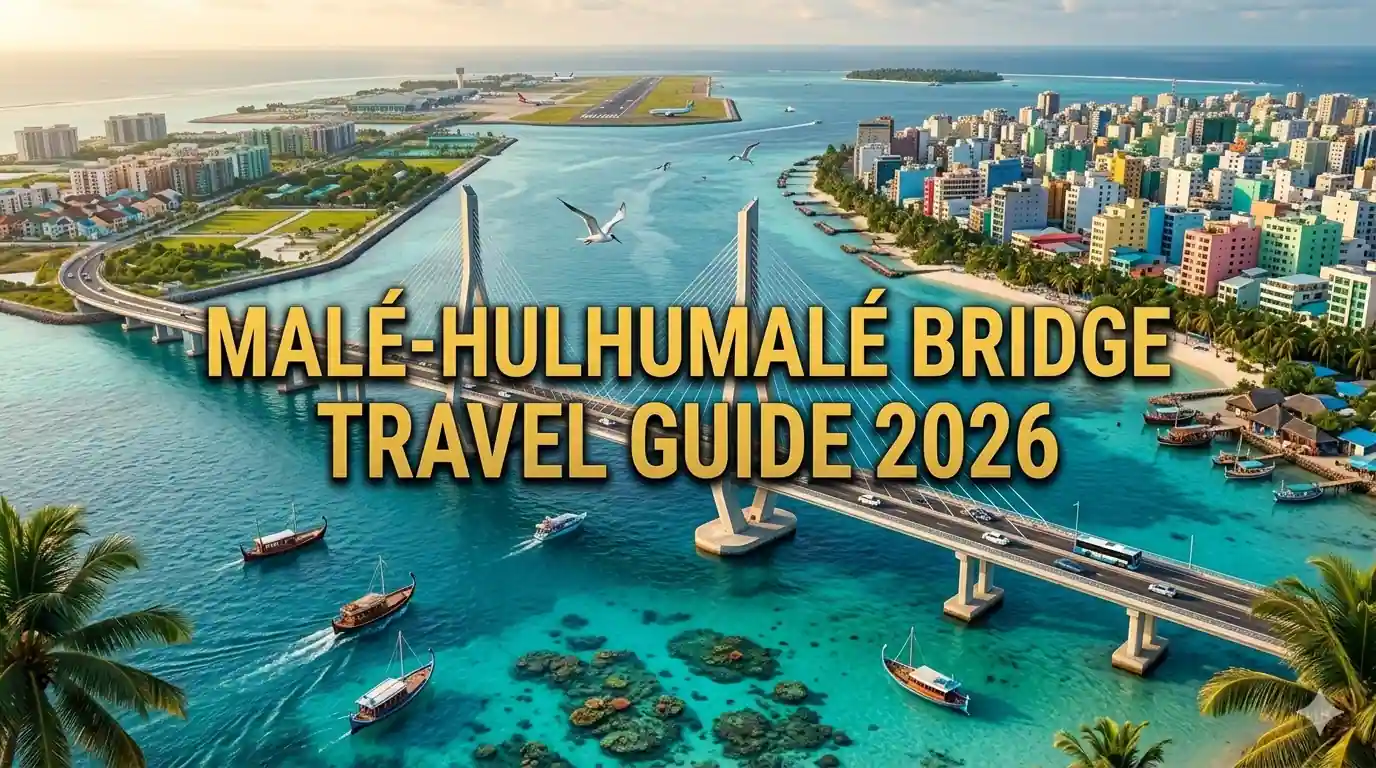
The China-Maldives Friendship Bridge represents a transformative infrastructure achievement connecting Malé, Hulhumalé, and Velana International Airport.
Opened in 2018, this 1.39-kilometer bridge eliminated the need for ferry transfers between the capital and airport.
First-time visitors to the Maldives now enjoy unprecedented convenience traveling between islands.
This comprehensive guide provides everything you need to know about using this vital transportation link.
Understanding bridge logistics enhances your Maldives arrival and departure experience significantly.
What Is the China-Maldives Friendship Bridge

The bridge officially named the China-Maldives Friendship Bridge locally called Sinamalé Bridge spans the Indian Ocean.
This 1.39-kilometer structure connects three critical locations: Malé capital, Hulhumalé reclaimed island, and Velana International Airport.
Construction began in 2015 with Chinese funding and engineering expertise completing in 2018.
The four-lane bridge reduced travel time from forty-five minutes by ferry to just five minutes by vehicle.
Over twenty thousand vehicles cross daily making it the lifeline of Maldives transportation infrastructure.
Bridge Specifications and Features
Total length measures 1.39 kilometers with width of fourteen meters accommodating four traffic lanes.
Maximum height reaches thirty meters above sea level allowing boat passage beneath the structure.
Pedestrian walkways on both sides enable walking though not recommended in tropical heat.
LED lighting system illuminates the bridge creating spectacular nighttime views across the lagoon.
Modern drainage and safety systems handle monsoon rains and tropical weather conditions effectively.
Historical Significance
Before the bridge, travelers relied entirely on ferries and speedboats for inter-island transportation.
Ferry schedules were limited with thirty to forty-five minute crossing times subject to weather delays.
The bridge represents the Maldives' first permanent connection between inhabited islands.
This infrastructure revolutionized daily life for residents commuting between Malé and Hulhumalé.
Tourism industry benefited enormously with streamlined airport transfers and reduced transportation costs.
Getting from Velana Airport to Malé or Hulhumalé

Velana International Airport sits on Hulhulé Island connected to the bridge system since 2018.
Upon arrival, you have multiple transportation options to reach Malé or Hulhumalé accommodations.
Taxis provide the most convenient though expensive option for airport transfers.
Local buses offer budget-friendly transportation with frequent departures throughout the day.
Understanding your options before arrival helps you choose the best method for your needs and budget.
Taxi Services Across the Bridge
Taxis wait outside the arrivals terminal ready for immediate departure to Malé or Hulhumalé.
Fare to Malé typically costs between fifteen and twenty US dollars for the five-minute journey.
Hulhumalé destinations cost ten to fifteen dollars depending on specific location on the island.
Always confirm price before entering the taxi as meters are not consistently used.
Journey time is approximately five to ten minutes depending on traffic conditions.
Public Bus Transportation
Local buses depart from outside the terminal building with stops in both Hulhumalé and Malé.
Bus fare costs approximately two to three US dollars per person making it extremely economical.
Buses run every fifteen to thirty minutes from early morning until late evening.
Journey takes fifteen to twenty minutes including stops along the route.
Buses can be crowded during peak commuting hours but provide authentic local experience.
Transportation Options and Costs

Multiple transportation methods serve the bridge route each with distinct advantages and costs.
Choosing the right option depends on your budget, luggage, time constraints, and comfort preferences.
Taxis offer door-to-door convenience at premium prices suitable for families and those with heavy luggage.
Buses provide economical transportation ideal for budget travelers and solo adventurers.
Private transfers arranged through hotels offer middle ground with pre-booked reliability.
Taxi Fares and Negotiation
Malé airport to city center: fifteen to twenty dollars standard fare.
Hulhumalé airport to most hotels: ten to fifteen dollars depending on distance.
Night surcharges may apply after ten PM adding two to five dollars to base fare.
Luggage fees sometimes charged for large suitcases typically one to two dollars per bag.
Negotiate fare before departure though prices are relatively standardized across operators.
Bus Routes and Schedules
Route 401 connects airport to Malé via Hulhumalé with frequent departures.
Route 402 serves airport to Hulhumalé direct route with fifteen-minute intervals.
First buses depart around 5 AM with last buses leaving approximately 11 PM.
Bus stops clearly marked with route numbers and destination information in English.
Payment made directly to conductor in cash with US dollars or Maldivian rufiyaa accepted.
Crossing the Bridge as a Pedestrian

While designed primarily for vehicles, pedestrians can walk across the bridge though not recommended.
Sidewalks exist on both sides of the bridge offering ocean views and photo opportunities.
Walking the 1.39 kilometers takes approximately fifteen to twenty minutes at moderate pace.
Tropical heat and humidity make walking uncomfortable especially midday and afternoon hours.
Early morning or evening walks provide cooler temperatures and spectacular sunset or sunrise views.
Pedestrian Safety Considerations
Stay on designated walkways separated from vehicle traffic by barriers.
No lighting on pedestrian paths though bridge has general illumination making evening walks possible.
Strong winds common on the exposed bridge requiring caution especially during monsoon season.
No rest areas or shade structures along the crossing bring water if attempting the walk.
Security personnel may discourage pedestrian traffic during peak hours or special events.
Photography Opportunities
Bridge offers stunning panoramic views of Malé city skyline from the Hulhumalé side.
Turquoise lagoon waters and traditional dhoni boats create picturesque compositions below.
Velana Airport runway visible from the bridge providing unique aviation photography angles.
Sunrise and sunset times offer golden hour lighting perfect for landscape photography.
Respect security restrictions and avoid photographing sensitive infrastructure or military areas.
Traveling Between Malé and Hulhumalé

The bridge facilitates easy movement between Malé capital and Hulhumalé's modern development.
Many travelers stay in Hulhumalé hotels while visiting Malé for sightseeing and shopping.
Understanding the character of each location helps plan your daily activities and accommodation.
Malé offers dense urban experience with markets, mosques, and museums in compact area.
Hulhumalé provides modern resorts, wider streets, and beach access with contemporary amenities.
Malé City Highlights Accessible by Bridge
Grand Friday Mosque with golden dome represents architectural centerpiece of Malé.
Malé Fish Market offers authentic local experience with fresh catch displayed daily.
National Museum houses Maldivian historical artifacts though limited in scope.
Sultan Park provides green space and historical ruins in the heart of congested capital.
Local markets and shops sell souvenirs, textiles, and traditional crafts throughout the city.
Hulhumalé Accommodation and Amenities
Modern hotels range from budget guesthouses to upscale beachfront resorts.
Artificial beach offers swimming and relaxation though not natural coral sand.
Restaurants and cafes serve international and local cuisine at various price points.
Supermarkets and convenience stores provide supplies for extended stays.
Wider streets and modern infrastructure create more comfortable environment than crowded Malé.
Traffic Patterns and Best Crossing Times

Understanding traffic patterns helps you plan efficient crossings and avoid delays.
Rush hours occur during morning and evening commuting periods when residents travel between islands.
Midday generally offers smoothest traffic flow with minimal congestion on the bridge.
Friday prayers create temporary traffic spikes as Muslims travel to mosques.
Weather conditions, especially heavy rain, can slow traffic and require extra travel time.
Peak Traffic Hours to Avoid
Morning rush: 7 AM to 9 AM when commuters travel from Hulhumalé to Malé for work.
Evening rush: 4 PM to 7 PM as workers return home creating heaviest congestion.
Sunday evenings particularly busy as weekend travelers return to Hulhumalé and Malé.
Public holidays create unpredictable traffic patterns with potential for significant delays.
Airport arrival peaks around midday and evening flights increasing bridge traffic temporarily.
Optimal Crossing Times
Mid-morning between 9:30 AM and 11:30 AM offers light traffic and comfortable temperatures.
Early afternoon from 1 PM to 3 PM provides smooth crossing though heat can be intense.
Late evening after 8 PM sees reduced traffic though darkness limits visibility.
Very early morning before 6 AM ideal for catching early flights with minimal congestion.
Weekend mornings generally quieter than weekdays offering relaxed crossing experience.
Practical Tips for First-Time Users

First-time bridge users benefit from practical knowledge that enhances comfort and efficiency.
Small details like currency preparation and luggage handling significantly impact your experience.
Local customs and etiquette should be respected when using public transportation.
Weather preparedness ensures comfort during the short but potentially challenging crossing.
Communication tools help navigate any issues that arise during your journey.
Currency and Payment Preparation
Carry small denominations of US dollars for taxi and bus payments.
Maldivian rufiyaa accepted though US dollars universally recognized and preferred.
Taxi drivers may not have change for large bills so prepare twenties or smaller.
Bus conductors can provide change but appreciate exact fare when possible.
ATMs available at airport and in both Malé and Hulhumalé if you need local currency.
Luggage Considerations
Taxis easily accommodate standard suitcases though space limited in smaller vehicles.
Buses have overhead racks and standing room for luggage but can be cramped when crowded.
Large or multiple bags make taxis more practical despite higher cost.
Keep valuables and travel documents in carry-on bags within your sight at all times.
Consider luggage delivery services some hotels offer for hassle-free transfers.
Weather and Comfort
Tropical heat and humidity make air-conditioned taxis preferable during midday hours.
Buses have air conditioning though may be less effective when crowded.
Rain showers common especially during monsoon season May through November.
Carry umbrella or rain jacket for unexpected downpours during your crossing.
Sunscreen and sunglasses recommended for daytime travel even in vehicles.
Accommodation Locations and Bridge Access

Your accommodation location determines bridge crossing frequency and transportation needs.
Hulhumalé hotels popular with tourists offering modern amenities and beach access.
Malé guesthouses provide authentic local experience though in congested urban environment.
Resort islands require speedboat or seaplane transfers independent of the bridge system.
Understanding your location helps plan daily activities and transportation budgets.
Staying in Hulhumalé
Hulhumalé Phase 1 contains most tourist accommodations with established infrastructure.
Phase 2 development offers newer hotels though farther from bridge and amenities.
Most hotels provide airport pickup services for additional fee ensuring smooth arrival.
Walking distance to artificial beach, restaurants, and shops from most accommodations.
Regular bus service to Malé enables day trips for sightseeing and shopping.
Staying in Malé
Malé accommodations typically guesthouses or budget hotels in compact urban setting.
Limited parking means most hotels do not offer private vehicle transfers.
Walking distance to major attractions, markets, and ferry terminals for local island hopping.
Noisy and congested environment may challenge travelers seeking tranquility.
Authentic local experience with access to Maldivian culture, food, and daily life.
Alternative Transportation Methods

While the bridge dominates airport transfers, traditional water transportation remains available.
Speedboats offer direct transfers to specific hotels or islands bypassing the bridge entirely.
Public ferries connect Malé to nearby local islands for day trips and exploration.
Private boat charters provide flexible scheduling though at premium prices.
Understanding all options helps you choose the best method for specific journeys.
Speedboat Transfers
Many Hulhumalé and Malé hotels arrange speedboat pickup directly from airport jetty.
Costs typically twenty to forty dollars per person depending on hotel and distance.
Faster than bridge transfer during heavy traffic though weather dependent.
Scenic route across lagoon provides beautiful first views of Maldives islands.
Advance booking recommended especially during peak tourist season.
Public Ferry Services
Public ferries connect Malé to Hulhumalé, Villimalé, and other nearby islands.
Fare costs approximately two dollars per person with regular scheduled departures.
Journey time fifteen to twenty minutes depending on destination and stops.
Ferries less convenient than bridge for airport transfers but useful for local island exploration.
Ferry terminals in Malé easily accessible from city center and bridge exit points.
Safety and Security Considerations

The bridge maintains good safety standards though basic precautions enhance your security.
Traffic accidents occur as in any urban environment requiring awareness when crossing streets.
Petty theft rare but possible in crowded buses or tourist areas demanding vigilance.
Weather-related hazards during monsoon season necessitate caution and flexibility.
Emergency services accessible though response times may vary depending on location.
Road Safety
Traffic drives on the left side of the road following British colonial influence.
Pedestrian crossings exist but drivers do not always yield requiring caution.
Motorcycles weave through traffic creating additional hazards for pedestrians.
Use designated crosswalks and wait for clear traffic gaps before crossing.
Avoid walking on bridge during heavy rain when visibility reduced for drivers.
Personal Security
Maldives generally safe for tourists with low violent crime rates.
Keep valuables concealed and maintain awareness in crowded areas.
Use registered taxis from official stands rather than accepting rides from strangers.
Share your travel plans and expected arrival times with accommodation or contacts.
Emergency number is 119 for police, 102 for ambulance, and 118 for fire services.
Cultural Etiquette and Local Customs

Respecting Maldivian culture and Islamic traditions enhances your travel experience.
The Maldives is a Muslim country with conservative customs especially outside resort islands.
Appropriate dress and behavior demonstrate respect for local values and religious beliefs.
Understanding cultural norms prevents unintentional offense and facilitates positive interactions.
Maldivians generally welcoming to tourists who show respect for their culture and traditions.
Dress Code Considerations
Modest dress required in Malé and local islands covering shoulders and knees.
Beachwear acceptable only at resort islands and designated bikini beaches.
Hulhumalé artificial beach has relaxed standards though modest swimwear appreciated.
Remove shoes before entering mosques and some traditional buildings.
Carry scarf or shawl for covering shoulders when visiting religious or government sites.
Behavioral Expectations
Public displays of affection frowned upon and should be avoided in Malé and Hulhumalé.
Ramadan observance affects restaurant hours and public behavior during holy month.
Alcohol prohibited outside resort islands and liveaboard boats.
Pork products unavailable in local restaurants and shops due to Islamic dietary laws.
Photograph people only with permission especially women and religious gatherings.
Money Saving Tips for Bridge Travel

Transportation costs add up quickly in the Maldives where everything imported and expensive.
Strategic choices about transportation and timing can significantly reduce your travel expenses.
Budget travelers can minimize costs without sacrificing safety or excessive inconvenience.
Understanding pricing structures helps you avoid overpaying for standard services.
Small savings on transportation free up budget for experiences and activities.
Budget Transportation Strategies
Use public buses instead of taxis saving ten to fifteen dollars per trip.
Share taxi fares with other travelers heading to same destination splitting costs.
Walk short distances in Hulhumalé or Malé rather than taking taxis for every journey.
Book hotel airport transfers in advance often cheaper than on-demand taxi services.
Stay in Hulhumalé near bus routes to minimize additional transportation needs.
Avoiding Common Tourist Markups
Confirm taxi fares before entering vehicle to avoid inflated prices at journey end.
Use official taxi stands at airport rather than accepting offers from drivers in terminal.
Learn standard fare ranges so you can negotiate confidently and fairly.
Avoid currency exchange at airport offering poor rates use ATMs or city exchange offices.
Hotel-arranged transfers convenient but often cost double independent taxi services.
Technology and Navigation Tools

Modern technology simplifies navigation and communication during your bridge crossings.
Mobile apps provide real-time information about transportation, weather, and local services.
Offline resources ensure you can navigate even without internet connectivity.
Translation tools help overcome language barriers though English widely spoken.
Digital payment options emerging though cash remains dominant in Maldives.
Useful Apps and Resources
Google Maps works well in Malé and Hulhumalé showing routes and bus stops.
Weather apps provide monsoon season forecasts helping plan outdoor activities.
Translation apps for Dhivehi language though most service workers speak English.
Ride-hailing apps limited availability traditional taxi system remains primary option.
Hotel booking apps show Hulhumalé and Malé accommodations with reviews and pricing.
Connectivity Options
Purchase local SIM card at airport or in Malé for affordable data and calls.
Dhiraagu and Ooredoo are main providers with good coverage in Malé and Hulhumalé.
Free WiFi available in most hotels, cafes, and some public areas.
International roaming expensive consider local SIM for extended stays.
Download offline maps before arrival in case of connectivity issues.
Special Considerations for Different Travelers

Different types of travelers face unique challenges and opportunities using the bridge.
Families with children need to consider luggage, strollers, and patience factors.
Solo travelers benefit from budget options and safety considerations specific to independent travel.
Travelers with mobility challenges require accessibility information and alternative arrangements.
Business travelers need efficiency and reliability for time-sensitive airport transfers.
Family Travel Tips
Taxis more practical than buses when traveling with young children and multiple bags.
Strollers difficult on crowded buses and uneven sidewalks consider baby carriers.
Plan crossings during non-peak hours to avoid stress with children in crowded conditions.
Bring snacks and water for children as options limited during short bridge crossing.
Hotels in Hulhumalé often more family-friendly with beach access and space than Malé.
Solo Traveler Advice
Buses provide budget-friendly option and opportunities to meet other travelers.
Share taxi fares with fellow solo travelers from your accommodation to split costs.
Stay aware of surroundings especially when traveling alone at night.
Join online Maldives travel groups to connect with other solo travelers for shared transfers.
Guesthouses in both Malé and Hulhumalé offer social atmospheres for meeting people.
Environmental and Sustainability Considerations

The bridge represents both environmental challenge and opportunity for the Maldives.
Climate change threatens this low-lying island nation making infrastructure resilience critical.
Transportation choices impact carbon footprint and local environmental health.
Sustainable tourism practices help preserve the natural beauty that attracts visitors.
Understanding environmental context enhances appreciation for Maldives fragility and beauty.
Climate Change Context
Maldives average elevation just 1.5 meters above sea level making it extremely vulnerable.
Bridge designed with climate resilience though long-term sea level rise remains threat.
Coastal erosion and coral bleaching visible throughout the archipelago.
Support eco-conscious hotels and tour operators committed to sustainability.
Minimize plastic use and participate in beach cleanups during your visit.
Sustainable Transportation Choices
Public buses reduce per-person carbon emissions compared to individual taxis.
Walking short distances eliminates emissions while providing exercise and local immersion.
Choose hotels offering electric vehicle transfers or bicycle rentals.
Offset your flight carbon emissions through verified carbon offset programs.
Support local economy by using Maldivian-owned transportation and accommodation services.
Conclusion and Final Recommendations

The Malé-Hulhumalé Bridge revolutionized travel in the Maldives providing unprecedented connectivity.
First-time visitors benefit from understanding transportation options, costs, and cultural context.
Budget travelers can use buses effectively while those prioritizing convenience choose taxis.
Respect local customs and Islamic traditions throughout your time in Malé and Hulhumalé.
The bridge serves as your gateway to experiencing both modern development and traditional Maldivian culture.
0 Comments