.webp)
.webp)
North Korean Mass Gymnastics History and Training Guide
Understanding North Korean Mass Gymnastics and Cultural Performances
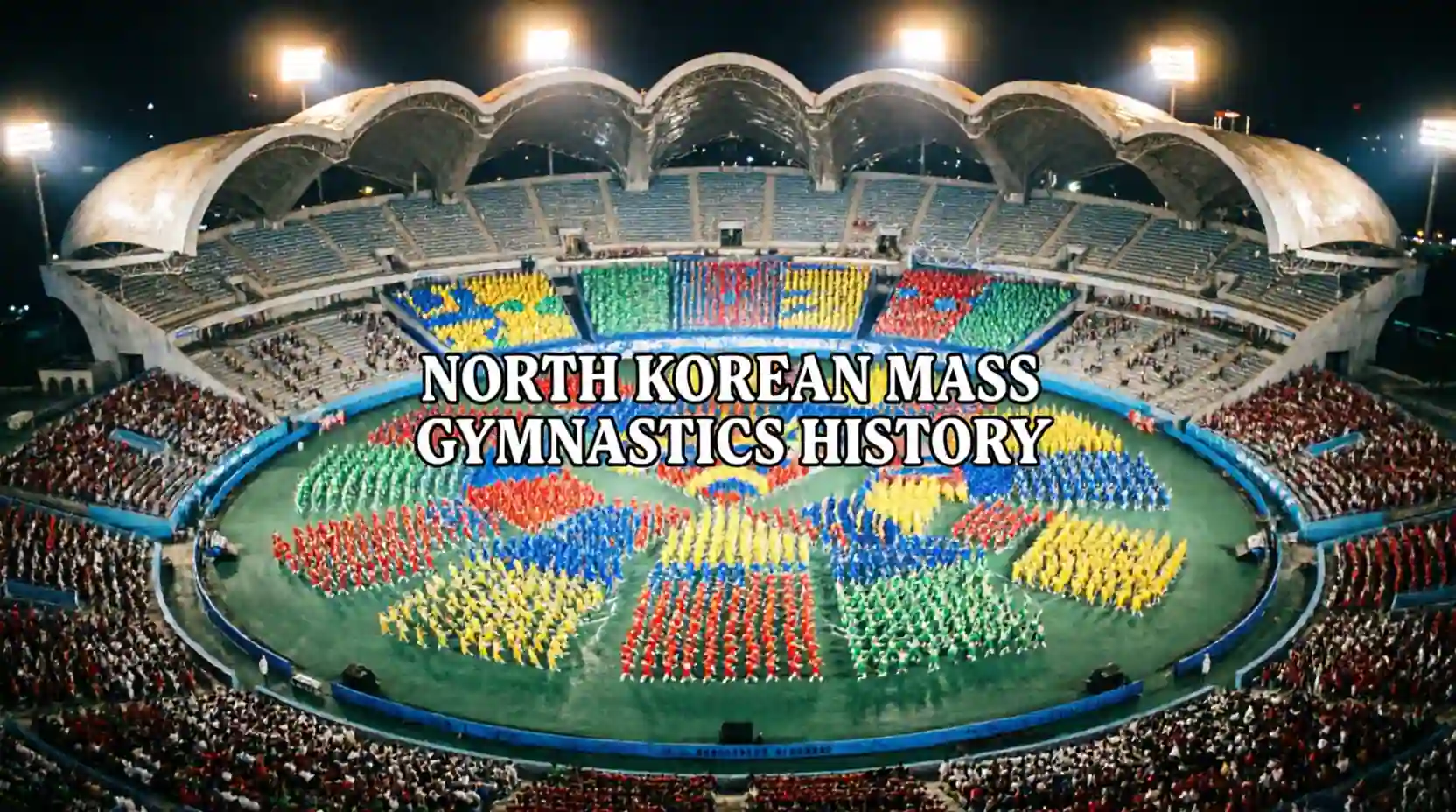
North Korean mass gymnastics represent one of the world's most spectacular forms of synchronized performance art. These massive displays combine athletics, dance, music, and visual storytelling on an unprecedented scale.
The most famous example, the Arirang Festival, featured over one hundred thousand performers coordinating precise movements in Pyongyang's Rungrado 1st of May Stadium. This event showcased the country's emphasis on collective discipline and artistic expression.
Travelers interested in these performances often wonder about workshop opportunities or training experiences. Understanding what is realistically available helps set proper expectations for cultural tourism in North Korea.
This guide explores the history, training methods, and practical considerations for visitors hoping to experience or learn about North Korean mass gymnastics traditions.
The History of Mass Gymnastics in North Korea

Mass gymnastics in North Korea trace their origins to early twentieth century physical education movements. The practice evolved significantly after the country's establishment in 1948.
When Did Mass Gymnastics Begin in North Korea
Organized mass performances emerged in the 1950s as part of nation-building efforts. The government promoted collective physical activities to foster unity and national pride among citizens.
The first large-scale mass games took place in 1962 at Kim Il Sung Stadium. These early events featured thousands of participants performing synchronized routines to patriotic music.
Over subsequent decades, the scale and complexity of performances grew dramatically. Advanced choreography, elaborate costumes, and sophisticated backdrop displays became hallmarks of the tradition.
The Arirang Festival, launched in 2002, represented the pinnacle of this art form. It combined gymnastics, dance, acrobatics, and a massive human mosaic backdrop created by schoolchildren holding colored cards.
What Is the Arirang Festival
The Arirang Festival was a grand mass performance held annually in Pyongyang. It celebrated Korean history, revolutionary struggle, and national achievements through artistic expression.
Over one hundred thousand performers participated including gymnasts, dancers, musicians, and card-holding students. The coordination required months of intensive preparation and rehearsal.
The name Arirang references a traditional Korean folk song symbolizing resilience and cultural identity. The festival used this theme to connect historical heritage with modern national pride.
International visitors could attend as spectators through authorized tour operators. However, participation as a performer remained restricted to North Korean citizens selected through rigorous processes.
Training Methods and Discipline in Mass Gymnastics

The training regimen for mass gymnastics performers reflects extraordinary dedication and systematic preparation. Understanding these methods provides insight into the cultural values underlying the performances.
How Are Performers Selected and Trained
Participants typically begin training at young ages through school-based physical education programs. Talented children are identified early for specialized instruction in gymnastics and synchronized movement.
Training occurs daily for many hours over several months before major performances. Participants practice individual skills, group coordination, and precise timing to achieve flawless execution.
Discipline and collective responsibility form core principles of the training philosophy. Each performer's accuracy affects the entire group's success, reinforcing teamwork and mutual accountability.
Physical conditioning emphasizes flexibility, strength, and endurance. Performers develop exceptional body control to execute complex routines while maintaining perfect synchronization with thousands of others.
What Skills Do Mass Gymnastics Performers Learn
Basic gymnastics fundamentals include tumbling, balancing, and coordinated movement patterns. These skills provide the foundation for more elaborate choreography.
Synchronization training teaches performers to move as one unified entity. Visual cues, musical timing, and spatial awareness enable precise coordination across vast performance areas.
Card-holding participants practice rapid color changes to create dynamic backdrop images. This requires split-second timing and unwavering focus throughout lengthy performances.
Artistic expression complements technical proficiency. Performers learn to convey emotion and narrative through movement while maintaining strict formation discipline.
Can Foreigners Participate in North Korean Gymnastics Workshops

Travelers often inquire about hands-on workshop opportunities to experience mass gymnastics training firsthand. Realistic expectations require understanding current access limitations.
Are Training Workshops Available for Tourists
Formal participation in mass gymnastics training remains unavailable to foreign visitors. Performance roles are reserved for North Korean citizens selected through domestic processes.
However, some specialized tour operators offer cultural observation experiences. These may include behind-the-scenes stadium visits or meetings with former performers who share insights about training traditions.
Physical education demonstrations at schools or universities sometimes feature gymnastics displays. Visitors can observe techniques and ask questions through guided interpretation.
Cultural exchange programs occasionally include introductory movement sessions. These brief experiences provide taste of training methods without full workshop participation.
What Cultural Experiences Can Travelers Access
Attending performances as spectators represents the primary way foreigners experience mass gymnastics. The Arirang Festival and similar events welcome international audiences through authorized channels.
Guided tours of Rungrado 1st of May Stadium offer architectural and historical context. Knowledgeable guides explain the venue's role in national celebrations and mass performances.
Meetings with gymnastics coaches or cultural officials provide educational insights. These structured interactions allow visitors to learn about training philosophies and artistic goals.
Photography opportunities during performances capture the spectacle's visual grandeur. Respectful documentation preserves memories while honoring local protocols regarding image use.
Visa and Entry Requirements for North Korea Travel

Visiting North Korea requires careful planning and compliance with specific entry procedures. Understanding these requirements proves essential for any traveler interested in cultural performances.
Do You Need a Visa to Visit North Korea
All foreign visitors require a visa to enter North Korea. Independent travel is not permitted, so visas must be arranged through authorized tour operators.
The application process typically takes one to two weeks. Travelers provide passport details, itinerary information, and personal background through their chosen agency.
Visas are usually issued as separate tourist cards rather than passport stamps. This practice helps travelers avoid complications when visiting other countries afterward.
Certain nationalities face additional restrictions or may be denied entry. Citizens of South Korea, journalists, and individuals with specific professional backgrounds should verify eligibility before planning travel.
How to Book a North Korea Tour
Authorized tour operators based in China, Europe, or North America facilitate all North Korea travel arrangements. These agencies handle visas, accommodations, transportation, and guided itineraries.
Popular operators include Koryo Tours, Young Pioneer Tours, and Uri Tours. Each offers various itineraries featuring cultural performances, historical sites, and urban exploration.
Group tours depart from Beijing with flights or trains to Pyongyang. Private tour options provide more flexibility but require advance coordination and higher budgets.
Booking several months ahead ensures availability for major events like mass gymnastics festivals. Peak seasons fill quickly due to limited tourist infrastructure and capacity.
Cost Breakdown for North Korea Cultural Tours

Travel to North Korea involves specific costs that differ from typical international destinations. Budgeting accurately helps travelers plan realistic itineraries.
How Much Does a North Korea Tour Cost
Standard group tours range from 1,000 to 2,500 euros for three to five day itineraries. Prices include accommodations, meals, transportation, guides, and entry fees.
Premium tours featuring special events or extended stays cost 3,000 to 5,000 euros. These may include Arirang Festival tickets, private vehicles, or upgraded hotels.
International flights to Beijing are not included in tour prices. Travelers budget separately for flights from their home countries to the departure point.
Visa fees typically cost 50 to 100 euros depending on nationality and processing speed. Tour operators collect these fees as part of the overall package.
Additional Expenses to Consider
Travel insurance covering North Korea is mandatory for most tour operators. Policies specifically including DPRK travel cost more than standard international coverage.
Personal spending money covers souvenirs, extra snacks, or optional activities. While credit cards are rarely accepted, euros or US dollars in cash work for purchases.
Photography permits or special access fees may apply for certain locations. Guides clarify any additional costs before arranging optional experiences.
Gratuities for guides and drivers are customary though not required. Many travelers budget 10 to 20 euros per day for tips as a gesture of appreciation.
Sample Itinerary for Mass Gymnastics Cultural Tours

A well-structured itinerary maximizes cultural exposure while respecting travel logistics. This sample plan balances performance viewing with broader North Korean experiences.
Day 1: Arrival and Pyongyang Orientation
Arrive in Pyongyang via Air Koryo flight from Beijing or train across the border. Meet your guides and transfer to your hotel for check-in and orientation.
Enjoy welcome dinner featuring traditional Korean cuisine. Guides outline daily schedules, cultural protocols, and safety guidelines for the trip.
Evening walk along Taedong River provides first impressions of the capital city. Observe local life and architecture while learning about Pyongyang's history.
Day 2: Cultural Sites and Performance Preparation
Visit Kim Il Sung Square and the Grand People's Study House in the morning. These landmarks illustrate the country's architectural style and civic planning.
Tour the Mansudae Grand Monument to understand historical reverence practices. Guides explain appropriate behavior when visiting sites of national significance.
Afternoon visit to a school or university may include physical education demonstrations. Observe gymnastics training methods and ask questions through interpretation.
Evening attendance at a mass gymnastics performance or rehearsal if scheduled. Experience the spectacle's scale and artistry from spectator seating.
Day 3: Stadium Tour and Cultural Exchange
Guided tour of Rungrado 1st of May Stadium explores the venue's architecture and history. Learn about event logistics and the engineering behind massive performances.
Meeting with cultural officials or former performers provides insider perspectives. Discuss training philosophies, artistic goals, and the role of mass gymnastics in society.
Visit the Pyongyang Circus or Moranbong Theater for additional performance art exposure. Compare different styles of North Korean entertainment and artistic expression.
Free time for souvenir shopping at designated stores. Purchase traditional crafts, books, or memorabilia while supporting local artisans.
Day 4: Departure and Reflection
Final morning visit to a local market or park observes everyday life. Reflect on cultural insights gained during the trip while respecting photography guidelines.
Transfer to airport or train station for departure to Beijing. Guides assist with check-out procedures and provide farewell remarks.
Post-trip reflection helps process the unique experience. Consider how mass gymnastics traditions reflect broader cultural values and artistic achievements.
Safety and Cultural Guidelines for North Korea Visitors

Traveling to North Korea requires heightened awareness of local laws and cultural expectations. Following guidelines ensures respectful and trouble-free visits.
Is North Korea Safe for Tourists
Tourists generally experience safe visits when following authorized itineraries. Guided travel minimizes risks associated with independent exploration in unfamiliar environments.
Crime against tourists remains extremely rare. The highly controlled environment and constant guide presence contribute to visitor security.
Health and sanitation standards vary from international norms. Travelers bring necessary medications and practice food and water precautions.
Political sensitivities require careful behavior and speech. Avoiding discussions of politics, human rights, or leadership prevents unintended complications.
Essential Cultural Etiquette Rules
Always show respect for national symbols including statues, portraits, and monuments. Bowing or pausing respectfully when passing significant sites demonstrates cultural awareness.
Photography restrictions apply in many locations. Always ask guides before taking photos of people, military installations, or sensitive infrastructure.
Dress modestly and conservatively in public spaces. Avoid clothing with political slogans, religious symbols, or potentially offensive imagery.
Follow guide instructions without argument. Guides ensure compliance with local regulations and protect visitors from unintentional violations.
Practical Travel Tips for North Korea Tours

Practical preparation enhances your North Korea experience significantly. These tips address common questions and potential challenges.
What Should You Pack for North Korea Travel
Comfortable walking shoes suit extensive sightseeing on varied terrain. Many tours involve substantial time on foot exploring cities and historical sites.
Weather-appropriate clothing accounts for seasonal extremes. Summers prove hot and humid while winters bring cold temperatures requiring warm layers.
Small gifts from your home country can facilitate friendly interactions. Items like postcards, stickers, or local crafts make thoughtful tokens of appreciation.
Portable power banks ensure device charging during long days. Electrical outlets may differ from your home country, so bring appropriate adapters.
Communication and Connectivity
International mobile phones do not work on North Korean networks. Purchase a local SIM card if available, though internet access remains heavily restricted.
Wi-Fi exists in some hotels but with limited functionality. Expect minimal connectivity and plan accordingly for communication with family or work.
Guides serve as primary interpreters and cultural mediators. Building positive relationships with them enhances your experience and access to information.
Bring a phrasebook or translation app for basic Korean expressions. Simple greetings demonstrate respect and may enrich interactions with local people.
Money and Banking Considerations
North Korean won is not accessible to foreign tourists. All transactions occur in euros, US dollars, or Chinese yuan at official exchange rates.
Credit and debit cards do not work in North Korea. Bring sufficient cash in small denominations for souvenirs, tips, and incidental expenses.
Keep all currency exchange receipts for departure procedures. Officials may request documentation of financial transactions during exit formalities.
Budget extra funds for unexpected opportunities or extended stays. Flexibility in finances reduces stress if itineraries change due to weather or scheduling.
Understanding the Cultural Significance of Mass Gymnastics
Mass gymnastics reflect deeper cultural values and historical narratives in North Korea. Appreciating this context enriches the spectator experience.
Why Are Mass Gymnastics Important in North Korean Culture
Collective performance embodies the principle of unity over individualism. The precise synchronization of thousands demonstrates the power of coordinated effort toward shared goals.
Historical storytelling through movement preserves national narratives. Performances celebrate revolutionary struggles, economic achievements, and cultural heritage.
Physical excellence represents national pride and discipline. The athletic prowess displayed showcases the country's investment in citizen development.
Artistic innovation within structured formats balances creativity with order. The visual spectacle combines traditional aesthetics with modern production techniques.
How Do Mass Gymnastics Compare to Other Cultural Performances
Unlike Western sporting events emphasizing competition, mass gymnastics prioritize harmony and collective achievement. Success is measured by group cohesion rather than individual victory.
Similar traditions exist in other East Asian cultures including Chinese mass calisthenics and Japanese group exercises. North Korean performances distinguish themselves through scale and political symbolism.
Contemporary global performances like Olympic opening ceremonies share production elements. However, North Korean mass gymnastics maintain unique philosophical foundations and artistic approaches.
Understanding these distinctions helps visitors appreciate the performances on their own terms. Cultural context transforms spectacle into meaningful artistic expression.
Frequently Asked Questions About North Korean Mass Gymnastics
Can Foreigners Watch Mass Gymnastics Performances
Yes, foreign tourists can attend mass gymnastics performances as spectators. Authorized tour operators include event tickets in specialized cultural itineraries.
Performance schedules vary by year and political considerations. The Arirang Festival has been suspended and revived multiple times, so confirm current availability when booking.
Seating for international visitors typically occupies designated sections. These areas provide good views and access to translation services through guides.
Photography during performances is usually permitted but with restrictions. Avoid flash photography and respect any instructions from event staff or guides.
How Long Do Mass Gymnastics Performances Last
Full performances typically run two to three hours including intermissions. The extensive choreography and multiple acts require substantial time to present completely.
Arrive early to allow time for security checks and seating. Large venues process thousands of attendees, so punctuality ensures comfortable entry.
Programs may include pre-show cultural displays or musical performances. These additional elements enhance the overall experience beyond the main gymnastics acts.
Plan for transportation time to and from the stadium. Evening performances conclude after dark, so arrange reliable return travel with your tour group.
What Is the Best Time to Visit for Mass Gymnastics
Historically, major performances occurred during significant national holidays. Dates like the Day of the Sun in April or National Day in September featured special events.
Summer months offer favorable weather for travel and outdoor activities. However, performance schedules depend on political planning rather than tourism seasons.
Book tours well in advance to secure performance tickets. Limited seating for international visitors fills quickly when major events are announced.
Remain flexible with travel dates due to potential schedule changes. North Korean event planning can shift based on internal considerations beyond tourist control.
Are There Age Restrictions for Attending Performances
Most tours welcome travelers of various ages with appropriate supervision. However, lengthy performances may challenge very young children's attention spans.
Consider your group's comfort with extended seated events when planning. Performances involve minimal breaks and require sustained focus to appreciate fully.
Accessibility for travelers with mobility limitations varies by venue. Discuss specific needs with tour operators when booking to ensure suitable accommodations.
Family-oriented tours may include shorter cultural activities alongside performances. Balanced itineraries accommodate diverse interests and energy levels within travel groups.
What Should I Wear to a Mass Gymnastics Performance
Smart casual attire shows respect for the cultural significance of the event. Avoid overly casual clothing like shorts, tank tops, or athletic wear.
Comfortable shoes remain important despite formal expectations. Stadium seating involves stairs and walking distances that challenge impractical footwear.
Layered clothing accommodates variable indoor temperatures. Large venues may have inconsistent climate control depending on season and attendance.
Bring a light jacket or shawl for evening performances. Temperatures can drop after sunset even during warmer months.
Conclusion: Appreciating North Korean Mass Gymnastics Culture
North Korean mass gymnastics represent a unique fusion of athletic discipline, artistic expression, and cultural storytelling. While direct workshop participation remains unavailable to foreign visitors, meaningful engagement through observation and education offers valuable insights.
Understanding the history and training methods behind these spectacular performances deepens appreciation for the skill and dedication involved. The collective effort required to coordinate thousands of performers reflects cultural values worth studying respectfully.
Travelers who approach North Korean cultural experiences with openness, preparation, and respect gain memorable perspectives. Guided tours provide structured access to performances, venues, and knowledgeable interpreters who contextualize what you witness.
Practical planning regarding visas, costs, itineraries, and safety ensures smooth travel experiences. Awareness of cultural protocols and communication limitations helps visitors navigate this distinctive destination successfully.
Whether you attend a mass gymnastics performance, tour the Rungrado Stadium, or simply learn about this remarkable tradition from afar, the experience contributes to broader understanding of global cultural diversity. Respectful curiosity and informed travel practices benefit both visitors and host communities.
As geopolitical circumstances evolve, access to North Korean cultural events may change. Staying informed through reputable tour operators and official travel advisories helps travelers adapt plans while maintaining realistic expectations.
The legacy of mass gymnastics as an art form continues to inspire interest worldwide. By approaching this topic with cultural sensitivity and factual understanding, travelers contribute to meaningful cross-cultural exchange and appreciation.
0 Comments