.webp)
.webp)
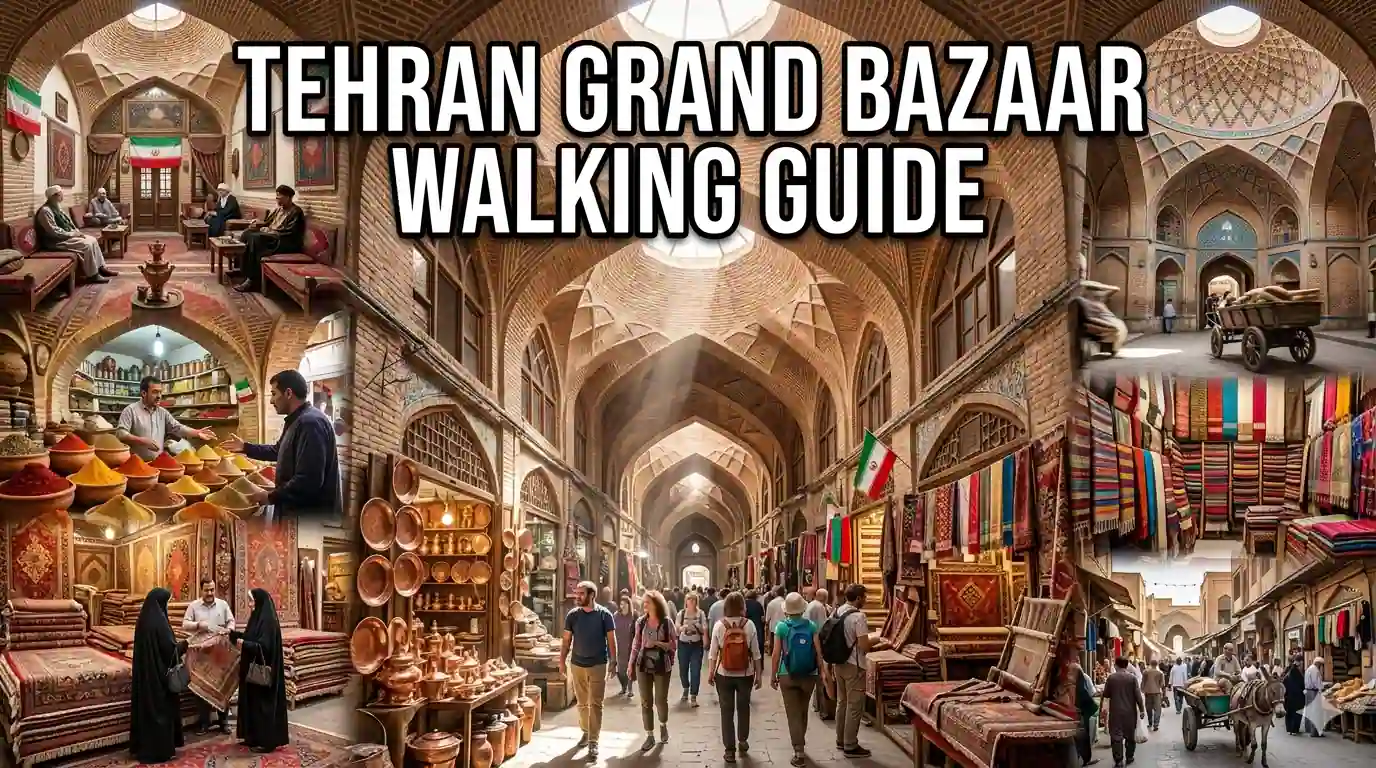
Walking Through the Grand Bazaar of Tehran: A Cultural Journey
Step into the Grand Bazaar of Tehran, and you enter a world where time seems to move at a different pace—a labyrinth of vaulted brick corridors, the scent of saffron and rosewater lingering in the air, the rhythmic calls of merchants, and the gentle clink of copper being hammered by artisans. This is not merely a marketplace; it is the beating heart of Tehran, a living museum of Persian commerce, craftsmanship, and culture that has thrived for centuries. For travelers exploring Iran's capital in 2026, walking through the Grand Bazaar offers an unparalleled opportunity to engage with authentic Iranian life, discover extraordinary handicrafts, savor traditional flavors, and witness the enduring vitality of one of the world's oldest and largest covered markets.
Stretching over 10 kilometers of interconnected corridors, courtyards, and caravanserais, the Grand Bazaar is more than a shopping destination—it is a microcosm of Iranian society. Here, centuries-old traditions of bargaining, hospitality, and craftsmanship coexist with modern commerce and contemporary life. The bazaar's architecture, with its soaring brick vaults, intricate tile work, and skylights that filter sunlight into golden patterns, tells the story of Persian architectural ingenuity. The people—merchants, artisans, porters, and shoppers—embody the warmth, wit, and resilience that define Iranian culture.
This comprehensive guide explores everything you need to know about walking through Tehran's Grand Bazaar: understanding its historical significance and layout, navigating the maze of corridors with confidence, discovering traditional crafts and authentic souvenirs, experiencing the bazaar's culinary treasures, mastering the art of bargaining with respect, appreciating cultural etiquette, capturing memorable photographs, and practical tips for a safe and enriching visit. Whether you're a seasoned traveler or a first-time visitor to Iran, this guide provides the insights you need to experience the Grand Bazaar not just as a tourist, but as a curious guest welcomed into a vibrant cultural tradition.
Historical Context: The Bazaar Through the Ages

Origins and Evolution
The Grand Bazaar's roots stretch back over a millennium:
- Early foundations: Market activity on this site dates to the Sassanian era (224-651 CE), with Tehran emerging as a regional trading center
- Safavid expansion (16th-18th centuries): Major development under Safavid rulers; establishment of caravanserais, mosques, and specialized merchant quarters
- Qajar era (1789-1925): Golden age of the bazaar; Tehran established as capital in 1786; bazaar became political and economic center of Iran
- 20th century modernization: Adaptation to modern commerce while preserving traditional structure and practices
- Contemporary significance: Remains vital commercial hub; symbol of Iranian cultural identity and economic resilience
- 👉 The Ultimate Indonesia First-Timer’s Bible: 40 Essential Hacks for 2026
- 👉 Al-Mustansiriya Madrasah: One of the World's Oldest Universities
- 👉 চায়না ভিসা ২০২৬: বাংলাদেশী নাগরিকদের জন্য নতুন নিয়ম, ফি ও আবেদন পদ্ধতি
Architectural Heritage
The bazaar's design reflects Persian architectural wisdom:
- Vaulted corridors: Brick arches create natural cooling; temperature remains comfortable even in summer heat
- Skylights and windcatchers: Traditional ventilation systems provide light and air circulation without modern technology
- Caravanserais: Historic inns where merchants once lodged; now house shops, workshops, and cultural spaces
- Mosques and religious spaces: Integrated into bazaar fabric; reflect the interconnection of commerce and faith in Persian culture
- Specialized quarters: Traditional organization by trade: carpet sellers, copper workers, spice merchants, textile dealers
- 👉 The Ultimate Indonesia First-Timer’s Bible: 40 Essential Hacks for 2026
- 👉 Al-Mustansiriya Madrasah: One of the World's Oldest Universities
- 👉 চায়না ভিসা ২০২৬: বাংলাদেশী নাগরিকদের জন্য নতুন নিয়ম, ফি ও আবেদন পদ্ধতি
Cultural and Political Significance
The bazaar has played roles beyond commerce:
- Economic engine: Historically controlled significant portions of Iranian trade and finance
- Political influence: Bazaar merchants (bazaaris) have been influential in Iranian politics, including the Constitutional Revolution and 1979 Islamic Revolution
- Social hub: Place for community gathering, news exchange, and cultural transmission
- Cultural preservation: Safeguards traditional crafts, bargaining practices, and social customs that might otherwise fade
- UNESCO recognition: While not individually listed, the bazaar contributes to Tehran's cultural heritage value
- 👉 The Ultimate Indonesia First-Timer’s Bible: 40 Essential Hacks for 2026
- 👉 Al-Mustansiriya Madrasah: One of the World's Oldest Universities
- 👉 চায়না ভিসা ২০২৬: বাংলাদেশী নাগরিকদের জন্য নতুন নিয়ম, ফি ও আবেদন পদ্ধতি
Navigating the Maze: Layout and Key Areas

Understanding the Bazaar's Structure
The Grand Bazaar can seem overwhelming at first; understanding its organization helps:
- Main artery: The primary corridor runs roughly east-west, connecting major entrances and landmarks
- Specialized sections: Different areas specialize in specific goods: carpets, textiles, spices, copperware, gold, etc.
- Courtyards and caravanserais: Open spaces provide orientation points and house significant shops or cultural sites
- Vertical layers: Some areas have upper levels with additional shops or workshops
- Landmarks: Mosques, historic caravanserais, and major intersections serve as navigation aids
- 👉 The Ultimate Indonesia First-Timer’s Bible: 40 Essential Hacks for 2026
- 👉 Al-Mustansiriya Madrasah: One of the World's Oldest Universities
- 👉 চায়না ভিসা ২০২৬: বাংলাদেশী নাগরিকদের জন্য নতুন নিয়ম, ফি ও আবেদন পদ্ধতি
Key Areas to Explore
Carpet and Textile Quarter:
- Location: Central and western sections of the bazaar
- What to find: Persian rugs of all regions (Tabriz, Isfahan, Kashan, Qom), kilims, textiles, embroidery
- Experience: Watch merchants unroll carpets; learn about weaving techniques, regional styles, and quality indicators
- Tips: Take time to appreciate craftsmanship; ask about origins and materials; bargaining expected
- 👉 The Ultimate Indonesia First-Timer’s Bible: 40 Essential Hacks for 2026
- 👉 Al-Mustansiriya Madrasah: One of the World's Oldest Universities
- 👉 চায়না ভিসা ২০২৬: বাংলাদেশী নাগরিকদের জন্য নতুন নিয়ম, ফি ও আবেদন পদ্ধতি
Copper and Metalwork Section:
- Location: Traditional artisan quarter, often near historic caravanserais
- What to find: Hand-hammered copper trays, teapots, decorative items; silver jewelry; traditional metalwork
- Experience: Watch artisans at work; the rhythmic sound of hammering is part of the bazaar's soundtrack
- Tips: Observe craftsmanship; ask about techniques; smaller items make excellent souvenirs
- 👉 The Ultimate Indonesia First-Timer’s Bible: 40 Essential Hacks for 2026
- 👉 Al-Mustansiriya Madrasah: One of the World's Oldest Universities
- 👉 চায়না ভিসা ২০২৬: বাংলাদেশী নাগরিকদের জন্য নতুন নিয়ম, ফি ও আবেদন পদ্ধতি
Spice and Dry Goods Corridors:
- Location: Often near food-related sections; follow the aromas
- What to find: Saffron, rose petals, dried limes, barberries, nuts, dried fruits, traditional sweets
- Experience: Sensory overload in the best way; merchants often offer samples
- Tips: Buy spices in small quantities for freshness; ask about culinary uses; sealed packaging for travel
- 👉 The Ultimate Indonesia First-Timer’s Bible: 40 Essential Hacks for 2026
- 👉 Al-Mustansiriya Madrasah: One of the World's Oldest Universities
- 👉 চায়না ভিসা ২০২৬: বাংলাদেশী নাগরিকদের জন্য নতুন নিয়ম, ফি ও আবেদন পদ্ধতি
Gold and Jewelry Section:
- Location: Secure, often more formal area of the bazaar
- What to find: Gold jewelry, precious stones, traditional Persian designs, contemporary pieces
- Experience: High-value transactions; more formal atmosphere; expert craftsmanship
- Tips: Verify gold purity marks; understand pricing; consider cultural significance of designs
- 👉 The Ultimate Indonesia First-Timer’s Bible: 40 Essential Hacks for 2026
- 👉 Al-Mustansiriya Madrasah: One of the World's Oldest Universities
- 👉 চায়না ভিসা ২০২৬: বাংলাদেশী নাগরিকদের জন্য নতুন নিয়ম, ফি ও আবেদন পদ্ধতি
Historic Caravanserais and Mosques:
- Examples: Saraye Moshir, Saraye Amir, Imam Mosque, Haj Shahab Mosque
- What to find: Architectural beauty, quiet courtyards, cultural spaces, sometimes specialty shops
- Experience: Respite from bustling corridors; appreciation of Persian architecture; moments of reflection
- Tips: Respect prayer times; dress modestly when entering religious spaces; photography may be restricted
- 👉 The Ultimate Indonesia First-Timer’s Bible: 40 Essential Hacks for 2026
- 👉 Al-Mustansiriya Madrasah: One of the World's Oldest Universities
- 👉 চায়না ভিসা ২০২৬: বাংলাদেশী নাগরিকদের জন্য নতুন নিয়ম, ফি ও আবেদন পদ্ধতি
Entrances and Orientation Points
- Panzdah-e Khordad entrance: Near metro station; busy, good starting point
- Mellat Bank entrance: Central location; connects to main corridors
- Imam Mosque entrance: Near significant religious site; cultural context
- Navigation strategy: Pick one entrance, explore systematically, use landmarks to reorient
- Getting back: Note your entrance point; ask merchants for directions; most are helpful
- 👉 The Ultimate Indonesia First-Timer’s Bible: 40 Essential Hacks for 2026
- 👉 Al-Mustansiriya Madrasah: One of the World's Oldest Universities
- 👉 চায়না ভিসা ২০২৬: বাংলাদেশী নাগরিকদের জন্য নতুন নিয়ম, ফি ও আবেদন পদ্ধতি
Traditional Crafts and Authentic Souvenirs

Persian Carpets: The Crown Jewel of Bazaar Shopping
Carpet shopping is a quintessential bazaar experience:
- Regional styles: Learn distinctions: Tabriz (fine knots, curvilinear designs), Isfahan (silk highlights, floral motifs), Kashan (medallion patterns), Qom (silk, intricate detail)
- Quality indicators: Knot density (measured in raj or KPS), materials (wool, silk, cotton), natural dyes vs. synthetic, symmetry of design
- Understanding pricing: Price reflects size, materials, knot density, age, and artistry; expect significant range
- Bargaining process: Start at 30-40% below asking price; be patient and respectful; merchant may offer tea during negotiations
- Authentication: Reputable dealers provide certificates; ask about origin, materials, and care instructions
- Shipping considerations: Many shops arrange international shipping; factor into total cost
- 👉 The Ultimate Indonesia First-Timer’s Bible: 40 Essential Hacks for 2026
- 👉 Al-Mustansiriya Madrasah: One of the World's Oldest Universities
- 👉 চায়না ভিসা ২০২৬: বাংলাদেশী নাগরিকদের জন্য নতুন নিয়ম, ফি ও আবেদন পদ্ধতি
Textiles and Traditional Clothing
- Termeh: Traditional Persian brocade fabric; used for tablecloths, decorative items, gifts
- Qalamkar: Hand-block printed textiles; floral and geometric patterns; cultural significance
- Traditional clothing: Scarves, shawls, and garments featuring Persian motifs; modest fashion options
- Embroidery: Regional styles of needlework; decorative and functional items
- Shopping tips: Examine craftsmanship; ask about techniques; consider practical uses for purchases
- 👉 The Ultimate Indonesia First-Timer’s Bible: 40 Essential Hacks for 2026
- 👉 Al-Mustansiriya Madrasah: One of the World's Oldest Universities
- 👉 চায়না ভিসা ২০২৬: বাংলাদেশী নাগরিকদের জন্য নতুন নিয়ম, ফি ও আবেদন পদ্ধতি
Copperware and Metalwork
- Traditional items: Teapots, trays, bowls, decorative pieces with engraved or embossed designs
- Artisan process: Watch craftsmen hammer copper; traditional techniques passed through generations
- Quality considerations: Thickness of metal, precision of engraving, finishing quality
- Practical uses: Many items functional as well as decorative; consider weight for travel
- Care instructions: Copper requires specific care; ask merchants for maintenance advice
- 👉 The Ultimate Indonesia First-Timer’s Bible: 40 Essential Hacks for 2026
- 👉 Al-Mustansiriya Madrasah: One of the World's Oldest Universities
- 👉 চায়না ভিসা ২০২৬: বাংলাদেশী নাগরিকদের জন্য নতুন নিয়ম, ফি ও আবেদন পদ্ধতি
Spices, Sweets, and Culinary Treasures
- Saffron: Iran produces world's finest saffron; buy from reputable merchants; look for deep red threads
- Dried fruits and nuts: Pistachios, almonds, dates, figs; often available for tasting
- Traditional sweets: Gaz (nougat), sohan (saffron toffee), baklava; packaged for travel
- Herbal teas and remedies: Traditional Persian herbal blends; ask about uses and preparation
- Storage tips: Buy sealed packages for travel; check customs regulations for food items
- 👉 The Ultimate Indonesia First-Timer’s Bible: 40 Essential Hacks for 2026
- 👉 Al-Mustansiriya Madrasah: One of the World's Oldest Universities
- 👉 চায়না ভিসা ২০২৬: বাংলাদেশী নাগরিকদের জন্য নতুন নিয়ম, ফি ও আবেদন পদ্ধতি
Miniatures, Calligraphy, and Art
- Persian miniatures: Traditional paintings on paper or leather; religious, literary, or decorative themes
- Calligraphy: Artistic Persian script; poems, prayers, or decorative pieces
- Contemporary art: Modern Persian artists blending traditional and contemporary styles
- Authentication: Ask about artist, technique, and materials; certificates for valuable pieces
- Transport considerations: Fragile items require careful packing; many shops offer professional packaging
- 👉 The Ultimate Indonesia First-Timer’s Bible: 40 Essential Hacks for 2026
- 👉 Al-Mustansiriya Madrasah: One of the World's Oldest Universities
- 👉 চায়না ভিসা ২০২৬: বাংলাদেশী নাগরিকদের জন্য নতুন নিয়ম, ফি ও আবেদন পদ্ধতি
Culinary Experiences: Flavors of the Bazaar

Traditional Tea Houses (Chaykhaneh)
Tea culture is central to bazaar life:
- Historic teahouses: Traditional establishments with ornate decor, live music, and authentic atmosphere
- Tea service: Strong black tea served in small glasses; often accompanied by sugar cubes or rock candy
- Social function: Teahouses serve as gathering places for merchants, workers, and visitors
- Etiquette: Accept tea when offered; it's a gesture of hospitality; tipping appreciated but not mandatory
- Recommendations: Ask locals or your guide for favorite teahouses; some feature traditional music performances
- 👉 The Ultimate Indonesia First-Timer’s Bible: 40 Essential Hacks for 2026
- 👉 Al-Mustansiriya Madrasah: One of the World's Oldest Universities
- 👉 চায়না ভিসা ২০২৬: বাংলাদেশী নাগরিকদের জন্য নতুন নিয়ম, ফি ও আবেদন পদ্ধতি
Street Food and Quick Bites
- Falafel and sandwiches: Popular, affordable, and widely available; look for busy stalls with high turnover
- Kabab wraps: Grilled meat in flatbread; flavorful and portable
- Traditional snacks: Fresh bread with cheese and herbs, nuts, dried fruits
- Food safety: Choose vendors with high customer turnover; ensure food is freshly prepared and hot
- Dietary considerations: Many options vegetarian-friendly; ask about ingredients if you have restrictions
- 👉 The Ultimate Indonesia First-Timer’s Bible: 40 Essential Hacks for 2026
- 👉 Al-Mustansiriya Madrasah: One of the World's Oldest Universities
- 👉 চায়না ভিসা ২০২৬: বাংলাদেশী নাগরিকদের জন্য নতুন নিয়ম, ফি ও আবেদন পদ্ধতি
Traditional Restaurants and Full Meals
- Bazaar-adjacent restaurants: Traditional establishments serving Persian classics: kebabs, stews, rice dishes
- Signature dishes: Try ghormeh sabzi (herb stew), fesenjan (pomegranate-walnut stew), tahdig (crispy rice)
- Dining etiquette: Meals often shared; bread used as utensil; tea concludes the meal
- Reservations: Popular restaurants may require advance booking, especially during peak hours
- Cultural experience: Dining in traditional settings enhances understanding of Persian food culture
- 👉 The Ultimate Indonesia First-Timer’s Bible: 40 Essential Hacks for 2026
- 👉 Al-Mustansiriya Madrasah: One of the World's Oldest Universities
- 👉 চায়না ভিসা ২০২৬: বাংলাদেশী নাগরিকদের জন্য নতুন নিয়ম, ফি ও আবেদন পদ্ধতি
The Art of Bargaining: Etiquette and Strategy

Understanding Bargaining Culture
Bargaining is expected and enjoyed in the bazaar:
- Cultural context: Bargaining is a social interaction, not just a financial transaction; it builds relationship between buyer and seller
- Starting point: Merchants often quote initial prices 30-50% above expected final price; this is normal
- Respectful engagement: Approach bargaining with humor, patience, and respect; it's a dance, not a confrontation
- Walking away: Sometimes the best bargaining tool; merchants may call you back with a better offer
- Final agreement: Once price is agreed, it's considered binding; don't continue negotiating after agreement
- 👉 The Ultimate Indonesia First-Timer’s Bible: 40 Essential Hacks for 2026
- 👉 Al-Mustansiriya Madrasah: One of the World's Oldest Universities
- 👉 চায়না ভিসা ২০২৬: বাংলাদেশী নাগরিকদের জন্য নতুন নিয়ম, ফি ও আবেদন পদ্ধতি
Practical Bargaining Strategies
- Do research: Understand approximate values for items you're interested in; ask at multiple shops for comparison
- Start low but reasonable: Offer 30-40% below asking price; extreme lowballs may offend
- Show genuine interest: Merchants respond better to engaged buyers who appreciate craftsmanship
- Use tea as bridge: Accepting tea invitation can create rapport and facilitate negotiation
- Bundle purchases: Buying multiple items from same merchant may yield better overall price
- Cash advantage: Cash payments sometimes enable better deals than card transactions
- 👉 The Ultimate Indonesia First-Timer’s Bible: 40 Essential Hacks for 2026
- 👉 Al-Mustansiriya Madrasah: One of the World's Oldest Universities
- 👉 চায়না ভিসা ২০২৬: বাংলাদেশী নাগরিকদের জন্য নতুন নিয়ম, ফি ও আবেদন পদ্ধতি
Cultural Sensitivity in Bargaining
- Language: Learning basic Persian phrases (hello, thank you, how much) shows respect and can improve interactions
- Patience: Bargaining takes time; rushing undermines the social aspect
- Humor: Light-hearted approach often works better than aggressive negotiation
- Respect boundaries: If merchant indicates price is firm, respect that; not everything is negotiable
- Gratitude: Thank merchants regardless of outcome; positive interactions benefit future visitors
- 👉 The Ultimate Indonesia First-Timer’s Bible: 40 Essential Hacks for 2026
- 👉 Al-Mustansiriya Madrasah: One of the World's Oldest Universities
- 👉 চায়না ভিসা ২০২৬: বাংলাদেশী নাগরিকদের জন্য নতুন নিয়ম, ফি ও আবেদন পদ্ধতি
Cultural Etiquette and Respectful Engagement

Dress Code and Modesty
Iran has legal and cultural expectations regarding dress:
- Women: Must wear headscarf (hijab) covering hair; loose-fitting clothing covering arms and legs; manteau (long coat) typical
- Men: No specific legal requirements; modest dress (avoid shorts) shows cultural respect
- Practical tips: Lightweight scarves for warm weather; layers allow adaptation; observe local women for style cues
- Religious spaces: Additional modesty requirements when entering mosques within or near bazaar
- 👉 The Ultimate Indonesia First-Timer’s Bible: 40 Essential Hacks for 2026
- 👉 Al-Mustansiriya Madrasah: One of the World's Oldest Universities
- 👉 চায়না ভিসা ২০২৬: বাংলাদেশী নাগরিকদের জন্য নতুন নিয়ম, ফি ও আবেদন পদ্ধতি
Photography Guidelines
- People: Always ask permission before photographing merchants or shoppers; some may decline, respect that
- Merchandise: Generally acceptable to photograph items, but ask before close-ups of valuable goods
- Religious spaces: Photography may be restricted in mosques; observe posted signs and ask staff
- Commercial sensitivity: Some merchants may not want competitors seeing their stock; be discreet
- Equipment: Small cameras or phones less intrusive than professional gear; avoid flash in dimly lit areas
- 👉 The Ultimate Indonesia First-Timer’s Bible: 40 Essential Hacks for 2026
- 👉 Al-Mustansiriya Madrasah: One of the World's Oldest Universities
- 👉 চায়না ভিসা ২০২৬: বাংলাদেশী নাগরিকদের জন্য নতুন নিয়ম, ফি ও আবেদন পদ্ধতি
Social Interaction Norms
- Greetings: "Salam" (hello) universally appreciated; handshakes common between men; men wait for women to extend hand first
- Ta'arof: Persian ritual politeness; initial refusals may be courtesy; gentle persistence often welcomed
- Hospitality: Accepting tea or small offerings is polite; reciprocate with gratitude and respect
- Personal space: Crowded bazaar means close proximity; be mindful but don't over-apologize for necessary contact
- Language: English spoken by many merchants in tourist areas; learning basic Persian phrases enhances connections
- 👉 The Ultimate Indonesia First-Timer’s Bible: 40 Essential Hacks for 2026
- 👉 Al-Mustansiriya Madrasah: One of the World's Oldest Universities
- 👉 চায়না ভিসা ২০২৬: বাংলাদেশী নাগরিকদের জন্য নতুন নিয়ম, ফি ও আবেদন পদ্ধতি
Practical Tips for a Smooth Bazaar Experience

Timing Your Visit
- Best days: Saturday-Thursday; bazaar closed or limited on Fridays (Islamic day of rest)
- Best hours: Morning (9 AM-12 PM) for fewer crowds and fresh energy; late afternoon (4-7 PM) for lively atmosphere
- Avoid: Midday heat in summer; prayer times when some shops briefly close
- Seasonal considerations: Nowruz (Persian New Year, late March) brings celebrations but also crowds
- 👉 The Ultimate Indonesia First-Timer’s Bible: 40 Essential Hacks for 2026
- 👉 Al-Mustansiriya Madrasah: One of the World's Oldest Universities
- 👉 চায়না ভিসা ২০২৬: বাংলাদেশী নাগরিকদের জন্য নতুন নিয়ম, ফি ও আবেদন পদ্ধতি
Money and Payments
- Currency: Iranian Rial (IRR); prices often quoted in Toman (1 Toman = 10 Rials); clarify which is being used
- Cash economy: International credit/debit cards do NOT work due to sanctions; bring sufficient cash (Euros or USD) to exchange
- Exchange: Use official exchange offices (sarafi) for best rates; avoid street exchanges
- Small bills: Essential for bargaining, tips, and small purchases; large bills hard to break
- Budgeting: Bazaar shopping can be addictive; set spending limits beforehand
- 👉 The Ultimate Indonesia First-Timer’s Bible: 40 Essential Hacks for 2026
- 👉 Al-Mustansiriya Madrasah: One of the World's Oldest Universities
- 👉 চায়না ভিসা ২০২৬: বাংলাদেশী নাগরিকদের জন্য নতুন নিয়ম, ফি ও আবেদন পদ্ধতি
Navigation and Safety
- Getting there: Metro Panzdah-e Khordad Station (Line 1); taxis/ride-hailing to "Bazaar-e Bozorg"
- Orientation: Pick a landmark (mosque, caravanserai) as reference point; note your entrance
- Getting lost: It's part of the experience; merchants are generally helpful with directions
- Valuables: Keep passports, extra cash, and electronics secure; use hotel safe for non-essentials
- Personal safety: Bazaar generally safe; exercise normal urban precautions; avoid isolated areas after dark
- 👉 The Ultimate Indonesia First-Timer’s Bible: 40 Essential Hacks for 2026
- 👉 Al-Mustansiriya Madrasah: One of the World's Oldest Universities
- 👉 চায়না ভিসা ২০২৬: বাংলাদেশী নাগরিকদের জন্য নতুন নিয়ম, ফি ও আবেদন পদ্ধতি
Health and Comfort
- Footwear: Comfortable walking shoes essential; bazaar floors can be uneven
- Hydration: Carry water; bazaar can be warm and crowded
- Rest breaks: Teahouses provide opportunities to rest, people-watch, and recharge
- Air quality: Can be dusty; sensitive individuals may want masks
- Pacing: Bazaar exploration is marathon, not sprint; allow time for discovery and interaction
- 👉 The Ultimate Indonesia First-Timer’s Bible: 40 Essential Hacks for 2026
- 👉 Al-Mustansiriya Madrasah: One of the World's Oldest Universities
- 👉 চায়না ভিসা ২০২৬: বাংলাদেশী নাগরিকদের জন্য নতুন নিয়ম, ফি ও আবেদন পদ্ধতি
Photography in the Bazaar: Capturing the Atmosphere

Technical Considerations
- Lighting: Bazaar interiors can be dim; fast lens or higher ISO helpful; avoid flash when possible
- Composition: Capture architectural details, merchant interactions, colorful merchandise; tell stories
- Respect: Always ask before photographing people; some may request payment or decline
- Equipment: Small, discreet cameras less intrusive; smartphones often sufficient
- Backup: Bring extra batteries/memory cards; limited charging opportunities in bazaar
- 👉 The Ultimate Indonesia First-Timer’s Bible: 40 Essential Hacks for 2026
- 👉 Al-Mustansiriya Madrasah: One of the World's Oldest Universities
- 👉 চায়না ভিসা ২০২৬: বাংলাদেশী নাগরিকদের জন্য নতুন নিয়ম, ফি ও আবেদন পদ্ধতি
Ethical Photography Practices
- Consent: Prioritize permission over the shot; respect declines gracefully
- Context: When sharing photos, provide cultural context; avoid exoticizing or misrepresenting
- Commercial sensitivity: Be discreet when photographing merchandise; some merchants prefer no photos
- Religious spaces: Follow all photography restrictions in mosques and religious areas
- Sharing: Consider how images might be perceived by Iranian audiences; share respectfully
- 👉 The Ultimate Indonesia First-Timer’s Bible: 40 Essential Hacks for 2026
- 👉 Al-Mustansiriya Madrasah: One of the World's Oldest Universities
- 👉 চায়না ভিসা ২০২৬: বাংলাদেশী নাগরিকদের জন্য নতুন নিয়ম, ফি ও আবেদন পদ্ধতি
Sample Walking Itineraries

Half-Day Introduction (3-4 Hours)
- Start: Enter at Panzdah-e Khordad metro entrance
- First hour: Explore main corridor; observe architecture, soak in atmosphere
- Second hour: Focus on one specialty section (e.g., carpets or copperware); engage with merchants
- Third hour: Tea break in traditional chaykhaneh; rest and people-watch
- Final hour: Visit historic caravanserai or mosque; exit via different entrance if desired
- 👉 The Ultimate Indonesia First-Timer’s Bible: 40 Essential Hacks for 2026
- 👉 Al-Mustansiriya Madrasah: One of the World's Oldest Universities
- 👉 চায়না ভিসা ২০২৬: বাংলাদেশী নাগরিকদের জন্য নতুন নিয়ম, ফি ও আবেদন পদ্ধতি
Full-Day Immersion (6-8 Hours)
- Morning: Comprehensive bazaar exploration; focus on crafts and shopping
- Lunch: Traditional meal at bazaar-adjacent restaurant
- Afternoon: Deeper dive into specific interests: carpet shopping, spice selection, artisan workshops
- Late afternoon: Tea and sweets; final browsing and purchases
- Evening: Exit bazaar; explore nearby Golestan Palace or downtown Tehran
- 👉 The Ultimate Indonesia First-Timer’s Bible: 40 Essential Hacks for 2026
- 👉 Al-Mustansiriya Madrasah: One of the World's Oldest Universities
- 👉 চায়না ভিসা ২০২৬: বাংলাদেশী নাগরিকদের জন্য নতুন নিয়ম, ফি ও আবেদন পদ্ধতি
Photography-Focused Walk
- Early morning: Arrive at opening for optimal light and minimal crowds
- Architectural focus: Capture vaulted ceilings, tile work, light patterns
- Human element: With permission, photograph merchants, artisans, shoppers
- Detail shots: Close-ups of crafts, textures, colors
- Atmosphere: Wide shots capturing bazaar energy and scale
- Respectful practice: Balance photography with engagement; don't let camera create barrier
- 👉 The Ultimate Indonesia First-Timer’s Bible: 40 Essential Hacks for 2026
- 👉 Al-Mustansiriya Madrasah: One of the World's Oldest Universities
- 👉 চায়না ভিসা ২০২৬: বাংলাদেশী নাগরিকদের জন্য নতুন নিয়ম, ফি ও আবেদন পদ্ধতি
Combining Bazaar Visit with Nearby Attractions

Golestan Palace
- Proximity: 5-10 minute walk from bazaar
- Complementary experience: Royal heritage and commercial culture; Qajar-era connection
- Planning: Visit palace in morning, bazaar in afternoon; or vice versa
- Combined ticket: Check for combined admission options
- 👉 The Ultimate Indonesia First-Timer’s Bible: 40 Essential Hacks for 2026
- 👉 Al-Mustansiriya Madrasah: One of the World's Oldest Universities
- 👉 চায়না ভিসা ২০২৬: বাংলাদেশী নাগরিকদের জন্য নতুন নিয়ম, ফি ও আবেদন পদ্ধতি
National Museum of Iran
- Distance: Approximately 15 minutes walk or short taxi ride
- Thematic connection: Museum provides historical context for bazaar crafts and culture
- Time planning: Allow 2-3 hours for museum; full day for bazaar + museum
- 👉 The Ultimate Indonesia First-Timer’s Bible: 40 Essential Hacks for 2026
- 👉 Al-Mustansiriya Madrasah: One of the World's Oldest Universities
- 👉 চায়না ভিসা ২০২৬: বাংলাদেশী নাগরিকদের জন্য নতুন নিয়ম, ফি ও আবেদন পদ্ধতি
Downtown Tehran Exploration
- Ferdowsi Square: Cultural hub with bookstores, cafes, street life
- Traditional restaurants: Experience Persian cuisine in historic settings
- Walking tours: Self-guided or guided tours connect bazaar with broader downtown heritage
- 👉 The Ultimate Indonesia First-Timer’s Bible: 40 Essential Hacks for 2026
- 👉 Al-Mustansiriya Madrasah: One of the World's Oldest Universities
- 👉 চায়না ভিসা ২০২৬: বাংলাদেশী নাগরিকদের জন্য নতুন নিয়ম, ফি ও আবেদন পদ্ধতি
Frequently Asked Questions

Is the Grand Bazaar safe for foreign travelers?
Yes, the Grand Bazaar is generally safe for tourists. It's a working marketplace with normal urban precautions advised: keep valuables secure, be aware of surroundings, avoid isolated areas after dark. Merchants are accustomed to foreign visitors and generally welcoming. Exercise normal caution as you would in any major city market.
Do I need to speak Farsi to shop in the bazaar?
No, but learning basic phrases (hello, thank you, how much) is appreciated and enhances interactions. Many merchants in tourist areas speak some English. Translation apps can help. Patient communication and gestures often bridge language gaps effectively.
How much should I budget for bazaar shopping?
Budget varies widely based on interests. Small souvenirs: $10-50 USD. Quality crafts: $50-200 USD. Persian carpets: $200 to several thousand USD depending on size and quality. Set a budget beforehand; bargaining can make prices flexible.
Can I ship purchases internationally?
Many reputable shops offer international shipping services, especially for carpets and larger items. Verify shipping costs, insurance, and delivery timelines. For smaller items, consider carrying in luggage (check airline and customs regulations).
What if I get lost in the bazaar?
Getting slightly turned around is part of the experience. Merchants are generally helpful with directions. Note landmarks (mosques, caravanserais) as reference points. If truly lost, exit to a main street and reorient. Allow extra time for exploration.
Are there restrooms and facilities in the bazaar?
Basic restrooms available in larger caravanserais and near major mosques. Facilities may be simple; carry tissues and hand sanitizer. Teahouses and restaurants also provide facilities for customers.
Conclusion: More Than a Market—A Cultural Immersion

Walking through Tehran's Grand Bazaar is not merely a shopping excursion; it is a journey into the soul of Iranian culture. Every vaulted corridor, every merchant's call, every scent of spice and rosewater, every cup of tea shared tells a story of continuity and change, tradition and adaptation, commerce and community.
For travelers in 2026, the Grand Bazaar offers something increasingly rare in our globalized world: authenticity. Here, bargaining remains a social art, craftsmanship is valued over mass production, and hospitality is extended not as performance but as genuine welcome. The bazaar challenges visitors to slow down, engage deeply, and appreciate the richness of human connection that flourishes in this ancient marketplace.
As you plan your walk through the Grand Bazaar, approach it with curiosity and respect. Learn a few Persian phrases. Accept the tea offered. Take time to appreciate the skill behind a hand-woven carpet or a hammered copper tray. Engage with merchants not just as vendors but as custodians of cultural traditions. And remember that your visit, when conducted thoughtfully, supports the preservation of these traditions for future generations.
The Grand Bazaar awaits—not as a backdrop for your vacation, but as a living, breathing cultural experience. Step into its vaulted corridors, follow the scent of saffron, listen to the rhythm of hammer on copper, and discover the enduring heart of Tehran.
Welcome to the Grand Bazaar. Welcome to the art of Persian commerce and culture.
0 Comments