.webp)
.webp)
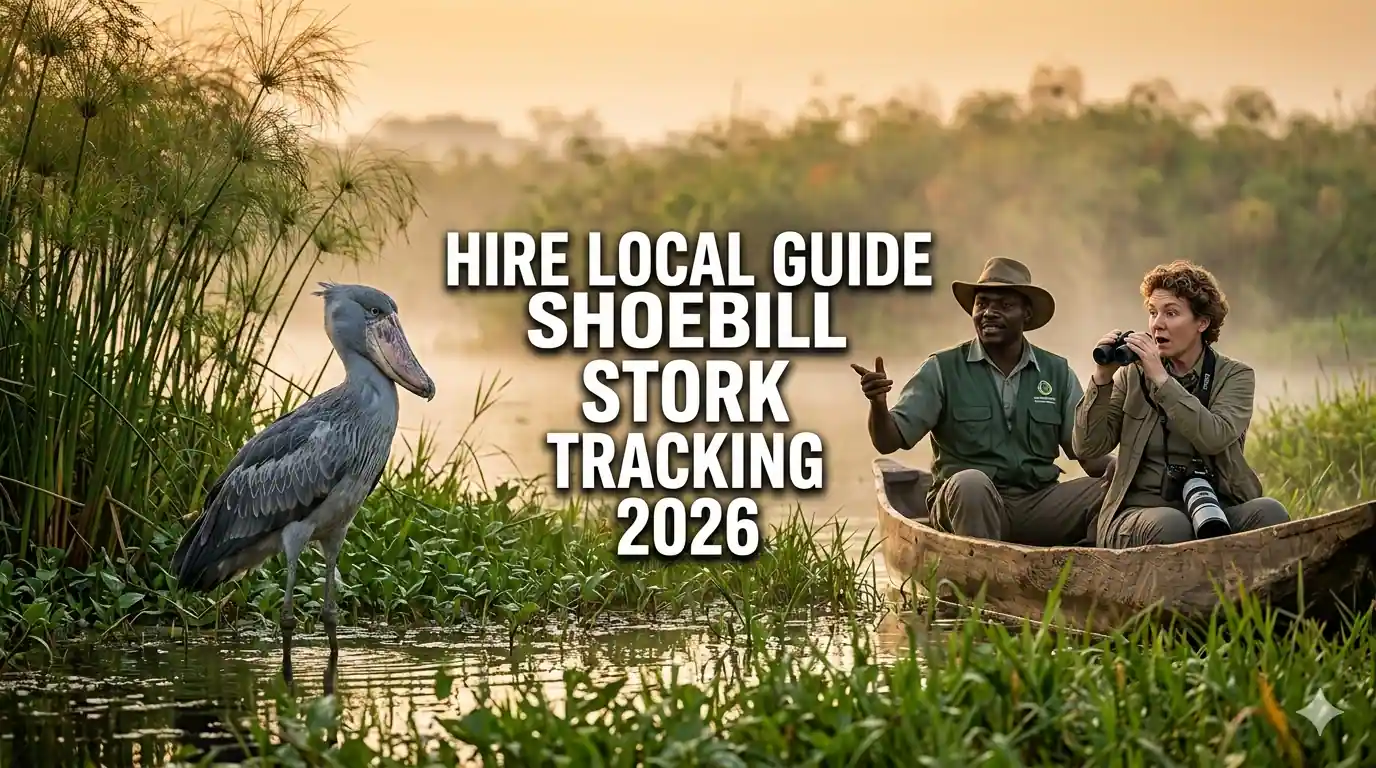
Introduction to Shoebill Stork Tracking with Local Guides
The Shoebill Stork stands as one of Africa's most extraordinary and sought-after bird species, attracting birdwatchers and wildlife photographers from around the globe to remote wetlands across East and Central Africa.
Finding this prehistoric-looking bird requires more than luck and determination; it demands the expertise of knowledgeable local guides who understand Shoebill behavior, habitat preferences, and the intricate waterways where these elusive birds reside.
Hiring a reliable local guide transforms your Shoebill tracking experience from a frustrating search into a rewarding encounter, ensuring you maximize your chances of observing this magnificent species in its natural habitat.
This comprehensive guide provides everything you need to know about finding, vetting, and hiring trustworthy local guides for Shoebill stork tracking adventures in 2026.
From Uganda's Mabamba Swamp to Zambia's Bangweulu Wetlands, we cover the best locations, fair pricing, guide credentials, and essential questions to ask before booking your Shoebill tracking expedition.
Why You Need a Local Guide for Shoebill Stork Tracking

Shoebill Storks inhabit vast, complex wetland ecosystems that can be disorienting and potentially dangerous for inexperienced visitors unfamiliar with the terrain and water conditions.
Local guides possess intimate knowledge of Shoebill territories, seasonal movement patterns, and specific locations where these birds feed, nest, and rest throughout different times of the year.
These experts understand Shoebill behavior, knowing exactly how to approach without disturbing the birds while positioning you for optimal viewing and photography opportunities.
Navigating papyrus swamps, marsh channels, and floodplains requires skill and experience that local guides have developed over years of working in these challenging environments.
Beyond finding Shoebills, local guides enrich your experience with cultural context, conservation knowledge, and insights into the broader wetland ecosystem and its diverse wildlife.
What Expert Local Guides Provide
Professional Shoebill tracking guides bring specialized equipment including sturdy boats or canoes, binoculars, spotting scopes, and communication devices for safety in remote areas.
They maintain relationships with local communities and conservation organizations, ensuring your visit supports sustainable tourism and wetland protection efforts.
Guides recognize individual Shoebills and can share information about nesting pairs, territorial behaviors, and conservation status of birds in their specific area.
Local expertise extends beyond Shoebills to identifying other bird species, mammals, reptiles, and plant life that inhabit these unique wetland environments.
Experienced guides know weather patterns, water levels, and seasonal changes that affect Shoebill visibility, helping you plan the optimal timing for your tracking expedition.
Best Locations for Shoebill Stork Tracking in 2026

Uganda remains the premier destination for Shoebill tracking, offering multiple accessible locations with established guide networks and relatively high sighting success rates.
Mabamba Swamp, located on Lake Victoria's northern shore near Entebbe, represents Uganda's most popular Shoebill site, with numerous experienced guides operating daily tours.
Murchison Falls National Park provides excellent Shoebill viewing opportunities along the Nile Delta, combining birdwatching with spectacular waterfall scenery and diverse wildlife.
Semliki National Park in western Uganda hosts Shoebills in its wetland areas, offering the added benefit of rare forest bird species and unique biodiversity.
Zambia's Bangweulu Wetlands present another exceptional Shoebill destination, featuring vast floodplains where these birds thrive alongside black lechwe and diverse waterbirds.
Comparing Shoebill Tracking Destinations
Mabamba Swamp offers the easiest access from Uganda's capital, with tracking possible year-round and success rates exceeding ninety percent with experienced guides.
Bangweulu Wetlands require more time and effort to reach but reward visitors with pristine wilderness experiences and opportunities to see Shoebills in less disturbed habitats.
Murchison Falls combines Shoebill tracking with traditional safari experiences, appealing to travelers seeking diverse wildlife encounters beyond birdwatching.
Tanzania's wetlands near Lake Tanganyika and Rwanda's Akagera National Park also host Shoebills, though with less developed guiding infrastructure than Uganda or Zambia.
Consider accessibility, budget, time constraints, and additional interests when selecting your Shoebill tracking destination for 2026.
How to Find Reliable Local Shoebill Guides

Identifying trustworthy local guides requires research, verification, and asking the right questions to ensure you hire someone legitimate, knowledgeable, and committed to ethical birdwatching practices.
Start by contacting established lodges and camps near Shoebill habitats, as they typically work with vetted guides and can arrange tracking experiences as part of your accommodation package.
Reputable tour operators specializing in birdwatching safaris maintain networks of local guides and can book Shoebill tracking as part of broader itineraries or standalone experiences.
Online platforms like TripAdvisor, SafariBookings, and birdwatching forums provide reviews and recommendations from previous clients who have used specific guides or services.
Local tourism boards and Uganda Wildlife Authority or Zambia Tourism Board websites list licensed guides and authorized operators for Shoebill tracking activities.
Vetting Potential Shoebill Guides
Request proof of licensing and certification from relevant authorities, as legitimate guides should possess official credentials demonstrating their training and authorization.
Ask about specific experience with Shoebill tracking, including years of operation, number of successful sightings, and familiarity with current bird locations and behaviors.
Inquire about guide-to-client ratios, as smaller groups ensure better experiences and less disturbance to the Shoebills during tracking expeditions.
Verify that guides carry appropriate insurance coverage and safety equipment, including life jackets, first aid kits, and reliable communication devices.
Request references from recent clients or check online reviews to confirm the guide's reputation for professionalism, knowledge, and ethical practices.
Essential Qualifications for Shoebill Tracking Guides

Professional Shoebill guides should possess specific qualifications and skills that demonstrate their competence, knowledge, and commitment to quality birdwatching experiences.
Official guiding licenses from Uganda Tourism Board, Uganda Wildlife Authority, or Zambia Tourism Board indicate formal training and adherence to professional standards.
Birdwatching certifications from organizations like the Uganda Bird Guides Club or African Bird Club demonstrate specialized ornithological knowledge beyond basic guiding skills.
First aid certification and water safety training are essential for guides operating in remote wetland environments where medical facilities may be hours away.
Fluency in English plus local languages enables effective communication with international visitors and coordination with local communities who control access to wetland areas.
Experience and Local Knowledge Requirements
Ideal guides have spent years working specifically in Shoebill habitats, developing intimate familiarity with individual birds, territorial boundaries, and seasonal patterns.
Local guides should understand traditional community structures and maintain good relationships with village leaders who manage access to swamp areas.
Knowledge of wetland ecology, conservation challenges, and ongoing protection efforts allows guides to educate visitors about broader environmental issues affecting Shoebills.
Photography skills and understanding of bird behavior help guides position clients for optimal viewing while minimizing disturbance to the birds.
Experienced guides recognize signs of Shoebill presence including footprints, droppings, and feeding disturbances in vegetation, increasing sighting success rates.
Cost Breakdown for Hiring Shoebill Guides in 2026

Understanding typical costs for Shoebill tracking guides helps you budget appropriately and identify fair pricing while avoiding both overcharging and suspiciously cheap operators.
In Uganda's Mabamba Swamp, local guide fees typically range from thirty to sixty US dollars per person for half-day tracking expeditions including boat hire.
Full-day Shoebill tracking experiences cost between eighty and one hundred fifty dollars per person, often including packed lunches and additional birdwatching opportunities.
Zambia's Bangweulu Wetlands generally charge higher rates due to remote location and logistical complexity, with guided tours ranging from one hundred to two hundred dollars per person.
Private guide services cost more than group tours but provide personalized attention, flexible scheduling, and higher chances of successful Shoebill sightings.
What Should Be Included in Guide Fees
Standard guide fees should cover the guide's services, boat or canoe hire, safety equipment including life jackets, and basic birdwatching equipment like binoculars.
Some operators include park entrance fees, community conservation levies, and permits required for accessing specific wetland areas within their quoted prices.
Meals and beverages may be included in full-day tours or available for purchase separately, so clarify what refreshments are provided during your tracking expedition.
Transportation from your accommodation to the wetland launch site is sometimes included, particularly when booking through lodges or tour operators.
Tips for guides are customary but not mandatory, with ten to fifteen percent of the tour cost considered appropriate for exceptional service.
Questions to Ask Before Hiring a Shoebill Guide

Asking specific questions before booking helps you assess the guide's professionalism, experience, and suitability for your particular needs and expectations.
Inquire about the guide's Shoebill sighting success rate over the past year, as experienced guides should maintain high percentages despite the birds' elusive nature.
Ask what happens if you do not see a Shoebill during your tracking expedition, as some guides offer partial refunds or free return trips when sightings fail.
Request information about group sizes, as smaller groups of four to six people provide better experiences than large crowds that disturb wildlife.
Clarify the expected duration of the tracking expedition, typical departure times, and what time you should realistically expect to return.
Important Operational Questions
Ask about the type of boat or canoe used for tracking, as stable, quiet vessels provide better viewing platforms and less disturbance to birds.
Inquire about safety protocols, emergency procedures, and what equipment the guide carries for handling medical issues or unexpected situations in remote areas.
Request information about the guide's approach to ethical birdwatching, ensuring they maintain appropriate distances and do not harass or stress the Shoebills.
Ask whether the guide provides spotting scopes or telescopes for detailed viewing, or if you should bring your own optical equipment.
Clarify payment methods accepted, cancellation policies, and whether deposits are required to secure your booking, particularly during peak seasons.
Best Time to Track Shoebill Storks in 2026

Timing significantly affects your chances of successfully locating and observing Shoebill Storks, with certain seasons and times of day offering superior viewing opportunities.
The dry season from June through September provides optimal conditions in most Shoebill habitats, with lower water levels concentrating birds in remaining wetland areas.
Early morning expeditions between six and ten AM offer the best Shoebill sightings, as these birds are most active during cooler hours when they hunt for fish.
November through March represents the wet season in East Africa, making some wetland areas difficult to access but potentially rewarding with lush landscapes and nesting birds.
Shoebills can be tracked year-round in Uganda and Zambia, though success rates fluctuate based on water levels, breeding cycles, and seasonal movements.
Seasonal Considerations for Shoebill Tracking
Breeding season from April through July means Shoebills remain closer to nesting sites, making them more predictable though potentially more sensitive to disturbance.
Post-breeding months from August through October see Shoebills ranging more widely as they teach juveniles to hunt, sometimes making them easier to locate.
Weather conditions affect tracking expeditions, with calm, clear mornings providing better visibility and photography opportunities than windy or rainy days.
Consider combining Shoebill tracking with other birdwatching or wildlife activities, as many locations offer diverse species beyond the target Shoebill.
Book your tracking expedition for the first full day of your visit, allowing buffer days for return trips if weather or other factors prevent successful sightings.
What to Expect During Shoebill Tracking Expeditions

Understanding the typical Shoebill tracking experience helps you prepare appropriately and set realistic expectations for your wetland adventure.
Most expeditions begin before dawn with a briefing from your guide about safety procedures, tracking strategies, and what to expect during the journey.
You will board a traditional dugout canoe or motorized boat for navigation through narrow papyrus channels and open wetland areas.
The tracking process involves quiet paddling or slow motor navigation while your guide scans for Shoebills using their knowledge of likely locations.
Once a Shoebill is spotted, the guide will maneuver the boat into optimal viewing position while maintaining respectful distances to avoid disturbing the bird.
Typical Shoebill Tracking Timeline
Half-day expeditions typically last three to four hours from departure to return, with actual tracking time of two to three hours on the water.
Full-day experiences extend to six to eight hours, allowing time for packed lunches, exploration of different wetland areas, and viewing other bird species.
Patience is essential, as Shoebills can be difficult to locate and may require extensive searching through dense vegetation and complex waterways.
Once located, Shoebill viewing sessions typically last fifteen to thirty minutes, providing ample time for observation and photography without stressing the bird.
Guides often continue searching for additional Shoebills or other wildlife after the first sighting, maximizing the value of your tracking expedition.
Safety Considerations for Shoebill Wetland Tracking

Wetland environments present unique safety challenges that require awareness, preparation, and adherence to guide instructions throughout your Shoebill tracking expedition.
Always wear provided life jackets when on the water, regardless of swimming ability, as wetland channels can be deep and currents unpredictable.
Remain seated in boats or canoes at all times while on the water, as sudden movements can destabilize small vessels and cause dangerous capsizing.
Protect yourself from sun exposure with hats, sunglasses, and sunscreen, as wetland environments reflect sunlight and increase UV exposure.
Stay hydrated throughout the expedition, bringing sufficient water particularly for full-day tracking experiences in remote areas without facilities.
Health and Environmental Precautions
Wetland areas harbor mosquitoes that may carry malaria, so use insect repellent and consider antimalarial prophylaxis when visiting Shoebill habitats.
Avoid touching wetland vegetation unnecessarily, as some plants may cause skin irritation or harbor insects and parasites.
Inform your guide of any medical conditions, allergies, or physical limitations before departure so they can accommodate your needs appropriately.
Carry personal medications and basic first aid supplies, as remote wetland locations may be far from medical facilities.
Follow your guide's instructions regarding wildlife encounters, maintaining safe distances from hippos, crocodiles, and other potentially dangerous animals.
Ethical Shoebill Tracking and Conservation Practices

Responsible Shoebill tracking prioritizes the welfare of these vulnerable birds and supports conservation efforts that protect their wetland habitats for future generations.
Maintain minimum distances of thirty to fifty meters from Shoebills to avoid causing stress or disrupting feeding, nesting, or resting behaviors.
Keep noise levels minimal during tracking expeditions, speaking softly and avoiding sudden sounds that might startle Shoebills or other wildlife.
Never attempt to feed Shoebills or encourage them to approach boats, as this creates dependency and alters natural behaviors.
Respect nesting Shoebills by maintaining greater distances during breeding season and avoiding areas where guides indicate active nests are present.
Supporting Shoebill Conservation
Choose guides and operators who contribute portions of their fees to local conservation organizations or community wetland protection initiatives.
Pay required park fees and conservation levies willingly, as these funds support habitat management, anti-poaching efforts, and community education programs.
Avoid purchasing products made from wetland resources or wildlife, as this creates markets that encourage habitat destruction and illegal harvesting.
Share your Shoebill tracking experience in ways that emphasize conservation values and responsible tourism rather than simply promoting the location.
Consider making donations to organizations like the Shoebill Working Group, BirdLife International, or local wetland conservation groups working to protect these remarkable birds.
Essential Equipment for Shoebill Tracking Adventures

Proper equipment enhances your Shoebill tracking experience, improving your chances of successful sightings while ensuring comfort and safety during wetland expeditions.
Quality binoculars with eight times forty-two or ten times forty-two magnification provide optimal viewing of Shoebills without requiring excessive proximity.
Spotting scopes or telescopes with twenty to sixty times magnification allow detailed observation and photography of Shoebills from greater distances.
Cameras with telephoto lenses of three hundred millimeters or longer capture high-quality images while maintaining respectful distances from the birds.
Waterproof bags or dry sacks protect cameras, phones, and other electronics from water spray and humidity inherent in wetland environments.
Personal Gear Recommendations
Wear neutral-colored clothing in greens, browns, or khaki that blends with the wetland environment rather than bright colors that may disturb wildlife.
Lightweight, quick-drying fabrics work best in humid wetland conditions, with long sleeves and pants providing sun and insect protection.
Sturdy, closed-toe shoes with good traction protect feet during boat boarding and provide stability on potentially slippery surfaces.
Bring sun protection including wide-brimmed hats, polarized sunglasses, and high-SPF sunscreen to shield against intense equatorial sun.
Pack snacks and water for energy during tracking expeditions, particularly for full-day experiences where meals may be delayed or basic.
Red Flags When Hiring Shoebill Guides

Certain warning signs indicate potentially unreliable or unethical guides that should prompt you to seek alternative options for your Shoebill tracking expedition.
Extremely low prices significantly below market rates often indicate unlicensed operators, inadequate equipment, or guides who cut corners on safety and ethics.
Reluctance to provide proof of licensing, insurance, or certifications suggests the guide may not be properly qualified or authorized to operate.
Guarantees of one hundred percent Shoebill sightings are unrealistic and may indicate guides who use unethical practices like disturbing birds or baiting to ensure sightings.
Poor communication, delayed responses to inquiries, or lack of professionalism during the booking process often reflect the quality of service you will receive.
Additional Warning Signs to Avoid
Guides who suggest approaching Shoebills too closely or disturbing nesting birds prioritize client photos over bird welfare and conservation ethics.
Lack of safety equipment including life jackets, first aid kits, or communication devices indicates inadequate preparation for emergency situations.
Negative online reviews mentioning unethical behavior, safety incidents, or failure to deliver promised services should be taken seriously when evaluating guides.
Pressure to pay entirely in cash without receipts or documentation may indicate tax evasion and lack of legitimate business operations.
Guides who cannot answer basic questions about Shoebill biology, behavior, or conservation demonstrate insufficient knowledge for quality birdwatching experiences.
Making the Most of Your Shoebill Tracking Experience

Maximizing your Shoebill tracking adventure requires preparation, realistic expectations, and openness to the full range of experiences wetland environments offer.
Research Shoebill behavior and characteristics before your expedition, enhancing your appreciation when you finally encounter these remarkable birds in person.
Bring a field guide or bird identification app to learn about other species you will encounter during your wetland journey beyond the target Shoebill.
Practice patience and maintain a positive attitude even if Shoebills prove elusive initially, as frustration can diminish your enjoyment of the overall experience.
Engage with your guide by asking questions about Shoebills, wetland ecology, and local culture, enriching your understanding of the environment you are exploring.
Capturing Memories Responsibly
Focus on observing and appreciating Shoebills in the moment rather than viewing them solely through camera viewfinders or phone screens.
Take photographs ethically without using flash, making loud noises, or positioning boats in ways that stress or disturb the birds.
Share your Shoebill sightings and photographs on social media with captions that educate others about conservation and responsible wildlife viewing.
Keep a journal of your tracking experience, noting not just the Shoebill encounter but other wildlife, landscapes, and cultural interactions along the way.
Express gratitude to your guide and local community members who made your Shoebill tracking possible, acknowledging their knowledge and hospitality.
Combining Shoebill Tracking with Other Activities

Shoebill tracking expeditions can be enhanced by combining them with complementary activities that showcase the full diversity of wetland and wildlife experiences.
Many Shoebill habitats offer exceptional general birdwatching opportunities, with hundreds of species including rare papyrus specialists and migratory waterbirds.
Uganda's Mabamba Swamp and Murchison Falls allow combination of Shoebill tracking with traditional game drives featuring elephants, lions, giraffes, and other iconic African wildlife.
Zambia's Bangweulu Wetlands provide opportunities to see black lechwe, sitatunga antelope, and diverse bird species alongside Shoebill tracking adventures.
Cultural visits to local communities near Shoebill habitats offer insights into traditional wetland livelihoods, fishing practices, and conservation challenges.
Multi-Day Shoebill Tracking Itineraries
Extended visits to Shoebill regions allow tracking in different locations, increasing sighting opportunities and revealing variations in wetland ecosystems.
Combine Uganda's Mabamba Swamp with Murchison Falls or Semliki National Park for diverse Shoebill habitats and broader wildlife experiences over five to seven days.
Zambia's Bangweulu Wetlands warrant multiple days to fully explore the vast floodplains and maximize chances of Shoebill encounters in this remote wilderness.
Include rest days between tracking expeditions to process your experiences, review photographs, and prepare for additional adventures.
Work with tour operators to create customized itineraries that balance Shoebill tracking with other interests while allowing flexibility for weather and wildlife movements.
Booking Your Shoebill Guide for 2026

Securing a reliable local guide for Shoebill tracking in 2026 requires advance planning, particularly if visiting during peak seasons or combining with other popular activities.
Book guides at least two to three months before your planned visit to ensure availability and allow time for communication about your specific interests and requirements.
Peak seasons from June through September and December through February see higher demand for Shoebill guides, requiring earlier booking to secure preferred operators.
Confirm all details in writing including meeting points, departure times, costs, inclusions, cancellation policies, and contact information before making deposits or payments.
Maintain communication with your guide as your travel dates approach, confirming arrangements and updating them about any changes to your schedule or requirements.
Final Preparation Steps
Obtain local currency for guide payments and tips, as remote wetland locations rarely accept credit cards or digital payment methods.
Pack all necessary equipment and supplies the night before your tracking expedition to ensure you have everything needed for a successful day.
Get adequate rest before your expedition, as Shoebill tracking often requires early starts and sustained concentration during long hours on the water.
Review safety briefings and guide instructions carefully, asking questions about anything unclear before departing for your tracking adventure.
Approach your Shoebill tracking experience with enthusiasm, patience, and respect for the birds, their habitat, and the local communities who protect these remarkable wetlands.
Hiring a reliable local guide for Shoebill stork tracking in 2026 represents an investment in an unforgettable wildlife encounter that supports conservation and local communities.
By following the guidance in this comprehensive resource, you will find trustworthy guides, experience ethical Shoebill tracking, and contribute to the protection of these magnificent birds.
Your Shoebill tracking adventure promises not just the thrill of seeing one of Africa's most extraordinary birds, but also deeper appreciation for wetland conservation and sustainable tourism.
Prepare thoroughly, choose your guide wisely, and approach your expedition with respect and wonder, and the Shoebill Stork will reward you with a memory that lasts a lifetime.
0 Comments