.webp)
.webp)
Best Time to Visit South Sudan for Great Migration 2026 Guide
Understanding the Great Migration in South Sudan
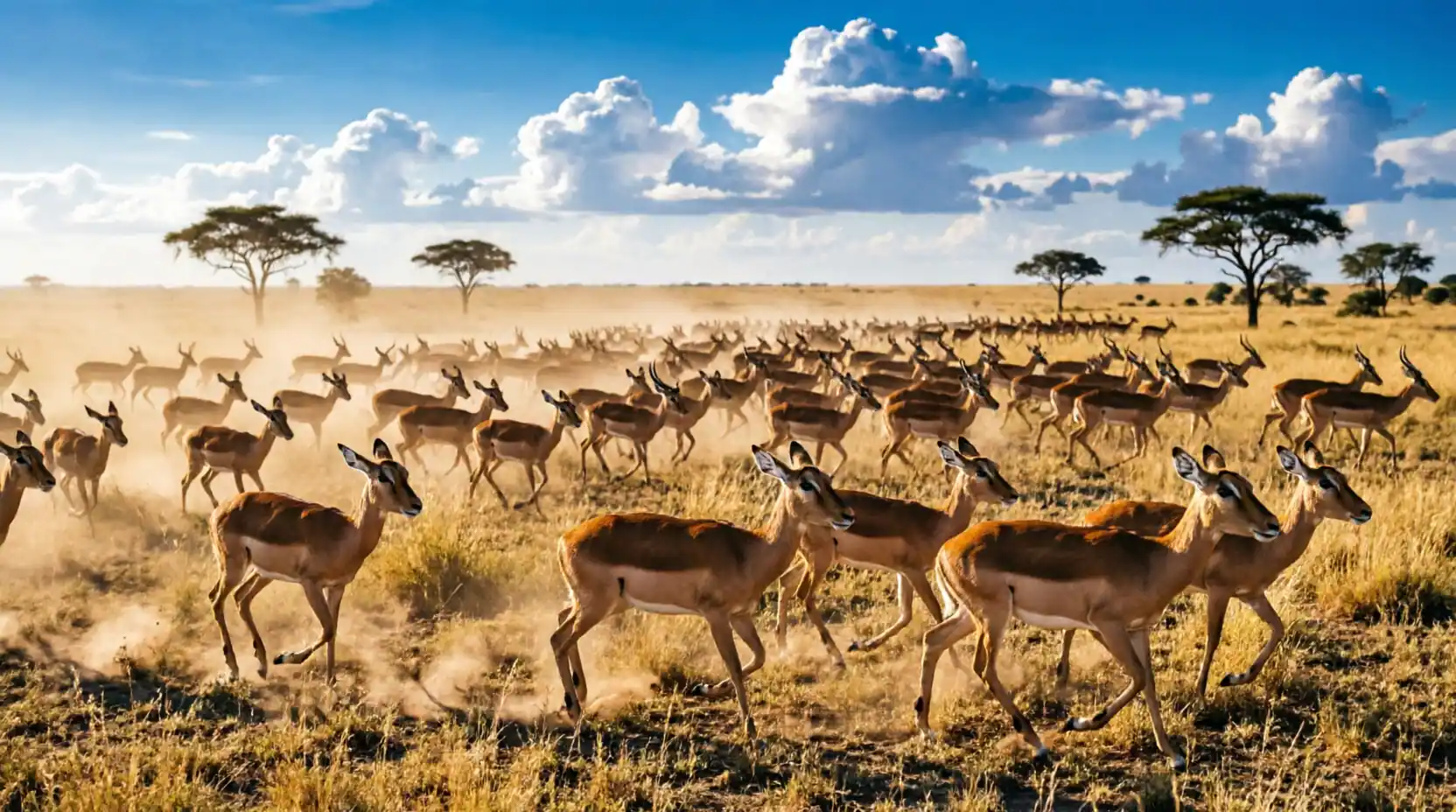
South Sudan hosts one of Africa's most spectacular wildlife phenomena. The Great Migration in the Boma-Jonglei Landscape ranks as the second-largest mammal migration on the continent.
Over 1.5 million white-eared kob antelopes participate in this incredible journey. They move alongside significant populations of tiang and Mongalla gazelle across vast savanna plains.
This migration rivals the famous Serengeti migration in scale and drama. Yet it remains relatively unknown to international tourists due to South Sudan's recent history.
The migration follows seasonal rainfall patterns across eastern South Sudan. Animals traverse the Boma-Jonglei Landscape covering hundreds of kilometers annually.
Understanding the timing and patterns of this migration is essential for planning a successful wildlife viewing experience. The 2026 season offers unique opportunities for intrepid travelers.
Why the South Sudan Migration Remains Undiscovered

South Sudan's Great Migration has remained largely untouched by mass tourism. This presents a rare opportunity for authentic wildlife experiences without crowds.
The country gained independence in 2011 making it Africa's youngest nation. Political challenges have limited tourism development but conditions are gradually improving.
Fewer than 1000 tourists annually witness this spectacular natural event. This compares to hundreds of thousands who visit the Serengeti migration.
The remote location and limited infrastructure have preserved the migration's pristine nature. Wildlife populations remain robust with minimal human disturbance.
Travelers who visit now experience wildlife viewing as it existed decades ago. This raw authentic experience appeals to serious wildlife enthusiasts and photographers.
Best Months to Witness the Migration in 2026
The optimal time to visit South Sudan for the Great Migration spans December through March. These dry season months offer the best wildlife viewing opportunities.
January and February represent the absolute peak of migration viewing. Animals concentrate around permanent water sources making them easier to observe.
December marks the beginning of the prime viewing season. The landscape remains green from recent rains while animals begin gathering near water.
March offers excellent viewing as the dry season intensifies. Large herds remain concentrated though temperatures rise significantly during this period.
The wet season from April through November disperses wildlife across the landscape. While migration continues viewing becomes challenging as animals spread out.
Monthly Breakdown of Migration Patterns
December brings the start of optimal viewing conditions. White-eared kob herds move toward the Boma Plateau from their wet season ranges.
January sees massive concentrations of wildlife around the Kidepo River valley. Herds numbering in the hundreds of thousands gather in this area.
February represents the absolute peak of dry season concentrations. This month offers the most reliable and spectacular wildlife viewing opportunities.
March continues excellent viewing though heat increases. Animals remain concentrated near dwindling water sources creating dramatic scenes.
April marks the transition to wet season. Early rains begin dispersing herds though good viewing continues in the first half of the month.
May through November sees animals分散 across the landscape. Migration continues but viewing requires more effort and luck during these months.
Understanding the Dry Season Advantage
The dry season from December to March concentrates wildlife around limited water sources. This natural phenomenon creates exceptional viewing opportunities.
Vegetation thins during dry months improving visibility across the savanna. Sparse grasses and leafless trees make spotting animals significantly easier.
Animals follow predictable patterns during the dry season. They must visit water sources daily creating reliable viewing locations.
Road conditions are best during the dry season. Dirt tracks become passable allowing access to remote viewing areas.
Mosquito populations decrease substantially during dry months. This reduces malaria risk and improves overall comfort for travelers.
Photography conditions excel during the dry season. Clear skies and golden light create stunning images of wildlife against the African landscape.
Wet Season Considerations and Challenges
The wet season from April through November presents significant challenges for wildlife viewing. Heavy rains transform the landscape and disperse animal populations.
Roads become impassable during peak rainy months from June through September. Many areas of Boma National Park become completely inaccessible.
Animals spread across the landscape following fresh grazing. This dispersion makes locating specific herds difficult and time-consuming.
Dense vegetation during the wet season reduces visibility. Tall grasses and full tree canopies hide wildlife from view.
Mosquito populations explode during rainy months increasing disease risk. Malaria prophylaxis becomes even more essential during this period.
Some travelers prefer the wet season for bird watching. Migratory birds arrive and resident species breed creating excellent avian diversity.
Boma National Park The Heart of the Migration
Boma National Park serves as the primary stage for South Sudan's Great Migration. This vast protected area covers approximately 22800 square kilometers.
The park lies in eastern South Sudan bordering Ethiopia. Its location places it directly in the migration corridor used by millions of animals.
White-eared kob form the backbone of the Boma migration. These graceful antelopes move in herds that can exceed 50000 individuals.
The Kidepo River valley within Boma provides critical dry season habitat. This area concentrates wildlife during the peak viewing months.
Access to Boma requires careful planning and local knowledge. The park has minimal tourism infrastructure requiring self-sufficient expeditions.
Wildlife diversity extends beyond the migrating herds. Lions spotted hyenas and various predators follow the migration providing complete ecosystem viewing.
Badingilo National Park and Southern Migration Routes
Badingilo National Park forms the southern anchor of the migration circuit. This park receives herds as they move through their annual cycle.
The park covers approximately 9500 square kilometers of diverse habitat. Woodlands grasslands and wetlands support various wildlife species year-round.
Tiang antelope feature prominently in the Badingilo migration. These smaller antelopes travel alongside the white-eared kob in mixed herds.
Mongalla gazelle also participate in the seasonal movements. These graceful animals add diversity to the migration spectacle.
The Imatong Mountains near Badingilo create dramatic scenery. This mountain range provides a stunning backdrop for wildlife photography.
Access to Badingilo typically requires travel from Juba. The journey takes several days and requires experienced guides.
Southern National Park Wildlife Diversity
Southern National Park completes the migration triangle in western South Sudan. This park hosts different but equally impressive wildlife populations.
The park encompasses diverse ecosystems from forests to savannas. This variety supports an impressive array of wildlife species.
Forest elephants inhabit the southern portions of the park. These rare elephants represent an important conservation population.
Giraffes roam the northern grasslands in significant numbers. Southern National Park hosts one of the healthier giraffe populations in the region.
Buffalo herds numbering in the thousands graze the park's plains. These impressive animals add to the Big Five potential in South Sudan.
The park receives migrating herds during certain seasons. Timing your visit correctly allows viewing of both resident and migratory wildlife.
Planning Your Migration Safari for 2026
Planning a South Sudan migration safari requires advance preparation and flexibility. Limited infrastructure means arrangements must be made well ahead of time.
Book your trip at least three to six months in advance. This allows time for visa processing permit acquisition and logistics coordination.
Hire experienced local guides who know the migration patterns. Their knowledge proves invaluable for locating wildlife and navigating challenging terrain.
Prepare for self-sufficient camping in remote areas. Bring all necessary equipment food water and medical supplies for your expedition.
Arrange reliable four-wheel-drive vehicles with experienced drivers. Road conditions demand capable vehicles and skilled navigation.
Build flexibility into your itinerary. Wildlife movements and weather conditions may require adjustments to your planned schedule.
Essential Equipment for Migration Viewing
Proper equipment enhances your migration viewing experience significantly. The right gear ensures comfort and success in challenging conditions.
High-quality binoculars are essential for wildlife observation. A 10x42 or similar specification provides excellent viewing of distant herds.
Telephoto lenses capture stunning wildlife photographs. A 300mm to 600mm lens allows detailed shots of animals from safe distances.
Durable camping equipment withstands harsh African conditions. Quality tents sleeping bags and cooking gear ensure comfortable nights under the stars.
Solar chargers keep electronic devices powered in remote areas. Multiple days away from electricity require reliable charging solutions.
Comprehensive first aid kits address medical needs in isolated locations. Include medications for common ailments and emergency supplies.
Weather and Climate During Migration Season
Understanding South Sudan's climate helps you prepare appropriately for your migration safari. The country experiences distinct wet and dry seasons.
December through March brings hot dry conditions ideal for wildlife viewing. Daytime temperatures range from 30 to 38 degrees Celsius.
Nights during the dry season can be surprisingly cool. Temperatures may drop to 15 to 20 degrees requiring warm clothing for early morning game drives.
Humidity remains relatively low during the dry season. This makes the heat more comfortable than humid tropical conditions.
Dust becomes a factor as the dry season progresses. Bring protective gear for cameras and personal items.
Rainfall is minimal from December through March. Occasional brief showers may occur but extended rain is unlikely during these months.
Photography Tips for the Great Migration
Photographing the South Sudan migration offers incredible opportunities for stunning images. Proper preparation maximizes your photographic success.
Golden hour provides the best light for wildlife photography. Plan game drives for early morning and late afternoon when light is soft and warm.
Capture the scale of the migration with wide-angle lenses. Show the vast herds against the African landscape for dramatic impact.
Use fast shutter speeds to freeze animal movement. Herds in motion create dynamic images that convey the energy of migration.
Dust kicked up by moving herds adds atmosphere to images. Position yourself to capture backlit dust clouds for dramatic effect.
Patience rewards photographers with unique behavioral shots. Spend time observing herds to capture interactions and natural behaviors.
Safety Considerations for Migration Travel
Safety requires careful attention when traveling to remote areas of South Sudan. Proper preparation minimizes risks and ensures an enjoyable experience.
Always travel with experienced local guides who know the terrain. Their knowledge of wildlife behavior and area conditions proves essential.
Maintain safe distances from all wildlife especially large herds. Stampeding animals pose serious risks to vehicles and people.
Never leave your vehicle in areas with large predators. Lions and hyenas inhabit the migration areas and can be dangerous.
Carry adequate communication equipment for remote travel. Satellite phones provide emergency contact when cellular networks are unavailable.
Inform others of your travel plans and expected return. Regular check-ins with contacts ensure someone knows your location.
Accommodation Options Near Migration Areas
Accommodation near South Sudan's migration areas ranges from basic to comfortable. Options are limited requiring advance booking.
Camping provides the most authentic migration experience. Sleeping under the stars near wildlife creates unforgettable memories.
Basic campsites exist in some areas of Boma National Park. These offer minimal facilities but place you in the heart of migration country.
Lodges in Juba provide comfortable accommodation before and after safari. These urban hotels offer modern amenities and reliable services.
Mobile safari camps can be arranged through specialized operators. These temporary camps move with the migration providing optimal viewing locations.
Bring your own camping equipment for maximum flexibility. Self-sufficient camping allows access to the most remote and pristine areas.
Transportation and Access to Migration Areas
Reaching South Sudan's migration areas requires careful transportation planning. Limited infrastructure demands creative solutions.
Fly into Juba International Airport as your entry point. This serves as the gateway for migration safaris throughout South Sudan.
Four-wheel-drive vehicles are essential for overland travel. Dirt roads and challenging terrain require capable transportation.
Small aircraft can access some remote areas during dry season. Charter flights reduce travel time but increase costs significantly.
River transport on the Nile provides alternative access routes. Boat travel offers unique perspectives but depends on water levels.
Local drivers possess invaluable knowledge of road conditions. Hire experienced drivers familiar with South Sudan's challenging roads.
Cost Breakdown for Migration Safari 2026
Planning your budget for a South Sudan migration safari requires understanding various costs. Prices vary based on comfort level and group size.
Basic self-drive camping safaris cost approximately 150 to 250 dollars per person per day. This includes vehicle fuel camping fees and food.
Guided group safaris range from 350 to 550 dollars daily. Professional guides and organized logistics increase costs but improve the experience.
Luxury private safaris can exceed 800 dollars per person daily. Premium accommodation and exclusive service command higher prices.
International flights to Juba represent a significant expense. Budget 1000 to 2000 dollars for round-trip airfare depending on origin.
Visa fees and permits add 150 to 300 dollars to your budget. These required documents must be obtained before travel.
Equipment rental if needed adds 50 to 150 dollars daily. Quality camping and photography gear may require rental fees.
Visa Requirements and Entry Procedures
Entering South Sudan requires proper documentation and advance planning. Visa requirements must be fulfilled before arrival.
Tourist visas are available for most nationalities through application. Processing takes 5 to 10 business days typically.
Valid passport with six months remaining validity is mandatory. Ensure your passport meets this requirement before applying.
Yellow fever vaccination certificate is required for entry. This must be obtained at least 10 days before travel.
Invitation letters from tour operators facilitate visa approval. Working with a local company simplifies the visa process.
Visa fees range from 50 to 100 dollars depending on nationality. Payment is typically required in US dollars.
Cultural Etiquette and Local Communities
Respecting local cultures enhances your South Sudan experience significantly. The country hosts diverse ethnic groups with rich traditions.
Dress modestly especially when visiting villages and communities. Conservative clothing shows respect for local customs.
Always ask permission before photographing people. Many communities appreciate being asked and may expect small compensation.
Learn basic greetings in local languages. Simple efforts at communication are appreciated and build rapport.
Support local economies by purchasing crafts and services. Your tourism dollars benefit communities near migration areas.
Follow your guide's advice regarding community interactions. They understand local customs and appropriate behavior.
Wildlife Species Beyond the Migration
South Sudan's migration areas host impressive biodiversity beyond the migrating herds. Resident wildlife adds diversity to your safari experience.
Lions patrol the migration routes following prey populations. These magnificent predators offer exciting viewing opportunities.
Spotted hyenas scavenge and hunt throughout the landscape. Their distinctive calls echo across the savanna at night.
African elephants inhabit various parts of the migration region. Both savanna and forest elephants occur in South Sudan.
Giraffes grace the acacia-dotted plains in significant numbers. These gentle giants are commonly seen during game drives.
Nile crocodiles inhabit rivers and waterholes throughout the region. These ancient reptiles add excitement to water-based wildlife viewing.
Bird Watching During Migration Season
South Sudan offers exceptional bird watching opportunities alongside mammal viewing. Over 500 bird species inhabit the country.
The dry season concentrates birds around water sources. This makes bird watching particularly rewarding from December through March.
Migratory birds from Europe and Asia arrive during northern winter. These visitors add to the already impressive resident bird population.
Raptors soar above the migration following prey and carrion. Eagles hawks and vultures provide spectacular aerial displays.
Waterbirds congregate at remaining pools and rivers. Herons storks and kingfishers create colorful scenes along waterways.
Bring a field guide and binoculars for bird identification. The diversity of species rewards patient observation.
Conservation Status and Sustainable Tourism
South Sudan's wildlife faces various conservation challenges requiring attention. Sustainable tourism can support conservation efforts.
Poaching remains a threat to wildlife populations in some areas. Your presence as a tourist can help deter illegal activities.
Habitat loss from agriculture and development pressures ecosystems. Protected areas like Boma need support to remain viable.
Community-based conservation initiatives benefit from tourism revenue. Your visit supports local people who protect wildlife.
Practice leave-no-trace principles during your safari. Minimize your environmental impact while enjoying nature.
Choose operators committed to sustainable and ethical practices. Responsible tourism ensures wildlife areas remain protected for future generations.
Alternative Wildlife Viewing Locations
While the migration represents South Sudan's premier wildlife attraction other areas offer excellent viewing. Diversify your safari experience.
Nimule National Park near the Uganda border provides accessible wildlife viewing. Elephants giraffes and various antelope inhabit this park.
The Sudd wetlands offer unique bird watching and boat-based safaris. This vast swamp supports incredible biodiversity.
Imatong Mountains provide opportunities for hiking and primate viewing. The cooler highland climate offers a different experience.
Boma-Jonglei landscape beyond the core migration areas hosts resident wildlife. Explore these regions for a complete South Sudan experience.
Combine migration viewing with cultural experiences in local communities. This creates a well-rounded understanding of South Sudan.
Emergency Preparedness and Medical Considerations
Medical preparedness is essential for remote South Sudan travel. Healthcare facilities are limited outside major cities.
Malaria prophylaxis is strongly recommended for all travelers. Consult your doctor about appropriate medications before travel.
Comprehensive travel insurance including medical evacuation is mandatory. Ensure your policy covers South Sudan and emergency evacuation.
Bring a comprehensive medical kit with prescription and over-the-counter medications. Include treatments for common travel illnesses.
Know the location of medical facilities in Juba before departing. In emergencies you may need to return to the capital.
Carry copies of important medical information and insurance documents. Keep these accessible during your safari.
Communication and Connectivity in Remote Areas
Staying connected in South Sudan's remote migration areas presents challenges. Plan communication strategies before departure.
Cellular coverage is limited to major towns and cities. Do not expect reliable phone service in migration areas.
Satellite phones provide the most reliable emergency communication. Consider renting or purchasing one for extended remote travel.
Inform contacts of your itinerary and expected check-in times. Regular communication ensures someone knows your status.
Download offline maps and essential information before travel. Internet access will be unavailable in remote areas.
GPS devices aid navigation in areas without landmarks. Bring backup batteries or solar charging capability.
Making the Most of Your 2026 Migration Safari
Maximizing your South Sudan migration experience requires preparation and flexibility. The rewards justify the effort required to visit.
Arrive with realistic expectations about infrastructure and comfort. Embrace the adventure aspect of traveling in a developing destination.
Remain flexible with your schedule to follow wildlife movements. The migration does not adhere to strict timetables.
Engage with local guides and learn from their knowledge. Their expertise enhances your understanding of wildlife and ecosystems.
Document your experience through photography and journaling. These memories will last a lifetime.
Share your experience responsibly to promote sustainable tourism. Your story can inspire others while protecting this precious natural heritage.
Conclusion and Final Recommendations
The best time to visit South Sudan for the Great Migration spans December through March 2026. These dry season months offer optimal wildlife viewing conditions.
January and February represent the absolute peak for witnessing massive herds of white-eared kob tiang and Mongalla gazelle. Plan your visit during these months for the most spectacular experience.
South Sudan's migration remains one of Africa's last great wilderness experiences. The opportunity to witness this phenomenon without crowds is increasingly rare.
Proper planning experienced guides and realistic expectations ensure a successful safari. The challenges of travel in South Sudan are rewarded with unforgettable wildlife encounters.
Consider visiting in 2026 while this migration remains relatively undiscovered. Your visit supports conservation and local communities while creating memories of a lifetime.
The Great Migration of South Sudan awaits those willing to venture off the beaten path. This is Africa as it was meant to be experienced wild free and magnificent.
0 Comments