.webp)
.webp)
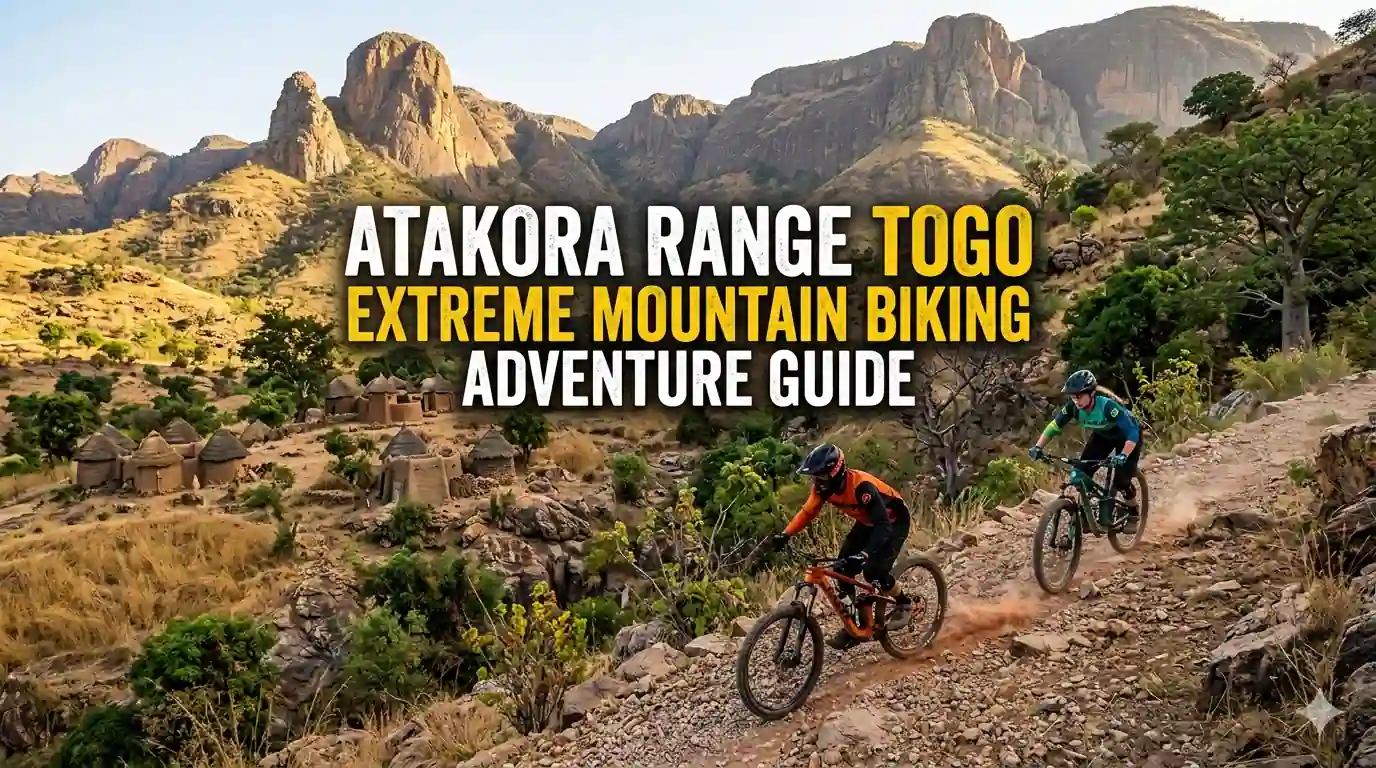
Discovering Togos Mountain Biking Frontier
The Atakora Range in northern Togo represents one of West Africas most exciting and undiscovered mountain biking destinations. This dramatic mountain chain offers technical trails breathtaking descents and cultural encounters rarely experienced by adventure cyclists.
Stretching across Togo and into Benin the Atakora Mountains feature rugged terrain rocky escarpments and challenging elevation changes perfect for extreme mountain biking. These peaks rise dramatically from surrounding savanna creating natural obstacles and thrilling riding opportunities.
Adventure seekers find world-class singletrack technical descents and endurance challenges in this remote region. The combination of physical challenge cultural immersion and natural beauty makes Atakora mountain biking uniquely rewarding.
Unlike developed mountain biking destinations the Atakora Range offers raw authentic adventure with minimal infrastructure. This frontier experience attracts riders seeking genuine exploration over manicured trail parks.
This comprehensive guide reveals everything needed for extreme mountain biking in the Atakora Range from trail conditions to cultural considerations equipment to safety protocols.
Understanding the Atakora Range Geography

The Atakora Range forms part of the West African mountain system extending from Togo into Benin and Ghana. These ancient mountains feature elevations reaching six hundred to nine hundred meters above surrounding plains.
Geological formations include dramatic granite outcrops steep escarpments and rocky ridges creating natural technical challenges for mountain bikers. Erosion has carved unique landscapes offering diverse riding terrain.
The mountain chain creates distinct microclimates with cooler temperatures at elevation and varied vegetation from savanna to woodland. These environmental variations affect trail conditions and riding seasons.
Key peaks and ridges provide natural landmarks for route navigation. Mount Agou though technically separate represents the regions highest point while Atakora peaks offer more technical riding opportunities.
Water sources seasonal streams and valleys between ridges create natural route corridors. Understanding hydrology helps plan multi-day bikepacking adventures through the range.
Remote location means limited cell coverage and rescue services requiring self-sufficiency and careful planning. Riders must prepare for wilderness conditions with appropriate skills and equipment.
Prime Mountain Biking Trails and Routes

The Atakora Range offers diverse trail types from technical singletrack to fire roads and cross-country routes. Different difficulty levels accommodate various skill levels though most trails challenge even experienced riders.
Technical descents feature rocky sections steep drops and tight switchbacks requiring advanced bike handling skills. These adrenaline-pumping sections reward confident riders with spectacular views and pure excitement.
Cross-country routes traverse ridgelines and valleys covering significant distance with sustained climbing and descending. These endurance challenges test fitness and mental fortitude over extended periods.
Cultural routes connect traditional villages including Tamberma fortified settlements providing riding with historical context. These trails combine physical challenge with educational opportunities about local heritage.
River valley trails follow seasonal watercourses through scenic gorges and across rocky stream beds. These routes offer technical variety and natural beauty though water crossings require caution.
Summit approaches challenge riders with sustained climbing to panoramic viewpoints. These grueling ascents reward perseverance with thirty-sixty degree vistas across Togo and into neighboring countries.
Traffic Difficulty Levels and Technical Challenges

Atakora trails predominantly rate intermediate to advanced difficulty with limited beginner-friendly options. Riders should possess solid mountain biking fundamentals before attempting these routes.
Technical features include rock gardens requiring precise line choice steep chutes demanding controlled descents and exposed ridgelines testing nerve and balance. These obstacles separate casual riders from serious adventurers.
Elevation gains of five hundred to one thousand meters per day challenge cardiovascular fitness and leg strength. Sustained climbing at altitude requires proper pacing and nutrition management.
Trail surfaces vary from loose gravel hardpack dirt to exposed bedrock creating changing traction conditions. Riders must adapt technique continuously to maintain control and speed.
Weather dramatically affects trail difficulty with rain transforming manageable sections into treacherous mud slides. Seasonal timing significantly impacts rideability and safety.
Navigation challenges arise from limited trail marking requiring map reading GPS skills and route-finding ability. Self-reliance proves essential in this remote mountain environment.
Essential Equipment and Bike Setup

Proper equipment selection determines success and safety in the demanding Atakora terrain. Bike choice components and gear require careful consideration for these challenging conditions.
Full-suspension mountain bikes with one hundred forty to one hundred sixty millimeters travel handle technical terrain most effectively. Hardtail bikes suit cross-country routes but struggle on aggressive descents.
Durable wheelsets with thirty millimeter plus internal width accommodate wide tires providing traction and puncture resistance. Tubeless setups reduce flat risk on rocky trails.
Tire selection balances grip and rolling resistance with aggressive tread patterns for loose conditions. Two point three to two point five inch widths offer optimal performance across varied terrain.
Protective gear including helmets knee pads elbow pads and gloves proves non-negotiable. Full-face helmets benefit technical descents though add weight on climbs.
Repair kits must include spare tubes patch kits multi-tools chain tools and pump or CO2 inflator. Remote location makes self-sufficiency critical when mechanical issues arise.
Best Seasons for Mountain Biking Adventures

Timing significantly impacts trail conditions safety and overall enjoyment of Atakora mountain biking. Understanding seasonal patterns enables optimal trip planning.
Dry season from November through March offers most reliable riding conditions with firm trails minimal rain and comfortable temperatures. This period represents peak mountain biking season.
November and December provide ideal conditions with recent rains green landscapes and manageable heat. These months balance rideability with scenic beauty.
January through March remains dry though dust increases and vegetation browns. Trails stay rideable though heat builds toward March requiring early starts and hydration focus.
Rainy season from April through October creates challenging conditions with muddy trails frequent storms and reduced visibility. Experienced riders seeking adventure may enjoy these conditions though difficulty increases substantially.
Shoulder months April and October offer transitional conditions with occasional rain but also good riding windows. Flexible schedules accommodate weather variability during these periods.
Physical Preparation and Fitness Requirements

Atakora mountain biking demands excellent physical conditioning combining cardiovascular endurance strength and technical skills. Adequate preparation prevents injury and maximizes enjoyment.
Aerobic base fitness enables sustained climbing and long days in the saddle. Base building through regular riding running or cycling establishes necessary endurance foundation.
Leg strength particularly in quadriceps glutes and calves supports climbing and technical maneuvers. Strength training complements riding preparing muscles for demanding terrain.
Core stability maintains bike control on rough descents and technical sections. Core exercises improve balance reducing fatigue and enhancing safety.
Technical skills practice on similar terrain builds confidence and competence. Riders should master rock gardens steep descents and emergency braking before attempting Atakora routes.
Altitude acclimatization though modest at Atakora elevations benefits performance. Arriving early allows adjustment to slightly reduced oxygen levels and different climate.
Safety Protocols and Risk Management

Mountain biking in remote Atakora terrain requires comprehensive safety planning and risk awareness. Proper preparation prevents emergencies and ensures appropriate responses when issues arise.
Riding with partners significantly enhances safety through mutual support emergency assistance and navigation help. Solo riding increases risk substantially and requires additional precautions.
Emergency communication devices including satellite messengers or personal locator beacons enable rescue coordination where cell coverage fails. These devices prove essential for remote riding.
First aid knowledge and comprehensive medical kits address injuries from minor cuts to serious trauma. Wilderness first aid training enhances emergency response capability.
Weather monitoring prevents exposure to dangerous storms extreme heat or reduced visibility. Checking forecasts and recognizing weather patterns enables proactive decisions.
Route planning with detailed maps GPS tracks and contingency options prevents navigation errors. Sharing itineraries with contacts ensures someone knows your location and expected return.
Cultural Encounters and Village Etiquette

Atakora Range mountain biking routes pass through traditional villages including remarkable Tamberma communities with distinctive fortified architecture. Respectful cultural engagement enhances experiences for riders and communities.
Tamberma people inhabit spectacular fortified houses called takienta representing UNESCO World Heritage cultural landscapes. These unique structures attract cultural tourists alongside adventure cyclists.
Greeting villagers in local languages or French demonstrates respect and opens doors to positive interactions. Simple salutations before photographing or entering villages proves essential.
Photography permissions require explicit consent particularly for people homes and cultural sites. Some communities expect compensation for photographs respecting this practice maintains positive relationships.
Supporting local economies through purchasing food water and crafts provides tangible benefits from tourism. Fair prices that respect vendor livelihoods contribute to sustainable community development.
Cultural sensitivity regarding dress behavior and religious practices prevents offense. Modest clothing covering shoulders and knees aligns with local expectations in rural areas.
Guided Tours Versus Independent Exploration

Choosing between guided tours and independent riding depends on experience level comfort with uncertainty and desired support. Both approaches offer distinct advantages for Atakora adventures.
Guided tours provide local knowledge navigation support mechanical assistance and cultural interpretation. Guides enhance safety while revealing hidden trails and cultural insights unavailable to independent riders.
Local guides understand trail conditions seasonal variations and weather patterns. Their expertise prevents navigation errors and identifies optimal routes for skill levels.
Independent exploration offers flexibility spontaneity and personal discovery appealing to experienced adventure cyclists. Self-guided riding requires strong navigation skills and self-sufficiency.
Hybrid approaches combining guided sections with independent riding balance support and freedom. This strategy works well for multi-day trips mixing challenging technical sections with exploratory riding.
Guide services typically cost fifty to one hundred dollars daily including bike support and cultural interpretation. This investment enhances safety and experience quality particularly for first-time visitors.
Accommodation and Logistics for Multi-Day Adventures

Multi-day mountain biking adventures in the Atakora Range require strategic accommodation planning balancing comfort with proximity to riding areas.
Basic guesthouses in towns like Niamtougou and Kandé provide affordable lodging with beds mosquito nets and shared facilities. These options support budget travelers though amenities remain minimal.
Camping offers flexibility and immersion though requires carrying additional gear and finding suitable sites. Wild camping demands local permission and security awareness.
Homestays in traditional villages provide authentic cultural experiences while directly benefiting local communities. These arrangements require flexibility regarding facilities and schedules.
Base camp strategies establish headquarters in central locations enabling day rides to various trail systems. This approach reduces daily packing and enables consistent rest locations.
Bikepacking with lightweight camping gear enables multi-day unsupported adventures through remote areas. This self-sufficient approach requires careful planning regarding water food and navigation.
Bike Rentals and Equipment Availability

Access to quality mountain bikes and equipment in Togo requires advance planning as rental infrastructure remains limited compared to developed destinations.
Lome offers limited bike rental options though quality and selection vary significantly. Advance reservations prove essential with confirmation of bike specifications and condition.
Bringing personal bikes ensures equipment familiarity and quality though involves shipping logistics and costs. International bike shipping requires planning for customs and transportation.
Local bike shops in major towns provide basic repairs and parts though inventory remains limited. Carrying critical spare parts prevents trip-ending mechanical failures.
Equipment quality varies with older bikes and worn components common in rental fleets. Inspecting bikes thoroughly before riding prevents safety issues and disappointment.
Protective gear availability proves particularly limited requiring riders to bring helmets pads and gloves. Personal gear ensures proper fit and safety standards.
Nutrition and Hydration Strategies

Proper nutrition and hydration sustain energy and performance during demanding Atakora mountain biking. Strategic planning prevents bonking and dehydration in challenging conditions.
Water requirements reach three to five liters daily depending on temperature and effort level. Carrying adequate water plus purification methods ensures supply in remote areas.
Electrolyte replacement prevents cramping and maintains performance during long rides. Electrolyte tablets or powders mixed with water prove more effective than water alone.
On-bike nutrition including energy bars gels and real food fuels sustained effort. Carrying sixty to ninety grams carbohydrates per hour maintains energy during long rides.
Local food availability varies by location with villages offering basic staples like rice beans and vegetables. Planning meals around village locations enables resupply during multi-day rides.
Post-ride nutrition aids recovery preparing bodies for subsequent days riding. Protein and carbohydrate intake within thirty minutes of finishing optimizes recovery.
Transportation and Access to Trailheads

Reaching Atakora Range trailheads requires navigating Togos transportation infrastructure with realistic expectations about convenience and reliability.
Lome serves as primary entry point with international airport and bus connections. From Lome reaching northern trailheads requires six to eight hours travel.
Public bush taxis connect major towns though schedules remain flexible and vehicles often overcrowded. These affordable options suit budget travelers with time and patience.
Private vehicle rental with driver provides comfort and flexibility at higher cost. Drivers familiar with roads navigate challenges more effectively than independent drivers.
Bike transport on public vehicles requires negotiation and sometimes additional fees. Securing bikes safely prevents damage during bumpy journeys on rough roads.
Trailhead access often requires final kilometers on foot or motorcycle taxi. Planning for last-mile logistics prevents surprises when vehicles cannot reach starting points.
Cost Breakdown for Atakora Mountain Biking Adventures

Budgeting for Atakora mountain biking requires understanding various expense categories from equipment to accommodation to guides.
International flights to Lome typically cost eight hundred to fifteen hundred dollars from North America or Europe depending on season and advance booking.
Ground transportation including buses taxis and vehicle rental averages twenty to one hundred dollars daily depending on mode and distance.
Accommodation ranges from ten dollars for basic guesthouses to fifty dollars for comfortable hotels. Mid-range budgets allocate twenty to thirty dollars nightly.
Guide services cost fifty to one hundred dollars daily including support and local knowledge. This investment enhances safety and experience quality significantly.
Food and water expenses average fifteen to twenty-five dollars daily for adequate nutrition. Local food proves affordable while imported items cost substantially more.
Equipment rental if needed adds twenty to forty dollars daily though bringing personal gear avoids this expense. Total week-long trips typically cost eight hundred to two thousand dollars excluding international flights.
Environmental Responsibility and Trail Stewardship

Responsible mountain biking practices protect Atakora trails and ecosystems ensuring sustainable access for future riders. Environmental stewardship proves essential in fragile mountain environments.
Staying on established trails prevents erosion vegetation damage and habitat disruption. Creating new trails or cutting switchbacks accelerates environmental degradation.
Packing out all trash including biodegradable items protects mountain environments. Leave-no-trace principles apply even in remote areas without other visitors.
Respecting wildlife viewing distances prevents stress to animals. Quiet riding and avoiding sensitive areas during breeding seasons minimizes disturbance.
Supporting conservation initiatives through guide fees and donations funds trail maintenance and protection. Visitor contributions directly support sustainable access.
Advocating for trail development and maintenance helps establish formal riding areas. Engaging with local communities and authorities promotes sustainable mountain biking development.
Navigation and Route Finding Skills

Navigation competence proves essential for safe independent riding in the Atakora Range where trail marking remains minimal and cell coverage unreliable.
GPS devices with pre-loaded tracks provide primary navigation though battery life and signal reception require management. Carrying backup power ensures device functionality.
Physical maps and compass skills serve as essential backup when technology fails. Traditional navigation methods prove invaluable when batteries die or devices malfunction.
Route research before riding identifies key landmarks water sources and potential hazards. Understanding route profiles prevents navigation errors and enhances safety.
Asking locals for directions supplements technical navigation with human knowledge. Village residents often know trails and conditions not marked on maps.
Tracking progress and noting landmarks enables backtracking if navigation errors occur. Regular position checks prevent small errors becoming major problems.
Connecting Biking to Broader Togo Adventures
Atakora mountain biking integrates effectively with broader Togolese travel experiences creating comprehensive adventure itineraries.
Cultural tourism in Tamberma valleys complements mountain biking with historical and anthropological interest. Combining physical adventure with cultural immersion creates richer travel experiences.
Coastal experiences in Lome provide contrast to mountain adventures with beaches markets and urban culture. Balancing intense riding with relaxation prevents burnout.
Wildlife viewing in Fazao-Malfakassa National Park adds safari elements to mountain biking trips. Diverse activities showcase Togos natural heritage comprehensively.
Neighboring Benin and Ghana offer extension opportunities for regional adventure circuits. Multi-country itineraries maximize West African exploration efficiently.
Allowing buffer days accommodates mechanical issues weather delays and unexpected discoveries. Flexible scheduling enhances enjoyment while reducing stress from rigid timelines.
Conclusion Embracing Atakora Adventure
The Atakora Range offers world-class mountain biking adventure combining technical challenge cultural immersion and raw natural beauty. This undiscovered destination rewards intrepid riders with unforgettable experiences.
Proper preparation regarding equipment fitness navigation and cultural awareness enables safe enjoyable riding in this demanding environment. Respectful engagement with communities and landscapes ensures sustainable access.
Atakora mountain biking represents frontier adventure cycling at its finest with minimal infrastructure maximum challenge and authentic experiences. Riders seeking genuine exploration over manicured trails find paradise in these rugged mountains.
Your Atakora adventure contributes to developing sustainable adventure tourism in Togo while creating personal memories of exceptional riding. By riding responsibly and sharing experiences thoughtfully you help ensure these remarkable trails remain accessible for future generations of adventure seekers.
The Atakora Range awaits riders ready to embrace challenge discover culture and experience West Africas mountain biking frontier. This is adventure cycling unfiltered and unforgettable.
0 Comments