.webp)
.webp)
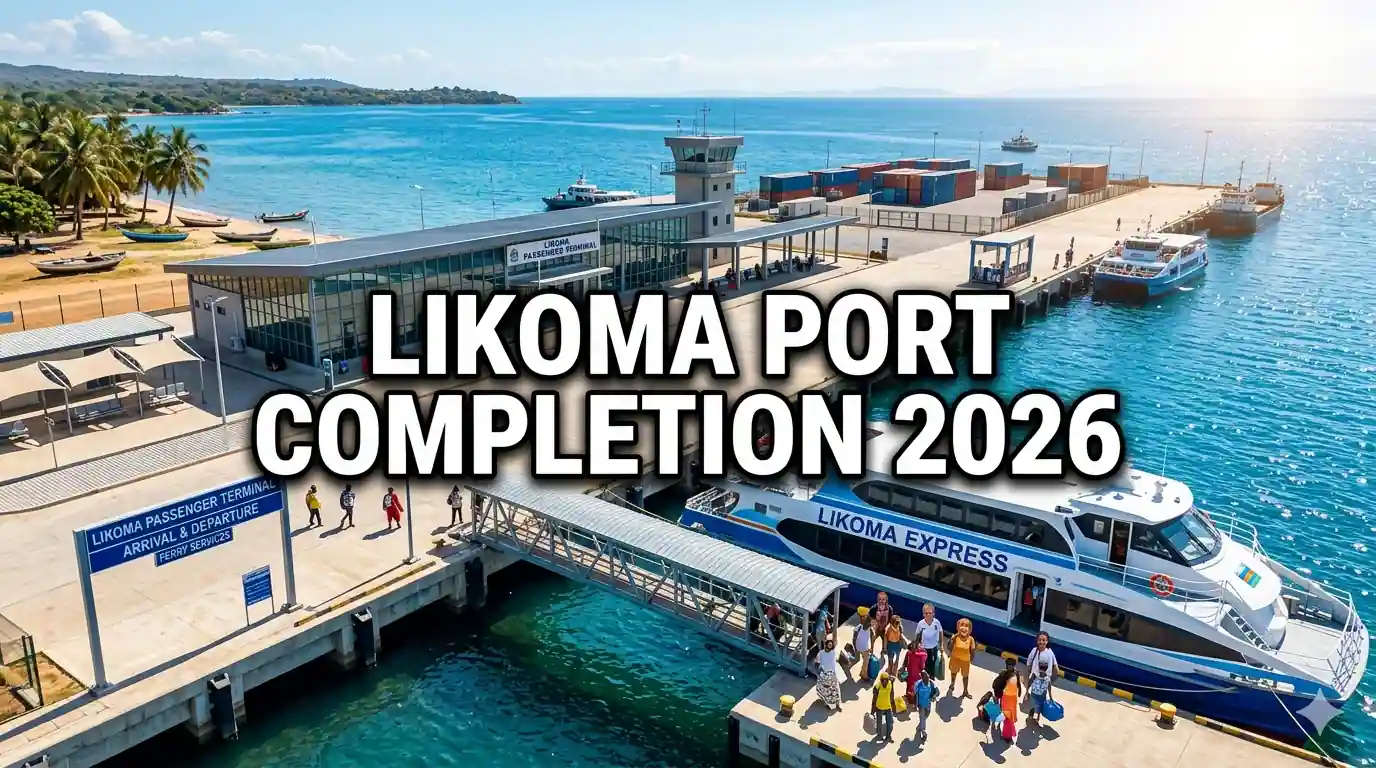
Likoma Port Completion 2026: How the New Maritime Hub Transforms Lake Malawi Travel
Likoma Port's completion in 2026 marks a transformative milestone for Lake Malawi travel, establishing a modern maritime hub that revolutionizes access to one of Africa's most stunning island destinations. This state-of-the-art facility, part of Malawi's comprehensive 2026/27 transport infrastructure programme, represents a significant investment in enhancing connectivity, boosting tourism, and improving livelihoods for residents of Likoma Island and the broader Lake Malawi region.
For travelers planning to visit Likoma Island—renowned for its pristine beaches, crystal-clear waters, historic Anglican cathedral, and exceptional snorkeling and diving opportunities—the new port facility dramatically improves the journey experience. Where once access meant navigating basic landing facilities with unpredictable schedules and limited amenities, the completed Likoma Port offers modern passenger terminals, improved cargo handling, reliable ferry services, and enhanced safety standards that align with international maritime best practices.
This comprehensive guide explores every aspect of the Likoma Port Completion 2026: project details, new travel routes, ferry schedules, accommodation options on Likoma Island, activities and attractions, and how this infrastructure transformation positions Lake Malawi as an increasingly accessible world-class destination. From planning your island getaway to understanding the broader implications for Malawi's tourism sector, discover how the new maritime hub opens doors to unforgettable African island experiences.
What is Likoma Port and why is its completion significant?
Likoma Port is a modern maritime facility on Likoma Island in Lake Malawi, completed in 2026 as part of Malawi's national transport infrastructure development. The port features upgraded passenger terminals, cargo handling facilities, improved docking infrastructure, and enhanced safety systems. Its completion significantly improves reliable access to Likoma Island, supports tourism growth, facilitates trade, and enhances connectivity for island residents, transforming what was once a remote destination into a more accessible maritime hub.
Likoma Island: Understanding the Destination

Before exploring the port's impact, understanding Likoma Island itself reveals why this infrastructure investment matters so profoundly.
Geographic Context:
Likoma Island sits in Lake Malawi (also called Lake Nyasa), Africa's third-largest lake and the world's ninth-largest. Despite being located in Malawian waters, Likoma is actually closer to Mozambique's mainland than to Malawi—a geographical quirk stemming from colonial-era boundary agreements. The island covers approximately 18 square kilometers and, together with neighboring Chizumulu Island, forms the Likoma District, Malawi's smallest district by land area but one of its most unique destinations.
Natural Beauty:
Likoma Island boasts:
• Pristine sandy beaches with powdery white and golden sands
• Crystal-clear freshwater ideal for swimming and water sports
• Spectacular rocky outcrops and boulder formations
• Rich aquatic biodiversity perfect for snorkeling and diving
• Stunning sunsets over the lake
• Tropical vegetation including baobab trees and mango groves
• Peaceful atmosphere far from urban development
Cultural Heritage:
The island features significant historical and cultural sites:
• St. Peter's Cathedral (Cathedral of St. Peter): An impressive Anglican cathedral built between 1908-1914 using local materials, featuring beautiful stained glass and serving as a major landmark
• Traditional village life showcasing local Chewa culture
• Colonial-era buildings and historical sites
• Local crafts and artisan traditions
• Warm, welcoming island community
Tourism Appeal:
Likoma Island attracts visitors seeking:
• Tranquil beach getaways away from mass tourism
• Exceptional freshwater diving and snorkeling among cichlid fish
• Island hopping experiences on Africa's Great Lakes
• Cultural immersion in authentic African island communities
• Photography opportunities with stunning landscapes
• Eco-tourism and sustainable travel experiences
• Adventure combined with relaxation
Pre-Port Challenges:
Before the 2026 port completion, accessing Likoma Island presented several obstacles:
• Basic landing facilities with limited infrastructure
• Unpredictable ferry schedules and frequent delays
• Weather-dependent access with cancellations during rough conditions
• Limited cargo capacity affecting supplies and prices
• Inadequate passenger amenities (shelter, restrooms, food services)
• Safety concerns with older docking facilities
• Difficult access for travelers with mobility challenges
These limitations constrained tourism growth and complicated life for the approximately 14,000 island residents.
How do I get to Likoma Island?
Access to Likoma Island is primarily via water transport from mainland Malawi. The main departure points are Chipoka (on the eastern shore of Lake Malawi) and Nkhata Bay (northern lakeshore). The MV Ilala and other passenger/cargo ferries operate scheduled services, with journey times ranging from 8-12 hours depending on the route and stops. Small aircraft can also land on the island's airstrip for faster but more expensive access. The completed Likoma Port significantly improves the ferry arrival experience with modern facilities.
The Likoma Port Project: Scope and Development

Understanding the port's development reveals the scale of transformation underway for Lake Malawi travel.
Project Background:
Likoma Port's completion forms part of Malawi's broader 2026/27 transport infrastructure programme announced by the government. The project addresses long-standing infrastructure deficits that hampered island connectivity, economic development, and tourism potential. Recognizing Lake Malawi's strategic importance for transportation, trade, and tourism, the government prioritized port modernization alongside other critical transport investments including road upgrades and rail rehabilitation.
Infrastructure Components:
The completed Likoma Port facility includes:
• Modern Passenger Terminal: Climate-controlled waiting areas, ticketing offices, information desks, and comfortable seating for travelers
• Enhanced Docking Facilities: Reinforced quays capable of accommodating larger vessels safely, with proper fendering systems and mooring infrastructure
• Cargo Handling Area: Dedicated facilities for efficient loading and unloading of goods, essential for island supplies and commerce
• Safety Systems: Modern navigation aids, lighting, life-saving equipment, and emergency response capabilities
• Passenger Amenities: Restrooms, food vendors, small shops, shaded waiting areas, and clear signage
• Accessibility Features: Ramps and facilities for travelers with reduced mobility
• Administrative Buildings: Port management offices, customs and immigration facilities, security posts
• Utilities Infrastructure: Reliable water supply, electricity, waste management systems, and communications
Investment and Funding:
While specific cost figures for Likoma Port haven't been publicly detailed, the project forms part of Malawi's comprehensive transport budget allocations for 2026/27. Funding likely combines government allocations, development partner support, and potentially international cooperation agreements focused on African infrastructure development and maritime connectivity.
Construction Timeline:
The port project progressed through typical infrastructure development phases:
• Planning and design (2023-2024)
• Environmental and social impact assessments
• Tender processes and contractor selection
• Construction phase (2024-2026)
• Commissioning and completion (2026)
The 2026 completion date positions Likoma Port as one of Malawi's significant infrastructure achievements for the year.
Stakeholder Engagement:
Successful port development required coordination among:
• Malawi Ministry of Transport and Public Works
• Department of Marine and Fisheries
• Likoma District Council
• Local communities and traditional leaders
• Ferry operators and shipping companies
• Tourism stakeholders and business associations
• Development partners and technical advisors
This collaborative approach ensures the port serves diverse needs while minimizing negative social and environmental impacts.
What facilities are available at the new Likoma Port?
The completed Likoma Port features modern passenger terminals with comfortable waiting areas, ticketing services, restrooms, food vendors, and information desks. Enhanced docking facilities safely accommodate larger ferries, while dedicated cargo handling areas improve supply chain efficiency. Safety systems include navigation aids, lighting, and emergency equipment. The port also offers accessibility features for travelers with reduced mobility, administrative buildings for customs and immigration, and reliable utilities including water, electricity, and communications infrastructure.
Transforming Lake Malawi Travel: Practical Impacts

The Likoma Port Completion 2026 fundamentally changes how travelers experience Lake Malawi maritime journeys.
Improved Ferry Services:
The modern port infrastructure enables:
• More Reliable Schedules: Better facilities reduce turnaround times and weather-related disruptions
• Larger Vessels: Enhanced docking can accommodate bigger, more comfortable ferries with increased capacity
• Enhanced Safety: Modern mooring systems and navigation aids reduce maritime risks
• Better Onboard Amenities: Improved port facilities support vessels offering seating classes, food service, and sleeping accommodations
• Increased Frequency: Efficient operations may enable more regular departures
Passenger Experience Enhancements:
Travelers now benefit from:
• Comfortable waiting areas protected from sun and rain
• Clear information displays and announcements
• Adequate restroom facilities before boarding
• Food and beverage vendors offering refreshments
• Secure luggage handling and storage
• Efficient ticketing and boarding processes
• Emergency services and first aid availability
• Clean, well-maintained facilities throughout
Cargo and Supply Chain Improvements:
The port's cargo facilities deliver cascading benefits:
• More reliable delivery of essential goods to the island
• Reduced costs as handling efficiency improves
• Better preservation of perishable items (food, medicines)
• Increased variety of products available on the island
• Support for local businesses and tourism establishments
• Enhanced capacity for exporting island products
These improvements ultimately benefit visitors through better services, more dining options, and competitive pricing.
Tourism Sector Growth:
Likoma Port catalyzes tourism development through:
• Increased Accessibility: Easier, more comfortable access attracts more visitors
• Extended Stays: Reliable return transport encourages longer visits
• Diverse Visitor Segments: Improved facilities appeal to families, older travelers, and those previously deterred by infrastructure limitations
• Investment Confidence: Modern infrastructure encourages private sector investment in hotels, restaurants, and tour operations
• Marketing Opportunities: Malawi can more confidently promote Likoma Island as an accessible destination
• Regional Connectivity: Potential for expanded lake transport links to Mozambique and other lakeshore destinations
Safety and Security:
Modern port infrastructure significantly enhances traveler safety:
• Properly designed embarkation/disembarkation points reduce accident risks
• Adequate lighting improves security during early morning or evening arrivals
• Emergency response capabilities better equipped for maritime incidents
• Security personnel and systems protect passengers and belongings
• Weather monitoring and communication systems enable informed decisions
• Life-saving equipment meets international standards
How long is the ferry journey to Likoma Island?
The ferry journey to Likoma Island typically takes 8-12 hours depending on the departure point and number of stops. From Chipoka (the main departure point on the eastern lakeshore), the journey usually takes 10-12 hours with multiple stops at lakeshore communities. From Nkhata Bay in the north, travel time is approximately 8-10 hours. The MV Ilala, the primary passenger/cargo ferry, operates on a scheduled route serving various lakeshore destinations. Overnight journeys are common, with some vessels offering basic sleeping accommodations.
Planning Your Likoma Island Visit in 2026

With the new port facility operational, planning your Likoma Island adventure becomes more straightforward and appealing.
Getting to Likoma Island:
Route Options:
• Via Chipoka: Most common route
- Travel from Lilongwe to Chipoka (approximately 2-3 hours by road)
- Board ferry at Chipoka Port
- Journey time: 10-12 hours with stops
- Scenic route passing multiple lakeshore communities
• Via Nkhata Bay: Northern route
- Travel from Lilongwe to Nkhata Bay (approximately 4-5 hours by road)
- Board ferry at Nkhata Bay
- Journey time: 8-10 hours
- Combines well with northern lakeshore tourism
• By Air: Faster but more expensive
- Small aircraft operate from Lilongwe (Kamuzu International Airport or Chileka International Airport in Blantyre)
- Flight time: Approximately 1 hour
- Land on Likoma Island airstrip
- Limited schedule and higher cost but significant time savings
Ferry Schedules and Booking:
• Primary Vessel: MV Ilala is the main passenger/cargo ferry serving Likoma Island
• Frequency: Typically weekly service, though schedules can vary
• Booking: Reserve tickets in advance, especially during peak tourist seasons (May-October)
• Ticket Classes: Various options from basic deck passage to cabin accommodations
• Cost: Budget $20-50 depending on class and route
• Confirmation: Verify schedules before travel as weather and operational factors can cause changes
• New Port Advantage: The completed Likoma Port enables more reliable scheduling and potentially increased service frequency
Best Time to Visit:
• Dry Season (May-October): Ideal for visiting
- Pleasant temperatures (20-28°C / 68-82°F)
- Minimal rainfall
- Calm lake conditions for smoother ferry journeys
- Peak tourist season—book accommodations early
- Excellent visibility for snorkeling and diving
• Wet Season (November-April): Consider carefully
- Hot and humid with heavy rainfall
- Lake conditions can be rough, causing ferry cancellations
- Fewer tourists and lower prices
- Lush, green landscapes
- Risk of extended delays if weather deteriorates
Accommodation Options:
Likoma Island offers diverse lodging to suit different budgets and preferences:
• Kaya Mawa: Upscale lodge with stunning lake views, comfortable rooms, and excellent dining
• Mayoka Lodge: Mid-range option with beachfront location and water sports
• Likoma Island Lodge: Budget to mid-range with basic but clean accommodations
• Guesthouses and Homestays: Authentic local experiences at lower costs
• Camping: Some locations permit camping for adventurous travelers
Booking in advance is essential, particularly for the dry season. The improved port access may increase demand, making early reservations even more important.
What to Pack:
Essential items for Likoma Island:
• Light, breathable clothing for tropical climate
• Swimwear and quick-dry towels
• Sunscreen (high SPF), hat, and sunglasses
• Insect repellent
• Comfortable walking shoes and sandals
• Snorkeling gear (or rent on island)
• Waterproof bag for boat journey
• Basic medications and first aid supplies
• Flashlight or headlamp (power can be intermittent)
• Cash (Malawian Kwacha)—limited ATM access on island
• Travel documents and ferry tickets
• Camera for capturing stunning scenery
• Light jacket for cool evenings on the lake
Do I need a visa to visit Likoma Island?
Likoma Island is part of Malawi, so standard Malawi entry requirements apply. Most visitors need a valid passport and may require a visa depending on nationality. Many countries (including US, UK, Canada, and most EU nations) can obtain visas on arrival or e-visas. Check current requirements with Malawi Immigration before travel. The port has customs and immigration facilities to process international visitors arriving by water, though most travelers arrive from within Malawi.
Experiencing Likoma Island: Top Activities and Attractions

Beyond the improved access, Likoma Island itself offers compelling reasons to visit.
St. Peter's Cathedral:
This architectural gem stands as Likoma's most iconic landmark:
• Built 1908-1914 by Anglican missionaries using local materials
• Impressive stone construction with beautiful stained glass windows
• Can accommodate up to 3,000 worshippers
• Features intricate woodwork and peaceful atmosphere
• Climb the tower for panoramic island views
• Attend Sunday services to experience local worship traditions
• Free to visit; donations appreciated
Snorkeling and Diving:
Lake Malawi's exceptional aquatic biodiversity makes it a freshwater diving paradise:
• Home to more fish species than any other lake globally (estimated 1,000+ species, mostly cichlids)
• Crystal-clear water with visibility often exceeding 10 meters
• Colorful rocky reefs teeming with endemic cichlid fish
• Suitable for beginners and experienced divers
• Equipment rental available on island
• Guided snorkeling tours to best spots
• Unique opportunity to observe fish behavior in natural habitat
• Photography opportunities with vibrant underwater scenery
Beach Relaxation:
Likoma's beaches offer tranquil escapes:
• Powdery white and golden sands
• Gentle, warm freshwater perfect for swimming
• Shaded spots under baobab and mango trees
• Secluded coves for privacy
• Stunning sunrise and sunset views
• Beachfront dining at lodges
• Kayaking and paddleboarding opportunities
• Simply unwind with a book and lake breeze
Island Hiking:
Explore Likoma on foot:
• Network of trails connecting villages and viewpoints
• Moderate terrain with rewarding panoramas
• Visit traditional villages and meet local residents
• Discover hidden beaches and rocky outcrops
• Observe baobab trees hundreds of years old
• Learn about island history and culture from guides
• Photography opportunities at every turn
• Wear sturdy shoes and carry water
Cultural Immersion:
Engage with Likoma's community:
• Visit local markets and craft centers
• Observe traditional fishing techniques
• Sample local cuisine (fresh lake fish, nsima, tropical fruits)
• Participate in community events if timing aligns
• Purchase handmade crafts supporting local artisans
• Learn basic Chichewa phrases to connect with residents
• Respect local customs and dress modestly in villages
• Consider community-based tourism initiatives
Water Sports:
Beyond snorkeling and diving:
• Kayaking around the island coastline
• Stand-up paddleboarding on calm waters
• Motorboat excursions to neighboring Chizumulu Island
• Fishing trips (catch-and-release encouraged for conservation)
• Sunset cruises for romantic experiences
• Swimming in pristine lake waters
• Most lodges offer equipment rental and instruction
Day Trip to Chizumulu Island:
Extend your island adventure:
• Likoma's smaller neighbor (approximately 5 km away)
• Similar natural beauty with fewer visitors
• Local boat services connect the islands
• Explore on foot or by bicycle
• Experience even more tranquil island life
• Return to Likoma same day or stay overnight
• Perfect for adventurous travelers seeking off-the-beaten-path experiences
What is the best activity on Likoma Island?
Snorkeling and diving rank as Likoma Island's premier activities, offering unparalleled access to Lake Malawi's extraordinary biodiversity with over 1,000 fish species, mostly endemic cichlids. The crystal-clear freshwater, vibrant rocky reefs, and exceptional visibility create world-class diving conditions unique to Africa's Great Lakes. However, the island's appeal extends beyond underwater experiences—visiting St. Peter's Cathedral, relaxing on pristine beaches, hiking scenic trails, and immersing in local culture all contribute to a well-rounded Likoma experience.
Broader Impact: Likoma Port and Malawi's Development

The Likoma Port Completion 2026 extends far beyond tourism implications, contributing to comprehensive national development.
Economic Development:
The port catalyzes economic activity through:
• Job Creation: Direct employment in port operations, ferry services, and related sectors
• Local Business Growth: Increased tourism supports restaurants, shops, guides, and craft sellers
• Trade Facilitation: Efficient cargo handling reduces costs for imported goods and enables exports
• Investment Attraction: Modern infrastructure encourages private sector investment in hospitality and services
• Revenue Generation: Port fees, tourism taxes, and economic activity boost government revenues
• Poverty Reduction: Economic opportunities improve livelihoods for island residents
Social Benefits:
Improved port infrastructure enhances quality of life:
• Healthcare Access: Reliable transport enables medical evacuations and medicine delivery
• Education: Easier travel supports student mobility and educational resource delivery
• Food Security: Efficient cargo transport ensures steady food supplies
• Connectivity: Better communication and transport links reduce island isolation
• Gender Equality: Economic opportunities benefit women entrepreneurs and workers
• Cultural Preservation: Sustainable tourism can support heritage conservation
Regional Integration:
Likoma Port contributes to broader regional connectivity:
• Lake Malawi borders Malawi, Mozambique, and Tanzania
• Potential for expanded cross-lake trade and passenger services
• Supports African Union and SADC regional integration goals
• Enhances Malawi's position as a lakeshore nation
• Could facilitate tourism circuits linking multiple countries
• Strengthens diplomatic and economic ties through shared waterways
Environmental Considerations:
Sustainable development requires balancing progress with conservation:
• Lake Malawi Protection: The lake is a UNESCO World Heritage Site and biodiversity hotspot
• Environmental Safeguards: Port construction should include environmental impact assessments and mitigation measures
• Waste Management: Increased tourism requires robust waste handling to prevent lake pollution
• Conservation Funding: Tourism revenues can support protected area management
• Climate Resilience: Infrastructure must withstand climate change impacts including fluctuating water levels
• Sustainable Tourism: Visitor management prevents ecosystem degradation while maximizing benefits
Alignment with National Priorities:
Likoma Port supports Malawi's development framework:
• Malawi 2063 vision for economic transformation
• Tourism sector growth as economic pillar
• Infrastructure development priorities
• Poverty reduction strategies
• Regional connectivity objectives
• Sustainable Development Goals (particularly SDG 9: Industry, Innovation and Infrastructure)
How does Likoma Port benefit local residents?
Likoma Island's approximately 14,000 residents benefit from the port through improved access to essential goods and services, more reliable transportation for medical emergencies and education, enhanced economic opportunities in tourism and trade, better connectivity with mainland Malawi, and reduced costs for imported products. The port also creates direct employment in operations and maintenance, while indirect benefits flow to local businesses serving increased visitor numbers. Overall, the infrastructure reduces island isolation and improves quality of life.
Practical Travel Tips for Likoma Island in 2026

Maximize your Likoma Island experience with these practical recommendations:
Before You Go:
• Book ferry tickets and accommodations well in advance
• Verify current ferry schedules (can change seasonally)
• Arrange airport transfers if flying to/from Likoma
• Purchase travel insurance covering water transport and medical evacuation
• Inform your bank of travel plans if bringing cards
• Download offline maps and translation apps
• Research current weather and lake conditions
• Pack appropriately for tropical island climate
• Bring sufficient cash (Malawian Kwacha)—limited banking on island
• Carry basic medications and first aid supplies
• Confirm any dietary requirements with accommodations in advance
During the Ferry Journey:
• Arrive at port at least 1 hour before departure
• Bring snacks and water for the journey (can be long)
• Pack entertainment (books, music, cards)
• If prone to seasickness, bring medication and choose lower deck seating
• Keep valuables in carry-on bag, not checked luggage
• Dress in layers—can be cool on water even in warm weather
• Charge devices before boarding; power may be limited
• Be patient—schedules can shift due to weather or operational factors
• Enjoy the scenic journey and meet fellow travelers
On Likoma Island:
• Respect local customs and dress modestly in villages
• Learn basic Chichewa greetings (Moni = Hello, Zikomo = Thank you)
• Support local businesses and guides
• Practice responsible tourism—don't litter, respect wildlife
• Conserve water and electricity (resources can be limited)
• Bargain respectfully when purchasing crafts
• Ask permission before photographing people
• Be flexible—Island time moves slower than city time
• Embrace the peaceful, unhurried atmosphere
• Try fresh lake fish (chambo, usipa, kampango)
Safety Considerations:
• Swim only in designated safe areas—lake depths can change suddenly
• Use reputable tour operators for water activities
• Keep valuables secure; use hotel safes
• Stay hydrated and use sun protection
• Be aware of bilharzia (schistosomiasis) risk—avoid swimming in stagnant water
• Carry insect repellent to prevent malaria and other mosquito-borne diseases
• Know location of nearest medical facility
• Have emergency contact numbers saved
• Travel with comprehensive travel insurance
Budget Considerations:
• Ferry tickets: $20-50 depending on class
• Accommodation: $30-200+ per night depending on standard
• Meals: $5-20 per meal at local restaurants; more at lodges
• Activities: Snorkeling gear rental $10-15/day; guided tours $20-50
• Miscellaneous: Budget for souvenirs, tips, and contingencies
• Overall: Budget travelers can manage on $50-75/day; mid-range $100-200/day; luxury $250+/day
Connectivity:
• Mobile phone coverage exists but can be intermittent
• Internet access available at some lodges and cafes
• WiFi speeds typically slow; don't rely on constant connectivity
• Consider this an opportunity for digital detox
• Inform contacts of potential communication delays
• Download essential information before arrival
Is Likoma Island safe for tourists?
Yes, Likoma Island is generally very safe for tourists. The island community is welcoming and crime rates are low. Standard travel precautions apply: secure valuables, use reputable accommodations and tour operators, respect local customs, and stay aware of your surroundings. The main safety considerations relate to water activities (use proper equipment and guides), sun exposure (use protection), and health precautions (malaria prevention, safe food/water practices). The improved port infrastructure enhances overall safety with better emergency response capabilities.
Final Thoughts: Likoma Port's Transformative Potential
The Likoma Port Completion 2026 represents far more than concrete and steel—it embodies Malawi's commitment to unlocking the potential of its most precious natural asset: Lake Malawi. This modern maritime hub transforms what was once a challenging-to-reach island destination into an accessible treasure, opening doors for travelers seeking authentic African island experiences while catalyzing economic development for local communities.
For visitors, the new port means smoother journeys, enhanced safety, reliable schedules, and the confidence that comes with modern infrastructure. No longer must adventurous spirit overcome inadequate facilities—Likoma Island now welcomes travelers with the hospitality of its people matched by the quality of its infrastructure.
Yet the port's significance extends beyond convenience. It represents a bridge between preservation and progress, enabling sustainable tourism that can fund conservation of Lake Malawi's extraordinary biodiversity while improving livelihoods for island residents. It connects remote communities to opportunities, healthcare, and education while sharing their culture and natural heritage with the world.
As you plan your 2026 journey to Likoma Island, consider that you're participating in more than a vacation. You're witnessing infrastructure evolution in real-time, supporting community development through responsible tourism, and experiencing one of Africa's hidden gems at a pivotal moment in its story.
The crystal-clear waters, vibrant fish populations, peaceful beaches, and warm island hospitality await. The new Likoma Port has opened the door. All that remains is for you to walk through it.
Lake Malawi's island paradise is more accessible than ever. Your Likoma Island adventure starts now.
0 Comments