.webp)
.webp)
How to See Pico Cão Grande: The Best Viewpoints of the "Volcanic Tooth"
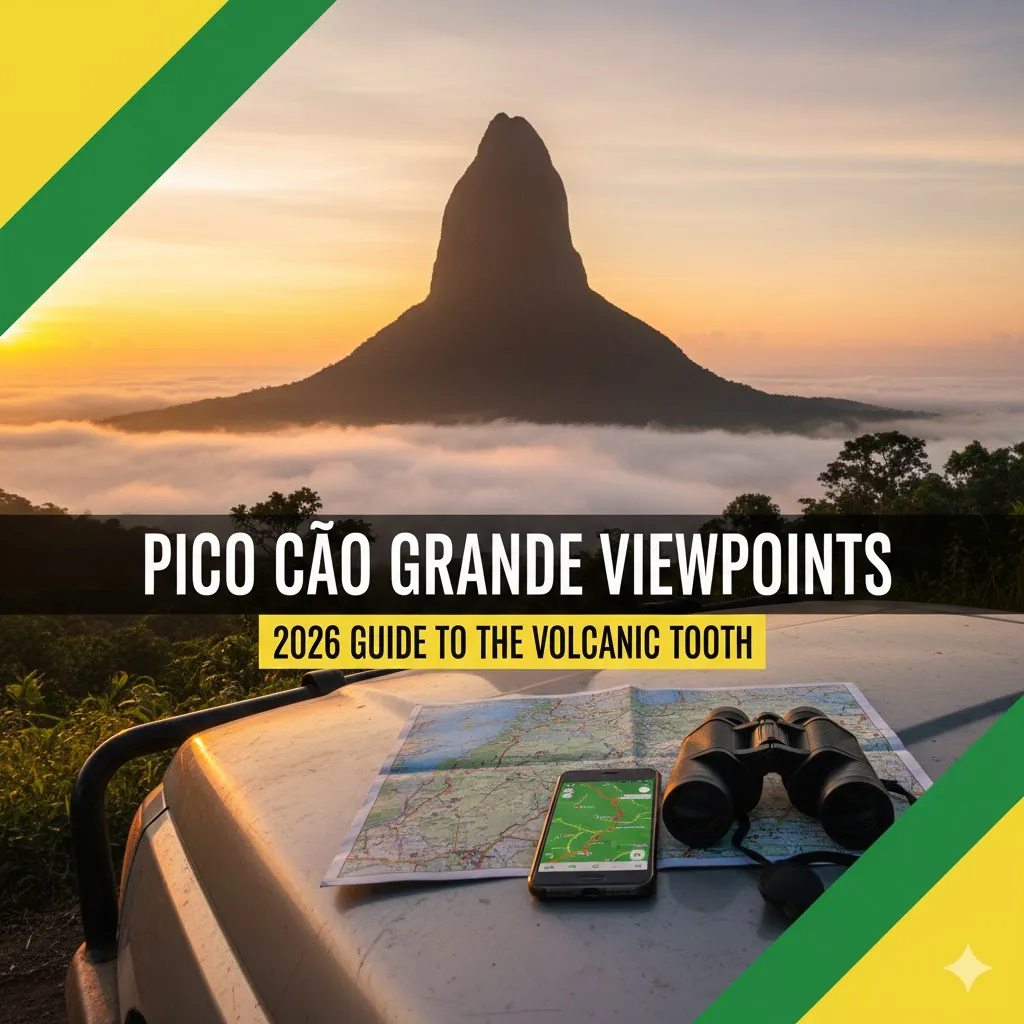
How to See Pico Cão Grande: The Best Viewpoints of the "Volcanic Tooth"
Rising dramatically from the lush rainforest of São Tomé Island, Pico Cão Grande (Great Dog Peak) is one of the world's most spectacular volcanic plugs. This iconic 663-meter (2,175-foot) volcanic needle, also known as the "Volcanic Tooth," pierces the equatorial sky and stands as São Tomé and Príncipe's most recognizable natural landmark. For photographers, hikers, and nature enthusiasts, witnessing this geological wonder is an absolute must.
However, seeing Pico Cão Grande isn't as simple as driving up to a viewpoint. The peak is located deep within the Ôbo Natural Park, surrounded by dense primary rainforest, and accessing the best viewpoints requires planning, local knowledge, and often a guide. Whether you want a distant panoramic view, a close-up encounter, or the perfect photograph, this comprehensive guide reveals everything you need to know about visiting Pico Cão Grande in 2026.
From the easiest roadside viewpoints to challenging jungle treks, we'll explore all the ways to experience this natural wonder, including practical information about guides, permits, difficulty levels, and what to expect on your journey to one of Africa's most dramatic landscapes.
What Is Pico Cão Grande?
Before exploring the viewpoints, it's essential to understand what makes this formation so extraordinary:
Geological Formation:
- Type: Volcanic plug (volcanic neck)
- Height: 663 meters (2,175 feet) from base to summit
- Formation: Created millions of years ago when magma solidified in a volcano's vent; softer surrounding rock eroded away, leaving the hardened plug
- Composition: Phonolite rock (volcanic)
- Age: Estimated several million years old
- 👉 First Time Travelers Guide to Tanzania National Cultural Centre
- 👉 Loango Savannah Camp 2026: Iguela Lagoon Eco-Lodge Guide
- 👉 Flying from Washington D.C. to Juba Best Airlines and Routes 2026
Why It's Special:
- One of the world's most dramatic volcanic plugs
- Rises almost vertically from the rainforest floor
- Surrounded by pristine primary rainforest
- Part of São Tomé UNESCO Biosphere Reserve
- Home to unique endemic species
- Icon of São Tomé and Príncipe (featured on stamps, currency, and tourism materials)
- 👉 First Time Travelers Guide to Tanzania National Cultural Centre
- 👉 Loango Savannah Camp 2026: Iguela Lagoon Eco-Lodge Guide
- 👉 Flying from Washington D.C. to Juba Best Airlines and Routes 2026
Location:
- Island: São Tomé Island
- District: Caué District (southern São Tomé)
- Distance from São Tomé city: Approximately 50-60 km south
- Nearest town: São João dos Angolares (fishing village)
- Protected area: Within Ôbo Natural Park boundaries
- 👉 First Time Travelers Guide to Tanzania National Cultural Centre
- 👉 Loango Savannah Camp 2026: Iguela Lagoon Eco-Lodge Guide
- 👉 Flying from Washington D.C. to Juba Best Airlines and Routes 2026
Viewpoint #1: The Roadside View (Easiest Access)
Difficulty: Very Easy
Time Required: 10-15 minutes
Best For: Quick photo stop, those with limited time or mobility
What You'll See:
The easiest way to see Pico Cão Grande is from the main road that runs through southern São Tomé. While you won't get a close-up view, this roadside vantage point offers a dramatic glimpse of the peak rising above the rainforest canopy.
Location & Access:
- Where: Along the road between São João dos Angolares and Porto Alegre
- How to get there: Hire a taxi or rent a 4WD vehicle from São Tomé city
- Driving time: Approximately 2-2.5 hours from São Tomé city
- Road conditions: Paved but deteriorating; 4WD recommended especially in rainy season
- 👉 First Time Travelers Guide to Tanzania National Cultural Centre
- 👉 Loango Savannah Camp 2026: Iguela Lagoon Eco-Lodge Guide
- 👉 Flying from Washington D.C. to Juba Best Airlines and Routes 2026
The View:
- Distant view of Pico Cão Grande rising above the forest
- Good for context shots showing the peak in its rainforest setting
- Best lighting: Morning (8-10 AM) when the peak is often clearer
- Look for pull-off areas or safe spots to park and photograph
- 👉 First Time Travelers Guide to Tanzania National Cultural Centre
- 👉 Loango Savannah Camp 2026: Iguela Lagoon Eco-Lodge Guide
- 👉 Flying from Washington D.C. to Juba Best Airlines and Routes 2026
Pros:
- No hiking required
- Quick and easy
- Good for those with limited time or mobility
- Free (no guide or permit required)
- 👉 First Time Travelers Guide to Tanzania National Cultural Centre
- 👉 Loango Savannah Camp 2026: Iguela Lagoon Eco-Lodge Guide
- 👉 Flying from Washington D.C. to Juba Best Airlines and Routes 2026
Cons:
- Distant view (peak appears small)
- Limited photo opportunities
- Can be obscured by clouds or vegetation
- No immersive experience
- 👉 First Time Travelers Guide to Tanzania National Cultural Centre
- 👉 Loango Savannah Camp 2026: Iguela Lagoon Eco-Lodge Guide
- 👉 Flying from Washington D.C. to Juba Best Airlines and Routes 2026
Photography Tips:
- Use a telephoto lens (200mm+) to bring the peak closer
- Early morning offers best chance of clear views before clouds form
- Include the rainforest foreground for context
- Be patient—clouds move quickly in the tropics
- 👉 First Time Travelers Guide to Tanzania National Cultural Centre
- 👉 Loango Savannah Camp 2026: Iguela Lagoon Eco-Lodge Guide
- 👉 Flying from Washington D.C. to Juba Best Airlines and Routes 2026
Viewpoint #2: Porto Alegre Area (Moderate Access)
Difficulty: Easy to Moderate
Time Required: 2-3 hours
Best For: Better views without strenuous hiking
What You'll See:
The Porto Alegre area, located on São Tomé's southern coast, offers several vantage points with clearer, closer views of Pico Cão Grande than the roadside stop.
Location & Access:
- Where: Porto Alegre area and surrounding plantations
- How to get there: 4WD vehicle or taxi from São Tomé (2.5-3 hours)
- Base location: Porto Alegre or nearby plantations
- Guides: Recommended but not always required for basic viewpoints
- 👉 First Time Travelers Guide to Tanzania National Cultural Centre
- 👉 Loango Savannah Camp 2026: Iguela Lagoon Eco-Lodge Guide
- 👉 Flying from Washington D.C. to Juba Best Airlines and Routes 2026
Viewing Options:
Option A: Plantation Viewpoints
- Old cocoa and coffee plantations offer clearing views
- Ask local workers or plantation managers for best spots
- Combine with plantation tour for cultural context
- Easy walking on plantation roads
- 👉 First Time Travelers Guide to Tanzania National Cultural Centre
- 👉 Loango Savannah Camp 2026: Iguela Lagoon Eco-Lodge Guide
- 👉 Flying from Washington D.C. to Juba Best Airlines and Routes 2026
Option B: Coastal Viewpoints
- Certain beach areas offer distant coastal views
- Combine beach time with peak viewing
- Less common but possible from certain angles
- 👉 First Time Travelers Guide to Tanzania National Cultural Centre
- 👉 Loango Savannah Camp 2026: Iguela Lagoon Eco-Lodge Guide
- 👉 Flying from Washington D.C. to Juba Best Airlines and Routes 2026
The View:
- Closer than roadside view
- Better angles showing the vertical nature of the peak
- Often includes plantation or coastal foreground
- Better for photography than roadside stop
- 👉 First Time Travelers Guide to Tanzania National Cultural Centre
- 👉 Loango Savannah Camp 2026: Iguela Lagoon Eco-Lodge Guide
- 👉 Flying from Washington D.C. to Juba Best Airlines and Routes 2026
Pros:
- Better views than roadside
- Minimal hiking required
- Can combine with other activities (plantation tours, beaches)
- More photo opportunities
- 👉 First Time Travelers Guide to Tanzania National Cultural Centre
- 👉 Loango Savannah Camp 2026: Iguela Lagoon Eco-Lodge Guide
- 👉 Flying from Washington D.C. to Juba Best Airlines and Routes 2026
Cons:
- Still not a close-up view
- Requires more time and planning
- May need local knowledge to find best spots
- 👉 First Time Travelers Guide to Tanzania National Cultural Centre
- 👉 Loango Savannah Camp 2026: Iguela Lagoon Eco-Lodge Guide
- 👉 Flying from Washington D.C. to Juba Best Airlines and Routes 2026
Viewpoint #3: The Forest Trail Approach (Best Overall)
Difficulty: Moderate to Challenging
Time Required: 4-6 hours round trip
Best For: Serious photographers and nature enthusiasts wanting the best views
What You'll See:
This is the classic approach to Pico Cão Grande, taking you through primary rainforest to dedicated viewpoints at the base of the peak. This is widely considered the best way to experience this natural wonder.
Location & Access:
- Trailhead: Near São João dos Angolares or designated park entry points
- How to get there: 4WD vehicle to trailhead (2-2.5 hours from São Tomé city)
- Guide: MANDATORY—required by park regulations and essential for safety
- Permit: Required—obtain through Ôbo Natural Park authorities
- 👉 First Time Travelers Guide to Tanzania National Cultural Centre
- 👉 Loango Savannah Camp 2026: Iguela Lagoon Eco-Lodge Guide
- 👉 Flying from Washington D.C. to Juba Best Airlines and Routes 2026
The Hike:
Distance: 3-4 km each way (6-8 km round trip)
Elevation: Relatively flat to gentle incline
Terrain: Forest trails, muddy sections, stream crossings
Duration: 1.5-2 hours each way
What to Expect:
- Forest Entry: Begin in dense primary rainforest with towering trees
- Wildlife: Listen for endemic birds; look for monkeys and other wildlife
- Stream Crossings: Several small streams to cross (can be slippery)
- Vegetation: Lush vegetation, ferns, orchids, and tropical plants
- First Glimpse: Peak becomes visible through forest canopy
- Base Viewpoint: Reach clearing with dramatic close-up views
The Viewpoint:
- Distance from peak: 200-400 meters from base
- Angle: Direct view showing full vertical extent
- Photo opportunities: Multiple angles and compositions
- Immersion: Surrounded by rainforest with peak towering above
- Time at viewpoint: 30-60 minutes recommended
- 👉 First Time Travelers Guide to Tanzania National Cultural Centre
- 👉 Loango Savannah Camp 2026: Iguela Lagoon Eco-Lodge Guide
- 👉 Flying from Washington D.C. to Juba Best Airlines and Routes 2026
What Makes This the Best View:
- Close-up perspective showing true scale and drama
- Peak fills the frame for stunning photographs
- Surrounded by pristine rainforest
- Experience the jungle environment
- Multiple viewing angles and compositions
- Opportunity to appreciate the peak's vertical nature
- 👉 First Time Travelers Guide to Tanzania National Cultural Centre
- 👉 Loango Savannah Camp 2026: Iguela Lagoon Eco-Lodge Guide
- 👉 Flying from Washington D.C. to Juba Best Airlines and Routes 2026
Requirements:
- Guide: Mandatory—hire through official channels or reputable tour operators
- Permit: Required—arrange in advance through park authorities
- Fitness: Moderate fitness required; trail can be muddy and slippery
- Equipment: Hiking boots, rain gear, water, snacks, camera
- Time: Full day from São Tomé city (6-8 hours total)
- 👉 First Time Travelers Guide to Tanzania National Cultural Centre
- 👉 Loango Savannah Camp 2026: Iguela Lagoon Eco-Lodge Guide
- 👉 Flying from Washington D.C. to Juba Best Airlines and Routes 2026
Costs (Approximate 2026):
- Guide: $50-100 USD per day
- Permit: $10-20 USD
- Transportation: $100-200 USD for 4WD rental or taxi (can split with group)
- Total per person: $80-150 USD (less if in group)
- 👉 First Time Travelers Guide to Tanzania National Cultural Centre
- 👉 Loango Savannah Camp 2026: Iguela Lagoon Eco-Lodge Guide
- 👉 Flying from Washington D.C. to Juba Best Airlines and Routes 2026
Pros:
- Best overall views and photo opportunities
- Immersive rainforest experience
- See the peak's true scale and drama
- Wildlife spotting opportunities
- Authentic adventure experience
- 👉 First Time Travelers Guide to Tanzania National Cultural Centre
- 👉 Loango Savannah Camp 2026: Iguela Lagoon Eco-Lodge Guide
- 👉 Flying from Washington D.C. to Juba Best Airlines and Routes 2026
Cons:
- Requires moderate fitness
- Need guide and permit (additional cost)
- Weather dependent (rain makes trail difficult)
- Full day commitment
- Can be muddy and challenging
- 👉 First Time Travelers Guide to Tanzania National Cultural Centre
- 👉 Loango Savannah Camp 2026: Iguela Lagoon Eco-Lodge Guide
- 👉 Flying from Washington D.C. to Juba Best Airlines and Routes 2026
Viewpoint #4: Advanced Treks (For Experienced Hikers)
Difficulty: Challenging to Very Challenging
Time Required: Full day or multi-day
Best For: Experienced hikers seeking adventure and unique perspectives
What You'll See:
For those seeking more adventure, there are more challenging routes that offer different perspectives of Pico Cão Grande, including higher elevation viewpoints and multi-day treks through Ôbo Natural Park.
Option A: Elevated Viewpoint Treks
- Description: Hike to higher elevations for aerial-style views
- Difficulty: Challenging—steep, technical terrain
- Duration: 6-8 hours
- Guide: Essential—technical terrain requires expertise
- View: Elevated perspective showing peak and surrounding landscape
- 👉 First Time Travelers Guide to Tanzania National Cultural Centre
- 👉 Loango Savannah Camp 2026: Iguela Lagoon Eco-Lodge Guide
- 👉 Flying from Washington D.C. to Juba Best Airlines and Routes 2026
Option B: Multi-Day Ôbo Park Treks
- Description: Multi-day expeditions through Ôbo Natural Park
- Duration: 2-4 days
- Difficulty: Very challenging—camping, long distances, technical terrain
- Guide: Mandatory—experienced guide essential
- Includes: Multiple viewpoints, camping, wildlife, remote areas
- View: Various perspectives from different locations in the park
- 👉 First Time Travelers Guide to Tanzania National Cultural Centre
- 👉 Loango Savannah Camp 2026: Iguela Lagoon Eco-Lodge Guide
- 👉 Flying from Washington D.C. to Juba Best Airlines and Routes 2026
Requirements:
- Excellent physical fitness
- Previous hiking/trekking experience
- Camping equipment (or arrange with guide)
- All permits and permissions
- Experienced local guide (mandatory)
- Comprehensive travel insurance
- 👉 First Time Travelers Guide to Tanzania National Cultural Centre
- 👉 Loango Savannah Camp 2026: Iguela Lagoon Eco-Lodge Guide
- 👉 Flying from Washington D.C. to Juba Best Airlines and Routes 2026
Costs:
- Guide: $100-200 USD per day
- Permits: $20-50 USD
- Equipment rental: $50-100 USD (if needed)
- Food and supplies: $30-50 USD per day
- Total: $300-600+ USD depending on duration
- 👉 First Time Travelers Guide to Tanzania National Cultural Centre
- 👉 Loango Savannah Camp 2026: Iguela Lagoon Eco-Lodge Guide
- 👉 Flying from Washington D.C. to Juba Best Airlines and Routes 2026
Pros:
- Unique perspectives not available on standard routes
- Deep immersion in pristine rainforest
- Wildlife and biodiversity encounters
- Ultimate adventure experience
- Photography opportunities from unique angles
- 👉 First Time Travelers Guide to Tanzania National Cultural Centre
- 👉 Loango Savannah Camp 2026: Iguela Lagoon Eco-Lodge Guide
- 👉 Flying from Washington D.C. to Juba Best Airlines and Routes 2026
Cons:
- Very challenging physically
- Expensive (guides, permits, equipment)
- Weather dependent
- Requires significant time commitment
- Remote—limited emergency access
- 👉 First Time Travelers Guide to Tanzania National Cultural Centre
- 👉 Loango Savannah Camp 2026: Iguela Lagoon Eco-Lodge Guide
- 👉 Flying from Washington D.C. to Juba Best Airlines and Routes 2026
Planning Your Visit: Essential Information
Best Time to Visit
Dry Season (June-September): BEST
- Weather: Less rainfall, clearer views
- Trail conditions: Drier, less muddy, easier hiking
- Visibility: Better chance of clear views of the peak
- Crowds: Still minimal—São Tomé rarely crowded
- Recommendation: Ideal time for visiting Pico Cão Grande
- 👉 First Time Travelers Guide to Tanzania National Cultural Centre
- 👉 Loango Savannah Camp 2026: Iguela Lagoon Eco-Lodge Guide
- 👉 Flying from Washington D.C. to Juba Best Airlines and Routes 2026
Shoulder Season (October-November, April-May): GOOD
- Weather: Variable—mix of sun and rain
- Trail conditions: Can be muddy after rain
- Visibility: Morning views often clearest
- Pros: Lush vegetation, fewer visitors
- Cons: Unpredictable weather
- 👉 First Time Travelers Guide to Tanzania National Cultural Centre
- 👉 Loango Savannah Camp 2026: Iguela Lagoon Eco-Lodge Guide
- 👉 Flying from Washington D.C. to Juba Best Airlines and Routes 2026
Rainy Season (December-March): CHALLENGING
- Weather: Heavy rainfall, high humidity
- Trail conditions: Very muddy, slippery, difficult
- Visibility: Peak often obscured by clouds and rain
- Pros: Lush vegetation, dramatic atmosphere
- Cons: Difficult hiking, poor visibility, leeches
- Recommendation: Not ideal unless you're experienced and prepared
- 👉 First Time Travelers Guide to Tanzania National Cultural Centre
- 👉 Loango Savannah Camp 2026: Iguela Lagoon Eco-Lodge Guide
- 👉 Flying from Washington D.C. to Juba Best Airlines and Routes 2026
Best Time of Day:
- Morning (7-10 AM): Best visibility, less cloud cover, cooler temperatures
- Midday (11 AM-2 PM): Clouds often form, can obscure peak
- Afternoon (3-5 PM): Possible clearing, but rain more likely
- Recommendation: Start early—arrive at viewpoint by 9-10 AM for best views
- 👉 First Time Travelers Guide to Tanzania National Cultural Centre
- 👉 Loango Savannah Camp 2026: Iguela Lagoon Eco-Lodge Guide
- 👉 Flying from Washington D.C. to Juba Best Airlines and Routes 2026
How to Arrange Your Visit
Option 1: Hire a Local Guide (Recommended)
Why You Need a Guide:
- Required: Mandatory for forest trail access
- Safety: Know the trails, weather patterns, emergency procedures
- Navigation: Trails can be confusing without local knowledge
- Permits: Guides can help arrange necessary permits
- Wildlife: Spot animals and birds you'd miss alone
- Cultural context: Learn about the area's history and ecology
- 👉 First Time Travelers Guide to Tanzania National Cultural Centre
- 👉 Loango Savannah Camp 2026: Iguela Lagoon Eco-Lodge Guide
- 👉 Flying from Washington D.C. to Juba Best Airlines and Routes 2026
How to Find a Guide:
- Through your accommodation: Hotels and guesthouses can arrange reputable guides
- Tour operators: Book through established São Tomé tour companies
- Ôbo Natural Park: Contact park authorities directly for official guides
- Local recommendations: Ask other travelers or expats for recommendations
What to Look For:
- Experience with Pico Cão Grande specifically
- Good English or Portuguese communication
- Proper licensing/credentials
- Good reviews or recommendations
- First aid training
- Knowledge of local flora and fauna
- 👉 First Time Travelers Guide to Tanzania National Cultural Centre
- 👉 Loango Savannah Camp 2026: Iguela Lagoon Eco-Lodge Guide
- 👉 Flying from Washington D.C. to Juba Best Airlines and Routes 2026
Cost: $50-100 USD per day (may include permit assistance)
Option 2: Join an Organized Tour
What's Included:
- Transportation from São Tomé city
- Professional guide
- Permits and fees
- Sometimes meals and water
- Sometimes equipment
- 👉 First Time Travelers Guide to Tanzania National Cultural Centre
- 👉 Loango Savannah Camp 2026: Iguela Lagoon Eco-Lodge Guide
- 👉 Flying from Washington D.C. to Juba Best Airlines and Routes 2026
Pros:
- Hassle-free—everything arranged
- Meet other travelers
- Fixed cost
- Professional service
- 👉 First Time Travelers Guide to Tanzania National Cultural Centre
- 👉 Loango Savannah Camp 2026: Iguela Lagoon Eco-Lodge Guide
- 👉 Flying from Washington D.C. to Juba Best Airlines and Routes 2026
Cons:
- Less flexibility
- May be more expensive
- Fixed schedule
- Limited availability
- 👉 First Time Travelers Guide to Tanzania National Cultural Centre
- 👉 Loango Savannah Camp 2026: Iguela Lagoon Eco-Lodge Guide
- 👉 Flying from Washington D.C. to Juba Best Airlines and Routes 2026
Cost: $150-300 USD per person
Option 3: Independent (Not Recommended)
While theoretically possible to visit independently, this is strongly discouraged because:
- Guide is mandatory for forest trails
- Permits required
- Difficult navigation without local knowledge
- Safety concerns in remote rainforest
- No emergency support
- 👉 First Time Travelers Guide to Tanzania National Cultural Centre
- 👉 Loango Savannah Camp 2026: Iguela Lagoon Eco-Lodge Guide
- 👉 Flying from Washington D.C. to Juba Best Airlines and Routes 2026
Permits and Regulations
Required Permits:
Ôbo Natural Park Permit:
- Required: Yes, for all forest trail access
- Cost: $10-20 USD
- Where to obtain: Park offices in São Tomé city or through guides
- Advance booking: Recommended, especially in high season
- Validity: Usually single day
- 👉 First Time Travelers Guide to Tanzania National Cultural Centre
- 👉 Loango Savannah Camp 2026: Iguela Lagoon Eco-Lodge Guide
- 👉 Flying from Washington D.C. to Juba Best Airlines and Routes 2026
How to Obtain:
- Contact Ôbo Natural Park administration in São Tomé
- Provide: Name, nationality, passport number, visit date, guide name
- Pay permit fee
- Receive permit (keep with you during hike)
Regulations to Follow:
- Stay on marked trails: Protect fragile ecosystem
- No littering: Pack out all trash
- No wildlife feeding: Observe from distance
- No plant removal: Don't pick flowers or plants
- Respect local communities: Ask permission before photographing people
- Follow guide instructions: Safety first
- 👉 First Time Travelers Guide to Tanzania National Cultural Centre
- 👉 Loango Savannah Camp 2026: Iguela Lagoon Eco-Lodge Guide
- 👉 Flying from Washington D.C. to Juba Best Airlines and Routes 2026
What to Bring: Packing List
Essential Gear:
- Hiking boots: Sturdy, waterproof, broken-in (trails are muddy)
- Rain gear: Waterproof jacket and pants (rain possible any time)
- Daypack: 20-30L capacity
- Water: 2-3 liters minimum per person
- Snacks: Energy bars, fruit, nuts
- Insect repellent: DEET-based, high concentration
- Sunscreen: High SPF (UV strong at equator)
- Hat: Wide-brimmed for sun protection
- First aid kit: Basic supplies, blister treatment
- 👉 First Time Travelers Guide to Tanzania National Cultural Centre
- 👉 Loango Savannah Camp 2026: Iguela Lagoon Eco-Lodge Guide
- 👉 Flying from Washington D.C. to Juba Best Airlines and Routes 2026
Clothing:
- Quick-dry pants: Long pants protect from insects and vegetation
- Moisture-wicking shirt: Long sleeves recommended
- Extra socks: Feet will get wet/muddy
- Light layers: Temperature varies in forest
- Gaiters: Optional but helpful for mud and leeches
- 👉 First Time Travelers Guide to Tanzania National Cultural Centre
- 👉 Loango Savannah Camp 2026: Iguela Lagoon Eco-Lodge Guide
- 👉 Flying from Washington D.C. to Juba Best Airlines and Routes 2026
Photography Equipment:
- Camera: DSLR or mirrorless recommended
- Lenses: Wide-angle (16-35mm) for forest, telephoto (70-200mm+) for peak
- Tripod: Optional but useful for low-light forest shots
- Extra batteries: Humidity drains batteries faster
- Memory cards: Bring plenty
- Protective gear: Rain cover for camera, dry bags
- Polarizing filter: Helps with forest canopy and sky
- 👉 First Time Travelers Guide to Tanzania National Cultural Centre
- 👉 Loango Savannah Camp 2026: Iguela Lagoon Eco-Lodge Guide
- 👉 Flying from Washington D.C. to Juba Best Airlines and Routes 2026
Optional but Recommended:
- Trekking poles: Helpful for muddy, slippery trails
- Binoculars: For wildlife viewing
- Headlamp: In case hike takes longer than expected
- Whistle: Emergency signaling
- Water purification: Tablets or filter as backup
- Cash: For permits, tips, unexpected expenses
- 👉 First Time Travelers Guide to Tanzania National Cultural Centre
- 👉 Loango Savannah Camp 2026: Iguela Lagoon Eco-Lodge Guide
- 👉 Flying from Washington D.C. to Juba Best Airlines and Routes 2026
Photography Tips for Pico Cão Grande
Best Compositions:
1. Classic Vertical Shot
- Position: Base viewpoint clearing
- Lens: Wide-angle (16-24mm)
- Composition: Peak filling frame, vertical orientation
- Best time: Morning when peak is clear
- Tip: Include forest foreground for scale
- 👉 First Time Travelers Guide to Tanzania National Cultural Centre
- 👉 Loango Savannah Camp 2026: Iguela Lagoon Eco-Lodge Guide
- 👉 Flying from Washington D.C. to Juba Best Airlines and Routes 2026
2. Forest Context
- Position: On trail approaching peak
- Lens: Medium telephoto (70-200mm)
- Composition: Peak framed by rainforest trees
- Best time: Any time with good light
- Tip: Use forest as natural frame
- 👉 First Time Travelers Guide to Tanzania National Cultural Centre
- 👉 Loango Savannah Camp 2026: Iguela Lagoon Eco-Lodge Guide
- 👉 Flying from Washington D.C. to Juba Best Airlines and Routes 2026
3. Dramatic Silhouette
- Position: Base viewpoint
- Lens: Any focal length
- Composition: Peak silhouetted against sky
- Best time: Early morning or late afternoon
- Tip: Expose for sky, let peak go dark
- 👉 First Time Travelers Guide to Tanzania National Cultural Centre
- 👉 Loango Savannah Camp 2026: Iguela Lagoon Eco-Lodge Guide
- 👉 Flying from Washington D.C. to Juba Best Airlines and Routes 2026
4. Wildlife + Peak
- Position: Various viewpoints
- Lens: Telephoto (200mm+)
- Composition: Birds or wildlife with peak in background
- Best time: Early morning (active wildlife)
- Tip: Patience required—wait for right moment
- 👉 First Time Travelers Guide to Tanzania National Cultural Centre
- 👉 Loango Savannah Camp 2026: Iguela Lagoon Eco-Lodge Guide
- 👉 Flying from Washington D.C. to Juba Best Airlines and Routes 2026
Technical Tips:
- Exposure: Forest is dark, sky is bright—use graduated ND filter or HDR
- Focus: Use hyperfocal distance for maximum sharpness
- Aperture: f/8-f/11 for landscape sharpness
- ISO: Keep low (100-400) for best quality
- Shutter speed: Fast enough to avoid camera shake (1/focal length rule)
- RAW format: Shoot RAW for maximum editing flexibility
- 👉 First Time Travelers Guide to Tanzania National Cultural Centre
- 👉 Loango Savannah Camp 2026: Iguela Lagoon Eco-Lodge Guide
- 👉 Flying from Washington D.C. to Juba Best Airlines and Routes 2026
Weather Challenges:
- Clouds: Peak often obscured—be patient, clouds move quickly
- Rain: Protect camera with rain cover or plastic bag
- Humidity: Lens fogging—use silica gel, acclimate gear slowly
- Low light: Forest is dark—use tripod, higher ISO, or faster lens
- 👉 First Time Travelers Guide to Tanzania National Cultural Centre
- 👉 Loango Savannah Camp 2026: Iguela Lagoon Eco-Lodge Guide
- 👉 Flying from Washington D.C. to Juba Best Airlines and Routes 2026
Safety Considerations
Trail Safety:
- Stay with guide: Never wander off trail
- Slippery conditions: Trails very muddy when wet—use caution
- Stream crossings: Can be slippery—use trekking poles
- Falling branches: Be aware in heavy wind or rain
- Wildlife: Generally not dangerous but maintain distance
- 👉 First Time Travelers Guide to Tanzania National Cultural Centre
- 👉 Loango Savannah Camp 2026: Iguela Lagoon Eco-Lodge Guide
- 👉 Flying from Washington D.C. to Juba Best Airlines and Routes 2026
Health Precautions:
- Malaria: Take prophylaxis; use insect repellent
- Hydration: Drink plenty of water; humidity causes rapid dehydration
- Heat: Take breaks; don't overexert in humidity
- Leeches: Common in rainy season—use salt or leech remover
- Cuts and scrapes: Clean immediately; infection risk in tropics
- 👉 First Time Travelers Guide to Tanzania National Cultural Centre
- 👉 Loango Savannah Camp 2026: Iguela Lagoon Eco-Lodge Guide
- 👉 Flying from Washington D.C. to Juba Best Airlines and Routes 2026
Emergency Preparedness:
- Communication: Cell coverage limited; inform someone of plans
- First aid: Bring comprehensive kit
- Emergency contacts: Save local emergency numbers
- Weather: Check forecast; postpone if severe weather expected
- Turnaround time: Set firm turnaround time to avoid hiking in dark
- 👉 First Time Travelers Guide to Tanzania National Cultural Centre
- 👉 Loango Savannah Camp 2026: Iguela Lagoon Eco-Lodge Guide
- 👉 Flying from Washington D.C. to Juba Best Airlines and Routes 2026
Common Mistakes to Avoid
1. Not Hiring a Guide
- Mistake: Trying to visit independently
- Consequence: Can't access trails, safety risks, getting lost
- Solution: Always hire official guide
- 👉 First Time Travelers Guide to Tanzania National Cultural Centre
- 👉 Loango Savannah Camp 2026: Iguela Lagoon Eco-Lodge Guide
- 👉 Flying from Washington D.C. to Juba Best Airlines and Routes 2026
2. Wrong Footwear
- Mistake: Wearing sneakers or inappropriate shoes
- Consequence: Slipping, blisters, difficult hiking
- Solution: Sturdy waterproof hiking boots essential
- 👉 First Time Travelers Guide to Tanzania National Cultural Centre
- 👉 Loango Savannah Camp 2026: Iguela Lagoon Eco-Lodge Guide
- 👉 Flying from Washington D.C. to Juba Best Airlines and Routes 2026
3. Not Starting Early
- Mistake: Leaving São Tomé late morning
- Consequence: Clouds obscure peak, rushed hike, hiking in dark
- Solution: Leave São Tomé by 6-7 AM
- 👉 First Time Travelers Guide to Tanzania National Cultural Centre
- 👉 Loango Savannah Camp 2026: Iguela Lagoon Eco-Lodge Guide
- 👉 Flying from Washington D.C. to Juba Best Airlines and Routes 2026
4. Inadequate Preparation
- Mistake: Not bringing enough water, food, rain gear
- Consequence: Dehydration, hunger, getting soaked
- Solution: Pack thoroughly; better to have and not need
- 👉 First Time Travelers Guide to Tanzania National Cultural Centre
- 👉 Loango Savannah Camp 2026: Iguela Lagoon Eco-Lodge Guide
- 👉 Flying from Washington D.C. to Juba Best Airlines and Routes 2026
5. Unrealistic Expectations
- Mistake: Expecting guaranteed clear views
- Consequence: Disappointment if clouds obscure peak
- Solution: Understand weather is unpredictable; be flexible
- 👉 First Time Travelers Guide to Tanzania National Cultural Centre
- 👉 Loango Savannah Camp 2026: Iguela Lagoon Eco-Lodge Guide
- 👉 Flying from Washington D.C. to Juba Best Airlines and Routes 2026
Alternative Activities if Weather Is Bad
If weather prevents visiting Pico Cão Grande, consider these alternatives in southern São Tomé:
1. Beach Time
- Locations: Praia Jalé, Praia Piscina, Praia das Conchas
- Activities: Swimming, relaxing, turtle watching (seasonal)
- Weather: Still enjoyable in light rain
- 👉 First Time Travelers Guide to Tanzania National Cultural Centre
- 👉 Loango Savannah Camp 2026: Iguela Lagoon Eco-Lodge Guide
- 👉 Flying from Washington D.C. to Juba Best Airlines and Routes 2026
2. Plantation Tours
- Locations: Roça Sundy, Roça Agostinho Neto
- Activities: Learn about cocoa/coffee production, colonial history
- Weather: Indoor components available
- 👉 First Time Travelers Guide to Tanzania National Cultural Centre
- 👉 Loango Savannah Camp 2026: Iguela Lagoon Eco-Lodge Guide
- 👉 Flying from Washington D.C. to Juba Best Airlines and Routes 2026
3. São João dos Angolares
- Activities: Visit fishing village, local market, cultural sites
- Weather: Can explore town in light rain
- 👉 First Time Travelers Guide to Tanzania National Cultural Centre
- 👉 Loango Savannah Camp 2026: Iguela Lagoon Eco-Lodge Guide
- 👉 Flying from Washington D.C. to Juba Best Airlines and Routes 2026
4. Waterfall Visits
- Locations: Various waterfalls in southern region
- Activities: Swimming, photography
- Weather: Waterfalls impressive in rain
- 👉 First Time Travelers Guide to Tanzania National Cultural Centre
- 👉 Loango Savannah Camp 2026: Iguela Lagoon Eco-Lodge Guide
- 👉 Flying from Washington D.C. to Juba Best Airlines and Routes 2026
Cost Breakdown: What to Budget
Basic Forest Trail Visit (Per Person):
- Guide: $50-100 USD
- Park permit: $10-20 USD
- Transportation: $50-100 USD (if sharing 4WD with 2-3 people)
- Food and water: $10-20 USD
- Equipment rental: $0-30 USD (if needed)
- Tips: $10-20 USD (optional but appreciated)
- Total: $130-290 USD per person
- 👉 First Time Travelers Guide to Tanzania National Cultural Centre
- 👉 Loango Savannah Camp 2026: Iguela Lagoon Eco-Lodge Guide
- 👉 Flying from Washington D.C. to Juba Best Airlines and Routes 2026
Organized Tour (Per Person):
- Tour cost: $150-300 USD
- Includes: Guide, transport, permits, sometimes meals
- Additional: Tips, personal expenses
- Total: $150-350 USD per person
- 👉 First Time Travelers Guide to Tanzania National Cultural Centre
- 👉 Loango Savannah Camp 2026: Iguela Lagoon Eco-Lodge Guide
- 👉 Flying from Washington D.C. to Juba Best Airlines and Routes 2026
Money-Saving Tips:
- Travel with group to split transportation costs
- Book guide directly rather than through tour operator
- Bring your own food and water
- Visit in shoulder season (lower prices)
- Stay overnight in south to reduce transportation costs
- 👉 First Time Travelers Guide to Tanzania National Cultural Centre
- 👉 Loango Savannah Camp 2026: Iguela Lagoon Eco-Lodge Guide
- 👉 Flying from Washington D.C. to Juba Best Airlines and Routes 2026
Where to Stay Near Pico Cão Grande
Option 1: Stay in São João dos Angolares
- Distance to trailhead: 15-20 minutes
- Accommodation: Guesthouses, small hotels
- Pros: Close to trailhead, authentic village experience, lower cost
- Cons: Limited options, basic amenities
- Recommended: Good base for early start
- 👉 First Time Travelers Guide to Tanzania National Cultural Centre
- 👉 Loango Savannah Camp 2026: Iguela Lagoon Eco-Lodge Guide
- 👉 Flying from Washington D.C. to Juba Best Airlines and Routes 2026
Option 2: Stay in Porto Alegre Area
- Distance to trailhead: 20-30 minutes
- Accommodation: Eco-lodges, plantation guesthouses
- Pros: Beautiful location, plantation atmosphere, good for photography
- Cons: Limited dining options
- Recommended: Great for nature lovers
- 👉 First Time Travelers Guide to Tanzania National Cultural Centre
- 👉 Loango Savannah Camp 2026: Iguela Lagoon Eco-Lodge Guide
- 👉 Flying from Washington D.C. to Juba Best Airlines and Routes 2026
Option 3: Day Trip from São Tomé City
- Distance: 2-2.5 hours each way
- Accommodation: Stay in capital
- Pros: More accommodation options, restaurants, amenities
- Cons: Long drive, early start required, tiring
- Recommended: If you prefer city comfort
- 👉 First Time Travelers Guide to Tanzania National Cultural Centre
- 👉 Loango Savannah Camp 2026: Iguela Lagoon Eco-Lodge Guide
- 👉 Flying from Washington D.C. to Juba Best Airlines and Routes 2026
Frequently Asked Questions
Q: Can I climb Pico Cão Grande?
A: No. Climbing Pico Cão Grande is extremely dangerous and requires technical rock climbing skills and equipment. Only experienced climbers with proper permits and guides should attempt it. For most visitors, viewing from designated viewpoints is the only safe and legal option.
Q: How difficult is the hike to the viewpoint?
A: Moderate difficulty. The trail is 3-4 km each way through rainforest. Terrain can be muddy, slippery, and includes stream crossings. Moderate fitness required. Not suitable for those with mobility issues.
Q: Do I need a guide?
A: YES. A guide is mandatory for accessing the forest trails to Pico Cão Grande. This is both a park regulation and a safety necessity. Do not attempt to visit without a qualified local guide.
Q: What is the best time of year to visit?
A: Dry season (June-September) offers the best conditions with less rain, clearer views, and easier trail conditions. However, Pico Cão Grande can be visited year-round with proper preparation.
Q: How early should I start?
A: Leave São Tomé city by 6-7 AM to arrive at the trailhead by 8-9 AM. This gives you the best chance of clear views before clouds form and allows time for the hike in daylight.
Q: Can I visit Pico Cão Grande and return to São Tomé the same day?
A: Yes, but it's a long day (10-12 hours total). Many visitors prefer to stay overnight in the south to make it more relaxed and allow for early morning viewing.
Q: What if it's raining?
A: Light rain is common and shouldn't deter you if you're prepared with rain gear. However, heavy rain makes trails very difficult and dangerous. Check forecast and be flexible with your plans.
Q: Are there facilities at the viewpoint?
A: No. There are no facilities (toilets, food, water) at the viewpoint. Bring everything you need with you and pack out all trash.
Q: Can I visit with children?
A: The forest trail is challenging for young children due to length, mud, and stream crossings. Older children (12+) with hiking experience may manage. Consider the roadside viewpoint for younger children.
Conclusion: An Unforgettable Natural Wonder
Pico Cão Grande is more than just a geological formation—it's a symbol of São Tomé and Príncipe's raw natural beauty and a testament to the dramatic forces that shaped these volcanic islands. Whether you catch your first glimpse from the roadside, trek through primary rainforest to the base viewpoint, or embark on an advanced multi-day expedition, witnessing this volcanic needle is an experience that will stay with you forever.
The key to a successful visit lies in proper planning: hiring a qualified guide, obtaining necessary permits, packing appropriately for tropical rainforest conditions, and maintaining realistic expectations about weather. While the journey requires effort and preparation, the reward—standing in awe before one of the world's most dramatic volcanic plugs, surrounded by pristine rainforest and endemic wildlife—is immeasurable.
As you plan your 2026 visit to São Tomé and Príncipe, make Pico Cão Grande a priority. This iconic landmark embodies everything that makes these islands special: dramatic landscapes, rich biodiversity, and the raw power of nature. With proper preparation and respect for the environment, your encounter with the "Volcanic Tooth" will be the highlight of your São Tomé adventure.
Bom viagem e boas caminhadas! (Have a good trip and happy hiking!)
Disclaimer: Information is current as of 2026 but subject to change. Always verify current permit requirements, guide availability, and trail conditions before travel. This guide is for informational purposes only and does not constitute professional adventure travel advice. Hiking in tropical rainforest carries inherent risks; assess your fitness level and experience before attempting any trek. Always follow guide instructions and park regulations.
0 Comments