.webp)
.webp)
How to Plan Multi-Country West Africa Trip Starting from Freetown 2026
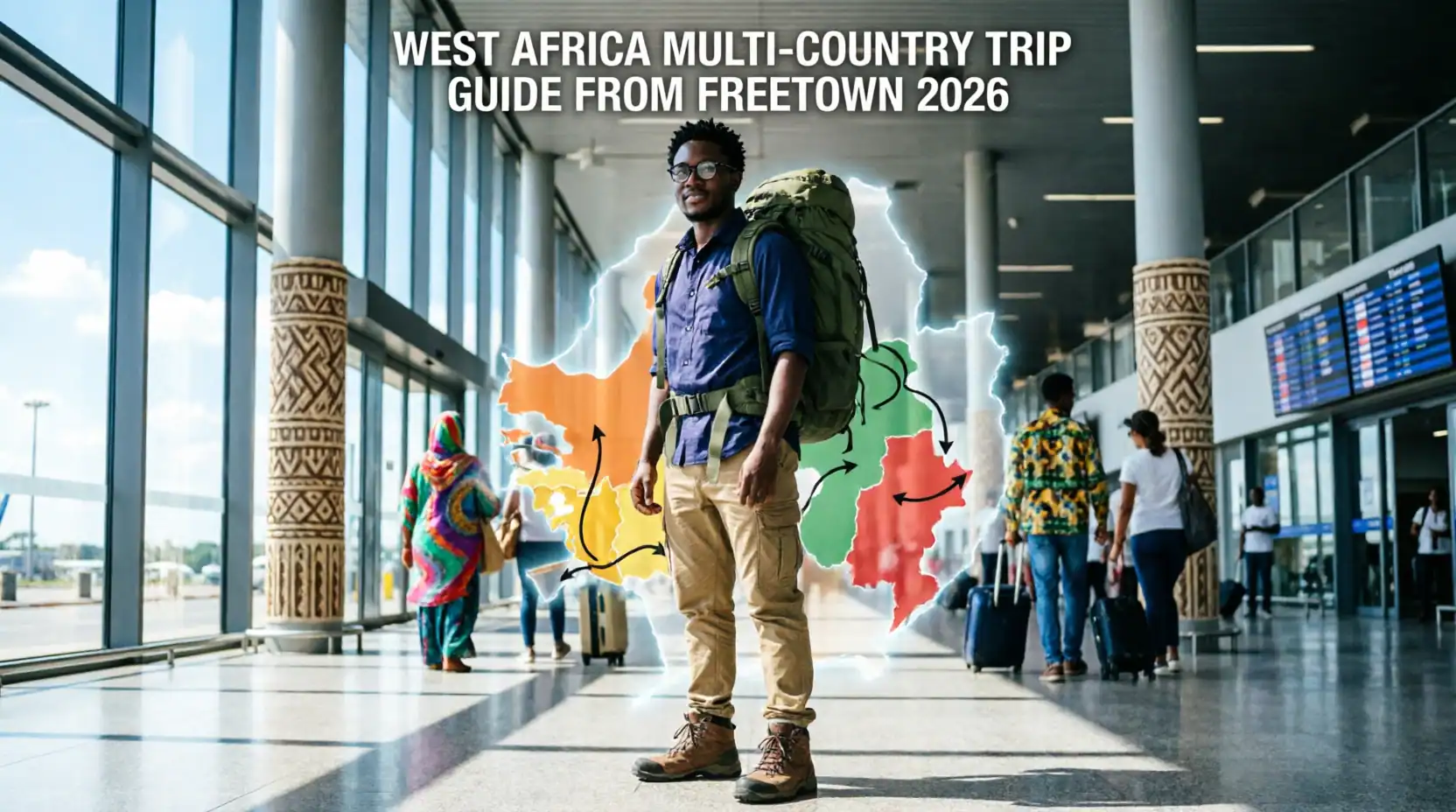
How to Plan Multi-Country West Africa Trip Starting from Freetown 2026
Freetown, the capital of Sierra Leone, serves as an excellent starting point for exploring West Africa's diverse cultures, landscapes, and histories. This coastal city offers international connectivity, reasonable costs, and access to multiple neighboring countries.
Planning a multi-country West Africa adventure requires understanding visa requirements, transportation networks, safety considerations, and cultural nuances. The region has improved significantly in recent years with better infrastructure and simplified border procedures.
This comprehensive 2026 guide walks you through every aspect of planning your West Africa journey. From Freetown, you can access Guinea, Liberia, Ghana, Senegal, Gambia, and beyond through various transportation options.
The Economic Community of West African States (ECOWAS) has made regional travel easier for international visitors. Understanding these agreements helps you maximize your time and minimize bureaucratic hassles.
Why Start Your West Africa Journey from Freetown

Freetown offers several advantages as a West Africa entry point. The city has international flights, a growing tourism infrastructure, and serves as a gateway to both Anglophone and Francophone West Africa.
Sierra Leone's tourism sector has rebounded strongly since 2020. The country now offers improved accommodations, tour services, and transportation options for international visitors.
Freetown's location on the Atlantic coast provides access to beautiful beaches, historic sites, and easy connections to neighboring countries. The city's English-speaking environment helps international travelers adjust to West Africa.
Cost of living in Freetown remains reasonable compared to other West African capitals. Budget travelers can find affordable accommodation, food, and transportation while maintaining comfort and safety.
Freetown Entry Requirements and Logistics
Most international visitors require visas for Sierra Leone. Apply for tourist visas in advance through Sierra Leonean embassies or online e-visa systems where available.
Lungi International Airport serves as Freetown's main entry point. The airport receives flights from Europe, the Middle East, and other African cities. Major carriers include Brussels Airlines, Turkish Airlines, and regional operators.
Transfer from Lungi Airport to Freetown requires a ferry, helicopter, or road journey. The ferry remains the most popular option, taking approximately 45 minutes across the Sierra Leone River.
Yellow fever vaccination is mandatory for entry into Sierra Leone. Carry your International Certificate of Vaccination as immigration officials routinely check this document.
Understanding ECOWAS and Regional Visa Policies

The Economic Community of West African States includes 15 member countries working toward regional integration. This organization has simplified travel procedures for both African citizens and international visitors.
ECOWAS operates a visa-free policy for citizens of member states. However, international travelers still require individual visas for most countries, though some offer visa-on-arrival or e-visa options.
Understanding which countries belong to ECOWAS helps plan efficient routes. Member states include Benin, Burkina Faso, Cape Verde, Gambia, Ghana, Guinea, Guinea-Bissau, Ivory Coast, Liberia, Mali, Niger, Nigeria, Senegal, Sierra Leone, and Togo.
Some countries offer multiple-entry visas that facilitate regional travel. Research visa policies carefully before your trip to avoid being stranded at borders.
Visa Strategies for Multi-Country Travel
Apply for visas in your home country before departure whenever possible. This approach prevents complications and delays during your journey.
Some travelers obtain visas regionally, applying at embassies in countries they visit first. This strategy works but requires flexibility and extra time for processing.
Ghana and Senegal offer relatively straightforward visa processes for international tourists. These countries can serve as anchors for your regional travel plans.
Keep multiple passport photos and photocopies of your passport readily available. Border crossings and visa applications require these documents frequently.
Transportation Options Between West African Countries

West Africa offers various transportation modes including flights, buses, ferries, and shared taxis. Each option has advantages depending on your budget, time constraints, and comfort preferences.
Regional airlines connect major cities but can be expensive. Carriers like ASKY Airlines, Air Cote d'Ivoire, and Brussels Airlines serve multiple West African destinations.
Overland travel by bus remains the most economical option. Companies like STC in Ghana and various regional operators provide services between major cities.
Road conditions vary significantly across the region. Main highways between capitals are generally passable, though journey times often exceed expectations due to border crossings and road conditions.
Flights from Freetown to Regional Destinations
Freetown's Lungi International Airport connects to Accra, Dakar, Conakry, Monrovia, and other regional hubs. Flight frequencies vary by season and airline.
ASKY Airlines operates a hub in Lomé, Togo, providing connections throughout West Africa. This carrier offers competitive prices and reasonable schedules for regional travel.
Domestic and regional flights book up quickly during peak seasons. Reserve tickets at least 2-3 weeks in advance to secure seats and better prices.
Flight prices range from 150 to 400 USD for regional routes. While expensive compared to buses, flights save significant time and reduce travel fatigue.
Overland Travel and Border Crossings
Overland travel provides authentic experiences and budget-friendly transportation. However, it requires patience, flexibility, and tolerance for discomfort.
Border crossings can take 1-4 hours depending on efficiency and crowds. Arrive early in the morning to avoid afternoon delays and ensure same-day continuation of your journey.
Popular overland routes include Freetown to Conakry (Guinea), Freetown to Monrovia (Liberia), and Accra to Lomé (Togo) to Cotonou (Benin).
Shared taxis and minibuses fill the gaps between major bus routes. These vehicles depart when full rather than on fixed schedules, requiring flexibility.
Recommended Multi-Country Itineraries from Freetown

Several itinerary options work well starting from Freetown. Your choice depends on available time, interests, budget, and desired pace of travel.
Short trips of 2-3 weeks can cover Sierra Leone, Guinea, and Liberia or focus on Sierra Leone and Ghana. These itineraries provide depth without excessive rushing.
Medium trips of 4-6 weeks allow exploration of Sierra Leone, Guinea, Liberia, Ghana, Togo, and Benin. This route covers coastal West Africa comprehensively.
Extended journeys of 8-12 weeks can include Senegal, Gambia, Mali, Burkina Faso, and Ivory Coast in addition to coastal countries. These itineraries require significant time and budget.
Two Week Coastal Route Itinerary
Days 1-4: Explore Freetown, visit Bunce Island slave trade site, relax at River Number Two Beach, and experience local culture and cuisine.
Days 5-7: Travel to Conakry, Guinea by ferry or flight. Explore Conakry's markets, visit Îles de Los, and experience Francophone West African culture.
Days 8-10: Continue to Monrovia, Liberia. Discover the capital's history, visit local markets, and learn about Liberia's unique heritage as Africa's oldest republic.
Days 11-14: Fly to Accra, Ghana. Explore Cape Coast slave castles, experience vibrant Accra nightlife, and enjoy Ghana's developed tourism infrastructure.
Four Week Comprehensive West Africa Circuit
Week 1: Sierra Leone exploration including Freetown, Tacugama Chimpanzee Sanctuary, and beach destinations like Tokeh and River Number Two.
Week 2: Guinea visit covering Conakry, Fouta Djallon highlands if time permits, and cultural experiences in this mountainous country.
Week 3: Liberia and Ivory Coast. Spend time in Monrovia, then travel to Abidjan to experience this vibrant Francophone metropolis.
Week 4: Ghana and Togo. Explore Accra, Kumasi, and Lomé, experiencing diverse cultures, histories, and landscapes of these neighboring countries.
Budget Planning for Multi-Country West Africa Travel

West Africa travel costs vary significantly by country and travel style. Budget travelers can manage on 40-60 USD daily while mid-range travelers spend 80-150 USD daily.
Accommodation ranges from 10 USD dorm beds to 100+ USD hotel rooms. Guesthouses and budget hotels typically cost 25-50 USD per night for private rooms.
Food costs remain reasonable with local meals at 3-8 USD and restaurant dining at 10-25 USD. Street food provides authentic experiences at minimal cost.
Transportation represents a major expense, particularly for inter-country travel. Budget 200-500 USD for regional flights or 100-200 USD for overland routes.
Daily Budget Breakdown by Country
Sierra Leone: Budget 40-60 USD daily. Accommodation 15-30 USD, food 10-15 USD, transport 5-10 USD, activities 10-15 USD.
Guinea: Budget 35-55 USD daily. Costs slightly lower than Sierra Leone with affordable local transport and food options.
Liberia: Budget 45-65 USD daily. Monrovia can be expensive but budget options exist outside the capital.
Ghana: Budget 50-80 USD daily. More developed tourism infrastructure means more options at various price points.
Senegal: Budget 45-70 USD daily. Dakar costs more than smaller towns but overall remains affordable.
Money Management and Banking
Carry US dollars in small denominations (1, 5, 10, 20 USD bills). Large bills (50, 100 USD) sometimes face rejection or unfavorable exchange rates.
ATMs exist in major cities but reliability varies. Withdraw cash when available rather than waiting until accounts run low.
Credit cards work at upscale hotels and restaurants in major cities but cash remains king throughout most of West Africa.
Mobile money services like Orange Money and MTN Mobile Money dominate local transactions. Consider registering for these services for easier payments.
Safety Considerations and Health Precautions

West Africa has improved significantly in safety and security since the Ebola outbreak. Most countries welcome tourists warmly and maintain reasonable security levels.
Exercise standard precautions including avoiding night travel, securing valuables, and staying informed about local conditions. Petty crime exists but violent crime against tourists remains rare.
Check travel advisories from your government before and during your trip. Conditions can change and staying informed helps you make safe decisions.
Register with your embassy upon arrival in each country. This simple step facilitates assistance if emergencies arise during your travels.
Required and Recommended Vaccinations
Yellow fever vaccination is mandatory for entry into all West African countries. Carry your yellow card at all times as border officials routinely check it.
Hepatitis A and B vaccinations are strongly recommended. These diseases transmit through food, water, and bodily fluids.
Typhoid vaccination protects against contaminated food and water. This vaccine is essential for overland travelers and those eating local food.
Malaria prophylaxis is essential throughout West Africa. Consult a travel medicine specialist to determine the best medication for your needs.
Meningitis vaccination is recommended, particularly for travel during dry season (December to June). Outbreaks occasionally occur in the "meningitis belt."
Health and Medical Considerations
Carry a comprehensive medical kit including antidiarrheals, antibiotics, antiseptics, bandages, and personal medications. Pharmacies exist but may lack specific medications.
Drink only bottled or treated water. Waterborne illnesses remain common and prevention is far easier than treatment.
Use insect repellent containing DEET and sleep under mosquito nets. Malaria, dengue, and other mosquito-borne diseases pose serious risks.
Travel insurance with medical evacuation coverage is essential. Serious medical conditions may require evacuation to Europe or South Africa for advanced care.
Cultural Etiquette and Practical Tips

West African cultures value respect, hospitality, and community. Understanding local customs enhances your experience and demonstrates respect for your hosts.
Greetings are essential and should not be rushed. Always greet people properly before launching into business or questions. This shows respect and builds rapport.
Dress modestly, particularly in rural areas and Muslim-majority regions. Covering shoulders and knees demonstrates cultural sensitivity.
Photography requires permission, particularly of people, government buildings, and military installations. Always ask before photographing individuals.
Language Considerations
English is spoken in Sierra Leone, Liberia, Ghana, Gambia, and Nigeria. French dominates in Guinea, Senegal, Ivory Coast, Togo, and Benin.
Learning basic greetings in local languages creates positive impressions. Simple phrases in Krio, Wolof, or other local languages are appreciated.
Pidgin English serves as a lingua franca in many West African countries. This simplified English variant facilitates communication across language barriers.
Translation apps work offline but require downloading language packs before travel. Google Translate and similar apps prove useful for basic communication.
Food and Dining Customs
West African cuisine features rice, cassava, plantains, peanuts, and spicy sauces. Dishes like jollof rice, fufu, and groundnut stew are regional staples.
Eating with your right hand is common and culturally appropriate. The left hand is considered unclean in many West African cultures.
Street food is generally safe if you observe basic precautions. Choose vendors with high turnover, cooked-to-order food, and busy local customer bases.
Bottled beverages are safest but local beers and wines are generally safe and support local economies. Avoid ice in drinks unless certain of water source.
Accommodation Options Across West Africa

West Africa offers diverse accommodation from budget guesthouses to luxury hotels. Options vary significantly by country and city.
Budget guesthouses and hostels cost 10-30 USD per night. These provide basic amenities, local experiences, and opportunities to meet other travelers.
Mid-range hotels cost 40-80 USD per night and offer private bathrooms, air conditioning, and reliable WiFi. These represent good value for comfort-conscious travelers.
Luxury hotels in major cities cost 100-300+ USD per night. International chains and upscale local properties provide premium amenities and services.
Booking Strategies
Book first night's accommodation in advance, particularly when arriving late. This reduces stress and ensures you have a guaranteed place to rest.
Use booking platforms like Booking.com for major cities but also ask locals for recommendations. Some excellent guesthouses do not appear on international booking sites.
Negotiate rates for extended stays. Many accommodations offer discounts for weekly or monthly bookings.
Verify amenities like WiFi, hot water, and air conditioning before booking. Standards vary and what seems basic in one place may be unavailable in another.
Communication and Connectivity

Mobile phone coverage is generally good in urban areas but spotty in rural regions. Major cities have 3G and 4G coverage from multiple providers.
Purchase local SIM cards upon arrival in each country. This provides affordable data and local phone numbers for bookings and emergencies.
Orange, MTN, and other regional carriers operate across multiple countries. Some offer regional plans that work in several countries.
WiFi exists in hotels, cafes, and restaurants but speed and reliability vary. Do not depend on WiFi for critical communications.
Useful Apps for West Africa Travel
Maps.me provides offline maps essential for navigation without data. Download country maps before arrival.
WhatsApp is the primary communication method throughout West Africa. Most businesses and individuals use it for communication.
XE Currency helps with real-time exchange rates. Multiple currencies circulate and knowing current rates prevents being overcharged.
Translate apps assist with French and local languages. Download offline language packs before travel.
Border Crossing Procedures and Tips

Border crossings in West Africa can be straightforward or challenging depending on the crossing, time of day, and officials on duty. Preparation and patience are essential.
Arrive at borders early in the morning (7-9 AM) when officials are fresh and queues are shorter. Afternoon arrivals often face delays and potential requests for "facilitation fees."
Have all documents ready: passport, visa, yellow fever certificate, and any required entry forms. Organized documentation speeds the process.
Expect to pay exit fees in some countries. These fees are legitimate government charges, not bribes, though amounts are not always clearly posted.
Common Border Crossing Challenges
Officials may request "extra fees" beyond official charges. Politely ask for official receipts and clarification of what fees are required.
Language barriers can complicate crossings, particularly at borders between Anglophone and Francophone countries. Patience and gestures help bridge gaps.
Transportation connections on the other side may be limited. Research onward travel options before crossing to avoid being stranded.
Border posts close at specific times (usually 5-6 PM). Ensure you have enough time to complete procedures before closure.
Final Thoughts on Multi-Country West Africa Travel

Planning a multi-country West Africa trip starting from Freetown offers incredible rewards for adventurous travelers. The region's diversity, warmth, and authenticity create unforgettable experiences.
Success requires flexibility, patience, and realistic expectations. Things do not always go according to plan, but adapting to circumstances becomes part of the adventure.
The friendships formed, cultures experienced, and challenges overcome make West Africa travel transformative. This region changes perspectives and creates lifelong memories.
Start with realistic itineraries matching your time and budget. It is better to explore fewer countries deeply than to rush through many superficially.
West Africa in 2026 welcomes international visitors with improving infrastructure, growing tourism sectors, and genuine hospitality. Your journey from Freetown can be the beginning of an extraordinary African adventure.
0 Comments