.webp)
.webp)
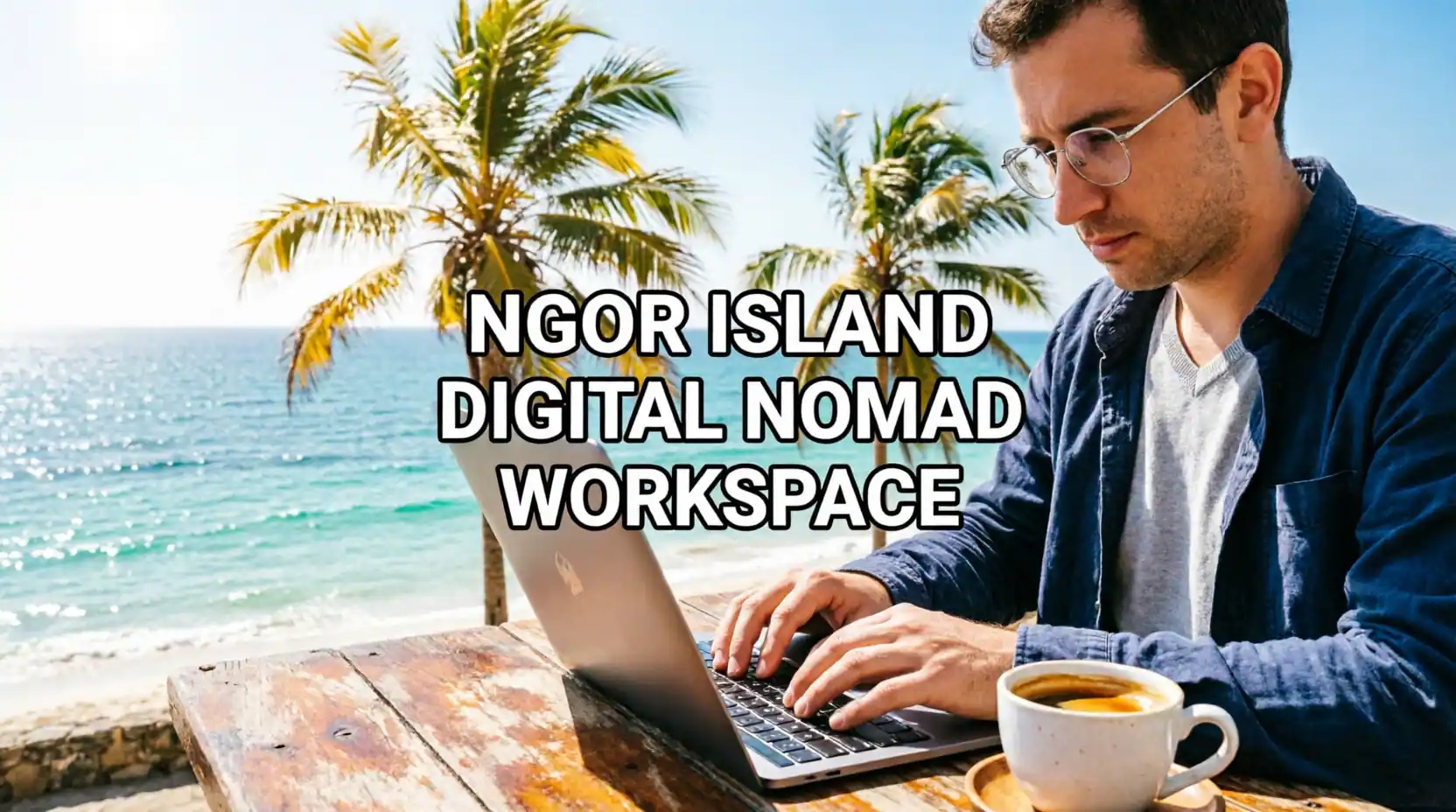
Digital Nomad Life in Ngor Island Best Coworking Cafes with Ocean Views and Reliable WiFi
Ngor Island, a charming fishing village on Senegal's Cap-Vert Peninsula just minutes from Dakar, has emerged as an unexpected paradise for digital nomads seeking the perfect blend of work and tropical lifestyle. This picturesque destination offers something increasingly rare in the remote work era: reliable internet connectivity paired with breathtaking Atlantic Ocean views, affordable living costs, and an authentic West African cultural experience. Whether you are a freelance developer, content creator, online consultant, or remote employee, Ngor Island provides an inspiring environment to maintain productivity while enjoying beachfront cafes, fresh seafood, and a laid-back island atmosphere. This comprehensive 2026 guide explores the best coworking cafes with ocean views, WiFi reliability, accommodation options, visa requirements, and practical tips for establishing your mobile office in one of Senegal's most scenic locations.
Why Ngor Island Attracts Digital Nomads in 2026

Ngor Island has transformed from a quiet fishing village into a burgeoning hub for location-independent professionals seeking alternatives to crowded digital nomad hotspots like Bali, Lisbon, or Medellín. The island's appeal lies in its strategic location just 15 kilometers from Dakar's international airport and urban amenities, while maintaining a distinct island character separated from the mainland's hustle. Digital nomads discover here an affordable cost of living where monthly expenses range from 800 to 1500 USD, significantly lower than European or North American cities. The island boasts consistent electricity, improving internet infrastructure, and a growing number of cafes catering to remote workers with dedicated workspace areas. Beyond practical considerations, Ngor offers an enriching cultural experience where Wolof traditions blend with French colonial heritage, creating a unique environment for personal and professional growth. The community of expats and digital nomads, though smaller than in established hubs, proves welcoming and supportive, facilitating meaningful connections without overwhelming social pressure. For those seeking authentic African experiences while maintaining professional productivity, Ngor Island represents an emerging destination worth serious consideration.
Cost of Living Comparison for Remote Workers
Understanding Ngor Island's cost of living proves essential for digital nomads budgeting their remote work adventures. Accommodation represents the largest expense, with beachfront studios or one-bedroom apartments ranging from 400 to 800 USD monthly, while shared housing or rooms in local homes cost 200 to 400 USD. Food expenses remain remarkably affordable, with local markets offering fresh fish, fruits, and vegetables at fraction of Western prices. A meal at a local dibiterie costs 3 to 7 USD, while mid-range restaurant dining runs 10 to 20 USD per person. Groceries for self-catering average 150 to 250 USD monthly. Transportation within Ngor and to Dakar utilizes affordable taxis at 2 to 5 USD per ride, or shared car rapides at under 1 USD. Coworking cafe purchases typically require buying coffee or food every 2 to 3 hours, costing 3 to 8 USD per session. Mobile data plans with Orange or Free Senegal provide 20 to 50 GB monthly for 15 to 30 USD. Entertainment, including surf lessons, boat trips, and cultural activities, adds 100 to 200 USD monthly. Overall, digital nomads can live comfortably in Ngor Island on 800 to 1200 USD monthly, or enjoy a more luxurious lifestyle with 1500 to 2000 USD, representing exceptional value compared to traditional nomad destinations.
Time Zone Advantages for Global Remote Work
Ngor Island operates on Greenwich Mean Time (GMT) year-round, as Senegal does not observe daylight saving time. This time zone proves advantageous for digital nomads working with clients or teams across multiple continents. European collaborators in London, Paris, or Berlin experience only 0 to 1 hour time difference, facilitating real-time communication during standard business hours. North American East Coast workers face 5 to 6 hour differences, enabling morning meetings before Senegal's afternoon and evening collaboration after 3 PM local time. West Coast US colleagues experience 8 hour differences, requiring early morning or late evening calls but still manageable for asynchronous work arrangements. Asian markets present larger challenges with 7 to 8 hour differences for India and 8 to 9 hours for Southeast Asia, though this proves ideal for those serving primarily Western clients. The consistent GMT offset without seasonal changes eliminates confusion about meeting times throughout the year. Many digital nomads find Ngor's time zone creates healthy work-life boundaries, with clear separation between European business hours and personal exploration time. This temporal positioning, combined with reliable connectivity, makes Ngor Island particularly suitable for freelancers and remote employees serving European, African, or American markets.
Internet Infrastructure and WiFi Reliability in Ngor Island

Reliable internet connectivity forms the foundation of successful digital nomad life, and Ngor Island has made significant strides in this critical area over recent years. Senegal's telecommunications infrastructure ranks among West Africa's more developed systems, with fiber optic cables connecting major urban areas including the Cap-Vert Peninsula where Ngor resides. The island benefits from this proximity to Dakar's robust network, though connectivity can vary by specific location and service provider. Most cafes and accommodations advertise WiFi, but actual speeds and reliability require verification before committing to extended stays. Mobile internet through providers like Orange Senegal, Free Senegal, and Expresso offers 4G LTE coverage across Ngor Island, with average download speeds of 15 to 35 Mbps in optimal conditions. Fixed broadband connections in cafes and apartments typically deliver 10 to 50 Mbps, sufficient for video conferencing, cloud-based work, and content uploading. However, power outages occasionally disrupt service, and peak usage times between 7 PM and 10 PM can slow speeds as bandwidth divides among more users. Savvy digital nomads employ redundancy strategies, maintaining mobile data plans as backup to fixed WiFi, investing in portable WiFi routers or signal boosters, and identifying multiple work locations to relocate during connectivity issues. Testing internet speeds upon arrival at any new workspace using tools like Speedtest.net proves essential before settling in for work sessions. While Ngor's internet infrastructure may not match Seoul or Stockholm's blistering speeds, it adequately supports most remote work requirements with proper planning and realistic expectations.
Best Mobile Data Providers and SIM Card Options
Securing a local SIM card with reliable data represents a smart backup strategy for Ngor Island digital nomads. Orange Senegal leads the market with the most extensive 4G coverage and generally fastest speeds, offering tourist SIM cards at the airport or numerous shops throughout Dakar and Ngor for approximately 1000 to 2000 CFA francs (2 to 3 USD). Data packages range from 10 GB for 5000 CFA (8 USD) to 50 GB for 15000 CFA (25 USD), valid for 30 days. Free Senegal, the newer competitor, provides competitive pricing and improving coverage, often bundling generous data with international calling credits. Expresso serves as a third option with slightly lower prices but less consistent speeds. Purchasing SIM cards requires presenting your passport for registration, a standard security measure in Senegal. Activation typically occurs within hours, though occasionally takes 24 hours. Many cafes and accommodations readily share their WiFi passwords with customers or guests, but having personal mobile data ensures connectivity during power outages, cafe closures, or when exploring remote beaches. Modern smartphones support eSIM technology, and providers like Orange offer eSIM options that can be activated before arrival, eliminating the need to physically visit a shop. Portable WiFi hotspot devices, available for purchase or rental in Dakar, provide another layer of connectivity insurance, creating personal WiFi networks from cellular data. Budget 20 to 40 USD monthly for mobile data as a primary or backup internet solution, treating it as essential infrastructure rather than optional expense.
Power Supply and Electricity Reliability
Consistent electricity proves as crucial as internet connectivity for digital nomads, and Ngor Island experiences occasional power interruptions that require preparation. Senegal's national grid, managed by SENELEC, serves the island but faces infrastructure challenges leading to scheduled or unscheduled outages, particularly during peak demand periods or seasonal storms. Most days provide reliable power, but digital nomads should expect 1 to 3 outages weekly lasting 30 minutes to several hours. Accommodations vary in their backup solutions, with upscale hotels and some apartments featuring generators or solar power systems that automatically engage during outages, while budget guesthouses may lack such provisions. Cafes with generators can maintain operations and WiFi during blackouts, making them valuable work havens. Smart digital nomads invest in portable power banks with sufficient capacity to charge laptops and phones multiple times, keeping devices topped up during power availability. Laptops with long battery life (8+ hours) prove invaluable, as do smartphones with efficient power management. Uninterruptible power supply (UPS) devices for routers can maintain internet connectivity briefly during outages if the modem has battery backup. Identifying cafes or coworking spaces with generators provides fallback options during extended home outages. Solar-powered accommodations are increasingly available in Ngor, offering sustainable and reliable electricity independent of grid fluctuations. While power interruptions create inconvenience, they rarely prevent productive work when proper preparation and alternative locations are established. Embracing flexibility and maintaining backup plans transforms potential frustrations into manageable challenges.
Best Coworking Cafes with Ocean Views in Ngor Island

Ngor Island's cafe culture has evolved to accommodate the growing community of remote workers, with several establishments offering the coveted combination of ocean views, reliable WiFi, comfortable seating, and work-friendly atmospheres. These spaces range from beachfront shacks with rustic charm to modern cafes with dedicated coworking areas, each providing unique environments for productivity and inspiration. The best coworking cafes understand digital nomad needs, providing adequate power outlets, reasonably priced food and beverages, and tolerance for extended stays during slower periods. While Ngor may not offer the density of purpose-built coworking spaces found in major nomad hubs, its cafes compensate with stunning natural settings, authentic local character, and welcoming hospitality. Most cafes operate from 7 or 8 AM until 10 or 11 PM, accommodating various work schedules and time zone requirements. Weekend hours may differ, with some establishments closing earlier or hosting events that create noisier environments. Visiting potential workspaces during your intended work hours allows assessment of lighting, noise levels, crowd density, and actual WiFi speeds before committing to regular patronage. Building relationships with cafe owners and staff often yields benefits like reserved seating, WiFi password updates, or flexibility during busy periods. The following establishments represent Ngor Island's top choices for digital nomads seeking productive work environments with inspiring ocean vistas.
Le Ngor Beach Cafe and Workspace
Le Ngor Beach Cafe stands as the island's premier destination for digital nomads, perfectly balancing work functionality with beachfront relaxation. Located directly on Ngor's main beach with unobstructed Atlantic Ocean views, this spacious cafe features both indoor air-conditioned sections and outdoor shaded terraces with comfortable seating. WiFi speeds consistently measure 20 to 40 Mbps, among the island's fastest, with the cafe maintaining a fiber optic connection and backup 4G router for redundancy. Power outlets abound throughout the space, including USB charging ports integrated into some tables. The menu caters to international tastes while incorporating Senegalese specialties, offering fresh seafood, grilled meats, salads, smoothies, and excellent coffee at moderate prices ranging from 3000 to 10000 CFA francs (5 to 17 USD) per meal. Le Ngor Beach Cafe explicitly welcomes remote workers, with no pressure to rotate tables or limit stay duration during reasonable hours. The cafe opens at 7 AM, accommodating early risers and those working with Asian time zones, and closes at 11 PM, suitable for evening calls with American clients. A small library of books, board games, and occasional live acoustic music in evenings create a balanced atmosphere between productivity and socialization. The cafe's popularity among expats and digital nomads facilitates networking and community building, with informal skill-sharing and collaboration opportunities emerging organically. Monthly coworking packages offer unlimited coffee and discounted meals for 50000 CFA (85 USD), providing excellent value for regular patrons. Le Ngor Beach Cafe's combination of reliability, comfort, and stunning location makes it the top recommendation for Ngor Island remote workers.
Ocean View Terrace Cafe
Ocean View Terrace Cafe occupies a hillside position overlooking Ngor's fishing harbor and the Atlantic, providing panoramic vistas that inspire creativity and focus. This intimate establishment features a multi-level terrace design with various seating zones, from communal tables encouraging interaction to private corners suited for concentrated work or video calls. WiFi performance averages 15 to 25 Mbps, adequate for most remote work tasks though occasionally slower during peak evening hours when the cafe transforms into a popular dinner and drinks destination. The cafe maintains generator backup ensuring power continuity during outages, a significant advantage for digital nomads. Ocean View Terrace specializes in fresh seafood and Senegalese cuisine, with the daily catch prepared simply to highlight quality, alongside international options like pasta, burgers, and vegetarian dishes. Prices range from 2500 to 8000 CFA (4 to 14 USD) for most items, with excellent value seafood platters for sharing. Coffee quality exceeds typical Senegalese standards, with espresso-based drinks and pour-over options available. The cafe opens at 8 AM and closes at midnight, with quieter morning and afternoon periods ideal for focused work, transitioning to livelier social atmosphere after 6 PM. Staff demonstrate understanding of remote worker needs, providing WiFi passwords readily and accommodating laptop placement even during moderately busy periods. The terrace's elevated position catches ocean breezes, creating comfortable working conditions even during warmer months without excessive air conditioning. Ocean View Terrace Cafe's blend of spectacular views, reliable infrastructure, and authentic atmosphere makes it a favorite among digital nomads seeking inspiration alongside productivity.
Sunset Coworking Lounge
Sunset Coworking Lounge represents Ngor Island's most intentional effort to serve the digital nomad community, functioning as a hybrid cafe and coworking space with dedicated work zones and social areas. Located near the island's western tip, this modern establishment features floor-to-ceiling windows framing spectacular sunset views over the Atlantic, creating daily opportunities for work breaks that double as meditation or photography sessions. WiFi infrastructure includes dual internet connections providing 30 to 50 Mbps speeds with automatic failover, making it the island's most reliable connectivity option. The space divides into quiet work zones with individual desks and noise-canceling design, collaborative areas with larger tables for team projects or workshops, and a separate lounge for relaxation and networking. Power outlets and USB ports integrate into every workstation, with some desks featuring adjustable heights for ergonomic flexibility. Sunset Coworking Lounge operates on a membership model with day passes at 5000 CFA (8.50 USD) including unlimited coffee and tea, weekly passes at 25000 CFA (42 USD), and monthly memberships at 75000 CFA (127 USD) providing 24/7 access, meeting room credits, and printing services. The cafe menu offers healthy options including smoothie bowls, salads, wraps, and light meals at 2000 to 6000 CFA (3.50 to 10 USD), focusing on nutritious fuel for sustained productivity. Regular events include skill-sharing workshops, networking happy hours, and sunset yoga sessions, fostering community among the island's remote workers and local entrepreneurs. Air conditioning throughout ensures comfort during hot afternoons, while outdoor terraces provide fresh air alternatives. Sunset Coworking Lounge's professional infrastructure combined with its breathtaking location makes it ideal for digital nomads prioritizing productivity without sacrificing the inspirational coastal environment that drew them to Ngor Island.
Accommodation Options for Digital Nomads in Ngor Island

Choosing appropriate accommodation significantly impacts digital nomad success in Ngor Island, affecting not just comfort and budget but also work productivity through factors like WiFi reliability, power consistency, noise levels, and dedicated workspace availability. The island offers diverse lodging options from budget-friendly local guesthouses to upscale beachfront villas, each with distinct advantages and trade-offs. Short-term rentals through platforms like Airbnb and Booking.com provide flexibility for initial exploration, while negotiating monthly rates directly with property owners often yields 30 to 50 percent discounts for extended stays. Many digital nomads begin with one or two weeks in temporary accommodation while scouting long-term options through local networks, Facebook groups, or on-the-ground inquiries. Key considerations include proximity to reliable coworking cafes if home WiFi proves inconsistent, noise levels during typical work hours, air conditioning or ventilation for comfort, and security for valuable equipment. The following accommodation categories represent Ngor Island's primary options for remote workers, each serving different budgets and lifestyle preferences.
Beachfront Studios and Apartments
Beachfront studios and one-bedroom apartments represent the most popular choice among digital nomads seeking the quintessential Ngor Island experience, offering direct ocean access, stunning views, and the romantic appeal of working steps from the beach. These properties typically range from 400 to 800 USD monthly, with prices varying by size, furnishings, and exact beachfront positioning. Most include basic kitchens enabling cost-effective self-catering, comfortable living spaces, and private bathrooms. WiFi availability has become standard, though speeds and reliability vary significantly, making verification before commitment essential. Some properties feature generators or solar power systems providing electricity during grid outages, a valuable amenity worth paying premium for. Furnishings range from basic and functional to stylish and comfortable, with many properties catering specifically to expats and remote workers understanding their needs for desk space, ergonomic seating, and adequate lighting. Locations along Ngor's northern and western beaches offer spectacular sunrise or sunset views respectively, while southern beachfront properties provide calmer waters and fishing village atmosphere. Popular areas include the main beach near Le Ngor Cafe, the quieter western coast near Sunset Coworking Lounge, and the harbor-adjacent southern shore. Booking platforms like Airbnb, Booking.com, and local Senegalese sites like Expat-Dakar facilitate initial discovery, though many of the best deals emerge through word-of-mouth and local property managers. Viewing properties in person before signing monthly agreements allows assessment of actual WiFi speeds, noise levels, water pressure, and neighborhood character. Building relationships with local property owners often yields benefits like flexible payment terms, maintenance responsiveness, and insider knowledge about island life.
Budget Guesthouses and Local Homestays
Budget-conscious digital nomads or those prioritizing cultural immersion over luxury find excellent value in Ngor Island's guesthouses and homestay options, where monthly costs range from 200 to 400 USD. These accommodations typically feature private or shared rooms in family-run establishments, offering authentic Senegalese hospitality and opportunities to practice French or Wolof with hosts and neighbors. WiFi exists in most guesthouses but often proves slower and less reliable than in upscale properties, making mobile data backup essential. Power outages affect these properties similarly to the grid, with fewer possessing generator backup. Rooms usually include basic furnishings, shared or private bathrooms, and sometimes kitchen access, though many guests opt for the included or available breakfast and local restaurant dining. Guesthouses cluster in Ngor's residential areas rather than beachfront locations, requiring 5 to 15 minute walks to cafes and beaches, which some nomads appreciate for exercise and separation between work and leisure spaces. Noise levels vary, with some properties experiencing early morning calls to prayer, neighborhood children playing, or evening social gatherings, requiring adaptation or earplugs for light sleepers. Security generally proves good through community vigilance, though securing valuables in provided safes or lockboxes remains prudent. Finding these accommodations often requires on-the-ground searching, asking at local cafes, or connecting with Ngor resident Facebook groups, as many do not maintain online booking presence. Homestays with Senegalese families offer deepest cultural immersion, including home-cooked meals, language practice, and local insights, though requiring flexibility and respect for household customs. Budget accommodations suit digital nomads prioritizing extended stays, cultural experiences, and financial efficiency over luxury and convenience.
Visa Requirements and Legal Considerations for Remote Workers

Digital nomads planning extended stays in Ngor Island must navigate Senegal's visa and residency regulations, which vary significantly by nationality and intended duration. Senegal maintains relatively welcoming entry policies compared to many African nations, though formal digital nomad visa programs do not yet exist as of 2026. Citizens of Economic Community of West African States (ECOWAS) member countries enjoy visa-free entry and right to work throughout Senegal. Many European, North American, and Asian nationals receive visa-free tourist entry for 90 days, though this status technically prohibits employment, creating a gray area for location-independent workers earning income from foreign sources. Travelers requiring visas must apply before arrival through Senegalese embassies or consulates, or utilize the electronic visa system when available, with processing times of 5 to 15 business days and fees of 50 to 100 USD. Tourist visas typically permit 90-day stays, extendable once for additional 90 days through application at Senegal's Direction de la Documentation et de l'Immigration in Dakar, requiring proof of sufficient funds, accommodation, and sometimes justification for extension. Digital nomads planning stays exceeding six months should explore long-stay visa options or temporary residency permits, though requirements prove more stringent including background checks, health examinations, and financial documentation. Working remotely for foreign companies while physically in Senegal occupies a legal gray zone that authorities generally do not actively police for tourists, though technically may require work authorization. Consulting with immigration attorneys or expat communities provides current guidance on navigating these regulations while maintaining legal compliance. Overstaying visas results in fines, potential deportation, and entry bans, making adherence to authorized stay durations essential.
Tax Implications for Digital Nomads in Senegal
Understanding tax obligations while working remotely from Ngor Island proves complex, depending on nationality, income sources, stay duration, and bilateral tax treaties. Senegal taxes residents on worldwide income and non-residents on Senegal-sourced income, with tax residency typically established after 183 days of physical presence within a calendar year. Digital nomads earning income from foreign employers or clients while temporarily in Senegal may not trigger tax residency if stays remain under 183 days and income sources remain outside Senegal, though this requires careful documentation and potentially professional tax advice. Many countries maintain tax treaties with Senegal preventing double taxation, though treaty specifics vary and require individual research. US citizens face unique challenges as the United States taxes based on citizenship rather than residency, requiring worldwide income reporting regardless of physical location, though Foreign Earned Income Exclusion and Foreign Tax Credit provisions may reduce or eliminate actual tax liability for qualifying individuals. Digital nomads should maintain detailed records of days spent in Senegal and other countries, income sources and amounts, and taxes paid in various jurisdictions. Consulting with international tax professionals before establishing Ngor Island as a base ensures compliance with both Senegalese and home country obligations while optimizing legal tax efficiency. Some digital nomads structure their affairs through companies in tax-friendly jurisdictions, though this requires sophisticated planning and legitimate business purposes beyond tax avoidance. While Senegal's tax authorities rarely pursue short-term visitors for remote work income, maintaining legal compliance protects against future complications and supports sustainable digital nomad lifestyle.
Best Time to Visit Ngor Island for Remote Work

Timing your Ngor Island digital nomad adventure significantly impacts experience quality, with Senegal's distinct seasonal patterns affecting weather, costs, connectivity, and community dynamics. The dry season, extending from November through May, offers the most favorable conditions for remote work and outdoor enjoyment. During these months, rainfall remains minimal, humidity stays moderate, and temperatures range from comfortable 22 to 28 degrees Celsius, with cool ocean breezes providing natural air conditioning. This period coincides with peak tourist season, meaning more expats and digital nomads present for networking, fuller cafe and restaurant operations, and more reliable infrastructure as businesses maintain optimal operations. However, accommodation prices increase 20 to 40 percent compared to low season, and popular cafes may experience crowding requiring strategic timing for securing good workspaces. The wet season, running June through October, brings heavy rainfall particularly in August and September, high humidity exceeding 80 percent, and temperatures climbing to 30 to 35 degrees Celsius. Rainfall can disrupt outdoor activities, create muddy conditions, and occasionally cause power or internet outages from storms. Yet this period offers significant advantages including reduced accommodation costs, fewer tourists creating quieter work environments, lush green landscapes, and opportunities for deeper cultural immersion as daily life continues unaffected by tourism. Digital nomads prioritizing budget and tranquility may find wet season appealing if tolerating heat and humidity, while those valuing comfortable weather and social opportunities should target dry season months. Shoulder seasons of November and May provide balanced compromises with decent weather, moderate prices, and manageable crowds. Considering your work schedule, climate preferences, and budget constraints helps identify optimal timing for your Ngor Island remote work experience.
Weather Patterns and Seasonal Considerations
Ngor Island's tropical climate features relatively stable temperatures year-round due to Atlantic Ocean influence, but distinct seasonal variations in rainfall, humidity, and wind patterns significantly impact daily life and work conditions. The dry season's harmattan winds from the Sahara between December and February bring dry air and occasional dust, though less intensely than in northern Senegal, sometimes reducing visibility and air quality for sensitive individuals. These months prove coolest and most comfortable, with evening temperatures dropping to pleasant 18 to 20 degrees Celsius requiring light sweaters. March through May gradually warms with increasing humidity before rains arrive, creating hot but still manageable conditions with temperatures reaching 28 to 32 degrees Celsius. The rainy season's onset in June brings dramatic transformation as daily afternoon thunderstorms deliver heavy precipitation, sometimes flooding streets and disrupting transportation. July through September experience peak rainfall with 200 to 400 millimeters monthly, high humidity creating sticky discomfort, and frequent power outages from storm damage to electrical infrastructure. Internet connectivity can suffer during heavy rains as infrastructure experiences stress. However, rains typically occur in intense afternoon bursts lasting 1 to 3 hours, with mornings often clear and workable, allowing schedule adjustments around weather patterns. October marks transition back to dry conditions with decreasing rainfall and humidity. Digital nomads working primarily indoors with reliable WiFi and backup power can successfully navigate wet season challenges while enjoying lower costs and fewer crowds, though outdoor enthusiasts and those sensitive to humidity may prefer dry season's predictable comfort. Understanding these patterns enables appropriate packing, accommodation selection with air conditioning or good ventilation, and realistic expectations about seasonal lifestyle adjustments.
Safety and Security for Digital Nomads in Ngor Island

Ngor Island maintains a reputation as one of Senegal's safer destinations for tourists and expats, with violent crime against foreigners occurring rarely and the close-knit community providing natural surveillance and mutual support. However, digital nomads carrying valuable equipment like laptops, cameras, and smartphones must exercise standard precautions to protect against opportunistic theft and ensure personal security. Petty crime including pickpocketing, bag snatching, and burglary represents the primary risk, particularly in crowded areas, on beaches where belongings may be left unattended, or in accommodations with inadequate security. Most incidents prove preventable through vigilance, secure storage of valuables, and avoiding displays of wealth that attract unwanted attention. The island's small size and community nature means news travels quickly, and locals generally look out for visitors who show respect for Senegalese culture and customs. Police presence exists though not extensive, with response times potentially slow for non-emergency situations. Digital nomads should maintain copies of important documents including passport, visa, insurance, and emergency contacts in both physical and digital formats stored securely. Registering with your country's embassy or consulate upon arrival provides access to assistance if needed. Health security requires attention to malaria prophylaxis, food and water safety, and access to medical care, with serious conditions potentially requiring evacuation to Dakar or internationally. Overall, Ngor Island's safety profile compares favorably to many digital nomad destinations, with common-sense precautions enabling secure and peaceful remote work experiences.
Protecting Equipment and Data Security
Digital nomads depend on expensive electronic equipment for their livelihood, making protection of laptops, smartphones, cameras, and accessories essential priority in Ngor Island. Invest in quality locks for accommodation doors and windows, utilizing provided safes or lockboxes for storing equipment when not in use or during outings. Never leave devices unattended on beaches, in cafes, or in vehicles, even briefly, as theft can occur in moments. Use laptop cables or security locks when working in public spaces, positioning yourself to maintain visual contact with belongings. Consider insurance coverage specifically for digital nomads protecting equipment against theft, loss, and damage internationally, with providers like SafetyWing or World Nomads offering relevant policies. Data security requires equally serious attention, with regular backups to cloud services like Google Drive, Dropbox, or external drives stored separately from primary devices. Use virtual private networks (VPNs) when accessing sensitive information or conducting financial transactions on public WiFi, protecting against potential interception. Enable two-factor authentication on all important accounts, use strong unique passwords managed through services like LastPass or 1Password, and keep operating systems and security software updated. Encrypt sensitive files and consider password-protecting devices themselves. In case of theft, remote wipe capabilities through Find My Device or similar services can protect data even if hardware cannot be recovered. Maintain inventory lists with serial numbers and photographs of valuable equipment for insurance claims and police reports. While Ngor Island's crime rates remain moderate, these precautions provide peace of mind and protect the tools essential to your remote work livelihood.
Building Community and Networking in Ngor Island

While Ngor Island's digital nomad community proves smaller than established hubs like Chiang Mai or Lisbon, it offers advantages of closer connections, easier networking, and meaningful relationships without overwhelming social pressure. The island's expat population includes remote workers, retirees, entrepreneurs, development professionals, and artists, creating diverse perspectives and skill sets for collaboration and friendship. Building community requires proactive effort, particularly initially, but yields rich rewards in professional support, social connection, and local knowledge. Regular presence at coworking cafes naturally facilitates introductions to fellow remote workers, with shared experiences of navigating island life creating instant rapport. Facebook groups like "Ngor Island Expats," "Digital Nomads Senegal," and "Dakar Remote Workers" provide online platforms for asking questions, organizing meetups, and sharing resources before and during your stay. Coworking spaces like Sunset Coworking Lounge host regular events including networking happy hours, skill-sharing workshops, and social activities designed to connect community members. Language exchange meetups offer opportunities to practice French or Wolof while helping others with English or other languages, creating mutual benefit and cultural exchange. Participating in local activities like beach cleanups, fishing trips, or cultural festivals demonstrates respect for the community and opens doors to relationships with Senegalese residents alongside expats. The island's small size means faces become familiar quickly, and consistent presence at favorite cafes or activities builds recognition and relationships organically. Digital nomads who invest in community find enhanced professional opportunities through collaborations and referrals, practical support through shared resources and advice, and social fulfillment combating isolation that sometimes accompanies remote work. While maintaining independence and flexibility characteristic of nomadic lifestyle, building local connections enriches the Ngor Island experience significantly.
Cultural Integration and Language Considerations
Successful digital nomad life in Ngor Island benefits greatly from cultural sensitivity and basic language skills, demonstrating respect for Senegalese hosts and facilitating smoother daily interactions. French serves as Senegal's official language and primary tongue for business, government, and education, while Wolof functions as the lingua franca spoken by approximately 80 percent of the population including in Ngor Island. Learning basic greetings and phrases in both languages significantly enhances experiences, with simple efforts like "Salaam aleikum" (peace be upon you), "Nanga def" (how are you in Wolof), and "Merci" (thank you) warmly received by locals. Many Senegalese appreciate foreigners attempting their languages, responding with patience and encouragement even when pronunciation or grammar falters. Understanding cultural norms around greetings, which often involve extended inquiries about family and health before business discussions, hospitality customs, and religious observances in this predominantly Muslim country (approximately 95 percent Muslim) prevents misunderstandings and shows respect. Dress modestly particularly outside beach areas, covering shoulders and knees, and remove shoes when entering homes or mosques. Respect prayer times when businesses may close briefly and avoid eating, drinking, or smoking in public during Ramadan daylight hours. Tipping practices differ from Western norms, with small gratuities appreciated but not expected at the same levels. Bargaining in markets and with informal service providers represents normal practice, conducted with good humor and mutual respect rather than aggressive haggling. Digital nomads who approach cultural differences with curiosity and humility rather than judgment find warmer receptions, richer experiences, and deeper connections with Ngor Island's community. Language learning apps like Duolingo or Babbel, local language schools in Dakar, or informal exchanges with neighbors provide pathways to developing French and Wolof skills during your stay.
Practical Tips for Productive Remote Work in Ngor Island

Maximizing productivity while enjoying Ngor Island's laid-back beach lifestyle requires intentional strategies balancing work discipline with tropical temptations. Establish consistent routines including regular work hours, dedicated workspace whether in cafes or accommodation, and clear boundaries between professional and personal time. Communicate your schedule to clients or employers accounting for time zone differences, setting expectations about availability and response times. Invest in ergonomic equipment like portable laptop stands, external keyboards, or noise-canceling headphones if working extensively from accommodation, protecting physical health during extended work sessions. Use productivity tools like time-tracking apps, focus timers, or website blockers if beach views and ocean breezes prove distracting. Schedule demanding cognitive work during morning hours when energy and connectivity typically peak, reserving afternoons for meetings, administrative tasks, or outdoor exploration. Build buffer time into deadlines accounting for potential power outages, internet disruptions, or unexpected delays inherent to island life. Maintain professional appearance for video calls even in casual island setting, with presentable backgrounds and appropriate attire. Network intentionally with other digital nomads for accountability partnerships, skill-sharing, or collaborative projects that enhance professional growth alongside social connection. Practice saying no to social invitations during work hours when necessary, while balancing discipline with flexibility to enjoy spontaneous opportunities that make island life special. Regular exercise, healthy eating despite tempting local fried foods, and adequate sleep sustain energy and focus for productive work. Embrace Ngor Island's slower pace as antidote to burnout rather than obstacle to productivity, recognizing that sustainable remote work requires both professional achievement and personal fulfillment. The island's natural beauty, cultural richness, and welcoming community provide inspiration and rejuvenation that ultimately enhance rather than diminish work quality when approached with intention and balance.
Final Thoughts on Digital Nomad Life in Ngor Island
Ngor Island represents an emerging gem in the digital nomad landscape, offering authentic African experiences, breathtaking coastal beauty, and increasingly reliable infrastructure for remote work at affordable costs. While not yet possessing the polished coworking ecosystems of established nomad capitals, the island compensates with genuine character, warm hospitality, and the inspiring backdrop of the Atlantic Ocean. Success as a digital nomad in Ngor requires adaptability, realistic expectations about infrastructure limitations, and proactive strategies for connectivity and productivity. Those who embrace the island's rhythm, invest in community relationships, and balance work discipline with cultural immersion find rich rewards in professional fulfillment and personal growth. As Senegal continues developing its digital infrastructure and Ngor's expat community expands, the island positions itself as an increasingly attractive option for location-independent professionals seeking alternatives to overcrowded nomad hotspots. Whether you are a seasoned digital nomad or considering your first location-independent adventure, Ngor Island offers compelling combination of work capability and lifestyle quality worth serious consideration for your next remote work base.
0 Comments