.webp)
.webp)
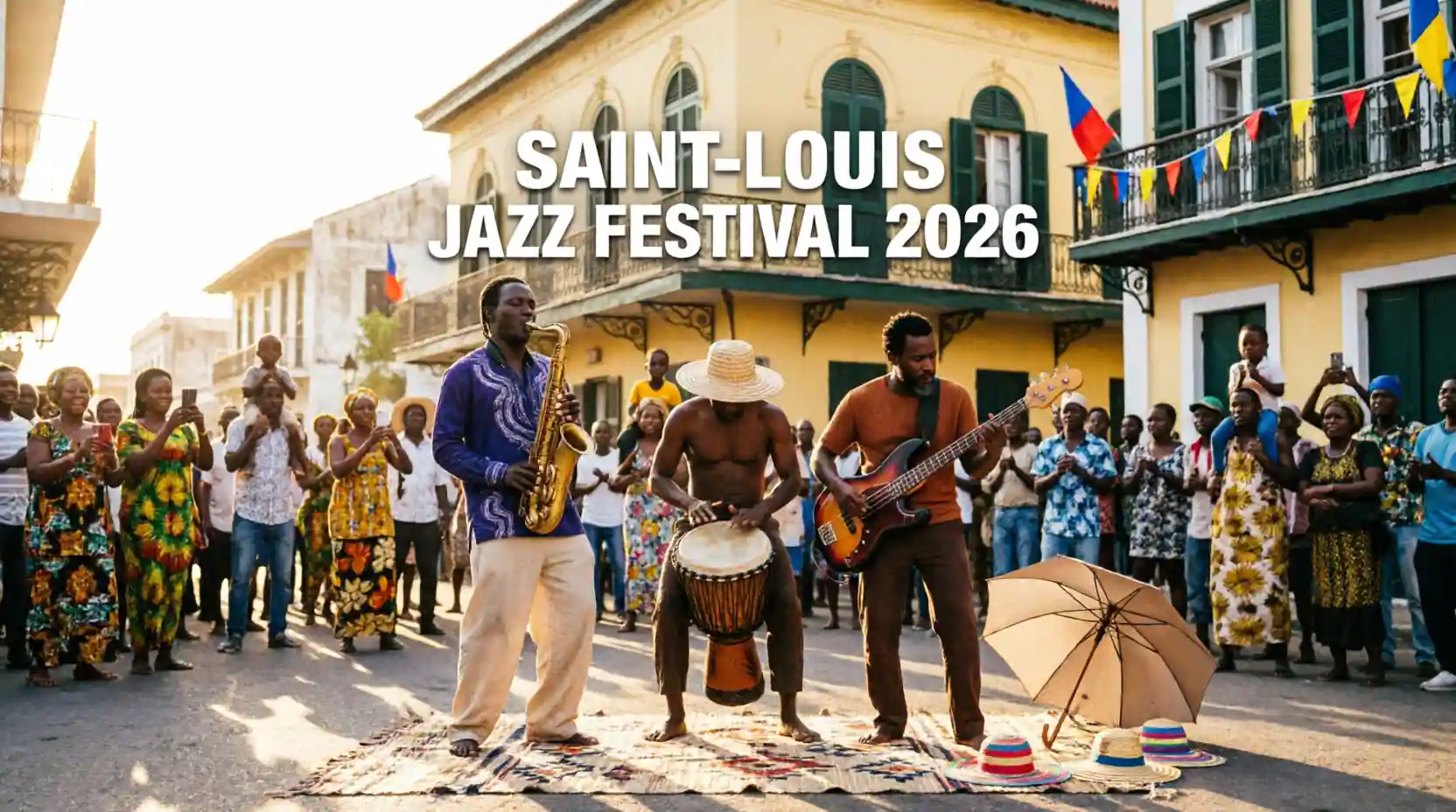
Best Time to Visit Senegal for the Saint-Louis Jazz Festival in 2026
The Saint-Louis Jazz Festival stands as one of Africa's most prestigious music celebrations, drawing world-class musicians and jazz enthusiasts to Senegal's historic UNESCO World Heritage city each year. For 2026, timing your visit to coincide with this extraordinary cultural event requires strategic planning and understanding of Senegal's seasonal patterns. The festival typically occurs in May, perfectly positioned at the tail end of the dry season when weather conditions remain favorable for outdoor performances and city exploration. This comprehensive guide provides updated 2026 information to help you plan the perfect trip combining world-class jazz performances with immersive cultural experiences in one of West Africa's most charming destinations.
When Is the Saint-Louis Jazz Festival 2026

The Saint-Louis Jazz Festival 2026 is scheduled for May, continuing its tradition as one of Africa's oldest and most respected jazz festivals. While exact dates are typically announced 6-8 months in advance by festival organizers, the event historically spans 5-7 days in mid to late May. The 2026 edition promises to feature international headliners alongside Senegalese and West African artists, with performances across multiple venues including outdoor stages along the Senegal River, historic colonial buildings, and intimate club settings. Early May offers the advantage of slightly lower temperatures before the peak heat of late May, while late May provides warmer evenings perfect for riverside concerts. Booking accommodations and flights 4-6 months in advance ensures availability and competitive pricing, as the festival attracts thousands of visitors from across Europe, North America, and Africa.
Festival Schedule and Performance Times
The Saint-Louis Jazz Festival typically features afternoon workshops, evening concerts starting around 6 PM, and late-night jam sessions extending past midnight. Daytime activities include masterclasses with visiting musicians, instrument demonstrations, and cultural tours of Saint-Louis's historic districts. Evening performances showcase headlining acts on main stages, while smaller venues host emerging artists and local talent. The festival's closing night traditionally features a spectacular riverside concert with fireworks and performances extending into the early morning hours. Understanding this schedule helps travelers plan arrival and departure dates to maximize festival experiences while allowing time to explore Saint-Louis's other attractions.
Why May Is the Ideal Month for the Festival
May represents the sweet spot in Senegal's annual calendar for visiting Saint-Louis. The dry season, which runs from November through May, ensures minimal rainfall and comfortable conditions for outdoor performances. Temperatures in May average 28-32 degrees Celsius during the day and cool to pleasant 22-25 degrees in the evening, ideal for both daytime sightseeing and nighttime concerts. The humidity remains relatively low compared to the upcoming rainy season, and the famous harmattan dust from the Sahara has typically dissipated by May. Additionally, May falls before peak European summer vacation season, meaning fewer crowds at other Senegalese attractions and more manageable tourism infrastructure. The timing also allows travelers to combine the festival with visits to other regional destinations like Dakar, Gorée Island, or the Saloum Delta before weather conditions become challenging in June.
Weather and Climate Conditions in Saint-Louis During May
Understanding Saint-Louis's climate in May proves essential for packing appropriately and planning daily activities. The city, located in northern Senegal where the Senegal River meets the Atlantic Ocean, experiences a hot semi-arid climate with distinct seasonal variations. May marks the transition period between the cool, dry winter months and the hot, humid summer season. Daytime temperatures typically range from 30-35 degrees Celsius, though coastal breezes provide some relief from the heat. Evening temperatures drop to comfortable 22-26 degrees, perfect for outdoor concerts and riverside dining. Rainfall remains minimal in May, with average precipitation of just 5-10 millimeters for the entire month, meaning outdoor festival stages operate without weather-related disruptions. The Atlantic Ocean water temperature averages 24-26 degrees, warm enough for swimming and water activities. UV index remains high, requiring sun protection during daytime hours. Winds from the ocean provide natural cooling, particularly along the waterfront and on the Langue de Barbarie sand spit where some festival events occur.
Packing Essentials for May in Saint-Louis
Packing for Saint-Louis in May requires balancing protection from sun and heat with comfort for evening festivities. Lightweight, breathable clothing in natural fibers like cotton and linen keeps you cool during daytime exploration while respecting local modest dress customs. Pack long-sleeved shirts and loose pants for sun protection and evening warmth, as temperatures can drop noticeably after sunset. A light sweater or jacket proves useful for late-night jazz sessions by the river. Sun protection items including high SPF sunscreen, wide-brimmed hat, and quality sunglasses are non-negotiable. Comfortable walking shoes with good support essential for navigating Saint-Louis's cobblestone streets and festival venues. Evening attire can be slightly dressier for concert venues, though the festival maintains a relaxed, bohemian atmosphere. Bring a reusable water bottle to stay hydrated, insect repellent for evenings, and a small daypack for carrying essentials during festival days. If planning beach time, pack swimwear and quick-dry towels. A camera with extra batteries captures unforgettable performances, though verify venue photography policies.
Health Considerations for May Travel
May's heat and dry conditions require proactive health management. Staying hydrated proves critical, drinking at least 3-4 liters of water daily and avoiding excessive alcohol or caffeine consumption. Heat exhaustion symptoms include dizziness, headache, and excessive fatigue, requiring immediate rest in shade or air conditioning. Schedule outdoor activities for morning or late afternoon, reserving midday hours for indoor museum visits or rest. Malaria risk exists year-round in Senegal, though May's dry conditions reduce mosquito populations compared to rainy season months. Consult a travel medicine specialist 6-8 weeks before departure regarding malaria prophylaxis, yellow fever vaccination (required for entry), and recommended vaccines including hepatitis A and B, typhoid, and routine immunizations. Travel insurance covering medical evacuation provides peace of mind, as serious medical conditions may require transport to Dakar or Europe for advanced care. Pack a personal medical kit including anti-diarrheal medication, rehydration salts, pain relievers, antihistamines, and any prescription medications with original packaging and doctor's notes.
How to Reach Saint-Louis from Dakar and International Destinations
Reaching Saint-Louis requires planning, particularly for international travelers attending the jazz festival. Most visitors arrive via Blaise Diagne International Airport (DSS) in Dakar, Senegal's main international gateway located 40 kilometers from the capital. From Dakar, Saint-Louis sits approximately 260 kilometers north, requiring 4-5 hours of travel time. Multiple transportation options exist, each with distinct advantages depending on budget, time constraints, and comfort preferences. During the jazz festival period, demand for transportation increases significantly, making advance bookings essential. Private transfers offer convenience and flexibility, while public buses provide budget-friendly alternatives. Domestic flights exist but operate infrequently and may not align with festival schedules. Understanding these options helps travelers choose the most suitable method for their needs while avoiding last-minute complications during this busy period.
Transportation Options from Dakar to Saint-Louis
Private car hire represents the most comfortable and flexible option for reaching Saint-Louis from Dakar. Reputable companies and hotel concierge services can arrange drivers familiar with the route, costing approximately 120-180 USD one-way for a standard vehicle. The journey follows the N2 highway north through agricultural landscapes and small towns, with opportunities to stop at points of interest like the Lompoul Desert or traditional villages. Shared taxis, known as "sept-places," depart from Dakar's Pompiers garage when full, costing 15-25 USD per person and taking 5-6 hours depending on stops. Public buses operated by companies like Dakar Dem Dikk and Ndiaga Ndiaye offer the most economical option at 8-15 USD, departing from various Dakar terminals and arriving at Saint-Louis's main bus station. Buses run multiple times daily but can be crowded and lack air conditioning. For festival attendees with luggage and tight schedules, private transfers or rental cars provide the best balance of comfort and reliability. Booking return transportation in advance ensures availability during the busy festival period.
Flying Directly to Saint-Louis
Saint-Louis possesses a small airport, Abbé Boilat Airport (XLS), though commercial flight service remains limited and unreliable. Occasional charter flights and seasonal services operate from Dakar, but schedules rarely align with festival dates and cancellations occur frequently. The airport primarily serves cargo, medical evacuations, and private aviation. Most travelers find ground transportation from Dakar more practical and cost-effective than attempting to coordinate flights to Saint-Louis. If you possess flexibility and budget for private aviation, charter flights offer spectacular aerial views of Senegal's diverse landscapes and arrive in Saint-Louis in under one hour. However, for the vast majority of jazz festival attendees, the scenic 4-5 hour drive from Dakar provides better value, reliability, and opportunity to experience Senegal's countryside.
Where to Stay During the Saint-Louis Jazz Festival 2026
Accommodation in Saint-Louis during the jazz festival requires advance planning, as the city's limited hotel infrastructure struggles to meet surge demand during this popular event. The historic island city, designated a UNESCO World Heritage Site in 2000, offers charming colonial architecture, narrow streets, and atmospheric guesthouses, but relatively few large hotels. Booking 6-12 months in advance proves essential for securing preferred accommodations at reasonable rates. During festival week, prices increase 30-50 percent compared to standard rates, and the most desirable properties sell out quickly. Travelers should consider various accommodation types from luxury hotels to budget guesthouses, or explore options in nearby areas if Saint-Louis itself proves fully booked. Understanding neighborhood characteristics and proximity to festival venues helps optimize your stay for both convenience and authentic cultural experiences.
Best Hotels and Guesthouses in Saint-Louis Island
Saint-Louis Island, the historic heart of the city connected to the mainland by the Faidherbe Bridge, hosts the most atmospheric accommodations. La Résidence, a beautifully restored colonial mansion, offers luxury rooms with period furnishings, a rooftop terrace overlooking the river, and personalized service, though rates exceed 200 USD per night during festival season. Hotel de la Poste, housed in a former colonial post office, provides mid-range comfort with modern amenities and central location for 100-150 USD nightly. Budget-conscious travelers find excellent value at guesthouses like Chez Salim or Auberge de la Paix, offering clean rooms, friendly hospitality, and rates of 40-70 USD. Many guesthouses feature rooftop terraces perfect for sunset views and informal jazz sessions. Staying on the island places you within walking distance of most festival venues, restaurants, and historic sites, though noise levels increase during festival week. Book early and confirm cancellation policies, as festival schedules may change.
Accommodation in Sor and the Langue de Barbarie
The Sor district, located on the mainland east of the island, offers more modern hotels and easier parking for those with rental cars. This area provides quieter nights away from festival crowds while remaining just minutes from the island via the Faidherbe Bridge. Hotels like Hotel Ndar Ndar and Residences du Parc offer comfortable rooms at 60-100 USD, often with pools and restaurants. The Langue de Barbarie, a narrow sand spit extending south along the Atlantic coast, features eco-lodges and beach camps appealing to nature lovers. These accommodations, including Campement de la Langue and various fishing village guesthouses, provide unique experiences but require 20-30 minute drives to festival venues. Some festival events occur on the Langue de Barbarie itself, making these locations strategically advantageous for certain performances. Consider splitting your stay between island charm and beach tranquility to experience Saint-Louis's diverse environments.
Cost of Attending the Saint-Louis Jazz Festival 2026
Attending the Saint-Louis Jazz Festival requires budgeting for multiple expense categories including festival tickets, accommodation, transportation, food, and activities. While significantly more affordable than European or North American jazz festivals, costs increase during the festival period due to heightened demand. A realistic budget for a 5-7 day festival visit ranges from 500-1500 USD depending on accommodation choices, dining preferences, and activity selection. Festival passes typically cost 50-150 USD for full event access, though some performances remain free in public spaces. Accommodation represents the largest expense, with budget options at 40-70 USD per night and luxury properties exceeding 200 USD nightly during festival week. Transportation from Dakar adds 30-180 USD depending on mode chosen. Daily food costs range from 15 USD for local street food to 50+ USD for restaurant dining. Additional expenses include souvenirs, guided tours, boat trips to the Langue de Barbarie National Park, and incidental purchases. Planning and booking in advance secures better rates and prevents budget overruns from last-minute premium pricing.
Festival Tickets and Event Pricing
The Saint-Louis Jazz Festival offers various ticket options to suit different budgets and interests. Full festival passes providing access to all concerts and events typically cost 100-150 USD, offering the best value for dedicated jazz enthusiasts planning to attend multiple performances. Single concert tickets range from 15-40 USD depending on the artist's prominence and venue. Several outdoor performances and street concerts remain free and open to the public, particularly daytime events and closing celebrations. VIP packages, when available, include premium seating, meet-and-greet opportunities with artists, and exclusive after-parties for 200-300 USD. Workshop and masterclass participation may require separate registration fees of 20-50 USD. Tickets can be purchased online through the official festival website, at designated outlets in Dakar and Saint-Louis, or at venue box offices, though popular shows sell out quickly. During festival week, expect queues and limited availability for last-minute purchases. Consider purchasing a festival pass early to guarantee access and avoid disappointment.
Daily Expenses and Budget Tips
Managing daily expenses in Saint-Louis during the festival requires balancing comfort with cost-consciousness. Eating at local "dibiteries" and street food stalls serves delicious Senegalese dishes like thieboudienne, yassa, and grilled fish for 3-7 USD per meal, while mid-range restaurants charge 12-25 USD for main courses. Upscale dining experiences cost 30-50 USD per person. Staying hydrated with bottled water (1-2 USD) proves essential in May's heat. Local transportation within Saint-Louis via taxi costs 2-5 USD for short trips, though many festival venues are walkable from central accommodations. Guided tours of the historic island, boat excursions to the Langue de Barbarie, and visits to the Djoudj National Bird Sanctuary add 20-60 USD to your budget. Shopping for crafts, textiles, and souvenirs requires bargaining skills, with initial prices often 30-50 percent higher than final sale prices. Budget travelers can manage on 50-70 USD daily excluding accommodation and festival tickets, while mid-range travelers should budget 100-150 USD daily. Carrying cash in CFA francs proves essential, as credit card acceptance remains limited outside major hotels and restaurants.
What to Expect at the Saint-Louis Jazz Festival
The Saint-Louis Jazz Festival delivers an intimate, authentic experience distinct from large commercial music festivals. Established in 1992, it ranks among Africa's oldest jazz festivals and has hosted legendary artists including Randy Weston, Hugh Masekela, and Youssou N'Dour alongside emerging talents. The festival's charm lies in its blend of world-class performances, historic setting, and relaxed atmosphere where musicians and audiences mingle freely. Expect multiple venues ranging from outdoor riverside stages to colonial courtyards and small clubs, each offering unique acoustics and ambiance. Performances span traditional jazz, Afro-jazz fusion, blues, soul, and contemporary interpretations, reflecting both international trends and Senegalese musical traditions. The festival schedule typically allows time between shows for exploration, dining, and spontaneous jam sessions that extend late into the night. Language barriers dissolve through music's universal appeal, though basic French or Wolof phrases enhance interactions with locals and fellow attendees. The intimate scale means you might share a table with performing musicians or discover impromptu concerts in hidden courtyards. Prepare for warm hospitality, passionate performances, and unforgettable memories in one of Africa's most culturally rich settings.
Festival Venues and Performance Locations
The Saint-Louis Jazz Festival utilizes diverse venues throughout the city, each contributing unique character to the experience. The main outdoor stage typically sits along the quay facing the Senegal River, offering spectacular sunset views and capacity for several thousand attendees. Historic buildings like the Governor's Palace courtyard and former colonial administrative centers host evening concerts with exceptional acoustics and atmospheric lighting. Smaller clubs and cultural centers in the island's narrow streets provide intimate settings for emerging artists and late-night jam sessions. Some performances occur on the Langue de Barbarie beach, combining music with ocean breezes and starlit skies. The festival also organizes concerts in nearby villages and the Djoudj National Bird Sanctuary, creating opportunities to explore beyond Saint-Louis itself. Venue maps and schedules distribute at information booths and hotels, though the compact nature of the island makes navigation relatively straightforward. Arrive early for popular performances to secure good seating, particularly for outdoor shows where chairs may be limited. Respect venue photography policies, as some artists restrict recording during performances.
Cultural Activities Beyond Jazz Performances
The Saint-Louis Jazz Festival extends beyond concerts to offer rich cultural programming celebrating Senegalese heritage and artistic expression. Daily workshops allow participants to learn traditional instruments like kora, balafon, and talking drum from master musicians. Dance classes teach traditional Senegalese styles alongside contemporary fusion movements. Art exhibitions showcase local painters, sculptors, and photographers in galleries and pop-up spaces throughout the island. Cooking demonstrations feature Senegalese cuisine, with opportunities to learn preparation of signature dishes. Guided walking tours explore Saint-Louis's UNESCO World Heritage architecture, colonial history, and vibrant neighborhoods. Boat excursions navigate the Senegal River to fishing villages and the Langue de Barbarie National Park, where hippos, birds, and crocodiles inhabit wetlands. Evening storytelling sessions share local legends and histories in traditional griot style. These activities provide context for the music, deepen cultural understanding, and create connections with local artists and residents. Many workshops require advance registration due to limited capacity, so review the full festival program upon arrival and sign up early for preferred experiences.
Visa Requirements and Entry Rules for Senegal in 2026
Travelers attending the Saint-Louis Jazz Festival must navigate Senegal's entry requirements, which vary by nationality. Citizens of Economic Community of West African States (ECOWAS) member countries enjoy visa-free entry for tourism purposes. Many European, North American, and Asian nationals also receive visa-free access for stays up to 90 days, though policies change periodically and require verification before travel. Travelers from countries requiring visas must apply in advance through Senegalese embassies or consulates, or utilize the electronic visa system when available. All visitors must present a passport valid for at least six months beyond intended departure date, proof of onward or return travel, and evidence of yellow fever vaccination if arriving from endemic countries. Processing times for visa applications typically range from 5-15 business days, making early application essential. Festival attendees should initiate visa processes 2-3 months before planned travel to accommodate potential delays and secure necessary documentation without stress.
Visa Application Process for Major Nationalities
United States, Canadian, United Kingdom, and European Union citizens currently enjoy visa-free entry to Senegal for tourism stays up to 90 days, though this policy requires verification closer to 2026 travel dates as regulations evolve. Australian and New Zealand passport holders similarly receive visa-free access for short tourist visits. Citizens of India, China, and many African nations outside ECOWAS must obtain visas before arrival. The application process requires completing an online or paper application form, providing two recent passport photographs, submitting a valid passport with at least two blank pages, presenting flight itineraries, hotel reservations or invitation letters, and showing proof of sufficient funds. Visa fees range from 50-100 USD depending on nationality and duration. Applications submit to Senegalese embassies or consulates, or through the e-visa platform when available. Processing typically takes 7-10 business days for standard applications, though expedited service may be available for additional fees. Festival invitation letters from organizers can strengthen visa applications by demonstrating purpose of travel. Always verify current requirements with official Senegalese government sources or your nearest Senegalese diplomatic mission before applying.
Health Documentation and Vaccination Requirements
Senegal requires proof of yellow fever vaccination for travelers arriving from countries with risk of yellow fever transmission, though immigration officials may request documentation from all visitors regardless of origin. Carry your International Certificate of Vaccination (yellow card) with current yellow fever vaccination administered at least 10 days before arrival. While not mandatory for entry, health authorities strongly recommend vaccinations for hepatitis A and B, typhoid, meningitis, and routine immunizations including measles-mumps-rubella and tetanus-diphtheria-pertussis. Malaria prophylaxis proves essential for travel throughout Senegal, including Saint-Louis, with options including atovaquone-proguanil, doxycycline, or mefloquine depending on individual health factors and resistance patterns. Consult a travel medicine specialist 6-8 weeks before departure to develop appropriate vaccination and medication plans. COVID-19 requirements have largely relaxed, but verify current policies regarding vaccination proof or testing before travel. Travel insurance covering medical emergencies and evacuation provides crucial protection, as serious illnesses or injuries may require transport to Dakar or Europe for advanced care. Keep copies of all health documents separate from originals and store digital copies in secure cloud storage accessible during travel.
Safety Tips for Solo Travelers at the Saint-Louis Jazz Festival
Saint-Louis maintains a reputation as one of Senegal's safer cities for tourists, and the jazz festival atmosphere proves generally welcoming and secure. However, standard travel precautions remain essential, particularly for solo travelers navigating unfamiliar environments while enjoying festival festivities. Petty theft including pickpocketing and bag snatching represents the primary safety concern, especially in crowded festival venues, markets, and busy streets. Violent crime against tourists occurs rarely but requires awareness and common-sense precautions. The festival's late-night schedule means traveling after dark, necessitating careful transportation choices and route planning. Language barriers can complicate emergency situations, though French serves as the official language and many festival staff speak English. Understanding local customs, dressing respectfully, and maintaining situational awareness significantly reduces risks. Connect with fellow festival attendees, join group activities when possible, and share your itinerary with trusted contacts. Emergency services exist but may respond slowly, making prevention and preparation more reliable than reaction. Register with your country's embassy or consulate upon arrival, noting contact information for assistance if needed.
Protecting Valuables and Personal Safety
Protecting valuables in Saint-Louis requires vigilance without paranoia. Use hotel safes or secure storage for passports, extra cash, and expensive electronics when not needed. Carry only daily spending money in a money belt or hidden pouch worn under clothing rather than easily accessible pockets or bags. Keep bags zipped and in front of your body in crowded areas, never leaving them unattended or hanging on chair backs in restaurants. Avoid displaying expensive cameras, jewelry, or smartphones unnecessarily, particularly after dark. Use reputable taxi services or hotel-arranged transportation rather than accepting rides from strangers. Walk purposefully and confidently, even if uncertain of direction, stepping into shops or cafes to consult maps rather than on street corners. Trust your instincts about people and situations, politely but firmly declining unsolicited assistance or invitations that feel uncomfortable. Festival venues typically maintain security presence, but remain aware of exits and keep personal items within sight during performances. Make digital copies of important documents including passport, visa, insurance, and emergency contacts, storing them in secure cloud storage accessible from your phone. Share your daily plans with accommodation staff or travel companions, establishing check-in times for solo evening activities.
Navigating the Festival and City Safely
Navigating Saint-Louis during the jazz festival requires balancing exploration with safety awareness. The island's compact size makes walking the primary mode of transportation, though streets can become crowded and confusing after dark. Stick to well-lit main streets and avoid isolated areas, particularly along the riverfront late at night. Travel in groups when attending late-night performances or after-parties, arranging meeting points and times if separated. Stay hydrated and pace alcohol consumption, as heat and fatigue impair judgment and increase vulnerability. Keep emergency numbers programmed in your phone including local police (17), medical services (15), and your country's embassy. Learn basic French phrases for emergencies including "Au secours" (help), "Appelez la police" (call the police), and "J'ai besoin d'un médecin" (I need a doctor). Festival information booths and hotel concierges provide reliable assistance and directions. Use official taxi stands or ride-hailing apps when available rather than hailing random vehicles. Be cautious of overly friendly strangers offering unsolicited guidance or invitations, particularly around ATMs or tourist areas. While most Saint-Louis residents prove genuinely hospitable and helpful, maintaining healthy skepticism protects against opportunistic scams targeting festival visitors.
Making the Most of Your Saint-Louis Jazz Festival Experience
Attending the Saint-Louis Jazz Festival represents more than simply hearing world-class music; it offers immersion in Senegalese culture, history, and hospitality that creates lasting memories and meaningful connections. Maximizing this experience requires balancing structured festival activities with spontaneous exploration, respecting local customs while engaging authentically with residents, and remaining open to unexpected discoveries. Arrive a day or two before festival opening to acclimate to the climate, explore the island, and establish your bearings. Stay a few days after the final concert to decompress, revisit favorite venues, and experience Saint-Louis beyond the festival frenzy. Engage with musicians, attend workshops, and participate in cultural activities that deepen understanding of the music's context. Sample local cuisine, learn basic Wolof greetings, and support local artisans by purchasing crafts directly from makers. Document your journey through photos and journaling, but also practice being fully present in magical moments that resist capture. Connect with fellow attendees from around the world, sharing stories and perspectives that broaden your worldview. The Saint-Louis Jazz Festival's intimate scale and warm atmosphere create opportunities impossible at larger commercial events. Embrace the rhythm of Senegalese time, where schedules bend and relationships matter more than punctuality. Return home not just with concert memories but with expanded appreciation for jazz's African roots and Senegal's extraordinary cultural heritage.
Final Thoughts on Visiting Senegal for the Jazz Festival
The Saint-Louis Jazz Festival 2026 promises an unforgettable convergence of exceptional music, historic ambiance, and Senegalese hospitality that justifies the journey for jazz enthusiasts and cultural travelers alike. May's favorable weather, the city's UNESCO World Heritage charm, and the festival's intimate atmosphere create ideal conditions for an extraordinary travel experience. Success requires advance planning for flights, accommodations, and festival tickets, particularly given limited infrastructure and high demand during this popular event. Budget realistically for increased festival-period pricing while recognizing Senegal's overall affordability compared to Western destinations. Prioritize safety through common-sense precautions without allowing fear to limit exploration and connection. Embrace the festival's full cultural programming beyond concerts, engaging with workshops, tours, and local communities that provide context and meaning. Whether you are a devoted jazz aficionado, a curious cultural explorer, or simply seeking unique travel experiences, the Saint-Louis Jazz Festival delivers richness and authenticity that rewards thoughtful preparation and open-hearted engagement. Begin planning your 2026 adventure now to secure the best options and build anticipation for one of Africa's most celebrated musical gatherings in one of its most enchanting cities.
0 Comments