.webp)
.webp)
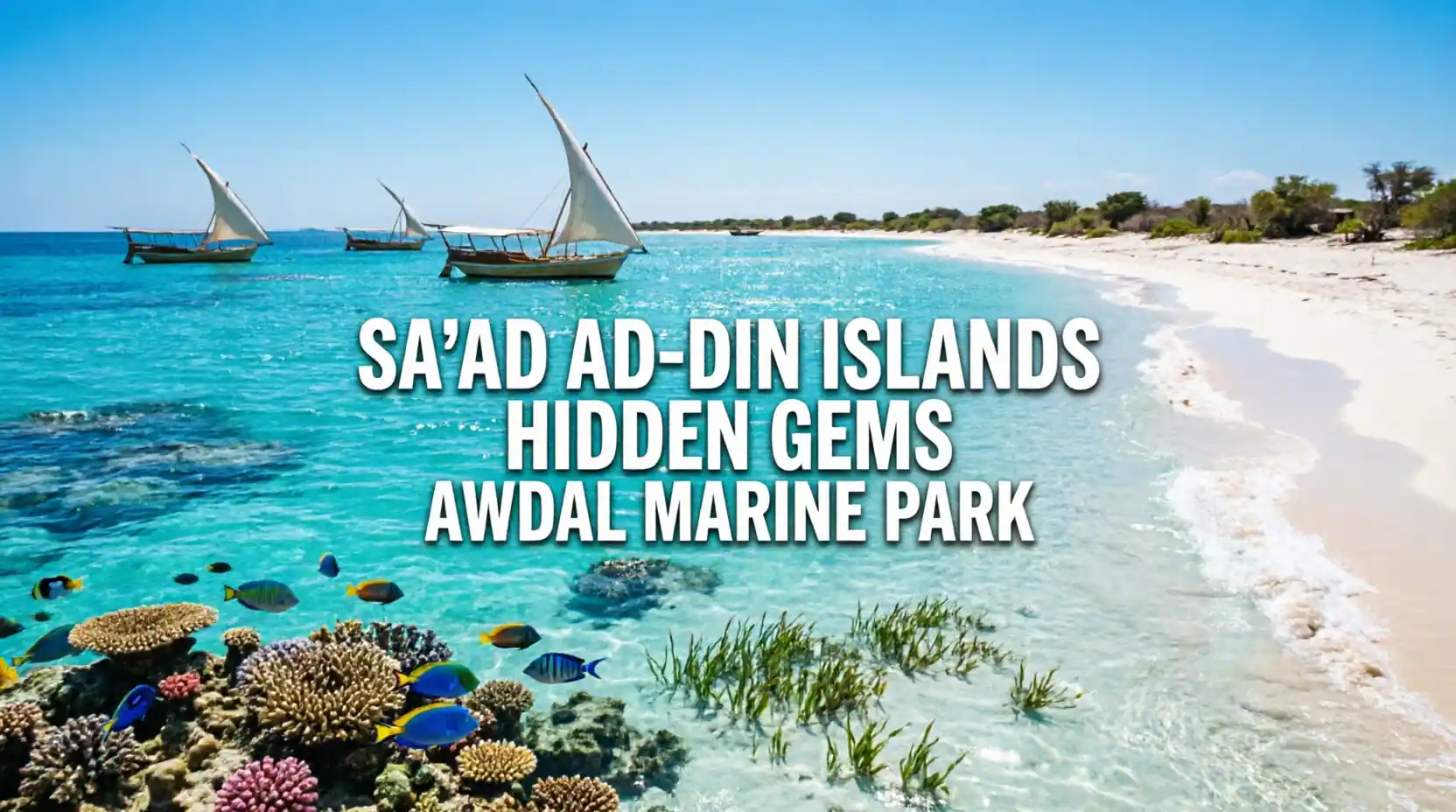
Sa'ad ad-Din Islands and Awdal Marine Park Hidden Gems Somaliland 2026
The Sa'ad ad-Din Islands represent one of the Horn of Africa's last great undiscovered treasures. This remote archipelago off Somaliland's northwestern coast combines pristine beaches, vibrant coral reefs, rich history, and remarkable biodiversity in a setting that remains virtually untouched by mass tourism.
Named after Sultan Sa'ad ad-Din II of the medieval Ifat Sultanate, these islands carry centuries of historical significance while offering modern adventurers extraordinary opportunities for exploration, diving, and cultural discovery.
The surrounding Awdal Marine Park protects some of the Gulf of Aden's most pristine marine ecosystems. Healthy coral reefs, diverse fish populations, sea turtles, and occasional dolphin sightings make this area a paradise for marine enthusiasts and conservationists.
This comprehensive 2026 guide reveals everything you need to know about exploring the Sa'ad ad-Din Islands and Awdal Marine Park. From accessing these remote islands to understanding their ecology and history, you will discover why this destination deserves recognition as one of East Africa's premier hidden gems.
Discovering the Sa'ad ad-Din Archipelago

The Sa'ad ad-Din Islands form an archipelago of several small islands and islets scattered along Somaliland's northwestern coast in the Awdal region. These islands lie in the Gulf of Aden, strategically positioned along ancient maritime trade routes.
The largest islands include Sa'ad ad-Din itself, along with several smaller uninhabited islets. The archipelago stretches along approximately 40 kilometers of coastline, offering diverse landscapes from sandy beaches to rocky outcrops.
These islands remained relatively isolated for centuries, preserving their natural ecosystems and historical sites. Modern accessibility has improved, but visitor numbers remain low, ensuring authentic experiences without crowds.
The archipelago's name honors Sultan Sa'ad ad-Din II, the last Sultan of the Ifat Sultanate who died on these islands in the 15th century. This historical connection adds cultural depth to the natural beauty.
Geographic Features and Island Characteristics
The islands feature white and golden sand beaches backed by coral formations and sparse vegetation adapted to arid coastal conditions. Palm trees and hardy shrubs provide limited shade in the tropical climate.
Coral reefs surround most islands, creating natural barriers that protect beaches from strong ocean swells while providing exceptional snorkeling and diving opportunities in calm, clear waters.
Tidal variations significantly affect accessibility to certain islets. Low tide reveals sandbars and shallow lagoons perfect for wading, while high tide creates deeper channels for boat navigation.
Freshwater sources are limited on the islands, making them dependent on mainland supplies or rainwater collection. This scarcity has historically limited permanent settlement despite the islands' strategic location.
Climate and Best Visiting Seasons
The Sa'ad ad-Din Islands experience a hot semi-arid climate typical of the Gulf of Aden region. Temperatures range from 25-35°C year-round, with hottest periods during summer months.
Two distinct seasons affect travel planning: the dry season (November-April) offers calm seas, clear skies, and optimal conditions for island hopping and marine activities.
The wet season (May-October) brings occasional rainfall and stronger winds that can make sea crossings challenging. However, this period also brings lush vegetation and dramatic seascapes.
November through March represents the ideal visiting window, combining comfortable temperatures, calm seas, excellent visibility for diving, and minimal rainfall.
Historical Significance and Cultural Heritage

The Sa'ad ad-Din Islands hold profound historical importance in the Horn of Africa's medieval history. Understanding this heritage enriches visits beyond natural beauty appreciation.
Sultan Sa'ad ad-Din II, ruler of the Ifat Sultanate, retreated to these islands after military defeats and died here in 1403. His tomb became a pilgrimage site and the islands bear his name to this day.
The islands served as important stops along medieval trade routes connecting the Arabian Peninsula with East Africa. Arab, Persian, and Indian traders frequented these waters, leaving cultural influences visible in local architecture and traditions.
Archaeological remains on the islands include ancient mosques, tombs, and settlement ruins that testify to centuries of human habitation and maritime activity.
Sultan Sa'ad ad-Din's Legacy
Sultan Sa'ad ad-Din II represents a pivotal figure in Somali and Ethiopian history. His resistance against Ethiopian expansion and ultimate martyrdom on these islands cemented his legendary status.
His tomb on the main island attracts visitors interested in medieval Islamic history and Somali heritage. The site maintains spiritual significance for local communities.
Historical accounts describe the Sultan's final years on these islands, where he continued religious scholarship and maintained connections with Muslim scholars across the Indian Ocean trade network.
Annual commemorations honor the Sultan's memory, blending historical remembrance with cultural celebrations that showcase traditional Somali music, poetry, and cuisine.
Archaeological Sites and Ancient Structures
Archaeological surveys have identified multiple sites of historical interest across the archipelago. These include medieval mosques built from coral stone, ancient cemeteries with distinctive tomb architecture, and remnants of trading settlements.
Coral stone construction techniques visible in ancient structures demonstrate sophisticated building knowledge adapted to available materials and coastal conditions.
Pottery shards, trade beads, and other artifacts discovered on the islands provide evidence of extensive Indian Ocean trade connections dating back over a millennium.
Ongoing archaeological research continues to uncover new insights into the islands' role in medieval maritime networks and Islamic civilization's spread along the East African coast.
Awdal Marine Park: Protecting Marine Biodiversity

The Awdal Marine Park encompasses the waters surrounding the Sa'ad ad-Din Islands, creating a protected area dedicated to preserving marine ecosystems and promoting sustainable tourism.
This marine park protects some of the Gulf of Aden's healthiest coral reef systems. The reefs support extraordinary biodiversity including hundreds of fish species, sea turtles, mollusks, and crustaceans.
Conservation efforts focus on preventing destructive fishing practices, managing tourism impacts, and monitoring reef health. Local communities participate actively in conservation initiatives.
The marine park designation helps attract responsible tourism while ensuring ecosystems remain intact for future generations. Visitor fees contribute directly to conservation programs.
Coral Reef Ecosystems
The coral reefs surrounding the Sa'ad ad-Din Islands rank among the most pristine in the region. Hard corals including branching, massive, and plate formations create complex three-dimensional habitats.
Soft corals add vibrant colors and textures to reef landscapes, swaying gracefully in ocean currents. These organisms contribute significantly to reef biodiversity and aesthetic appeal.
Coral health monitoring programs track bleaching events, disease outbreaks, and recovery patterns. Climate change poses challenges, but the reefs' relative isolation has helped maintain resilience.
Snorkelers and divers encounter spectacular coral gardens at depths ranging from 2-30 meters. Visibility often exceeds 20 meters, providing exceptional underwater viewing conditions.
Marine Wildlife and Biodiversity
The marine park supports remarkable biodiversity. Reef fish including angelfish, butterflyfish, parrotfish, and groupers populate coral gardens in abundance.
Sea turtles, particularly green turtles and hawksbill turtles, frequent the islands' beaches for nesting and foraging. Conservation programs protect nesting sites and monitor turtle populations.
Dolphin pods occasionally visit the archipelago waters, particularly during early morning hours. Spinner dolphins and bottlenose dolphins perform acrobatic displays that delight boat passengers.
Seasonal whale shark visits occur, though unpredictable. These gentle giants feed on plankton in nutrient-rich waters, providing once-in-a-lifetime encounters for fortunate visitors.
Mollusks including giant clams, colorful nudibranchs, and various shell species add to marine diversity. Crustaceans like lobsters and crabs inhabit reef crevices.
Accessing the Sa'ad ad-Din Islands

Reaching the Sa'ad ad-Din Islands requires planning and coordination, as these remote destinations lack regular commercial transport services. However, the journey proves worthwhile for adventurous travelers.
The islands lie approximately 100-150 kilometers west of Hargeisa, Somaliland's capital. The journey begins with a road trip to coastal towns in the Awdal region, followed by boat transfers to the islands.
Several access points exist along the Awdal coast. The towns of Zeila and Lughaya serve as primary departure points for island-hopping expeditions.
Boat arrangements require advance planning. Local fishermen operate traditional dhows and motorized vessels capable of transporting visitors to the islands, though schedules depend on weather and tides.
Transportation from Hargeisa
The overland journey from Hargeisa to the Awdal coast takes 4-6 hours depending on road conditions and exact destination. Vehicles traverse varied terrain including mountains, plains, and coastal areas.
Private vehicle hire provides flexibility and comfort for the coastal journey. Four-wheel drive vehicles handle rough road sections more effectively than standard cars.
Shared taxis and minibuses offer budget-friendly alternatives, though they follow less flexible schedules and may not reach exact departure points for island boats.
Guided tours often include transportation from Hargeisa, simplifying logistics for visitors unfamiliar with Somaliland's road network and coastal access points.
Boat Transfers and Island Hopping
Traditional wooden dhows provide authentic sailing experiences, though motorized boats offer faster, more reliable transport. Choose based on time constraints, budget, and desired experience.
Boat captains possess intimate knowledge of local waters, tides, and weather patterns. Their expertise ensures safe navigation through channels and around coral reefs.
Island-hopping itineraries typically visit multiple islands over 2-5 days, allowing exploration of different beaches, snorkeling sites, and historical locations.
Weather conditions significantly affect boat schedules. Strong winds or rough seas may delay departures, so build flexibility into travel plans.
Negotiate boat hire costs in advance and clarify what is included: fuel, crew, meals, and equipment. Written agreements prevent misunderstandings.
Accommodation and Facilities

The Sa'ad ad-Din Islands offer rustic accommodation options that emphasize simplicity and connection with nature. Luxury amenities are limited, but the natural beauty and tranquility compensate abundantly.
Basic guesthouses and campsites exist on the main island, providing shelter and essential facilities. These accommodations cater to adventurous travelers comfortable with minimal comforts.
Camping on beaches under starlit skies represents a popular option for those bringing their own equipment. The islands' remote location ensures exceptional stargazing opportunities.
Some tour operators offer semi-luxury camping experiences with tents, beds, and basic amenities set up on pristine beaches, combining adventure with comfort.
Basic Island Accommodations
Guesthouses on the main island provide simple rooms with beds, mosquito nets, and shared bathroom facilities. Electricity may be limited to certain hours, typically evenings.
Meals are usually available through guesthouses or can be arranged with local families. Fresh seafood features prominently in island cuisine, often grilled or prepared in traditional Somali styles.
Freshwater availability is limited, so conservation is essential. Showers may use bucket systems rather than continuous flow, and visitors should bring biodegradable soaps.
Communication facilities are minimal or non-existent on the islands. Embrace the opportunity to disconnect from digital distractions and immerse in natural surroundings.
Camping and Eco-Lodging Options
Beach camping allows complete immersion in the islands' natural environment. Bring sturdy tents capable of withstanding coastal winds and sand.
Leave-no-trace principles are critical in this fragile ecosystem. Pack out all waste, avoid damaging coral or vegetation, and respect wildlife.
Semi-organized camping tours provide equipment, meals, and guides while maintaining the adventure camping experience. These options suit travelers wanting island camping without bringing all their own gear.
Future development may include eco-lodges designed with sustainability principles, using solar power, rainwater collection, and minimal environmental impact construction.
Activities and Experiences

The Sa'ad ad-Din Islands offer diverse activities catering to nature lovers, history enthusiasts, adventure seekers, and those simply seeking tranquility away from modern life's pressures.
Marine activities dominate the experience spectrum: snorkeling, diving, swimming, and beach relaxation occupy much of visitors' time. The exceptional water quality and marine life make underwater exploration particularly rewarding.
Historical exploration includes visiting Sultan Sa'ad ad-Din's tomb, exploring archaeological sites, and learning about the islands' role in medieval trade networks from local guides.
Wildlife watching extends beyond marine life to include seabirds, migratory species, and occasional dolphin encounters. Birdwatchers will appreciate the islands' position along migratory routes.
Snorkeling and Diving Adventures
Snorkeling requires minimal equipment and offers immediate access to spectacular underwater worlds. Shallow reefs near beaches provide easy access for beginners and casual snorkelers.
Diving opportunities exist for certified divers, though infrastructure remains basic. Liveaboard trips from other locations sometimes include the Sa'ad ad-Din Islands in itineraries.
Prime snorkeling and diving sites feature healthy coral formations, abundant fish populations, and excellent visibility. Guides can identify marine species and point out interesting ecological features.
Respect marine life by avoiding touching coral, maintaining buoyancy control, and keeping safe distances from wildlife. Sustainable practices ensure these ecosystems remain vibrant for future visitors.
Beach Activities and Relaxation
The islands' beaches rank among the region's most pristine. White and golden sands, turquoise waters, and minimal human impact create idyllic settings for relaxation.
Beachcombing reveals shells, coral fragments, and occasionally interesting debris from ocean currents. Collect only shells and leave living organisms undisturbed.
Swimming in calm lagoons protected by reefs provides safe, refreshing experiences. Always check conditions before entering water and be aware of currents.
Sunset and sunrise viewing from beaches offers spectacular displays of color. The islands' remote location ensures unobstructed horizons perfect for photography and contemplation.
Historical and Cultural Exploration
Visiting Sultan Sa'ad ad-Din's tomb provides historical context and cultural insight. Local guides can share stories about the Sultan and the islands' significance.
Archaeological site exploration reveals ancient mosques, tombs, and settlement remains. These structures tell stories of medieval Islamic civilization and Indian Ocean trade.
Interactions with local communities, including fishermen and occasional residents, offer authentic cultural exchange. Respect local customs and seek permission before photographing people.
Learning traditional fishing techniques, boat building, or local crafts from island residents provides hands-on cultural immersion and supports community livelihoods.
Conservation and Sustainable Tourism

The Sa'ad ad-Din Islands and Awdal Marine Park face conservation challenges common to remote coastal areas: limited resources for protection, potential overfishing, climate change impacts, and balancing tourism development with preservation.
Sustainable tourism practices are essential for protecting these fragile ecosystems while allowing visitors to experience their beauty. Responsible travelers can contribute positively to conservation efforts.
Local communities play crucial roles in conservation. Their traditional knowledge, stewardship, and participation in tourism ensure benefits flow to those who protect these resources.
Conservation organizations work with government agencies and communities to monitor ecosystems, enforce regulations, and develop sustainable management plans.
Environmental Protection Efforts
Marine protected area regulations restrict destructive fishing practices, limit extractive activities, and designate no-take zones where marine life can thrive undisturbed.
Coral reef monitoring programs track health indicators including coral cover, fish populations, and signs of bleaching or disease. This data informs management decisions.
Beach cleanup initiatives remove plastic and other debris that threatens marine life. Visitors can participate in these efforts during their stays.
Sea turtle conservation programs protect nesting beaches, monitor nests, and educate communities about turtle protection. Visitor participation in monitoring can support these efforts.
Responsible Tourism Practices
Visitors should minimize environmental impact by using reef-safe sunscreen, avoiding single-use plastics, conserving water, and respecting wildlife.
Cultural respect includes dressing modestly, seeking permission before photographing people, learning basic local greetings, and supporting local businesses.
Financial contributions through park fees, guide services, and local purchases directly support conservation and community development. Choose operators committed to sustainability.
Educate yourself about the islands' ecology and culture before visiting. Informed visitors make better decisions and appreciate their experiences more deeply.
Practical Travel Information

Visiting the Sa'ad ad-Din Islands requires preparation and realistic expectations. These remote islands lack the infrastructure of developed tourist destinations, but this isolation contributes to their appeal.
Travel permits may be required for visiting certain areas. Check current requirements with Somaliland tourism authorities or tour operators before traveling.
Health precautions include standard travel vaccinations, malaria prophylaxis, and bringing comprehensive medical supplies. Medical facilities on the islands are minimal or non-existent.
Packing should prioritize essentials: sun protection, insect repellent, sturdy footwear, light clothing, snorkeling gear, camera, and any personal medications.
Safety Considerations
The Sa'ad ad-Din Islands are generally safe for visitors, but standard travel precautions apply. Travel with reputable guides, inform others of your itinerary, and maintain awareness of surroundings.
Marine safety requires understanding local conditions: currents, tides, weather patterns, and potential hazards. Always swim or snorkel with a buddy and inform someone of your plans.
Weather can change rapidly in coastal areas. Monitor forecasts and heed local advice about conditions. Boat travel should be avoided during rough weather.
Emergency communication may be limited. Satellite phones or emergency beacons provide backup communication for remote island visits.
Best Times to Visit
November through March offers optimal conditions: calm seas, clear skies, comfortable temperatures, and excellent visibility for marine activities.
April-May and October represent shoulder seasons with generally good conditions but increased chance of rain or wind.
June-September brings stronger winds, rougher seas, and higher temperatures. While still visitable, conditions are less ideal for boat travel and water activities.
Consider wildlife cycles when planning: turtle nesting seasons, fish spawning periods, and migratory bird arrivals vary throughout the year.
Future Development and Opportunities

The Sa'ad ad-Din Islands stand at a crossroads. Increased recognition could bring tourism development that provides economic benefits but also risks to fragile ecosystems if not managed carefully.
Sustainable development models prioritize conservation, community benefits, and low-impact tourism. These approaches can generate income while preserving the islands' natural and cultural heritage.
Infrastructure improvements including better boat facilities, sustainable accommodation, and waste management systems could enhance visitor experiences while protecting the environment.
Research and education programs can deepen understanding of the islands' ecology and history, informing better management and creating opportunities for scientific tourism.
Potential for Eco-Tourism Growth
The islands possess all the elements for exceptional eco-tourism: pristine natural environments, unique biodiversity, cultural heritage, and remoteness that appeals to conscious travelers.
Developing eco-lodges powered by renewable energy, using sustainable materials, and employing local staff could provide comfortable accommodation with minimal environmental impact.
Guided nature tours, cultural experiences, and marine education programs could diversify tourism offerings while creating employment and supporting conservation.
Certification programs for sustainable tourism could help visitors identify responsible operators and ensure standards are maintained as tourism grows.
Community Benefits and Participation
Local communities must be central to tourism development planning. Their traditional knowledge, cultural heritage, and stewardship are invaluable assets.
Tourism revenue should flow to local communities through employment, business opportunities, and community development projects funded by tourism fees.
Training programs can build local capacity in hospitality, guiding, boat operations, and conservation management, ensuring communities benefit from and control tourism development.
Cultural preservation should accompany tourism growth. Traditional practices, languages, and knowledge systems should be maintained and celebrated, not commodified or lost.
Final Thoughts on the Sa'ad ad-Din Islands

The Sa'ad ad-Din Islands represent a rare opportunity to experience pristine natural beauty, rich history, and authentic culture in a setting largely untouched by mass tourism. These islands embody the Horn of Africa's hidden potential for sustainable, meaningful travel.
Visiting the Sa'ad ad-Din Islands requires effort, flexibility, and acceptance of rustic conditions. However, those who make the journey are rewarded with experiences few travelers ever encounter: swimming in crystal waters surrounded by vibrant coral reefs, walking on beaches where footprints may be the only human marks for miles, exploring archaeological sites that whisper stories of medieval sultans and ancient traders.
The islands face an uncertain future. Climate change, development pressures, and limited conservation resources all pose challenges. However, responsible tourism can provide economic incentives for protection while sharing these treasures with appreciative visitors.
For travelers seeking authentic adventure, natural beauty, and cultural depth, the Sa'ad ad-Din Islands and Awdal Marine Park deserve recognition as one of East Africa's premier hidden gems. Visit responsibly, respect the environment and local communities, and help ensure these islands remain pristine for generations to come.
0 Comments