.webp)
.webp)
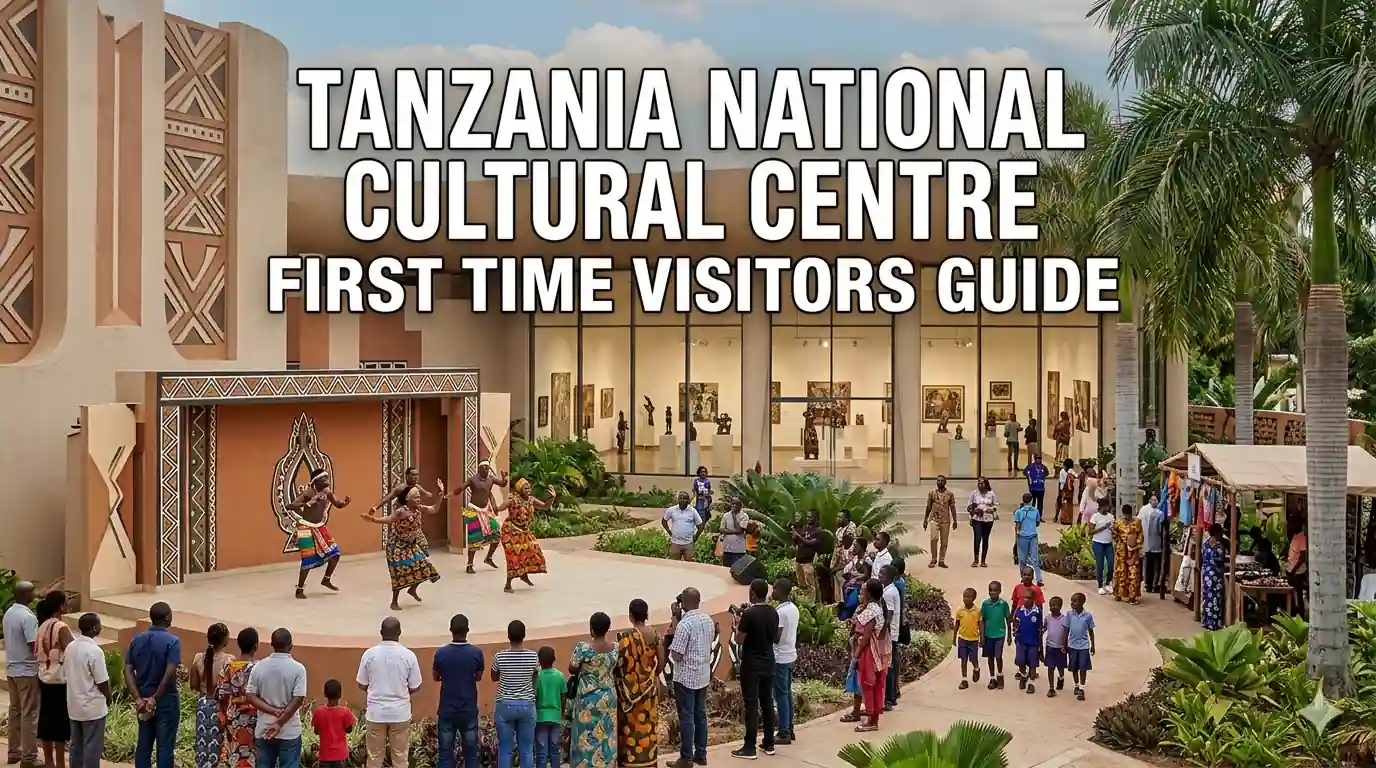
Introduction to Tanzanias Premier Cultural Destination
The Tanzania National Cultural Centre stands as the countrys primary institution for preserving and showcasing Tanzanian heritage. Located in Dar es Salaam this vibrant centre offers immersive cultural experiences.
First-time visitors discover a dynamic space where traditional arts music dance and crafts come alive. The centre serves both as a museum and a living cultural hub with regular performances.
Understanding what to expect enhances your visit significantly. This guide provides essential information for making the most of your first experience at this important cultural institution.
The centre plays crucial roles in cultural preservation education and community engagement. Visitors contribute to these missions while enjoying authentic Tanzanian cultural expressions.
From traditional dance performances to artisan workshops the centre offers diverse activities. Planning ahead ensures you experience the highlights that interest you most.
Historical Background and Cultural Significance

The Tanzania National Cultural Centre was established to preserve and promote the nations rich cultural heritage. Its creation reflected post-independence commitment to cultural identity.
The centre collects documents and showcases traditional arts from Tanzanias over one hundred twenty ethnic groups. This diversity represents one of Africas richest cultural tapestries.
Architectural design incorporates traditional Tanzanian elements with modern functionality. The buildings themselves reflect cultural values and aesthetic traditions.
Over decades the centre has become the primary repository for traditional knowledge. Elders and artists contribute their expertise ensuring transmission to younger generations.
Understanding this historical context enriches your visit. The centre represents decades of effort to safeguard cultural heritage against modernization pressures.
Location and Getting There

The Tanzania National Cultural Centre is located in Dar es Salaam Tanzanias largest city and former capital. Its central location makes it accessible from most areas.
The centre sits along Bagamoyo Road in the Kijitonyama area. This major thoroughfare is well-known to taxi drivers and local residents.
Public transportation via daladala minibuses offers affordable access. Routes serving Bagamoyo Road pass near the centre though you may need to walk a short distance.
Taxi services provide convenient direct transportation. Expect to pay between five and fifteen dollars depending on your starting location in Dar es Salaam.
Ride-hailing apps like Uber and Bolt operate in Dar es Salaam. These services offer predictable pricing and convenient booking for visitors unfamiliar with local transport.
If driving yourself parking is available on-site. Arriving early ensures convenient parking especially on weekends when the centre attracts more visitors.
Opening Hours and Best Times to Visit

The centre typically operates Monday through Saturday with Sunday hours limited or by arrangement. Weekday hours usually run from eight in the morning until five in the evening.
Saturday hours may be shorter often closing around three in the afternoon. Planning morning visits on Saturdays maximizes your available time.
Public holidays may affect opening schedules. Checking ahead before visiting on or near holidays prevents disappointment.
Performance schedules vary throughout the week. Weekend afternoons often feature traditional dance performances that draw larger crowds.
Morning visits offer quieter experiences with fewer tourists. Afternoon visits increase chances of catching scheduled performances and demonstrations.
Rainy season from March through May may affect outdoor activities. Indoor exhibitions remain accessible year-round regardless of weather conditions.
Admission Fees and Ticket Information

Admission fees are modest making the centre accessible to most visitors. Tanzanian residents pay reduced rates compared to international tourists.
International adult visitors typically pay between five and ten dollars. Children and students often receive discounted rates with valid identification.
Special exhibitions or performances may require separate tickets. These additional costs are usually reasonable ranging from three to fifteen dollars.
Group rates may be available for organized tours. Contacting the centre in advance allows arrangement of guided group experiences.
Some areas like craft markets may be freely accessible. Exhibition halls and performance spaces typically require admission tickets.
Payment is usually accepted in Tanzanian shillings and US dollars. Having small bills facilitates smoother transactions at ticket counters.
Main Exhibition Halls and Permanent Displays

The centres permanent exhibitions showcase traditional arts crafts and cultural artifacts from across Tanzania. These displays provide comprehensive overviews of the nations heritage.
Musical instrument collections feature traditional drums string instruments and wind instruments. Many displays include audio stations where you can hear instruments played.
Traditional clothing exhibits display garments from various ethnic groups. Colorful kangas kitenges and ceremonial dress illustrate regional diversity.
Agricultural tool collections demonstrate traditional farming practices. These exhibits show how different communities adapted to their environments.
Ceremonial objects and ritual items provide insights into spiritual practices. Displays explain the cultural significance of various ceremonial objects.
Photographic archives document historical events and daily life. These visual records complement three-dimensional artifacts with contextual imagery.
Traditional Performance Spaces and Schedules

The centre features dedicated performance spaces for traditional music and dance. These venues host regular shows showcasing Tanzanias performing arts heritage.
Ngoma traditional dance performances occur regularly especially on weekends. These energetic displays feature drums dance and colorful costumes from various regions.
Taarab music performances showcase the Swahili coastal musical tradition. This genre blends African Arab and Indian influences in beautiful harmonies.
Performance schedules vary seasonally and are posted at the centre. Checking current schedules upon arrival helps you plan your visit around shows.
Some performances allow audience participation. Staff may invite visitors to learn basic dance steps or try playing traditional drums.
Photography during performances is usually permitted but flash may be restricted. Respecting performers and other audience members enhances everyones experience.
Artisan Workshops and Craft Demonstrations

The centre hosts working artisans who demonstrate traditional craft techniques. These live demonstrations provide unique insights into Tanzanian artistic traditions.
Wood carving demonstrations show creation of masks sculptures and decorative items. Artisans explain symbolism and techniques passed down through generations.
Textile weaving and dyeing demonstrations feature traditional methods. Visitors observe creation of colorful fabrics using age-old techniques.
Basket weaving showcases intricate patterns and functional designs. Artisans work with local materials creating both utilitarian and decorative pieces.
Pottery demonstrations reveal traditional ceramic techniques. These displays show how clay is prepared shaped and fired using traditional methods.
Artisans often sell their work directly to visitors. Purchasing directly supports craftspeople and ensures authentic handmade products.
Craft Market and Shopping Opportunities

The centres craft market offers authentic Tanzanian handmade products. Shopping here supports local artisans and cultural preservation efforts.
Wood carvings range from small souvenirs to large sculptures. Quality varies so examine pieces carefully before purchasing.
Textiles including kangas and kitenges are widely available. These colorful fabrics serve as clothing wall hangings or gifts.
Beadwork and jewelry feature traditional designs and modern interpretations. Maasai beadwork is particularly popular among visitors.
Musical instruments make unique souvenirs though transporting them requires planning. Small drums or simple instruments travel more easily than larger pieces.
Prices are generally fair though polite negotiation is acceptable. Remember that paying fair prices supports artisan livelihoods and cultural continuity.
Educational Programs and Cultural Workshops

The centre offers educational programs for visitors wanting deeper cultural immersion. These programs range from short workshops to extended courses.
Traditional dance classes teach basic steps from various regions. Single-session introductions suit visitors with limited time.
Drumming workshops allow hands-on experience with traditional rhythms. Instructors teach fundamental techniques and cultural context.
Swahili language classes introduce Tanzanias national language. Basic conversation skills enhance your travel experience throughout Tanzania.
Cooking demonstrations feature traditional Tanzanian dishes. Learning about local cuisine provides cultural insights alongside culinary skills.
Advanced programs may require advance registration and additional fees. Inquiring about current offerings when you visit reveals available opportunities.
Special Events and Seasonal Celebrations

The centre hosts special events throughout the year celebrating Tanzanian culture. These events offer unique experiences beyond regular programming.
Cultural festivals bring together performers and artisans from across Tanzania. These multi-day events showcase maximum diversity of traditions.
Independence Day celebrations feature special performances and exhibitions. October visits may coincide with these patriotic cultural displays.
Harvest festivals celebrate agricultural traditions with music dance and food. These events connect visitors to rural cultural practices.
Art exhibitions feature contemporary Tanzanian artists alongside traditional works. These displays show how traditional arts influence modern creativity.
Event schedules are posted at the centre and often on their website. Planning visits around special events enhances cultural experiences.
Dining Facilities and Local Cuisine

The centre may have dining facilities or nearby food vendors offering Tanzanian cuisine. Sampling local food complements cultural exploration.
Traditional dishes like ugali with vegetables or fish represent everyday Tanzanian meals. These staples provide authentic culinary experiences.
Coastal specialties featuring coconut rice and seafood reflect Swahili influences. Dar es Salaams coastal location makes these dishes particularly fresh and flavorful.
Street food vendors near the centre offer affordable options. Samosas mishkaki grilled meat skewers and fresh fruit provide quick tasty meals.
Bottled water and fresh juices help you stay hydrated in the tropical climate. Food safety is important so choose vendors with good hygiene practices.
Dining at the centre or nearby supports local food vendors. Your purchases contribute to the local economy alongside cultural institutions.
Photography Guidelines and Etiquette

Photography is generally permitted but specific rules apply in different areas. Understanding these guidelines ensures respectful documentation of your visit.
Exhibition halls usually allow photography without flash. Flash can damage sensitive artifacts and disturb other visitors.
Performance photography may have restrictions especially regarding flash and video. Always check with staff or performers before recording.
Photographing artisans and vendors requires permission. Most are happy to be photographed though some may expect small tips.
Respectful photography enhances cultural exchange. Asking before photographing people demonstrates respect for their dignity and privacy.
Social media sharing helps promote Tanzanian culture. Tagging the centre and using relevant hashtags increases visibility of cultural preservation efforts.
Accessibility and Facilities for Visitors

The centre strives to be accessible to visitors with varying needs. Understanding available facilities helps you plan comfortable visits.
Wheelchair access exists in main areas though some older sections may have limitations. Contacting ahead about specific accessibility needs allows staff to assist.
Restroom facilities are available on-site. Maintaining cleanliness is a shared responsibility among all visitors.
Drinking water stations may be available though bringing your own water is wise. Staying hydrated in the tropical climate is essential.
Shaded rest areas provide relief from sun and heat. Taking breaks ensures you can enjoy your full visit without fatigue.
Information desks staffed with knowledgeable personnel answer questions. Don't hesitate to ask for directions or recommendations.
Cultural Etiquette and Respectful Engagement

Understanding Tanzanian cultural norms enhances your visit and shows respect. Simple courtesies create positive interactions with staff and performers.
Greetings are important in Tanzanian culture. Taking time to say hello and exchange pleasantries before asking questions is appreciated.
Dress modestly especially if attending performances or workshops. Covering shoulders and knees shows respect for cultural sensibilities.
Using the right hand for giving and receiving items follows local custom. The left hand is traditionally considered unclean.
Patience and flexibility serve you well in Tanzanian contexts. Things may not run on strict schedules and adapting gracefully is valued.
Expressing genuine interest and appreciation is warmly received. Tanzanians take pride in their cultural heritage and welcome respectful curiosity.
Guided Tours and Self-Guided Exploration

Both guided and self-guided options suit different visiting styles. Choosing the right approach depends on your interests and time available.
Guided tours provide expert context and efficient navigation. Knowledgeable guides share insights you might miss exploring independently.
Self-guided exploration allows you to move at your own pace. This option suits visitors who prefer independent discovery.
Audio guides if available combine flexibility with expert information. These tools let you learn while maintaining independence.
Informational plaques throughout exhibitions provide basic context. Reading these enhances understanding even without formal guides.
Mixing approaches often works well. Starting with a guided overview then returning to areas of particular interest maximizes both efficiency and depth.
Combining Your Visit with Other Dar es Salaam Attractions

The Tanzania National Cultural Centre fits well into broader Dar es Salaam itineraries. Combining visits creates comprehensive cultural experiences.
The National Museum lies relatively nearby and complements cultural centre visits. Together they provide historical and cultural perspectives on Tanzania.
Village Museum showcases traditional architecture and生活方式 from different regions. This open-air museum extends cultural exploration beyond the centre.
Dar es Salaams waterfront and markets offer contemporary cultural experiences. Contrasting traditional and modern Tanzania provides fuller understanding.
Local restaurants serve regional cuisines connecting food to cultural contexts explored at the centre. Culinary exploration extends cultural learning.
Allowing full days for cultural exploration prevents rushing. Spreading visits across multiple days enables deeper engagement with each site.
Safety Considerations and Practical Tips

Dar es Salaam requires standard urban safety precautions. Following basic guidelines ensures safe enjoyable visits to the cultural centre.
Secure valuables and avoid displaying expensive items. Using hotel safes for passports and excess cash reduces risk.
Arrange reliable transportation to and from the centre. Using reputable taxi services or ride-hailing apps provides safety and convenience.
Stay aware of your surroundings especially when walking. Daylight hours are safest for exploring areas around the centre.
Keep emergency contact information accessible. Having your hotels address and phone number helps if you need assistance.
Trust your instincts about situations and people. If something feels uncomfortable remove yourself from the situation.
Supporting Cultural Preservation Through Your Visit

Your visit directly supports cultural preservation efforts in Tanzania. Understanding this impact enhances the meaning of your experience.
Admission fees fund ongoing operations and preservation work. Your ticket purchase contributes to safeguarding cultural heritage.
Purchasing authentic crafts supports artisan livelihoods. Fair compensation enables craftspeople to continue traditional practices.
Respectful engagement validates cultural traditions. Showing genuine interest encourages younger generations to value their heritage.
Sharing positive experiences promotes cultural tourism. Responsible tourism creates economic incentives for preservation.
Consider donations if you have means to contribute. Additional support helps fund special projects and preservation initiatives.
Planning Your Visit Practical Checklist
Effective planning ensures smooth enjoyable visits to the Tanzania National Cultural Centre. This checklist covers essential preparation.
Verify current opening hours and performance schedules before your visit. Checking recent information prevents disappointment from schedule changes.
Arrange transportation in advance especially for weekend visits. Knowing how you'll get there and back reduces stress.
Bring cash in small denominations for admission and purchases. While cards may be accepted cash is more reliable.
Carry water and sun protection for comfort. The tropical climate makes hydration and sun protection essential.
Allow at least two to three hours for meaningful exploration. Rushed visits miss the depth of experiences available.
Bring a camera with extra batteries or a portable charger. You'll want to document the rich cultural experiences.
Conclusion Embracing Tanzanian Cultural Heritage
The Tanzania National Cultural Centre offers first-time visitors authentic immersive experiences of Tanzanian heritage. This premier institution preserves and shares the nations rich cultural diversity.
From traditional performances to artisan workshops the centre brings culture to life. Your visit supports preservation while creating memorable cross-cultural connections.
Understanding what to expect and planning accordingly maximizes your experience. The centre rewards curious respectful visitors with profound insights into Tanzanian identity.
Combining your visit with other Dar es Salaam attractions creates comprehensive cultural understanding. Multiple days of exploration reveal layers of Tanzanian heritage.
Your engagement with the Tanzania National Cultural Centre contributes to cultural sustainability. By visiting learning and supporting you help ensure these traditions thrive for future generations.
The centre awaits first-time travelers ready to discover the beauty diversity and vitality of Tanzanian culture. This essential Dar es Salaam destination offers unforgettable encounters with living heritage.
0 Comments