.webp)
.webp)
Top 12 Traditional South Sudanese Dishes Beyond Kisra and Mandazi
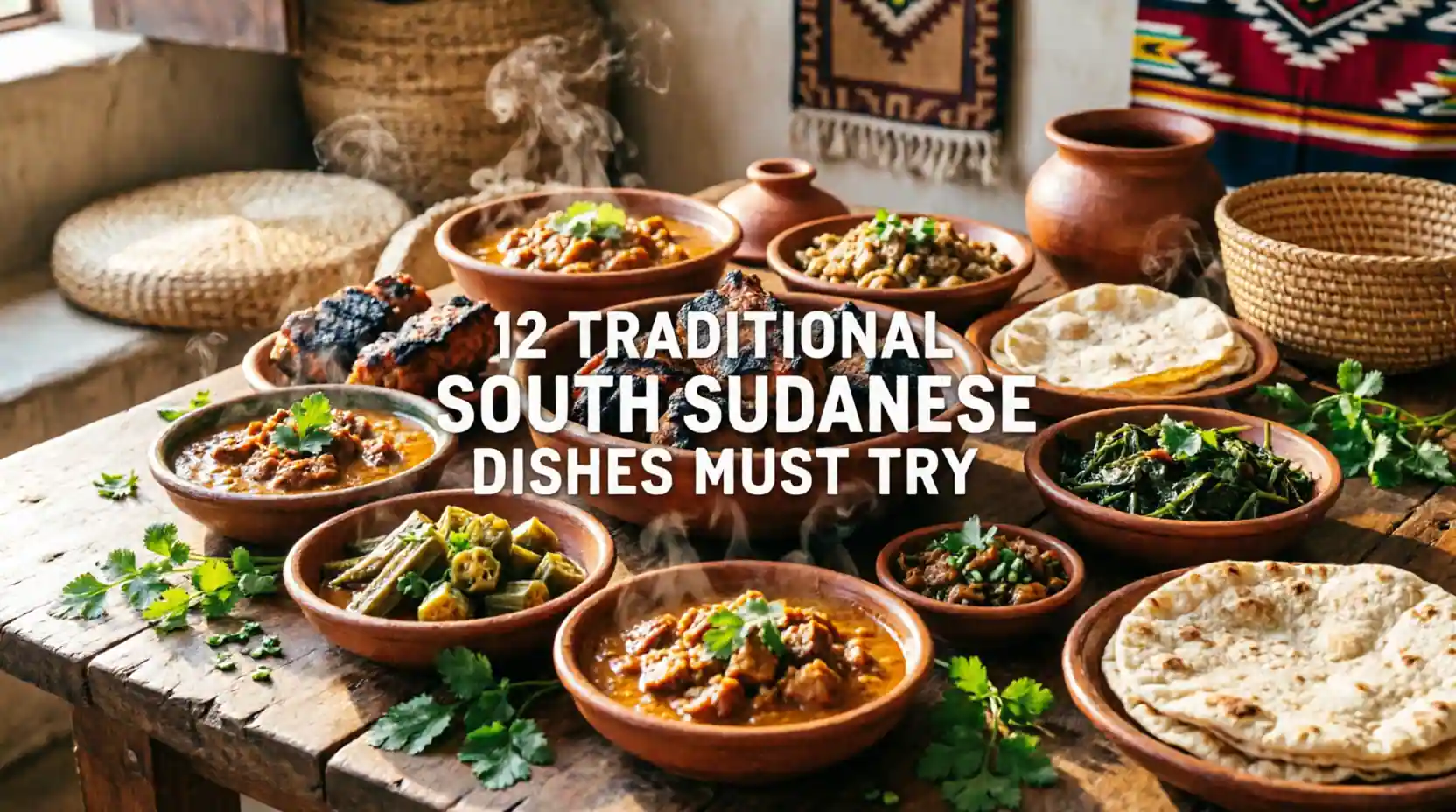
Discovering South Sudan's Rich Culinary Heritage
South Sudan's food culture represents one of Africa's least explored culinary treasures. The country's diverse ethnic groups have developed unique dishes using indigenous ingredients and traditional cooking methods.
While Kisra and Mandazi often represent South Sudanese cuisine internationally the reality includes dozens of remarkable dishes. These lesser-known foods tell stories of resilience community and cultural identity.
Traditional South Sudanese cuisine relies heavily on sorghum millet cassava and fresh vegetables. Protein comes from cattle goat fish and legumes prepared using time-honored techniques.
Stews form the backbone of most meals slow-cooked with aromatic vegetables and spices. These dishes reflect the agricultural heritage and pastoral traditions of the region.
Understanding these twelve traditional dishes provides insight into South Sudan's soul. Each recipe carries generations of knowledge and cultural significance worth exploring.
Walwal The Fermented Delicacy

Walwal also known as Kawal stands as one of South Sudan's most distinctive traditional foods. This fermented dish originates from the Nuba Mountains and surrounding regions.
Preparation involves fermenting crushed leaves of the Cassia obtusifolia plant for several weeks. The fermentation process creates a pungent protein-rich paste with intense umami flavors.
Walwal serves as both a condiment and main ingredient in stews. Small amounts add depth and complexity to vegetable and meat dishes throughout South Sudan.
The fermentation process requires skill and patience passed down through generations. Families maintain starter cultures that may be decades old creating unique flavor profiles.
Nutritionally Walwal provides significant protein and probiotics. This made it invaluable during lean seasons when fresh protein sources were scarce.
Visitors often find the aroma challenging initially but the taste rewards the brave. Cooked Walwal loses much of its pungency while retaining distinctive savory notes.
Asida The Staple Porridge
Asida represents the fundamental starch component of South Sudanese meals. This thick porridge resembles polenta in texture and serves as the foundation for countless dishes.
Sorghum flour forms the traditional base though millet and corn flour variations exist. The flour is slowly cooked with water while stirring continuously to prevent lumps.
Proper Asida requires technique and strength to achieve the right consistency. The final product should be smooth dense and able to hold its shape when served.
Diners tear off small pieces of Asida using their right hand. These pieces scoop up stews vegetables and sauces creating a complete eating experience.
Asida's neutral flavor complements spicy and savory dishes perfectly. It balances intense flavors while providing satisfying carbohydrates for manual laborers.
Regional variations include adding butter milk or ghee for richness. Some communities incorporate groundnuts or sesame seeds for additional nutrition and flavor.
Okra and Peanut Stew Combination
Okra and peanut stew represents one of South Sudan's most beloved daily dishes. This hearty combination appears in various forms across different ethnic groups.
Fresh okra provides natural thickening and distinctive texture to the stew. The vegetable's mucilaginous quality creates a satisfying mouthfeel that defines the dish.
Ground peanuts or peanut butter add richness and protein content. The nuts create a creamy base that balances the okra's unique texture beautifully.
Tomatoes onions and chili peppers form the aromatic foundation. These vegetables cook down into a rich sauce that coats every ingredient.
Meat options include beef goat chicken or dried fish. Vegetarian versions rely on the protein content of peanuts and occasional beans or lentils.
The stew simmers slowly allowing flavors to meld and deepen. Traditional preparation uses clay pots over wood fires imparting subtle smoky notes.
Grilled Goat Meat Nyama Choma Style
Grilled goat meat holds special significance in South Sudanese celebrations and gatherings. This preparation method showcases the quality of local livestock.
Young goats provide the most tender meat for grilling. Butchers prepare the meat in large chunks ensuring even cooking and juicy results.
Marination involves simple ingredients allowing the meat's natural flavor to shine. Salt garlic ginger and occasionally lemon juice comprise the typical marinade.
Charcoal grilling creates the signature smoky exterior and tender interior. The meat cooks slowly over medium heat requiring patience and skill.
Serving grilled goat involves communal platters encouraging sharing and conversation. Diners use their hands to tear meat from the bone enhancing the social experience.
Accompaniments include fresh tomatoes onions and chili sauce. These bright acidic elements cut through the richness of the fatty meat perfectly.
Sour Milk and Fermented Dairy Products
Fermented dairy products play crucial roles in South Sudanese nutrition and cuisine. Pastoralist communities have perfected preservation techniques over centuries.
Sour milk results from natural fermentation of fresh cow or goat milk. The process creates a tangy probiotic-rich beverage that aids digestion.
Traditional preparation uses calabash gourds as fermentation vessels. These containers harbor beneficial bacteria cultures passed between generations.
The fermentation process takes one to three days depending on temperature. Warmer weather accelerates fermentation requiring careful monitoring.
Sour milk serves as both beverage and cooking ingredient. It tenderizes meats adds tang to stews and provides refreshment during hot days.
Some communities further process sour milk into butter and cheese. These preserved forms extend the nutritional benefits throughout dry seasons.
Cassava Leaf Stew
Cassava leaf stew demonstrates South Sudan's resourceful use of available ingredients. The dish transforms often-discarded leaves into nutritious meals.
Young cassava leaves provide the best flavor and texture for stewing. Older leaves become tough and contain higher levels of naturally occurring toxins.
Preparation requires pounding or blending leaves into a fine paste. This process breaks down fibers and ensures even cooking throughout the stew.
Palm oil or groundnut oil creates the rich base for the stew. The oil carries fat-soluble vitamins and adds distinctive flavor to the dish.
Smoked fish or dried meat adds protein and umami depth. Vegetarian versions rely on beans or groundnuts for protein content.
The stew simmers for extended periods developing complex flavors. Proper cooking ensures any toxic compounds in the leaves break down completely.
Sorghum Beer and Traditional Beverages
Traditional sorghum beer holds cultural significance beyond mere refreshment. This fermented beverage features prominently in ceremonies and social gatherings.
Preparation begins with malting sorghum grains through controlled germination. The malted grains provide enzymes necessary for fermentation.
Mashing combines malted and unmalted sorghum with water. The mixture cooks gently extracting sugars and creating wort for fermentation.
Natural fermentation relies on wild yeasts and bacteria in the environment. This creates complex flavors varying between batches and regions.
The resulting beverage has a cloudy appearance and slightly sour taste. Alcohol content typically ranges from two to five percent making it mildly intoxicating.
Sorghum beer provides nutritional value including B vitamins and protein. It served as important nutrition in communities with limited food diversity.
Roasted Fish from the Nile
Nile fish represents a protein staple for communities along South Sudan's rivers. Traditional preparation methods highlight the fresh catch's natural flavors.
Tilapia and Nile perch dominate the catch in South Sudanese waters. These fish provide substantial meat and adapt well to various cooking methods.
Whole fish are cleaned scaled and scored for even cooking. The scoring allows heat and seasonings to penetrate the thick flesh effectively.
Simple seasoning with salt lemon and occasionally chili respects the fish's flavor. Some preparations include garlic ginger or local herbs.
Open fire roasting creates crispy skin and moist flaky meat. The fish cooks on metal grates or wrapped in banana leaves for steaming effects.
Serving involves whole fish presented communally for sharing. Diners pick meat from the bones using hands or bread as utensils.
Vegetable and Bean Medley
Vegetable and bean medleys form the backbone of daily South Sudanese meals. These nutritious combinations maximize available produce and legumes.
Common vegetables include pumpkin leaves spinach amaranth and cowpea leaves. These leafy greens provide essential vitamins and minerals.
Beans varieties include kidney beans black-eyed peas and pigeon peas. Legumes add protein making vegetarian meals nutritionally complete.
Onions tomatoes and chili peppers create the aromatic base. These vegetables cook down into a sauce that binds all ingredients together.
Palm oil or vegetable oil adds richness and helps absorb fat-soluble vitamins. The oil carries flavors throughout the dish creating cohesion.
Slow cooking allows vegetables to break down and flavors to meld. The final dish should be thick enough to eat with Asida or bread.
Millet Porridge and Variations
Millet porridge serves as both breakfast staple and ceremonial food across South Sudan. This versatile grain adapts to sweet and savory preparations.
Pearl millet and finger millet are the most common varieties. Both grains offer excellent nutrition and store well in hot climates.
Basic porridge involves cooking ground millet with water to desired consistency. The mixture requires constant stirring to prevent burning and lumps.
Sweet versions incorporate honey dates or sugar when available. Milk or sour milk adds richness and protein to breakfast porridges.
Savory preparations include salt and occasionally vegetables or meat. These heartier versions serve as complete meals rather than breakfast items.
Fermented millet porridge offers probiotic benefits and tangy flavor. The fermentation process also improves nutrient bioavailability significantly.
Dried Meat Preservation Techniques
Dried meat represents an ancient preservation method crucial for South Sudan's pastoralist communities. This technique ensures protein availability year-round.
Lean beef or goat meat is cut into thin strips for drying. Fat is trimmed as it does not preserve well and can cause rancidity.
Salt serves as the primary preservative drawing out moisture from the meat. Some preparations include spices like chili garlic or ginger for flavor.
Sun drying takes several days requiring protection from insects and contamination. The meat must dry completely to prevent bacterial growth.
Properly dried meat stores for months without refrigeration. This made it invaluable for long journeys and lean seasons when fresh meat was unavailable.
Rehydrated dried meat adds protein and flavor to stews and soups. It can also be eaten as a snack though it requires significant chewing.
Pumpkin and Sesame Seed Combinations
Pumpkin and sesame seed dishes showcase South Sudan's creative use of available ingredients. These nutrient-dense foods appear in various regional preparations.
Pumpkin flesh and leaves both find culinary applications in traditional cooking. The vegetable's versatility makes it valuable throughout harvest seasons.
Ground sesame seeds or sesame paste add richness and nutrition. Sesame provides protein healthy fats and minerals complementing pumpkin's vitamins.
Pumpkin cubes cook slowly in peanut or sesame-based sauces. The vegetable absorbs surrounding flavors while contributing natural sweetness.
Pumpkin leaves prepare similarly to spinach or other leafy greens. They cook down into stews often combined with sesame or peanut bases.
These dishes exemplify nose-to-tail vegetable utilization minimizing waste. Every part of the pumpkin plant finds purpose in traditional South Sudanese cuisine.
Where to Experience Authentic South Sudanese Cuisine
Finding authentic South Sudanese food requires knowing where to look both within the country and abroad. Traditional preparations thrive in specific contexts.
Local markets in Juba offer the freshest ingredients and prepared foods. Morning visits reveal vendors selling hot Asida stews and grilled meats.
Family-run restaurants in residential areas serve more authentic food than hotels. These establishments cater to locals maintaining traditional recipes and methods.
Community gatherings and celebrations provide opportunities to taste ceremonial dishes. Weddings naming ceremonies and holidays feature elaborate traditional spreads.
South Sudanese diaspora communities in neighboring countries preserve culinary traditions. Uganda Kenya and Ethiopia host restaurants serving authentic dishes.
Home cooking remains the best way to experience traditional flavors. Accepting invitations to local homes offers genuine hospitality and authentic food.
Understanding Dining Etiquette and Customs
South Sudanese dining customs reflect deep cultural values around community and respect. Understanding these practices enhances the eating experience significantly.
Meals are typically eaten communally from shared platters. This practice reinforces family bonds and community connections through shared nourishment.
Hand washing before eating is essential and often ritualized. Hosts provide water basins and towels for guests to cleanse their hands before dining.
Only the right hand should touch food during eating. The left hand is considered unclean and using it causes offense.
Elders and honored guests receive the best portions and eat first. This demonstrates respect for age and hierarchy within the community.
Finishing all food on your plate shows appreciation for the meal. Leaving food suggests dissatisfaction though hosts typically provide generous portions.
Nutritional Value of Traditional Dishes
Traditional South Sudanese cuisine offers impressive nutritional profiles developed through generations of experimentation. These foods sustained populations through challenging conditions.
Fermented foods like Walwal and sour milk provide probiotics and enhanced nutrition. Fermentation increases bioavailability of vitamins and minerals significantly.
Legume and grain combinations create complete protein profiles. This plant-based protein strategy ensured adequate nutrition even without daily meat consumption.
Leafy vegetables supply essential vitamins A C and K plus iron and calcium. Regular consumption prevented deficiency diseases common in limited diets.
Traditional cooking methods preserve nutrients better than modern techniques. Slow cooking and minimal processing maintain vitamin and mineral content.
Seasonal eating patterns aligned with agricultural cycles provided dietary diversity. Different seasons brought different nutrients preventing monotony and deficiency.
Preserving Culinary Traditions for Future Generations
South Sudan's culinary heritage faces threats from globalization and displacement. Preserving these traditions requires conscious effort and documentation.
Older generations hold irreplaceable knowledge about traditional preparation methods. Recording their techniques ensures survival beyond individual lifetimes.
Young South Sudanese increasingly adopt international foods over traditional dishes. Cultural pride and education can reverse this trend among diaspora communities.
Documenting recipes and techniques creates resources for future cooks. Written and video records preserve knowledge that might otherwise disappear.
Supporting local farmers growing indigenous crops maintains ingredient availability. Sorghum millet and traditional vegetables need continued cultivation.
Sharing traditional foods with visitors builds appreciation and economic value. Culinary tourism can incentivize preservation while generating income.
Adapting Traditional Recipes for Modern Kitchens
Traditional South Sudanese dishes can adapt to modern kitchens and international ingredients. Flexibility ensures these foods remain accessible.
Sorghum and millet flours are increasingly available in international markets. Online retailers ship these ingredients globally enabling diaspora cooking.
Electric blenders replace traditional pounding methods for preparing leaves and grains. This adaptation saves time while achieving similar results.
Oven and stovetop methods can replicate open-fire cooking with adjustments. Understanding the purpose of traditional techniques enables successful adaptation.
Substitute ingredients when necessary while maintaining core flavors. The goal is preserving the dish's essence rather than rigid adherence to tradition.
Teaching children to cook traditional foods ensures continuation. Family cooking sessions pass skills and cultural knowledge to the next generation.
Conclusion and Culinary Journey Invitation
South Sudan's traditional cuisine offers remarkable diversity beyond the familiar Kisra and Mandazi. These twelve dishes represent just the beginning of culinary exploration.
Each recipe tells stories of resilience community and cultural identity. Understanding these foods provides insight into South Sudan's rich heritage and daily life.
From fermented Walwal to grilled Nile fish these dishes showcase indigenous ingredients and time-honored techniques. They sustained generations through challenging circumstances.
Experiencing authentic South Sudanese cuisine requires openness curiosity and respect. The flavors may challenge unfamiliar palates but rewards await the adventurous.
Preserving and celebrating these culinary traditions benefits both South Sudanese communities and global food culture. These dishes deserve recognition alongside other celebrated African cuisines.
Your culinary journey through South Sudan's traditional foods connects you to centuries of knowledge and culture. Embrace these flavors and help keep these traditions alive for future generations to enjoy.
0 Comments