.webp)
.webp)
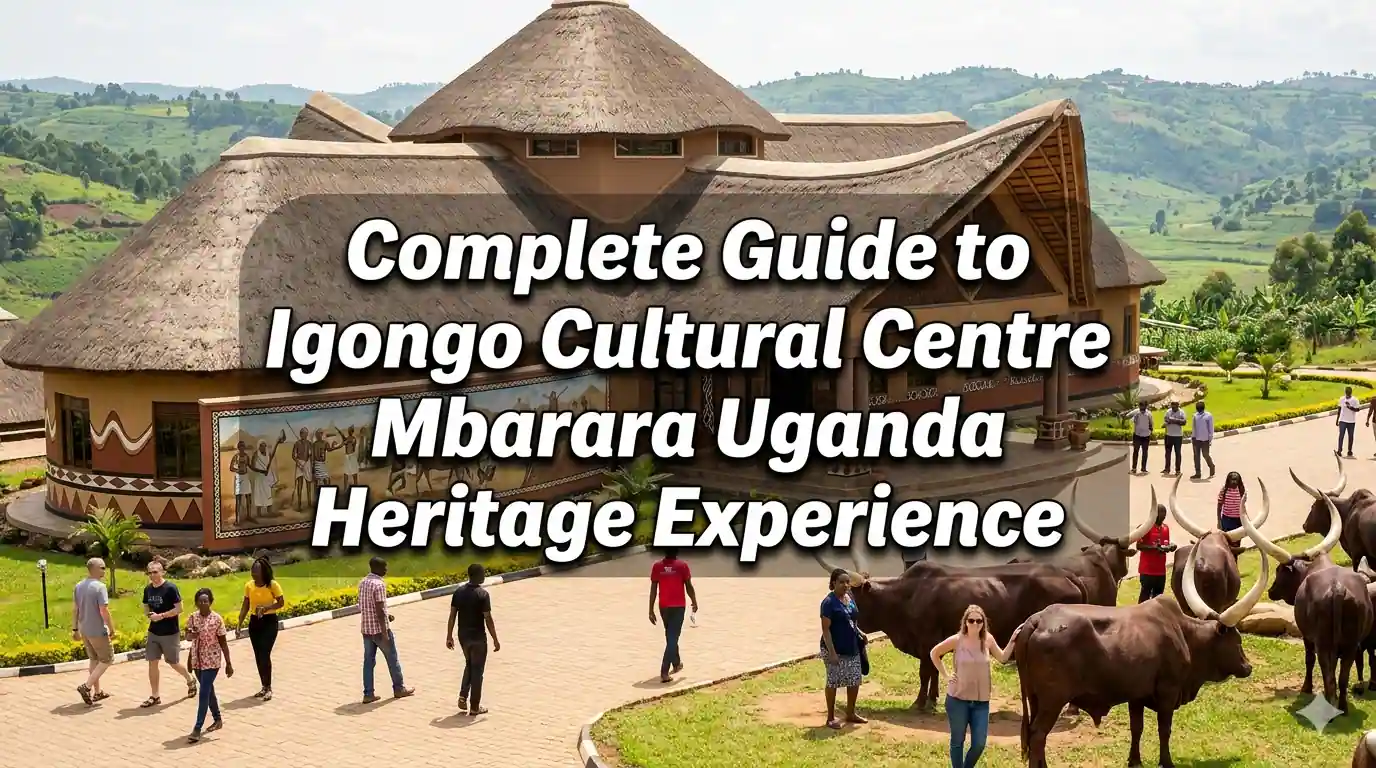
Discovering the Igongo Cultural Centre Mbararas Heritage Treasure
The Igongo Cultural Centre stands as southwestern Ugandas premier destination for experiencing the rich heritage of the Ankole region. Located along the Mbarara-Masaka highway approximately two hundred kilometers from Kampala this remarkable institution preserves and presents the history traditions and artistic expressions of the Ankole people.
Established to celebrate and safeguard Ankole culture the centre features extensive exhibits traditional architecture authentic cuisine and artisan crafts that provide visitors with immersive insights into one of Ugandas most distinctive cultural identities.
For first-time travelers to Uganda or those exploring the southwestern region the Igongo Cultural Centre offers an essential introduction to Ankole heritage that enriches broader travel experiences including gorilla trekking in Bwindi or wildlife safaris in Queen Elizabeth National Park.
This comprehensive guide reveals everything visitors need to know about exploring the Igongo Cultural Centre including exhibit highlights practical information cultural context dining experiences and tips for meaningful engagement with Ankole heritage in 2026.
Historical Background and Cultural Significance

Understanding the Igongo Cultural Centres origins provides essential context for appreciating its collections and mission.
The centre was established to preserve the heritage of the Ankole kingdom one of Ugandas traditional monarchies with a history spanning centuries. Ankole culture encompasses the Bahima pastoralist communities and Bahairu agriculturalists whose distinct traditions shaped regional identity.
The Ankole kingdom was officially abolished in nineteen sixty-seven though cultural practices and identity remain vibrant. The Igongo Cultural Centre plays vital role in maintaining this heritage for future generations through education exhibition and community engagement.
The centres architecture itself reflects traditional Ankole design featuring curved thatched roofs circular structures and natural materials that echo historical building techniques. This architectural authenticity enhances the immersive cultural experience.
By visiting the centre travelers contribute to cultural preservation efforts while gaining deeper understanding of Ugandan diversity beyond typical wildlife-focused itineraries.
The Famous Historical Mural and Key Exhibits

The Igongo Cultural Centres most renowned feature is its extraordinary historical mural depicting the origins migrations and cultural development of the Ankole people.
This massive artwork spans multiple walls and illustrates key historical moments including early settlements cattle-keeping traditions social structures and interactions with neighboring communities. The mural serves as visual narrative that brings Ankole history to life.
Guided explanations of the mural provide valuable context though self-guided exploration also proves rewarding for visitors who prefer independent pacing. Knowledgeable staff can answer questions and share additional insights about depicted scenes.
Beyond the mural the centre houses extensive collections of traditional artifacts including Ankole long-horned cattle representations ceremonial objects household items clothing and musical instruments. These exhibits demonstrate daily life craftsmanship and cultural values.
Interactive displays and informational panels in English facilitate understanding for international visitors though engaging with guides enhances comprehension of nuanced cultural concepts.
Photography of exhibits is generally permitted though flash may be restricted to protect sensitive materials. Always observe posted guidelines and ask staff when uncertain about photography policies.
Traditional Ankole Architecture and Design

The Igongo Cultural Centres physical structure represents authentic Ankole architectural traditions providing educational value beyond its exhibits.
Traditional Ankole buildings feature circular layouts thatched roofs made from local grasses and walls constructed from natural materials. These designs proved practical for the regions climate and available resources.
The centres main building incorporates these traditional elements while accommodating modern museum functions. This blend of heritage and functionality demonstrates how cultural preservation can adapt to contemporary needs.
Outdoor exhibits include reconstructed traditional homesteads demonstrating spatial organization building techniques and domestic arrangements of historical Ankole communities. These installations provide tangible context for understanding daily life.
Architectural details including decorative patterns entrance orientations and material selections reflect cultural values and environmental adaptation. Guides can explain these elements for visitors interested in traditional design principles.
Experiencing Traditional Ankole Cuisine

The Igongo Cultural Centres restaurant offers authentic Ankole cuisine providing culinary dimension to cultural exploration.
Signature dishes include matoke steamed green bananas often served with groundnut sauce or meat preparations. This staple food reflects Ankole agricultural traditions and culinary preferences.
Other traditional offerings include posho maize meal chapati flatbread and various meat preparations featuring locally raised beef from Ankole long-horned cattle. Vegetarian options typically include beans vegetables and plantain-based dishes.
The dining experience extends beyond food to include traditional serving methods communal seating arrangements and opportunities to learn about food preparation techniques. Staff often share stories about dishes and their cultural significance.
Prices prove reasonable by international standards though higher than local eateries reflecting the centres tourist orientation and quality standards. Budget approximately ten to twenty dollars per person for a complete traditional meal.
Dietary restrictions can often be accommodated with advance notice though options may prove limited compared to urban restaurants. Communicate needs clearly when ordering.
Craft Shop and Supporting Local Artisans

The Igongo Cultural Centres craft shop showcases authentic Ankole handicrafts providing visitors opportunities to purchase meaningful souvenirs while supporting local artisans.
Available items include traditional baskets woven from local fibers beadwork jewelry carved wooden objects traditional musical instruments and textiles featuring Ankole patterns and motifs.
Many crafts are produced by community artisans whose work the centre helps market. Purchases directly support livelihoods and encourage continuation of traditional craft skills.
Prices reflect handcrafted quality though remain accessible for most travelers. Bargaining is not typically expected at the cultural centre shop though polite inquiry about pricing proves appropriate.
Staff can explain crafting techniques materials and cultural significance of items helping visitors make informed purchases that honor Ankole artistic traditions.
Shipping arrangements for larger items may be possible though require advance coordination. Verify options before purchasing substantial pieces.
Practical Visitor Information for 2026

Planning a visit to the Igongo Cultural Centre requires understanding operational details and logistical considerations.
Opening hours typically run seven AM to seven PM daily though may vary during holidays or special events. Verify current hours before visiting particularly if arriving early or late in the day.
Admission fees for international visitors typically range ten to twenty US dollars with discounted rates for East African residents and Ugandan citizens. Children often receive reduced pricing.
Location along the Mbarara-Masaka highway makes the centre easily accessible for travelers between Kampala and southwestern Uganda. The centre sits approximately fifteen kilometers from Mbarara town center.
Guided tours are available though not mandatory. Guides enhance understanding of exhibits and cultural context though self-guided exploration suits visitors preferring independent pacing.
Facilities include restrooms parking areas and the restaurant though amenities may prove basic by international standards. Plan accordingly for comfort needs.
Best Times to Visit for Optimal Experience

Timing your Igongo Cultural Centre visit significantly affects crowd levels lighting conditions and overall experience quality.
Weekday mornings typically prove least crowded enabling contemplative exploration without competing for exhibit space. Tuesday through Thursday mornings offer optimal conditions for first-time visitors.
Afternoon visits may coincide with tour groups or local school parties creating busier conditions though also more dynamic atmosphere. Consider personal preferences regarding crowd levels when scheduling.
Seasonal considerations include Ugandas dry seasons December to February and June to August offering more reliable transportation and comfortable walking conditions. Rainy season visits require weather preparation though may feature fewer tourists.
Special cultural events or festivals may feature enhanced programming though also increased visitor numbers. Research event calendars when planning visits to align with or avoid peak periods.
Allow two to three hours for comprehensive centre exploration though flexible pacing enables deeper engagement with exhibits of particular interest.
Cultural Etiquette and Respectful Engagement

Visiting the Igongo Cultural Centre requires cultural sensitivity and respectful behavior that honors Ankole heritage and community values.
Approach exhibits with quiet reverence particularly those depicting historical or ceremonial subjects. These displays represent living heritage for Ankole communities.
Photography etiquette requires observing posted restrictions and asking permission before photographing staff artisans or other visitors. Respect requests to refrain from documentation in sensitive areas.
Engage with exhibits thoughtfully allowing time for reflection rather than rushing through collections. The centres narratives address important histories that merit contemplative engagement.
Ask questions of staff with genuine curiosity and respect. Centre personnel often possess deep knowledge of Ankole culture and history that enhances visitor understanding.
Support the centres mission through admission fees craft purchases or donations. These contributions support preservation efforts and cultural education programs.
Photography Guidelines and Documentation Tips

Understanding photography policies enables appropriate documentation while respecting preservation needs and cultural protocols.
General exhibit photography typically permits non-flash photography for personal use though policies may vary by specific artifacts or temporary exhibitions. Observe posted signage and staff guidance.
Flash photography remains prohibited throughout the centre to protect light-sensitive materials including textiles documents and pigments. Respect these restrictions even in seemingly well-lit areas.
Cultural performances or ceremonial demonstrations may restrict photography entirely or permit only discreet documentation. Prioritize respectful engagement over photographic opportunities in sacred contexts.
Commercial photography including professional shoots or content creation for publication requires advance permission from centre administration. Contact the centre directly regarding commercial use protocols.
Share photographs responsibly providing historical context and cultural appreciation rather than treating artifacts as mere visual content. Ethical documentation honors the centres educational mission.
Combining Igongo with Broader Southwestern Uganda Exploration

The Igongo Cultural Centre serves as excellent starting point or rest stop for broader cultural and wildlife exploration of southwestern Uganda.
Many travelers visiting Bwindi Impenetrable Forest for gorilla trekking or Queen Elizabeth National Park for wildlife safaris stop at Igongo en route. The centre provides cultural context that enriches wilderness experiences.
Mbarara town offers additional attractions including markets local restaurants and accommodations that complement the cultural centre visit. Allow time for broader exploration if itinerary permits.
Historical sites including Ntusi archaeological site and other Ankole heritage locations can be combined with Igongo visits for comprehensive cultural understanding. Research additional sites through centre staff or local tourism offices.
Transportation planning should account for Igongos highway location when coordinating with other destinations. The centre proves convenient for breaks during long drives between Kampala and southwestern parks.
Transportation and Access from Major Destinations

Reaching the Igongo Cultural Centre requires understanding transportation options from common starting points.
From Kampala the centre sits approximately two hundred kilometers south along the Mbarara-Masaka highway. Private vehicle travel takes three to four hours depending on traffic and road conditions.
Public buses and coaches traveling between Kampala and Mbarara pass near the centre though may not stop directly at the entrance. Arrange drop-off and pickup in advance if using public transportation.
Tour operators offering southwestern Uganda itineraries often include Igongo as scheduled stop. Verify inclusion when booking multi-day tours to ensure cultural experiences align with interests.
From Mbarara town the centre is approximately fifteen kilometers away requiring taxi or private vehicle for access. Local drivers familiar with the route can provide efficient transportation.
Parking at the centre proves adequate for private vehicles though security for valuables remains travelers responsibility. Use provided facilities and avoid leaving visible valuables in vehicles.
Accommodation Options Near the Cultural Centre

While many visitors make Igongo a day-trip stop accommodation options exist for travelers wishing to extend their southwestern Uganda exploration.
Mbarara town offers range of lodging from budget guesthouses to mid-range hotels. These provide convenient base for exploring Igongo and surrounding attractions though require short daily commutes.
Eco-lodges and nature-focused accommodations in the broader region offer immersive experiences though may prove farther from the cultural centre. Research options based on itinerary priorities.
Booking accommodations in advance proves advisable particularly during peak travel seasons or when coordinating with gorilla trekking permits that require specific timing.
Many travelers choose to stay in Bwindi or Queen Elizabeth areas when prioritizing wildlife experiences with Igongo serving as en-route cultural stop rather than overnight destination.
Supporting Cultural Preservation and Community Development

Visitor engagement with the Igongo Cultural Centre can contribute to preservation efforts and community wellbeing.
Admission fees and craft purchases directly support artifact conservation exhibition development and artisan livelihoods. Consider contributing beyond required admission if your budget allows.
Purchasing educational materials books or crafts from the centre gift shop supports institutional revenue and Ankole artisans. These purchases extend the centres educational mission.
Sharing respectful informed experiences through word-of-mouth or responsible social media raises awareness about Ankole cultural heritage. Ethical storytelling amplifies the centres educational impact.
Volunteer opportunities may exist for qualified individuals with relevant expertise. Contact the centre directly regarding potential collaboration or support opportunities.
Advocating for cultural heritage preservation in broader travel and policy discussions helps protect institutions like Igongo for future generations of visitors and Ugandans.
Accessibility and Visitor Amenities
The Igongo Cultural Centre strives to accommodate diverse visitor needs though accessibility features may prove limited compared to institutions in more resourced settings.
Physical accessibility includes paved pathways in main areas though some outdoor exhibits may feature uneven terrain. Contact the centre in advance regarding specific accessibility requirements.
Restroom facilities exist though may prove basic by international standards. Plan accordingly and carry personal hygiene supplies as backup.
Climate considerations include Ugandas tropical highland climate with moderate temperatures though sun exposure can prove intense. Dress in layers and bring sun protection for outdoor exhibits.
Seating areas enable rest during extended visits though availability may prove limited during busy periods. Pace your exploration to accommodate personal comfort needs.
The restaurant and craft shop provide additional amenities though hours may vary. Verify operating times when planning extended visits.
Conclusion Meaningful Engagement with Ankole Heritage
The Igongo Cultural Centre offers first-time visitors to southwestern Uganda an essential introduction to Ankole heritage cultural resilience and ongoing traditions. Understanding exhibits historical context and cultural protocols enables meaningful engagement with this remarkable institution.
Approaching the centre with respect curiosity and cultural sensitivity transforms artifact observation into meaningful connection with Ankole identity and historical experience. Your visit when conducted thoughtfully honors the legacy of those who preserved these traditions through challenging times.
Practical preparation regarding timing transportation and expectations enables smooth museum experiences that focus on learning rather than logistics. The centres narratives reward contemplative engagement with Ugandas complex beautiful history.
Your Igongo Cultural Centre visit contributes to cultural preservation and cross-cultural understanding when conducted with respect and genuine interest. These artifacts tell stories of human courage community and creativity that resonate across borders and generations.
The Igongo Cultural Centre awaits travelers ready to engage with Ankoles rich heritage. With preparation respect and openness your visit reveals extraordinary stories of tradition adaptation and cultural pride that define the Ankole experience.
0 Comments