.webp)
.webp)
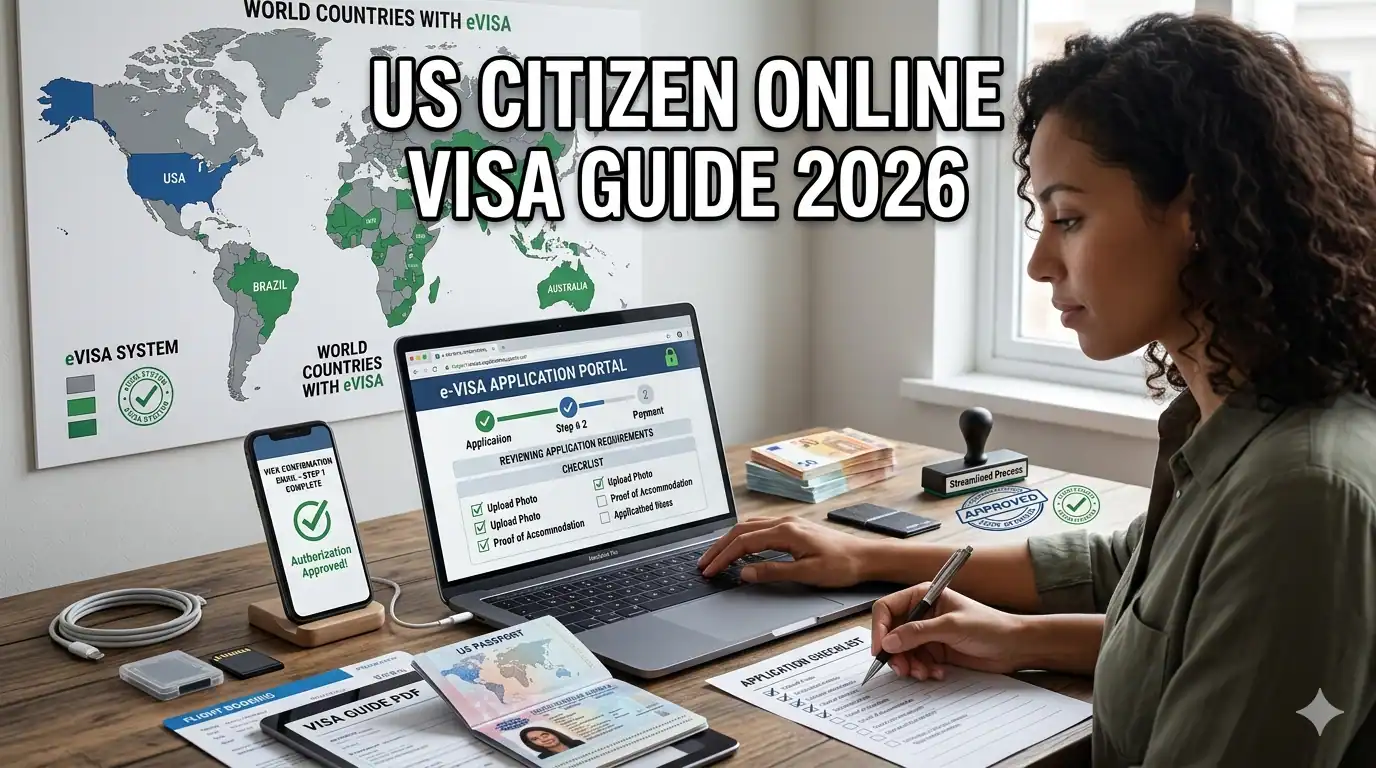
Understanding Online Visa Systems for US Citizens in 2026
The landscape of international travel documentation has transformed dramatically in recent years, with online visa systems and electronic travel authorizations becoming the norm for US citizens traveling abroad. As of 2026, over one hundred countries now offer some form of digital entry authorization, streamlining the application process while enhancing security and border management capabilities.
For American travelers, navigating this evolving digital visa landscape requires understanding the distinctions between visa-free entry, electronic travel authorizations, eVisas, and traditional visa requirements. Each category carries different application procedures, processing times, costs, and documentation requirements that can significantly impact travel planning.
This comprehensive guide examines everything US citizens need to know about online visa systems in 2026, including application processes, required documentation, common pitfalls, country-specific requirements, and practical strategies for ensuring smooth entry to international destinations.
Whether you are planning a short vacation, extended business travel, or multi-country adventure, understanding digital entry requirements proves essential for avoiding delays, denials, or unexpected complications at border crossings. The investment in thorough preparation yields substantial returns in travel confidence and efficiency.
Types of Digital Entry Authorization

Not all online travel authorizations are created equal. Understanding the distinctions between different systems helps travelers prepare appropriate documentation and set realistic expectations.
Visa-Free Entry
Visa-free entry allows US passport holders to enter certain countries without any prior authorization for specified durations, typically ranging from thirty to ninety days. Over one hundred eighty countries currently offer visa-free or visa-on-arrival access to US citizens.
While no application is required, travelers must still meet entry requirements including passport validity (typically six months beyond intended stay), proof of onward travel, sufficient funds, and sometimes proof of accommodation. Border officials retain discretion to deny entry even to visa-exempt travelers.
Popular visa-free destinations for US citizens include most European Union countries, United Kingdom, Japan, South Korea, and many Caribbean nations. However, visa-free status can change based on diplomatic relations, so verification before travel remains essential.
Even visa-free travelers should carry documentation supporting their travel purpose, financial means, and intended departure, as border officials may request evidence of compliance with entry conditions.
Electronic Travel Authorization (ETA)
Electronic Travel Authorizations represent a pre-screening system where travelers submit basic information online before departure. Approval is typically granted within minutes to seventy-two hours and linked electronically to the passport.
ETAs generally cost between seven and twenty-five USD and remain valid for multiple entries over one to five years. They do not guarantee entry but facilitate faster border processing upon arrival.
Notable ETA systems include Canada's eTA, Australia's Electronic Travel Authority, New Zealand's NZeTA, and the European Union's upcoming ETIAS system expected to launch in 2026. Each system has specific eligibility criteria and application requirements.
Applications typically require passport details, personal information, travel itinerary, and answers to basic security questions. Most systems use automated processing though some applications may require manual review extending processing time.
Electronic Visa (eVisa)
eVisas represent full visa applications processed entirely online, with approved visas delivered electronically and linked to the passport or provided as printable documents. These systems replace traditional embassy visits for many destinations.
eVisa applications typically require more documentation than ETAs including passport scans, photographs, travel itineraries, accommodation confirmations, and sometimes proof of funds or invitation letters. Processing times range from twenty-four hours to several weeks depending on the country.
Popular eVisa destinations for US citizens include India, Turkey, Kenya, Sri Lanka, Myanmar, and Uzbekistan. Fees typically range from twenty to one hundred USD depending on visa type and duration.
Approved eVisas must be printed or saved electronically and presented upon arrival along with the passport used for application. Some countries require the eVisa to be presented at airline check-in before boarding.
Traditional Visa Requirements
Despite digital advances, some countries still require US citizens to obtain traditional visas through embassies or consulates. These processes typically involve in-person appointments, biometric data collection, and longer processing times.
Countries requiring traditional visas for US citizens include China, Russia, Brazil (for certain purposes), and several African and Central Asian nations. Requirements vary significantly by country and purpose of travel.
Traditional visa applications often require invitation letters, detailed itineraries, proof of employment, financial statements, and sometimes interviews. Processing can take weeks to months requiring advance planning.
Some countries offer hybrid systems where initial applications are submitted online but final processing requires embassy visits or document submission by mail. Understanding these hybrid requirements prevents application delays.
Application Process: Step by Step

Successfully navigating online visa applications requires systematic preparation and attention to detail. Following these steps minimizes errors and maximizes approval chances.
Pre-Application Preparation
Begin by verifying current entry requirements for your destination through official government sources. Third-party websites may provide outdated or incorrect information that could result in application rejection or travel complications.
Ensure your passport meets validity requirements, typically six months beyond intended departure date with at least two blank pages. Renew passports well in advance if expiration approaches, as renewal processing times can extend several weeks.
Gather required documentation before beginning applications. Common requirements include digital passport photos meeting specific dimensions, scanned passport bio page, travel itinerary, accommodation confirmations, and proof of financial means.
Create digital copies of all documents in required formats (typically PDF or JPEG) with file sizes within specified limits. Organize files in a dedicated folder for easy access during application.
Completing the Application
Use official government websites for all visa applications. Beware of third-party sites that charge excessive fees for services available free or at lower cost through official channels. Official sites typically end in .gov or the country's official domain extension.
Enter all information exactly as it appears on your passport. Discrepancies in name spelling, passport number, or date of birth commonly cause application rejections or delays requiring correction.
Answer all security and eligibility questions honestly and accurately. False statements can result in visa denial, entry refusal, or future travel restrictions. When in doubt, provide additional explanation rather than omitting information.
Review all entered information carefully before submission. Most systems do not allow corrections after submission, requiring new applications and additional fees for errors.
Payment and Submission
Use credit cards for visa application payments when possible. Credit cards offer fraud protection and easier dispute resolution if issues arise. Some systems also accept debit cards or digital payment methods.
Save or print payment confirmations and application reference numbers. These prove essential for tracking application status and resolving issues if processing delays occur.
Submit applications well in advance of travel dates. Even systems advertising rapid processing can experience delays due to high volume, technical issues, or additional review requirements.
Monitor application status through provided tracking systems. Some countries send email notifications of approval while others require applicants to check status manually.
Post-Approval Steps
Upon approval, download and save electronic visas or authorization documents to multiple devices and cloud storage. Print physical copies as backup since border officials may request paper documentation.
Verify that all information on approved documents matches your passport exactly. Report any errors immediately to the issuing authority as corrections may be required before travel.
Carry approval documentation throughout your journey including at airline check-in, transit points, and border crossings. Some airlines will not board passengers without verified entry authorization.
Understand the conditions of your authorization including validity period, number of allowed entries, maximum stay duration, and permitted activities. Violating these conditions can result in fines, deportation, or future entry bans.
Required Documentation Checklist

While requirements vary by country and visa type, certain documents are commonly required for online visa applications by US citizens.
Passport Requirements
Valid US passport with at least six months validity beyond intended departure date represents the universal requirement for international travel. Some countries require twelve months validity so verify specific requirements.
Passport must have sufficient blank pages for entry and exit stamps. Many countries require two consecutive blank pages though requirements vary. Check page requirements before applying.
Digital scans of passport bio page typically required for eVisa applications. Scans must be clear, complete, and in specified formats. Test scan quality before beginning applications.
Passport photographs must meet specific requirements including size, background color, head positioning, and recentness. Most countries require photos taken within six months of application.
Travel Documentation
Round-trip or onward travel tickets demonstrate intent to depart within authorized stay periods. Many visa systems require ticket confirmation numbers or copies of itineraries.
Accommodation confirmations including hotel reservations or invitation letters from hosts verify lodging arrangements. Some countries require confirmed bookings for entire stay while others accept partial documentation.
Detailed travel itineraries outlining planned activities, destinations, and dates help demonstrate legitimate travel purpose. Vague or incomplete itineraries may trigger additional scrutiny.
Proof of employment or enrollment in educational institutions demonstrates ties to home country and intent to return. Letter from employer or school on official letterhead typically suffices.
Financial Documentation
Proof of sufficient funds demonstrates ability to support yourself during travel without unauthorized employment. Requirements vary from simple bank statements to detailed financial affidavits.
Bank statements typically must show consistent balance over several months rather than recent large deposits. Sudden large deposits may raise questions about fund sources.
Credit card statements, traveler's checks, or prepaid travel cards may supplement bank statements as proof of financial means. Multiple forms of documentation strengthen applications.
Some countries specify minimum daily amounts travelers must demonstrate. Research these requirements and ensure documentation clearly shows sufficient funds.
Additional Requirements by Purpose
Business travel often requires invitation letters from host companies, conference registrations, or letters from US employers explaining business purpose. These documents should include contact information for verification.
Student or educational travel may require acceptance letters from educational institutions, proof of tuition payment, or letters from sponsoring organizations. Documentation should clearly state program duration and purpose.
Medical travel typically requires letters from healthcare providers explaining treatment necessity, appointment confirmations, and proof of ability to pay for medical services.
Family visits often require invitation letters from relatives, proof of relationship, and host's residency or citizenship documentation. Some countries require hosts to register invitations with immigration authorities.
Country-Specific Requirements for Popular Destinations

Understanding specific requirements for frequently visited destinations helps US citizens prepare appropriate documentation and avoid common pitfalls.
European Union and ETIAS
The European Travel Information and Authorization System (ETIAS) is expected to launch in 2026, requiring US citizens to obtain pre-travel authorization for visits to Schengen Area countries. The system mirrors similar programs in Canada, Australia, and the United States.
ETIAS applications will require passport details, personal information, travel history, and security questions. Processing is expected to take minutes for most applicants though some may require manual review extending processing to several days.
The authorization will cost approximately seven EUR and remain valid for three years or until passport expiration. It allows multiple short stays of up to ninety days within any one hundred eighty-day period across Schengen countries.
ETIAS does not guarantee entry; border officials retain authority to deny admission based on individual circumstances. Travelers should carry supporting documentation including return tickets and accommodation confirmations.
United Kingdom Electronic Travel Authorization
The UK's Electronic Travel Authorization (ETA) system, fully implemented in 2026, requires US citizens to obtain digital authorization before travel. The system applies to all visitors including those previously visa-exempt.
Applications require passport details, personal information, and travel plans. Processing typically completes within seventy-two hours though most approvals arrive within hours. The fee is approximately ten GBP.
Approved ETAs remain valid for two years or until passport expiration and allow multiple visits of up to six months each. The authorization is electronically linked to the passport used for application.
Travelers must use the same passport for application and travel. Passport changes require new ETA applications. The system does not apply to Irish citizens or those with UK residence rights.
India eVisa System
India's eVisa system offers US citizens convenient online applications for tourism, business, medical, and conference travel. The system processes applications within seventy-two hours though expedited processing is available for additional fees.
Applications require passport scans, photographs, travel itinerary, and purpose-specific documentation. Tourist eVisas allow stays up to ninety days while business eVisas permit one hundred eighty days with multiple entries.
Fees vary by visa type and duration ranging from twenty-five to one hundred USD. Payment accepts major credit cards and the system provides application tracking via reference numbers.
Approved eVisas must be printed and presented upon arrival along with the passport used for application. Travelers must enter through designated airports and seaports that support eVisa processing.
Turkey e-Visa
Turkey's e-Visa system provides US citizens with straightforward online applications for tourism and business travel. The process typically completes within minutes with immediate email delivery of approved visas.
Applications require passport details, email address, and payment information. The visa allows stays up to ninety days within one hundred eighty-day periods for tourism or business purposes.
The fee is approximately fifty USD payable by credit card. Approved eVisas are electronically linked to passports though travelers should carry printed copies as backup documentation.
The eVisa must be obtained before travel as visa-on-arrival options are limited. Airlines may deny boarding to passengers without verified Turkish entry authorization.
Australia Electronic Travel Authority
Australia's Electronic Travel Authority (subclass six hundred one) allows US citizens to apply online for short-term tourism or business visits. The system processes most applications instantly with email confirmation.
Applications require passport details and basic personal information. The ETA costs approximately twenty AUD and remains valid for one year with multiple entries of up to three months each.
The authorization is electronically linked to the passport though travelers should carry confirmation documentation. The ETA does not permit employment or long-term study.
Applications must be submitted through official Australian government channels. Third-party sites charge excessive fees for services available directly through official portals.
Common Application Mistakes and How to Avoid Them

Understanding frequent errors helps US citizens avoid application rejections, delays, or travel complications that can derail carefully planned international trips.
Passport and Documentation Errors
Entering passport information that does not exactly match the physical document represents the most common application error. Double-check every character of passport numbers, names, and dates before submission.
Using expired or soon-to-expire passports for applications creates problems even if the passport remains valid during application processing. Always apply with the passport you intend to use for travel.
Uploading poor quality document scans or photographs causes processing delays or rejections. Ensure scans are clear, complete, and meet specified size and format requirements.
Submitting photographs that do not meet specific requirements regarding size, background, head positioning, or recentness commonly triggers requests for new photos extending processing times.
Timing and Planning Mistakes
Applying too close to travel dates risks delays from processing backlogs, technical issues, or additional review requirements. Submit applications at least two to four weeks before departure even for systems advertising rapid processing.
Failing to account for passport renewal processing times can derail travel plans. US passport renewals can take six to eight weeks routinely and longer during peak periods.
Assuming visa approval is guaranteed leads to non-refundable travel bookings before authorization. Book refundable accommodations and flights until visas are approved.
Not verifying visa validity periods and entry conditions results in overstays or unauthorized activities. Carefully review approval documentation and understand all restrictions before travel.
Technical and Procedural Errors
Using unofficial third-party websites for visa applications exposes travelers to excessive fees, data theft, or fraudulent services. Always verify website authenticity through official government sources.
Submitting incomplete applications with missing fields or documentation triggers automatic rejections or requests for additional information extending processing times.
Using incorrect payment methods or encountering payment processing errors without confirmation can result in lost fees and delayed applications. Save all payment confirmations.
Failing to save application reference numbers or confirmation emails complicates status tracking and issue resolution. Create dedicated folders for all visa-related documentation.
Travel and Entry Mistakes
Using a different passport for travel than the one used for visa application invalidates the authorization. Passport changes require new visa applications in most systems.
Arriving at entry points not authorized for eVisa processing causes denial of entry. Verify which airports, seaports, or land borders accept your specific visa type.
Attempting to engage in activities not permitted under your visa category (such as employment on tourist visas) risks deportation and future entry bans.
Overstaying authorized periods even by one day can trigger fines, deportation, or multi-year entry bans. Track your authorized stay duration carefully and depart before expiration.
Security and Privacy Considerations

Online visa applications require sharing sensitive personal information. Understanding security practices protects travelers from identity theft and fraud.
Website Verification
Always access visa application portals through official government websites. Verify URLs carefully as fraudulent sites often mimic official domains with slight variations.
Look for secure connection indicators including https protocols and padlock symbols in browser address bars. Avoid submitting sensitive information on unsecured connections.
Research application fees through official sources before paying. Legitimate government fees are typically modest; excessive charges often indicate third-party markups or scams.
Be wary of unsolicited emails claiming visa approval or requesting additional information. Official communications typically reference application numbers and direct users to official portals for verification.
Data Protection Practices
Use strong, unique passwords for visa application accounts and enable two-factor authentication when available. Avoid reusing passwords across multiple travel-related accounts.
Limit sharing of sensitive documents to official channels only. Avoid emailing passport scans or financial documents through unsecured email services.
Monitor financial statements for unauthorized charges following visa applications. Report suspicious activity immediately to financial institutions and relevant authorities.
Consider using virtual credit card numbers or payment services with fraud protection for online visa payments. These tools add layers of security for financial transactions.
Post-Application Security
Store approved visas and application confirmations securely both digitally and physically. Use encrypted storage for digital copies and secure locations for physical documents.
Shred or securely delete document copies after travel completion when no longer needed. Retain only essential documentation for future reference or potential immigration inquiries.
Be cautious about sharing visa approval documentation on social media. Personal information visible in visa documents could facilitate identity theft if shared publicly.
Report suspected fraud or security breaches to relevant authorities including the Federal Trade Commission, US State Department, and the country's embassy or consulate.
Managing Multiple Destination Travel

US citizens planning multi-country trips must navigate varying entry requirements across destinations. Strategic planning prevents complications when crossing multiple borders.
Research and Planning Strategies
Create a comprehensive entry requirement matrix listing each destination's visa type, application timeline, required documentation, and validity periods. This overview prevents overlooked requirements.
Prioritize applications based on processing times and travel sequence. Apply for visas with longest processing times first while expedited applications can wait until closer to departure.
Verify transit visa requirements for countries where you will change flights even if not leaving the airport. Many countries require transit visas for certain nationalities or extended layovers.
Consider visa validity periods when planning multi-destination itineraries. Some visas become invalid after first use while others allow multiple entries within specified timeframes.
Documentation Organization
Create a master travel document folder containing copies of all visas, approvals, passports, and supporting documentation. Organize documents by destination and travel date for easy access.
Save digital copies to multiple secure locations including cloud storage, email attachments, and encrypted USB drives. Physical backups protect against device failure or loss.
Carry physical copies of critical documents separate from originals. If passports are lost or stolen, copies facilitate replacement and prove legal entry status.
Prepare a summary sheet listing each destination's entry requirements, visa numbers, validity dates, and emergency contact information for quick reference during travel.
Contingency Planning
Build buffer time into itineraries to accommodate potential visa processing delays or entry complications. Flexible travel dates provide options if authorization arrives later than expected.
Research embassy and consulate locations for each destination in case visa issues require in-person resolution during travel. Save contact information and operating hours.
Understand each country's policies on visa extensions or modifications in case travel plans change. Some countries allow in-country extensions while others require departure and reapplication.
Carry contact information for travel insurance providers covering visa-related complications. Some policies cover costs associated with visa denials or entry refusals.
Special Considerations for Business and Extended Travel

Business travelers and those planning extended stays face additional requirements beyond standard tourist visas. Understanding these distinctions prevents authorization issues.
Business Visa Requirements
Business visas typically require invitation letters from host companies detailing visit purpose, duration, and responsible parties. Letters should include company letterhead, contact information, and official signatures.
Proof of employment in the United States demonstrates legitimate business purpose and intent to return. Employer letters on official letterhead explaining business necessity strengthen applications.
Conference registrations, meeting agendas, or contract documentation may be required to verify business activities. Provide detailed documentation rather than vague descriptions of business purpose.
Some countries distinguish between business visitor visas and work visas. Engaging in productive work, receiving local compensation, or establishing business operations typically requires work authorization beyond business visitor status.
Extended Stay and Long-Term Visas
Visas allowing stays beyond standard tourist periods often require additional documentation including detailed itineraries, proof of financial sustainability, and sometimes medical examinations.
Long-term visas may require in-person appointments, biometric data collection, or interviews at embassies or consulates even if initial applications are submitted online.
Some countries require registration with local immigration authorities within specified periods after arrival for stays exceeding certain durations. Understand and comply with these requirements to maintain legal status.
Extended stay visas often have restrictions on employment, study, or other activities. Verify permitted activities and obtain appropriate authorization before engaging in restricted activities.
Digital Nomad and Remote Work Visas
Many countries now offer specific visas for remote workers and digital nomads, allowing legal residence while working for employers or clients outside the host country.
These visas typically require proof of remote employment, minimum income thresholds, health insurance coverage, and sometimes criminal background checks. Requirements vary significantly by country.
Digital nomad visas often allow longer stays than tourist visas (six months to two years) with options for renewal. They typically do not permit employment with local companies or receipt of local compensation.
Popular digital nomad visa destinations for US citizens include Portugal, Spain, Croatia, Costa Rica, and several Caribbean nations. Research specific requirements and application processes well in advance.
Staying Updated on Changing Requirements

Entry requirements evolve frequently based on diplomatic relations, security considerations, and policy changes. Maintaining current information prevents travel disruptions.
Reliable Information Sources
The US State Department's travel website (travel.state.gov) provides authoritative, regularly updated information on entry requirements for US citizens traveling abroad. Bookmark country-specific pages for destinations you plan to visit.
Official embassy and consulate websites for destination countries provide the most accurate visa information. These sites publish requirement changes, processing times, and application procedures directly from issuing authorities.
International Air Transport Association's Travel Centre (IATA) database provides airline-verified entry requirements used by carriers to determine boarding eligibility. This resource helps verify requirements before booking travel.
Reputable travel advisory services and visa processing companies can provide helpful guidance though always verify critical information through official government sources before submitting applications or making travel commitments.
Monitoring Changes
Subscribe to email alerts from the US State Department for travel advisories and entry requirement updates for countries on your itinerary. These alerts provide timely notification of significant changes.
Follow official social media accounts for destination country embassies and tourism boards. These channels often announce policy changes, application system updates, or processing time adjustments.
Join travel forums and communities where travelers share recent experiences with visa applications and border crossings. While not authoritative, these communities can provide early warnings of emerging issues.
Re-verify entry requirements within one week of departure even if you applied for visas months earlier. Last-minute policy changes can occur requiring adjustments to travel plans.
Documentation Retention
Keep records of all visa applications, approvals, and related communications for at least one year after travel completion. These documents may prove valuable for future applications or if entry issues arise.
Document any problems encountered during visa application or border entry including dates, names of officials, and resolution steps. This information can assist other travelers and may be required for formal complaints or appeals.
Retain copies of denied applications with stated reasons. Understanding denial grounds helps address issues in future applications or appeals.
Store documentation securely with appropriate privacy protections. Visa documents contain sensitive personal information requiring careful handling to prevent identity theft.
Conclusion: Navigating Digital Entry with Confidence

The proliferation of online visa systems and electronic travel authorizations has transformed international travel for US citizens, offering unprecedented convenience while introducing new complexities. Success in this evolving landscape requires thorough preparation, attention to detail, and commitment to using official channels for all applications.
Understanding the distinctions between visa-free entry, ETAs, eVisas, and traditional visas enables appropriate preparation for each destination. Recognizing common pitfalls and implementing systematic application processes minimizes errors that can derail carefully planned international travel.
Security awareness protects sensitive personal information shared during online applications while documentation organization ensures critical information remains accessible throughout the travel journey. Proactive monitoring of requirement changes prevents surprises that could disrupt travel plans.
For business travelers, extended stay visitors, and digital nomads, additional requirements demand specialized preparation and understanding of activity restrictions. Researching destination-specific policies and maintaining compliance with authorization conditions ensures legal status throughout international stays.
As digital entry systems continue evolving, US citizens who invest time in understanding requirements, preparing thorough applications, and maintaining current information will navigate international travel with confidence and efficiency. The convenience of online visa systems rewards careful preparation with streamlined border crossings and enhanced travel experiences across the globe.
Approach each international journey with systematic preparation, respect for destination country requirements, and commitment to using official channels for all documentation. The investment in thorough preparation yields returns in travel confidence, border crossing efficiency, and peace of mind that allows full enjoyment of international adventures.
0 Comments