.webp)
.webp)
Darvaza Gas Crater Best Time to Visit Guide for First Timers 2026
Understanding the Darvaza Gas Crater Phenomenon
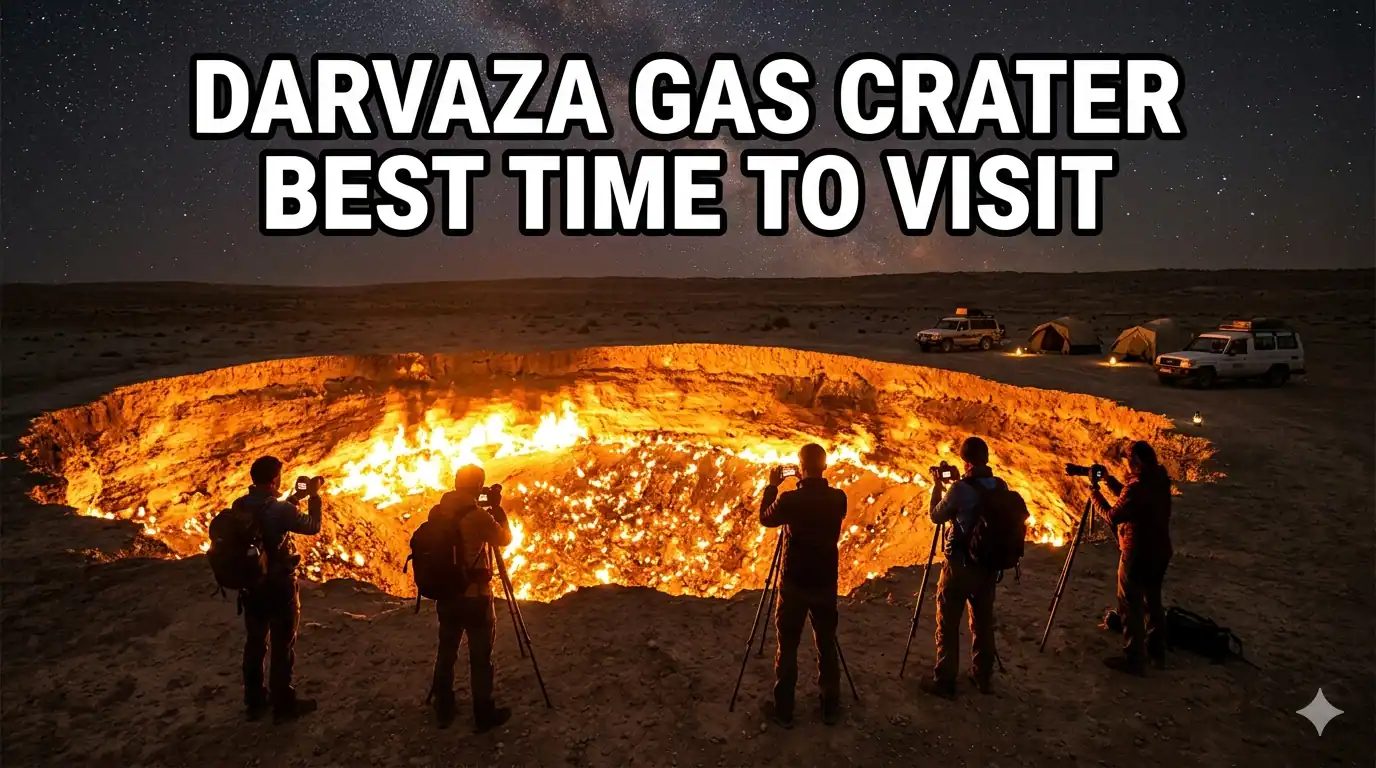
The Darvaza Gas Crater, famously known as the Door to Hell, stands as one of the world's most surreal natural phenomena. This burning gas crater in Turkmenistan's Karakum Desert has been continuously flaming since nineteen seventy-one, creating an otherworldly spectacle that draws adventurous travelers from around the globe.
Located approximately two hundred sixty kilometers north of Ashgabat, the crater measures about seventy meters in diameter and thirty meters deep. The constant flames result from a Soviet drilling accident that released natural gas, which engineers subsequently ignited to prevent methane spread.
For first-time travelers planning to witness this extraordinary sight, timing your visit proves crucial for maximizing both comfort and experience quality. The harsh desert environment presents extreme conditions that vary dramatically between seasons, significantly impacting your journey.
Understanding the optimal visiting periods helps you prepare appropriately, pack correctly, and set realistic expectations for this remote desert adventure. This comprehensive guide examines every aspect of timing your Darvaza visit for 2026.
Seasonal Weather Patterns and Temperature Extremes

The Karakum Desert experiences some of the most extreme temperature variations on Earth, making seasonal timing perhaps the most critical factor in planning your Darvaza Gas Crater visit.
Spring Season March through May
Spring represents one of the most favorable times to visit the Darvaza Gas Crater. Temperatures range from fifteen to thirty degrees Celsius during daytime, creating comfortable conditions for desert exploration and crater viewing.
The desert blooms with wildflowers in early spring, transforming the typically barren landscape into a surprisingly colorful environment. This natural beauty complements the dramatic crater views, providing exceptional photography opportunities.
Nighttime temperatures remain cool but tolerable, ranging from five to fifteen degrees Celsius. Evening crater viewing proves comfortable without requiring extreme cold weather gear.
Wind conditions can be unpredictable in spring with occasional sandstorms. These storms may temporarily reduce visibility though they typically pass quickly. Pack protective eyewear and face coverings as precaution.
Summer Season June through August
Summer in the Karakum Desert presents the most challenging conditions for visitors. Daytime temperatures regularly exceed forty degrees Celsius, often reaching forty-five degrees or higher during peak afternoon hours.
The extreme heat makes daytime activities uncomfortable and potentially dangerous without proper preparation. Desert sun exposure intensifies the already brutal conditions, requiring serious heat management strategies.
Nighttime provides relief with temperatures dropping to twenty to twenty-five degrees Celsius. Evening and nighttime crater visits become the only comfortable viewing times during summer months.
Despite the heat challenges, summer offers the clearest skies and most stable weather conditions. Photography conditions prove excellent during golden hour and nighttime when temperatures become manageable.
Summer travel requires serious preparation including adequate water supplies, sun protection, light-colored loose clothing, and heat exhaustion awareness. Only experienced desert travelers should attempt summer visits.
Autumn Season September through November
Autumn emerges as the absolute best time to visit the Darvaza Gas Crater. September and October offer ideal temperatures ranging from twenty to thirty-five degrees Celsius during the day.
The intense summer heat begins subsiding while nights remain comfortable at ten to twenty degrees Celsius. This temperature balance creates perfect conditions for both daytime desert exploration and extended nighttime crater viewing.
Weather stability characterizes autumn with minimal rainfall and predictable conditions. Clear skies dominate, providing exceptional visibility for photography and stargazing opportunities around the crater.
The desert landscape retains some summer dryness while becoming more tolerable for outdoor activities. Wind speeds typically decrease compared to spring, reducing sandstorm risks.
October specifically stands out as the optimal month, combining comfortable temperatures, stable weather, clear skies, and manageable tourist numbers before winter arrives.
Winter Season December through February
Winter brings surprisingly cold conditions to the Karakum Desert with daytime temperatures ranging from zero to ten degrees Celsius. Nighttime temperatures frequently drop below freezing, sometimes reaching minus ten degrees Celsius or lower.
The cold desert climate catches many visitors off-guard who expect perpetual desert heat. Proper winter preparation becomes essential including warm clothing, sleeping bags rated for extreme cold, and cold weather camping gear.
Despite the cold, winter offers unique advantages. The dramatic temperature contrast between freezing air and intense crater flames creates spectacular visual effects and excellent photography conditions.
Fewer tourists visit during winter months, providing more intimate crater experiences without crowds. The stark winter landscape adds dramatic atmosphere to the already surreal setting.
Winter storms can bring unexpected snow to the desert, creating surreal scenes of white sand contrasting with orange flames. However, these conditions may complicate travel and require four-wheel drive vehicles.
Optimal Visiting Times by Travel Priority
Different travelers prioritize different aspects of the Darvaza experience. Understanding your primary goals helps identify the best visiting time for your specific interests.
Best Time for Photography
Photographers should target October and November for optimal conditions. These months combine comfortable temperatures, clear skies, and stable weather that facilitate extended photography sessions.
The crater's flames appear most dramatic against dark winter skies, making December through February attractive for night photography despite cold conditions. The temperature contrast creates visible heat shimmer effects.
Spring offers unique opportunities to capture the crater surrounded by desert wildflowers, creating unusual color combinations rarely seen in desert photography.
Summer provides the clearest atmospheric conditions though extreme heat limits photography session duration. Early morning and late evening offer the only comfortable shooting times.
Golden hour photography proves spectacular year-round with the crater flames complementing sunrise and sunset colors. Plan arrivals and departures around these times for maximum visual impact.
Best Time for Comfort and Safety
Travelers prioritizing comfort and safety should visit during April, May, October, or November. These shoulder season months avoid temperature extremes while maintaining generally stable weather.
First-time desert travelers especially benefit from visiting during these moderate periods. The manageable temperatures reduce health risks and allow focus on enjoying the experience rather than surviving conditions.
Spring and autumn provide comfortable conditions for camping near the crater, which enhances the overall experience. You can spend extended time observing the flames without weather-related discomfort.
Moderate seasons also facilitate easier travel from Ashgabat with less vehicle stress and more predictable road conditions. Desert tracks prove more navigable without extreme heat or winter cold complications.
Best Time for Budget Travel
Winter months from December through February typically offer lower tour prices and accommodation costs. Reduced tourist numbers during cold months create competitive pricing as operators seek bookings.
Summer can also provide deals though the extreme heat discourages many travelers. Operators may discount tours during June through August to attract visitors despite challenging conditions.
Shoulder seasons command premium pricing due to high demand. If budget constraints exist, consider visiting during less popular periods while preparing appropriately for conditions.
Mid-week departures sometimes cost less than weekend tours. Flexibility with travel dates can reduce costs regardless of season.
Best Time for Avoiding Crowds
Winter attracts the fewest visitors to Darvaza, providing the most solitude and intimate crater experiences. December through February sees minimal tourist traffic.
Summer also experiences reduced numbers despite clearer weather, as extreme heat discourages all but the most determined travelers.
Spring and autumn represent peak tourist seasons with larger groups and more vehicles at the crater site. Popular tour operators schedule most trips during these comfortable months.
Visiting during weekdays rather than weekends reduces crowd exposure even during peak seasons. Most tour groups operate on weekend-heavy schedules.
Practical Considerations for Timing Your Visit
Beyond weather and seasons, several practical factors influence the optimal timing for your Darvaza Gas Crater adventure.
Tour Availability and Booking Requirements
All visitors to Darvaza must travel with licensed tour guides as independent travel is not permitted in Turkmenistan. Tour availability varies significantly by season.
Spring and autumn tours book weeks or months in advance due to high demand. Secure reservations at least two to three months ahead for these popular periods.
Winter and summer tours often have last-minute availability though booking at least two weeks ahead remains advisable. Flexibility increases during these less popular seasons.
Multi-day tours combining Darvaza with other Turkmenistan attractions like Ashgabat, Merv, and Khiva prove easier to book during shoulder seasons when overall tourism peaks.
Daylight Hours and Viewing Times
The crater's flames appear most spectacular after dark when the glow illuminates the desert landscape. Planning your visit to include nighttime viewing proves essential regardless of season.
Summer offers extended daylight hours with sunset occurring after nine in the evening. This allows late afternoon arrival and immediate nighttime viewing though heat may prove uncomfortable.
Winter brings early sunsets around five in the evening, requiring earlier arrivals but providing extended nighttime viewing in colder conditions.
Spring and autumn offer balanced daylight hours with sunset between six and eight in the evening, providing comfortable timing for arrival and crater viewing.
Transportation and Road Conditions
The journey from Ashgabat to Darvaza covers approximately two hundred sixty kilometers with the final portion traversing desert tracks. Road conditions vary by season.
Spring may bring occasional rain creating muddy conditions on desert tracks. Four-wheel drive vehicles prove essential during this season though most tour operators use appropriate vehicles year-round.
Summer heat can cause vehicle overheating and tire issues. Reliable tour operators maintain vehicles properly but breakdowns remain possible in extreme conditions.
Autumn provides the most stable road conditions with dry tracks and moderate temperatures reducing vehicle stress. This season offers the smoothest journey.
Winter can bring unexpected snow and ice to desert roads, complicating travel. While four-wheel drive handles these conditions, journey times may increase significantly.
What to Expect During Your Visit
Understanding what awaits you at the Darvaza Gas Crater helps set appropriate expectations and ensures proper preparation.
The Crater Experience
Upon arrival, the sight of the burning crater proves immediately striking. The constant flames create an eerie orange glow visible from kilometers away in the darkness.
Heat radiates intensely from the crater even at distance. Standing near the edge produces noticeable warmth though safety barriers prevent dangerous proximity.
The sound of burning gas creates a constant roaring noise that adds to the surreal atmosphere. This acoustic element enhances the otherworldly experience.
Sulfur smells permeate the air around the crater. While not dangerous at typical viewing distances, the odor proves noticeable and may bother sensitive individuals.
Camping and Overnight Stays
Most tours include camping near the crater, allowing extended viewing and stargazing opportunities. The remote desert location provides exceptional night sky visibility away from light pollution.
Camping facilities remain basic with tents provided by tour operators. Sleeping arrangements typically include mattresses and blankets though bringing your own sleeping bag enhances comfort.
Temperature swings between day and night prove dramatic regardless of season. Prepare for significant cooling after sunset even during summer months.
Desert winds can intensify at night, making the area feel colder than actual temperatures. Windproof layers prove essential for comfortable nighttime crater viewing.
Photography Opportunities
The crater provides exceptional photography opportunities from multiple angles and distances. Wide-angle lenses capture the full crater while telephoto lenses isolate flame details.
Long exposure photography creates stunning images showing flame movement and star trails. Bring a sturdy tripod for nighttime photography.
The contrast between flames and dark desert sky produces dramatic images. Experiment with different exposures to capture both crater details and surrounding landscape.
Silhouettes of people against the crater flames create compelling compositions. The constant illumination allows creative photography without artificial lighting.
Packing and Preparation by Season
Appropriate packing varies dramatically by season. Proper preparation ensures comfort and safety during your Darvaza adventure.
Spring Packing Essentials
Layered clothing accommodates temperature swings between warm days and cool nights. Light jackets, long sleeves, and pants provide versatility.
Wind protection proves important with spring sandstorms possible. Pack scarves, sunglasses, and face coverings for dust protection.
Sturdy closed-toe shoes protect feet during desert walking. Sand and rocks make sandals impractical for crater exploration.
Sun protection remains necessary despite moderate temperatures. High SPF sunscreen, hats, and sunglasses prevent sunburn during daytime activities.
Summer Packing Essentials
Light-colored, loose-fitting, breathable clothing helps manage extreme heat. Natural fabrics like cotton provide better ventilation than synthetics.
Hydration systems prove critical with water requirements exceeding typical amounts. Bring reusable water bottles and consider hydration packs.
Maximum sun protection including high SPF sunscreen, wide-brimmed hats, UV-protection sunglasses, and lightweight long sleeves prevents heat illness.
Electrolyte supplements help maintain hydration balance in extreme heat. Pack oral rehydration salts or sports drink powders.
Autumn Packing Essentials
Moderate temperatures allow comfortable clothing though layers remain important for temperature changes. Light jackets and long sleeves suit most conditions.
Comfortable camping gear including sleeping bags rated for cool nights enhances overnight experiences. Autumn nights prove crisp requiring adequate insulation.
Standard sun protection remains necessary though less critical than summer. Sunscreen and hats still required for daytime activities.
Camera equipment protection from dust proves important. Bring lens cleaning supplies and protective cases.
Winter Packing Essentials
Cold weather gear including insulated jackets, thermal layers, warm hats, gloves, and heavy sleeping bags rated for sub-freezing temperatures proves essential.
Multiple clothing layers allow temperature regulation as conditions change. Base layers, insulating mid-layers, and windproof outer shells provide versatility.
Warm footwear with insulation protects feet during cold nights. Regular hiking boots may prove insufficient for winter desert camping.
Hand and foot warmers provide additional comfort during extended nighttime crater viewing. These disposable heat packs prove valuable in extreme cold.
Safety Considerations and Health Precautions
The remote desert location and extreme conditions require attention to safety and health regardless of when you visit.
Heat-Related Risks
Summer visits carry serious heat illness risks including heat exhaustion and heat stroke. Recognize symptoms including dizziness, nausea, headache, and confusion.
Maintain constant hydration drinking water before feeling thirsty. Dehydration develops quickly in desert environments especially during summer.
Limit sun exposure during peak afternoon hours between twelve and four in the afternoon. Schedule activities for early morning or evening when possible.
Acclimatize gradually if arriving from cooler climates. Allow your body time to adjust to desert conditions before extended outdoor activities.
Cold-Related Risks
Winter visits present hypothermia and frostbite risks especially during nighttime. Proper cold weather gear prevents these conditions.
Recognize early hypothermia symptoms including shivering, confusion, and loss of coordination. Seek warmth immediately if symptoms appear.
Protect extremities with warm gloves, hats, and socks. These areas lose heat quickly in cold desert nights.
Maintain caloric intake as your body burns more energy staying warm. Eat regularly even if appetite decreases in cold conditions.
General Desert Safety
Stay with your tour group and guide at all times. The remote location makes getting lost extremely dangerous.
Inform your guide of any health conditions or concerns before the trip. They can prepare appropriately and monitor your condition.
Carry personal medications and basic first aid supplies. Medical facilities prove distant from the crater site.
Follow all safety barriers and guide instructions around the crater. The ground near the edge may be unstable.
Tour Options and Costs
Understanding tour options helps you select the right experience for your needs and budget.
Day Tours Versus Overnight Tours
Day tours depart Ashgabat early morning and return late evening. These prove less expensive but limit crater viewing time and eliminate stargazing opportunities.
Overnight tours include camping near the crater, providing extended viewing time and enhanced experiences. These cost more but offer superior value for most travelers.
Multi-day tours combining Darvaza with other Turkmenistan attractions provide comprehensive experiences. These prove most expensive but maximize your Turkmenistan visit.
Typical Costs by Season
Spring and autumn day tours range from one hundred to one hundred fifty USD per person. Overnight tours cost one hundred fifty to two hundred fifty USD.
Summer and winter tours sometimes offer discounts of twenty to thirty percent due to lower demand. Day tours may cost eighty to one hundred twenty USD during these seasons.
Private tours cost significantly more than group tours but provide flexibility and personalized attention. Expect to pay two to three times group tour rates.
Tour prices typically include transportation, guide services, meals, and camping equipment. Verify inclusions when booking to avoid unexpected expenses.
Making Your Decision for 2026
Choosing when to visit the Darvaza Gas Crater depends on balancing multiple factors including weather preferences, budget constraints, photography goals, and comfort priorities.
Recommended Timing Summary
For most first-time travelers, October and November provide the optimal balance of comfortable temperatures, stable weather, clear skies, and reasonable tourist numbers. These months maximize enjoyment while minimizing challenges.
Photographers seeking dramatic images should consider October for ideal conditions or winter months for unique cold-weather contrasts despite comfort challenges.
Budget-conscious travelers find best values in winter and summer though must prepare for temperature extremes. The savings prove significant for those willing to endure challenging conditions.
Comfort-focused travelers should target April, May, or October when temperatures prove most moderate and conditions most predictable.
Final Planning Tips
Book tours well in advance for spring and autumn visits. These popular seasons fill quickly and last-minute bookings may prove unavailable.
Prepare thoroughly for your chosen season. Appropriate packing and mental preparation significantly impact experience quality.
Maintain flexibility with travel dates when possible. Weather variability may make adjacent dates more favorable than originally planned.
Consider travel insurance covering trip interruption and medical emergencies. The remote location makes insurance particularly valuable.
Research Turkmenistan visa requirements well in advance. Visa processing can take several weeks and must be completed before tour booking confirmation.
The Darvaza Gas Crater represents one of the world's most unique natural phenomena offering an unforgettable experience for adventurous travelers. While the crater burns continuously year-round, timing your visit significantly impacts comfort, safety, and overall experience quality. For 2026 travelers, autumn months particularly October and November provide optimal conditions balancing comfortable temperatures, stable weather, and excellent visibility. Spring offers pleasant conditions with occasional wind challenges while summer and winter present extreme temperatures requiring serious preparation but offering unique advantages including lower costs and fewer crowds. Regardless of when you visit, proper preparation, appropriate gear, and realistic expectations ensure a safe and memorable encounter with Turkmenistan's Door to Hell. The surreal spectacle of flames burning in the desert darkness creates memories lasting far beyond your journey home.
0 Comments