.webp)
.webp)
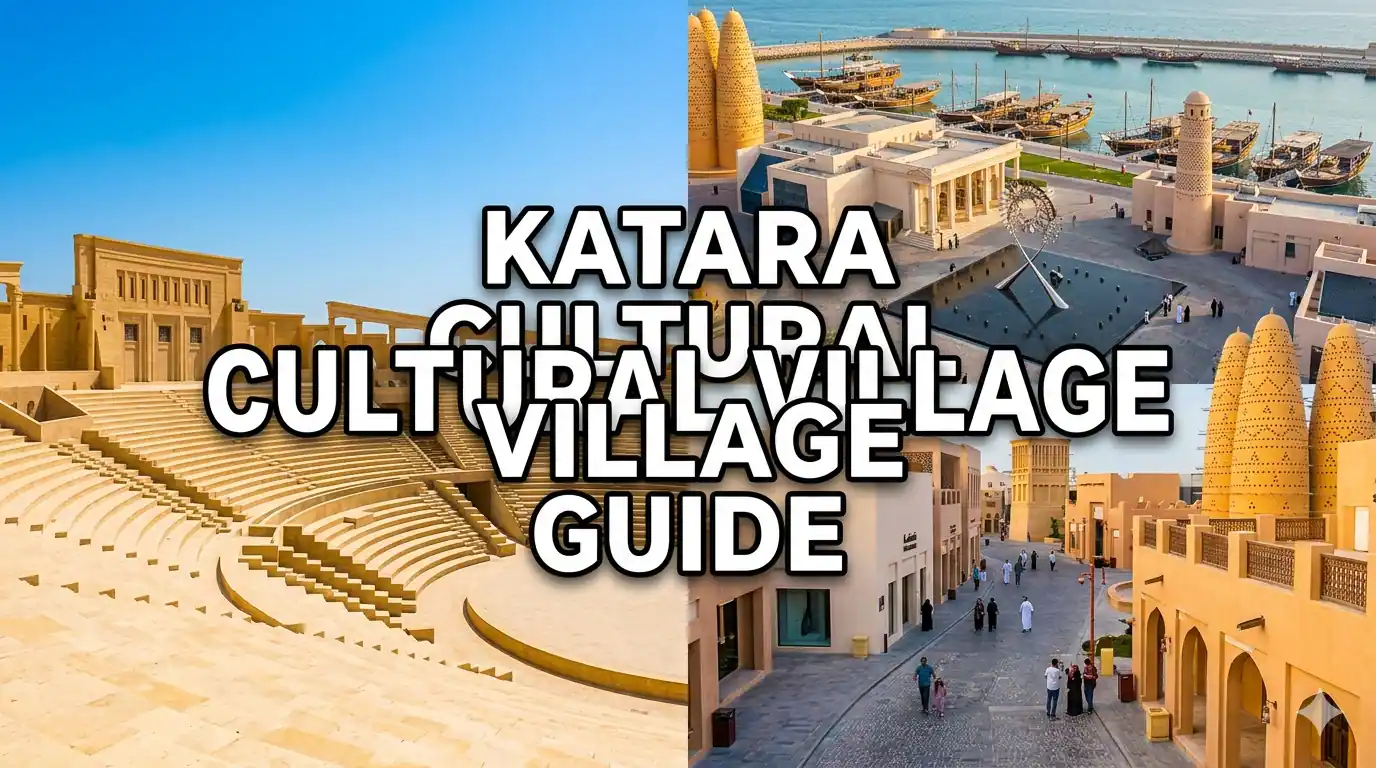
Discovering Katara Cultural Village Qatar Premier Arts Destination
Katara Cultural Village stands as Qatar's most ambitious and successful cultural project, a sprawling 1.2 million square meter complex that has transformed Doha's coastline into a vibrant hub where art, architecture, tradition, and innovation converge. Located between the West Bay skyscrapers and the Pearl-Qatar, this purpose-built cultural destination represents Qatar's commitment to becoming a global center for arts and culture while preserving and celebrating Arab heritage. Since opening in 2010, Katara has evolved from an ambitious vision into a thriving cultural ecosystem that attracts millions of visitors annually, offering an unparalleled blend of world-class performance venues, contemporary art galleries, traditional architecture, pristine beaches, and diverse dining experiences that cater to culture enthusiasts, families, and casual visitors alike.
The name "Katara" derives from an ancient name for Qatar, grounding this modern cultural complex in the nation's historical identity while projecting its aspirations for the future. The village's design masterfully balances traditional Qatari architectural elements with contemporary functionality, featuring distinctive blue-tiled mosques, golden-domed amphitheaters, wind towers reminiscent of traditional Arabian cooling systems, and narrow alleyways that echo the organic layout of historic souqs. This architectural harmony creates an environment where visitors can experience authentic Arab culture while engaging with cutting-edge contemporary art, international performances, and innovative cultural programming that positions Qatar at the forefront of the global cultural landscape.
For travelers exploring Doha, Katara Cultural Village offers a full-day destination that requires no entrance fees for general access, making it an exceptionally accessible attraction that delivers immense cultural value. The village's two magnificent amphitheaters host everything from opera performances and symphony concerts to traditional Arabic music and international festivals, while over a dozen galleries showcase works by Qatari, Arab, and international artists spanning traditional Islamic calligraphy to contemporary installations. Beyond its cultural venues, Katara features a public beach, waterfront promenade, diverse restaurants ranging from traditional Qatari cuisine to international fine dining, and regular cultural events that provide authentic glimpses into both heritage traditions and modern creative expression. This comprehensive guide explores every aspect of Katara Cultural Village, with particular focus on its spectacular amphitheaters and diverse gallery spaces, providing practical information for visitors seeking to maximize their cultural experience in this remarkable destination.
The History and Vision Behind Katara Cultural Village

Katara Cultural Village emerged from Qatar's National Vision 2030, a comprehensive development framework that emphasizes cultural preservation and advancement alongside economic diversification. The project was conceived by Sheikh Hassan bin Mohamed bin Ali Al Thani, a prominent Qatari artist and cultural advocate who envisioned a space where Qatar's rich heritage could be preserved and celebrated while fostering contemporary artistic expression and cross-cultural dialogue. Construction began in the mid-2000s on what was previously undeveloped coastal land, transforming the area into a purpose-built cultural district that would serve as Qatar's answer to global cultural capitals like Paris's Centre Pompidou or New York's Lincoln Center, but with distinctly Arab character and Islamic architectural identity.
The village's development involved collaboration between Qatari architects, international design firms, and cultural consultants to create a space that feels authentically Qatari while meeting international standards for cultural venues. Traditional building techniques and materials were employed alongside modern construction methods, with artisans from across the region contributing hand-carved wooden doors, traditional plasterwork, decorative tile mosaics, and other elements that give Katara its distinctive aesthetic. The result is a cultural complex that avoids the sterile, international style common to many modern cultural centers, instead offering visitors an immersive experience of Arab architectural heritage that feels both timeless and contemporary.
Katara officially opened in 2010, though development has continued with new galleries, performance spaces, and facilities added regularly. The village has hosted major international events including the Doha Tribeca Film Festival, World Innovation Summit, and numerous cultural festivals celebrating music, literature, visual arts, and traditional heritage. Beyond serving tourists, Katara functions as a vital community space for Qataris and residents, offering educational programs, workshops, exhibitions, and performances that nurture local artistic talent and provide cultural enrichment. The village's success has made it a model for cultural development in the Gulf region, demonstrating that investment in arts and culture can create vibrant public spaces that serve both national identity formation and international cultural diplomacy.
What makes Katara Cultural Village unique
Katara Cultural Village distinguishes itself through its integration of traditional Arab architecture with world-class cultural facilities, its commitment to both preserving heritage and promoting contemporary art, its free public access policy, and its comprehensive programming that spans visual arts, performing arts, literature, and traditional crafts. Unlike museums or galleries that focus solely on exhibition, Katara functions as a living cultural ecosystem where creation, exhibition, performance, education, and community engagement occur simultaneously, creating dynamic interactions between artists, audiences, and the physical space itself.
Katara's Magnificent Amphitheaters Performance Venues of Excellence

Katara Cultural Village's crown jewels are its two spectacular amphitheaters, architectural masterpieces that serve as the heart of the village's performing arts programming. These venues, designed to host everything from intimate acoustic performances to grand operatic productions, represent Qatar's commitment to bringing world-class performing arts to the region while providing platforms for local and regional talent to reach international audiences. Each amphitheater offers distinct characteristics, capacities, and programming focuses that together create a comprehensive performing arts infrastructure capable of hosting virtually any type of live performance.
The Katara Opera House, the larger and more formal of the two venues, features a stunning golden dome inspired by traditional Islamic architecture and a facade adorned with intricate geometric patterns that reflect light beautifully throughout the day. This 1,200-seat venue boasts state-of-the-art acoustics designed by renowned acoustic engineers, ensuring that every seat in the house provides exceptional sound quality whether for opera, symphony, chamber music, or traditional Arabic performances. The interior features luxurious finishes including hand-carved wood paneling, crystal chandeliers, and plush seating arranged in a traditional horseshoe configuration that creates intimacy despite the substantial capacity. The opera house's stage equipment rivals the world's finest venues, with advanced fly systems, orchestra pits that can accommodate full symphony orchestras, and sophisticated lighting and sound systems that enable complex productions.
Beyond the main auditorium, the Opera House includes rehearsal spaces, dressing rooms for large casts, a scene shop, and administrative offices that support year-round programming. The venue hosts the Qatar Philharmonic Orchestra's regular season, international opera companies on tour, ballet performances, and major cultural events like the annual Katara International Arabian Horse Festival opening ceremonies. The programming balance between Western classical traditions and Arab musical heritage reflects Qatar's bicultural positioning, with performances ranging from Mozart and Verdi operas to traditional Arabic maqam ensembles and contemporary fusion projects that blend Eastern and Western musical traditions.
The second venue, Katara Amphitheatre, offers a more informal and versatile space with 5,000 seats arranged in a traditional Greek-style outdoor configuration. This open-air venue features a distinctive blue-tiled design that echoes the Mediterranean and Middle Eastern architectural traditions, with tiered seating rising from a central stage area that can be configured for various performance types. The amphitheater's acoustic design takes advantage of its semi-enclosed structure and strategic orientation to minimize wind interference while maximizing sound projection, though performances are primarily scheduled during Qatar's cooler months from October through April when outdoor events are comfortable.
Katara Amphitheatre's programming emphasizes accessibility and community engagement, hosting free public concerts, cultural festivals, film screenings, traditional dance performances, and large-scale events that would be cost-prohibitive in the Opera House. The venue has hosted international artists, regional music festivals, Qatar National Day celebrations, and the popular Katara Summer Festival that brings together food, music, and entertainment for families. The amphitheater's beachside location creates a unique atmosphere where audiences can enjoy performances with views of the Arabian Gulf, and the adjacent public spaces allow for pre-show picnics, post-show socializing, and spontaneous cultural interactions that embody Katara's community-oriented mission.
What performances can you see at Katara amphitheaters
Katara's amphitheaters host diverse performances including opera, symphony concerts, ballet, traditional Arabic music, international touring artists, cultural festivals, film screenings, theater productions, dance performances, and special events. The Opera House focuses on classical music, opera, and formal performances requiring sophisticated technical capabilities, while the outdoor Amphitheatre emphasizes accessible programming, festivals, and large-scale community events. Programming varies seasonally with peak activity from October through April, and many Amphitheatre events are free to the public, making world-class performances accessible to all visitors regardless of budget.
Exploring Katara's Art Galleries Contemporary and Traditional Spaces

Beyond its spectacular performance venues, Katara Cultural Village houses an impressive collection of galleries that showcase visual arts spanning traditional Islamic calligraphy and crafts to cutting-edge contemporary installations. These gallery spaces, varying in size, focus, and curatorial approach, create a comprehensive visual arts ecosystem that supports established and emerging artists, preserves traditional artistic heritage, and fosters dialogue between different artistic traditions and contemporary practice. For art enthusiasts, Katara's galleries offer days of exploration, with each space offering distinct perspectives on art's role in cultural preservation, social commentary, and aesthetic innovation.
Gallery Katara, the village's flagship exhibition space, occupies a prominent position near the main entrance and features rotating exhibitions of contemporary art by Qatari, Arab, and international artists. The gallery's modern, white-cube design provides neutral settings that allow artworks to command attention, with flexible wall systems and lighting that can accommodate everything from intimate drawings to large-scale installations. Gallery Katara's curatorial program emphasizes contemporary Arab art, providing platforms for regional artists to develop their practice and reach international audiences while also presenting selected international exhibitions that create dialogue between Arab artistic traditions and global contemporary art movements.
The gallery's exhibitions change every 6 to 8 weeks, ensuring repeat visitors encounter new work and that the space remains dynamic and engaging. Recent exhibitions have featured contemporary Qatari photographers documenting social change, installations exploring themes of migration and identity, traditional Islamic geometric patterns reimagined through contemporary media, and solo exhibitions by emerging Arab artists gaining international recognition. Gallery Katara also hosts artist talks, opening receptions, and educational workshops that allow visitors to engage deeply with exhibited work and understand the creative processes and conceptual frameworks behind the art.
The Katara Art Center, housed in a beautifully restored traditional building, focuses on preserving and promoting traditional Qatari and Arab artistic practices including calligraphy, Sadu weaving, pottery, and traditional painting techniques. This gallery functions both as exhibition space and working studio, where master artisans demonstrate traditional crafts and teach workshops to interested visitors. The center's exhibitions contextualize traditional arts within their cultural and historical frameworks, helping visitors understand the spiritual, social, and aesthetic significance of artistic practices that have been passed down through generations. Calligraphy exhibitions showcase the evolution of Arabic script from functional writing to sophisticated art form, displaying works ranging from Quranic manuscripts to contemporary calligraphic art that pushes the boundaries of the tradition.
Photography galleries at Katara, including the Katara Photography Club gallery, feature works by local and international photographers documenting Qatar's rapid transformation, Arab societies, and universal human experiences through the photographic lens. These exhibitions often address themes of modernization, cultural identity, urbanization, and the intersection of tradition and modernity that characterize contemporary Gulf societies. The photography galleries host regular exhibitions, competitions, and workshops that have helped develop Qatar's photography community and provided platforms for photographers to gain recognition and develop their skills through critique, education, and exhibition opportunities.
Smaller gallery spaces scattered throughout the village feature specialized exhibitions including Islamic art collections, children's art displays, student exhibitions from Qatar's universities and art schools, and pop-up galleries that provide temporary exhibition opportunities for emerging artists. These varied spaces ensure that Katara's gallery ecosystem supports artists at all career stages and provides visitors with diverse artistic experiences ranging from museum-quality historical works to experimental contemporary pieces that challenge conventional definitions of art.
Are Katara galleries free to visit
Yes, all galleries at Katara Cultural Village are free to visit during regular operating hours, typically 9 AM to 7 PM Saturday through Thursday, with some galleries open Friday afternoons. Special exhibitions may occasionally charge nominal fees, but the vast majority of gallery access is completely free, making Katara an exceptionally accessible cultural destination. Gallery staff and docents are available to provide information about exhibitions, and many galleries offer free guided tours, artist talks, and educational programs that enhance the visitor experience without additional cost.
Architectural Highlights and Photogenic Spaces

Katara Cultural Village's architecture deserves exploration in its own right, as the complex represents a masterful synthesis of traditional Qatari design principles and contemporary functional requirements. Every building, from the grand amphitheaters to the smallest gallery pavilion, demonstrates thoughtful attention to detail, respect for cultural heritage, and commitment to creating beautiful, functional spaces that serve their intended purposes while contributing to an overall aesthetic harmony that makes Katara one of the most photogenic destinations in Doha.
The village's distinctive blue-tiled mosque, with its towering minaret and intricate mosaic work, serves as Katara's visual anchor and most photographed landmark. The mosque's design draws from Ottoman and Persian architectural traditions, with blue tiles creating striking patterns that change appearance throughout the day as sunlight shifts. While non-Muslims cannot enter the mosque, its exterior and the surrounding plaza provide spectacular photo opportunities, particularly during golden hour when warm light enhances the tiles' luminous quality.
Traditional wind towers, or "badgir," scattered throughout Katara demonstrate sustainable design principles that predate modern air conditioning by centuries. These architectural elements, originally developed in Persia and the Gulf to capture cooling breezes and funnel them into buildings, serve both functional and aesthetic purposes at Katara. The towers create visual interest, provide natural ventilation for outdoor spaces, and connect the modern cultural village to traditional Gulf architectural heritage. Photography enthusiasts will find endless compositions featuring these towers against blue skies, particularly when framed by palm trees or traditional archways.
The village's narrow alleyways and courtyards, inspired by traditional Arab medinas, create intimate spaces that contrast with the grandeur of the amphitheaters and main plazas. These spaces feature traditional wooden doors with intricate carvings, decorative plasterwork, shaded seating areas, and small water features that create peaceful microclimates even during hot months. Wandering these alleyways reveals hidden architectural details, quiet corners perfect for contemplation, and photogenic compositions that capture the essence of traditional Arab urban design.
What are the best photography spots in Katara
Best photography spots include the blue-tiled mosque exterior, the golden-domed Opera House, amphitheater seating with Gulf views, traditional alleyways with carved wooden doors, wind towers against blue sky, waterfront promenade at sunset, art installations throughout the village, and the contrast between traditional architecture and modern West Bay skyline visible from Katara Beach. Early morning and late afternoon provide optimal lighting, while the village's thoughtful design ensures photogenic compositions from virtually any angle.
Dining and Amenities at Katara Cultural Village
Katara Cultural Village offers comprehensive amenities that support full-day visits, with diverse dining options ranging from casual cafes to upscale restaurants, complemented by beaches, shops, and services that make the village a self-contained cultural and recreational destination. The dining scene reflects Katara's commitment to cultural diversity and accessibility, with options to suit every budget and taste preference, from quick bites between gallery visits to leisurely meals celebrating Qatari culinary heritage.
Traditional Qatari and Arabic restaurants at Katara serve authentic local cuisine including machboos (spiced rice with meat), thareed (bread and meat stew), fresh grilled hammour (grouper), and traditional mezze platters. These restaurants often feature traditional decor, Arabic coffee service, and sometimes live traditional music, providing cultural immersion alongside dining. Mid-range options include Lebanese, Turkish, and other Middle Eastern cuisines that cater to regional tastes while remaining accessible to international visitors unfamiliar with local food traditions.
International dining options span Italian trattorias, Asian fusion restaurants, European cafes, and American-style casual dining, ensuring that visitors with diverse palates find satisfying options. Waterfront restaurants offer views of the Arabian Gulf and Katara's beach, creating romantic settings for evening dining, while casual cafes throughout the village provide coffee, pastries, and light meals perfect for breaks between gallery visits or pre-performance refreshments. Food courts offer budget-friendly options including international fast food, Middle Eastern street food, and healthy salads, making Katara accessible to visitors regardless of dining budgets.
Beyond dining, Katara features a public beach with complimentary access, offering swimming, sunbathing, and water sports activities that provide recreation alongside cultural experiences. The beach area includes changing facilities, showers, and sometimes beach equipment rentals, making it easy to combine cultural exploration with beach relaxation. Retail shops sell art books, traditional crafts, souvenirs, and works by local artisans, allowing visitors to take home memories and support local artists. Additional amenities include free WiFi throughout the village, prayer facilities, family restrooms, and accessibility features that ensure all visitors can comfortably enjoy Katara's offerings.
What dining options suit different budgets
Budget dining at Katara includes food court options and casual cafes at 20 to 40 Qatari Riyals ($5 to $11) per meal, mid-range restaurants charge 50 to 100 Riyals ($14 to $27) per person, and upscale waterfront dining costs 120 to 250 Riyals ($33 to $69) per person. Traditional Qatari restaurants offer good value at 40 to 80 Riyals ($11 to $22) while providing authentic cultural experiences. Many visitors bring picnics to enjoy on the beach or in public gardens, further reducing costs while enjoying Katara's beautiful outdoor spaces.
Planning Your Visit Practical Information and Tips
Visiting Katara Cultural Village requires minimal planning as general access is free and the village operates daily, though strategic timing and advance information can significantly enhance your experience. The village is open seven days a week, with galleries and facilities typically operating from 9 AM to 7 PM Saturday through Thursday, and Friday hours often 2 PM to 7 PM to accommodate Friday prayer times. Performance venues have varying schedules based on programming, with the Opera House hosting evening performances and the outdoor Amphitheatre scheduling events primarily during cooler months from October through April.
Reaching Katara is straightforward via Doha Metro's Gold Line to Katara Station, which drops you directly at the village entrance for just 2 Qatari Riyals ($0.55). Taxis and ride-hailing services like Uber and Careem cost 25 to 40 Riyals ($7 to $11) from central Doha, while driving yourself provides parking at no cost in Katara's ample parking facilities. The village's compact layout makes it walkable, though the 1.2 million square meter complex requires comfortable shoes and realistic expectations about how much you can see in one visit.
For optimal experiences, plan visits during cooler months from November through March when outdoor exploration and Amphitheatre events are comfortable. Summer visits from June through September require focusing on indoor galleries, air-conditioned spaces, and evening activities when temperatures become more tolerable. Check Katara's website or social media before visiting to learn about current exhibitions, performance schedules, special events, and any temporary closures that might affect your plans. Allow at least half a day (4 to 6 hours) for a comprehensive visit including gallery exploration, architectural appreciation, dining, and beach time, though full days are easily filled for culture enthusiasts.
What should you know before visiting Katara
Key information includes free general admission to all galleries and public spaces, dress codes requiring modest attire (shoulders and knees covered), Metro access via Gold Line for affordable transportation, operating hours 9 AM to 7 PM Saturday through Thursday with limited Friday hours, peak season October through April for outdoor events, and the recommendation to check event schedules in advance for performances and special exhibitions. Bring comfortable walking shoes, sun protection, and allow 4 to 6 hours minimum for your visit.
Cultural Events and Festivals Throughout the Year
Katara Cultural Village's calendar brims with events that transform the space from a static cultural destination into a dynamic hub of creative activity, community gathering, and international cultural exchange. These events, ranging from intimate gallery openings to massive public festivals, demonstrate Katara's commitment to making culture accessible, fostering artistic innovation, and creating shared experiences that bring together Qatar's diverse population of locals and expatriates from over 100 countries.
The annual Katara International Arabian Horse Festival, typically held in January, celebrates this iconic symbol of Arab heritage with competitions, exhibitions, traditional performances, and cultural activities that attract participants and spectators from across the Gulf region and beyond. The festival transforms Katara into a celebration of Bedouin traditions, featuring traditional music, dance, crafts, and cuisine alongside the equestrian competitions that form the event's centerpiece.
Katara Traditional Dhow Festival, usually scheduled in spring, honors Qatar's maritime heritage with dhow boat races, traditional sailing competitions, pearl diving demonstrations, and exhibitions about the pearling industry that sustained Qatar before oil discovery. The festival includes handicraft markets, traditional music performances, and educational programs that help younger generations understand their cultural heritage and the maritime traditions that shaped Qatari identity.
Regular programming includes outdoor film screenings at the Amphitheatre during cooler months, concert series featuring the Qatar Philharmonic Orchestra and international artists, art workshops for children and adults, literary events including poetry readings and book launches, and seasonal festivals celebrating holidays like Eid and Qatar National Day. Many of these events are free and open to the public, embodying Katara's mission of cultural accessibility and community engagement.
Conclusion Your Katara Cultural Village Experience
Katara Cultural Village stands as testament to Qatar's vision of cultural development that honors heritage while embracing innovation, creating spaces where tradition and modernity coexist in harmonious dialogue. The village's magnificent amphitheaters bring world-class performing arts to the Gulf region while providing platforms for local talent, and its diverse galleries showcase visual arts that span centuries of artistic tradition and contemporary creative expression. Beyond these formal cultural venues, Katara's architecture, public spaces, beaches, and dining options create a comprehensive cultural destination that rewards leisurely exploration and repeat visits.
For travelers exploring Doha, Katara Cultural Village offers exceptional value as a free-admission destination that provides full days of cultural enrichment, aesthetic pleasure, and authentic experiences of both traditional Qatari heritage and contemporary Arab culture. The village's accessibility via Metro, comprehensive amenities, and diverse programming make it suitable for solo travelers, families, culture enthusiasts, and casual visitors alike. Whether you attend an opera performance in the golden-domed theater, contemplate contemporary art in white-cube galleries, photograph stunning architecture, relax on the beach, or simply wander traditional alleyways discovering hidden details, Katara Cultural Village delivers experiences that enrich your understanding of Qatar's cultural identity and its aspirations for the future.
As Qatar continues to develop its cultural infrastructure and programming, Katara remains at the heart of this evolution, adapting to new artistic movements, embracing emerging technologies, and expanding its role as a bridge between local heritage and global cultural conversations. Your visit to Katara Cultural Village connects you to this ongoing story of cultural development, offering glimpses into both Qatar's past and its ambitious future, all within a beautifully designed space that celebrates the enduring power of art, architecture, and cultural expression to inspire, educate, and unite diverse communities.
0 Comments