.webp)
.webp)
Navigating Customs: What Rare Ginseng and Herbs You Cannot Bring to the USA
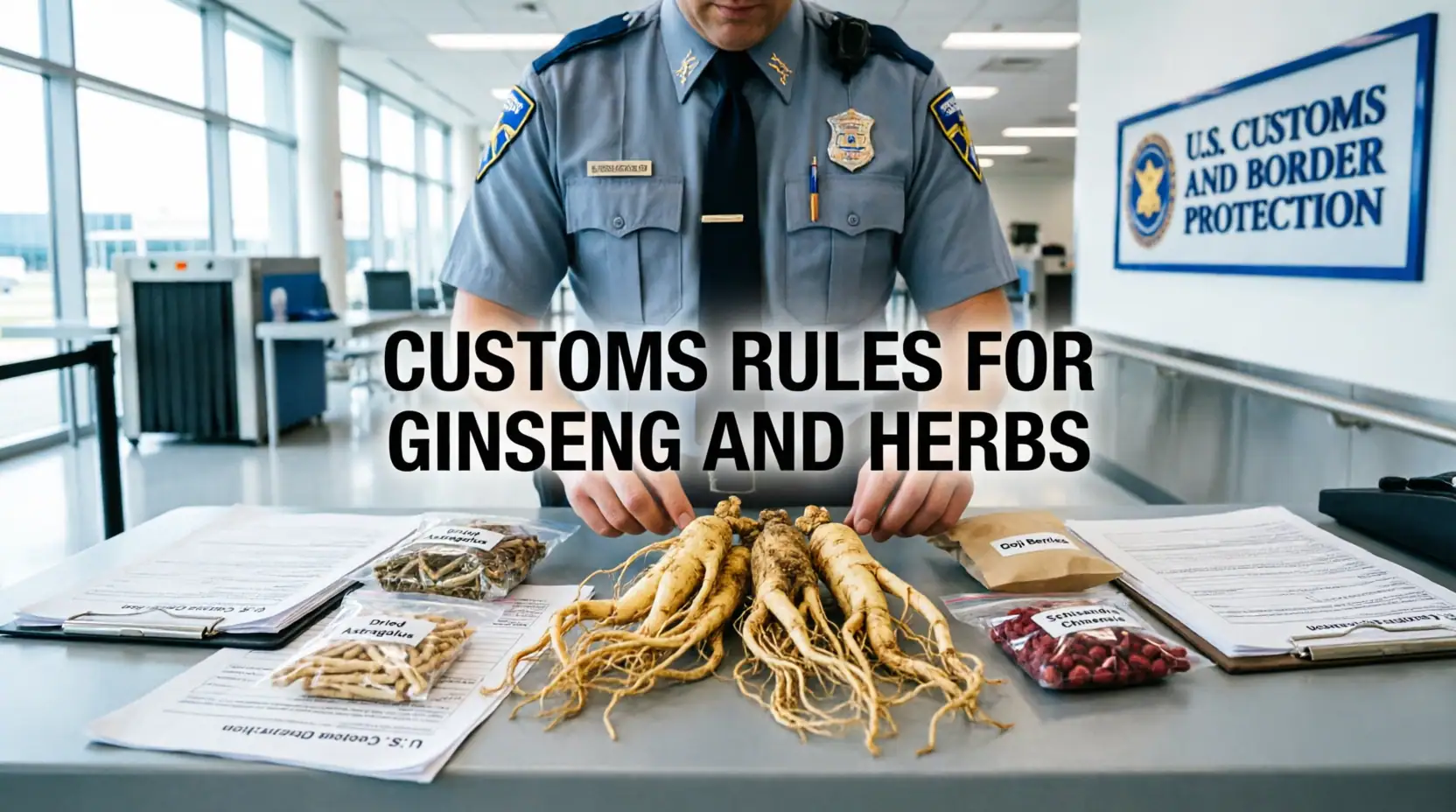
Understanding U.S. Customs Restrictions on Ginseng and Herbs
Traveling internationally with herbal supplements and traditional medicines requires careful attention to United States customs regulations. Many travelers unknowingly violate import restrictions when carrying ginseng and rare botanical products across borders.
U.S. Customs and Border Protection enforces strict rules protecting endangered species and preventing agricultural pests. Violations can result in substantial fines, confiscation of items, and even criminal prosecution in severe cases.
American ginseng faces particular scrutiny due to conservation concerns and international trade agreements. Understanding which species are prohibited helps travelers avoid costly mistakes at ports of entry.
This comprehensive guide explains exactly what herbs and ginseng products you cannot bring into the United States, along with legal alternatives and proper declaration procedures.
Why Ginseng and Herbs Face Strict Customs Regulations

Multiple federal agencies regulate the importation of plant materials into the United States. These regulations protect native ecosystems, endangered species, and public health from potential threats.
What Agencies Regulate Herbal Imports
U.S. Customs and Border Protection serves as the primary enforcement agency at ports of entry. Officers inspect luggage and question travelers about agricultural and botanical items.
The U.S. Department of Agriculture regulates plant materials that could introduce pests or diseases. Their Animal and Plant Health Inspection Service evaluates biosecurity risks.
The Fish and Wildlife Service enforces CITES regulations protecting endangered plant species. This includes certain ginseng varieties and rare medicinal herbs from around the world.
The Food and Drug Administration oversees herbal supplements for safety and labeling compliance. Products making unapproved medical claims face additional scrutiny.
Conservation Concerns Driving Restrictions
Wild ginseng populations have declined dramatically due to overharvesting and habitat loss. International trade restrictions aim to prevent further depletion of these valuable plants.
American ginseng grows slowly, requiring seven to ten years before roots reach harvestable size. This slow growth makes populations particularly vulnerable to exploitation.
Many rare herbs face similar conservation challenges. Traditional medicine demand has driven some species toward extinction in their native habitats.
CITES listings reflect international consensus on which species need trade protection. The United States honors these agreements through strict import controls.
Prohibited Ginseng Species and Products

Not all ginseng faces equal restrictions when entering the United States. Understanding the differences between species and their regulatory status proves essential for compliant travel.
American Ginseng Export and Reimport Rules
American ginseng harvested from the wild requires special documentation for legal export. The U.S. Fish and Wildlife Service issues export permits only for legally harvested roots.
Reimporting American ginseng without proper permits violates federal law. Travelers purchasing ginseng abroad cannot simply bring it back without verifying its origin and legal status.
Wild American ginseng over fifty years old faces additional restrictions. These ancient roots command premium prices but require extensive documentation for any international movement.
Cultivated American ginseng faces fewer restrictions but still requires proof of legal cultivation. Receipts and certificates from licensed growers help establish legitimate origin.
Asian Ginseng Import Restrictions
Asian ginseng varieties including Korean and Chinese ginseng face different regulations. These species do not have the same CITES protections as American ginseng.
However, processed Asian ginseng products must still meet FDA requirements. Unapproved supplements making disease treatment claims may be detained or refused entry.
Fresh ginseng roots from Asia face agricultural inspection requirements. Soil, pests, or plant diseases could result in confiscation regardless of species.
Commercial quantities trigger additional scrutiny. Personal use amounts receive more lenient treatment than bulk imports suggesting commercial intent.
Wild Ginseng Versus Cultivated Ginseng
Wild ginseng commands significantly higher prices but faces stricter regulations. The rarity and conservation status of wild populations justify enhanced protections.
Cultivated ginseng from licensed farms faces fewer restrictions. Documentation proving farm origin simplifies the import process considerably.
Distinguishing wild from cultivated ginseng requires expertise. Customs officers may detain suspicious items for expert examination and verification.
Misrepresenting wild ginseng as cultivated constitutes fraud. False declarations can result in criminal charges beyond simple customs violations.
CITES Protected Herbs You Cannot Import

The Convention on International Trade in Endangered Species lists numerous medicinal herbs requiring special permits. Travelers carrying these items without documentation face confiscation and penalties.
What Is CITES and How Does It Apply to Herbs
CITES regulates international trade in endangered flora and fauna. The treaty includes hundreds of plant species used in traditional medicine worldwide.
Appendix I lists the most endangered species with complete trade bans. Commercial import of these plants is prohibited except in extraordinary circumstances.
Appendix II allows regulated trade with proper permits. Exporting countries must verify sustainable harvesting before issuing documentation.
Appendix III includes species protected by individual countries. These listings vary by nation but receive international recognition and enforcement.
Endangered Medicinal Plants on CITES Lists
Hoodia gordonii, used for appetite suppression, faces trade restrictions. This African succulent became endangered due to commercial demand for weight loss products.
Goldenseal root appears on CITES Appendix II. Overharvesting for traditional medicine has depleted wild populations across North America.
Aloe ferox and certain aloe species require permits for international movement. The succulent plants face pressure from cosmetic and supplement industries.
Orchid species used in traditional medicine face strict controls. Many orchids grow slowly and cannot sustain commercial harvesting levels.
Cactus species including peyote and San Pedro face varying restrictions. These plants contain controlled substances beyond botanical protection concerns.
Penalties for CITES Violations
Civil penalties for CITES violations can reach thousands of dollars per violation. Each prohibited item constitutes a separate violation subject to individual fines.
Criminal prosecution applies to knowing violations involving commercial quantities. Trafficking endangered species carries potential imprisonment in addition to fines.
Confiscation occurs regardless of intent or knowledge. Ignorance of the law does not excuse violations or prevent item seizure.
Permanent records of violations affect future travel. Repeat offenders face enhanced scrutiny and potential entry denials.
Agricultural Restrictions on Fresh and Dried Herbs

Beyond endangered species protections, agricultural regulations prevent introduction of plant pests and diseases. These rules apply even to legally harvested, non-endangered herbs.
Why Fresh Herbs Face Strict Controls
Fresh plant materials can harbor insects, fungi, and bacterial pathogens. These organisms threaten American agriculture and native ecosystems.
Soil attached to roots poses particular risks. Soil-borne diseases and pests can devastate crops and require expensive eradication efforts.
Even cleaned fresh herbs may carry microscopic organisms. Visual inspection cannot guarantee freedom from all potential contaminants.
Commercial imports undergo rigorous inspection and treatment protocols. Personal luggage cannot replicate these biosecurity measures.
Dried Herb Import Requirements
Dried herbs generally face fewer restrictions than fresh materials. The drying process eliminates many pests and pathogens of concern.
However, dried herbs must be free of seeds, soil, and plant debris. These materials could still introduce invasive species or diseases.
Commercially packaged dried herbs receive preferential treatment. Sealed packages with ingredient lists simplify inspection and verification.
Loose dried herbs in unlabeled containers raise suspicion. Customs officers may detain such items for detailed examination or disposal.
Seeds and Live Plants Face Maximum Scrutiny
Herb seeds require import permits and phytosanitary certificates. These documents verify freedom from pests and diseases.
Live herb plants face the strictest controls of all. Most require advance permits, inspection upon arrival, and possible quarantine periods.
Travelers rarely obtain necessary permits for personal plant imports. The process requires advance planning and coordination with USDA officials.
Attempting to smuggle seeds or plants in luggage risks severe penalties. Agricultural smuggling receives serious enforcement attention due to potential catastrophic impacts.
FDA Regulations for Herbal Supplements

The Food and Drug Administration regulates herbal products for safety and labeling. These requirements apply regardless of customs and agricultural restrictions.
What Herbal Products Require FDA Approval
Dietary supplements do not require pre-market FDA approval. However, manufacturers must ensure safety and accurate labeling.
Products making disease treatment claims become unapproved drugs. These items face detention and refusal of entry at the border.
New dietary ingredients not marketed before 1994 require FDA notification. Imported supplements containing novel ingredients may lack proper documentation.
Contaminated or adulterated products violate FDA regulations. Heavy metals, pesticides, or undeclared pharmaceuticals trigger enforcement action.
Labeling Requirements for Legal Import
English language labels facilitate customs inspection. Products labeled only in foreign languages may face detention for translation and review.
Ingredient lists must accurately reflect contents. Undeclared substances, especially controlled substances, create serious legal problems.
Supplement facts panels follow specific formatting rules. Non-compliant labeling suggests questionable manufacturing practices.
Country of origin marking proves essential for customs processing. Products without clear origin information raise authenticity concerns.
Common FDA Violations in Herbal Imports
Weight loss supplements frequently contain undeclared pharmaceuticals. Sibutramine and other banned substances appear in products marketed as natural.
Sexual enhancement products often include unapproved drugs. Sildenafil analogues create health risks for consumers with certain medical conditions.
Bodybuilding supplements may contain controlled substances. Anabolic steroids and related compounds face strict regulation beyond herbal restrictions.
Traditional medicines sometimes contain toxic heavy metals. Lead, mercury, and arsenic contamination occurs in some imported products.
Proper Declaration Procedures at U.S. Customs

Honest declaration of herbs and ginseng protects travelers from penalties. The declaration process seems daunting but follows straightforward procedures.
How to Declare Herbal Products
Complete the CBP Declaration Form 6059B accurately. This form asks specifically about fruits, vegetables, plants, and animal products.
Check yes if carrying any herbs, roots, or botanical materials. Failure to declare constitutes a separate violation from the underlying restriction.
Present items for inspection at the agricultural inspection area. Specially trained officers evaluate compliance with import regulations.
Provide documentation including receipts, permits, and certificates. Organized paperwork expedites the inspection process significantly.
What Information Customs Officers Need
Species identification proves essential for determining restrictions. Scientific names eliminate confusion from varying common names across languages.
Quantity and intended use affect regulatory treatment. Personal use amounts receive different consideration than commercial quantities.
Country of origin determines applicable restrictions. Some countries face enhanced scrutiny due to pest or disease concerns.
Processing method influences admissibility. Dried, powdered, or extracted products face different rules than fresh materials.
Consequences of Failure to Declare
Civil penalties for non-declaration start at three hundred dollars. Violations involving prohibited items incur additional fines beyond the declaration failure.
Criminal prosecution applies to deliberate smuggling. Attempting to conceal items demonstrates intent beyond simple oversight.
Confiscation occurs regardless of declaration status. Declaring prohibited items still results in seizure, but avoids additional penalties.
Trusted traveler program membership faces revocation. Global Entry and similar programs require strict compliance with all regulations.
Legal Alternatives and Permitted Herbal Products

Many herbal products enter the United States legally with proper documentation. Understanding permitted items helps travelers make informed decisions.
Herbs Generally Allowed for Personal Use
Common culinary herbs in dried form face minimal restrictions. Basil, oregano, thyme, and similar kitchen herbs typically pass inspection without issue.
Commercially packaged teas receive preferential treatment. Sealed tea bags or loose leaf tea from reputable brands simplify inspection.
Processed extracts and tinctures often qualify as dietary supplements. These concentrated forms eliminate many agricultural concerns.
Capsules and tablets containing herbal ingredients receive standard supplement treatment. Manufacturing processes address most biosecurity risks.
Documentation That Facilitates Legal Import
CITES permits allow import of otherwise restricted species. These documents require advance application through the Fish and Wildlife Service.
Phytosanitary certificates verify freedom from pests and diseases. Exporting country agricultural authorities issue these documents after inspection.
Commercial invoices and receipts establish legal purchase. Documentation showing legitimate acquisition supports good faith declarations.
Import permits from USDA allow specific plant materials. These permits require advance application with detailed justification.
When to Ship Instead of Carry
Commercial shipping allows proper customs clearance procedures. Packages undergo inspection without the time pressure of passenger processing.
Import brokers facilitate complex clearance processes. Professional expertise helps navigate regulatory requirements efficiently.
Advance documentation submission prevents delays. Shipping allows time to resolve issues before items reach the border.
Tracking and insurance protect valuable shipments. Lost or damaged items receive compensation unlike confiscated luggage contents.
Special Considerations for Traditional Medicine Practitioners

Healthcare providers carrying herbal medicines face unique challenges. Professional use does not exempt items from standard regulations.
Professional Import Versus Personal Use
Commercial quantities trigger enhanced scrutiny regardless of purpose. Professional use suggests commercial intent requiring different permits.
Practitioner licenses do not override import restrictions. Medical credentials do not authorize prohibited species importation.
Bulk imports require commercial entry procedures. Informal passenger entry cannot accommodate professional supply quantities.
Established import relationships simplify repeat shipments. Working with licensed importers proves more efficient than personal carriage.
Alternatives for Practitioners Needing Restricted Herbs
Domestic suppliers offer legally imported alternatives. Established distributors handle regulatory compliance on behalf of practitioners.
Substitute herbs may provide similar therapeutic effects. Consulting botanical references identifies legally available alternatives.
Research partnerships facilitate legal acquisition. Academic and medical institutions obtain special permits for legitimate research needs.
Telemedicine consultations with overseas practitioners avoid transport issues. Patients can access traditional expertise without carrying prohibited items.
Frequently Asked Questions About Herb Import Restrictions

Can I Bring Ginseng Tea Bags Into the USA
Commercially packaged ginseng tea bags generally enter without issue. The processing and packaging address most agricultural concerns.
Asian ginseng tea faces fewer restrictions than American ginseng. The species determination affects regulatory treatment significantly.
Declaration remains necessary regardless of form. Even processed products require honest disclosure on customs forms.
Large quantities may suggest commercial intent. Reasonable personal use amounts receive more favorable consideration.
What Happens If Customs Confiscates My Herbs
Confiscated items are not returned under any circumstances. Agricultural and endangered species violations result in permanent seizure.
You receive a notice of seizure documenting the action. This notice explains your rights and the legal basis for confiscation.
No compensation is provided for confiscated items. The value of seized goods represents a total loss to the traveler.
Additional penalties may apply beyond confiscation. Fines and criminal charges depend on the severity and intent of violations.
Are Herbal Supplements From Asia Allowed
Many Asian herbal supplements enter legally with proper documentation. Country of origin alone does not determine admissibility.
Products must meet FDA safety and labeling requirements. Country-specific regulations do not override U.S. import standards.
Traditional medicines face particular scrutiny for contaminants. Heavy metals and pharmaceutical adulterants occur in some products.
Purchasing from reputable manufacturers reduces risks. Established brands maintain quality control and regulatory compliance.
How Much Ginseng Can I Bring for Personal Use
No specific quantity defines personal use versus commercial. Customs officers evaluate total circumstances including packaging and documentation.
Small amounts consistent with personal consumption receive lenient treatment. Several pounds would suggest commercial intent requiring different procedures.
Wild American ginseng requires permits regardless of quantity. Even single roots need proper documentation for legal import.
Cultivated ginseng in reasonable amounts typically passes inspection. Receipts and certificates facilitate the clearance process.
Do I Need a Prescription for Herbal Medicines
Herbal supplements do not require prescriptions for import. However, they must still meet all other regulatory requirements.
Prescriptions do not override species restrictions. Protected plants remain prohibited regardless of medical necessity claims.
Controlled substances in herbal products face drug regulations. Some traditional medicines contain scheduled substances requiring special authorization.
Doctor letters may support good faith declarations. While not legally required, medical documentation can demonstrate legitimate purpose.
Tips for Smooth Customs Clearance With Herbal Products
Preparation and honesty facilitate efficient customs processing. Following these guidelines minimizes delays and complications.
Before You Travel
Research specific restrictions for items you plan to carry. The CBP and FWS websites provide detailed information on regulated species.
Obtain necessary permits well in advance of travel. Permit processing can take weeks or months depending on the species and purpose.
Purchase from reputable suppliers providing documentation. Legitimate businesses understand export requirements and provide proper paperwork.
Photograph items and organize documentation before travel. Digital copies provide backup if physical documents are lost or damaged.
At the Airport
Keep herbal products easily accessible in your luggage. Difficult-to-reach items delay inspection and frustrate officers.
Declare all botanical materials honestly and completely. Partial disclosure constitutes a violation just as serious as complete non-declaration.
Answer officer questions directly and truthfully. Evasive or inconsistent answers raise suspicion and trigger enhanced inspection.
Accept inspection results gracefully even if items are confiscated. Arguing with officers escalates situations and may result in additional penalties.
After Customs Clearance
Retain all documentation for your records. Future travel may require proof of previous legal imports.
Report any issues or concerns to appropriate agencies. Feedback helps improve processes and clarify regulations for other travelers.
Share experiences with fellow travelers to promote compliance. Knowledgeable travelers help prevent unintentional violations.
Stay updated on regulation changes affecting herbal imports. Rules evolve based on conservation status and emerging threats.
Conclusion: Compliance Protects You and Endangered Species
Navigating U.S. customs regulations for ginseng and herbs requires diligence and preparation. The restrictions serve important conservation and biosecurity purposes that benefit everyone.
American ginseng and other endangered plants need protection from overexploitation. Your compliance with import regulations helps preserve these valuable species for future generations.
Agricultural restrictions prevent devastating pest and disease introductions. The few minutes spent declaring items protects American agriculture worth billions of dollars.
Honest declaration and proper documentation ensure smooth travel experiences. The minor inconvenience of paperwork prevents major problems at the border.
When in doubt, declare items and ask customs officers for guidance. They appreciate travelers making good faith efforts to comply with regulations.
Consider shipping restricted items through proper commercial channels. Professional importers navigate complex regulations more efficiently than individual travelers.
Remember that penalties for violations far exceed the value of most herbal products. The risk simply does not justify attempting to circumvent import restrictions.
Your cooperation with customs regulations demonstrates respect for U.S. law and environmental protection. Responsible travel practices benefit both travelers and the destinations they visit.
0 Comments