.webp)
.webp)
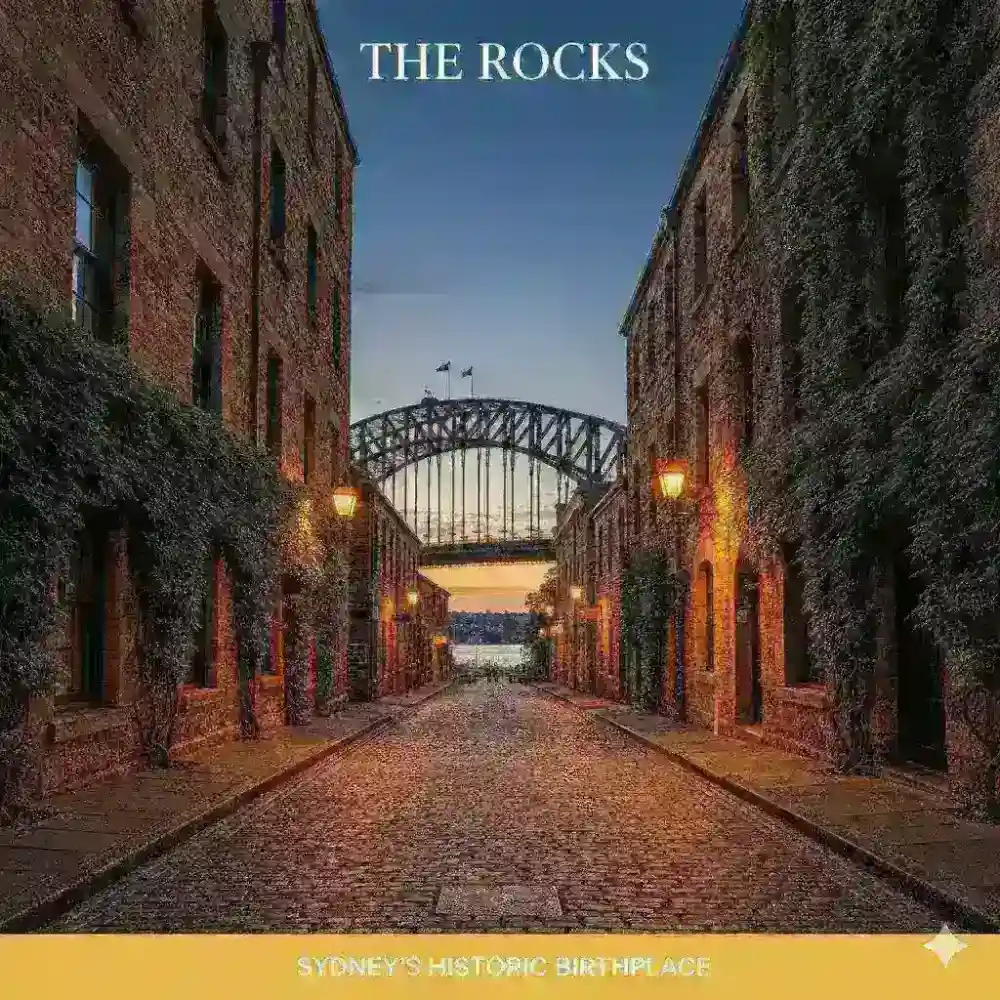
THE ROCKS: WANDERING THROUGH SYDNEY'S HISTORIC BIRTHPLACE
Nestled at the western edge of Sydney Harbour, beneath the towering arch of the Harbour Bridge and adjacent to the iconic Opera House, The Rocks stands as Sydney's historic birthplace and one of Australia's most evocative heritage precincts. This compact neighborhood of cobblestone laneways, sandstone buildings, and colonial-era pubs tells the story of European settlement in Australia, from the first fleet's arrival in 1788 through the maritime commerce of the 19th century to the heritage conservation efforts of the modern era. In 2026, as travelers seek meaningful connections to history and authentic local culture, The Rocks offers an unparalleled opportunity to walk in the footsteps of convicts, sailors, merchants, and migrants who shaped Sydney's earliest chapters.
This comprehensive guide invites you to explore The Rocks with deeper understanding and greater appreciation. We will examine the historical context that gave rise to this remarkable precinct, identify the landmarks and experiences that bring its stories to life, highlight the dining and shopping options that reflect its character, and provide practical information for visiting in 2026. Whether you are a history enthusiast drawn by colonial architecture, a photography lover seeking golden hour laneways, a foodie interested in historic pubs with harbor views, or simply a curious traveler wanting to understand Sydney's origins, this guide will help you prepare for an engaging encounter with the neighborhood where it all began.
Understanding The Rocks requires more than admiring its picturesque streets; it demands engaging with the complex narratives of Indigenous heritage, colonial settlement, maritime commerce, and heritage conservation that have shaped this place. By approaching The Rocks with curiosity and respect, you will discover not just historic buildings but a living dialogue between past and present, between preservation and innovation, between local memory and global tourism.
HISTORICAL CONTEXT: FROM INDIGENOUS LAND TO COLONIAL SETTLEMENT
The story of The Rocks begins long before European arrival. For tens of thousands of years, the area now known as The Rocks was the traditional land of the Gadigal people of the Eora Nation. These Indigenous communities maintained a deep connection to the harbor environment, utilizing its resources for food, medicine, and cultural practices. Shell middens, rock engravings, and oral traditions attest to this enduring relationship with Country. Understanding this Indigenous heritage is essential for appreciating The Rocks' full history and approaching the precinct with appropriate respect.
European settlement of The Rocks began on January 26, 1788, when the First Fleet arrived in Sydney Cove under the command of Captain Arthur Phillip. The area that would become The Rocks was among the first places settled by the new colony, chosen for its proximity to fresh water, sheltered harbor access, and defensible position. The name "The Rocks" derives from the rocky shoreline and sandstone outcrops that characterized the area, which early settlers quarried for building materials.
The early decades of The Rocks were marked by hardship, improvisation, and gradual development. Convicts constructed the colony's first buildings using local sandstone and timber, creating a rough-hewn settlement of huts, stores, and public buildings. By the 1820s, The Rocks had evolved into a bustling maritime quarter, with wharves, warehouses, pubs, and boarding houses serving sailors, merchants, and laborers. The neighborhood's narrow, winding streets reflected its organic growth rather than planned design, creating the intimate laneways that characterize the area today.
The 19th century saw The Rocks flourish as Sydney's principal port and commercial district. The construction of Circular Quay in the 1840s enhanced the area's maritime function, while the gold rushes of the 1850s brought wealth and population growth. Historic buildings from this era—including the Fortune of War pub (Sydney's oldest), the Rocks Discovery Museum, and numerous merchant houses—still stand as tangible connections to this vibrant period.
The 20th century brought significant changes to The Rocks. The construction of the Sydney Harbour Bridge in the 1930s transformed the area's skyline and connectivity, while mid-century urban renewal proposals threatened to demolish much of the historic fabric. In the 1970s, community activism and heritage conservation efforts successfully preserved The Rocks as a living historic precinct, balancing preservation with adaptive reuse for contemporary life.
Today, The Rocks is recognized as a significant heritage area, listed on the New South Wales State Heritage Register and managed by Sydney Living Museums and the Sydney Harbour Foreshore Authority. For visitors in 2026, understanding this complex history enriches the experience of exploring The Rocks, revealing the layers of Indigenous heritage, colonial ambition, maritime commerce, and conservation vision that shape this iconic place.
KEY LANDMARKS AND HISTORIC BUILDINGS: EXPLORING THE ROCKS' ARCHITECTURAL HERITAGE
The Rocks' appeal stems largely from its concentration of well-preserved historic buildings that tell the story of Sydney's development. Understanding these landmarks enhances the visitor experience by providing context for the neighborhood's evolution and character.
Rocks Discovery Museum:
Housed in a restored 1850s sandstone warehouse, the Rocks Discovery Museum offers a free, engaging introduction to the area's history from Indigenous times to the present. The museum's exhibitions explore Gadigal heritage, colonial settlement, maritime commerce, and heritage conservation through artifacts, interactive displays, and multimedia presentations.
Highlights include:
- Indigenous heritage: Exhibits on Gadigal culture, connection to Country, and ongoing Indigenous presence
- Colonial artifacts: Tools, ceramics, and personal items from early settlement
- Maritime history: Displays on shipping, wharf labor, and harbor commerce
- Conservation stories: The fight to preserve The Rocks in the 20th century
Visiting tips:
- Admission is free; donations appreciated
- Allow 45-60 minutes for a thorough visit
- Guided talks and family activities offered on weekends
- Accessibility: Wheelchair accessible; assistance available upon request
Historic Pubs and Hotels:
The Rocks is home to some of Sydney's oldest and most characterful pubs, each with its own story and atmosphere:
Fortune of War:
Sydney's oldest pub, established in 1828, the Fortune of War retains its colonial-era charm with sandstone walls, wooden beams, and harbor views. The pub's history includes connections to convict life, maritime commerce, and literary figures like Banjo Paterson. Today, it offers traditional pub fare, craft beers, and a welcoming atmosphere for visitors seeking authentic historic ambiance.
The Hero of Waterloo:
Built in 1843, this historic pub features original sandstone walls, a hidden cellar used for "shanghaiing" sailors, and a charming courtyard. The pub's atmospheric interior and harbor-side location make it a favorite for both locals and visitors.
The Rocks Cafe and other historic venues:
Several other establishments occupy heritage buildings, offering dining and drinks in settings that connect visitors to The Rocks' past while providing contemporary comfort.
Mercantile Hotel and other adaptive reuse:
Many historic buildings in The Rocks have been thoughtfully adapted for contemporary use while preserving their heritage character. The Mercantile Hotel, for example, combines historic architecture with modern dining and accommodation.
Cadmans Cottage:
Built in 1816, Cadmans Cottage is Sydney's oldest residential building and a rare surviving example of early colonial architecture. Originally constructed as a watermen's cottage for the government boat crew, the building now serves as an information center and venue for heritage events.
Visiting tips:
- Exterior viewing is free; interior access may be limited to special events
- Located near Circular Quay, easy to combine with harbor exploration
- Photography: The cottage's sandstone facade and harbor setting offer excellent photo opportunities
Susannah Place Museum:
A row of four working-class terrace houses built in 1844, Susannah Place Museum offers a rare glimpse into the domestic lives of ordinary Sydneysiders across nearly two centuries. The museum's preserved interiors, oral histories, and archaeological exhibits reveal the everyday experiences of families who lived and worked in The Rocks.
Visiting tips:
- Guided tours required; book in advance through Sydney Living Museums
- Allow 1 hour for the tour experience
- Accessibility: Limited due to historic staircases; check website for details
- Photography: Permitted in some areas; flash may be restricted
Archaeological Sites and Interpretive Displays:
The Rocks contains numerous archaeological sites that reveal layers of human occupation. Interpretive plaques, glass floor panels, and outdoor exhibits throughout the precinct highlight these discoveries:
- Glass floor panels at the Rocks Discovery Museum reveal archaeological remains beneath your feet
- Outdoor displays along laneways explain the history of specific sites and buildings
- The Big Dig Archaeology Education Centre offers hands-on experiences with real artifacts (seasonal programming)
These features transform a simple walk through The Rocks into an immersive historical journey, revealing the physical evidence of the neighborhood's rich past.
WALKING TOURS AND EXPERIENCES: ENGAGING WITH THE ROCKS' STORIES
The Rocks offers multiple ways to engage with its history, from guided walking tours to self-guided exploration. Understanding these options helps visitors choose the experience that best suits their interests and schedule.
Guided Walking Tours:
The Rocks Walking Tours, operated by Sydney Living Museums, offer expert-led experiences that bring the precinct's history to life:
The Rocks History Walk:
- Duration: Approximately 90 minutes
- Highlights: Colonial architecture, archaeological sites, historic pubs, harbor views
- Focus: Convict history, maritime commerce, heritage conservation
- Group size: Small groups for personalized attention
- Booking: Recommended in advance, especially for weekends and peak season
- Accessibility: Moderate walking on uneven surfaces; contact organizers for specific needs
Aboriginal Heritage Walk:
- Duration: Approximately 90 minutes
- Highlights: Gadigal heritage, Indigenous place names, cultural connections to harbor
- Focus: Pre-colonial history, ongoing Indigenous presence, respectful engagement
- Guides: Led by Indigenous guides with deep cultural knowledge
- Booking: Essential to book in advance; limited group sizes
- Cultural protocol: Respectful behavior and listening encouraged
Ghost Tours:
- Duration: Approximately 90 minutes, evening departures
- Highlights: Historic buildings, laneways, and stories of The Rocks' colorful past
- Focus: Folklore, maritime legends, and atmospheric storytelling
- Atmosphere: Evening ambiance enhances the historic mood; bring a light jacket
- Booking: Popular tours sell out; reserve early
Self-Guided Exploration:
For independent travelers, The Rocks is ideal for self-guided discovery:
- Maps and apps: Download the official Rocks map or use heritage apps for audio commentary
- Interpretive signage: Plaques throughout the precinct provide historical context for specific sites
- Flexible pacing: Explore at your own speed, lingering at sites of personal interest
- Photography opportunities: Golden hour light enhances the historic sandstone and laneways
Tips for self-guided exploration:
- Start at the Rocks Discovery Museum for orientation
- Follow the harbor foreshore for continuous views and historic sites
- Allow 2-3 hours for a comprehensive self-guided visit
- Wear comfortable shoes for cobblestone streets and uneven surfaces
Market Experiences:
The Rocks Markets, held on weekends in Playfair Street and surrounding laneways, offer a vibrant blend of local crafts, artisan foods, and live music. The markets reflect The Rocks' contemporary character while honoring its tradition as a place of commerce and community gathering.
Market highlights:
- Local artisans: Jewelry, ceramics, textiles, and art created by Australian makers
- Gourmet food: Artisan cheeses, baked goods, international cuisines, and native ingredients
- Live music: Local musicians perform throughout the market area
- Atmosphere: Lively, colorful, and welcoming; ideal for browsing and people-watching
Visiting tips:
- Market hours: Saturdays and Sundays, 10 AM to 5 PM (weather permitting)
- Arrive early: Popular vendors sell out; morning offers the best selection
- Bring cash: Some vendors prefer cash, though most accept cards
- Sustainability: Many vendors use eco-friendly packaging; bring reusable bags if possible
DINING AND SHOPPING: EXPERIENCING THE ROCKS' CONTEMPORARY CHARACTER
While The Rocks is celebrated for its historic buildings, its contemporary dining and shopping scene adds vibrancy and variety to the visitor experience. Understanding these options helps visitors enjoy The Rocks' full character.
Historic Pubs and Harbor Dining:
Dining in The Rocks offers opportunities to enjoy quality food and drink in settings that connect to the area's maritime heritage:
Harbor-view venues:
- The Glenmore Hotel: Rooftop bar with panoramic Opera House and Harbour Bridge views; casual dining and craft beers
- The Australian Heritage Hotel: Traditional pub fare with harbor glimpses; extensive Australian beer selection
- Cafe Sydney: Fine dining with spectacular harbor views; modern Australian cuisine (nearby in Customs House)
Casual and family-friendly options:
- The Rocks Cafe: Relaxed atmosphere with harbor-side seating; breakfast, lunch, and light meals
- Pizza establishments: Several venues offer quick, quality meals ideal for families
- Takeaway options: Fish and chips, sandwiches, and international street food for harbor-side picnics
Dining tips:
- Reservations: Book in advance for dinner, especially on weekends and for harbor-view venues
- Timing: Sunset dining offers spectacular lighting and atmosphere
- Dietary needs: Most venues accommodate vegetarian, vegan, and allergen-free requests; advise when booking
- Budget range: Casual dining AUD 20-40 per person; mid-range AUD 40-80; fine dining AUD 80+
Shopping and Local Crafts:
The Rocks offers diverse shopping experiences that reflect its heritage character and contemporary creativity:
Historic arcades and laneways:
- The Rocks Markets: Weekend markets featuring local artisans, designers, and food vendors
- Heritage laneways: Small boutiques and galleries tucked into historic buildings
- Australian-made goods: Jewelry, ceramics, textiles, and art created by local makers
Specialty shops:
- Aboriginal art galleries: Authentic Indigenous artwork and crafts from community-owned centers
- Heritage bookshops: Titles on Sydney history, architecture, and Australian culture
- Gourmet food stores: Local produce, native ingredients, and artisan products ideal for gifts
Shopping tips:
- Support local: Purchase from Australian-made vendors to support local artists and producers
- Authenticity: Look for certifications or provenance information for Indigenous artwork
- Bargaining: Not customary in established shops; prices are generally fixed
- Shipping: Many shops offer domestic and international shipping for larger purchases
PHOTOGRAPHY AND INSTAGRAM SPOTS: CAPTURING THE ROCKS' HISTORIC CHARM
The Rocks is one of Sydney's most photogenic neighborhoods, offering endless opportunities for capturing its historic character, harbor views, and vibrant street life. Whether you are a professional photographer or simply documenting memories on your phone, these tips will help you make the most of The Rocks' visual appeal.
Best Times for Photography:
- Golden hour: Sunrise and sunset provide warm, directional light that enhances the texture of sandstone buildings and creates dramatic shadows in laneways. Sunrise offers fewer crowds and soft harbor light.
- Blue hour: The period just after sunset offers soft, even light and dramatic sky colors with illuminated buildings and harbor reflections.
- Overcast days: Diffused light reduces harsh shadows, ideal for architectural details and street photography.
Iconic Photography Locations:
- Cobblestone laneways: Narrow streets like Nurses Walk and Suez Canal offer intimate perspectives on historic architecture and atmospheric lighting.
- Harbor viewpoints: Locations near Circular Quay and the harbor foreshore provide classic views of the Opera House and Harbour Bridge with The Rocks' historic buildings in the foreground.
- Historic pub facades: The Fortune of War, Hero of Waterloo, and other heritage pubs offer characterful subjects with authentic period details.
- Market scenes: Weekend markets provide vibrant colors, human interest, and dynamic compositions.
- Archaeological displays: Glass floor panels and interpretive exhibits offer unique perspectives on the layers of history beneath your feet.
Photography Tips:
- Use a wide-angle lens: Captures the intimacy of laneways and the scale of harbor views.
- Include human elements: Visitors, market vendors, and street performers add life and scale to architectural shots.
- Experiment with perspectives: Low angles emphasize cobblestones and building textures; elevated viewpoints capture the precinct's relationship to the harbor.
- Respect privacy: Avoid photographing individuals without permission, especially in residential areas or during intimate moments.
- Protect your gear: Harbor environments can be humid; use protective covers and clean equipment after use.
PRACTICAL VISITOR INFORMATION FOR THE ROCKS IN 2026
Planning a visit to The Rocks requires consideration of logistics, timing, and local customs. This section provides essential information for traveling responsibly to The Rocks in 2026.
Getting to The Rocks:
The Rocks is easily accessible from central Sydney by public transportation, taxi, or on foot.
By public transportation:
- Train: Circular Quay Station is a 5-minute walk from The Rocks; Wynyard Station is 10 minutes away
- Ferry: Circular Quay ferry terminal offers scenic harbor approaches and direct access to The Rocks
- Bus: Multiple bus routes serve Circular Quay and nearby stops; check Transport for NSW for current routes
- Light rail: L2 and L3 lines connect to Circular Quay, a short walk from The Rocks
By taxi or ride-hailing:
- Taxis and services like Uber can drop off at designated zones near Circular Quay or Argyle Street
- Allow extra time for traffic, especially during peak hours and event times
On foot:
- Walking from Circular Quay, the Opera House, or the Royal Botanic Garden is pleasant and scenic (5-10 minutes)
- The Rocks connects to Darling Harbour and Barangaroo via pedestrian paths
Parking:
- Limited street parking; fees and time restrictions apply
- Paid parking stations at Circular Quay and nearby locations
- Public transportation is strongly recommended to avoid parking challenges
Opening Hours and Access:
The Rocks is a public precinct open 24/7, though individual attractions, restaurants, and venues have varying hours:
- Museums and galleries: Typically open 10 AM to 5 PM daily; check individual websites for current hours
- Dining: Lunch service 11 AM to 3 PM; dinner service 5 PM to 10 PM or later; some venues open for breakfast
- Markets: Saturdays and Sundays, 10 AM to 5 PM (weather permitting)
- Tours: Departure times vary; book in advance for specific schedules
Best Times to Visit:
To avoid crowds and enjoy optimal conditions:
- Weekday mornings: Fewer crowds, pleasant temperatures, ideal for photography and relaxed exploration
- Weekend markets: Vibrant atmosphere but larger crowds; arrive early for best selection
- Sunset: Golden hour lighting, harbor views, and atmospheric ambiance, but popular for dining
- Avoid peak summer afternoons: Heat and crowds peak; seek shade and stay hydrated
Weather Considerations:
Sydney has a temperate climate, but harbor-side locations can be windy:
- Summer (December-February): Warm to hot; bring sun protection, water, and light clothing
- Autumn and Spring: Pleasant temperatures; ideal for walking tours and outdoor dining
- Winter (June-August): Mild days, cool evenings; bring layers for early morning or evening visits
Check weather forecasts before your visit, especially for outdoor activities and harbor dining.
Accessibility:
The Rocks is committed to accessibility for all visitors, though its historic character presents some challenges:
- Paved pathways: Main streets like George Street and Argyle Street are paved and accessible
- Cobblestone laneways: Some historic laneways have uneven surfaces; sturdy footwear recommended
- Building access: Many historic buildings have steps; check individual venues for accessibility information
- Restrooms: Accessible facilities available at major attractions and public areas
- Assistance: Staff at museums and visitor centers can provide guidance on accessible routes
Contact individual attractions or the Rocks Discovery Museum information desk to arrange specific accommodations.
Budgeting:
The Rocks offers experiences for various budgets:
- Free activities: Walking the laneways, visiting the Rocks Discovery Museum, enjoying harbor views, and exploring public spaces cost nothing
- Guided tours: AUD 25-45 per person depending on tour type and duration
- Dining: Casual meals AUD 15-30; mid-range AUD 30-60; fine dining AUD 60+
- Shopping: Artisan crafts and local products vary widely; budget AUD 20-100+ for souvenirs
Money-saving tips:
- Enjoy free harbor views and public spaces
- Visit the free Rocks Discovery Museum for historical context
- Pack snacks and water for daytime exploration
- Use public transportation instead of taxis
Health and Safety:
The Rocks is generally safe for visitors, but take standard precautions:
- Footwear: Wear comfortable, sturdy shoes for cobblestone streets and uneven surfaces
- Sun protection: Australia's UV levels can be extreme. Use SPF 30+ sunscreen, wear a hat and sunglasses, and seek shade during peak sun hours (10 AM to 3 PM)
- Harbor safety: Stay on designated pathways near the water; supervise children closely
- First aid: First aid stations are located at major attractions; lifeguards patrol nearby harbor edges during summer
- Emergency services: Dial 000 for police, fire, or ambulance emergencies in Australia
SUSTAINABLE AND RESPONSIBLE VISITING
Visiting The Rocks carries responsibility to protect this precious heritage precinct and respect the local community. In 2026, sustainable tourism practices enhance the experience for all.
Protect Heritage Buildings:
The Rocks' historic character depends on careful stewardship. Help preserve the precinct by:
- Staying on designated paths: Protect historic surfaces and archaeological sites by using walkways
- Not touching historic fabric: Avoid leaning on or climbing historic walls and structures
- Respecting signage: Follow guidelines regarding photography, access, and behavior in heritage buildings
- Reporting concerns: Notify staff if you observe damage or issues with historic structures
Support Local Community:
The Rocks' character depends on the local businesses and residents who call it home. Support the community by:
- Choosing locally-owned restaurants, shops, and tour operators
- Purchasing from The Rocks Markets and other local artisan vendors
- Respecting residential areas; keep noise levels reasonable, especially in the evening
- Engaging respectfully with staff and residents; remember this is a living neighborhood
Minimize Environmental Impact:
Reduce your footprint while visiting The Rocks:
- Use public transportation to reach the precinct
- Carry reusable water bottles and bags to reduce single-use plastics
- Dispose of waste properly using recycling and general waste bins
- Participate in harbor cleanup initiatives if available
Engage with Indigenous Heritage:
The Rocks is the traditional land of the Gadigal people of the Eora Nation. Acknowledge this heritage by:
- Learning about Indigenous connections to Country through the Rocks Discovery Museum and Aboriginal Heritage Walks
- Supporting Indigenous-owned businesses and artists in the precinct
- Approaching historic sites with respect for the deep cultural history that predates European settlement
- Listening to Indigenous perspectives on place, history, and contemporary life
CULTURAL SIGNIFICANCE: WHY THE ROCKS MATTERS TODAY
The Rocks is more than a collection of historic buildings; it is a living expression of Sydney's origins, resilience, and ongoing evolution. Understanding its cultural significance enriches the visitor experience by connecting stones to stories.
Heritage Conservation Model:
The Rocks represents one of Australia's most successful heritage conservation projects. The community-led efforts of the 1970s to preserve the area from demolition established principles of adaptive reuse, community engagement, and balanced development that continue to inform heritage practice worldwide. Visiting The Rocks offers insights into how historic places can remain vibrant and relevant while honoring their past.
Indigenous and Colonial Narratives:
The Rocks invites reflection on the complex, often difficult histories of Indigenous dispossession and colonial settlement. By engaging with both Gadigal heritage and colonial stories, visitors can develop a more nuanced understanding of Australian history and the ongoing process of reconciliation. The precinct's interpretive programming increasingly centers Indigenous voices and perspectives, offering opportunities for respectful learning and dialogue.
Urban Identity and Place-Making:
As Sydney's birthplace, The Rocks plays a foundational role in the city's identity. Its historic buildings, harbor setting, and cultural programming contribute to Sydney's character as a city that values both its heritage and its future. For visitors, experiencing The Rocks provides context for understanding Sydney's evolution from colonial outpost to global metropolis.
CONCLUSION: WALKING THROUGH HISTORY IN THE ROCKS
Wandering the cobblestone laneways of The Rocks is an experience that transcends ordinary tourism. As you pass sandstone buildings that have witnessed over two centuries of change, stand where the First Fleet first disembarked, and gaze across the harbor at the modern city that grew from this humble beginning, you encounter something profound: the enduring power of place to connect us to history, to community, and to the ongoing story of human settlement.
In 2026, as travelers seek meaningful connections to history and authentic local culture, The Rocks offers an unparalleled opportunity to engage with the origins of Sydney and the broader narratives of Indigenous heritage, colonial ambition, maritime commerce, and heritage conservation. Whether you join a guided walk, explore independently, savor a meal in a historic pub, or simply watch the sunset paint the harbor in shades of gold and pink, The Rocks invites you to slow down, reflect, and appreciate the layers of meaning embedded in this special place.
As you plan your visit to The Rocks, approach this historic precinct with curiosity, humility, and respect. Listen to the stories the stones tell, engage with the diverse narratives that shape this place, and allow the beauty of The Rocks to inspire your own appreciation for heritage, community, and the enduring human impulse to create meaningful places.
May your encounter with The Rocks deepen your appreciation for the achievements and challenges of the past and inspire your contribution to the future. As the conservationists, historians, and community members who preserved The Rocks understood, true heritage lies not just in buildings alone but in the ideas, values, and stories that give them meaning. May you carry that understanding forward, wherever your journey leads.
Useful resources include Sydney Living Museums at sydneylivingmuseums.com.au for tour bookings and heritage information, The Rocks official website at therocks.com for events and precinct updates, and Destination NSW at visitnsw.com for trip planning. Emergency services in Australia can be reached at 000. Disclaimer: Information is accurate as of early 2026. Tour schedules, venue hours, and policies may change; verify details before travel. This guide is for informational purposes only and does not constitute professional travel advice.
0 Comments