.webp)
.webp)
SYDNEY: EXPLORING THE VIBRANT HARBOR CITY AND ITS ICONIC LANDMARKS
Sydney stands as one of the world's most recognizable and beloved cities, where a spectacular natural harbor meets architectural icons, pristine beaches, and a vibrant multicultural culture. Nestled around Port Jackson, one of the most beautiful natural harbors on Earth, Sydney combines outdoor adventure with urban sophistication, offering visitors an extraordinary blend of experiences that range from climbing the Harbour Bridge to relaxing on Bondi Beach, from exploring historic laneways in The Rocks to dining with Opera House views. In 2026, as travelers seek destinations that offer both iconic landmarks and authentic local experiences, Sydney continues to captivate with its harbor-side beauty, world-class attractions, and welcoming atmosphere.
This comprehensive guide invites you to explore Sydney with deeper understanding and greater appreciation. We will journey through the city's iconic landmarks, discover its diverse neighborhoods, experience its harbor culture, sample its exceptional dining scene, and provide practical information for visiting in 2026. Whether you are a first-time visitor drawn by the Opera House and Harbour Bridge, a returning traveler seeking deeper local experiences, a photography enthusiast chasing golden hour shots, or simply a curious explorer, this guide will help you prepare for an unforgettable encounter with Australia's most famous city.
Understanding Sydney requires more than visiting famous postcard views; it demands engaging with the harbor that defines the city's character, the Indigenous heritage that predates European settlement by tens of thousands of years, and the contemporary culture that makes Sydney one of the world's most livable and dynamic cities. By approaching Sydney with curiosity and respect, you will discover not just iconic landmarks but a living city where natural beauty, cultural diversity, and urban innovation converge.
THE ICONIC LANDMARKS: SYDNEY'S POSTCARD VIEWS
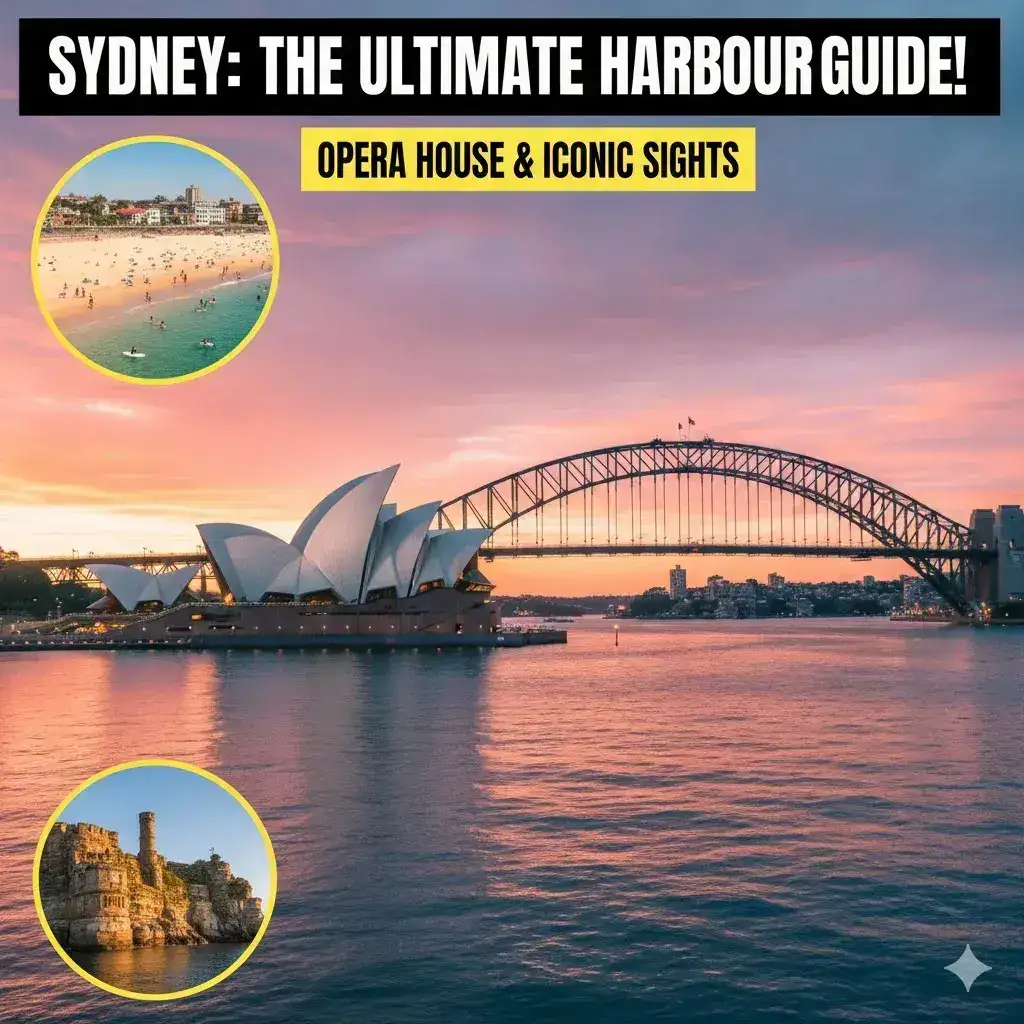
Sydney's global recognition stems largely from two architectural masterpieces that define its skyline: the Sydney Opera House and the Sydney Harbour Bridge. Understanding these landmarks enhances the visitor experience by revealing the stories, engineering feats, and cultural significance behind their iconic forms.
Sydney Opera House:
No visit to Sydney is complete without experiencing the Opera House, UNESCO World Heritage-listed and one of the most photographed buildings in the world. Designed by Danish architect Jorn Utzon and opened in 1973, the Opera House's distinctive sail-like shells have become synonymous with both Sydney and Australia itself.
Visiting the Opera House in 2026 offers multiple ways to engage with this architectural marvel. Guided tours provide access to the Concert Hall, Joan Sutherland Theatre, and other performance spaces, while sharing the fascinating story of the building's controversial design, challenging construction, and Utzon's visionary approach. Tours typically last one hour and are available in multiple languages.
For a more immersive experience, consider attending a performance. The Opera House hosts over 1,500 events annually, including opera, ballet, theater, concerts, and contemporary performances. Booking tickets in advance is recommended, especially for popular productions. Even if you do not attend a performance, the building's foyers and forecourt are open to the public, offering harbor views and opportunities to appreciate the architecture up close.
Photography enthusiasts should visit at golden hour, when the setting sun illuminates the white tiles of the shells with warm light, or at night, when the building is dramatically lit. The best vantage points include Mrs Macquarie's Chair in the Royal Botanic Garden, the eastern walkway of the Harbour Bridge, and the ferry approach from Circular Quay.
Sydney Harbour Bridge:
The Sydney Harbour Bridge, affectionately known as the "Coathanger," is an engineering masterpiece that has connected the city's north and south shores since 1932. This steel arch bridge, one of the largest of its kind in the world, offers visitors unique perspectives of Sydney Harbor and the Opera House.
Experiencing the Bridge in 2026 offers several options. The BridgeClimb experience allows adventurous visitors to ascend the bridge's outer arch, guided by trained climb leaders, for panoramic 360-degree views of the harbor, city, and beyond. Climbs are available at sunrise, day, twilight, and night, each offering distinct lighting and atmosphere. Advance booking is essential, and participants must meet fitness and age requirements.
For a more accessible option, the Pylon Lookout offers spectacular views from the southeast pylon of the bridge. A museum inside the pylon shares the bridge's history and construction story, while the observation deck provides excellent photo opportunities of the Opera House and harbor.
Walking or cycling across the bridge is free and offers a more relaxed way to experience this iconic structure. Pedestrian walkways on both sides provide harbor views, and the approach from The Rocks or Milsons Point offers excellent photo opportunities.
Bondi Beach and Coastal Walks:
While the Opera House and Harbour Bridge define Sydney's harbor, Bondi Beach represents the city's celebrated beach culture. This iconic stretch of golden sand, framed by headlands and backed by cafes and shops, has been a symbol of Australian coastal life for over a century.
Visiting Bondi in 2026 offers opportunities for swimming, surfing, sunbathing, or simply people-watching from the grassy parklands above the beach. The Bondi Pavilion, a heritage-listed community cultural center, hosts exhibitions, performances, and markets. The Bondi Markets, held on weekends, feature local crafts, fashion, and food.
For a more active experience, walk the Bondi to Coogee Coastal Walk, a six-kilometer cliff-top path that passes Tamarama and Bronte beaches, Waverley Cemetery, and Gordon's Bay. This spectacular walk offers dramatic ocean views, opportunities for swimming at rock pools, and insights into Sydney's coastal environment. Allow two to three hours for the full walk, or complete shorter sections as desired.
NEIGHBORHOODS AND DISTRICTS: EXPLORING SYDNEY'S DIVERSE CHARACTER
Sydney's character is defined not just by its landmarks but by its diverse neighborhoods, each offering distinct experiences, cultures, and atmospheres. Understanding these districts helps visitors explore beyond the postcard views to discover the city's authentic local life.
The Rocks:
Sydney's historic heart, The Rocks occupies the western shore of Circular Quay, where European settlement began in 1788. Cobblestone laneways, heritage buildings, and weekend markets create a charming atmosphere that contrasts with the modern city nearby.
Exploring The Rocks in 2026 offers opportunities to visit historic sites like the Rocks Discovery Museum, which shares stories of Indigenous heritage, colonial settlement, and maritime history. Guided walking tours reveal hidden laneways, historic pubs, and archaeological remains. The Rocks Markets, held on weekends, feature local artisans, designers, and food vendors.
Dining in The Rocks ranges from historic pubs like the Fortune of War, Sydney's oldest pub, to contemporary restaurants with harbor views. The area's proximity to Circular Quay makes it an ideal base for exploring the harbor.
Circular Quay and the Harbor Foreshore:
Circular Quay serves as Sydney's transportation hub and a spectacular waterfront precinct where ferries, trains, and buses converge beneath the Opera House and Harbour Bridge. The quay's promenade offers uninterrupted harbor views, street performers, and access to major attractions.
Walking the harbor foreshore from Circular Quay to the Royal Botanic Garden provides some of Sydney's most photographed views. Mrs Macquarie's Chair, a sandstone bench carved for the wife of an early governor, offers the classic Opera House and Bridge photo opportunity. The garden itself, with its harbor-side paths, exotic plants, and free guided tours, provides a peaceful escape from the city.
Darling Harbour:
Once a working port, Darling Harbour has been transformed into a vibrant entertainment and cultural precinct. Family-friendly attractions include SEA LIFE Sydney Aquarium, WILD LIFE Sydney Zoo, and the Australian National Maritime Museum, which features historic vessels and interactive exhibits.
Darling Harbour's waterfront dining, Cockle Bay Wharf, and Tumbalong Park offer spaces for relaxation and people-watching. The precinct hosts events year-round, including festivals, markets, and fireworks. The light rail connection to Central Station and Chinatown makes Darling Harbour easily accessible from other parts of the city.
Surry Hills, Paddington, and the Eastern Suburbs:
East of the city center, neighborhoods like Surry Hills and Paddington showcase Sydney's creative, culinary, and boutique shopping scenes. Crown Street in Surry Hills features independent cafes, vintage shops, and innovative restaurants. Oxford Street in Paddington is known for designer boutiques, art galleries, and the monthly Paddington Markets.
These neighborhoods offer a more local perspective on Sydney life, with tree-lined streets, terrace houses, and a relaxed atmosphere. They are ideal for visitors seeking to experience Sydney beyond the tourist trail.
Manly and the Northern Beaches:
Accessible by a scenic ferry ride from Circular Quay, Manly offers a beachside escape with a distinct village atmosphere. The Corso, a pedestrian mall linking the harbor to the ocean beach, features shops, cafes, and street performers. Manly Beach offers swimming, surfing, and coastal walks, while the North Head Sanctuary provides bushwalking and harbor views.
The ferry journey to Manly is an experience in itself, offering spectacular views of the harbor, Opera House, and Bridge from the water. Allow time to explore Manly's shops, dine with ocean views, and perhaps continue to other northern beaches like Palm Beach, famous as the filming location for the television series Home and Away.
HARBOR EXPERIENCES: SYDNEY FROM THE WATER
Sydney Harbor is not just a backdrop for the city's landmarks; it is an integral part of the Sydney experience. Exploring the harbor by water offers unique perspectives and unforgettable memories.
Ferry Rides:
Sydney's ferry network is both practical transportation and a scenic attraction. The most popular routes for visitors include:
- Circular Quay to Manly: A 30-minute journey offering spectacular harbor views, including the Opera House, Harbour Bridge, and North Head.
- Circular Quay to Taronga Zoo: A short ride providing harbor views and access to Australia's premier zoo, with native wildlife and harbor-side enclosures.
- Circular Quay to Watsons Bay: A scenic route passing through Sydney Heads to the harbor's ocean entrance, with opportunities for coastal walks and seafood dining at Watsons Bay.
Ferries depart frequently from Circular Quay, and tickets can be purchased using an Opal card or contactless payment. For the best views, stand on the upper deck or outside areas during the journey.
Harbor Cruises:
For a more leisurely harbor experience, consider a dedicated harbor cruise. Options range from sightseeing cruises with commentary to dining cruises featuring multi-course meals with harbor views. Sunset and twilight cruises offer particularly spectacular lighting for photography.
Many cruises depart from Circular Quay or Darling Harbour and last one to three hours. Some include stops at attractions like Taronga Zoo or Watsons Bay. Booking in advance is recommended, especially for dinner cruises and peak season.
Water Activities:
For active visitors, Sydney Harbor offers opportunities for kayaking, stand-up paddleboarding, and sailing. Guided kayak tours provide a unique perspective on the Opera House and Bridge from water level, while sailing experiences allow visitors to participate in handling a yacht on the harbor.
Beach swimming is also a harbor activity, with sheltered beaches like Balmoral, Clovelly, and Shark Island offering calm waters and harbor views. Always swim between the flags at patrolled beaches and heed safety warnings.
CULTURAL ATTRACTIONS: MUSEUMS, GALLERIES, AND EVENTS
Sydney's cultural institutions reflect the city's creativity, history, and diversity. These attractions enrich the visitor experience by providing context for Sydney's landmarks and contemporary culture.
Art Gallery of New South Wales:
Located in the Royal Botanic Garden, the Art Gallery of NSW houses extensive collections of Australian, European, and Asian art. The gallery's Australian art collection, including works by Indigenous artists, provides insights into the nation's artistic heritage. Temporary exhibitions feature international and contemporary artists.
Admission to the permanent collection is free, while special exhibitions may charge entry fees. The gallery's harbor-side sculpture garden offers a peaceful setting for contemplation.
Museum of Contemporary Art Australia:
Located at Circular Quay in a striking Art Deco building, the MCA focuses on contemporary art from Australia and around the world. The museum's rooftop cafe offers harbor views, and its program of exhibitions, talks, and events engages with current artistic practices.
Admission to the permanent collection is free, while special exhibitions may charge fees. The MCA's location makes it an ideal stop when exploring Circular Quay and The Rocks.
Australian Museum and Hyde Park Barracks:
The Australian Museum, near Hyde Park, is the nation's oldest museum, featuring natural history and cultural collections. Exhibits on Indigenous cultures, dinosaurs, and Australian wildlife provide educational and engaging experiences for all ages.
Hyde Park Barracks, a UNESCO World Heritage-listed site, tells the stories of convict life, immigration, and Indigenous history. The immersive audio experience allows visitors to hear the voices of people who lived and worked in the barracks.
Events and Festivals:
Sydney's event calendar offers opportunities to experience the city's vibrant culture. Key events include:
- Sydney Festival (January): A month-long celebration of arts, music, and performance across the city.
- Vivid Sydney (May-June): A festival of light, music, and ideas featuring illuminated installations on the Opera House and other landmarks.
- Sydney Royal Easter Show (April): A celebration of Australian agriculture, food, and entertainment at Sydney Olympic Park.
- New Year's Eve: Spectacular fireworks displays over the harbor, with the Opera House and Bridge as focal points.
Check event dates and book tickets in advance, as popular events can sell out quickly.
DINING AND CULINARY EXPERIENCES: SYDNEY'S FOOD SCENE
Sydney's dining scene reflects the city's multicultural population, fresh local produce, and harbor-side setting. From casual cafes to fine dining with Opera House views, Sydney offers culinary experiences for every taste and budget.
Harbor-Side Dining:
Dining with harbor views is a quintessential Sydney experience. Restaurants at Circular Quay, The Rocks, and Bennelong Point offer views of the Opera House and Bridge. Bennelong Restaurant, located inside the Opera House, provides fine dining in an iconic setting. Quay, at the western end of Circular Quay, offers innovative cuisine with panoramic harbor views.
For more casual harbor dining, consider cafes and pubs along the waterfront at Darling Harbour, Watsons Bay, or Manly. Many offer outdoor seating where you can enjoy a meal while watching ferries glide by.
Multicultural Cuisine:
Sydney's diverse population has created a vibrant food scene representing cuisines from around the world. Chinatown, near Central Station, offers authentic Chinese, Vietnamese, and Malaysian dining. Cabramatta, in Sydney's southwest, is renowned for Vietnamese cuisine. Newtown features eclectic cafes, vegetarian options, and international flavors.
For a taste of modern Australian cuisine, which emphasizes fresh local ingredients and multicultural influences, explore restaurants in Surry Hills, Paddington, or Barangaroo.
Markets and Casual Dining:
Sydney's markets offer opportunities to sample local produce and street food. The Rocks Markets on weekends feature artisan foods, while Carriageworks Farmers Market on Saturday mornings showcases regional produce. Food trucks and casual eateries in Barangaroo and Darling Harbour provide quick, quality meals with harbor views.
Coffee Culture:
Sydney takes coffee seriously, with a thriving specialty coffee scene. Independent cafes in neighborhoods like Surry Hills, Newtown, and Bondi serve expertly crafted espresso drinks using locally roasted beans. Many cafes also offer excellent breakfast and brunch options, reflecting Sydney's relaxed, outdoor-oriented lifestyle.
DAY TRIPS AND BEYOND: EXPLORING GREATER SYDNEY
While Sydney's harbor and city attractions are compelling, the surrounding region offers extraordinary experiences that complement a city visit.
Blue Mountains:
Just 90 minutes west of Sydney by train or car, the Blue Mountains World Heritage Area offers dramatic scenery, bushwalking, and wildlife encounters. The Three Sisters rock formation at Katoomba is an iconic landmark, while scenic railways, cableways, and walkways provide access to rainforest valleys and waterfalls.
Visiting the Blue Mountains in 2026 offers opportunities for guided tours or independent exploration. Allow a full day to experience the highlights, or extend your visit to explore lesser-known trails and villages.
Hunter Valley:
Two and a half hours north of Sydney, the Hunter Valley is Australia's oldest wine region, renowned for Semillon and Shiraz. Wine tasting tours, gourmet restaurants, and hot air balloon rides offer a relaxing contrast to city exploration.
Many tour operators offer day trips from Sydney, or consider staying overnight in a vineyard cottage to fully experience the region's relaxed pace.
Royal National Park and Coast:
South of Sydney, the Royal National Park offers coastal walks, beaches, and bushland within easy reach of the city. The Figure Eight Pools, Wedding Cake Rock, and Wattamolla Beach are popular destinations for hiking and swimming.
Access by train to Cronulla followed by bus or walking allows for a car-free day trip. Allow a full day to explore the park's highlights.
PRACTICAL TRAVEL INFORMATION FOR SYDNEY IN 2026
Planning a visit to Sydney requires consideration of logistics, timing, and local customs. This section provides essential information for traveling responsibly in Sydney in 2026.
Getting to Sydney:
Sydney Kingsford Smith Airport (SYD) is Australia's busiest airport, with direct flights from major cities worldwide. The airport is located approximately 8 kilometers south of the city center.
Transportation from the airport to the city includes:
- Train: The Airport Link connects to Central Station and Circular Quay in approximately 13 minutes.
- Taxi and ride-hailing: Taxis and services like Uber provide door-to-door service; allow 20-40 minutes depending on traffic.
- Shuttle buses: Shared and private shuttle services offer convenient transfers to city hotels.
Getting Around Sydney:
Sydney's public transportation network is efficient and comprehensive. The Opal card system allows seamless travel on trains, buses, ferries, and light rail using a single contactless payment method. Visitors can also use contactless credit cards or mobile payments directly at ticket gates.
Key transportation tips:
- Ferries are both practical and scenic; use them to explore the harbor.
- Trains connect the airport, city center, and suburbs efficiently.
- Buses serve areas not reached by trains or ferries; use apps like TripView for real-time information.
- Walking is pleasant in the city center and harbor-side areas; wear comfortable shoes for Sydney's hills.
Best Times to Visit:
Sydney has a temperate climate with warm summers and mild winters. Generally:
- Summer (December-February): Warm to hot weather ideal for beaches; peak tourist season with higher prices and crowds.
- Autumn (March-May): Pleasant temperatures, fewer crowds, ideal for walking and outdoor activities.
- Winter (June-August): Mild days and cool nights; fewer tourists and lower prices; ideal for cultural attractions.
- Spring (September-November): Warming weather, blooming gardens, ideal for outdoor exploration.
Consider visiting during shoulder seasons (March-May, September-November) for pleasant weather, fewer crowds, and good value.
Accommodation:
Sydney offers diverse accommodation options ranging from luxury harbor-view hotels to budget hostels and serviced apartments. Key areas for visitors include:
- Circular Quay/The Rocks: Closest to major landmarks; premium prices.
- Darling Harbour: Family-friendly with attractions; mid-range to luxury options.
- Surry Hills/Paddington: Trendy neighborhoods with dining and shopping; mid-range options.
- Bondi/Manly: Beachside locations; ideal for coastal experiences.
Book accommodation well in advance for peak season (December-February) and major events.
Budgeting:
Sydney can be expensive compared to some destinations, but costs vary by travel style. Daily budgets might range from 100-200 AUD for budget travelers, 200-400 AUD for mid-range, and 400+ AUD for luxury experiences. Factor in costs for accommodation, dining, attractions, and transportation when planning.
Money-saving tips include using public transportation, enjoying free attractions like harbor walks and beaches, preparing some meals if staying in accommodation with kitchen facilities, and taking advantage of free museum admissions.
Health and Safety:
Sydney is generally safe for travelers, but take standard precautions. Protect against sun exposure with sunscreen, hats, and protective clothing; Australia's UV levels can be extreme. Swim only at patrolled beaches between the flags and heed warning signs about currents and marine life.
Travel insurance covering medical emergencies, evacuation, and trip interruption is strongly recommended. Register with your country's travel advisory service for safety updates.
SUSTAINABLE AND RESPONSIBLE TOURISM
Visiting Sydney's natural and cultural treasures carries responsibility to preserve these assets for future generations. In 2026, sustainable tourism practices enhance the experience for all.
Respect Indigenous Heritage:
Sydney is the traditional land of the Gadigal people of the Eora Nation. Acknowledge this heritage by learning about Indigenous culture through guided experiences, visiting cultural institutions like the Australian Museum, and supporting Indigenous-owned businesses.
Protect Natural Environments:
Follow Leave No Trace principles at beaches, parks, and coastal walks: stay on designated paths, pack out all waste, avoid disturbing wildlife, and respect marine environments when swimming or snorkeling. Choose eco-certified tour operators and accommodations that prioritize sustainability.
Support Local Communities:
Choose locally-owned accommodations, restaurants, and tour operators to ensure tourism benefits reach Sydney communities. Purchase souvenirs from local artisans and markets rather than mass-produced imports.
Minimize Environmental Impact:
Sydney faces challenges including water management and urban growth. Reduce your footprint by using public transportation, carrying reusable water bottles and bags, and supporting businesses with strong environmental practices.
CONCLUSION: A HARBOR CITY THAT INSPIRES
Sydney offers an extraordinary journey through harbor-side beauty, iconic landmarks, diverse neighborhoods, and vibrant culture. From the architectural marvel of the Opera House to the engineering feat of the Harbour Bridge, from the golden sands of Bondi to the hidden laneways of The Rocks, Sydney invites travelers to explore, discover, and connect.
In 2026, as travelers seek meaningful experiences that balance iconic sights with authentic local life, Sydney offers opportunities to engage with nature, culture, and community in ways that enrich both visitor and host. By approaching Sydney with curiosity, respect, and a commitment to sustainable practices, you can contribute to the preservation of this remarkable city while creating memories that last a lifetime.
May your Sydney adventure deepen your appreciation for the harmony of natural beauty and human achievement, and inspire your commitment to protecting the places that make our world extraordinary. As you explore the vibrant harbor city and its iconic landmarks, may you carry forward the spirit of discovery, respect, and connection that defines the best of travel.
Useful resources include Destination NSW at visitnsw.com for trip planning, Transport for NSW for public transportation information, and the City of Sydney for local events and services. Emergency services in Australia can be reached at 000. Disclaimer: Information is accurate as of early 2026. Attraction hours, prices, and policies may change; verify details before travel. This guide is for informational purposes only and does not constitute professional travel advice.
0 Comments