.webp)
.webp)
Ultimate Guide to Hiking Kepler Track Logistics Huts and Weather Prep
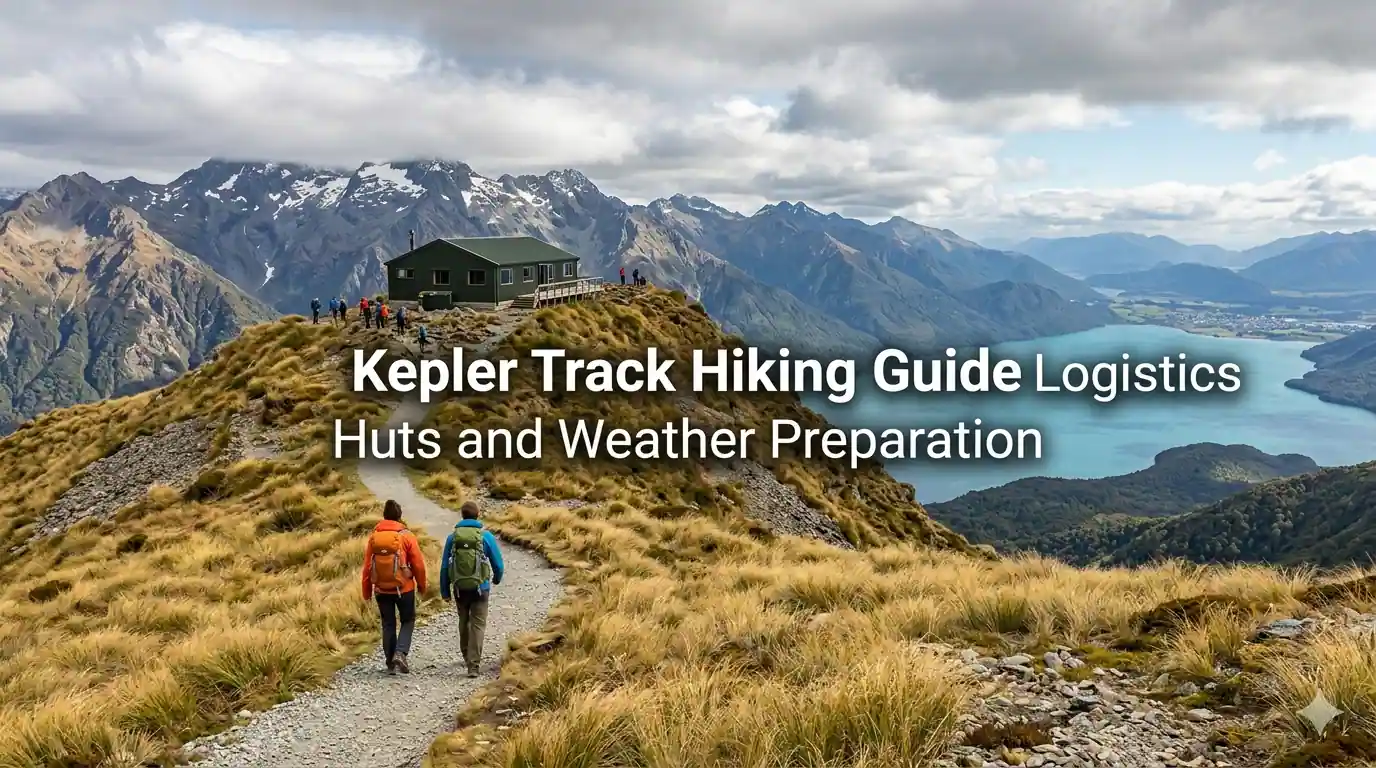
Discovering the Kepler Track Fiordlands Premier Great Walk
The Kepler Track stands as one of New Zealand's most celebrated Great Walks offering a spectacular sixty kilometer loop through Fiordland National Park. This iconic tramping route showcases dramatic alpine scenery pristine beech forests crystal-clear lakes and the raw beauty of New Zealand's southwest wilderness.
Completing the Kepler Track requires careful planning regarding hut bookings weather preparation logistics and fitness. Unlike day hikes this multi-day adventure demands strategic preparation to ensure safety and enjoyment in Fiordland's unpredictable mountain environment.
Managed by the Department of Conservation the track features four well-maintained DOC huts providing shelter and basic facilities for trampers. Understanding the hut system booking process and on-track amenities proves essential for successful Kepler Track experiences.
Fiordland's notorious weather patterns require specific preparation including appropriate gear clothing and flexibility in itinerary planning. This comprehensive guide reveals everything needed to hike the Kepler Track safely and enjoyably in 2026.
Understanding the Kepler Track Route and Stages

The Kepler Track forms a sixty kilometer loop starting and ending near Te Anau with four distinct sections typically completed over three to four days.
Day one covers the lakeshore section from Control Gates to Luxmore Hut featuring gentle terrain along Lake Te Anau followed by a steep ascent through beech forest to the alpine Luxmore Hut at fifteen hundred meters elevation.
Day two traverses the alpine ridge from Luxmore Hut to Iris Burn Hut showcasing panoramic views of Fiordland's mountains lakes and valleys. This section includes exposed alpine terrain requiring weather awareness and appropriate gear.
Day three descends from Iris Burn Hut through ancient beech forest to Moturau Hut beside the Waiau River. This forested section offers shelter from weather and opportunities to observe native birdlife.
Day four completes the loop from Moturau Hut back to Control Gates following the Waiau River and lakeshore with gentle terrain ideal for reflection on the journey completed.
Alternative itineraries include extending to four days for more relaxed pacing or attempting the track as a challenging two-day speed tramp for experienced trampers with appropriate preparation.
DOC Hut System and Booking Procedures

The Kepler Track utilizes four Department of Conservation huts providing essential shelter and facilities for Great Walk trampers during the official season.
Luxmore Hut at fifteen hundred meters elevation features sixty bunks communal cooking area toilets and basic facilities. Its alpine location offers spectacular views though weather can prove challenging.
Iris Burn Hut with forty bunks sits in pristine beech forest beside the Iris Burn stream. Facilities include bunks cooking area toilets and water supply though no heating or electricity.
Moturau Hut accommodates forty trampers beside the Waiau River with similar facilities to Iris Burn. Its forested location provides shelter and excellent birdwatching opportunities.
Control Gates Hut near the track start offers basic facilities though most trampers begin and end their journey without overnighting here.
Great Walks season runs late October through late April requiring advance bookings through the DOC website. Bunk reservations open twelve months ahead with peak season dates selling out within hours of release.
Off-season hiking requires self-sufficiency as huts operate on first-come first-served basis with reduced facilities. Winter trampers must carry camping gear and possess advanced wilderness skills.
Essential Gear and Packing Lists for Kepler Track

Proper gear selection proves critical for safety and comfort on the Kepler Track given Fiordland's variable weather and alpine conditions.
Footwear requires sturdy waterproof hiking boots with good ankle support and grip. Break in boots before the trip to prevent blisters during the sixty kilometer journey.
Clothing systems should follow layering principles with moisture-wicking base layers insulating mid-layers and waterproof outer shells. Pack for temperatures ranging from near freezing to twenty degrees Celsius.
Sleeping systems require sleeping bags rated to at least zero degrees Celsius though hut mattresses are provided. Sleeping bag liners add warmth and hygiene though not mandatory.
Cooking equipment includes portable stoves fuel and utensils as huts provide basic cooking facilities but no food or fuel. Plan meals carefully to minimize weight while ensuring adequate nutrition.
Navigation tools include topographic maps compass and GPS devices though the Kepler Track remains well-marked. Download offline maps as backup given limited cell coverage.
Safety equipment includes first aid kit emergency shelter headlamp with extra batteries whistle and personal locator beacon for remote sections. These items prove essential for emergency situations.
Weather Patterns and Preparation Strategies

Fiordland's weather ranks among New Zealand's most unpredictable requiring specific preparation and flexibility for Kepler Track hikers.
Alpine sections particularly the Luxmore Ridge experience rapid weather changes with sunshine transforming to rain fog or snow within minutes. Check forecasts before departure though prepare for conditions exceeding predictions.
Rainfall averages two hundred days annually with the western side of Fiordland receiving some of New Zealand's highest precipitation. Waterproof gear and pack covers prove non-negotiable equipment.
Wind exposure on alpine ridges can prove dangerous particularly during frontal passages. Monitor weather forecasts and be prepared to delay alpine sections during severe conditions.
Temperature variations span from sub-zero at Luxmore Hut to mild conditions in forested valleys. Pack layers enabling adaptation to changing conditions throughout the day.
Seasonal considerations include summer December through February offering longest daylight though highest visitor numbers. Shoulder seasons provide fewer crowds though increased weather variability.
Fitness Requirements and Training Preparation

The Kepler Track demands moderate fitness with daily distances of fifteen to twenty kilometers and significant elevation changes requiring physical preparation.
Cardiovascular fitness enables sustained effort over multiple days with pack weight. Regular hiking running or cycling in months before the trip builds necessary endurance.
Leg strength proves essential for steep ascents to Luxmore Hut and descents from alpine sections. Squats lunges and step-ups strengthen necessary muscle groups.
Core stability supports balance on uneven terrain and reduces fatigue during long days. Planks and balance exercises enhance trail performance.
Practice hikes with loaded pack simulate track conditions and test gear systems. Weekend tramps with similar elevation gain prepare body and mind for the Kepler experience.
Altitude considerations though modest with Luxmore Hut at fifteen hundred meters may affect some trampers. Gradual ascent on day one allows acclimatization to elevation.
Transportation and Access Logistics
Reaching the Kepler Track requires planning regarding transportation to trailheads and vehicle management during multi-day hikes.
The track starts and ends at Control Gates near Te Anau requiring vehicle positioning or shuttle arrangements for loop completion. Most trampers park at start point and arrange return transport.
Shuttle services from Te Anau to Control Gates cost fifteen to thirty dollars and operate regularly during Great Walks season. Book in advance during peak periods to ensure availability.
International travelers typically fly into Queenstown then transfer to Te Anau by shuttle or rental vehicle. Allow half day for travel from Queenstown to Kepler Track start.
Rental vehicle management requires either returning to start point after completion or arranging one-way rentals with drop fees. Factor these logistics into overall trip planning and costs.
Public transport options remain limited though some tour operators offer Kepler Track packages including transport accommodation and gear rental. These simplify logistics though reduce flexibility.
Nutrition and Meal Planning for Multi-Day Tramping
Proper nutrition sustains energy and morale during the Kepler Track's physical demands requiring strategic meal planning and packing.
Caloric needs increase significantly during multi-day tramping with daily requirements of twenty-five hundred to three thousand calories depending on exertion levels. Pack energy-dense foods minimizing weight while maximizing nutrition.
Breakfast options include instant oats muesli with powdered milk and dried fruit. These provide quick energy with minimal preparation time and weight.
Lunch typically consists of no-cook items like crackers cheese salami nuts and energy bars. These enable quick refueling during trail stops without stove use.
Dinner plans should feature lightweight dehydrated meals or simple one-pot recipes using pasta rice and dehydrated vegetables. Hut cooking facilities support basic meal preparation though fuel efficiency proves important.
Hydration requires carrying adequate water capacity with treatment options for stream water. Fiordland's water sources generally prove safe though treatment provides insurance against contamination.
Safety Protocols and Emergency Preparedness
Understanding and following safety protocols proves essential for enjoyable Kepler Track experiences in Fiordland's remote wilderness.
File trip intentions with DOC or trusted contacts detailing planned route expected return time and emergency contacts. This information proves critical if rescue becomes necessary.
Monitor weather conditions continuously during the tramp. Be prepared to alter plans or seek shelter if conditions deteriorate particularly on exposed alpine sections.
Carry emergency communication devices including personal locator beacons or satellite messengers. Cell coverage remains limited on most track sections.
Know your limits regarding distance pacing and weather tolerance. Overestimating abilities leads to exhaustion and dangerous situations particularly in alpine environments.
First aid knowledge enables managing minor injuries and stabilizing serious conditions until help arrives. Carry comprehensive kit and know how to use its contents.
Environmental Conservation and Leave No Trace
Protecting Fiordland's pristine environment requires conscious efforts from all Kepler Track visitors to preserve this wilderness for future generations.
Stay on marked trails preventing erosion and vegetation damage. Creating new paths accelerates environmental degradation in sensitive alpine and forest ecosystems.
Pack out all trash including biodegradable items that decompose slowly in Fiordland's cool climate. Carry trash bags and dispose of waste properly at track endpoints.
Respect wildlife by maintaining distances avoiding feeding animals and minimizing disturbance to natural behaviors. Observe native birds without interfering.
Use designated toilet facilities at huts and campsites. In backcountry areas follow proper cathole procedures for human waste disposal.
Support conservation through track fees donations or volunteer activities. Your contributions help maintain the infrastructure and ecosystems that enable Kepler Track experiences.
Photography and Documentation Tips
Capturing the Kepler Track's beauty requires specific techniques adapted to Fiordland's challenging lighting and weather conditions.
Weather protection for camera equipment proves essential with rain covers dry bags and lens cloths. Fiordland's moisture can damage electronics without proper precautions.
Golden hour photography during sunrise and sunset creates magical lighting though weather unpredictability requires flexibility and patience for optimal conditions.
Wide-angle lenses capture dramatic landscapes while telephoto lenses enable wildlife and detail photography. Pack versatile equipment balancing quality with weight considerations.
Battery management requires carrying extras and keeping them warm as cold temperatures reduce performance. Solar chargers prove unreliable in Fiordland's variable conditions.
Respect other trampers and the environment when photographing. Avoid disrupting wildlife or creating hazards while pursuing photographic opportunities.
Alternative Itineraries and Day Hike Options
The Kepler Track offers flexibility for different fitness levels time constraints and interests beyond the standard three to four day itinerary.
Day hike options include the lakeshore section from Control Gates to Brod Bay offering gentle terrain and lake views suitable for families and casual hikers.
The Luxmore Cave day hike from Te Anau enables experiencing alpine scenery without overnight commitment though requires fitness for steep ascent and descent.
Two-day speed tramps suit experienced trampers with appropriate preparation covering the full loop in condensed timeframe though demanding significant daily distances.
Four-day itineraries enable relaxed pacing with shorter daily distances allowing more time for photography birdwatching and enjoying hut facilities.
Winter ascents require advanced skills self-sufficiency and appropriate gear though reward experienced trampers with solitude and dramatic winter landscapes.
Conclusion Embracing the Kepler Track Experience
The Kepler Track represents one of New Zealand's premier Great Walks offering spectacular alpine scenery pristine forests and the raw beauty of Fiordland National Park. Successful completion requires careful preparation regarding logistics huts weather and fitness.
Understanding the hut booking system weather preparation strategies and safety protocols enables confident enjoyment of this remarkable tramping experience. The track rewards prepared trampers with unforgettable landscapes and personal achievement.
Respectful engagement with Fiordland's environment and conservation values ensures these wilderness experiences remain available for future generations. Your Kepler Track journey contributes to preserving New Zealand's natural heritage while creating memories lasting lifetimes.
The Kepler Track awaits trampers ready to embrace Fiordland's challenges and rewards. With proper preparation respect for the environment and appreciation for New Zealand's wilderness your journey reveals the extraordinary beauty of this iconic Great Walk.
0 Comments