.webp)
.webp)
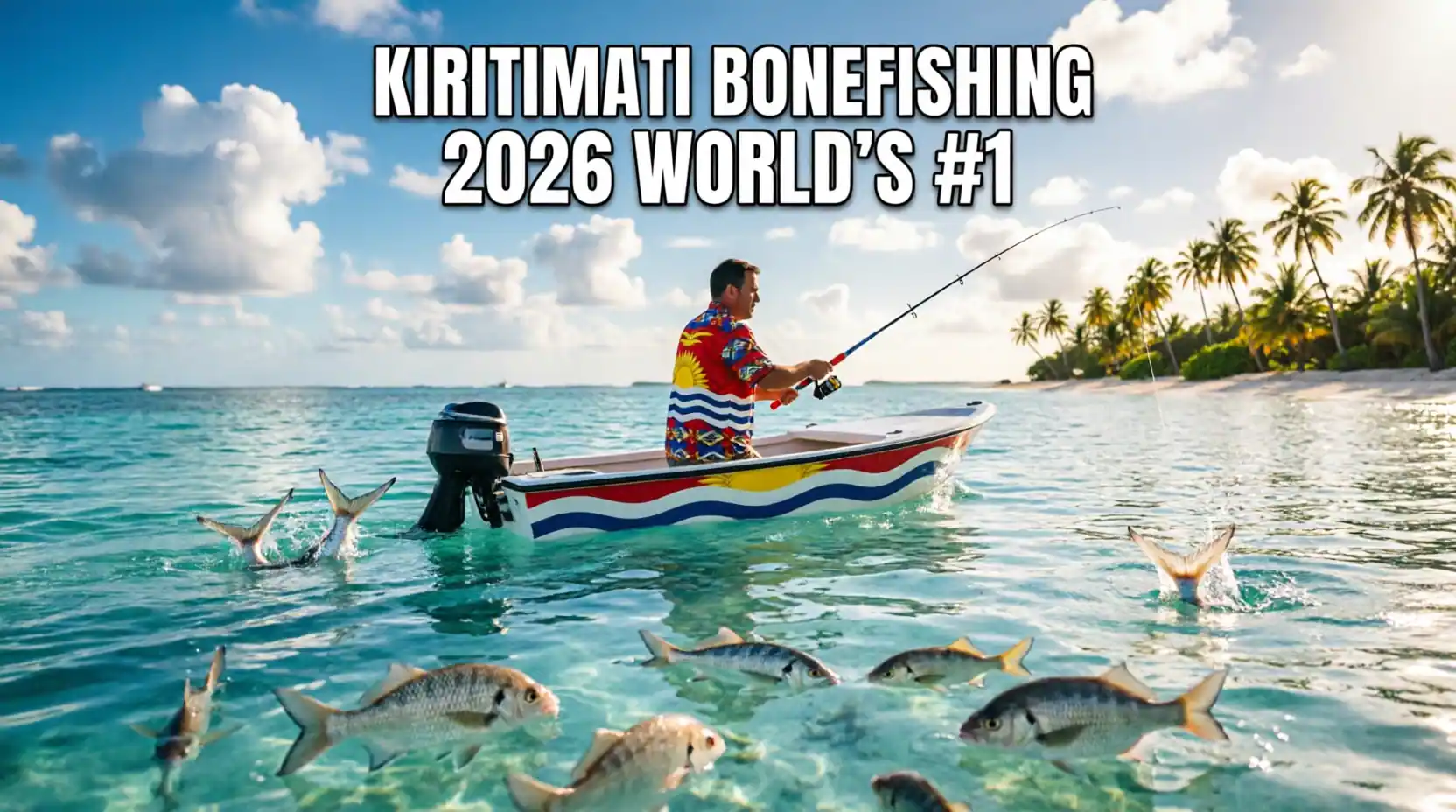
Kiritimati Bonefishing 2026: Why It Remains the World's #1 Fly-Fishing Destination
In the vast, remote expanse of the central Pacific Ocean, where the equator meets endless blue horizons, lies a fisherman's paradise that has earned legendary status among serious anglers worldwide: Kiritimati, also known as Christmas Island. This extraordinary coral atoll—the world's largest by land area, spanning 388 square kilometers with a 150-square-mile lagoon—harbors what many experts consider the planet's premier bonefishing experience. With an estimated bonefish population in the millions, fish averaging 3-7 pounds with specimens exceeding 10 pounds common, pristine shallow flats stretching for miles, and a level of isolation that preserves both fish and experience, Kiritimati has maintained its position as the world's #1 bonefishing destination for decades. And in 2026, despite global changes and emerging fisheries elsewhere, it remains unmatched.
For the dedicated fly angler, bonefishing represents the pinnacle of the sport: the challenge of spotting wary fish in shallow water, the precision required to present a fly naturally, the explosive take that tests both tackle and skill, and the raw power of a bonefish running through shallow flats. While destinations like the Bahamas, Belize, and the Seychelles offer excellent bonefishing, Kiritimati stands apart through a combination of factors that no other location can replicate: sheer fish density, consistent water clarity, minimal fishing pressure, world-class guiding, and an authentic remote Pacific experience that transports anglers to a different era of fishing.
This comprehensive guide explores everything you need to know about bonefishing on Kiritimati in 2026: understanding what makes this fishery exceptional, detailed information about the island's flats and fishing zones, seasonal patterns and optimal timing, lodge options and guide services, equipment recommendations and techniques, conservation practices that sustain the fishery, practical travel logistics for reaching this remote paradise, and honest assessment of whether Kiritimati justifies the journey and investment for your fishing goals. Whether you're a seasoned bonefisher seeking the ultimate challenge, an aspiring angler planning your first flats fishing adventure, or simply curious about what makes this remote Pacific atoll legendary, this guide provides the insights you need to evaluate Kiritimati for your 2026 fishing plans.
Why Kiritimati Remains #1: The Unmatched Factors

Sheer Scale and Fish Density
Kiritimati's bonefishing superiority begins with numbers:
- Lagoon size: 150 square miles of shallow, fishable flats—larger than most entire countries' bonefishing waters
- Estimated population: Millions of bonefish inhabit the lagoon; conservative estimates suggest 2-5 million fish
- Fish density: Anglers regularly encounter 50-100+ fish per day; double and triple hooks common
- Size distribution: Average fish 3-7 pounds; 8-10 pounders frequent; fish over 12 pounds possible; world-record potential
- Age structure: Healthy population with multiple age classes; sustainable harvest potential
- Comparison: Bahamas flats may have higher visibility but lower density; Kiritimati offers quantity AND quality
- 👉 Vanuatu Entry Requirements 2026 US Citizens Onward Travel Rules
- 👉 Best Birdwatching Spots Colo-i-Suva Forest Park Fiji Nature Guide
- 👉 Ultimate Guide to Hiking Kepler Track Logistics Huts and Weather Prep
Pristine, Unpressured Flats
Isolation preserves the fishing experience:
- Remote location: 1,300 miles south of Hawaii, 1,500 miles northeast of Fiji; limited access naturally limits fishing pressure
- Minimal angler density: Typically 20-40 anglers on the water daily across the entire lagoon; compare to hundreds in Bahamas
- Unspoiled habitat: Flats largely unchanged by development; natural structure, vegetation, and fish behavior intact
- Water clarity: Consistently excellent visibility (15-30+ feet) due to limited runoff, healthy coral, and tidal flushing
- Fish behavior: Bonefish less pressured than in heavily fished destinations; more willing to take flies, less spooky
- 👉 Vanuatu Entry Requirements 2026 US Citizens Onward Travel Rules
- 👉 Best Birdwatching Spots Colo-i-Suva Forest Park Fiji Nature Guide
- 👉 Ultimate Guide to Hiking Kepler Track Logistics Huts and Weather Prep
Exceptional Guiding and Local Knowledge
i-Kiribati guides are the heart of the experience:
- Generational knowledge: Many guides are lifelong residents with intimate knowledge of tides, fish movements, and flat topography
- Poling expertise: Masterful boat handling on shallow flats; ability to position anglers for optimal casts
- Fish-finding skills: Exceptional eyesight and experience spotting tails, nervous water, and subtle signs
- Cultural connection: Guides share i-Kiribati culture, traditional fishing knowledge, and island stories
- Professionalism: Well-trained, English-speaking, committed to client success and conservation
- Small groups: Typically 2 anglers per boat; personalized attention throughout the day
- 👉 Vanuatu Entry Requirements 2026 US Citizens Onward Travel Rules
- 👉 Best Birdwatching Spots Colo-i-Suva Forest Park Fiji Nature Guide
- 👉 Ultimate Guide to Hiking Kepler Track Logistics Huts and Weather Prep
Authentic Remote Pacific Experience
The isolation enhances the fishing adventure:
- True escape: No crowds, no development, no distractions; just you, your guide, and endless flats
- Natural rhythms: Fishing dictated by tides, weather, and fish behavior—not resort schedules
- Cultural immersion: Opportunity to experience authentic i-Kiribati life and hospitality
- Wildlife encounters: Seabirds, sharks, rays, and marine life add to the experience
- Memorable adventure: The journey itself becomes part of the story; arrival feels like discovery
- 👉 Vanuatu Entry Requirements 2026 US Citizens Onward Travel Rules
- 👉 Best Birdwatching Spots Colo-i-Suva Forest Park Fiji Nature Guide
- 👉 Ultimate Guide to Hiking Kepler Track Logistics Huts and Weather Prep
Understanding the Fishery: Flats, Zones, and Fish Behavior

The Lagoon Ecosystem
Kiritimati's lagoon creates ideal bonefish habitat:
- Shallow depths: Most fishable flats range from 6 inches to 4 feet; perfect for sight fishing
- Substrate variety: Sand, coral rubble, and seagrass beds provide diverse feeding opportunities
- Tidal dynamics: Significant tidal range (3-5 feet) moves fish predictably; guides time flats access perfectly
- Water temperature: Consistently 82-86°F (28-30°C) year-round; optimal for bonefish activity
- Food sources: Abundant shrimp, crabs, and small fish sustain large bonefish populations
- Protection: Lagoon sheltered from open ocean swells; fishable in most weather conditions
- 👉 Vanuatu Entry Requirements 2026 US Citizens Onward Travel Rules
- 👉 Best Birdwatching Spots Colo-i-Suva Forest Park Fiji Nature Guide
- 👉 Ultimate Guide to Hiking Kepler Track Logistics Huts and Weather Prep
Key Fishing Zones
The lagoon offers diverse flats for different conditions:
North Shore Flats:
- Characteristics: Extensive sand flats with scattered coral heads; excellent visibility
- Best conditions: Morning light, incoming tide; less wind exposure
- Fish behavior: Large schools of feeding bonefish; consistent action
- Access: 20-40 minute boat ride from main lodges
- 👉 Vanuatu Entry Requirements 2026 US Citizens Onward Travel Rules
- 👉 Best Birdwatching Spots Colo-i-Suva Forest Park Fiji Nature Guide
- 👉 Ultimate Guide to Hiking Kepler Track Logistics Huts and Weather Prep
South Shore Flats:
- Characteristics: Mix of sand, seagrass, and coral; more structure for fish to hold
- Best conditions: Afternoon light, outgoing tide; wind can be factor
- Fish behavior: Larger, more cautious fish; technical fishing rewards skill
- Access: 30-50 minute boat ride; worth the journey for experienced anglers
- 👉 Vanuatu Entry Requirements 2026 US Citizens Onward Travel Rules
- 👉 Best Birdwatching Spots Colo-i-Suva Forest Park Fiji Nature Guide
- 👉 Ultimate Guide to Hiking Kepler Track Logistics Huts and Weather Prep
Inner Lagoon Flats:
- Characteristics: Sheltered, shallow areas near channels; good for windy conditions
- Best conditions: Windy days when outer flats are challenging; tide-dependent
- Fish behavior: Smaller schools but consistent action; good for practicing technique
- Access: Close to lodges; quick access for half-day trips
- 👉 Vanuatu Entry Requirements 2026 US Citizens Onward Travel Rules
- 👉 Best Birdwatching Spots Colo-i-Suva Forest Park Fiji Nature Guide
- 👉 Ultimate Guide to Hiking Kepler Track Logistics Huts and Weather Prep
Channel Mouths and Passes:
- Characteristics: Deeper water where flats meet channels; ambush points for larger fish
- Best conditions: Tide changes; moving water concentrates fish
- Fish behavior: Larger, more aggressive bonefish; exciting hookups
- Access: Requires experienced guide; specialized technique
- 👉 Vanuatu Entry Requirements 2026 US Citizens Onward Travel Rules
- 👉 Best Birdwatching Spots Colo-i-Suva Forest Park Fiji Nature Guide
- 👉 Ultimate Guide to Hiking Kepler Track Logistics Huts and Weather Prep
Bonefish Behavior and Patterns
Understanding fish behavior improves success:
- Feeding patterns: Bonefish feed primarily on crustaceans; tailing, pushing, and nervous water indicate activity
- Tidal movements: Fish move onto flats with incoming tide to feed; retreat to channels on outgoing
- Light conditions: Low-angle light (morning/afternoon) improves sight fishing; midday can be challenging
- Wind effects: Light wind can improve fishing by creating ripple that hides angler; strong wind makes spotting difficult
- Schooling behavior: Bonefish often travel in groups; hooking one may bring others
- Seasonal variations: Fish distribution changes slightly with seasons; guides adapt accordingly
- 👉 Vanuatu Entry Requirements 2026 US Citizens Onward Travel Rules
- 👉 Best Birdwatching Spots Colo-i-Suva Forest Park Fiji Nature Guide
- 👉 Ultimate Guide to Hiking Kepler Track Logistics Huts and Weather Prep
Seasonal Patterns and Optimal Timing

Year-Round Fishing with Peak Seasons
Kiritimati offers bonefishing throughout the year:
Peak Season: April-October
- Weather: Trade winds provide cooling breeze; lower humidity; less rain
- Fishing conditions: Consistent water clarity; predictable fish movements; excellent visibility
- Angler comfort: More comfortable temperatures (80-85°F); lower mosquito activity
- Availability: Highest demand; book 6-12 months in advance
- Rates: Peak season pricing applies
- 👉 Vanuatu Entry Requirements 2026 US Citizens Onward Travel Rules
- 👉 Best Birdwatching Spots Colo-i-Suva Forest Park Fiji Nature Guide
- 👉 Ultimate Guide to Hiking Kepler Track Logistics Huts and Weather Prep
Shoulder Season: November-March
- Weather: Warmer, more humid; increased chance of rain; occasional tropical systems
- Fishing conditions: Still excellent; fish may be more active in warmer water; occasional reduced visibility after rain
- Advantages: Lower rates; fewer anglers; potential for larger fish as they feed aggressively pre-spawning
- Considerations: Monitor weather forecasts; flexible scheduling helpful
- 👉 Vanuatu Entry Requirements 2026 US Citizens Onward Travel Rules
- 👉 Best Birdwatching Spots Colo-i-Suva Forest Park Fiji Nature Guide
- 👉 Ultimate Guide to Hiking Kepler Track Logistics Huts and Weather Prep
Daily Fishing Rhythms
- Early morning (6-10 AM): Often most productive; low light improves sight fishing; fish actively feeding
- Midday (10 AM-2 PM): Can be challenging due to overhead sun; good for exploring new flats or resting
- Late afternoon (2-6 PM): Second peak period; fish feed again; beautiful light for photography
- Tide dependence: Guides schedule flats access around optimal tide stages; more important than time of day
- Flexibility: Successful anglers adapt to conditions; guides adjust plans based on fish activity
- 👉 Vanuatu Entry Requirements 2026 US Citizens Onward Travel Rules
- 👉 Best Birdwatching Spots Colo-i-Suva Forest Park Fiji Nature Guide
- 👉 Ultimate Guide to Hiking Kepler Track Logistics Huts and Weather Prep
Lodge Options and Guide Services

Christmas Island Lodge: The Premier Option
The flagship operation for Kiritimati bonefishing:
- Location: Beachfront on north shore; direct lagoon access
- Accommodation: Recently renovated eco-luxury bungalows and suites (see separate review for details)
- Fleet: 12 specialized flats boats (18-20 feet); shallow draft for accessing remote flats
- Guides: Expert i-Kiribati guides with decades of combined experience
- Included services: All meals, non-alcoholic beverages, fishing equipment, licenses, transfers
- 2026 Rates:
- Beachfront Bungalow: $450-550/night (double occupancy, includes meals)
- Bonefishing Week Package (7 nights): $4,200/person (includes 5 full days guided fishing)
- Single supplement: 30% of room rate
- 👉 Vanuatu Entry Requirements 2026 US Citizens Onward Travel Rules
- 👉 Best Birdwatching Spots Colo-i-Suva Forest Park Fiji Nature Guide
- 👉 Ultimate Guide to Hiking Kepler Track Logistics Huts and Weather Prep
- Booking: Reserve 6-12 months in advance for peak season; contact lodge directly or through authorized agents
- 👉 Vanuatu Entry Requirements 2026 US Citizens Onward Travel Rules
- 👉 Best Birdwatching Spots Colo-i-Suva Forest Park Fiji Nature Guide
- 👉 Ultimate Guide to Hiking Kepler Track Logistics Huts and Weather Prep
Alternative Accommodations
Other options for different budgets and preferences:
- Otanemaauno Beach Resort: More secluded beachfront location; basic but comfortable bungalows; good for anglers prioritizing fishing over luxury
- Guesthouses in London or Tabuaeran: Budget options for self-sufficient anglers; arrange fishing separately
- Liveaboard options: Limited but emerging; fishing from boat with camping-style accommodation
- Considerations: Verify fishing arrangements, guide quality, and boat safety when booking independently
- 👉 Vanuatu Entry Requirements 2026 US Citizens Onward Travel Rules
- 👉 Best Birdwatching Spots Colo-i-Suva Forest Park Fiji Nature Guide
- 👉 Ultimate Guide to Hiking Kepler Track Logistics Huts and Weather Prep
Guide Selection and Expectations
- Guide assignment: Lodges match anglers with guides based on experience level and preferences
- Communication: Most guides speak functional English; patience and clear communication enhance experience
- Technique instruction: Guides provide casting advice, fly selection, and fish-finding tips
- Safety focus: Guides prioritize client safety on shallow flats; follow their instructions
- Cultural exchange: Many guides enjoy sharing i-Kiribati culture; engage respectfully
- Tipping: Guiding is service-based; tipping 15-20% of fishing package cost is customary and appreciated
- 👉 Vanuatu Entry Requirements 2026 US Citizens Onward Travel Rules
- 👉 Best Birdwatching Spots Colo-i-Suva Forest Park Fiji Nature Guide
- 👉 Ultimate Guide to Hiking Kepler Track Logistics Huts and Weather Prep
Equipment and Techniques: Optimizing Your Success

Recommended Tackle
Proper equipment enhances the experience:
- Rod: 7-8 weight fast-action fly rod; 9-foot length ideal for casting in wind
- Reel: Large-arbor reel with smooth, reliable drag; spare spool helpful
- Line: Weight-forward floating line; intermediate sinking line optional for deeper water
- Leaders: 9-12 foot leaders; 8-12 lb test tippet; bonefish are leader-shy in clear water
- Flies:
- Shrimp patterns: Merkin, Crazy Charlie, Gotcha (sizes 2-6)
- Crab patterns: Bonefish Crunch, Clouser Minnow (sizes 4-8)
- Colors: Pink, tan, olive, white; match local forage
- Bring 2-3 dozen assorted flies; guides also provide proven patterns
- 👉 Vanuatu Entry Requirements 2026 US Citizens Onward Travel Rules
- 👉 Best Birdwatching Spots Colo-i-Suva Forest Park Fiji Nature Guide
- 👉 Ultimate Guide to Hiking Kepler Track Logistics Huts and Weather Prep
- Polarized sunglasses: Essential for spotting fish; bring backup pair
- Wading gear: Flats boots or wading sandals; many fish from boat but wading sometimes necessary
- Extras: Nippers, forceps, fly floatant, lens cloth, waterproof bag for gear
- 👉 Vanuatu Entry Requirements 2026 US Citizens Onward Travel Rules
- 👉 Best Birdwatching Spots Colo-i-Suva Forest Park Fiji Nature Guide
- 👉 Ultimate Guide to Hiking Kepler Track Logistics Huts and Weather Prep
Casting and Presentation Techniques
Success on Kiritimati flats requires skill:
- Casting accuracy: Practice casting to specific targets; bonefish often require precise presentation
- Distance management: Most shots 20-40 feet; avoid casting too far and spooking fish
- Line control: Manage line on water to avoid dragging fly or creating disturbance
- Retrieve technique: Short, intermittent strips mimic fleeing crustacean; vary speed based on fish response
- Hook set: Wait for fish to take fly and turn before setting hook; premature sets pull fly away
- Fighting fish: Keep rod tip up; apply steady pressure; bonefish make powerful runs—let them run then regain line
- Landing and release: Use guide's net; minimize handling; revive fish fully before release
- 👉 Vanuatu Entry Requirements 2026 US Citizens Onward Travel Rules
- 👉 Best Birdwatching Spots Colo-i-Suva Forest Park Fiji Nature Guide
- 👉 Ultimate Guide to Hiking Kepler Track Logistics Huts and Weather Prep
Fish-Finding Skills
- Reading water: Learn to identify tails, pushes, and nervous water; guides will teach but practice helps
- Light awareness: Position yourself with sun at your back when possible; reduces glare and improves visibility
- Movement discipline: Move slowly and deliberately on flats; sudden movements spook fish
- Communication with guide: Use agreed signals; trust guide's directions for casting and positioning
- Patience: Bonefishing involves periods of searching; stay focused and ready for opportunities
- 👉 Vanuatu Entry Requirements 2026 US Citizens Onward Travel Rules
- 👉 Best Birdwatching Spots Colo-i-Suva Forest Park Fiji Nature Guide
- 👉 Ultimate Guide to Hiking Kepler Track Logistics Huts and Weather Prep
Conservation and Sustainable Practices

Catch-and-Release Ethics
Responsible angling sustains the fishery:
- Primary practice: Catch-and-release strongly encouraged; preserves fish population and future fishing
- Proper handling:
- Keep fish in water as much as possible
- Use wet hands or gloves to handle fish
- Avoid touching gills or eyes
- Remove hooks quickly with forceps
- Revive fish fully before release
- 👉 Vanuatu Entry Requirements 2026 US Citizens Onward Travel Rules
- 👉 Best Birdwatching Spots Colo-i-Suva Forest Park Fiji Nature Guide
- 👉 Ultimate Guide to Hiking Kepler Track Logistics Huts and Weather Prep
- Barbless hooks: Required by most lodges; easier hook removal reduces stress on fish
- Photography: Take photos quickly; keep fish in water or use wet towel for brief photos
- Education: Guides teach proper techniques; follow their instructions for fish welfare
- 👉 Vanuatu Entry Requirements 2026 US Citizens Onward Travel Rules
- 👉 Best Birdwatching Spots Colo-i-Suva Forest Park Fiji Nature Guide
- 👉 Ultimate Guide to Hiking Kepler Track Logistics Huts and Weather Prep
Environmental Stewardship
- Reef protection: Avoid anchoring on coral; use designated moorings or pole in shallow water
- Waste management: Pack out all trash; lodges have comprehensive waste systems
- Chemical awareness: Use reef-safe sunscreen and biodegradable products only
- Wildlife respect: Observe sharks, rays, and other marine life without disturbance
- Support conservation: Many lodges contribute to reef monitoring and protection; consider additional donations
- 👉 Vanuatu Entry Requirements 2026 US Citizens Onward Travel Rules
- 👉 Best Birdwatching Spots Colo-i-Suva Forest Park Fiji Nature Guide
- 👉 Ultimate Guide to Hiking Kepler Track Logistics Huts and Weather Prep
Regulatory Framework
- Licensing: Fishing license included in lodge packages; required for all anglers
- Bag limits: If keeping fish, strict limits apply; most anglers practice catch-and-release
- Seasonal closures: No formal closed season, but guides avoid sensitive areas during spawning
- International cooperation: Kiribati participates in regional fisheries management; sustainable practices prioritized
- 👉 Vanuatu Entry Requirements 2026 US Citizens Onward Travel Rules
- 👉 Best Birdwatching Spots Colo-i-Suva Forest Park Fiji Nature Guide
- 👉 Ultimate Guide to Hiking Kepler Track Logistics Huts and Weather Prep
Practical Travel Logistics

Getting to Kiritimati
Reaching this remote destination requires planning:
- International flights:
- Fiji Airways: Nadi (Fiji) to Kiritimati (CXI) - twice weekly (main route)
- Nauru Airlines: Connects via Nauru or other Pacific islands
- Flight time: Approximately 3.5 hours from Nadi
- 👉 Vanuatu Entry Requirements 2026 US Citizens Onward Travel Rules
- 👉 Best Birdwatching Spots Colo-i-Suva Forest Park Fiji Nature Guide
- 👉 Ultimate Guide to Hiking Kepler Track Logistics Huts and Weather Prep
- Visa requirements: Most nationalities receive 30-day visa on arrival; verify for your nationality
- Passport validity: Must be valid for at least 6 months beyond entry date
- Travel time: Allow 2-3 days total travel time from most locations; flights can be delayed due to weather
- Lodge transfers: Complimentary airport transfers included in packages
- 👉 Vanuatu Entry Requirements 2026 US Citizens Onward Travel Rules
- 👉 Best Birdwatching Spots Colo-i-Suva Forest Park Fiji Nature Guide
- 👉 Ultimate Guide to Hiking Kepler Track Logistics Huts and Weather Prep
What to Pack
- Clothing: Lightweight, breathable, sun-protective clothing; long sleeves and pants for sun protection; hat with brim
- Fishing gear: Lodge provides rods/reels; bring favorite equipment if preferred; polarized sunglasses essential
- Footwear: Flats boots or wading sandals; water shoes for boat; casual shoes for lodge
- Sun protection: Reef-safe sunscreen (SPF 50+), lip balm with SPF, buff or neck gaiter
- Electronics: Universal adapters (Type I - Australian standard); power available but conserve when possible
- Medications: Bring all necessary medications; limited medical facilities on island
- Miscellaneous: Waterproof camera or housing, dry bags, small backpack for daily gear, cash (USD accepted)
- 👉 Vanuatu Entry Requirements 2026 US Citizens Onward Travel Rules
- 👉 Best Birdwatching Spots Colo-i-Suva Forest Park Fiji Nature Guide
- 👉 Ultimate Guide to Hiking Kepler Track Logistics Huts and Weather Prep
Health and Safety Considerations
- Medical facilities: Basic clinic on Kiritimati; serious issues require evacuation to Hawaii or Fiji; travel insurance with medical evacuation essential
- Vaccinations: Routine vaccines up to date; hepatitis A/B recommended; consult travel clinic pre-departure
- Water and food: Lodge provides safe drinking water and food; avoid tap water and uncooked foods if staying independently
- Sun and heat: Equatorial sun is intense; stay hydrated, seek shade, recognize heat exhaustion signs
- Marine hazards: Coral cuts, stonefish, and other marine life present; guides provide safety briefings
- Weather awareness: Monitor forecasts; guides adjust plans for safety; tropical systems possible November-March
- 👉 Vanuatu Entry Requirements 2026 US Citizens Onward Travel Rules
- 👉 Best Birdwatching Spots Colo-i-Suva Forest Park Fiji Nature Guide
- 👉 Ultimate Guide to Hiking Kepler Track Logistics Huts and Weather Prep
The Kiritimati Experience: Beyond the Fishing

Cultural and Natural Enrichment
The fishing is world-class, but Kiritimati offers more:
- i-Kiribati culture: Opportunities to learn about traditional navigation, fishing, dance, and community life
- Seabird colonies: Important nesting sites for terns, noddies, and frigatebirds; spectacular natural history
- Coral reefs: Pristine reefs offer world-class snorkeling and diving; complement fishing with underwater exploration
- Historical sites: WWII relics and stories add historical dimension to the island experience
- Stargazing: Minimal light pollution creates extraordinary night skies; equatorial location offers unique celestial views
- 👉 Vanuatu Entry Requirements 2026 US Citizens Onward Travel Rules
- 👉 Best Birdwatching Spots Colo-i-Suva Forest Park Fiji Nature Guide
- 👉 Ultimate Guide to Hiking Kepler Track Logistics Huts and Weather Prep
Community Connection
- Local interaction: Respectful engagement with i-Kiribati communities enriches the experience
- Economic impact: Tourism supports local livelihoods; your visit contributes to community well-being
- Cultural exchange: Sharing stories and experiences builds mutual understanding
- Respectful tourism: Follow local customs, ask permission before photographing, support local businesses
- 👉 Vanuatu Entry Requirements 2026 US Citizens Onward Travel Rules
- 👉 Best Birdwatching Spots Colo-i-Suva Forest Park Fiji Nature Guide
- 👉 Ultimate Guide to Hiking Kepler Track Logistics Huts and Weather Prep
Sample Fishing Itineraries

5-Day Bonefishing Intensive
- Day 1: Arrival, orientation, equipment check, afternoon fishing session
- Days 2-4: Full days guided bonefishing; explore different flats; focus on technique refinement
- Day 5: Morning fishing, departure preparations, afternoon flight
- Best for: Anglers with limited time seeking maximum fishing
- 👉 Vanuatu Entry Requirements 2026 US Citizens Onward Travel Rules
- 👉 Best Birdwatching Spots Colo-i-Suva Forest Park Fiji Nature Guide
- 👉 Ultimate Guide to Hiking Kepler Track Logistics Huts and Weather Prep
7-Day Comprehensive Bonefishing Week
- Day 1: Arrival, orientation, evening briefing
- Days 2-6: Five full days guided bonefishing; mix of flats and techniques; rest time built in
- Day 7: Morning fishing or cultural activity, departure
- Best for: Most anglers; ideal balance of fishing, rest, and experience
- 👉 Vanuatu Entry Requirements 2026 US Citizens Onward Travel Rules
- 👉 Best Birdwatching Spots Colo-i-Suva Forest Park Fiji Nature Guide
- 👉 Ultimate Guide to Hiking Kepler Track Logistics Huts and Weather Prep
10-Day Ultimate Kiritimati Experience
- Days 1-2: Arrival, acclimatization, introductory fishing
- Days 3-7: Five days focused bonefishing; explore diverse flats and techniques
- Days 8-9: Alternative activities: snorkeling, cultural visit, seabird watching, or rest
- Day 10: Final morning fishing, departure
- Best for: Anglers seeking deeper immersion; combination of fishing and cultural/natural experiences
- 👉 Vanuatu Entry Requirements 2026 US Citizens Onward Travel Rules
- 👉 Best Birdwatching Spots Colo-i-Suva Forest Park Fiji Nature Guide
- 👉 Ultimate Guide to Hiking Kepler Track Logistics Huts and Weather Prep
Frequently Asked Questions

Is Kiritimati really the best bonefishing in the world?
While "best" is subjective, Kiritimati offers unmatched combination of fish density, water clarity, minimal pressure, and expert guiding that serious anglers value. The sheer number of fish, consistent action, and remote experience create a fishery that many consider the pinnacle of bonefishing. However, preferences vary—some anglers prefer the infrastructure of Bahamas or the diversity of Seychelles. For those prioritizing fish numbers and authentic remote experience, Kiritimati is hard to beat.
How many bonefish can I expect to catch?
Catch rates vary by skill, conditions, and luck, but experienced anglers often hook 10-30+ fish per day on Kiritimati. Double and triple hookups are common. The key metric is opportunities: anglers typically see 50-100+ fish per day, providing ample chances to practice and succeed. Even challenging days usually yield memorable moments.
Do I need to be an expert caster to fish Kiritimati?
No, but basic casting proficiency enhances enjoyment. Guides work with anglers of all skill levels, providing instruction and positioning to maximize success. Beginners should practice casting accuracy and distance before arrival. The reward for improving skills on Kiritimati is exceptional—each improvement yields more fish and more fun.
What if I don't catch any bonefish?
While unlikely given fish density, fishing involves variables. Guides adapt to conditions and fish behavior to maximize opportunities. Even on slower days, the experience—pristine flats, skilled guiding, remote beauty—remains valuable. Many anglers find that the challenge itself is part of the appeal. Most leave with stories of exciting moments even if hookups were limited.
Can I keep bonefish to eat?
While regulations allow limited harvest, catch-and-release is strongly encouraged to sustain the fishery. Bonefish are primarily a sport fish; their firm flesh is edible but not considered premium table fare. Most anglers find greater satisfaction in releasing fish to fight another day. If keeping fish, follow lodge guidelines and local regulations.
How far in advance should I book?
For peak season (April-October), book 6-12 months in advance, especially for preferred weeks or lodge accommodations. Shoulder season may have more availability, but popular dates fill quickly. Last-minute cancellations sometimes occur, but relying on them risks missing the trip. Early booking ensures best guide assignment and accommodation options.
Conclusion: The Enduring Appeal of Kiritimati

In an era of increasing fishing pressure, habitat loss, and climate change affecting fisheries worldwide, Kiritimati stands as a remarkable exception—a place where bonefishing remains as it was decades ago: abundant, accessible, and authentic. The combination of millions of bonefish, pristine flats, expert guides, and remote Pacific setting creates an experience that no other destination can fully replicate.
For the serious fly angler, Kiritimati represents more than just a fishing trip; it is a pilgrimage to the sport's roots, a chance to test skills against wary fish in challenging conditions, and an opportunity to disconnect from modern distractions and reconnect with the simple pleasure of pursuit. The memory of a bonefish taking a fly in crystal-clear water, the thrill of the run across shallow flats, and the satisfaction of a well-executed release—these moments define why anglers return to Kiritimati year after year.
As you consider bonefishing on Kiritimati in 2026, remember that this fishery's excellence depends on responsible angling, sustainable practices, and respect for the i-Kiribati communities who steward these waters. By traveling thoughtfully, supporting local guides and businesses, and practicing catch-and-release ethics, you contribute to preserving this extraordinary fishery for future generations of anglers.
The flats of Kiritimati await—not just as a fishing destination, but as a testament to what remains possible when nature, culture, and conservation align. For those willing to make the journey to this remote Pacific paradise, the reward is an experience that transcends sport: a connection to place, to fish, and to the enduring appeal of fly fishing in its purest form.
Welcome to Kiritimati. Welcome to the world's #1 bonefishing destination. Welcome to the experience of a lifetime.
0 Comments