.webp)
.webp)
Local's Guide to Celebrating Day of the Dead in Pátzcuaro
Quick Answer for Cultural Travelers
Pátzcuaro, Michoacán hosts Mexico's most authentic Day of the Dead celebrations from October 31 to November 2, featuring all-night cemetery vigils on Janitzio Island, traditional ofrendas (altars) throughout the colonial town, and indigenous Purépecha rituals honoring deceased loved ones. US citizens need only a valid passport for entry with no visa required for stays under 180 days. Book accommodations 6-12 months in advance as hotels fill completely during this peak period. Expect crowds of 50,000+ visitors; budget $80-150 USD daily for accommodation ($60-120/night), meals ($10-20), and transportation ($10-20). The most profound experiences occur in local cemeteries where families maintain overnight vigils with candles, marigold flowers, and traditional foods. Respectful observation and cultural sensitivity are essential—this is a sacred family tradition, not a tourist spectacle. Arrive by October 30 to acclimate and participate in community ofrenda preparations before the main celebrations begin November 1-2.
Understanding Pátzcuaro's Unique Day of the Dead Traditions

Pátzcuaro and the surrounding Lake Pátzcuaro region preserve some of Mexico's most authentic and spiritually profound Day of the Dead (Día de los Muertos) traditions. Unlike commercialized celebrations in urban areas, Pátzcuaro's observances remain deeply rooted in indigenous Purépecha culture, blending pre-Hispanic beliefs with Catholic traditions introduced during Spanish colonization.
The Purépecha people, who inhabited this region for centuries before Spanish arrival, maintained sophisticated beliefs about death and the afterlife. They viewed death not as an ending but as a transition to another phase of existence. This philosophical foundation makes Day of the Dead in Pátzcuaro fundamentally different from Halloween or other death-related observances—it's a joyous reunion with departed loved ones, not a morbid fixation on mortality.
The celebration unfolds over three days, each with specific significance: October 31 prepares for the arrival of souls, November 1 (Día de los Inocentes) welcomes children who have passed, and November 2 (Día de los Muertos) honors deceased adults. Families believe that during this time, the veil between the living and dead thins, allowing spirits to return and share in the offerings prepared by their loved ones.
What distinguishes Pátzcuaro from other Day of the Dead destinations is the intimate, family-centered nature of the celebrations. While visitors are welcome to observe respectfully, the focus remains on local families gathering in cemeteries to clean graves, decorate with cempasúchil (marigold) flowers, light candles, and share meals with the departed. This isn't performance—it's genuine spiritual practice maintained across generations.
The region's geography enhances the experience. Lake Pátzcuaro's islands, particularly Janitzio, create dramatic settings for cemetery vigils. The colonial architecture of Pátzcuaro town provides atmospheric backdrops for processions and ofrendas. Surrounding indigenous villages like Tzintzuntzan maintain distinct traditions, offering varied perspectives on the celebration within a small geographic area.
Timeline of Celebrations: What Happens When

Understanding the day-by-day progression of Day of the Dead in Pátzcuaro helps travelers plan meaningful participation while respecting local customs.
October 30-31: Preparation and Anticipation
The days before the main celebrations buzz with activity. Families clean and decorate graves in local cemeteries, creating elaborate displays with marigold petals, candles, and personal items. Markets overflow with cempasúchil flowers, copal incense, pan de muerto (bread of the dead), and sugar skulls. Pátzcuaro's Plaza Grande and surrounding streets fill with vendors selling traditional crafts and foods.
Ofrendas (altars) begin appearing in homes, businesses, and public spaces. These multi-tiered displays feature photographs of deceased loved ones, their favorite foods and drinks, marigold petals creating pathways for spirits, salt for purification, and candles to guide the way. Each element carries symbolic meaning rooted in both indigenous and Catholic traditions.
Evening of October 31: Some cemeteries begin welcoming visitors for quiet preparation. This is an excellent time for respectful observation before crowds peak. The atmosphere is contemplative rather than festive, with families focused on creating welcoming spaces for returning souls.
November 1: Día de los Inocentes (Day of the Innocents)
This day honors children who have passed away. In the morning, families visit cemeteries to complete grave decorations. Small white crosses, white flowers, and toys may adorn children's graves. The mood remains solemn but hopeful, focused on welcoming young souls home.
Afternoon and evening: Families gather at gravesites, often bringing the child's favorite foods and toys. Candles are lit as darkness falls. Some communities hold special masses for deceased children. Visitors may observe quietly but should maintain respectful distance from grieving families.
Late evening: In some villages, particularly on Janitzio Island, the cemetery begins filling for overnight vigils. The atmosphere shifts as more visitors arrive, but families maintain focus on their departed loved ones.
November 2: Día de los Muertos (Day of the Dead)
The main celebration honoring deceased adults begins at dawn. Families return to cemeteries with more elaborate offerings: the deceased's favorite meals, bottles of mezcal or pulque, cigarettes if they smoked, and personal mementos. The belief is that spirits consume the essence of the food, leaving the physical substance for the living to share after the celebration.
Morning: Cemetery visits continue with families sharing meals at gravesites. Mariachi or traditional Purépecha music may be played for the departed. The atmosphere blends sorrow with celebration—stories are shared, laughter mingles with tears, and the boundary between living and dead feels permeable.
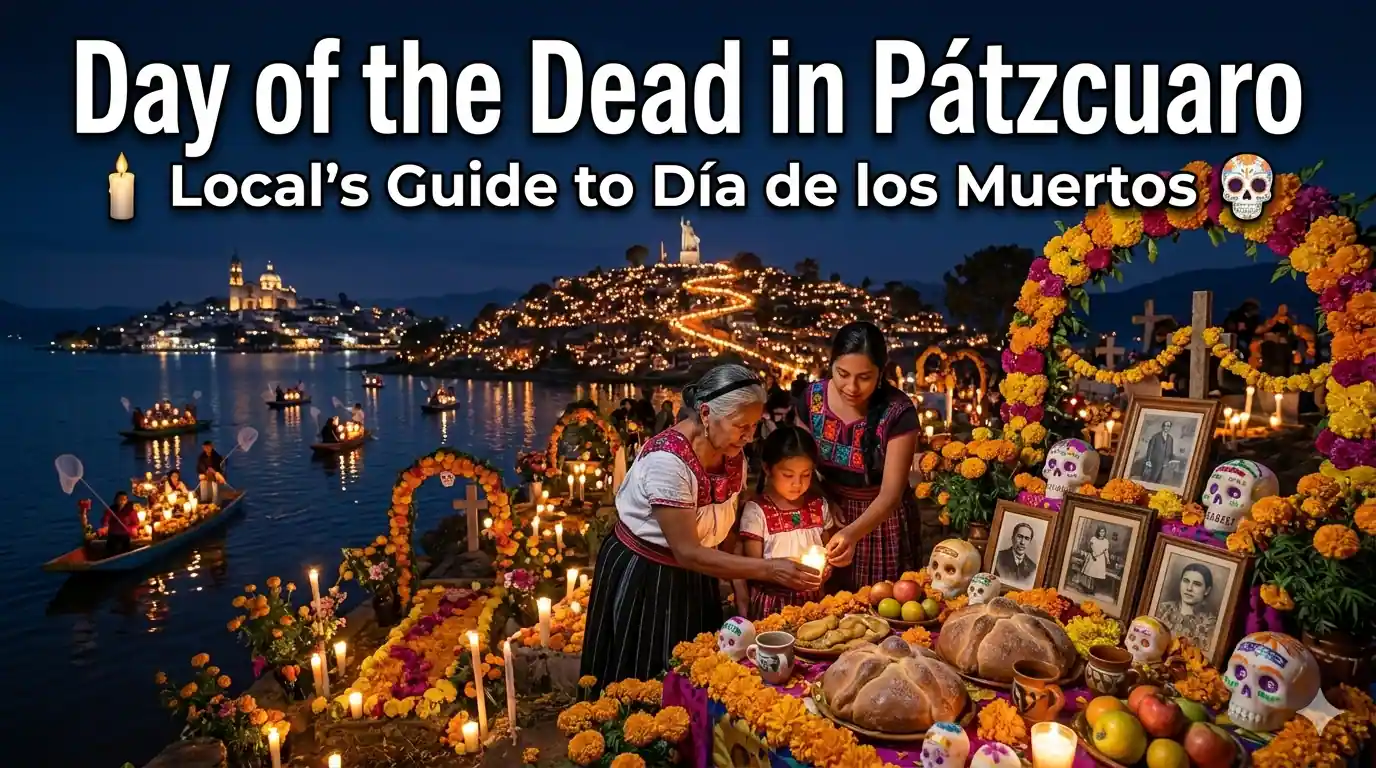
Afternoon: Pátzcuaro's streets fill with processions. The most famous occurs when boats decorated with flowers and candles cross Lake Pátzcuaro to Janitzio Island. This creates one of Mexico's most iconic Day of the Dead images: hundreds of canoes illuminated by candlelight moving across dark water toward the island cemetery glowing with thousands of candles.
Evening through dawn November 3: The cemetery vigil reaches its peak. Families maintain overnight watches at gravesites, sharing food, telling stories, and keeping candles burning. The cemetery becomes a city of light and memory. This is the most profound and sacred time—visitors may observe from designated areas but should never interrupt family vigils, take photographs without explicit permission, or behave disruptively.
November 3: Departure
As dawn breaks, families say farewell to the spirits, believing they return to the afterlife until next year. Graves are cleaned, remaining food is shared among the living, and the cemetery gradually returns to quiet. The celebration concludes with a sense of completion and peace.
Janitzio Island: The Heart of the Celebration

Janitzio Island, the largest of Lake Pátzcuaro's islands, hosts the most famous Day of the Dead celebration in the region. The island cemetery, built into the hillside, creates a dramatic amphitheater of graves that becomes a sea of candlelight during the November 1-2 vigil.
Getting to Janitzio:
Boats depart from Pátzcuaro's embarcadero (dock) throughout the Day of the Dead period. During peak times (October 31 evening through November 2), boats run continuously but expect long waits—sometimes 2-4 hours during peak periods. Boats are small wooden canoes (canoas) holding 8-12 passengers. Cost: $50-100 pesos ($3-6 USD) per person round-trip during regular periods, often $150-300 pesos ($8-15 USD) during Day of the Dead due to high demand.
What to Expect:
The boat ride itself is part of the experience. As darkness falls on November 1-2, you'll join hundreds of other boats crossing the lake. The island cemetery becomes visible as a glowing hillside of candles. The sight is breathtaking and spiritually moving.
Upon arrival, you'll climb steep pathways through the cemetery. The narrow paths become crowded, requiring patience and respect. Families occupy gravesites throughout the night, so movement is limited. Designated viewing areas exist, but the best experiences come from quiet, respectful observation of family vigils.
Practical Considerations:
- Timing: Arrive at the dock by early afternoon if you want to reach the island before midnight. Evening arrivals face multi-hour waits.
- Physical demands: The cemetery requires climbing steep, uneven paths in darkness. Not suitable for those with mobility issues.
- Duration: Plan to stay several hours or overnight. Last boats back to Pátzcuaro depart around 4-5 AM.
- Supplies: Bring water, warm clothing (nights are cold), flashlight, and patience. Food vendors operate but selection is limited.
- Respect: This is a family gathering, not a tourist attraction. Maintain quiet, avoid photography of families without permission, never touch offerings or candles, and follow designated pathways.
- 👉 MBIA Expansion 2026: New Terminal & Energy Storage Guide
- 👉 DATE 2026 (Dominican Annual Tourism Exchange): Full schedule for the April 22-24 event.
- 👉 Mexico City (CDMX): One of the World’s Greatest Cultural Capitals
- 👉 The Cost of Food in Saint Lucia: Local Coal Pot Shops vs Resort Dining and Budget Travel Tips for 2026
- 👉 Photography Tips for Capturing the Sunset Over Black Rocks Volcanic Formations: Complete 2026 Guide
Alternative Islands:
If Janitzio seems too crowded, consider visiting smaller islands like Yunuén or Pacanda, which maintain authentic celebrations with fewer visitors. These require advance arrangement with local boat operators but offer more intimate experiences.
Pátzcuaro Town Celebrations and Ofrendas

While cemetery vigils are the spiritual heart of Day of the Dead, Pátzcuaro town itself offers numerous ways to experience the celebration respectfully and meaningfully.
Public Ofrendas:
Throughout the week of Day of the Dead, Pátzcuaro hosts competitions for the best ofrendas. Public buildings, museums, restaurants, and community centers create elaborate altars open for viewing. These displays showcase traditional elements while allowing visitors to understand the symbolism and artistry involved.
Key locations include:
- Plaza Grande: The main square features large community ofrendas and cultural performances
- Museo de Artes e Industrias Populares: Hosts traditional craft exhibitions and ofrenda displays
- Basilica of Our Lady of Health: Features religious ofrendas blending Catholic and indigenous traditions
- Casa de la Cultura: Organizes workshops on ofrenda creation, sugar skull decorating, and traditional food preparation
- 👉 MBIA Expansion 2026: New Terminal & Energy Storage Guide
- 👉 DATE 2026 (Dominican Annual Tourism Exchange): Full schedule for the April 22-24 event.
- 👉 Mexico City (CDMX): One of the World’s Greatest Cultural Capitals
- 👉 The Cost of Food in Saint Lucia: Local Coal Pot Shops vs Resort Dining and Budget Travel Tips for 2026
- 👉 Photography Tips for Capturing the Sunset Over Black Rocks Volcanic Formations: Complete 2026 Guide
Processions and Performances:
Traditional processions wind through Pátzcuaro's colonial streets. The most significant is the Candlelight Procession (Procesión de las Velas) on the evening of November 1, when thousands carry candles from the Basilica to the Pantéon (cemetery). Visitors may join the procession but should dress modestly, maintain silence, and follow local participants' lead.
Evening performances in the Plaza Grande feature traditional Purépecha music, Danza de los Viejitos (Dance of the Old Men), and other folk traditions. These are appropriate for visitor participation and provide cultural context for the celebrations.
Market Experiences:
Pátzcuaro's markets transform during Day of the Dead. The main market near the Plaza Grande overflows with:
- Cempasúchil (marigold) flowers by the thousands
- Pan de muerto from local bakeries
- Sugar skulls (calaveras) decorated with colorful icing
- Copal incense for cleansing and spiritual protection
- Papel picado (perforated paper banners) in vibrant colors
- Traditional foods like atole, tamales, and carnitas
- 👉 MBIA Expansion 2026: New Terminal & Energy Storage Guide
- 👉 DATE 2026 (Dominican Annual Tourism Exchange): Full schedule for the April 22-24 event.
- 👉 Mexico City (CDMX): One of the World’s Greatest Cultural Capitals
- 👉 The Cost of Food in Saint Lucia: Local Coal Pot Shops vs Resort Dining and Budget Travel Tips for 2026
- 👉 Photography Tips for Capturing the Sunset Over Black Rocks Volcanic Formations: Complete 2026 Guide
Visiting markets provides insight into preparation traditions and supports local vendors. Vendors are usually happy to explain the significance of different items if you ask respectfully.
Where to Stay: Accommodation Strategies

Securing accommodation for Day of the Dead in Pátzcuaro requires advance planning. This is the region's peak tourist period, and hotels fill 6-12 months in advance.
Booking Timeline:
- 12 months ahead: Ideal for securing preferred hotels and reasonable rates
- 6 months ahead: Still possible but limited selection and higher prices
- 3 months ahead: Very limited availability; expect premium pricing
- Last-minute: Nearly impossible; most properties completely booked
- 👉 MBIA Expansion 2026: New Terminal & Energy Storage Guide
- 👉 DATE 2026 (Dominican Annual Tourism Exchange): Full schedule for the April 22-24 event.
- 👉 Mexico City (CDMX): One of the World’s Greatest Cultural Capitals
- 👉 The Cost of Food in Saint Lucia: Local Coal Pot Shops vs Resort Dining and Budget Travel Tips for 2026
- 👉 Photography Tips for Capturing the Sunset Over Black Rocks Volcanic Formations: Complete 2026 Guide
Accommodation Options:
Hotels in Pátzcuaro Town:
- Budget: $40-70 USD/night. Basic hotels like Hotel Posada de la Basilica or Hospedaje La Quinta. Book early as these fill fastest.
- Mid-range: $70-120 USD/night. Colonial-style hotels like Hotel Mansión Iturbe or Casa de la Luna offering courtyard rooms and traditional architecture.
- Upscale: $120-200+ USD/night. Boutique properties like Hotel Quinta del Lago or Posada Don Vasco with enhanced amenities and service.
- 👉 MBIA Expansion 2026: New Terminal & Energy Storage Guide
- 👉 DATE 2026 (Dominican Annual Tourism Exchange): Full schedule for the April 22-24 event.
- 👉 Mexico City (CDMX): One of the World’s Greatest Cultural Capitals
- 👉 The Cost of Food in Saint Lucia: Local Coal Pot Shops vs Resort Dining and Budget Travel Tips for 2026
- 👉 Photography Tips for Capturing the Sunset Over Black Rocks Volcanic Formations: Complete 2026 Guide
Alternative Locations:
If Pátzcuaro is fully booked, consider staying in nearby towns:
- Morelia: 1 hour away by car. Larger city with more accommodation options. Daily commute to Pátzcuaro feasible but adds travel time during busy period.
- Tzintzuntzan: 30 minutes from Pátzcuaro. Smaller town with its own significant Day of the Dead celebrations and fewer crowds. Limited accommodation but more authentic experience.
- Erongo: Lakeside village with homestay options. Very limited amenities but intimate cultural immersion.
- 👉 MBIA Expansion 2026: New Terminal & Energy Storage Guide
- 👉 DATE 2026 (Dominican Annual Tourism Exchange): Full schedule for the April 22-24 event.
- 👉 Mexico City (CDMX): One of the World’s Greatest Cultural Capitals
- 👉 The Cost of Food in Saint Lucia: Local Coal Pot Shops vs Resort Dining and Budget Travel Tips for 2026
- 👉 Photography Tips for Capturing the Sunset Over Black Rocks Volcanic Formations: Complete 2026 Guide
Homestays and Community Tourism:
Some indigenous communities around Lake Pátzcuaro offer homestay experiences during Day of the Dead. These provide authentic cultural immersion and direct economic benefit to local families. Book through community tourism organizations like Red de Turismo Comunitario de Michoacán. Expect basic accommodations but profound cultural exchange. Cost: $30-60 USD/night including meals.
Camping:
Not recommended during Day of the Dead. Campsites fill completely, facilities are overwhelmed, and security concerns increase with large crowds. Hotels or homestays are safer, more comfortable options.
Food Traditions and Where to Eat

Day of the Dead in Pátzcuaro features distinctive culinary traditions that blend indigenous ingredients with Spanish influences. Understanding these foods enhances cultural appreciation.
Traditional Day of the Dead Foods:
Pan de Muerto (Bread of the Dead): Sweet bread decorated with bone-shaped dough pieces representing the deceased. Flavored with orange blossom water and anise. Available at all bakeries; try Panadería San Antonio or Panadería La Luz for authentic versions. Cost: $20-40 pesos ($1-2 USD).
Calaveras de Azúcar (Sugar Skulls): Decorated sugar skulls bearing the names of the deceased. These aren't eaten but displayed on ofrendas. Available at markets throughout town. Cost: $10-50 pesos depending on size and decoration.
Atole: Warm corn-based beverage flavored with vanilla, chocolate, or fruit. Traditionally served with pan de muerto. Look for vendors in the Plaza Grande. Cost: $15-25 pesos ($1-1.50 USD).
Tamales: Corn dough filled with meats, cheeses, or fruits, wrapped in corn husks and steamed. Different regions have variations; Michoacán specializes in corundas (triangle-shaped tamales). Available at markets and fondas. Cost: $15-30 pesos each.
Carnitas: Michoacán is famous for slow-cooked pork. During Day of the Dead, families often prepare carnitas as offerings and shared meals. Try Carnitas El Fito or Carnitas Uruapan. Cost: $80-150 pesos ($4-8 USD) per serving.
Where to Eat:
Traditional Fondas: Family-run eateries serve authentic regional cuisine at reasonable prices. Fonda Doña Lola and Fonda La Tarasca offer traditional menus. Expect $60-120 pesos ($3-6 USD) for a complete meal.
Market Food: Pátzcuaro's main market offers the most authentic and affordable dining. Food stalls serve regional specialties to locals. This is where you'll experience genuine Michoacán cuisine. Budget $50-100 pesos ($2.50-5 USD) per meal.
Restaurants: Upscale options like Restaurante La Casona or El Patio offer refined versions of traditional dishes in atmospheric colonial settings. Expect $150-300 pesos ($8-15 USD) per person.
Street Food: Evening vendors set up around the Plaza Grande and cemetery areas offering antojitos (snacks), atole, and pan de muerto. This is appropriate for visitors and supports local vendors. Budget $30-60 pesos ($1.50-3 USD).
Dietary Considerations:
Traditional Day of the Dead foods are heavy on corn, pork, and sugar. Vegetarian options exist (cheese tamales, vegetable atole) but may be limited. Communicate dietary needs clearly; many vendors speak basic English but learning Spanish food vocabulary helps significantly.
Transportation and Logistics

Navigating Pátzcuaro during Day of the Dead requires patience and planning. The town's infrastructure strains under the influx of 50,000+ visitors.
Getting to Pátzcuaro:
By Air: The nearest airport is Morelia (MLM), 1 hour from Pátzcuaro. Direct flights available from Mexico City and some US cities. From Morelia airport, take a bus ($150 pesos) or pre-arranged taxi ($600-800 pesos) to Pátzcuaro.
By Bus: First-class buses (Primera Plus, ETN) run from Mexico City to Pátzcuaro (3.5 hours, $300-400 pesos). Buses also connect from Guadalajara (2.5 hours) and Morelia (1 hour). Book bus tickets weeks in advance for Day of the Dead period.
By Car: Driving from Mexico City takes 4-5 hours via Highway 15D (toll road). Parking in Pátzcuaro during Day of the Dead is extremely difficult. If driving, arrive early and park in designated lots outside the center, then walk or take local transport.
Local Transportation:
Within Pátzcuaro: The town center is walkable. Taxis operate but may be scarce during peak times. Expect to pay $40-80 pesos for short trips. Ride-sharing apps have limited availability.
To Janitzio: Boats depart from the embarcadero near the Plaza Grande. During Day of the Dead, expect long waits. Consider arriving early afternoon to avoid evening crowds.
To Other Villages: Buses and colectivos (shared vans) connect Pátzcuaro to surrounding villages like Tzintzuntzan, Erongo, and Santa Clara del Cobre. These run regularly but fill quickly during Day of the Dead. Budget $30-60 pesos per trip.
Traffic and Crowds:
Expect significant congestion October 31 through November 2. Streets around the cemetery and plaza become pedestrian-only. Allow extra time for all movement. Patience is essential—this is part of the experience.
Cultural Etiquette and Respectful Participation

Day of the Dead in Pátzcuaro is a sacred family tradition, not a tourist attraction. Respectful behavior is essential to honor the communities sharing this profound cultural practice.
Photography Guidelines:
- Never photograph families at gravesites without explicit permission. This is the most critical rule. Families are engaged in intimate spiritual practice, not performing for visitors.
- Ask before photographing individuals. Learn to ask in Spanish: "¿Puedo tomar una foto?" (May I take a photo?). Accept "no" gracefully without argument.
- Public ofrendas and processions are generally acceptable to photograph. These are community displays intended for sharing.
- Avoid using flash in cemeteries. It's disruptive to families and disrespectful to the solemn atmosphere.
- Never touch or move offerings, candles, or decorations. These are sacred objects placed with intention and care.
- 👉 MBIA Expansion 2026: New Terminal & Energy Storage Guide
- 👉 DATE 2026 (Dominican Annual Tourism Exchange): Full schedule for the April 22-24 event.
- 👉 Mexico City (CDMX): One of the World’s Greatest Cultural Capitals
- 👉 The Cost of Food in Saint Lucia: Local Coal Pot Shops vs Resort Dining and Budget Travel Tips for 2026
- 👉 Photography Tips for Capturing the Sunset Over Black Rocks Volcanic Formations: Complete 2026 Guide
Behavior in Cemeteries:
- Maintain quiet, respectful demeanor. Speak softly if you must speak at all.
- Stay on designated pathways. Don't walk over graves or through family spaces.
- Never interrupt families or ask intrusive questions. If a family invites conversation, respond warmly but don't impose.
- Don't bring alcohol or behave disruptively. This is not a party; it's a spiritual vigil.
- Dress modestly. Avoid revealing clothing; this shows respect for the solemn occasion.
- 👉 MBIA Expansion 2026: New Terminal & Energy Storage Guide
- 👉 DATE 2026 (Dominican Annual Tourism Exchange): Full schedule for the April 22-24 event.
- 👉 Mexico City (CDMX): One of the World’s Greatest Cultural Capitals
- 👉 The Cost of Food in Saint Lucia: Local Coal Pot Shops vs Resort Dining and Budget Travel Tips for 2026
- 👉 Photography Tips for Capturing the Sunset Over Black Rocks Volcanic Formations: Complete 2026 Guide
Participation vs. Observation:
Understand your role as visitor. You're welcome to observe respectfully, attend public events, and learn about traditions. You're not expected or necessarily welcome to participate in family rituals unless explicitly invited. Follow local cues—if everyone is kneeling in prayer, stand quietly at the back rather than joining in.
Cultural Sensitivity:
- Avoid treating Day of the Dead as "Mexican Halloween." The celebrations have nothing to do with Halloween and comparing them shows cultural ignorance.
- Don't wear costumes or face paint unless participating in organized cultural events. Catrina makeup has become commercialized, but wearing it to cemetery vigils is inappropriate and offensive.
- Respect indigenous traditions. Purépecha culture has distinct practices that may differ from other Mexican regions. Don't assume all Day of the Dead celebrations are identical.
- Support local economy respectfully. Buy from local vendors, tip appropriately, but don't bargain aggressively for items with spiritual significance.
- 👉 MBIA Expansion 2026: New Terminal & Energy Storage Guide
- 👉 DATE 2026 (Dominican Annual Tourism Exchange): Full schedule for the April 22-24 event.
- 👉 Mexico City (CDMX): One of the World’s Greatest Cultural Capitals
- 👉 The Cost of Food in Saint Lucia: Local Coal Pot Shops vs Resort Dining and Budget Travel Tips for 2026
- 👉 Photography Tips for Capturing the Sunset Over Black Rocks Volcanic Formations: Complete 2026 Guide
Language Considerations:
Learning basic Spanish phrases demonstrates respect and facilitates positive interactions:
- "Buenos días/tardes/noches" (Good morning/afternoon/evening)
- "Por favor" and "Gracias" (Please and Thank you)
- "¿Cómo se llama usted?" (What is your name?)
- "Mucho gusto" (Nice to meet you)
- "Disculpe" (Excuse me)
- 👉 MBIA Expansion 2026: New Terminal & Energy Storage Guide
- 👉 DATE 2026 (Dominican Annual Tourism Exchange): Full schedule for the April 22-24 event.
- 👉 Mexico City (CDMX): One of the World’s Greatest Cultural Capitals
- 👉 The Cost of Food in Saint Lucia: Local Coal Pot Shops vs Resort Dining and Budget Travel Tips for 2026
- 👉 Photography Tips for Capturing the Sunset Over Black Rocks Volcanic Formations: Complete 2026 Guide
Even minimal Spanish effort is appreciated and often leads to warmer interactions and deeper cultural exchange.
Cost Breakdown for Day of the Dead Visit

Understanding realistic costs helps travelers budget appropriately for this peak-season visit.
Sample 4-Day Budget (Per Person in USD):
| Expense Category | Budget | Mid-Range | Comfortable |
| Accommodation (3 nights) | $90-150 | $210-360 | $360-600 |
| Food (4 days) | $40-60 | $80-120 | $120-200 |
| Transportation | $30-50 | $60-100 | $100-180 |
| Boat to Janitzio | $8-15 | $8-15 | $8-15 |
| Activities/Donations | $20-40 | $40-80 | $80-150 |
| Souvenirs/Crafts | $20-40 | $50-100 | $100-200 |
| Total (excl. flights) | $208-355 | $448-775 | $768-1,345 |
Additional Costs:
- Flights: $250-600 USD round-trip from US/Canada depending on departure city and booking time
- Travel Insurance: $40-80 USD for one week (essential for peak travel period)
- Pre-trip purchases: Appropriate clothing, Spanish phrasebook, gifts for hosts if staying with families
- 👉 MBIA Expansion 2026: New Terminal & Energy Storage Guide
- 👉 DATE 2026 (Dominican Annual Tourism Exchange): Full schedule for the April 22-24 event.
- 👉 Mexico City (CDMX): One of the World’s Greatest Cultural Capitals
- 👉 The Cost of Food in Saint Lucia: Local Coal Pot Shops vs Resort Dining and Budget Travel Tips for 2026
- 👉 Photography Tips for Capturing the Sunset Over Black Rocks Volcanic Formations: Complete 2026 Guide
Money-Saving Tips:
- Book accommodation 6-12 months ahead for best rates
- Eat at markets and fondas rather than tourist restaurants
- Use public buses instead of taxis when possible
- Bring reusable water bottle to refill rather than buying bottled water
- Focus on free experiences: cemetery vigils, public ofrendas, processions, market browsing
- 👉 MBIA Expansion 2026: New Terminal & Energy Storage Guide
- 👉 DATE 2026 (Dominican Annual Tourism Exchange): Full schedule for the April 22-24 event.
- 👉 Mexico City (CDMX): One of the World’s Greatest Cultural Capitals
- 👉 The Cost of Food in Saint Lucia: Local Coal Pot Shops vs Resort Dining and Budget Travel Tips for 2026
- 👉 Photography Tips for Capturing the Sunset Over Black Rocks Volcanic Formations: Complete 2026 Guide
Where Costs Add Up:
- Last-minute accommodation bookings (prices can triple)
- Private boat tours to Janitzio (group boats are much cheaper)
- Restaurant dining versus market food
- Taxis versus walking or public transport
- Souvenir shopping without bargaining (appropriate for crafts, not for spiritual items)
- 👉 MBIA Expansion 2026: New Terminal & Energy Storage Guide
- 👉 DATE 2026 (Dominican Annual Tourism Exchange): Full schedule for the April 22-24 event.
- 👉 Mexico City (CDMX): One of the World’s Greatest Cultural Capitals
- 👉 The Cost of Food in Saint Lucia: Local Coal Pot Shops vs Resort Dining and Budget Travel Tips for 2026
- 👉 Photography Tips for Capturing the Sunset Over Black Rocks Volcanic Formations: Complete 2026 Guide
Sample Itinerary: 4 Days in Pátzcuaro

This balanced itinerary maximizes cultural experiences while allowing time for rest and reflection.
Day 1 (October 30): Arrival and Orientation
- Morning/Afternoon: Arrive Pátzcuaro, check into accommodation
- Late Afternoon: Walk the Plaza Grande, visit the Basilica, observe ofrenda preparations
- Evening: Dinner at a traditional fonda, early rest to prepare for coming days
- 👉 MBIA Expansion 2026: New Terminal & Energy Storage Guide
- 👉 DATE 2026 (Dominican Annual Tourism Exchange): Full schedule for the April 22-24 event.
- 👉 Mexico City (CDMX): One of the World’s Greatest Cultural Capitals
- 👉 The Cost of Food in Saint Lucia: Local Coal Pot Shops vs Resort Dining and Budget Travel Tips for 2026
- 👉 Photography Tips for Capturing the Sunset Over Black Rocks Volcanic Formations: Complete 2026 Guide
Day 2 (October 31): Market Day and Cemetery Preparations
- Morning: Visit the main market, observe flower and food vendors, purchase respectful souvenirs
- Afternoon: Visit local cemeteries to observe family preparations (maintain distance, be respectful)
- Evening: Attend public ofrenda viewing at Casa de la Cultura or museum, dinner in town
- 👉 MBIA Expansion 2026: New Terminal & Energy Storage Guide
- 👉 DATE 2026 (Dominican Annual Tourism Exchange): Full schedule for the April 22-24 event.
- 👉 Mexico City (CDMX): One of the World’s Greatest Cultural Capitals
- 👉 The Cost of Food in Saint Lucia: Local Coal Pot Shops vs Resort Dining and Budget Travel Tips for 2026
- 👉 Photography Tips for Capturing the Sunset Over Black Rocks Volcanic Formations: Complete 2026 Guide
Day 3 (November 1): Día de los Inocentes and Janitzio
- Morning: Visit cemeteries early to observe children's grave decorations (white flowers, toys)
- Afternoon: Take boat to Janitzio Island, explore the village, visit the cemetery respectfully
- Evening: Return to Pátzcuaro, attend Candlelight Procession if offered, or observe from plaza
- Night: Rest—tomorrow is the main celebration
- 👉 MBIA Expansion 2026: New Terminal & Energy Storage Guide
- 👉 DATE 2026 (Dominican Annual Tourism Exchange): Full schedule for the April 22-24 event.
- 👉 Mexico City (CDMX): One of the World’s Greatest Cultural Capitals
- 👉 The Cost of Food in Saint Lucia: Local Coal Pot Shops vs Resort Dining and Budget Travel Tips for 2026
- 👉 Photography Tips for Capturing the Sunset Over Black Rocks Volcanic Formations: Complete 2026 Guide
Day 4 (November 2): Día de los Muertos
- Morning: Visit cemeteries to observe family vigils (maintain respectful distance, no photography of families)
- Afternoon: Explore public ofrendas throughout town, visit museums, browse craft markets
- Evening: Attend traditional music and dance performances in Plaza Grande, farewell dinner
- Night: If staying overnight at cemetery, prepare for vigil; if not, return to accommodation
- 👉 MBIA Expansion 2026: New Terminal & Energy Storage Guide
- 👉 DATE 2026 (Dominican Annual Tourism Exchange): Full schedule for the April 22-24 event.
- 👉 Mexico City (CDMX): One of the World’s Greatest Cultural Capitals
- 👉 The Cost of Food in Saint Lucia: Local Coal Pot Shops vs Resort Dining and Budget Travel Tips for 2026
- 👉 Photography Tips for Capturing the Sunset Over Black Rocks Volcanic Formations: Complete 2026 Guide
Day 5 (November 3): Departure or Extension
- Morning: Observe cemetery as families conclude celebrations, final market visit for souvenirs
- Afternoon: Depart Pátzcuaro or extend stay to visit Tzintzuntzan or other lake villages
- 👉 MBIA Expansion 2026: New Terminal & Energy Storage Guide
- 👉 DATE 2026 (Dominican Annual Tourism Exchange): Full schedule for the April 22-24 event.
- 👉 Mexico City (CDMX): One of the World’s Greatest Cultural Capitals
- 👉 The Cost of Food in Saint Lucia: Local Coal Pot Shops vs Resort Dining and Budget Travel Tips for 2026
- 👉 Photography Tips for Capturing the Sunset Over Black Rocks Volcanic Formations: Complete 2026 Guide
Itinerary Flexibility:
This schedule provides structure but remain flexible. Some of the most meaningful experiences come from unexpected moments: a conversation with a vendor, an invitation to view a family ofrenda, or simply sitting quietly in the plaza observing daily life. Allow space for spontaneity while maintaining respect for local customs.
Safety and Practical Considerations
Pátzcuaro is generally safe for tourists, but Day of the Dead crowds require additional vigilance.
Personal Safety:
- Crowds: Expect dense crowds, especially October 31 evening through November 2. Keep valuables secure, use money belts, and maintain awareness of surroundings.
- Pickpocketing: Increased risk in crowded areas. Don't carry large amounts of cash, keep phones secure, and avoid displaying expensive jewelry or cameras.
- Night safety: Stick to well-lit, populated areas. Cemeteries are generally safe during vigils due to large crowds, but use caution when leaving late at night.
- Alcohol: While some families may drink during cemetery vigils, visitors should avoid excessive alcohol consumption, especially when navigating crowded, unfamiliar areas at night.
- 👉 MBIA Expansion 2026: New Terminal & Energy Storage Guide
- 👉 DATE 2026 (Dominican Annual Tourism Exchange): Full schedule for the April 22-24 event.
- 👉 Mexico City (CDMX): One of the World’s Greatest Cultural Capitals
- 👉 The Cost of Food in Saint Lucia: Local Coal Pot Shops vs Resort Dining and Budget Travel Tips for 2026
- 👉 Photography Tips for Capturing the Sunset Over Black Rocks Volcanic Formations: Complete 2026 Guide
Health Considerations:
- Altitude: Pátzcuaro sits at 2,100 meters (6,890 feet). Some visitors experience mild altitude sickness. Stay hydrated, avoid excessive alcohol, and rest if feeling unwell.
- Weather: November evenings are cold (40-50°F / 5-10°C). Bring warm layers, especially for cemetery vigils that last into the night.
- Food safety: Street food is generally safe if cooked fresh and hot. Drink only bottled or purified water. Carry anti-diarrheal medication as precaution.
- Medical facilities: Pátzcuaro has basic medical clinics. For serious issues, Morelia (1 hour away) has better facilities. Carry travel insurance with medical coverage.
- 👉 MBIA Expansion 2026: New Terminal & Energy Storage Guide
- 👉 DATE 2026 (Dominican Annual Tourism Exchange): Full schedule for the April 22-24 event.
- 👉 Mexico City (CDMX): One of the World’s Greatest Cultural Capitals
- 👉 The Cost of Food in Saint Lucia: Local Coal Pot Shops vs Resort Dining and Budget Travel Tips for 2026
- 👉 Photography Tips for Capturing the Sunset Over Black Rocks Volcanic Formations: Complete 2026 Guide
Emergency Information:
- Emergency number: 911 (operators often speak English)
- Local police: Visit the tourist police station in Plaza Grande if you need assistance
- US Embassy emergency: +52-55-5080-2000
- Keep accommodation address and phone number saved offline
- 👉 MBIA Expansion 2026: New Terminal & Energy Storage Guide
- 👉 DATE 2026 (Dominican Annual Tourism Exchange): Full schedule for the April 22-24 event.
- 👉 Mexico City (CDMX): One of the World’s Greatest Cultural Capitals
- 👉 The Cost of Food in Saint Lucia: Local Coal Pot Shops vs Resort Dining and Budget Travel Tips for 2026
- 👉 Photography Tips for Capturing the Sunset Over Black Rocks Volcanic Formations: Complete 2026 Guide
Connectivity:
- Cell service is generally good in Pátzcuaro but may be spotty in cemeteries due to crowds overwhelming networks
- Download offline maps before arrival
- Inform family/friends of your itinerary and check in regularly
- Consider purchasing a Mexican SIM card (Telcel or AT&T Mexico) for reliable service
- 👉 MBIA Expansion 2026: New Terminal & Energy Storage Guide
- 👉 DATE 2026 (Dominican Annual Tourism Exchange): Full schedule for the April 22-24 event.
- 👉 Mexico City (CDMX): One of the World’s Greatest Cultural Capitals
- 👉 The Cost of Food in Saint Lucia: Local Coal Pot Shops vs Resort Dining and Budget Travel Tips for 2026
- 👉 Photography Tips for Capturing the Sunset Over Black Rocks Volcanic Formations: Complete 2026 Guide
Final Recommendations for Meaningful Participation
Experiencing Day of the Dead in Pátzcuaro is a privilege that carries responsibility. These final principles ensure your visit honors the tradition and the communities who maintain it.
Prepare Emotionally: Day of the Dead can be emotionally intense. You'll witness genuine grief, profound love, and spiritual practices that may differ from your own. Approach with openness, humility, and respect. This isn't entertainment—it's a living tradition addressing universal human experiences of loss, memory, and hope.
Educate Yourself: Read about Purépecha culture, Day of the Dead symbolism, and Mexican attitudes toward death before arriving. Understanding context transforms observation from voyeurism to appreciation. Recommended resources include "The Day of the Dead: Art, History, and Celebration" and documentaries about Michoacán traditions.
Support Authentically: Your tourism dollars should benefit local communities directly. Stay in locally-owned hotels, eat at family fondas, buy crafts from artisans, and hire local guides. Avoid international chains or businesses that extract profits from the community.
Practice Cultural Humility: You're a guest in someone else's sacred tradition. Follow local lead, ask permission, accept boundaries gracefully, and recognize that some aspects of the celebration aren't meant for outsider participation. Your role is to observe respectfully, learn humbly, and honor generously.
Carry the Experience Forward: Day of the Dead offers profound lessons about death, memory, and community. Reflect on how these insights might enrich your own life and cultural practices. Share what you've learned respectfully, avoiding cultural appropriation or superficial adoption of symbols without understanding.
Return if Called: Many visitors feel drawn to return to Pátzcuaro for Day of the Dead. If you feel this calling, honor it. Building ongoing relationships with communities deepens understanding and creates meaningful cross-cultural connections that benefit both visitors and hosts.
Pátzcuaro's Day of the Dead celebration is one of Mexico's greatest cultural treasures—a living tradition that honors ancestors, strengthens community bonds, and affirms life through remembering death. By approaching this experience with preparation, respect, and humility, you participate in something far greater than tourism. You bear witness to human universals expressed through specific cultural forms, and in doing so, deepen your own understanding of what it means to live, to love, and to remember.
Que en paz descansen. May they rest in peace.
0 Comments