.webp)
.webp)
Dominica Sperm Whale Reserve 2026: Marine Life Guide
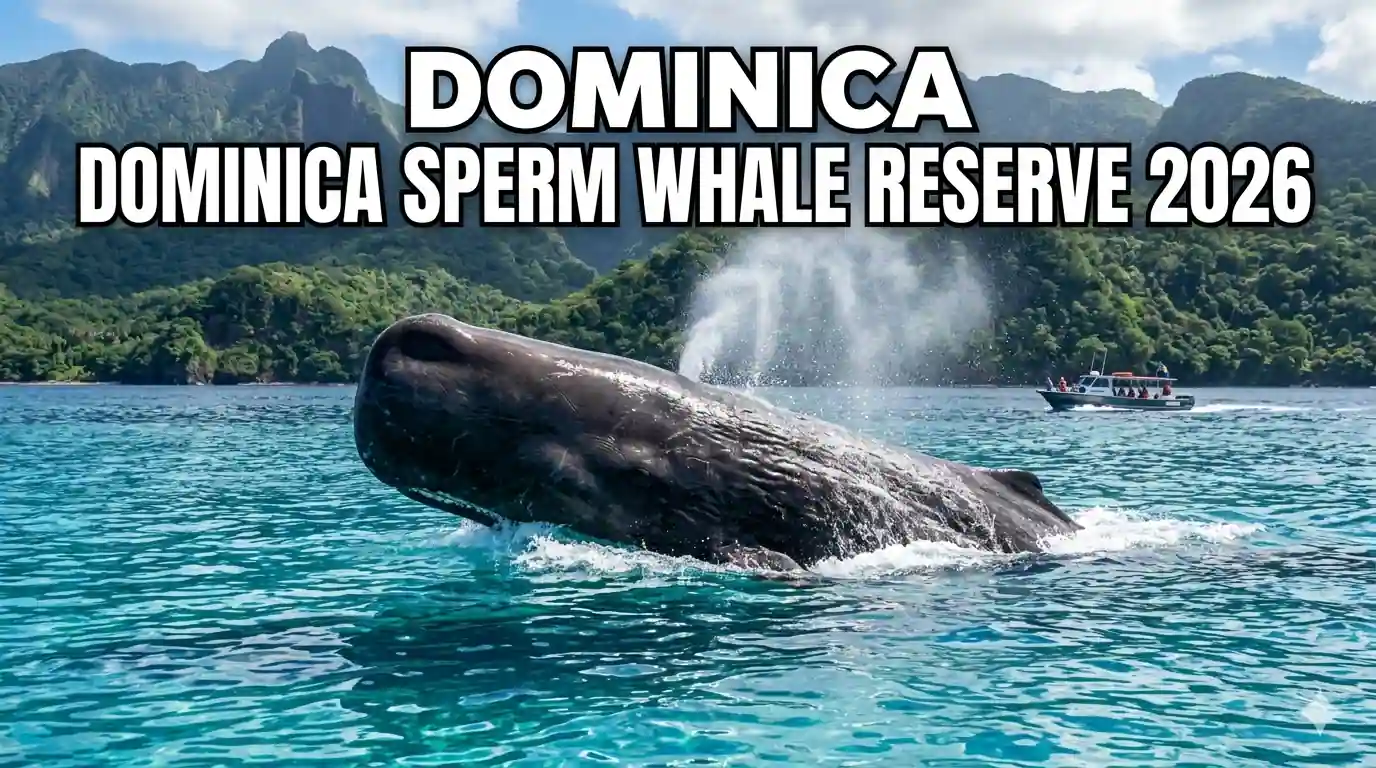
The World's First Sperm Whale Reserve: Why 2026 is the Year to Visit Dominica's Marine Life
In the crystalline waters of the Caribbean, a groundbreaking conservation milestone is reshaping how we protect and experience marine megafauna. Dominica, the nature island of the Caribbean, has established the world's first sperm whale reserve—a pioneering initiative that positions this volcanic paradise at the forefront of marine conservation and sustainable wildlife tourism. As 2026 unfolds, this historic designation, combined with Dominica's extraordinary biodiversity and commitment to environmental preservation, makes it the ultimate destination for travelers seeking meaningful encounters with one of Earth's most magnificent creatures.
The sperm whale reserve represents more than just protected waters—it embodies a new paradigm in conservation tourism where visitor experiences directly contribute to species preservation, scientific research, and community development. With resident pods of sperm whales that call these waters home year-round, Dominica offers something increasingly rare in our modern world: the opportunity to observe these gentle giants in their natural habitat, guided by strict ethical protocols that prioritize whale welfare above all else.
But the sperm whale reserve is just the beginning. Dominica's marine ecosystem teems with life—from humpback whales that migrate through these waters seasonally, to vibrant coral reefs, sea turtles, dolphins, and an astonishing array of tropical fish species. Combined with the island's lush rainforests, volcanic hot springs, and commitment to becoming the world's first climate-resilient nation, 2026 marks a pivotal moment for travelers who want their adventures to make a positive impact while witnessing some of the planet's most spectacular natural wonders.
Understanding the World's First Sperm Whale Reserve

The Historic Designation
Dominica's establishment of the world's first sperm whale reserve marks a watershed moment in marine conservation history. This groundbreaking initiative creates a protected sanctuary specifically designed to safeguard resident sperm whale populations while promoting responsible, science-based whale watching tourism. The reserve encompasses critical habitat areas where sperm whales feed, breed, and raise their young, providing them with a safe haven from the threats that have plagued these magnificent creatures for centuries.
The designation came after years of scientific research, community consultation, and collaboration between the Dominica government, marine biologists, conservation organizations, and local stakeholders. It represents a commitment to balancing conservation with sustainable economic development, recognizing that live whales generate far more long-term value for local communities than the whaling industry ever did.
Geographic Scope and Protection Measures
The sperm whale reserve covers a significant portion of Dominica's western Caribbean coastline, encompassing the deep waters where sperm whales are most frequently observed. Key protection measures include:
- Strict approach distances: Vessels must maintain minimum distances from whales to prevent disturbance and stress
- Speed restrictions: Reduced vessel speeds in whale habitat areas to minimize collision risks
- Limited vessel numbers: Caps on the number of boats allowed to observe whales simultaneously
- Observation time limits: Restrictions on how long vessels can remain with whale groups
- No-swim zones: Prohibition of swimming with sperm whales to prevent behavioral disruption
- Monitoring and enforcement: Active patrols and surveillance to ensure compliance
- Scientific research requirements: Mandatory data collection from tour operators to support ongoing conservation efforts
- 👉 Costa Rica Digital Nomad Visa 2026: Why the $3,000 monthly income rule is a game-changer.
- 👉 Havana International Jazz Festival 2026: Lineup, Dates & Ticket Guide
- 👉 MSC Cruises Freeport: $450M Grand Bahama Hub 2026
Why Sperm Whales Need Protection
Sperm whales (Physeter macrocephalus) face numerous threats that make protected reserves like Dominica's essential for their survival:
- Historical whaling: Centuries of commercial whaling decimated sperm whale populations globally, and while commercial whaling has largely ceased, populations remain below pre-exploitation levels
- Ship strikes: Collisions with large vessels remain a significant threat, particularly in busy shipping lanes
- Ocean noise pollution: Sonar, shipping noise, and seismic surveys interfere with sperm whale communication and echolocation
- Plastic pollution: Ingestion of plastic debris and entanglement in fishing gear
- Climate change: Ocean warming and acidification affect prey availability and distribution
- Deep-sea mining: Emerging threats to deep-water habitats where sperm whales hunt
- 👉 Costa Rica Digital Nomad Visa 2026: Why the $3,000 monthly income rule is a game-changer.
- 👉 Havana International Jazz Festival 2026: Lineup, Dates & Ticket Guide
- 👉 MSC Cruises Freeport: $450M Grand Bahama Hub 2026
Dominica's Resident Sperm Whale Population

A Year-Round Home
Unlike many whale watching destinations that rely on seasonal migrations, Dominica is home to resident sperm whale pods that remain in these waters throughout the year. This remarkable phenomenon makes Dominica unique among Caribbean whale watching destinations and provides exceptional opportunities for observation and research.
The resident population consists primarily of female sperm whales and their young, who form tight-knit social groups called pods. These matriarchal societies exhibit complex social behaviors, cooperative calf-rearing, and sophisticated communication systems that scientists are still working to understand. Male sperm whales typically venture to higher latitudes as they mature, returning to tropical waters primarily for breeding purposes.
Population Size and Research
Ongoing research by organizations like the Dominica Sperm Whale Project has documented a stable population of resident sperm whales in Dominica's waters. Long-term photo-identification studies have tracked individual whales over decades, providing invaluable data on:
- Population dynamics: Birth rates, survival rates, and population trends
- Social structure: Pod composition, relationships, and behavioral patterns
- Feeding ecology: Diet, foraging behavior, and habitat use
- Reproductive patterns: Calving intervals and maternal care
- Acoustic communication: Vocalizations and their functions
- 👉 Costa Rica Digital Nomad Visa 2026: Why the $3,000 monthly income rule is a game-changer.
- 👉 Havana International Jazz Festival 2026: Lineup, Dates & Ticket Guide
- 👉 MSC Cruises Freeport: $450M Grand Bahama Hub 2026
This research not only advances scientific understanding but also directly informs conservation management and responsible tourism practices.
Behavioral Characteristics
Dominica's resident sperm whales exhibit fascinating behaviors that make them compelling subjects for observation:
- Vertical resting: Sperm whales often rest vertically in the water column, appearing almost motionless—a behavior rarely seen in other whale species
- Social bonding: Pods engage in close physical contact, synchronized diving, and vocal exchanges that strengthen social bonds
- Deep diving: Sperm whales are champion divers, regularly descending to depths of 1,000 meters or more in search of squid and fish
- Echolocation: Their powerful clicks, used for navigation and hunting, can be detected underwater and are among the loudest sounds produced by any animal
- Maternal care: Calves stay with their mothers for many years, learning essential survival skills and social behaviors
- 👉 Costa Rica Digital Nomad Visa 2026: Why the $3,000 monthly income rule is a game-changer.
- 👉 Havana International Jazz Festival 2026: Lineup, Dates & Ticket Guide
- 👉 MSC Cruises Freeport: $450M Grand Bahama Hub 2026
Marine Biodiversity Beyond Sperm Whales

Seasonal Whale Species
While sperm whales dominate Dominica's marine landscape year-round, the island's waters host an impressive array of other cetacean species:
- Humpback whales: Migrate through Dominica waters from January to April, traveling between feeding grounds in the North Atlantic and breeding areas in the Caribbean
- Pilot whales: Both short-finned and long-finned pilot whales are regularly observed
- False killer whales: Occasional visitors to Dominica's deep waters
- Pygmy and dwarf sperm whales: Smaller relatives of the giant sperm whale
- Beaked whales: Several elusive species inhabit these deep waters
- 👉 Costa Rica Digital Nomad Visa 2026: Why the $3,000 monthly income rule is a game-changer.
- 👉 Havana International Jazz Festival 2026: Lineup, Dates & Ticket Guide
- 👉 MSC Cruises Freeport: $450M Grand Bahama Hub 2026
Dolphin Diversity
Dominica's waters are home to numerous dolphin species, offering additional opportunities for marine wildlife encounters:
- Pantropical spotted dolphins: Abundant and frequently observed
- Bottlenose dolphins: Both offshore and coastal varieties
- Spinner dolphins: Known for their acrobatic spinning leaps
- Atlantic spotted dolphins: Regular visitors
- Risso's dolphins: Distinctive scarred appearance from squid hunting
- 👉 Costa Rica Digital Nomad Visa 2026: Why the $3,000 monthly income rule is a game-changer.
- 👉 Havana International Jazz Festival 2026: Lineup, Dates & Ticket Guide
- 👉 MSC Cruises Freeport: $450M Grand Bahama Hub 2026
Coral Reefs and Tropical Fish
Dominica's marine protected areas encompass vibrant coral reef ecosystems that support extraordinary biodiversity:
- Coral diversity: Over 60 species of reef-building corals
- Tropical fish: More than 500 species of reef fish
- Sea turtles: Hawksbill, leatherback, and green turtles nest on Dominica's beaches
- Mangrove ecosystems: Critical nursery habitats for juvenile fish and invertebrates
- Seagrass beds: Important feeding grounds for sea turtles and other marine life
- 👉 Costa Rica Digital Nomad Visa 2026: Why the $3,000 monthly income rule is a game-changer.
- 👉 Havana International Jazz Festival 2026: Lineup, Dates & Ticket Guide
- 👉 MSC Cruises Freeport: $450M Grand Bahama Hub 2026
Unique Marine Features
Dominica's volcanic origins create distinctive marine environments found nowhere else in the Caribbean:
- Underwater hot springs: Geothermal vents create unique microhabitats
- Champagne Reef: Named for the bubbles rising from volcanic vents
- Deep drop-offs: Dramatic underwater walls attract pelagic species
- Shipwrecks: Artificial reefs providing habitat and diving opportunities
- 👉 Costa Rica Digital Nomad Visa 2026: Why the $3,000 monthly income rule is a game-changer.
- 👉 Havana International Jazz Festival 2026: Lineup, Dates & Ticket Guide
- 👉 MSC Cruises Freeport: $450M Grand Bahama Hub 2026
Why 2026 is the Perfect Year to Visit

Conservation Milestones
2026 represents a convergence of factors that make this the ideal time to experience Dominica's marine wonders:
- Reserve implementation: The sperm whale reserve is now fully operational with established protocols, trained personnel, and monitoring systems in place
- Enhanced protection: Recent legislative measures provide stronger enforcement capabilities and penalties for violations
- Research expansion: New research initiatives and international collaborations are deepening our understanding of sperm whale ecology
- Community engagement: Local communities are increasingly invested in and benefiting from sustainable marine tourism
- 👉 Costa Rica Digital Nomad Visa 2026: Why the $3,000 monthly income rule is a game-changer.
- 👉 Havana International Jazz Festival 2026: Lineup, Dates & Ticket Guide
- 👉 MSC Cruises Freeport: $450M Grand Bahama Hub 2026
Infrastructure and Accessibility
Dominica has made significant investments in tourism infrastructure while maintaining its commitment to sustainability:
- Improved marine tour operations: Certified operators using whale-friendly vessels and practices
- Enhanced visitor facilities: New interpretation centers and educational programs
- Better accessibility: Improved transportation links and accommodation options
- Digital connectivity: Enhanced communication systems for safety and coordination
- 👉 Costa Rica Digital Nomad Visa 2026: Why the $3,000 monthly income rule is a game-changer.
- 👉 Havana International Jazz Festival 2026: Lineup, Dates & Ticket Guide
- 👉 MSC Cruises Freeport: $450M Grand Bahama Hub 2026
Growing Global Recognition
Dominica's conservation leadership is gaining international attention:
- Awards and recognition: Recent accolades for marine conservation efforts
- Media coverage: Features in major travel and conservation publications
- Scientific conferences: Hosting international marine conservation symposia
- Educational partnerships: Collaborations with universities and research institutions worldwide
- 👉 Costa Rica Digital Nomad Visa 2026: Why the $3,000 monthly income rule is a game-changer.
- 👉 Havana International Jazz Festival 2026: Lineup, Dates & Ticket Guide
- 👉 MSC Cruises Freeport: $450M Grand Bahama Hub 2026
Climate Resilience Leadership
Dominica's ambitious goal to become the world's first climate-resilient nation by 2030 makes 2026 a critical year to witness this transformation:
- Renewable energy: Expanding geothermal and solar power generation
- Sustainable tourism: Integration of climate-smart practices across the tourism sector
- Ecosystem restoration: Active programs to restore coral reefs, mangroves, and forests
- Blue economy initiatives: Sustainable use of ocean resources for economic development
- 👉 Costa Rica Digital Nomad Visa 2026: Why the $3,000 monthly income rule is a game-changer.
- 👉 Havana International Jazz Festival 2026: Lineup, Dates & Ticket Guide
- 👉 MSC Cruises Freeport: $450M Grand Bahama Hub 2026
Responsible Whale Watching: Guidelines and Best Practices

Choosing Certified Operators
To ensure your whale watching experience supports conservation rather than harming it, select operators who adhere to strict ethical standards:
- Licensing: Verify that operators are licensed by the Dominica government and authorized to operate in the sperm whale reserve
- Certification: Look for certifications from recognized organizations like Whale and Dolphin Conservation or the International Whaling Commission
- Local ownership: Prioritize locally-owned operators who reinvest in the community
- Research contribution: Choose operators who contribute data to scientific research programs
- Educational component: Select tours that include educational briefings about sperm whales and conservation
- 👉 Costa Rica Digital Nomad Visa 2026: Why the $3,000 monthly income rule is a game-changer.
- 👉 Havana International Jazz Festival 2026: Lineup, Dates & Ticket Guide
- 👉 MSC Cruises Freeport: $450M Grand Bahama Hub 2026
Code of Conduct for Whale Watching
Responsible whale watching follows strict protocols to minimize disturbance:
- Approach speed: Vessels must approach whales slowly and cautiously, reducing speed to idle when within 300 meters
- Minimum distance: Maintain at least 100 meters from adult sperm whales and 300 meters from calves
- Approach angle: Approach from the side rather than head-on or from behind
- Time limits: Limit observation time to 30-60 minutes to prevent stress
- No chasing: Never chase or pursue whales; allow them to control the interaction
- Quiet observation: Minimize noise and sudden movements
- Respect resting whales: Do not approach whales that are resting vertically or showing signs of disturbance
- 👉 Costa Rica Digital Nomad Visa 2026: Why the $3,000 monthly income rule is a game-changer.
- 👉 Havana International Jazz Festival 2026: Lineup, Dates & Ticket Guide
- 👉 MSC Cruises Freeport: $450M Grand Bahama Hub 2026
What to Expect on a Whale Watching Tour
A typical sperm whale watching experience in Dominica includes:
- Pre-departure briefing: Education about sperm whale biology, behavior, and conservation
- Hydrophone listening: Many tours use underwater microphones to detect sperm whale vocalizations before visual contact
- Patient searching: Experienced captains use knowledge of whale behavior and habitat to locate whales
- Respectful observation: Once whales are located, the vessel approaches slowly and maintains appropriate distance
- Naturalist commentary: Expert guides provide information about whale behavior and ecology
- Photography opportunities: Ethical photography guidelines ensure images don't compromise whale welfare
- Data collection: Photos and observations contribute to ongoing research
- 👉 Costa Rica Digital Nomad Visa 2026: Why the $3,000 monthly income rule is a game-changer.
- 👉 Havana International Jazz Festival 2026: Lineup, Dates & Ticket Guide
- 👉 MSC Cruises Freeport: $450M Grand Bahama Hub 2026
Planning Your Visit to Dominica

Best Time to Visit for Marine Life
Dominica's resident sperm whales can be observed year-round, but different seasons offer varying conditions and additional marine life encounters:
Peak Season (December-April):
- Dry season with calmer seas and better visibility
- Humpback whales present January-April
- Peak tourist season; book well in advance
- Higher prices but optimal weather conditions
- 👉 Costa Rica Digital Nomad Visa 2026: Why the $3,000 monthly income rule is a game-changer.
- 👉 Havana International Jazz Festival 2026: Lineup, Dates & Ticket Guide
- 👉 MSC Cruises Freeport: $450M Grand Bahama Hub 2026
Shoulder Season (May-June, November):
- Good whale watching conditions
- Fewer tourists and lower prices
- Occasional rain but generally favorable weather
- 👉 Costa Rica Digital Nomad Visa 2026: Why the $3,000 monthly income rule is a game-changer.
- 👉 Havana International Jazz Festival 2026: Lineup, Dates & Ticket Guide
- 👉 MSC Cruises Freeport: $450M Grand Bahama Hub 2026
Low Season (July-October):
- Hurricane season; higher weather uncertainty
- Lowest prices and fewest tourists
- Sperm whales still present but sea conditions can be rough
- Consider travel insurance
- 👉 Costa Rica Digital Nomad Visa 2026: Why the $3,000 monthly income rule is a game-changer.
- 👉 Havana International Jazz Festival 2026: Lineup, Dates & Ticket Guide
- 👉 MSC Cruises Freeport: $450M Grand Bahama Hub 2026
How to Get to Dominica
By Air:
- Douglas-Charles Airport (DOM): Main international airport on Dominica's northeast coast
- Direct flights: From Miami, New York, San Juan, Antigua, Barbados, and other Caribbean hubs
- Connecting flights: Via Puerto Rico, Antigua, or Barbados
- Airlines: American Airlines, JetBlue, LIAT, Caribbean Airlines, and regional carriers
- 👉 Costa Rica Digital Nomad Visa 2026: Why the $3,000 monthly income rule is a game-changer.
- 👉 Havana International Jazz Festival 2026: Lineup, Dates & Ticket Guide
- 👉 MSC Cruises Freeport: $450M Grand Bahama Hub 2026
By Sea:
- Cruise ships: Dominica is a popular cruise destination with regular calls
- Ferry service: Limited ferry connections from Guadeloupe and Martinique
- Private yachts: Popular stop for Caribbean sailors
- 👉 Costa Rica Digital Nomad Visa 2026: Why the $3,000 monthly income rule is a game-changer.
- 👉 Havana International Jazz Festival 2026: Lineup, Dates & Ticket Guide
- 👉 MSC Cruises Freeport: $450M Grand Bahama Hub 2026
Visa and Entry Requirements
- Visa requirements: Vary by nationality; many countries receive visa-free entry for up to 6 months
- Passport: Must be valid for at least 6 months beyond entry date
- Return ticket: Proof of onward or return travel required
- Yellow fever: Certificate required if arriving from infected areas
- Customs: Reasonable quantities of personal items allowed duty-free
- 👉 Costa Rica Digital Nomad Visa 2026: Why the $3,000 monthly income rule is a game-changer.
- 👉 Havana International Jazz Festival 2026: Lineup, Dates & Ticket Guide
- 👉 MSC Cruises Freeport: $450M Grand Bahama Hub 2026
Where to Stay
Dominica offers diverse accommodation options to suit different budgets and preferences:
Eco-Lodges:
- Sustainable properties integrated with nature
- Often located near rainforests and hiking trails
- Emphasis on environmental conservation
- 👉 Costa Rica Digital Nomad Visa 2026: Why the $3,000 monthly income rule is a game-changer.
- 👉 Havana International Jazz Festival 2026: Lineup, Dates & Ticket Guide
- 👉 MSC Cruises Freeport: $450M Grand Bahama Hub 2026
Boutique Hotels:
- Small, personalized properties
- Often family-owned and operated
- Focus on authentic Dominican hospitality
- 👉 Costa Rica Digital Nomad Visa 2026: Why the $3,000 monthly income rule is a game-changer.
- 👉 Havana International Jazz Festival 2026: Lineup, Dates & Ticket Guide
- 👉 MSC Cruises Freeport: $450M Grand Bahama Hub 2026
Beach Resorts:
- Waterfront locations
- Easy access to marine activities
- Range from budget to luxury
- 👉 Costa Rica Digital Nomad Visa 2026: Why the $3,000 monthly income rule is a game-changer.
- 👉 Havana International Jazz Festival 2026: Lineup, Dates & Ticket Guide
- 👉 MSC Cruises Freeport: $450M Grand Bahama Hub 2026
Vacation Rentals:
- Apartments, villas, and cottages
- Self-catering options
- Good for extended stays
- 👉 Costa Rica Digital Nomad Visa 2026: Why the $3,000 monthly income rule is a game-changer.
- 👉 Havana International Jazz Festival 2026: Lineup, Dates & Ticket Guide
- 👉 MSC Cruises Freeport: $450M Grand Bahama Hub 2026
Marine Activities Beyond Whale Watching

Scuba Diving
Dominica's volcanic underwater landscape creates exceptional diving opportunities:
- Champagne Reef: Swim through bubbles from underwater volcanic vents
- Shipwrecks: Explore intentionally sunk vessels now serving as artificial reefs
- Wall diving: Dramatic drop-offs attract pelagic species
- Coral gardens: Vibrant reefs teeming with tropical fish
- Hot springs: Unique geothermal features
- 👉 Costa Rica Digital Nomad Visa 2026: Why the $3,000 monthly income rule is a game-changer.
- 👉 Havana International Jazz Festival 2026: Lineup, Dates & Ticket Guide
- 👉 MSC Cruises Freeport: $450M Grand Bahama Hub 2026
Snorkeling
Accessible marine experiences for non-divers:
- Shallow reefs: Easy access from beaches
- Marine reserves: Protected areas with abundant marine life
- Sea turtle encounters: Regular sightings while snorkeling
- Guided tours: Expert-led snorkeling expeditions
- 👉 Costa Rica Digital Nomad Visa 2026: Why the $3,000 monthly income rule is a game-changer.
- 👉 Havana International Jazz Festival 2026: Lineup, Dates & Ticket Guide
- 👉 MSC Cruises Freeport: $450M Grand Bahama Hub 2026
Sea Turtle Conservation
Participate in sea turtle conservation efforts:
- Nesting season: June-November for most species
- Beach patrols: Join guided night patrols to observe nesting turtles
- Hatchling releases: Witness baby turtles making their way to the ocean
- Conservation programs: Support organizations protecting sea turtles
- 👉 Costa Rica Digital Nomad Visa 2026: Why the $3,000 monthly income rule is a game-changer.
- 👉 Havana International Jazz Festival 2026: Lineup, Dates & Ticket Guide
- 👉 MSC Cruises Freeport: $450M Grand Bahama Hub 2026
Kayaking and Paddleboarding
Explore Dominica's coastline and rivers:
- Sea kayaking: Paddle along pristine coastline
- River kayaking: Navigate jungle rivers and waterfalls
- Stand-up paddleboarding: Calm water activities
- Bioluminescence tours: Night kayaking to see glowing plankton
- 👉 Costa Rica Digital Nomad Visa 2026: Why the $3,000 monthly income rule is a game-changer.
- 👉 Havana International Jazz Festival 2026: Lineup, Dates & Ticket Guide
- 👉 MSC Cruises Freeport: $450M Grand Bahama Hub 2026
Conservation Impact: How Your Visit Makes a Difference

Direct Conservation Funding
Your tourism dollars directly support marine conservation:
- Park fees: Marine reserve fees fund protection and management
- Research contributions: Tour operators contribute to scientific studies
- Conservation organizations: Many lodges and tour companies support local conservation groups
- Community projects: Tourism revenue funds local development initiatives
- 👉 Costa Rica Digital Nomad Visa 2026: Why the $3,000 monthly income rule is a game-changer.
- 👉 Havana International Jazz Festival 2026: Lineup, Dates & Ticket Guide
- 👉 MSC Cruises Freeport: $450M Grand Bahama Hub 2026
Scientific Research Support
Tourism enables critical research:
- Photo identification: Tourist photos help track individual whales
- Behavioral observations: Guides and tourists document whale behavior
- Acoustic monitoring: Data collected during tours contributes to understanding communication
- Population monitoring: Regular sightings help estimate population size and trends
- 👉 Costa Rica Digital Nomad Visa 2026: Why the $3,000 monthly income rule is a game-changer.
- 👉 Havana International Jazz Festival 2026: Lineup, Dates & Ticket Guide
- 👉 MSC Cruises Freeport: $450M Grand Bahama Hub 2026
Community Benefits
Sustainable tourism improves local livelihoods:
- Employment: Jobs in tourism, research, and conservation
- Education: Training and capacity building for locals
- Cultural preservation: Tourism supports traditional knowledge and practices
- Infrastructure: Improved facilities benefit both tourists and residents
- 👉 Costa Rica Digital Nomad Visa 2026: Why the $3,000 monthly income rule is a game-changer.
- 👉 Havana International Jazz Festival 2026: Lineup, Dates & Ticket Guide
- 👉 MSC Cruises Freeport: $450M Grand Bahama Hub 2026
Global Conservation Leadership
Dominica's success inspires others:
- Model for other nations: Demonstrates that conservation and tourism can coexist
- International partnerships: Collaborations advance global marine conservation
- Awareness raising: Visitors become ambassadors for sperm whale conservation
- Policy influence: Success influences marine protection policies worldwide
- 👉 Costa Rica Digital Nomad Visa 2026: Why the $3,000 monthly income rule is a game-changer.
- 👉 Havana International Jazz Festival 2026: Lineup, Dates & Ticket Guide
- 👉 MSC Cruises Freeport: $450M Grand Bahama Hub 2026
Practical Travel Tips for Dominica

Packing Essentials
Prepare for Dominica's tropical climate and outdoor activities:
- Lightweight clothing: Breathable fabrics for hot, humid weather
- Rain gear: Lightweight rain jacket; tropical showers are common
- Sturdy footwear: Hiking boots for trails, water shoes for marine activities
- Sun protection: High SPF sunscreen, hat, sunglasses
- Insect repellent: DEET-based for mosquito protection
- Camera equipment: Waterproof camera or housing for marine photography
- Binoculars: For whale watching and bird watching
- Reusable water bottle: Stay hydrated; reduce plastic waste
- 👉 Costa Rica Digital Nomad Visa 2026: Why the $3,000 monthly income rule is a game-changer.
- 👉 Havana International Jazz Festival 2026: Lineup, Dates & Ticket Guide
- 👉 MSC Cruises Freeport: $450M Grand Bahama Hub 2026
Health and Safety
Stay healthy and safe during your visit:
- Vaccinations: Routine vaccines up to date; hepatitis A and B recommended
- Travel insurance: Essential; ensure coverage for medical evacuation
- Prescription medications: Bring adequate supply in original containers
- First aid kit: Basic supplies for minor injuries
- Water safety: Drink bottled or treated water
- Sun safety: Tropical sun is intense; use sun protection consistently
- Marine safety: Follow guide instructions; be aware of currents
- 👉 Costa Rica Digital Nomad Visa 2026: Why the $3,000 monthly income rule is a game-changer.
- 👉 Havana International Jazz Festival 2026: Lineup, Dates & Ticket Guide
- 👉 MSC Cruises Freeport: $450M Grand Bahama Hub 2026
Cultural Etiquette
Respect local customs and culture:
- Greetings: Friendly greetings are important; say "good morning/afternoon"
- Dress code: Modest dress in villages; swimwear appropriate only at beaches
- Photography: Ask permission before photographing people
- Tipping: Appreciated but not mandatory; 10% service charge often included
- Language: English is official language; French Creole (Kwéyòl) widely spoken
- Respect nature: Dominicans take pride in their environment; follow Leave No Trace principles
- 👉 Costa Rica Digital Nomad Visa 2026: Why the $3,000 monthly income rule is a game-changer.
- 👉 Havana International Jazz Festival 2026: Lineup, Dates & Ticket Guide
- 👉 MSC Cruises Freeport: $450M Grand Bahama Hub 2026
Money and Banking
- Currency: Eastern Caribbean Dollar (XCD); US dollars widely accepted
- Exchange rate: Approximately 2.7 XCD = 1 USD
- Credit cards: Accepted at larger establishments; carry cash for smaller vendors
- ATMs: Available in major towns; may be limited in remote areas
- Tipping: 10-15% at restaurants if service charge not included
- 👉 Costa Rica Digital Nomad Visa 2026: Why the $3,000 monthly income rule is a game-changer.
- 👉 Havana International Jazz Festival 2026: Lineup, Dates & Ticket Guide
- 👉 MSC Cruises Freeport: $450M Grand Bahama Hub 2026
The Future of Marine Conservation in Dominica
Expanding Protected Areas
Dominica continues to expand its network of marine protected areas:
- New designations: Plans to protect additional critical habitats
- Connectivity: Creating corridors between protected areas
- Enforcement: Strengthening monitoring and compliance
- Community management: Empowering local communities as conservation stewards
- 👉 Costa Rica Digital Nomad Visa 2026: Why the $3,000 monthly income rule is a game-changer.
- 👉 Havana International Jazz Festival 2026: Lineup, Dates & Ticket Guide
- 👉 MSC Cruises Freeport: $450M Grand Bahama Hub 2026
Climate Change Adaptation
Addressing threats from climate change:
- Coral restoration: Active programs to restore damaged reefs
- Mangrove protection: Preserving coastal ecosystems that buffer storms
- Sustainable fisheries: Managing fish stocks for resilience
- Renewable energy: Reducing carbon footprint
- 👉 Costa Rica Digital Nomad Visa 2026: Why the $3,000 monthly income rule is a game-changer.
- 👉 Havana International Jazz Festival 2026: Lineup, Dates & Ticket Guide
- 👉 MSC Cruises Freeport: $450M Grand Bahama Hub 2026
Education and Awareness
Building the next generation of conservationists:
- School programs: Marine conservation education in schools
- Visitor centers: Educational facilities for tourists and locals
- Training programs: Developing local expertise in marine science
- Public campaigns: Raising awareness about marine conservation
- 👉 Costa Rica Digital Nomad Visa 2026: Why the $3,000 monthly income rule is a game-changer.
- 👉 Havana International Jazz Festival 2026: Lineup, Dates & Ticket Guide
- 👉 MSC Cruises Freeport: $450M Grand Bahama Hub 2026
Conclusion: Be Part of the Solution
Dominica's establishment of the world's first sperm whale reserve represents more than a conservation milestone—it's a beacon of hope for marine wildlife worldwide. In 2026, as this pioneering initiative matures and demonstrates the viability of sustainable whale watching tourism, there has never been a better time to visit.
When you travel to Dominica to witness sperm whales in their natural habitat, you're not just checking a destination off your bucket list. You're participating in a conservation success story. Your visit funds critical research, supports local communities, and demonstrates that live whales are infinitely more valuable than dead ones. You're voting with your wallet for a future where humans and wildlife coexist harmoniously.
But the impact extends beyond economics. The experience of observing a sperm whale—watching these gentle giants breach the surface, hearing their powerful clicks through a hydrophone, witnessing the intricate social bonds within a pod—transforms perspectives. It creates emotional connections that inspire lifelong advocacy for ocean conservation.
Dominica offers more than just sperm whales. The island's commitment to environmental preservation, its stunning natural beauty, its rich cultural heritage, and its vision for a sustainable future make it a destination that rewards conscious travelers. From the depths where sperm whales hunt to the peaks of volcanic mountains, from vibrant coral reefs to lush rainforests, Dominica showcases the extraordinary diversity of life on Earth.
In 2026, as the world grapples with climate change, biodiversity loss, and environmental degradation, Dominica stands as proof that a different path is possible. A path where economic development and environmental protection reinforce rather than conflict with each other. Where local communities benefit from conservation rather than bearing its costs. Where tourism becomes a force for good.
The sperm whales of Dominica have survived centuries of exploitation. Now, they're thriving under protection. Your visit in 2026 helps ensure they continue to thrive for generations to come. Come witness these magnificent creatures. Come support groundbreaking conservation. Come be part of the solution.
The world's first sperm whale reserve awaits. And the time to visit is now.
0 Comments