.webp)
.webp)
Is Saint Lucia LGBTQ Friendly: A Complete 2026 Travel Guide and Legal Overview for Inclusive Caribbean Travel
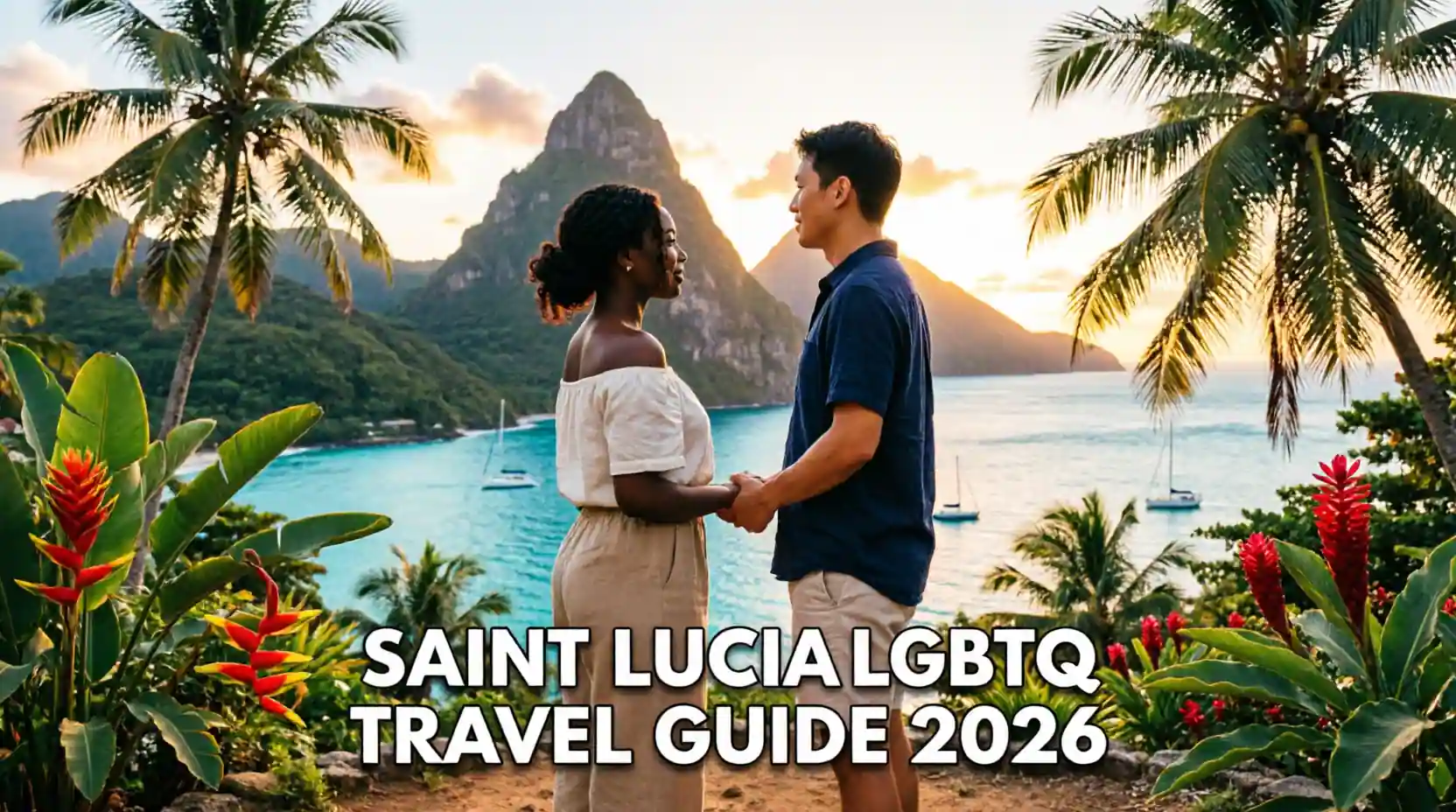
Understanding Saint Lucia's LGBTQ Landscape in 2026
Saint Lucia has undergone significant legal transformation regarding LGBTQ rights in recent years, making 2026 a pivotal time for travelers seeking accurate, up-to-date information about visiting this beautiful Caribbean island. In July 2025, the High Court of Saint Lucia delivered a landmark ruling that decriminalized consensual same-sex conduct, striking down colonial-era laws that had criminalized intimacy between same-sex partners . This historic decision represents a major victory for human rights and positions Saint Lucia among a growing number of Caribbean nations affirming that criminalizing private, consensual relationships is incompatible with constitutional protections .
For LGBTQ travelers considering Saint Lucia in 2026, this legal progress creates a more welcoming foundation than existed just a few years ago. However, understanding the full picture requires looking beyond the courtroom to examine social attitudes, practical travel considerations, accommodation options, and community resources. While the law has changed, cultural shifts often take longer to develop, and travelers benefit from realistic expectations about what to expect during their visit .
This comprehensive guide provides LGBTQ travelers with essential information about Saint Lucia's legal framework, social climate, safety considerations, inclusive accommodations, and practical tips for an enjoyable and respectful visit. Whether you are planning a romantic getaway, adventure vacation, or cultural immersion experience, understanding these factors helps you travel with confidence while contributing positively to the destination you visit.
Legal Status of LGBTQ People in Saint Lucia: What Changed in 2025

The most significant development for LGBTQ rights in Saint Lucia occurred in July 2025, when the Eastern Caribbean Supreme Court ruled that Sections 132 and 133 of Saint Lucia's Criminal Code violated the Constitution's Bill of Rights . These sections had criminalized "buggery" and "gross indecency," colonial-era provisions that carried penalties of up to 10 years in prison . Although these laws were rarely enforced in recent decades, their existence enabled discrimination, legitimized social stigma, and created a climate of fear for LGBTQ residents and visitors .
The court's decision was the result of sustained legal advocacy by local plaintiffs and regional organizations including the Eastern Caribbean Alliance for Diversity and Equality and United and Strong . In its ruling, the court noted that "public humiliation, vilification and even physical attacks on homosexuals would be a concomitant effect of the stigmatization created by the criminalisation of such conduct," affirming that such outcomes are inconsistent with dignity and evolving standards of decency in a free and democratic society .
Current Legal Protections and Limitations
While decriminalization marks crucial progress, Saint Lucia's legal framework for LGBTQ equality remains incomplete. Same-sex marriage is not recognized, and there are no provisions for civil unions or domestic partnerships that grant relationship recognition equivalent to marriage . However, the Domestic Violence Act passed in 2022 does include protections for same-sex couples, defining "cohabitant" and "domestic relationship" in ways that encompass unmarried partners regardless of gender .
Employment discrimination based on sexual orientation has been prohibited since 2006 under Article 131 of the Labour Code . The 2022 Data Protection Act also recognizes sexual orientation as sensitive personal data requiring special protection . Hate crime sentencing guidelines, updated in 2021 and reaffirmed in 2025, include sexual orientation and gender identity as aggravating factors for homicide offenses .
Areas Where Legal Protections Remain Limited
Despite these advances, significant gaps persist. There are no legal procedures for transgender individuals to change their gender marker on official documents, and non-binary gender recognition is not available . Housing discrimination protections do not explicitly include sexual orientation or gender identity . Conversion therapy is not banned, and intersex infant surgeries are not prohibited by law . These limitations mean that while consensual same-sex relationships are legal, full equality under the law remains a work in progress.
For travelers, understanding these nuances helps set realistic expectations. The decriminalization of same-sex conduct removes the threat of criminal prosecution for LGBTQ visitors, but it does not automatically translate to universal social acceptance or comprehensive anti-discrimination protections in all contexts .
Social Attitudes and Cultural Context for LGBTQ Travelers

Saint Lucia's social landscape regarding LGBTQ issues reflects a complex interplay of traditional values, religious influence, generational change, and increasing exposure to global perspectives. The island is predominantly Christian, with strong religious communities that have historically held conservative views on sexuality and gender . These perspectives continue to influence public discourse and social norms in many communities.
However, attitudes are not monolithic. Younger generations, urban residents, and those working in tourism often express more progressive views than older or rural populations . The tourism industry, which represents a significant portion of Saint Lucia's economy, has practical incentives to welcome all visitors respectfully, and many hospitality professionals are accustomed to serving diverse international guests .
Public Perception and Everyday Experiences
For LGBTQ travelers, the most common experience in Saint Lucia is not physical danger but rather the need for discretion regarding public displays of affection. While holding hands or brief affectionate gestures may pass without comment in resort areas, more overt displays could draw unwanted attention in local communities or religious settings . This is consistent with cultural norms in many Caribbean destinations where public intimacy is generally reserved regardless of the genders involved.
Verbal harassment, while not universal, remains a possibility, particularly outside tourist-focused areas . Most LGBTQ travelers report that respectful behavior, cultural sensitivity, and avoiding confrontational situations significantly reduce the likelihood of negative encounters. The vast majority of visitors enjoy their time on the island without incident when exercising standard travel awareness .
The Role of Tourism in Shaping Experiences
Saint Lucia's tourism infrastructure is well-developed in areas like Rodney Bay, the Pitons corridor around Soufrière, and major beach resorts . These areas are accustomed to international visitors and generally maintain professional standards of service for all guests. Major international resort properties are reliable in treating all guests with equal professionalism, regardless of sexual orientation or gender identity .
For LGBTQ travelers, choosing accommodation and activities within established tourism zones can enhance comfort and reduce uncertainty. Many luxury resorts, boutique hotels, and eco-lodges explicitly welcome diverse guests and train staff in inclusive hospitality practices. Reading recent reviews from LGBTQ travelers on major booking platforms can provide valuable insights into specific properties' openness and service quality.
Practical Safety Tips for LGBTQ Travelers in Saint Lucia

While Saint Lucia is generally safe for tourists, LGBTQ travelers benefit from specific strategies to maximize comfort and minimize potential challenges. These tips are not about fear but about informed preparation that allows you to focus on enjoying your vacation.
Exercise discretion with public displays of affection, particularly in Castries, local villages, and religious areas . What feels natural in more openly LGBTQ-friendly destinations may draw attention in contexts where such expressions are less common. This does not mean hiding your identity but rather being mindful of cultural context and choosing moments and locations thoughtfully.
Choosing Accommodation and Activities
Research accommodation specifically before booking. Boutique hotels and guesthouses vary in their openness, and reviews from LGBTQ travelers on major booking platforms can provide useful guidance . Major international resort chains and well-reviewed boutique properties in Rodney Bay, Cap Estate, and the Soufrière area generally provide the most consistently welcoming environments.
Consider booking tours and activities through established operators recommended by your hotel or reputable travel platforms. Licensed guides and registered tour companies are accustomed to serving diverse international guests and maintain professional standards. This approach also reduces exposure to unsolicited approaches from unofficial vendors, which can be uncomfortable for any traveler .
Navigating Social Situations
If you encounter curiosity or questions about your relationship, respond with the same grace you would extend to any cultural difference. Many Saint Lucians are genuinely hospitable and interested in learning about visitors from other places. A friendly, respectful approach often opens doors to meaningful connections.
Trust your instincts. If an interaction feels uncomfortable, disengage firmly and move to a more populated area. The beach vendors and unofficial guides who approach travelers can be persistent; a direct, unapologetic "no" repeated without engagement is more effective than polite deflection .
Emergency Preparedness
Save important emergency numbers before your trip: Police (999 or 911), Ambulance (911), and the Saint Lucia Tourism Authority (+1 758-452-4094) for tourist-specific assistance . While serious incidents targeting LGBTQ travelers are rare, having these contacts readily available provides peace of mind.
Carry a photocopy of your passport rather than the original when sightseeing, and use hotel room safes for passports, travel documents, and valuables beyond daily needs . These standard travel precautions benefit all visitors and reduce vulnerability to opportunistic crime.
LGBTQ-Friendly Accommodations and Resorts in Saint Lucia

Saint Lucia offers a range of accommodation options that welcome LGBTQ travelers with professionalism and respect. While the island does not have dedicated LGBTQ resorts, many properties explicitly embrace inclusive hospitality and have earned positive reviews from diverse guests.
Luxury resorts in the Rodney Bay and Cap Estate areas, such as those operated by international brands, typically maintain high standards of guest service and staff training that ensure all visitors feel welcome. These properties often feature multiple dining options, spas, and activities that allow guests to enjoy their vacation without needing to venture far from the resort if they prefer.
Boutique Hotels and Eco-Lodges
Boutique properties and eco-lodges in the Soufrière region, near the iconic Pitons, offer intimate settings with stunning natural views. Many of these smaller properties pride themselves on personalized service and cultural authenticity. Reading recent reviews from LGBTQ travelers can help identify which properties have demonstrated consistent inclusivity in practice.
Some eco-lodges and nature-focused accommodations attract travelers who value sustainability and cultural respect, values that often align with inclusive attitudes. These properties may offer opportunities to engage with local communities and conservation projects in ways that feel meaningful and authentic.
Vacation Rentals and Guesthouses
For travelers seeking more independence or local immersion, vacation rentals and guesthouses can provide excellent value and authentic experiences. When booking through major platforms, look for hosts with strong review histories and consider messaging potential hosts beforehand to gauge their responsiveness and openness.
Guesthouses in Rodney Bay and other tourist areas often cater to international visitors and understand diverse traveler needs. Smaller properties may offer more personalized attention and local insights that enhance your experience.
Community Resources and LGBTQ Events in Saint Lucia

While Saint Lucia does not have a large, visible LGBTQ social scene comparable to some global destinations, community organizations and events are emerging that provide connection and support for LGBTQ residents and visitors.
Pride Saint Lucia, organized by the advocacy group 758Pride, has held events in recent years celebrating LGBTQ identity and advocating for equality . The 2026 Pride celebration is scheduled for August 28-30, offering travelers an opportunity to experience community solidarity and cultural expression . These events typically include music, art, educational programming, and social gatherings that welcome allies and visitors.
Local Advocacy Organizations
Organizations like United and Strong and the Eastern Caribbean Alliance for Diversity and Equality have played crucial roles in advancing LGBTQ rights in Saint Lucia and the wider region . While primarily focused on advocacy and community support rather than tourism, these groups sometimes host public events or educational programs that travelers interested in social justice may find meaningful.
For travelers seeking to connect with local LGBTQ communities, social media platforms and regional LGBTQ travel forums can provide current information about meetups, events, or informal gatherings. Approaching such connections with respect for privacy and cultural context is essential.
Regional Context and Travel Opportunities
Saint Lucia's position in the Eastern Caribbean means travelers can easily combine visits with other islands that have varying LGBTQ climates. Barbados, which decriminalized same-sex conduct earlier and hosts more visible LGBTQ events, is a short flight away. Understanding regional differences helps travelers plan itineraries that balance adventure with comfort.
For those seeking more established LGBTQ scenes, destinations like Puerto Rico or the U.S. Virgin Islands offer different experiences within the broader Caribbean region. However, many travelers find that Saint Lucia's natural beauty, cultural richness, and evolving social landscape make it a rewarding destination in its own right.
What to Expect: Realistic Scenarios for LGBTQ Travelers

Setting realistic expectations helps LGBTQ travelers prepare mentally and emotionally for their Saint Lucia experience. Most visitors report positive overall experiences when approaching the destination with cultural sensitivity and standard travel awareness.
In resort areas and tourist-focused settings, LGBTQ travelers typically experience professional, welcoming service comparable to what they would receive anywhere. Staff at major hotels, restaurants, and tour operators are accustomed to serving international guests and generally maintain inclusive attitudes as part of their professional training .
Common Scenarios and How to Navigate Them
At beaches: Enjoy Saint Lucia's beautiful coastline with standard precautions. Never leave valuables unattended, and be mindful that public displays of affection may draw attention in less touristy areas. Many beaches in resort zones are relaxed environments where diverse visitors coexist comfortably.
At restaurants and bars: Dining experiences are generally welcoming. If you encounter curiosity about your relationship, a friendly, brief response often satisfies genuine interest without inviting prolonged discussion. Choosing establishments in tourist areas or those recommended by your accommodation increases likelihood of consistently positive experiences.
During tours and activities: Licensed guides and registered operators maintain professional standards. If a guide makes an inappropriate comment, you can address it directly, request a different guide through your tour company, or provide feedback to your hotel. Most operators value guest satisfaction and take concerns seriously.
When Things Don't Go as Planned
If you experience harassment or discrimination, document the incident if safe to do so and report it to your accommodation management, tour operator, or the Saint Lucia Tourism Authority (+1 758-452-4094) . While not every situation can be resolved perfectly, reporting helps improve conditions for future visitors and holds service providers accountable.
In rare cases of serious concern, contact local police (999 or 911) and your country's embassy or consulate. Most travelers never need these resources, but having contact information readily available provides peace of mind .
Planning Your LGBTQ-Inclusive Saint Lucia Itinerary

Creating a Saint Lucia itinerary that balances adventure, relaxation, and cultural immersion while considering LGBTQ travel considerations requires thoughtful planning. The island's compact size makes it easy to explore diverse experiences within a single trip.
Consider basing yourself in Rodney Bay for the first part of your visit. This area offers excellent infrastructure, diverse dining and shopping options, beautiful beaches, and easy access to northern attractions . The concentration of tourism services here provides a comfortable introduction to the island.
Suggested Activities and Experiences
Nature and adventure: Hike the Gros Piton with a licensed guide for spectacular views, explore the Sulphur Springs geothermal area, or visit Diamond Falls Botanical Gardens. These iconic experiences are popular with all travelers and provide opportunities to appreciate Saint Lucia's remarkable natural beauty.
Cultural immersion: Visit the Morne Fortune historic area, explore Castries market on a Saturday morning, or attend a Friday night fish fry in Anse La Raye. These experiences offer authentic glimpses into Saint Lucian life and culture. Approach with respect and openness, and you may find warm hospitality.
Relaxation: Enjoy Saint Lucia's beaches, spa treatments, and resort amenities. Many properties offer couples packages, wellness programs, and romantic dining experiences that welcome all guests. The island's natural setting provides a perfect backdrop for rest and rejuvenation.
Timing Your Visit
Saint Lucia enjoys warm weather year-round, with a dry season from December through April and a wetter period from May through November. The dry season offers the most reliable weather for outdoor activities but also attracts more visitors and higher prices. Shoulder seasons (May-June, November) can provide good value with generally favorable conditions.
If you wish to attend Pride Saint Lucia, plan your visit for late August when the celebration typically occurs . This timing also falls within the wet season, so pack accordingly and remain flexible with outdoor plans.
Travel Documentation and Entry Considerations

Entry requirements for Saint Lucia are straightforward for most international travelers. U.S. citizens, Canadian citizens, and citizens of many other countries can enter with a valid passport and proof of onward travel. Visa requirements vary by nationality, so verify current rules through official government sources before departure.
For transgender and non-binary travelers, be aware that Saint Lucia does not have legal procedures for changing gender markers on official documents . If your passport gender marker does not match your presentation, carry documentation such as a physician's letter if you have concerns about potential questions at immigration. While most travelers experience routine processing, preparation can reduce stress.
Health and Travel Insurance
Travel insurance is strongly recommended for all visitors to Saint Lucia, regardless of identity. The island's public healthcare system has limited capacity for complex cases, and medical evacuation to Barbados, Trinidad, or Miami can cost tens of thousands of dollars without coverage . Ensure your policy includes emergency medical treatment, evacuation, and trip cancellation protection.
For LGBTQ travelers with specific health considerations, research medication availability in Saint Lucia before departure. While pharmacies in Castries and Rodney Bay are well-stocked with common medications, specific formulations may not be available. Carry sufficient prescription medications in original containers with a physician's letter describing their medical necessity.
Contributing Positively as an LGBTQ Traveler

Travel is a two-way exchange. As an LGBTQ visitor to Saint Lucia, your presence and behavior can contribute to greater understanding and inclusion. Approaching the destination with respect, cultural sensitivity, and openness to learning creates positive interactions that benefit both travelers and host communities.
Support businesses that demonstrate inclusive practices. When you choose accommodation, tours, and dining based on values as well as quality, you signal market demand for welcoming hospitality. Leave thoughtful reviews that help other LGBTQ travelers make informed choices.
Engaging with Local Perspectives
Listen more than you speak when discussing social issues. Saint Lucians have their own cultural context, history, and perspectives on LGBTQ topics. Approaching conversations with curiosity rather than judgment fosters mutual respect and meaningful exchange.
If you are invited to share your experiences, do so authentically but without presumption that your perspective should override local viewpoints. Travel is an opportunity for connection, not conversion. Building bridges through respectful dialogue creates lasting positive impact.
Amplifying Local Voices
When sharing your Saint Lucia experience on social media or in travel forums, amplify local LGBTQ advocates and organizations doing important work. Organizations like United and Strong and 758Pride deserve recognition for their contributions to equality and community building .
Avoid framing Saint Lucia solely through a lens of progress or deficit. The island's journey toward LGBTQ inclusion is part of a broader global story of human rights advancement. Acknowledging both challenges and achievements provides a more accurate, respectful narrative.
Conclusion: Traveling with Confidence and Respect in 2026

Saint Lucia in 2026 represents a destination in transition regarding LGBTQ rights and social acceptance. The landmark 2025 decriminalization of same-sex conduct removed a significant legal barrier and signaled growing recognition of LGBTQ dignity . While full equality remains a work in progress, the trajectory is positive, and many travelers find Saint Lucia a welcoming and rewarding destination when approached with cultural sensitivity and realistic expectations.
For LGBTQ travelers, the key to a successful Saint Lucia experience lies in preparation, discretion where appropriate, and engagement with the island's remarkable natural beauty and cultural richness. Choose accommodation and activities that align with your comfort level, exercise standard travel awareness, and remain open to the connections and discoveries that make travel meaningful.
Saint Lucia's stunning landscapes, warm hospitality, and evolving social landscape offer something for every traveler. By visiting with respect, contributing positively to local communities, and sharing your experiences thoughtfully, you can enjoy an unforgettable Caribbean adventure while supporting the continued progress toward inclusion and equality. In 2026 and beyond, Saint Lucia welcomes travelers who come with open hearts, curious minds, and a commitment to mutual respect.
0 Comments