.webp)
.webp)
Semana Santa Antigua 2026: Holy Week Survivor Guide
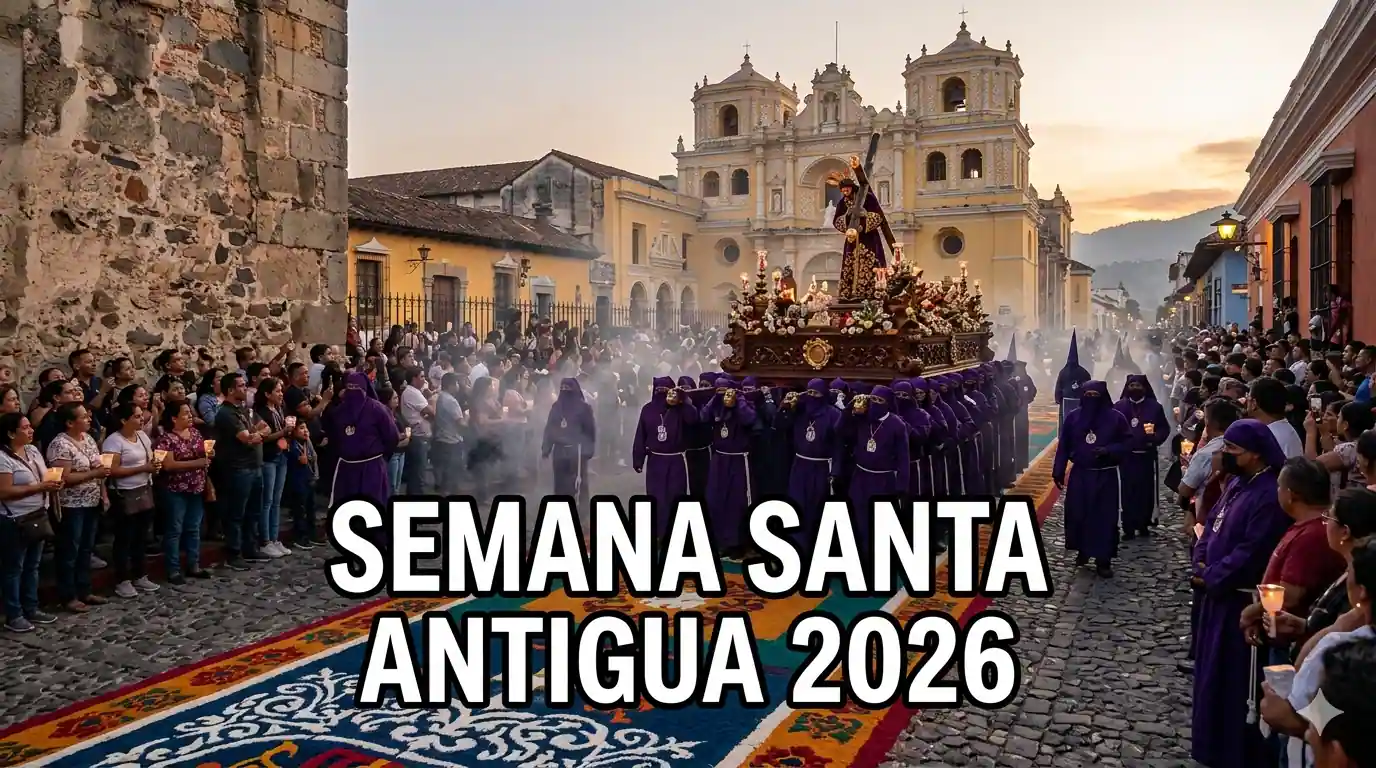
Semana Santa Antigua 2026 (March 29 - April 5): A Survivor's Guide to the World's Largest Easter Festival
Every year, as the Lenten season reaches its climax, the colonial city of Antigua Guatemala transforms into one of the world's most spectacular stages for religious devotion, cultural expression, and artistic mastery. Semana Santa (Holy Week) in Antigua is not merely a religious observance—it is a living masterpiece that combines centuries-old traditions, breathtaking artistry, profound faith, and communal celebration into an experience unlike any other on Earth. For 2026, with Holy Week falling on March 29 through April 5, this extraordinary festival promises to draw hundreds of thousands of visitors from around the globe to witness its awe-inspiring processions, intricate sawdust carpets, and deeply moving ceremonies.
Often called the world's largest and most elaborate Easter festival, Antigua's Semana Santa features daily processions of ornate religious floats (andas) carried by purple-robed penitents (cucuruchos) through cobblestone streets adorned with ephemeral masterpieces: alfombras, intricate carpets made of colored sawdust, flowers, pine needles, and fruit that take days to create and last only hours before being walked upon by thousands of feet. The air fills with the scent of incense, the sound of solemn marches, and the sight of candlelit devotion against the backdrop of Antigua's stunning baroque architecture and volcanic landscape.
But experiencing Semana Santa in Antigua is not for the faint of heart. The festival brings massive crowds, intense heat, long hours of standing, complex logistics, and profound cultural sensitivity requirements. Without proper preparation, what should be a transformative experience can become overwhelming or even disrespectful to the sacred traditions being observed.
This comprehensive survivor's guide provides everything you need to know about experiencing Semana Santa in Antigua Guatemala in 2026: understanding the festival's significance, daily procession schedules, best viewing locations, accommodation strategies, transportation logistics, cultural etiquette, photography guidelines, packing essentials, health and safety considerations, and practical tips for navigating one of the world's most intense cultural celebrations. Whether you're a first-time visitor, a photography enthusiast, a cultural traveler, or a spiritual seeker, this guide will help you prepare for and respectfully participate in this extraordinary event.
Understanding Semana Santa in Antigua: History and Significance

Historical Roots
Semana Santa traditions in Antigua date back to the 16th century, when Spanish colonizers brought Catholic observances to the New World. The festival evolved uniquely in Guatemala, blending European Catholic traditions with indigenous Maya artistic sensibilities and spiritual practices. Key historical elements include:
- Colonial Foundations: The festival was established by Franciscan, Dominican, and Mercedarian orders who built Antigua's iconic churches and convents
- Indigenous Integration: Maya artisans contributed their mastery of color, pattern, and natural materials to create the distinctive alfombra tradition
- Post-Earthquake Resilience: After the 1773 earthquakes destroyed much of Antigua, Semana Santa traditions helped preserve cultural identity and community cohesion
- Modern Evolution: Today's festival balances sacred tradition with tourism, requiring careful management to maintain authenticity
- 👉 Nobu Beach Inn Barbuda 2026: Luxury Resort Opening Guide
- 👉 10-Day Nicaragua Itinerary: Colonial Cities to Volcanic Islands
- 👉 Panama Tourist Visa Guide 2026 for US Travelers
Cultural and Religious Significance
For Guatemalans, Semana Santa is far more than a tourist attraction—it is a profound expression of faith, identity, and community:
- Religious Devotion: The processions reenact the Passion of Christ, offering participants and observers a deeply spiritual experience
- Community Identity: Each procession is organized by a religious brotherhood (hermandad), with families passing down roles and responsibilities through generations
- Artistic Expression: Alfombras represent ephemeral art of extraordinary beauty and complexity, created as acts of devotion
- Cultural Preservation: The festival maintains traditions that might otherwise be lost in modernizing society
- Economic Impact: Tourism revenue supports local artisans, hotels, restaurants, and service providers
- 👉 Nobu Beach Inn Barbuda 2026: Luxury Resort Opening Guide
- 👉 10-Day Nicaragua Itinerary: Colonial Cities to Volcanic Islands
- 👉 Panama Tourist Visa Guide 2026 for US Travelers
Why 2026 Is Significant
Several factors make the 2026 celebration particularly noteworthy:
- Post-Pandemic Recovery: After reduced celebrations in recent years, 2026 promises a full return to traditional scale and participation
- Increased Global Awareness: Growing international recognition of Antigua's Semana Santa as a UNESCO-worthy cultural phenomenon
- Sustainability Focus: Increased attention to managing tourism impact while preserving tradition
- Enhanced Infrastructure: Improved visitor services, signage, and crowd management based on lessons from previous years
- Cultural Exchange: Opportunities for meaningful cross-cultural understanding between visitors and local communities
- 👉 Nobu Beach Inn Barbuda 2026: Luxury Resort Opening Guide
- 👉 10-Day Nicaragua Itinerary: Colonial Cities to Volcanic Islands
- 👉 Panama Tourist Visa Guide 2026 for US Travelers
The Semana Santa Calendar: Daily Processions and Events

Key Dates for 2026
Semana Santa 2026 in Antigua spans March 29 (Palm Sunday) through April 5 (Easter Sunday). Key dates include:
- March 29 (Palm Sunday): Procession of Jesus entering Jerusalem; blessing of palms
- March 30-31 (Holy Monday-Tuesday): Smaller processions; alfombra creation begins
- April 1 (Holy Wednesday): Procession of the School of Christ; increasing crowd levels
- April 2 (Holy Thursday): Major processions begin; evening procession of the Last Supper
- April 3 (Good Friday): The most solemn day; multiple major processions including the Entombment
- April 4 (Holy Saturday): Procession of the Sorrowful Mother; preparation for Easter
- April 5 (Easter Sunday): Celebration of Resurrection; joyful procession and conclusion
- 👉 Nobu Beach Inn Barbuda 2026: Luxury Resort Opening Guide
- 👉 10-Day Nicaragua Itinerary: Colonial Cities to Volcanic Islands
- 👉 Panama Tourist Visa Guide 2026 for US Travelers
Daily Procession Schedule (Typical)
Procession times vary yearly; verify with local sources closer to dates. Typical pattern:
Morning Processions (6:00 AM - 12:00 PM):
- Smaller, more intimate processions
- Better viewing opportunities with fewer crowds
- Cooler temperatures; ideal for photography
- Often feature local brotherhoods and community participation
- 👉 Nobu Beach Inn Barbuda 2026: Luxury Resort Opening Guide
- 👉 10-Day Nicaragua Itinerary: Colonial Cities to Volcanic Islands
- 👉 Panama Tourist Visa Guide 2026 for US Travelers
Afternoon Processions (2:00 PM - 6:00 PM):
- Major processions with large floats and hundreds of participants
- Peak crowd levels; arrive early for good viewing spots
- Warmer temperatures; bring sun protection and water
- Most photogenic lighting conditions
- 👉 Nobu Beach Inn Barbuda 2026: Luxury Resort Opening Guide
- 👉 10-Day Nicaragua Itinerary: Colonial Cities to Volcanic Islands
- 👉 Panama Tourist Visa Guide 2026 for US Travelers
Evening Processions (7:00 PM - 11:00 PM):
- Dramatic candlelit processions with incense and solemn music
- Cooler temperatures; bring light jacket
- Intense spiritual atmosphere; respectful silence expected
- Challenging photography conditions; bring tripod and fast lens
- 👉 Nobu Beach Inn Barbuda 2026: Luxury Resort Opening Guide
- 👉 10-Day Nicaragua Itinerary: Colonial Cities to Volcanic Islands
- 👉 Panama Tourist Visa Guide 2026 for US Travelers
Must-See Processions
While dozens of processions occur during the week, these are considered essential:
- Jesus of the Conquest (Good Friday morning): One of the oldest and most revered processions; elaborate float with intricate alfombras
- Jesus of the Column (Good Friday afternoon): Massive procession with thousands of cucuruchos; spectacular route through central Antigua
- Entombment of Christ (Good Friday evening): Solemn, candlelit procession marking Christ's burial; deeply moving atmosphere
- Sorrowful Mother (Holy Saturday): Procession of the Virgin Mary in mourning; beautiful floral alfombras
- Resurrection (Easter Sunday): Joyful celebration with white and gold decorations; conclusion of Holy Week
- 👉 Nobu Beach Inn Barbuda 2026: Luxury Resort Opening Guide
- 👉 10-Day Nicaragua Itinerary: Colonial Cities to Volcanic Islands
- 👉 Panama Tourist Visa Guide 2026 for US Travelers
Alfombras: The Ephemeral Art of Sawdust Carpets

What Are Alfombras?
Alfombras (Spanish for "carpets") are temporary artistic creations made on Antigua's streets for processions to pass over. They represent one of the world's most unique and breathtaking art forms:
- Materials: Colored sawdust, pine needles, flowers, fruits, vegetables, and other natural materials
- Creation Process: Families and communities work for days, often through the night, to create intricate designs
- Designs: Religious symbols, floral patterns, geometric motifs, and scenes from the Passion of Christ
- Ephemeral Nature: Alfombras last only hours before being walked over by procession participants—a powerful metaphor for life's transience
- Devotional Act: Creating alfombras is an act of faith, artistry, and community service
- 👉 Nobu Beach Inn Barbuda 2026: Luxury Resort Opening Guide
- 👉 10-Day Nicaragua Itinerary: Colonial Cities to Volcanic Islands
- 👉 Panama Tourist Visa Guide 2026 for US Travelers
Where to See the Best Alfombras
Certain streets and churches are renowned for exceptional alfombras:
- Calle del Arco de Santa Catalina: Iconic location with stunning backdrops and elaborate carpets
- 5a Avenida Norte: Main procession route with numerous alfombras by different brotherhoods
- Plaza Mayor: Central square with large, elaborate carpets near the cathedral
- La Merced Church: Beautiful baroque facade with intricate alfombras
- San Francisco Church: Historic site with traditional carpet designs
- 👉 Nobu Beach Inn Barbuda 2026: Luxury Resort Opening Guide
- 👉 10-Day Nicaragua Itinerary: Colonial Cities to Volcanic Islands
- 👉 Panama Tourist Visa Guide 2026 for US Travelers
Viewing and Photography Etiquette
Alfombras are sacred creations; observe these guidelines:
- Do not walk on alfombras: Stay on the edges or designated viewing areas
- Ask before photographing creators: Many families work for days; respect their privacy and devotion
- No flash photography: Flash can damage delicate materials and disturb the meditative atmosphere
- Observe quietly: Alfombra creation is often accompanied by prayer; maintain respectful silence
- Learn about the art: Ask guides or locals about symbolism and techniques; show genuine interest
- 👉 Nobu Beach Inn Barbuda 2026: Luxury Resort Opening Guide
- 👉 10-Day Nicaragua Itinerary: Colonial Cities to Volcanic Islands
- 👉 Panama Tourist Visa Guide 2026 for US Travelers
Best Viewing Strategies: Where and When to Watch

Prime Viewing Locations
Securing a good viewing spot requires strategy and early arrival:
For First-Time Visitors:
- Calle del Arco: Iconic photo opportunities with Santa Catalina Arch backdrop; arrive 2-3 hours early
- 5a Avenida Norte near Central Park: Central location with good visibility; expect large crowds
- Balconies and rooftops: Some hotels and restaurants offer paid viewing spots with elevated perspectives
- 👉 Nobu Beach Inn Barbuda 2026: Luxury Resort Opening Guide
- 👉 10-Day Nicaragua Itinerary: Colonial Cities to Volcanic Islands
- 👉 Panama Tourist Visa Guide 2026 for US Travelers
For Photography Enthusiasts:
- Side streets near main route: Less crowded angles with unique perspectives
- Early morning processions: Better light and fewer crowds for photography
- Evening processions: Dramatic candlelight; bring tripod and fast lens
- 👉 Nobu Beach Inn Barbuda 2026: Luxury Resort Opening Guide
- 👉 10-Day Nicaragua Itinerary: Colonial Cities to Volcanic Islands
- 👉 Panama Tourist Visa Guide 2026 for US Travelers
For Cultural Immersion:
- Residential neighborhoods: Smaller, community-focused processions offer authentic local experiences
- Church courtyards: Observe preparations and alfombra creation up close
- Local guides: Hire a local guide for access to less-touristy viewing areas and cultural context
- 👉 Nobu Beach Inn Barbuda 2026: Luxury Resort Opening Guide
- 👉 10-Day Nicaragua Itinerary: Colonial Cities to Volcanic Islands
- 👉 Panama Tourist Visa Guide 2026 for US Travelers
Timing Strategies
- Arrive Early: For popular processions, arrive 2-4 hours early to secure a good spot
- Use a Stool: Bring a small, portable stool for comfort during long waits
- Rotate Viewing: Watch part of a procession, then move to another location for different perspectives
- Evening Advantage: Evening processions often have fewer tourists and more authentic local participation
- Weekday vs. Weekend: Weekday processions (Monday-Wednesday) typically have smaller crowds than weekend events
- 👉 Nobu Beach Inn Barbuda 2026: Luxury Resort Opening Guide
- 👉 10-Day Nicaragua Itinerary: Colonial Cities to Volcanic Islands
- 👉 Panama Tourist Visa Guide 2026 for US Travelers
What to Expect at Viewing Locations
- Crowds: Hundreds of thousands of visitors; expect shoulder-to-shoulder crowds at prime spots
- Heat: March-April is hot and dry; temperatures can reach 30-35°C (86-95°F)
- Duration: Processions move slowly; a single float may take 30-60 minutes to pass a given point
- Sound: Solemn marches, prayers, and occasional traditional music
- Scent: Incense, flowers, and pine create a distinctive aromatic atmosphere
- 👉 Nobu Beach Inn Barbuda 2026: Luxury Resort Opening Guide
- 👉 10-Day Nicaragua Itinerary: Colonial Cities to Volcanic Islands
- 👉 Panama Tourist Visa Guide 2026 for US Travelers
Accommodation and Booking: Securing Your Base

When to Book
Semana Santa is Antigua's peak tourism period; accommodation books up extremely early:
- Ideal Booking Window: 6-12 months in advance for best selection and rates
- Last-Minute Reality: Limited availability and premium prices within 3 months of Holy Week
- Flexible Dates: Consider arriving a few days before or staying a few days after peak dates for better availability
- 👉 Nobu Beach Inn Barbuda 2026: Luxury Resort Opening Guide
- 👉 10-Day Nicaragua Itinerary: Colonial Cities to Volcanic Islands
- 👉 Panama Tourist Visa Guide 2026 for US Travelers
Accommodation Types and Locations
Historic Center (Most Convenient):
- Pros: Walking distance to all processions; immersive colonial atmosphere
- Cons: Highest prices; noise from processions; limited parking
- Price Range: $80-300+ USD/night
- Examples: Hotel Casa Santo Domingo, Posada de Don Rodrigo, Mesón Panza Verde
- 👉 Nobu Beach Inn Barbuda 2026: Luxury Resort Opening Guide
- 👉 10-Day Nicaragua Itinerary: Colonial Cities to Volcanic Islands
- 👉 Panama Tourist Visa Guide 2026 for US Travelers
Peripheral Neighborhoods (Better Value):
- Pros: Lower prices; quieter; more authentic local experience
- Cons: 10-20 minute walk to processions; may need transportation
- Price Range: $40-120 USD/night
- Examples: Guesthouses in San Antonio, Santa Ana, or El Carmen neighborhoods
- 👉 Nobu Beach Inn Barbuda 2026: Luxury Resort Opening Guide
- 👉 10-Day Nicaragua Itinerary: Colonial Cities to Volcanic Islands
- 👉 Panama Tourist Visa Guide 2026 for US Travelers
Outside Antigua (Budget Option):
- Pros: Significantly lower prices; more space; local immersion
- Cons: 30-45 minute commute to Antigua; transportation logistics
- Price Range: $20-60 USD/night
- Locations: Ciudad Vieja, Jocotenango, or nearby villages
- 👉 Nobu Beach Inn Barbuda 2026: Luxury Resort Opening Guide
- 👉 10-Day Nicaragua Itinerary: Colonial Cities to Volcanic Islands
- 👉 Panama Tourist Visa Guide 2026 for US Travelers
Booking Tips
- Book Direct: Contact properties directly for potential discounts and better communication
- Confirm Cancellation Policy: Ensure flexibility in case plans change
- Request Quiet Room: If staying in historic center, request room away from procession routes
- Verify Amenities: Confirm air conditioning, hot water, and WiFi if important to you
- Consider Apartment Rentals: Airbnb or VRBO options offer kitchen facilities and more space for groups
- 👉 Nobu Beach Inn Barbuda 2026: Luxury Resort Opening Guide
- 👉 10-Day Nicaragua Itinerary: Colonial Cities to Volcanic Islands
- 👉 Panama Tourist Visa Guide 2026 for US Travelers
Transportation and Logistics: Navigating the Crowds

Getting to Antigua
By Air:
- La Aurora International Airport (GUA): Guatemala City's main airport, 45-60 minutes from Antigua
- Shuttle Services: Pre-book shared or private shuttles; expect higher prices and longer waits during Semana Santa
- Taxis: Official airport taxis available; agree on fare before departure
- 👉 Nobu Beach Inn Barbuda 2026: Luxury Resort Opening Guide
- 👉 10-Day Nicaragua Itinerary: Colonial Cities to Volcanic Islands
- 👉 Panama Tourist Visa Guide 2026 for US Travelers
By Land:
- From Lake Atitlán: Shuttles take 2.5-3 hours; book early
- From Flores/Tikal: Overnight shuttles or flights to Guatemala City then transfer
- From Mexico/Belize: International shuttles or flights to Guatemala City
- 👉 Nobu Beach Inn Barbuda 2026: Luxury Resort Opening Guide
- 👉 10-Day Nicaragua Itinerary: Colonial Cities to Volcanic Islands
- 👉 Panama Tourist Visa Guide 2026 for US Travelers
Getting Around Antigua During Semana Santa
Antigua's historic center becomes largely pedestrian-only during processions:
- Walking: Primary mode of transportation; wear comfortable shoes for cobblestone streets
- Taxis: Limited access during processions; may need to walk to main roads
- Tuk-tuks: Small three-wheeled vehicles can navigate some streets; negotiate fare in advance
- Bicycles: Not recommended during peak procession times due to crowds
- Shuttles: Pre-arrange pickup/drop-off locations outside procession zones
- 👉 Nobu Beach Inn Barbuda 2026: Luxury Resort Opening Guide
- 👉 10-Day Nicaragua Itinerary: Colonial Cities to Volcanic Islands
- 👉 Panama Tourist Visa Guide 2026 for US Travelers
Procession Route Planning
- Study Maps: Obtain procession route maps from tourist office or hotels
- Identify Multiple Viewing Spots: Plan 2-3 locations to move between for variety
- Allow Extra Time: Crowds slow movement; allow 30-50% more time than normal for walking
- Meeting Points: Establish clear meeting points if traveling in groups; cell service may be unreliable
- Emergency Exits: Note side streets and alternative routes in case of overcrowding
- 👉 Nobu Beach Inn Barbuda 2026: Luxury Resort Opening Guide
- 👉 10-Day Nicaragua Itinerary: Colonial Cities to Volcanic Islands
- 👉 Panama Tourist Visa Guide 2026 for US Travelers
Cultural Etiquette and Respectful Participation

Understanding the Sacred Nature
Semana Santa is a deeply religious observance for Guatemalans; visitors must approach with respect:
- This is worship, not entertainment: Processions are acts of faith, not performances for tourists
- Participants are devotees: Cucuruchos carry heavy floats as acts of penance and devotion
- Alfombras are sacred: These ephemeral artworks are created as offerings, not decorations
- Silence is expected: Loud talking, laughing, or disruptive behavior is inappropriate
- 👉 Nobu Beach Inn Barbuda 2026: Luxury Resort Opening Guide
- 👉 10-Day Nicaragua Itinerary: Colonial Cities to Volcanic Islands
- 👉 Panama Tourist Visa Guide 2026 for US Travelers
Practical Etiquette Guidelines
Dress Code:
- Modest attire: Cover shoulders and knees, especially when entering churches
- Comfortable shoes: Cobblestone streets and long hours of standing require supportive footwear
- Weather-appropriate: Light, breathable fabrics for daytime; light jacket for evenings
- Avoid flashy clothing: Subdued colors show respect for the solemn atmosphere
- 👉 Nobu Beach Inn Barbuda 2026: Luxury Resort Opening Guide
- 👉 10-Day Nicaragua Itinerary: Colonial Cities to Volcanic Islands
- 👉 Panama Tourist Visa Guide 2026 for US Travelers
Behavior During Processions:
- Stand respectfully: Do not push, climb on structures, or block participants' paths
- Minimal photography: Use cameras discreetly; avoid flash and intrusive equipment
- No eating or drinking: Consume food and beverages away from procession routes
- Follow local cues: Observe how locals behave and follow their lead
- Respect barriers: Do not cross ropes or enter restricted areas
- 👉 Nobu Beach Inn Barbuda 2026: Luxury Resort Opening Guide
- 👉 10-Day Nicaragua Itinerary: Colonial Cities to Volcanic Islands
- 👉 Panama Tourist Visa Guide 2026 for US Travelers
Photography Guidelines:
- Ask permission: Always ask before photographing individuals, especially cucuruchos and alfombra creators
- No flash: Flash photography is disruptive and often prohibited
- Respect sacred moments: Put camera down during prayers or particularly solemn moments
- Share respectfully: If posting photos online, provide cultural context and credit local artists
- 👉 Nobu Beach Inn Barbuda 2026: Luxury Resort Opening Guide
- 👉 10-Day Nicaragua Itinerary: Colonial Cities to Volcanic Islands
- 👉 Panama Tourist Visa Guide 2026 for US Travelers
Language and Communication
- Basic Spanish: Learning greetings and polite phrases (buenos días, por favor, gracias) shows respect
- Patience: Crowds and logistics can be challenging; maintain a patient, understanding attitude
- Ask questions respectfully: Locals often appreciate genuine interest; ask politely about traditions
- Listen more than you speak: Allow space for local voices and perspectives
- 👉 Nobu Beach Inn Barbuda 2026: Luxury Resort Opening Guide
- 👉 10-Day Nicaragua Itinerary: Colonial Cities to Volcanic Islands
- 👉 Panama Tourist Visa Guide 2026 for US Travelers
Practical Survival Tips: Comfort and Safety

Managing Crowds and Heat
Semana Santa brings intense crowds and March-April heat; prepare accordingly:
- Hydration: Carry water bottle; refill at hotels or public fountains; avoid dehydration
- Sun protection: Sunscreen, hat, sunglasses essential; seek shade when possible
- Cooling strategies: Portable fan, cooling towel, or misting bottle for relief
- Rest breaks: Schedule time to rest in air-conditioned cafes or hotels
- Early arrival: Secure viewing spots early to avoid peak crowd pressure
- 👉 Nobu Beach Inn Barbuda 2026: Luxury Resort Opening Guide
- 👉 10-Day Nicaragua Itinerary: Colonial Cities to Volcanic Islands
- 👉 Panama Tourist Visa Guide 2026 for US Travelers
Health and Safety Considerations
- Travel insurance: Essential; ensure coverage includes medical evacuation
- Medications: Bring adequate supply of prescriptions; carry copies of prescriptions
- First aid: Basic kit with blister treatment, pain relievers, and digestive aids
- Food safety: Eat at reputable establishments; avoid street food if you have sensitive stomach
- Personal security: Keep valuables secure; use hotel safes; be aware of surroundings in crowds
- Emergency contacts: Save local emergency numbers and your embassy contact information
- 👉 Nobu Beach Inn Barbuda 2026: Luxury Resort Opening Guide
- 👉 10-Day Nicaragua Itinerary: Colonial Cities to Volcanic Islands
- 👉 Panama Tourist Visa Guide 2026 for US Travelers
Financial Preparation
- Cash: Bring sufficient Guatemalan quetzales; many small vendors don't accept cards
- ATMs: Use bank ATMs during daylight hours; be cautious of skimming devices
- Budget for premiums: Prices for accommodation, food, and services increase during Semana Santa
- Tipping: Small tips for guides, drivers, and service staff are appreciated
- Emergency fund: Keep extra cash accessible for unexpected needs
- 👉 Nobu Beach Inn Barbuda 2026: Luxury Resort Opening Guide
- 👉 10-Day Nicaragua Itinerary: Colonial Cities to Volcanic Islands
- 👉 Panama Tourist Visa Guide 2026 for US Travelers
Packing List for Semana Santa

Essential Items
- Comfortable walking shoes: Broken-in shoes with good support for cobblestone streets
- Light layers: T-shirts, long-sleeve shirts, light sweater or jacket for evenings
- Rain gear: Compact umbrella or lightweight rain jacket (afternoon showers possible)
- Sun protection: Sunscreen (SPF 30+), wide-brimmed hat, sunglasses
- Water bottle: Reusable bottle to stay hydrated; refill at accommodations
- Small backpack: For carrying essentials during processions; keep hands free
- Portable stool: Small, lightweight stool for comfortable waiting during long processions
- Personal medications: Adequate supply plus basic first aid items
- 👉 Nobu Beach Inn Barbuda 2026: Luxury Resort Opening Guide
- 👉 10-Day Nicaragua Itinerary: Colonial Cities to Volcanic Islands
- 👉 Panama Tourist Visa Guide 2026 for US Travelers
Photography Gear (If Applicable)
- Camera: DSLR or mirrorless with good low-light capability for evening processions
- Lenses: Wide-angle for architecture and crowds; telephoto for details; fast prime for low light
- Tripod: Essential for evening processions; check if allowed at specific locations
- Extra batteries and memory cards: Long days require ample power and storage
- Lens cleaning kit: Dust and incense can affect lenses
- Camera strap: Secure strap to prevent theft or accidental drops in crowds
- 👉 Nobu Beach Inn Barbuda 2026: Luxury Resort Opening Guide
- 👉 10-Day Nicaragua Itinerary: Colonial Cities to Volcanic Islands
- 👉 Panama Tourist Visa Guide 2026 for US Travelers
Cultural and Practical Items
- Spanish phrasebook or app: Basic phrases enhance interactions and show respect
- Cash in small denominations: For tips, small purchases, and transportation
- Copy of passport and visa: Keep separate from originals
- Travel insurance documents: Digital and physical copies
- Earplugs: For sleeping if accommodation is near procession routes
- Small gifts: Optional: small items from home to share with new friends (check customs regulations)
- 👉 Nobu Beach Inn Barbuda 2026: Luxury Resort Opening Guide
- 👉 10-Day Nicaragua Itinerary: Colonial Cities to Volcanic Islands
- 👉 Panama Tourist Visa Guide 2026 for US Travelers
Sample Itineraries for Different Travel Styles

First-Time Visitor (5 Days)
- Day 1 (March 29): Arrival; orientation walk; evening Palm Sunday procession
- Day 2 (March 30): Morning alfombra viewing; afternoon procession; evening cultural talk
- Day 3 (April 1): Full day: morning market visit; afternoon major procession; evening photography walk
- Day 4 (April 3, Good Friday): Focus on major processions; respectful observation; evening Entombment
- Day 5 (April 5): Easter Sunday celebration; final exploration; departure
- 👉 Nobu Beach Inn Barbuda 2026: Luxury Resort Opening Guide
- 👉 10-Day Nicaragua Itinerary: Colonial Cities to Volcanic Islands
- 👉 Panama Tourist Visa Guide 2026 for US Travelers
Photography Enthusiast (7 Days)
- Days 1-2: Arrival; scout locations; test equipment; smaller processions for practice
- Days 3-4: Focus on alfombra creation; early morning and late afternoon light; architectural details
- Day 5 (Good Friday): Dedicate to major processions; multiple locations; evening candlelight shots
- Day 6: Review and backup photos; portrait sessions with permission; cultural workshops
- Day 7: Final shots; departure
- 👉 Nobu Beach Inn Barbuda 2026: Luxury Resort Opening Guide
- 👉 10-Day Nicaragua Itinerary: Colonial Cities to Volcanic Islands
- 👉 Panama Tourist Visa Guide 2026 for US Travelers
Cultural Immersion (10 Days)
- Days 1-3: Arrival; Spanish classes; community visits; smaller processions
- Days 4-6: Alfombra workshops; cooking classes; deeper exploration of traditions
- Day 7 (Good Friday): Full immersion in major processions with local guide
- Days 8-9: Day trips to nearby villages; traditional craft workshops; reflection
- Day 10: Easter celebration; farewell; departure
- 👉 Nobu Beach Inn Barbuda 2026: Luxury Resort Opening Guide
- 👉 10-Day Nicaragua Itinerary: Colonial Cities to Volcanic Islands
- 👉 Panama Tourist Visa Guide 2026 for US Travelers
Cost Considerations and Budgeting

Estimated Costs (Per Person)
- Accommodation: $50-200/night depending on location and quality
- Food: $15-40/day for meals at local and mid-range restaurants
- Transportation: $10-30/day for local transport and shuttles
- Activities: $20-50/day for tours, workshops, and entrance fees
- Miscellaneous: $10-20/day for tips, souvenirs, and incidentals
- 👉 Nobu Beach Inn Barbuda 2026: Luxury Resort Opening Guide
- 👉 10-Day Nicaragua Itinerary: Colonial Cities to Volcanic Islands
- 👉 Panama Tourist Visa Guide 2026 for US Travelers
Total Estimated Budget (7 days):
- Budget traveler: $700-1,200 USD
- Mid-range: $1,500-2,500 USD
- Comfortable: $3,000-5,000+ USD
- 👉 Nobu Beach Inn Barbuda 2026: Luxury Resort Opening Guide
- 👉 10-Day Nicaragua Itinerary: Colonial Cities to Volcanic Islands
- 👉 Panama Tourist Visa Guide 2026 for US Travelers
Money-Saving Strategies
- Book accommodation early: Secure better rates before prices surge
- Stay slightly outside center: Save 30-50% on lodging with short walk to processions
- Eat like a local: Comedores (local eateries) offer delicious, affordable meals
- Use public transportation: Chicken buses and shuttles are economical
- Free activities: Processions and alfombras are free to observe; focus on these
- Travel with group: Share accommodation and transportation costs
- 👉 Nobu Beach Inn Barbuda 2026: Luxury Resort Opening Guide
- 👉 10-Day Nicaragua Itinerary: Colonial Cities to Volcanic Islands
- 👉 Panama Tourist Visa Guide 2026 for US Travelers
Frequently Asked Questions

Is Semana Santa in Antigua suitable for families with children?
Yes, but with considerations. The festival is family-oriented for locals, but the crowds, heat, and long hours can be challenging for young children. Choose less crowded processions, take frequent breaks, and prepare children for the solemn atmosphere. Many families find the cultural and educational aspects valuable.
Do I need to be Catholic to attend?
No, visitors of all faiths and backgrounds are welcome to observe. However, respectful behavior is essential. Remember that you are witnessing a sacred religious observance, not a performance. Dress modestly, maintain silence during prayers, and follow local customs.
Can I participate in the processions?
Generally, no. Procession participants are members of religious brotherhoods who have trained and prepared for months or years. Visitors observe from the sidelines. However, you may be invited to help create alfombras in some communities—ask respectfully and follow instructions.
What if I don't speak Spanish?
Many tourism workers in Antigua speak English, especially in hotels and restaurants. However, learning basic Spanish phrases enhances your experience and shows respect. Consider hiring a local guide for processions to provide context and translation.
How crowded does it get?
Extremely crowded. Antigua's population of ~45,000 can swell to 200,000+ during Semana Santa. Popular viewing spots fill hours in advance. Plan accordingly: arrive early, be patient, and maintain realistic expectations about personal space.
Is it safe for solo travelers, especially women?
Antigua is generally safe for solo travelers, including women. Standard precautions apply: stay in well-lit areas, avoid walking alone late at night, keep valuables secure, and trust your instincts. Many solo travelers find the festival welcoming and enriching.
What if it rains?
March-April is Antigua's dry season, but afternoon showers can occur. Processions typically continue in light rain. Bring a compact umbrella or rain jacket. Heavy rain is rare but could affect alfombras; the community often repairs or recreates them quickly.
Conclusion: A Transformative Cultural Experience

Semana Santa in Antigua Guatemala is more than a festival—it is a profound encounter with faith, artistry, community, and cultural heritage. For those who approach it with preparation, respect, and openness, the experience can be deeply moving, visually stunning, and personally transformative.
The sight of purple-robed cucuruchos carrying ornate floats through streets transformed by ephemeral alfombras, the scent of incense mingling with flowers and pine, the sound of solemn marches echoing off colonial walls—these elements combine to create a sensory and spiritual immersion unlike any other. In 2026, as the world continues to navigate change and uncertainty, Antigua's Holy Week offers a powerful reminder of resilience, devotion, and the enduring power of community tradition.
But this experience demands responsibility. As a visitor, you are a guest in a sacred celebration. Your presence should honor, not disrupt; observe, not exploit; learn, not judge. By following the guidelines in this guide—respecting cultural protocols, preparing practically, and approaching with humility—you can participate in this extraordinary event in a way that enriches both your journey and the community that shares it.
As you plan your 2026 journey to Antigua for Semana Santa, remember that you are not just attending a festival; you are stepping into a living tradition that has sustained a people through centuries of change. The cobblestone streets, the volcanic backdrop, the intricate alfombras, and the devoted participants all invite you to witness something rare: a culture that has preserved its soul while sharing it with the world.
Prepare well. Travel respectfully. Observe deeply. And allow yourself to be moved by the beauty, devotion, and artistry of Antigua's Semana Santa.
The processions await. The alfombras beckon. And the heart of Guatemala opens to those who come with respect and wonder.
Welcome to Semana Santa. Welcome to Antigua.
0 Comments