.webp)
.webp)
The Cost of Food in Saint Lucia: Local Coal Pot Shops vs Resort Dining and Budget Travel Tips for 2026
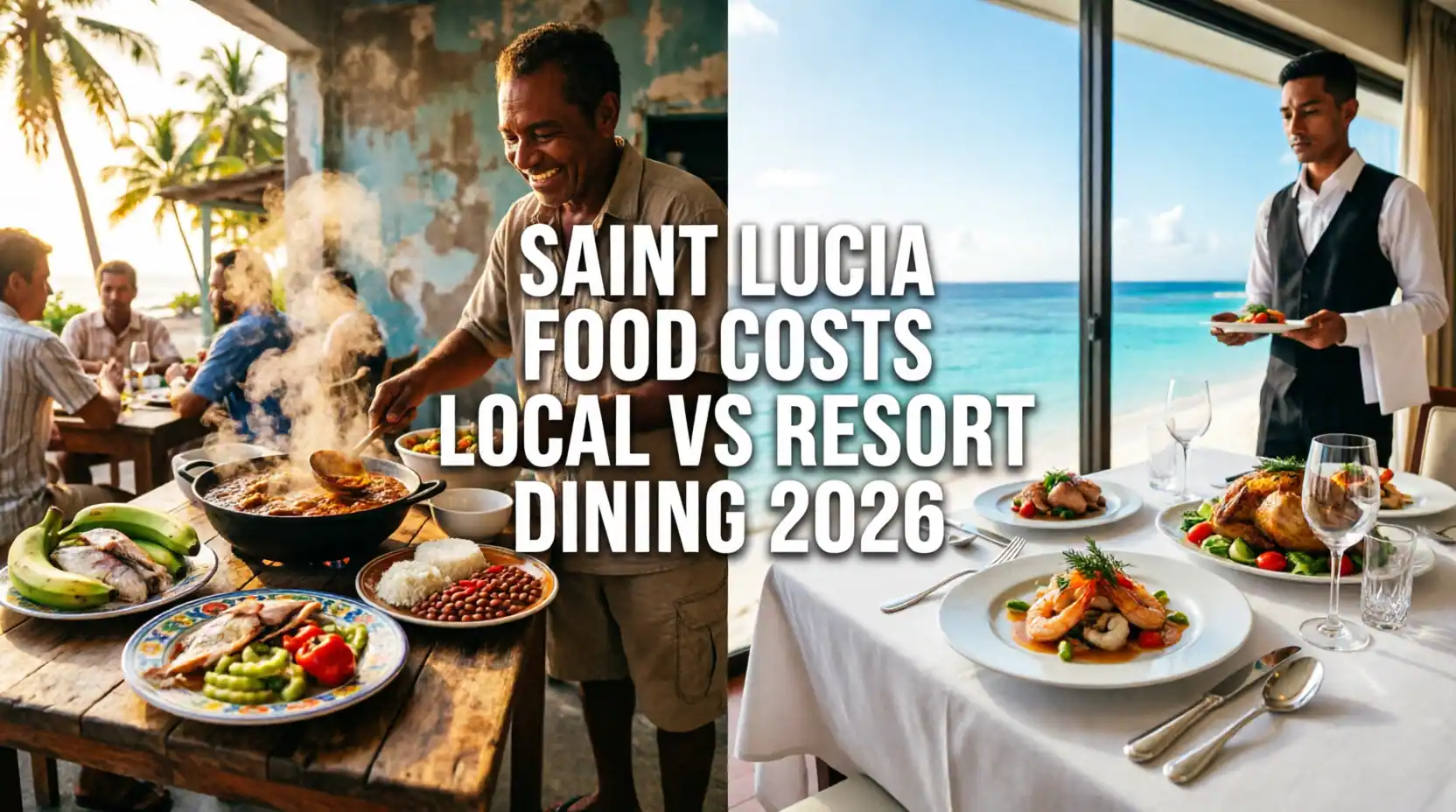
Understanding Food Costs in Saint Lucia: A Traveler's Guide to Dining Options
Food represents one of the largest variable expenses for travelers visiting Saint Lucia, and understanding the spectrum of dining options from humble local coal pot shops to upscale resort restaurants is essential for budget planning and authentic cultural experiences. Saint Lucia's culinary landscape offers remarkable diversity, from street-side vendors serving traditional Creole dishes in cast iron "coal pots" to five-star resort kitchens crafting international cuisine with Caribbean flair. The price difference between these experiences can be dramatic, with a satisfying local meal costing a fraction of resort dining while often delivering more authentic flavors and cultural connection.
For travelers planning a Saint Lucia vacation in 2026, navigating food costs requires balancing budget considerations with desired experiences. A meal at a local coal pot shop might cost between 15 and 30 Eastern Caribbean dollars (approximately 6 to 11 USD), while the same traveler could spend 100 to 250 Eastern Caribbean dollars (37 to 93 USD) or more for dinner at a resort restaurant. Understanding what drives these price differences, what to expect from each dining category, and how to strategically mix options can significantly impact both your travel budget and your overall experience of Saint Lucian culture.
This comprehensive guide explores the full range of food costs in Saint Lucia, comparing local coal pot shops, mid-range restaurants, and resort dining options. We examine typical menu prices, portion sizes, quality expectations, and cultural context to help you make informed decisions about where and what to eat during your visit. Whether you are a budget backpacker, a mid-range traveler seeking value, or a luxury visitor wanting to understand local alternatives, this guide provides the detailed information needed to plan your Saint Lucia dining strategy with confidence.
What Are Coal Pot Shops and Why Do They Matter

Coal pot shops represent the heart of authentic Saint Lucian street food culture, serving traditional Creole cuisine prepared in cast iron pots over charcoal fires. These humble establishments, often simple open-air structures or roadside stalls, are where locals gather for affordable, flavorful meals that reflect the island's African, French, and British culinary heritage. The term "coal pot" refers to the traditional cooking vessel, a heavy cast iron pot that distributes heat evenly and imparts a distinctive smoky flavor to stews, soups, and rice dishes.
Coal pot shops typically operate during lunch hours, with some extending into early evening. They are found throughout Saint Lucia, from Castries and Vieux Fort to smaller villages and fishing communities. The atmosphere is casual and communal, with customers often eating at shared tables or standing while enjoying their meals. For travelers, visiting a coal pot shop offers not just affordable food but also an opportunity to observe daily life, interact with locals, and experience Saint Lucian hospitality in its most genuine form.
Typical Menu Items and Prices at Coal Pot Shops
Coal pot shop menus focus on traditional Saint Lucian dishes prepared fresh daily. The national dish, green fig and saltfish, is a staple, featuring boiled green bananas (locally called "figs") served with salted codfish sautéed with onions, peppers, tomatoes, and local spices. Other popular offerings include callaloo soup made with leafy greens and coconut milk, bouyon (a hearty one-pot stew with meat, vegetables, and dumplings), roasted breadfruit with fried fish, and accra (saltfish fritters).
Prices at coal pot shops are remarkably affordable by international standards. A full plate of green fig and saltfish typically costs between 15 and 25 Eastern Caribbean dollars (6 to 9 USD). Callaloo soup or bouyon ranges from 12 to 20 Eastern Caribbean dollars (4 to 7 USD). Fried fish with sides costs 20 to 30 Eastern Caribbean dollars (7 to 11 USD). Beverages like fresh juice, mauby (a traditional bitter-sweet drink), or local beer add 3 to 8 Eastern Caribbean dollars (1 to 3 USD) to the total.
Quality and Experience Expectations
Food quality at reputable coal pot shops is generally excellent, with dishes prepared from fresh, locally sourced ingredients using time-honored recipes. Flavors are bold and authentic, often spicier than resort adaptations to suit local palates. Portions are generous, frequently larger than what travelers expect, making these meals both satisfying and economical.
The dining experience is intentionally simple. Expect basic seating, limited air conditioning, and self-service or counter ordering. Restrooms may be rudimentary or unavailable. English is widely spoken, though learning a few Creole greetings enhances interactions. Payment is typically cash-only, so carry small Eastern Caribbean dollar bills. Despite the simplicity, the warmth of service and authenticity of food create memorable experiences that many travelers rank among their trip highlights.
Resort Dining in Saint Lucia: Luxury, Convenience, and Cost

Resort dining in Saint Lucia represents the opposite end of the culinary spectrum from coal pot shops, offering polished service, international menus, elegant settings, and prices that reflect the luxury experience. Most all-inclusive resorts include meals in their package rates, while à la carte resort restaurants charge premium prices for guests staying elsewhere or seeking specialty dining beyond their inclusive offerings.
Resort restaurants typically feature air-conditioned dining rooms, ocean views, professionally trained staff, and extensive wine lists. Menus blend international cuisine with Caribbean influences, offering dishes like grilled lobster, beef tenderloin, pasta, and gourmet salads alongside local specialties prepared with refined techniques. The emphasis is on consistency, presentation, and comfort, with accommodations for dietary restrictions and preferences.
Typical Menu Prices at Resort Restaurants
À la carte dining at Saint Lucia resort restaurants commands significantly higher prices than local establishments. Appetizers range from 25 to 50 Eastern Caribbean dollars (9 to 19 USD), with seafood cocktails and gourmet soups at the higher end. Main courses typically cost 60 to 150 Eastern Caribbean dollars (22 to 56 USD), with premium items like lobster, prime steak, or fresh catch of the day reaching the upper range. Pasta and chicken dishes generally fall in the 45 to 80 Eastern Caribbean dollar range (17 to 30 USD).
Beverage costs add substantially to resort dining bills. Cocktails range from 25 to 45 Eastern Caribbean dollars (9 to 17 USD), wines by the glass from 20 to 60 Eastern Caribbean dollars (7 to 22 USD), and bottles from 80 to 300+ Eastern Caribbean dollars (30 to 111+ USD). Non-alcoholic beverages cost 8 to 15 Eastern Caribbean dollars (3 to 6 USD). Service charges of 10 to 15 percent are often added automatically, with additional tipping customary for exceptional service.
Value Considerations for Resort Dining
While resort dining is expensive, several factors contribute to the pricing. Ingredients are often imported to ensure consistency and meet international standards, increasing costs. Labor expenses include trained chefs, sommeliers, and service staff. Overhead encompasses elegant facilities, maintenance, and amenities. For all-inclusive guests, these costs are bundled into the package rate, making individual meal prices less relevant but important for understanding overall value.
Resort dining offers convenience, reliability, and comfort that many travelers value, particularly after active days of hiking, diving, or exploring. The ability to dine in a familiar environment with predictable quality, extensive menus, and attentive service justifies the premium for some visitors. Additionally, resort restaurants often provide the best sunset views and romantic settings on the island, enhancing the experiential value beyond just the food.
Mid-Range Restaurants: Bridging Local and Luxury

Between coal pot shops and resort dining lies a vibrant category of mid-range restaurants that offer excellent value for travelers seeking quality food, comfortable settings, and reasonable prices. These establishments include local restaurants in towns like Rodney Bay and Soufrière, beachfront cafes, and family-owned eateries that cater to both residents and tourists.
Mid-range restaurants typically feature air conditioning or covered outdoor seating, printed menus with English descriptions, and staff accustomed to serving international visitors. Menus blend local specialties with international favorites, allowing travelers to sample Saint Lucian cuisine in a more accessible format than coal pot shops while paying less than resort prices.
Typical Prices and Offerings at Mid-Range Establishments
At mid-range restaurants, appetizers cost 15 to 35 Eastern Caribbean dollars (6 to 13 USD), main courses range from 35 to 80 Eastern Caribbean dollars (13 to 30 USD), and desserts cost 10 to 25 Eastern Caribbean dollars (4 to 9 USD). A complete meal with a non-alcoholic beverage typically totals 50 to 120 Eastern Caribbean dollars (19 to 44 USD) per person, significantly less than resort pricing while offering comparable quality for many dishes.
Popular menu items include grilled fish with local sides, chicken curry with rice and peas, pasta dishes with Caribbean twists, and salads featuring tropical fruits. Many restaurants offer lunch specials or early bird discounts that provide even better value. Beverages are reasonably priced, with local beers costing 8 to 15 Eastern Caribbean dollars (3 to 6 USD) and cocktails 20 to 35 Eastern Caribbean dollars (7 to 13 USD).
Advantages of Mid-Range Dining for Travelers
Mid-range restaurants offer several advantages for travelers balancing budget and experience. They provide a comfortable introduction to Saint Lucian cuisine for those hesitant about street food, with familiar seating, restrooms, and service styles. Staff can explain dishes and make recommendations, helping travelers navigate the menu confidently. Prices allow for sampling multiple dishes or returning for additional meals without straining the budget.
These establishments also serve as cultural bridges, employing local staff and sourcing ingredients from nearby farms and fisheries while maintaining standards that appeal to international visitors. Dining at mid-range restaurants supports the local economy more directly than resort dining, where profits may flow to international corporations. For travelers interested in authentic experiences with moderate comfort, mid-range options often represent the sweet spot.
Comparing Costs: Sample Meal Scenarios

Understanding food costs in Saint Lucia becomes clearer when examining specific meal scenarios across different dining categories. These examples illustrate the price differences travelers can expect and help inform budget planning for various travel styles.
Scenario 1: Lunch for Two Travelers. At a coal pot shop: two plates of green fig and saltfish (20 ECD each), two fresh juices (5 ECD each), total approximately 50 Eastern Caribbean dollars (19 USD). At a mid-range restaurant: two main courses (50 ECD average), two beverages (10 ECD average), total approximately 120 Eastern Caribbean dollars (44 USD). At a resort restaurant: two appetizers (35 ECD average), two main courses (90 ECD average), two cocktails (30 ECD average), plus service charge, total approximately 330+ Eastern Caribbean dollars (122+ USD).
Dinner for Two: Expanding the Comparison
Scenario 2: Dinner for Two Travelers. Coal pot shops typically close by early evening, so this comparison focuses on mid-range and resort options. Mid-range restaurant: shared appetizer (25 ECD), two main courses (60 ECD average), dessert to share (20 ECD), two local beers (10 ECD each), total approximately 185 Eastern Caribbean dollars (69 USD). Resort restaurant: two appetizers (40 ECD average), two premium main courses (110 ECD average), two desserts (25 ECD average), two cocktails (35 ECD average), wine by the glass (25 ECD each), service charge, total approximately 450+ Eastern Caribbean dollars (167+ USD).
These examples demonstrate that resort dining can cost three to five times more than mid-range options for comparable meal structures. For travelers on extended stays, these differences compound significantly. A week of resort dining for two could exceed 3,000 Eastern Caribbean dollars (1,111 USD), while mixing mid-range and local options might total under 1,000 Eastern Caribbean dollars (370 USD) for similar satisfaction.
Budget Implications for Different Travel Styles
Budget travelers can eat well in Saint Lucia by prioritizing coal pot shops and local markets, potentially spending 30 to 50 Eastern Caribbean dollars (11 to 19 USD) per person daily on food. Mid-range travelers mixing local meals with occasional restaurant dining might budget 60 to 100 Eastern Caribbean dollars (22 to 37 USD) per person daily. Luxury travelers embracing resort dining should anticipate 120 to 250+ Eastern Caribbean dollars (44 to 93+ USD) per person daily for food and beverages.
These estimates exclude alcoholic beverages beyond modest amounts, as alcohol significantly increases costs across all categories. Travelers who enjoy wine or cocktails regularly should add 20 to 50 Eastern Caribbean dollars (7 to 19 USD) per person daily to their food budget, depending on choices and venue.
Strategic Dining: Maximizing Value and Experience

Travelers need not choose exclusively between coal pot shops and resort dining. A strategic approach that mixes options based on occasion, location, and preference can optimize both budget and experience. This section provides practical strategies for balancing cost and quality throughout a Saint Lucia vacation.
Consider location-based dining decisions. When exploring remote areas or spending the day hiking Gros Piton, a nearby coal pot shop offers convenient, affordable lunch without backtracking to resort areas. In Rodney Bay or Soufrière, mid-range restaurants provide comfortable dining after sightseeing. Reserve resort dining for special occasions, sunset views, or evenings when convenience outweighs cost considerations.
Timing Strategies for Better Value
Many restaurants offer lunch specials that provide better value than dinner menus for similar dishes. Coal pot shops primarily serve lunch, making midday the ideal time to experience this authentic option. Some mid-range restaurants feature early bird discounts for diners arriving before 6 PM. Resort restaurants may offer more affordable lunch menus compared to dinner, allowing travelers to enjoy the setting and service at reduced cost.
Consider booking accommodations with kitchen facilities to prepare some meals independently. Breakfast and simple lunches made with groceries from local markets can significantly reduce dining costs while providing flexibility. Save restaurant meals for dinners or special occasions when the experience justifies the expense.
Asking Locals for Recommendations
Hotel staff, tour guides, and taxi drivers often know the best local eateries that may not appear in guidebooks. Ask for recommendations for coal pot shops or mid-range restaurants that offer authentic food at fair prices. Locals appreciate genuine interest in their culinary culture and may share insider tips about daily specials, best times to visit, or dishes to try.
When asking for recommendations, specify your preferences and budget constraints. Requesting "a good local place for lunch under 25 Eastern Caribbean dollars" yields more useful suggestions than general inquiries about restaurants. Building rapport with locals through respectful conversation often leads to memorable dining experiences beyond typical tourist circuits.
Grocery Shopping and Self-Catering Options

For travelers staying in accommodations with kitchen facilities, grocery shopping offers another avenue for managing food costs while experiencing local markets and products. Saint Lucia's markets feature fresh tropical fruits, vegetables, fish, and pantry staples at prices generally lower than restaurants.
Castries Market, open daily with peak activity on Saturday mornings, offers the widest selection of local produce, spices, and prepared foods. Smaller markets in Rodney Bay, Soufrière, and Vieux Fort provide convenient options for travelers staying in those areas. Supermarkets like Massy Stores and JQ Supermarket stock imported goods alongside local products, with prices higher than markets but lower than restaurants.
Typical Grocery Costs for Self-Catering
Local produce is remarkably affordable: green bananas (figs) cost 2 to 4 Eastern Caribbean dollars per bunch, tomatoes 3 to 5 Eastern Caribbean dollars per pound, and onions 2 to 4 Eastern Caribbean dollars per pound. Fresh fish at markets ranges from 15 to 30 Eastern Caribbean dollars per pound depending on species and season. Chicken costs 12 to 20 Eastern Caribbean dollars per pound, while imported beef is more expensive at 25 to 40 Eastern Caribbean dollars per pound.
Breakfast items like bread, eggs, and local cheese cost modest amounts, allowing travelers to prepare simple morning meals for 5 to 10 Eastern Caribbean dollars per person. Lunches featuring salads, sandwiches, or leftovers from previous dinners can cost 10 to 20 Eastern Caribbean dollars per person. Even with occasional restaurant meals, self-catering for some meals can reduce overall food costs by 30 to 50 percent.
Practical Tips for Market Shopping
Bring small Eastern Caribbean dollar bills for market purchases, as vendors may not have change for large denominations. Arrive early for the best selection of fresh produce and fish. Don't hesitate to ask vendors about unfamiliar fruits or vegetables; many are happy to explain preparation methods or offer samples. Bargaining is not customary at fixed-price supermarkets but may be appropriate at open-air markets for larger purchases.
Consider food safety when purchasing from markets. Choose vendors with high turnover to ensure freshness, inspect produce carefully, and wash all fruits and vegetables thoroughly before consumption. For fish, look for clear eyes, firm flesh, and fresh ocean smell. When in doubt, ask your accommodation host or a local for guidance on selecting quality ingredients.
Cultural Context: Understanding Saint Lucian Food Culture

Beyond cost considerations, understanding the cultural significance of food in Saint Lucia enriches the dining experience and fosters respectful engagement with local communities. Saint Lucian cuisine reflects the island's complex history of indigenous Kalinago people, African enslavement, French and British colonization, and later influences from East Indian and Chinese immigrants.
Traditional dishes like green fig and saltfish originated from necessity, combining available ingredients into nourishing meals. The coal pot cooking method, using cast iron over charcoal, developed from practical considerations of fuel efficiency and flavor development. Sharing meals is central to Saint Lucian social life, with food serving as a medium for community building and cultural transmission.
Respectful Engagement with Local Food Culture
When dining at coal pot shops or local restaurants, approach the experience with curiosity and respect. Ask questions about dishes you don't recognize, express appreciation for flavors and preparation, and be open to trying new foods. Learning a few Creole phrases like "bonjou" (good morning) or "mersi" (thank you) demonstrates respect and often elicits warmer service.
Photograph food and settings thoughtfully, asking permission before photographing people. Avoid comparing local food unfavorably to international standards; instead, appreciate dishes on their own terms. Recognize that simplicity of presentation does not indicate inferior quality; many coal pot dishes feature complex flavors developed through generations of culinary tradition.
Supporting Local Food Systems
Choosing to dine at local establishments supports Saint Lucian farmers, fishers, and food entrepreneurs, contributing to community economic development. When travelers prioritize local food experiences, they help sustain culinary traditions and create demand for authentic cuisine. This positive impact extends beyond individual meals to broader cultural preservation and sustainable tourism development.
Consider purchasing local products like cocoa, spices, or rum as souvenirs, supporting artisans and producers directly. Many coal pot shops and local restaurants sell homemade sauces, jams, or baked goods that make excellent gifts while providing income to small-scale entrepreneurs.
Practical Considerations: Payment, Tipping, and Dietary Needs

Navigating food costs in Saint Lucia involves practical considerations beyond menu prices. Understanding payment methods, tipping customs, and how to communicate dietary needs ensures smooth dining experiences across all establishment types.
Cash remains king at coal pot shops and many local restaurants, which may not accept credit cards or may add surcharges for card payments. Carry sufficient Eastern Caribbean dollars in small denominations for food purchases. Mid-range and resort restaurants typically accept major credit cards, though informing your bank of travel plans prevents transaction declines.
Tipping Customs Across Dining Categories
Tipping practices vary by establishment type. At coal pot shops, tipping is not expected but rounding up the bill or leaving small change is appreciated for good service. Mid-range restaurants typically see 10 to 15 percent tips for satisfactory service, with higher amounts for exceptional experiences. Resort restaurants often add automatic service charges of 10 to 15 percent; additional tipping is discretionary based on service quality.
When service charges are included, additional tipping is not obligatory but remains customary for outstanding service in many international contexts. Consider the local economic context when determining tip amounts; even modest tips can represent meaningful income for service workers in Saint Lucia.
Communicating Dietary Restrictions
Travelers with dietary restrictions should communicate needs clearly when ordering. Many Saint Lucian dishes naturally accommodate vegetarian, gluten-free, or dairy-free preferences, but others rely on ingredients like saltfish, coconut milk, or wheat-based dumplings. At coal pot shops, ask about ingredients and preparation methods; staff are often happy to modify dishes when possible.
Mid-range and resort restaurants typically have more flexibility to accommodate special requests, with chefs accustomed to modifying recipes for allergies or preferences. Communicate restrictions when making reservations if possible, allowing kitchens time to prepare. Carry a card in English explaining major allergies for situations where language barriers might complicate communication.
Conclusion: Balancing Budget and Experience in Saint Lucia Dining
Understanding food costs in Saint Lucia empowers travelers to make informed decisions that align with their budgets and travel goals. The dramatic price differences between coal pot shops and resort dining reflect not just varying overhead and ingredient costs but also distinct experiences and cultural contexts. Neither option is inherently superior; the best choice depends on individual preferences, occasion, and desired balance of authenticity, comfort, and expense.
For budget-conscious travelers, coal pot shops and local markets offer exceptional value, authentic flavors, and meaningful cultural connections at a fraction of resort prices. Mid-range restaurants provide comfortable introductions to Saint Lucian cuisine with moderate costs and reliable quality. Resort dining delivers polished service, elegant settings, and international standards for those prioritizing convenience and luxury.
The most rewarding approach often combines these options strategically: enjoying coal pot lunches during day trips, savoring mid-range dinners in local towns, and reserving resort restaurants for special occasions or when location demands. This mixed strategy maximizes both budget efficiency and experiential richness, allowing travelers to taste the full spectrum of Saint Lucian food culture without financial strain.
As you plan your Saint Lucia dining strategy for 2026, remember that food is more than sustenance; it is a gateway to culture, community, and connection. Whether you are savoring green fig and saltfish at a roadside coal pot or enjoying sunset cocktails at a resort terrace, each meal offers opportunities to engage with Saint Lucia's vibrant heritage and warm hospitality. Approach every dining experience with curiosity, respect, and openness, and you will discover that the true value of food in Saint Lucia extends far beyond the price on the menu.
0 Comments