.webp)
.webp)
Best Places to Buy Authentic Haitian Coffee and Vetiver Perfume 2026
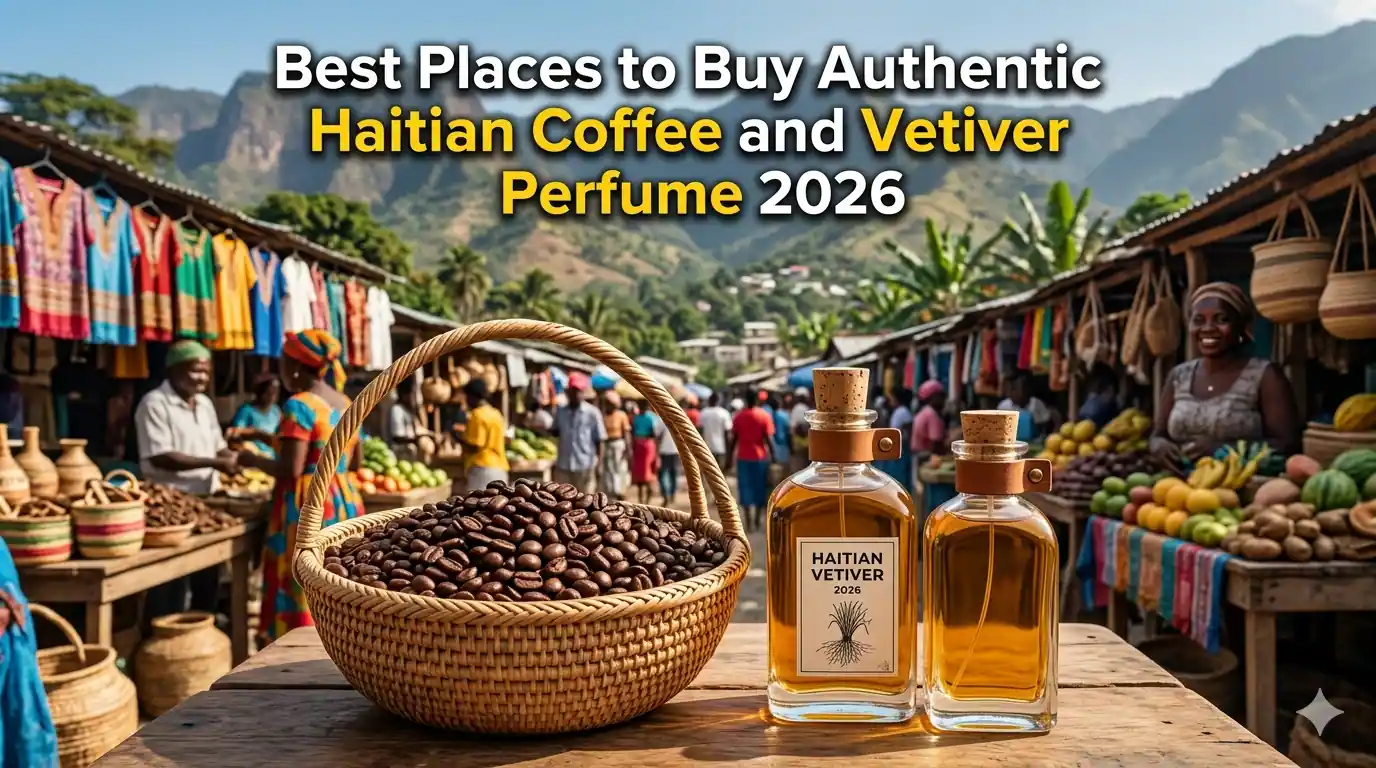
Discovering Haiti's Treasured Exports Coffee and Vetiver
Haiti produces two of the world's most prized aromatic products exceptional shade-grown coffee and the finest vetiver essential oil used in luxury perfumery. For travelers and connoisseurs seeking authentic Haitian coffee and vetiver perfume understanding where to source genuine products proves essential for quality and cultural respect.
Haitian coffee grown in mountainous regions with rich volcanic soil offers complex flavor profiles distinct from mass-produced commercial coffees. Similarly Haiti produces approximately fifty percent of the world's vetiver oil with roots distilled using traditional methods that preserve the grass's earthy woody aromatic character.
Navigating Haiti's marketplace requires knowledge of authentic producers reputable vendors and verification techniques to avoid counterfeit or inferior products. This comprehensive 2026 guide reveals the best places to purchase genuine Haitian coffee and vetiver perfume whether traveling to Haiti or ordering internationally.
Understanding cultural context pricing expectations and ethical sourcing enables meaningful purchases that support Haitian artisans farmers and distillers. Your choices directly impact local livelihoods and preservation of traditional production methods.
Understanding Haitian Coffee Regions and Varieties

Haitian coffee cultivation centers in mountainous regions where elevation climate and soil create ideal growing conditions for exceptional Arabica beans.
The northern regions near Cap-Haïtien and the Citadelle Laferrière produce some of Haiti's most sought-after coffees. These high-elevation farms benefit from cool temperatures and volcanic soil that develop complex flavor profiles with notes of chocolate citrus and subtle spice.
Central plateau regions including Mirebalais and Thomazeau also produce quality coffee though with distinct characteristics reflecting local terroir. These beans often display brighter acidity and floral notes compared to northern varieties.
Shade-grown practices remain common in Haiti where coffee plants grow beneath canopy trees. This traditional method supports biodiversity produces slower-maturing beans with enhanced flavor complexity and aligns with sustainable agricultural principles.
Haitian coffee varieties primarily include Typica Bourbon and Arabica strains. Each variety offers distinct tasting notes though processing methods and terroir significantly influence final cup characteristics.
Understanding regional differences helps buyers select coffees matching personal preferences while supporting specific farming communities through targeted purchases.
Vetiver Production and Perfume Quality in Haiti

Haiti's dominance in global vetiver production stems from ideal growing conditions traditional distillation knowledge and commitment to quality that distinguishes Haitian vetiver from other origins.
Vetiver grass Chrysopogon zizanioides grows extensively in Haiti's southern peninsula particularly around Les Cayes and Jérémie. The plant's deep root system prevents soil erosion while producing the aromatic oil valued in perfumery.
Traditional distillation methods using copper stills and controlled heat extraction preserve vetiver's complex aromatic profile. Artisan distillers monitor temperature and timing meticulously to capture the oil's characteristic earthy smoky woody notes with subtle citrus undertones.
Vetiver oil quality varies by harvest timing distillation technique and aging process. Premium Haitian vetiver undergoes extended aging that mellows harsh notes and develops the deep sophisticated aroma prized by luxury perfume houses.
Perfume concentration levels range from eau de toilette to pure essential oil. Understanding these distinctions helps buyers select products matching intended use whether personal fragrance aromatherapy or professional perfumery applications.
Authentic Haitian vetiver perfume often incorporates complementary local botanicals including hibiscus lime and tropical flowers creating unique scent profiles unavailable from mass-produced alternatives.
Port-au-Prince Markets and Reputable Vendors

Port-au-Prince offers several markets and shops where travelers can purchase authentic Haitian coffee and vetiver products directly from producers or trusted intermediaries.
Marché en Fer the historic iron market rebuilt after the 2010 earthquake hosts numerous vendors selling coffee and artisanal products. Seek stalls displaying certification marks or direct relationships with farming cooperatives for authentic offerings.
Artisan boutiques in Pétion-Ville and Kenscoff often feature curated selections of premium Haitian coffee and vetiver perfume. These establishments typically verify product authenticity though prices may exceed market rates reflecting quality assurance and convenient location.
Cooperative storefronts including those operated by MPP Mouvement Paysan de Papaye and other farmer organizations sell directly to consumers. Purchasing from cooperatives ensures fair compensation reaches producers while guaranteeing product authenticity.
Hotel gift shops and upscale retailers in tourist areas often stock vetiver perfume though verification of authenticity proves essential. Request documentation of origin and production methods when purchasing from these venues.
Local recommendations from trusted guides hotel staff or expatriate communities often reveal lesser-known vendors offering exceptional products at fair prices. Building relationships with local contacts enhances shopping experiences significantly.
Cap-Haïtien and Northern Region Coffee Sources

The northern region surrounding Cap-Haïtien represents Haiti's premier coffee-producing area with numerous opportunities to purchase authentic beans directly from farms or local markets.
Cap-Haïtien's central market features coffee vendors offering freshly roasted beans from nearby mountain farms. Engage vendors in conversation about origin roasting date and flavor profile to assess quality and authenticity.
Farm visits near the Citadelle Laferrière and Sans-Souci Palace enable direct purchases from coffee growers. Many farms welcome visitors for tours that include tasting sessions and opportunities to purchase beans at source prices.
Local cooperatives in the northern mountains aggregate coffee from smallholder farmers ensuring consistent quality while supporting rural livelihoods. These organizations often maintain storefronts in Cap-Haïtien or arrange shipments for international buyers.
Roasting facilities in the region sometimes offer freshly roasted beans with detailed origin information. Request roast dates and flavor notes to ensure freshness and alignment with personal preferences.
Transportation considerations include proper packaging for travel vacuum-sealed bags or airtight containers preserve coffee freshness during transit. Plan purchases close to departure dates when possible to maximize freshness.
Vetiver Distilleries and Perfume Artisans in Southern Haiti

Southern Haiti particularly the area around Les Cayes and Jérémie hosts vetiver distilleries and perfume artisans offering authentic products directly from source.
Distillery visits provide educational experiences about vetiver cultivation harvesting and distillation while enabling purchases of pure essential oil or finished perfume products. Many distilleries welcome advance appointments for tours and tastings.
Artisan perfume makers in southern towns blend vetiver with local botanicals creating unique fragrances unavailable through commercial channels. These small-batch productions often feature hand-labeled bottles and personalized service.
Cooperative distilleries aggregate vetiver from multiple small-scale growers ensuring consistent quality while supporting rural economies. Purchasing from cooperatives verifies authenticity and fair compensation for producers.
Quality indicators for vetiver products include clear labeling of origin distillation date concentration level and ingredient lists. Authentic Haitian vetiver displays characteristic deep amber color and complex aromatic profile.
Shipping considerations for vetiver products include proper packaging to prevent leakage and compliance with international regulations regarding essential oil transport. Many distilleries offer shipping services though costs and timelines vary.
Online Sources for International Buyers

For travelers unable to visit Haiti numerous reputable online sources offer authentic Haitian coffee and vetiver perfume with international shipping options.
Fair trade organizations including Equal Exchange and Alter Eco partner with Haitian coffee cooperatives to offer verified authentic beans with transparent supply chains. These platforms provide detailed origin information and impact reporting.
Specialty coffee roasters focusing on single-origin Haitian beans often maintain direct relationships with farms ensuring authenticity and quality. Research roaster reputations through reviews and transparency reports before purchasing.
Perfume retailers specializing in artisanal or natural fragrances sometimes feature Haitian vetiver products. Verify authenticity through ingredient lists origin documentation and customer reviews before purchasing.
Haitian diaspora-owned businesses often operate online stores offering authentic products with cultural context and personal service. These enterprises frequently support community development initiatives alongside commercial operations.
Verification strategies for online purchases include requesting certificates of origin production method documentation and customer testimonials. Reputable sellers readily provide this information to establish trust and authenticity.
Verifying Authenticity and Avoiding Counterfeits

Distinguishing authentic Haitian coffee and vetiver from counterfeit or inferior products requires knowledge of quality indicators and verification techniques.
Authentic Haitian coffee beans display consistent size color and aroma with no visible defects or foreign matter. Freshly roasted beans emit rich aromatic oils and should be purchased with clear roast dates.
Genuine vetiver oil exhibits deep amber to brown color complex earthy woody aroma and viscous consistency. Adulterated products may appear unusually clear thin or emit chemical or overly sweet notes.
Packaging indicators include clear labeling of origin producer distillation date and contact information. Authentic products typically feature Haitian Creole or French text alongside English translations.
Certification marks from fair trade organic or geographic indication programs provide additional authenticity assurance though absence of certification does not necessarily indicate inferior quality.
Price expectations should align with production costs and fair compensation principles. Suspiciously low prices often indicate counterfeit products or exploitative sourcing practices.
Pricing Expectations and Value Assessment

Understanding realistic pricing for authentic Haitian coffee and vetiver enables informed purchasing decisions while supporting fair compensation for producers.
Haitian coffee typically costs fifteen to forty dollars per pound depending on variety processing method and certification status. Specialty single-origin beans command premium pricing reflecting quality and direct trade relationships.
Vetiver essential oil prices range from thirty to one hundred dollars per ounce based on concentration distillation method and aging process. Finished perfume products vary widely from twenty dollars for simple blends to over one hundred dollars for artisanal creations.
Value assessment considers not only price but also quality authenticity ethical sourcing and cultural significance. Premium products often justify higher costs through superior quality and positive social impact.
Bulk purchases directly from cooperatives or distilleries may offer cost savings though require verification of quality and proper storage arrangements for preservation.
Budget allocation should balance product quality with supporting fair compensation for Haitian producers. Investing in authentic products sustains traditional practices and rural livelihoods.
Cultural Etiquette and Respectful Purchasing Practices

Engaging with Haitian coffee and vetiver producers requires cultural sensitivity and respectful practices that honor traditional knowledge and community values.
Learn basic Haitian Creole greetings including Bonjou good day and Mesi thank you to demonstrate respect and build rapport with vendors and producers.
Ask permission before photographing people production facilities or products. Many artisans welcome documentation though some may prefer privacy regarding traditional methods.
Negotiate prices respectfully understanding that fair compensation supports livelihoods and cultural preservation. Aggressive bargaining may exploit vulnerable producers and undermine sustainable practices.
Express genuine interest in production methods cultural significance and personal stories behind products. Meaningful engagement enriches purchasing experiences and fosters mutual understanding.
Support community development by purchasing from cooperatives fair trade organizations or enterprises that reinvest in local infrastructure education and healthcare.
Shipping Customs and International Transport Considerations

Transporting Haitian coffee and vetiver products internationally requires understanding customs regulations packaging requirements and documentation procedures.
Coffee beans typically face minimal customs restrictions though some countries require phytosanitary certificates verifying pest-free status. Request documentation from sellers when planning international transport.
Vetiver essential oil may face regulations regarding liquid transport concentration limits and ingredient disclosure. Verify destination country requirements before purchasing for international shipment.
Packaging considerations include airtight containers for coffee to preserve freshness and leak-proof sealed bottles for vetiver oil to prevent damage during transit.
Declaration requirements vary by country though honest declaration of agricultural and cosmetic products prevents complications at customs checkpoints.
Shipping services from Haiti may have limited reliability and extended timelines. Factor potential delays into planning and consider purchasing upon return travel when feasible.
Supporting Sustainable and Ethical Production

Conscious purchasing decisions can support sustainable agriculture fair labor practices and cultural preservation in Haiti's coffee and vetiver industries.
Fair trade certification ensures producers receive fair compensation though many authentic products operate outside formal certification systems. Research producer practices directly when certification information proves unavailable.
Organic cultivation methods benefit environmental health though verification may prove challenging. Seek producers demonstrating sustainable practices through transparent communication and third-party verification when possible.
Community-based enterprises often reinvest profits in local development creating multiplier effects beyond individual transactions. Prioritizing these sources amplifies positive impact.
Traditional production methods preserve cultural heritage though may face pressure from industrialization. Supporting artisanal producers helps maintain diverse production approaches.
Long-term relationships with specific producers or cooperatives enable deeper impact through consistent support and mutual understanding. Consider repeat purchases from trusted sources.
Seasonal Considerations and Timing Purchases
Understanding seasonal patterns in Haitian coffee and vetiver production enables optimal timing for purchases and travel planning.
Coffee harvest seasons vary by region though typically peak between October and February. Purchasing during or shortly after harvest ensures maximum freshness though may coincide with higher demand and prices.
Vetiver harvesting occurs year-round though distillation often concentrates in drier months when root moisture content proves optimal. Quality may vary slightly by harvest timing though traditional methods maintain consistency.
Tourist seasons affect market availability and pricing with peak travel periods December through April potentially increasing demand for authentic products. Shoulder seasons may offer better value and more personalized service.
Weather considerations include hurricane season June through November which may disrupt transportation and production. Plan purchases with flexibility for potential delays during this period.
Festival periods including Haitian Independence Day January first and Carnival may feature special products or limited availability. Research local calendars when timing visits for specific purchasing goals.
Conclusion Investing in Authentic Haitian Treasures
Haiti's exceptional coffee and vetiver perfume represent more than commodities they embody cultural heritage traditional knowledge and community livelihoods. Purchasing authentic products requires informed decisions that balance quality authenticity and ethical considerations.
Whether sourcing directly in Haiti through markets cooperatives and distilleries or ordering internationally through verified online platforms prioritizing authenticity supports Haitian producers and preserves traditional practices.
Understanding regional variations quality indicators pricing expectations and cultural etiquette enables meaningful purchases that honor Haiti's rich agricultural and artisanal traditions. Your choices contribute to sustainable development and cultural preservation.
The journey to authentic Haitian coffee and vetiver rewards patience research and respectful engagement. These treasured products offer sensory pleasures while connecting consumers to Haiti's resilient communities and extraordinary natural heritage.
Your investment in authentic Haitian coffee and vetiver perfume sustains traditions that have endured for generations. Approach purchasing with curiosity respect and commitment to ethical practices for experiences that enrich both giver and receiver.
0 Comments