.webp)
.webp)
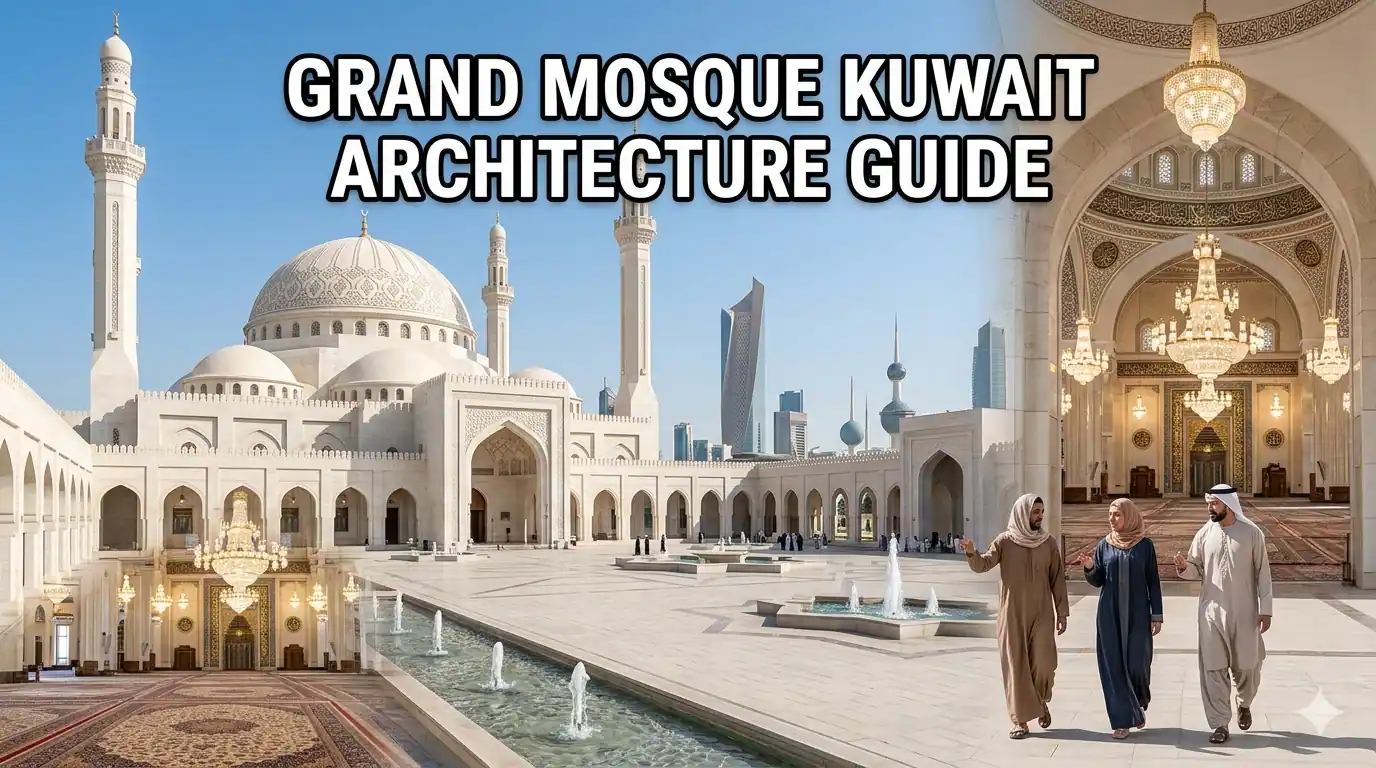
Discovering the Grand Mosque of Kuwait
The Grand Mosque of Kuwait, known locally as Al-Masjid Al-Kabir, stands as the largest and most iconic mosque in Kuwait. This architectural masterpiece represents the pinnacle of Islamic design and serves as a symbol of the nation's religious and cultural heritage.
Completed in nineteen eighty-six after five years of construction, the mosque can accommodate up to ten thousand worshippers. The structure showcases traditional Islamic architecture blended with modern engineering techniques and Kuwaiti design sensibilities.
Located in Kuwait City's Al-Qibla district, the mosque occupies a prominent position near the Arabian Gulf coastline. Its strategic location makes it easily accessible for visitors exploring the capital's cultural and religious landmarks.
The mosque serves not only as a place of worship but also as an educational and cultural center. Non-Muslim visitors are welcome during designated hours, providing opportunities to learn about Islamic faith, architecture, and Kuwaiti traditions.
Understanding the mosque's architectural elements, visiting protocols, and cultural significance enhances the experience for first-time travelers. This comprehensive guide explores every aspect of visiting this magnificent structure.
Historical Background and Construction

The idea for a grand mosque in Kuwait emerged in the early nineteen eighties as the nation sought to create a central place of worship reflecting its growing prosperity and Islamic identity. The project received strong support from the Kuwaiti government and citizens.
Construction began in nineteen eighty-one on a site previously occupied by a smaller mosque. The location was chosen for its centrality and proximity to important government and commercial districts in Kuwait City.
Architectural design drew inspiration from various Islamic traditions including Abbasid, Fatimid, and Mamluk styles. The design team studied historic mosques across the Muslim world to incorporate the finest elements of Islamic architecture.
The construction process employed traditional building techniques alongside modern technology. Skilled craftsmen from across the Muslim world contributed their expertise in stone carving, woodwork, calligraphy, and decorative arts.
The mosque was officially inaugurated in nineteen eighty-six in a ceremony attended by regional leaders and religious scholars. Since then, it has served as Kuwait's primary mosque for Friday prayers and major Islamic celebrations.
Architectural Style and Design Elements
The Grand Mosque exemplifies classical Islamic architecture with influences from multiple historical periods and regions. The design harmoniously blends traditional elements with contemporary construction methods.
Overall Design Philosophy
The mosque's layout follows traditional Islamic mosque architecture with a large central prayer hall, surrounding courtyard, and prominent minarets. The design emphasizes symmetry, geometric precision, and spiritual elevation.
Architects incorporated principles of Islamic geometry throughout the structure. Repeating patterns, proportional relationships, and mathematical precision reflect the Islamic view of divine order and harmony in creation.
The building orientation faces Mecca, with the qibla wall indicating the direction of prayer. This sacred alignment determines the entire building's positioning on the site.
Natural light plays a crucial role in the design. Large windows, clerestory openings, and the central dome's lantern allow daylight to illuminate the prayer hall, creating a serene and uplifting atmosphere.
Exterior Architecture
The mosque's exterior features white limestone cladding that gleams in the Kuwaiti sun. This material choice reflects traditional Arabian building practices while providing durability in the desert climate.
The facade displays intricate Islamic geometric patterns carved into the stone. These decorative elements include star patterns, interlacing designs, and arabesque motifs characteristic of Islamic art.
Multiple entrances provide access to the mosque, each framed by elegant arches. The main entrance features a particularly grand iwan, a vaulted space opening onto the courtyard.
The building's massing creates a hierarchical composition with the central dome as the focal point, flanked by smaller domes and punctuated by soaring minarets at the corners.
The Central Dome
The mosque's most striking feature is its massive central dome rising to a height of forty-three meters. This impressive structure dominates the Kuwait City skyline and serves as a visual landmark.
The dome's interior features elaborate decorative painting with Quranic inscriptions and geometric patterns. The craftsmanship demonstrates the skill of traditional Islamic artists.
Structurally, the dome rests on a drum supported by massive piers and arches. This engineering solution allows the large span while maintaining structural stability.
A lantern crowns the dome's apex, allowing natural light to filter into the prayer hall below. This feature creates a dramatic visual effect and symbolic connection between earth and heaven.
Minarets and Towers
Six minarets rise from the mosque's corners and sides, each reaching approximately seventy-four meters in height. These slender towers serve both functional and aesthetic purposes.
The minarets feature traditional Islamic design with multiple balconies called sharafat. These platforms allow the muezzin to call the faithful to prayer, though modern sound systems now amplify the call.
Each minaret displays intricate decorative stonework and calligraphic bands. The towers taper gracefully as they ascend, creating an elegant silhouette against the sky.
The minarets' positions frame the mosque and create visual balance. Their height ensures the call to prayer can be heard across the surrounding neighborhood.
Interior Design and Decoration
The Grand Mosque's interior represents a masterpiece of Islamic decorative arts. Every surface features careful ornamentation combining functionality with spiritual beauty.
Main Prayer Hall
The main prayer hall spans over two thousand square meters and can accommodate thousands of worshippers. The vast space creates a sense of grandeur while maintaining intimate spiritual atmosphere.
Flooring consists of hand-woven Persian carpets featuring intricate floral and geometric designs. These carpets cover approximately four thousand square meters and were specially commissioned for the mosque.
The carpets' rich colors include deep reds, blues, and creams. The patterns avoid figurative imagery in accordance with Islamic tradition, instead featuring abstract and vegetal motifs.
Massive chandeliers hang from the ceiling, providing illumination for evening prayers. These ornate fixtures feature crystal elements and brass work, casting warm light throughout the hall.
Calligraphic Decoration
Quranic verses adorn the walls in beautiful Arabic calligraphy. Skilled calligraphers employed various scripts including Thuluth and Kufic to create visually stunning inscriptions.
The calligraphy appears in multiple locations including around the dome's base, on the qibla wall, and framing arches and niches. These inscriptions serve both decorative and devotional purposes.
The verses chosen emphasize themes of divine unity, mercy, and guidance. The calligraphic art transforms sacred text into visual poetry that enhances the spiritual atmosphere.
Gold leaf highlights certain calligraphic elements, creating luminous effects as light plays across the surfaces. This technique demonstrates the high level of craftsmanship employed throughout.
Mihrab and Minbar
The mihrab, a niche indicating the direction of Mecca, occupies the center of the qibla wall. This focal point features elaborate decoration with marble inlay, mosaic work, and calligraphy.
The mihrab's design includes a pointed arch frame decorated with geometric patterns. The niche itself contains intricate tilework and Quranic inscriptions emphasizing its sacred function.
Adjacent to the mihrab stands the minbar, a pulpit from which the imam delivers sermons. This elevated structure features finely carved woodwork with geometric and floral patterns.
The minbar's craftsmanship demonstrates traditional Islamic woodworking techniques. The stepped design allows the imam to be seen and heard by the congregation during Friday prayers.
Lighting and Ambiance
Natural light enters through numerous windows featuring stained glass with geometric patterns. The colored glass creates beautiful light effects that change throughout the day.
Artificial lighting includes both the grand chandeliers and recessed fixtures. The lighting design ensures adequate illumination while maintaining the space's spiritual atmosphere.
The interplay of light and shadow enhances the architectural features. Sunlight streaming through windows highlights decorative elements and creates dynamic visual interest.
Evening illumination transforms the mosque into a glowing beacon. The lighting design emphasizes the dome and minarets, making the structure visible across Kuwait City.
The Courtyard and Surrounding Spaces
The mosque's courtyard, or sahn, serves as a transitional space between the exterior world and the sacred prayer hall. This open area plays important functional and symbolic roles.
Courtyard Design
The courtyard features traditional Islamic garden elements including fountains, shaded arcades, and geometric paving patterns. These elements create a peaceful environment for contemplation.
Central fountains provide ablution water and cooling effects. The sound of flowing water adds to the tranquil atmosphere while serving practical ritual purification needs.
Arcades surrounding the courtyard offer shaded walkways supported by elegant arches. These covered areas protect visitors from the intense Kuwaiti sun while providing space for gathering.
The courtyard's paving uses stone in geometric patterns that complement the mosque's overall design. The patterns guide movement and create visual harmony with the building's architecture.
Ablution Facilities
Traditional Islamic practice requires ritual washing before prayer. The mosque provides extensive ablution facilities featuring fountains and washing stations.
These facilities combine functionality with aesthetic design. Marble surfaces, brass fixtures, and decorative tilework transform practical spaces into beautiful environments.
Separate facilities exist for men and women, respecting Islamic customs regarding gender separation in religious spaces.
Modern plumbing ensures cleanliness and hygiene while maintaining traditional design elements. The facilities accommodate thousands of worshippers during peak prayer times.
Visiting Information and Practical Details
First-time visitors need practical information to ensure a respectful and rewarding experience at the Grand Mosque.
Visiting Hours
The Grand Mosque welcomes non-Muslim visitors during specific hours, typically from eight in the morning until twelve noon on Saturday through Thursday.
Friday visits are restricted as this is the Muslim day of congregational prayer. The mosque remains closed to tourists during Friday prayers and for several hours afterward.
Visiting hours may change during Ramadan and Islamic holidays. Checking current schedules before visiting prevents disappointment and shows respect for religious observances.
Guided tours often operate at set times during visiting hours. Joining these tours provides valuable context and ensures access to all areas open to visitors.
Dress Code Requirements
Modest dress is mandatory for all visitors regardless of religion or gender. This requirement reflects respect for the mosque's sacred nature and Islamic cultural norms.
Women must cover their hair, arms, and legs completely. Loose-fitting clothing in opaque fabrics is required. Many mosques provide abayas or cloaks for visitors who need them.
Men should wear long trousers and shirts covering shoulders. Shorts, sleeveless shirts, and tight clothing are not permitted. Dress shoes or clean sneakers are appropriate.
Removing shoes before entering the prayer hall is mandatory. Shoe storage facilities are provided at entrances. Clean socks are recommended for comfort and hygiene.
Photography Guidelines
Photography is generally permitted in most areas of the mosque for personal use. However, restrictions apply to certain spaces and during prayer times.
Avoid photographing worshippers without permission. Respect privacy and the sacred nature of prayer by maintaining discretion with cameras.
Flash photography may be prohibited to protect delicate decorative elements. Check signage and follow guide instructions regarding camera use.
Commercial photography requires special permission from mosque authorities. Professional shoots need advance approval and may involve fees.
Behavioral Etiquette
Maintain quiet, respectful behavior throughout the mosque. Speak softly and avoid disruptive activities that might disturb worshippers or other visitors.
Follow designated visitor routes and respect areas marked as restricted. Some spaces are reserved for worshippers only and should not be entered by tourists.
During prayer times, remain in visitor areas and avoid walking in front of or disturbing those engaged in prayer. Patience and consideration are essential.
Accept offers of guidance from mosque staff or volunteers. Their knowledge enhances understanding and ensures proper respect for customs and traditions.
Cultural and Religious Significance
The Grand Mosque holds profound importance for Kuwaiti society beyond its architectural beauty. Understanding this context enriches the visitor experience.
Role in Kuwaiti Society
The mosque serves as Kuwait's primary place of worship and a symbol of national Islamic identity. It hosts major religious ceremonies and state functions.
Friday prayers at the Grand Mosque attract thousands of worshippers including government officials and community leaders. These gatherings reinforce social cohesion and religious unity.
During Ramadan and Eid celebrations, the mosque becomes the focal point of national religious observance. Special prayers and ceremonies draw worshippers from across Kuwait.
The mosque also functions as an educational center offering religious instruction and community programs. These activities strengthen Islamic knowledge and practice.
Architectural Heritage
The Grand Mosque represents an important chapter in Kuwait's architectural history. Its construction marked a commitment to preserving Islamic building traditions while embracing modern capabilities.
The mosque's design influenced subsequent religious architecture in Kuwait and the Gulf region. Its successful blend of traditional and contemporary elements provided a model for future projects.
Craftsmanship employed in the mosque's construction preserved traditional skills that might otherwise have been lost. Artisans trained in calligraphy, stone carving, and decorative arts found important work on this project.
The building's endurance and continued maintenance demonstrate Kuwait's commitment to preserving its architectural heritage for future generations.
Best Time to Visit
Timing your visit affects the experience significantly. Consider seasonal, daily, and religious calendar factors when planning.
Seasonal Considerations
Kuwait's climate features extremely hot summers with temperatures exceeding forty-five degrees Celsius. Visiting between November and March provides more comfortable conditions for exploring.
Winter months offer mild temperatures ideal for walking and sightseeing. The mosque's courtyard and exterior are most enjoyable during this season.
Summer visits require preparation for intense heat. Early morning visits during cooler hours are advisable if traveling in summer months.
Spring and autumn provide pleasant weather though temperatures can vary. These shoulder seasons often offer good balance between comfort and fewer crowds.
Daily Timing
Morning visits during designated tourist hours provide the best experience. The mosque is less crowded, lighting is excellent for photography, and temperatures are comfortable.
Avoid visiting during the five daily prayer times when the mosque focuses on worshippers. The midday prayer particularly draws large crowds.
Late afternoon visits can be rewarding as the setting sun creates beautiful lighting effects. However, check closing times to ensure adequate visiting time.
Evening visits are generally not available to tourists as the mosque serves worshippers. Respect these private religious observances.
Religious Calendar
Ramadan presents both opportunities and challenges. The mosque features special decorations and extended hours but experiences heavy crowds, especially for evening prayers.
Eid al-Fitr and Eid al-Adha celebrations draw massive crowds. While witnessing these celebrations could be interesting, tourist access may be restricted.
Hajj season sees increased religious activity though Kuwaitis performing Hajj travel to Mecca. The mosque remains active with regular worship.
Avoid visiting during times of religious sensitivity or national mourning. Check local news and consult your hotel about appropriate visiting times.
Nearby Attractions and Activities
The Grand Mosque's central location provides easy access to other Kuwait City attractions, allowing efficient sightseeing.
Cultural Sites
Kuwait National Museum lies nearby featuring exhibits on the country's history, culture, and natural heritage. The museum's distinctive architecture designed by Michel Ecochard complements a visit to the mosque.
Saif Marzooq Al-Shamlan Gallery showcases traditional Kuwaiti architecture and pearl diving history. This cultural site provides context for understanding Kuwait's maritime heritage.
Kuwait Scientific Center offers educational exhibits about marine life and the desert ecosystem. This attraction appeals to families and those interested in natural history.
Traditional souqs including Souq Al-Mubarakiya provide authentic shopping experiences. These markets sell spices, textiles, perfumes, and traditional crafts.
Modern Landmarks
Kuwait Towers stand as iconic symbols of modern Kuwait. These distinctive structures feature observation decks offering panoramic city views.
Liberation Tower, Kuwait's tallest structure, provides another vantage point for understanding the city's layout. The tower commemorates Kuwait's liberation from Iraqi occupation.
The National Assembly Building showcases contemporary Islamic architecture. While interior access may be limited, the exterior deserves appreciation.
Marina Crescent and the waterfront corniche offer pleasant walking areas with views of the Arabian Gulf. These spaces provide relaxation after cultural sightseeing.
Planning Your Visit
Proper preparation ensures a smooth and enriching experience at the Grand Mosque.
Pre-Visit Preparation
Research current visiting hours and any temporary closures before your visit. Mosque schedules can change due to religious observances or special events.
Prepare appropriate clothing in advance. If you lack modest attire, research where to purchase or rent abayas and other required garments.
Bring a scarf or shawl for women to cover hair. Having your own ensures proper coverage and avoids last-minute scrambling.
Carry identification as some mosques require visitor registration. A passport or copy facilitates this process.
Transportation and Access
The Grand Mosque is easily accessible by taxi or ride-sharing services. Kuwait's taxi network is reliable and fares are reasonable.
Public buses serve the area though routes may be confusing for first-time visitors. Consider taxis for convenience and time efficiency.
If driving, parking is available near the mosque though spaces may be limited during peak times. Arrive early to secure parking.
Walking from nearby hotels in Kuwait City center is feasible for those staying in the area. The walk provides opportunity to observe daily life.
Guided Tours
Official guided tours offer significant advantages including expert commentary and access to areas otherwise restricted. These tours typically run at scheduled times.
Tour guides explain architectural features, historical context, and religious significance that independent visitors might miss. Their knowledge greatly enhances understanding.
Private tours can be arranged through tour operators for those wanting personalized attention. These cost more but allow customization of the experience.
Audio guides may be available for self-guided exploration. These provide flexibility while still offering educational content.
Common Mistakes to Avoid
Awareness of potential pitfalls helps ensure a respectful and positive experience.
Cultural Sensitivity Errors
Never enter prayer areas during active worship. This disrupts religious observance and shows profound disrespect. Always observe signage and staff directions.
Avoid loud conversations, laughter, or inappropriate behavior. The mosque is a place of worship requiring reverent conduct at all times.
Do not point feet toward the qibla or sit on prayer carpets in disrespectful ways. Learn basic etiquette before visiting.
Refrain from eating, drinking, or chewing gum inside the prayer hall. These activities are inappropriate in sacred spaces.
Practical Mistakes
Arriving without appropriate clothing wastes your visit. Many tourists are turned away for dress code violations. Prepare properly.
Visiting on Friday without checking special hours often results in disappointment. Friday is the Muslim Sabbath with restricted tourist access.
Ignoring prayer time schedules leads to frustration. Plan visits around the five daily prayers to avoid closures or restricted access.
Attempting to rush through the mosque diminishes the experience. Allow adequate time for appreciation and reflection.
Photography Tips
Capturing the mosque's beauty requires understanding both technical and cultural considerations.
Best Photography Opportunities
Exterior shots in early morning or late afternoon light showcase the building's architecture beautifully. The angle of sun creates dramatic shadows highlighting decorative elements.
Interior photography benefits from natural light streaming through windows. Position yourself to capture light effects on carpets and walls.
Architectural details including calligraphy, geometric patterns, and decorative elements make compelling subjects. Use telephoto lenses to isolate these features.
Courtyard views from different angles provide variety. Experiment with perspectives showing the relationship between interior and exterior spaces.
Technical Considerations
Wide-angle lenses capture the grandeur of the prayer hall and dome. However, avoid distortion that misrepresents architectural proportions.
Low light conditions inside may require higher ISO settings or tripods. Check if tripods are permitted before bringing them.
Respect no-flash policies to protect delicate artwork and avoid disturbing worshippers. Modern cameras perform well in available light.
Include human elements sparingly and respectfully. If people appear in shots, ensure they are not engaged in private prayer.
Extending Your Kuwait Cultural Experience
The Grand Mosque visit can serve as gateway to deeper exploration of Kuwaiti culture and Islamic heritage.
Learning Opportunities
Many mosques offer educational programs for visitors interested in learning about Islam. These sessions provide context for what you have seen.
Islamic art museums and cultural centers expand understanding of the decorative traditions evident in the mosque's design.
Conversations with knowledgeable guides or mosque staff can answer questions about Islamic practices and beliefs. Approach these interactions with genuine curiosity and respect.
Reading about Islamic architecture before and after your visit deepens appreciation. Understanding the symbolism and principles enhances what you observe.
Community Engagement
Respectful engagement with local communities enriches travel experiences. Kuwaitis are generally welcoming to visitors showing genuine interest in their culture.
Participating in cultural events or festivals when appropriate provides authentic experiences. Check local calendars for public celebrations.
Supporting local artisans and businesses contributes to cultural preservation. Purchase traditional crafts from reputable sources.
Sharing your experiences respectfully helps build cross-cultural understanding. Focus on appreciation rather than comparison or judgment.
Conclusion and Final Thoughts
The Grand Mosque of Kuwait stands as a testament to Islamic architectural excellence and Kuwait's commitment to preserving its religious and cultural heritage. For first-time visitors, the mosque offers an unforgettable introduction to Islamic art, architecture, and spiritual traditions.
Understanding the mosque's architectural features from the soaring dome to intricate calligraphy enhances appreciation of the craftsmanship and devotion invested in its creation. Each element serves both aesthetic and spiritual purposes, creating a harmonious whole that inspires awe and contemplation.
Respecting visiting protocols, dress codes, and behavioral expectations demonstrates cultural sensitivity and ensures access to this sacred space. The effort to understand and follow these guidelines reflects respect for the Muslim faith and Kuwaiti culture.
Beyond the architectural beauty, the Grand Mosque offers opportunities for cross-cultural understanding and spiritual reflection. Whether you come as an architecture enthusiast, cultural explorer, or spiritual seeker, the mosque provides rich rewards for those approaching it with openness and respect.
Plan your visit carefully, dress appropriately, allow adequate time, and approach the experience with humility and curiosity. The Grand Mosque of Kuwait awaits to share its beauty, history, and spiritual significance with respectful visitors from around the world.
0 Comments