.webp)
.webp)
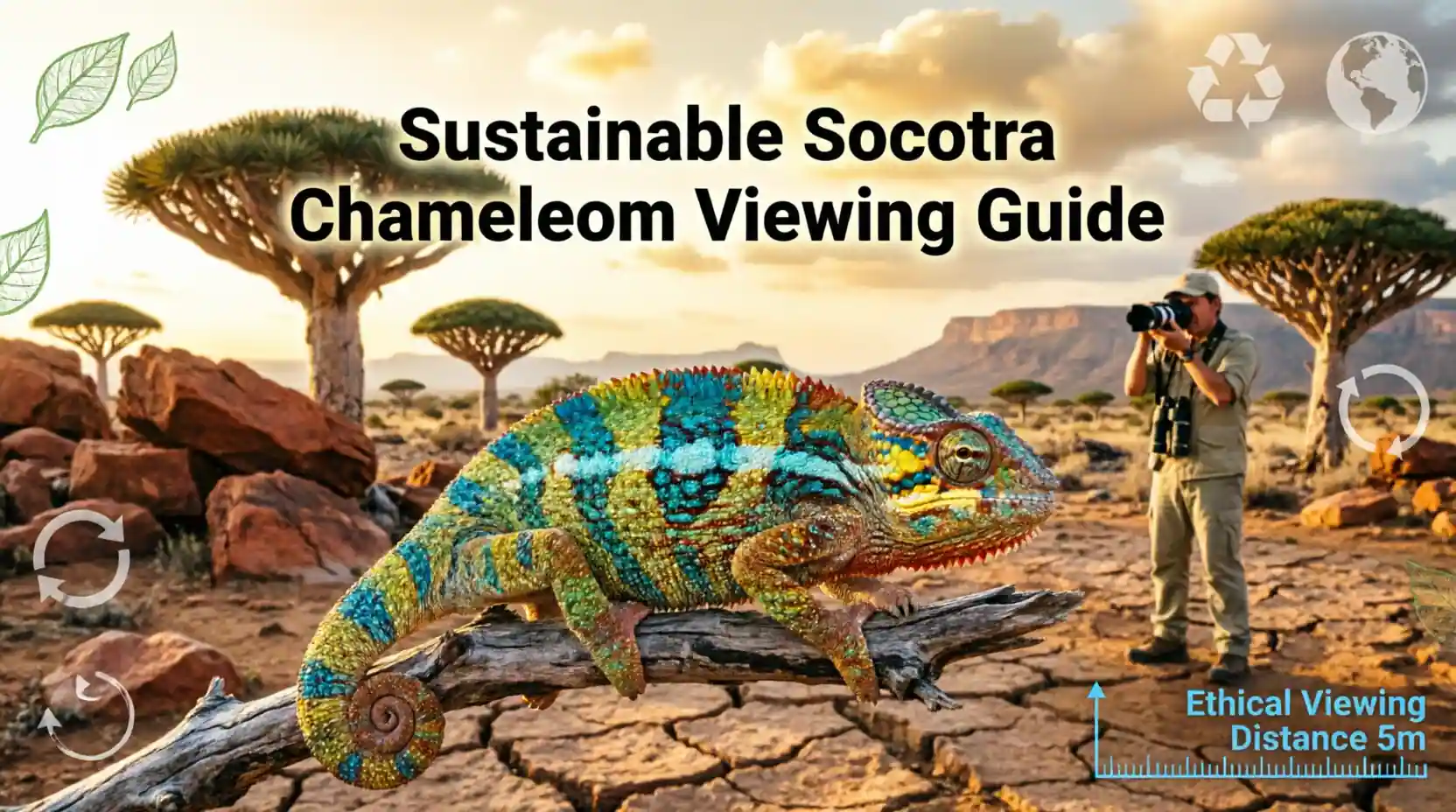
Introduction to Socotra Chameleon Conservation
The Socotra Chameleon represents one of the world's most unique and vulnerable reptile species found only on Yemen's Socotra Island.
This endemic chameleon faces increasing pressure from habitat loss, climate change, and unregulated tourism.
Sustainable viewing practices are essential to protect this remarkable species while allowing responsible observation.
This comprehensive guide provides ethical frameworks and practical techniques for witnessing Socotra Chameleons without causing harm.
Understanding conservation priorities ensures your wildlife encounter contributes positively to species preservation.
Understanding the Socotra Chameleon

The Socotra Chameleon scientifically known as Chamaeleo monachus inhabits the mountainous regions of Socotra Island.
This species displays remarkable color-changing abilities ranging from brown and green to vibrant yellows and oranges.
Adult chameleons typically measure twenty to thirty centimeters with distinctive casques and independently moving eyes.
The species occupies specific microhabitats in juniper woodlands and Dragon's Blood Tree forests at elevations between five hundred and fifteen hundred meters.
Understanding chameleon biology and behavior forms foundation for responsible viewing practices.
Unique Characteristics and Behavior
Socotra Chameleons are solitary creatures except during brief mating seasons in spring months.
They move slowly through vegetation using zygodactyl feet perfectly adapted for gripping branches.
Prey capture occurs through rapid tongue projection extending up to one and a half times body length.
Color changes communicate mood, temperature regulation, and social status rather than simple camouflage.
Stress causes darkening or pale coloration indicating when observers should increase distance immediately.
Conservation Status and Threats
International Union for Conservation of Nature lists Socotra Chameleon as vulnerable with declining populations.
Habitat degradation from livestock grazing reduces available woodland areas essential for chameleon survival.
Climate change alters precipitation patterns affecting insect prey availability and vegetation health.
Illegal collection for pet trade though now banned continues to threaten wild populations.
Tourism pressure without proper guidelines causes stress and habitat disturbance to chameleons.
Planning Your Socotra Island Visit

Responsible wildlife viewing begins with thoughtful trip planning prioritizing conservation and minimal impact.
Choosing ethical tour operators committed to sustainability standards significantly affects conservation outcomes.
Timing your visit appropriately reduces stress on chameleons during sensitive periods like breeding or egg-laying.
Proper preparation ensures you have knowledge and equipment for low-impact observation.
These planning considerations transform tourism from potential threat to conservation opportunity.
Choosing Responsible Tour Operators
Select operators with documented commitment to wildlife protection and sustainable tourism practices.
Verify guides receive training in chameleon behavior, ecology, and ethical viewing protocols.
Ask about group size limitations with smaller groups of six or fewer causing less disturbance.
Confirm operators contribute portion of profits to local conservation initiatives or community projects.
Request references from previous clients specifically regarding wildlife viewing ethics and practices.
Best Times for Ethical Viewing
Visit during mid-morning between nine and eleven AM when chameleons are active but temperatures moderate.
Avoid breeding season from March to May when chameleons experience heightened stress and vulnerability.
Early dry season November through January offers optimal viewing with minimal ecological impact.
Never search for chameleons during extreme heat when they seek shelter and conserve energy.
Respect seasonal closures if local authorities establish protected periods for chameleon conservation.
Finding Chameleons Without Causing Harm

Locating Socotra Chameleons requires patience, skill, and commitment to non-invasive techniques.
Improper search methods can damage habitat, stress animals, and reduce chances of future sightings.
Working with knowledgeable local guides who understand chameleon behavior proves most effective and ethical.
Visual searching techniques minimize habitat disturbance while maximizing observation opportunities.
These methods prioritize chameleon welfare over guaranteed sightings ensuring sustainable wildlife tourism.
Ethical Search Techniques
Move slowly and quietly through habitat avoiding sudden movements or loud conversations that startle wildlife.
Scan vegetation systematically from ground level rather than climbing trees or disturbing branches.
Use binoculars for initial detection maintaining distance before attempting closer observation.
Never shake branches, use sticks to probe vegetation, or physically manipulate habitat to reveal chameleons.
Limit search time in any single area to thirty minutes preventing cumulative stress to resident chameleons.
Working with Local Guides
Employ guides from Socotra communities who possess traditional ecological knowledge of chameleon habitats.
Local guides understand seasonal movement patterns and microhabitat preferences developed through years of observation.
They communicate in local languages facilitating respectful interactions with landowners and community members.
Compensate guides fairly ensuring economic benefits from tourism support local livelihoods and conservation incentives.
Listen carefully to guide instructions about appropriate distances and viewing durations for specific chameleons.
Approach and Observation Protocols

Once a chameleon is located, proper approach techniques determine whether observation causes stress or remains benign.
Maintaining appropriate distances protects chameleon welfare while still allowing meaningful observation.
Reading behavioral cues indicates when to retreat ensuring animals never experience prolonged distress.
Time limits on observation prevent cumulative stress from human presence.
These protocols balance human curiosity with chameleon right to undisturbed existence.
Maintaining Safe Distances
Keep minimum distance of three meters from chameleons using telephoto lenses for close-up views.
Never surround or corner chameleons always leaving clear escape route through vegetation.
If chameleon stops moving or changes color rapidly you are too close and should retreat immediately.
Use natural features like trees or rocks as viewing blinds rather than approaching directly.
Limit group size at any single chameleon to three observers maximum reducing perceived threat.
Reading Stress Indicators
Dark or pale coloration indicates stress requiring immediate increase in distance or departure.
Rapid breathing visible through throat movements signals distress needing observer withdrawal.
Freezing behavior where chameleon remains motionless suggests fear rather than natural behavior.
Attempted escape or hurried movement through vegetation means you are too close.
Aggressive displays like gaping mouth or hissing indicate severe stress requiring immediate retreat.
Photography Ethics and Techniques

Photography can enhance appreciation for Socotra Chameleons but requires strict ethical guidelines.
Inappropriate photography practices cause stress, alter behavior, and potentially harm chameleons.
Technical preparation enables capturing excellent images without prolonged presence or close approach.
Understanding flash photography impacts prevents physiological stress and behavioral disruption.
These photography ethics ensure images celebrate chameleons without compromising their welfare.
Equipment and Technique Guidelines
Use telephoto lenses minimum two hundred millimeters allowing quality images from safe distances.
Never use flash photography as sudden bright light causes stress and temporary blindness in chameleons.
Increase ISO settings and use wider apertures rather than flash for adequate exposure in shade.
Stabilize camera on monopod or beanbag preventing need to approach closer for sharp images.
Limit photography sessions to ten minutes per chameleon preventing prolonged disturbance.
Respectful Image Sharing
Never share precise GPS locations of chameleon sightings on social media preventing poacher access.
Avoid images showing chameleons being handled or in unnatural positions that normalize harmful behavior.
Include conservation messaging with images educating viewers about Socotra Chameleon protection needs.
Credit local guides and communities in image descriptions acknowledging their knowledge and stewardship.
Report any images showing harmful practices to platform moderators and conservation organizations.
Habitat Protection and Minimal Impact

Socotra Chameleons depend entirely on intact woodland habitat for survival and reproduction.
Visitor presence inevitably impacts environment requiring conscious efforts to minimize footprint.
Staying on established paths and respecting vegetation prevents habitat degradation.
Proper waste management ensures no pollution affects chameleon food sources or water quality.
These habitat protection practices preserve ecosystems for chameleons and future visitors.
Trail and Vegetation Etiquette
Remain on established trails avoiding trampling vegetation that comprises chameleon habitat and food sources.
Never break branches, strip leaves, or modify vegetation to improve viewing angles or photography composition.
Walk quietly and carefully preventing soil erosion and disturbance to ground-dwelling insects chameleons consume.
Avoid stepping on fallen logs or rocks which may shelter chameleons or their prey species.
Respect private property and traditional land use areas obtaining permission before entering.
Waste Management Practices
Pack out all trash including biodegradable items like fruit peels which decompose slowly in arid climate.
Carry reusable water bottles and containers eliminating single-use plastic waste on Socotra Island.
Never leave food scraps which alter natural foraging behavior of chameleons and other wildlife.
Use biodegradable soaps and toiletries preventing chemical contamination of soil and water sources.
Participate in beach or trail cleanup efforts removing waste left by previous visitors.
Community Engagement and Cultural Respect

Socotra Island communities are essential partners in chameleon conservation and sustainable tourism.
Respectful engagement with local culture and traditions builds support for wildlife protection.
Economic benefits from tourism must reach local communities creating conservation incentives.
Understanding cultural context prevents unintentional offense and fosters positive relationships.
These community engagement practices ensure conservation efforts have local support and longevity.
Cultural Sensitivity Guidelines
Learn basic Arabic greetings and phrases demonstrating respect for Socotri culture and people.
Dress modestly covering shoulders and knees respecting conservative Islamic cultural norms.
Ask permission before photographing local residents especially women and children.
Respect prayer times and religious observances adjusting viewing schedules accordingly.
Accept hospitality graciously when offered though politely decline if it creates burden for hosts.
Supporting Local Communities
Hire local guides and porters ensuring tourism income benefits Socotra residents directly.
Purchase handicrafts and products from local artisans rather than imported souvenirs.
Stay in locally-owned guesthouses or campsites rather than international hotel chains.
Eat at local restaurants serving traditional Socotri cuisine supporting community food systems.
Contribute to community conservation projects or schools if opportunities arise during visit.
Conservation Contributions and Citizen Science

Visitors can actively contribute to Socotra Chameleon conservation through responsible participation.
Citizen science programs allow tourists to collect valuable data supporting research and protection efforts.
Financial contributions to conservation organizations amplify positive impact of your visit.
Sharing knowledge and raising awareness extends conservation influence beyond your trip.
These contributions transform tourism from extractive activity to conservation partnership.
Citizen Science Opportunities
Document chameleon sightings with photographs and GPS coordinates for research databases though keep precise locations confidential.
Record behavioral observations noting activity patterns, color changes, and habitat use for scientific analysis.
Report injured or distressed chameleons to local conservation authorities or guides for appropriate response.
Participate in structured monitoring programs if available through tour operators or research organizations.
Share observations with guides helping build local knowledge base about chameleon populations and distribution.
Financial Support for Conservation
Pay park fees and permits which fund habitat protection and conservation management on Socotra.
Donate to organizations like Socotra Conservation Fund or Yemen Environmental Protection Agency working on chameleon protection.
Choose tour operators who contribute percentage of profits to conservation projects ensuring your spending supports protection.
Purchase conservation-themed merchandise with proceeds supporting chameleon research and habitat restoration.
Consider sponsoring specific conservation activities like habitat restoration or community education programs.
Health and Safety Considerations

Viewing Socotra Chameleons requires preparation for remote island conditions and challenging terrain.
Personal safety ensures you do not become burden on local resources or conservation efforts.
Understanding environmental hazards prevents accidents that could damage sensitive habitat during rescue operations.
Proper equipment and preparation enable comfortable observation without rushing or causing disturbance.
These safety considerations protect both visitors and the chameleons they come to observe.
Essential Equipment and Preparation
Wear sturdy hiking boots with ankle support for navigating rocky uneven terrain in chameleon habitat.
Carry sufficient water minimum two liters per person as Socotra climate is hot and arid.
Bring sun protection including hat, sunglasses, and reef-safe sunscreen preventing heat illness.
Pack basic first aid kit with treatments for cuts, bites, and common ailments.
Carry communication device like satellite phone or emergency beacon as cellular coverage is limited.
Environmental Hazards Awareness
Socotra terrain includes steep slopes and loose rocks requiring careful footing and attention.
Extreme heat especially midday can cause heat exhaustion requiring adequate hydration and rest.
Marine hazards if accessing coastal chameleon populations include strong currents and sharp coral.
Wildlife encounters with other species like spiders or scorpions require awareness and caution.
Weather changes can occur rapidly requiring flexibility in viewing plans and safety priorities.
Legal Framework and Permits

Socotra Island has specific regulations governing wildlife viewing and environmental protection.
Understanding and complying with legal requirements prevents violations that harm conservation efforts.
Permit systems help manage visitor numbers and fund conservation activities.
Respect for regulations demonstrates commitment to sustainable tourism and chameleon protection.
These legal frameworks exist to protect chameleons ensuring their survival for future generations.
Required Permits and Documentation
Obtain Socotra entry permit through Yemeni embassy or authorized tour operator before travel.
Purchase wildlife viewing permit from local authorities upon arrival with fees supporting conservation.
Carry passport and permit documentation at all times during chameleon viewing activities.
Register with local conservation office or park headquarters if required for remote area access.
Follow all conditions attached to permits including group size limits and designated viewing areas.
Regulatory Compliance
Never handle, capture, or disturb chameleons as this violates wildlife protection laws.
Respect seasonal closures and restricted areas established for chameleon breeding and nesting protection.
Do not remove any natural materials including plants, rocks, or shells from habitat areas.
Follow guide instructions and ranger directives regarding appropriate behavior and viewing distances.
Report violations by other visitors to authorities helping enforce protection regulations.
Post Visit Responsibilities
Responsibilities continue after leaving Socotra Island affecting long-term chameleon conservation.
Sharing experiences responsibly influences future visitor behavior and conservation support.
Ongoing engagement with conservation issues extends positive impact of your visit.
Feedback to operators and authorities helps improve sustainable viewing practices.
These post-visit actions amplify conservation benefits beyond your individual trip.
Responsible Story Sharing
Share photographs and experiences emphasizing chameleon conservation needs and habitat protection importance.
Avoid geotagging specific chameleon locations on social media preventing poacher access to populations.
Educate followers about sustainable wildlife viewing practices and ethical tourism principles.
Highlight local guides and community conservation efforts supporting their work and livelihoods.
Counter misinformation about chameleon keeping or harmful practices when encountered online.
Ongoing Conservation Support
Maintain connection with conservation organizations receiving updates on Socotra Chameleon protection efforts.
Consider recurring donations to support long-term conservation work beyond single visit.
Advocate for Socotra conservation within your community and social networks raising awareness.
Support policies protecting endangered species and their habitats in your home country.
Plan return visits when appropriate providing continued economic support to local communities and conservation.
Conclusion and Commitment to Ethical Wildlife Viewing
Sustainable viewing of Socotra Chameleons requires commitment to practices prioritizing animal welfare over human convenience.
Every visitor has responsibility to minimize impact and contribute positively to conservation efforts.
Following these best practices ensures chameleons continue thriving in their unique island habitat.
Ethical wildlife viewing creates meaningful experiences while protecting vulnerable species for future generations.
Your choices as a visitor directly influence whether tourism helps or harms Socotra Chameleon survival.
0 Comments