.webp)
.webp)
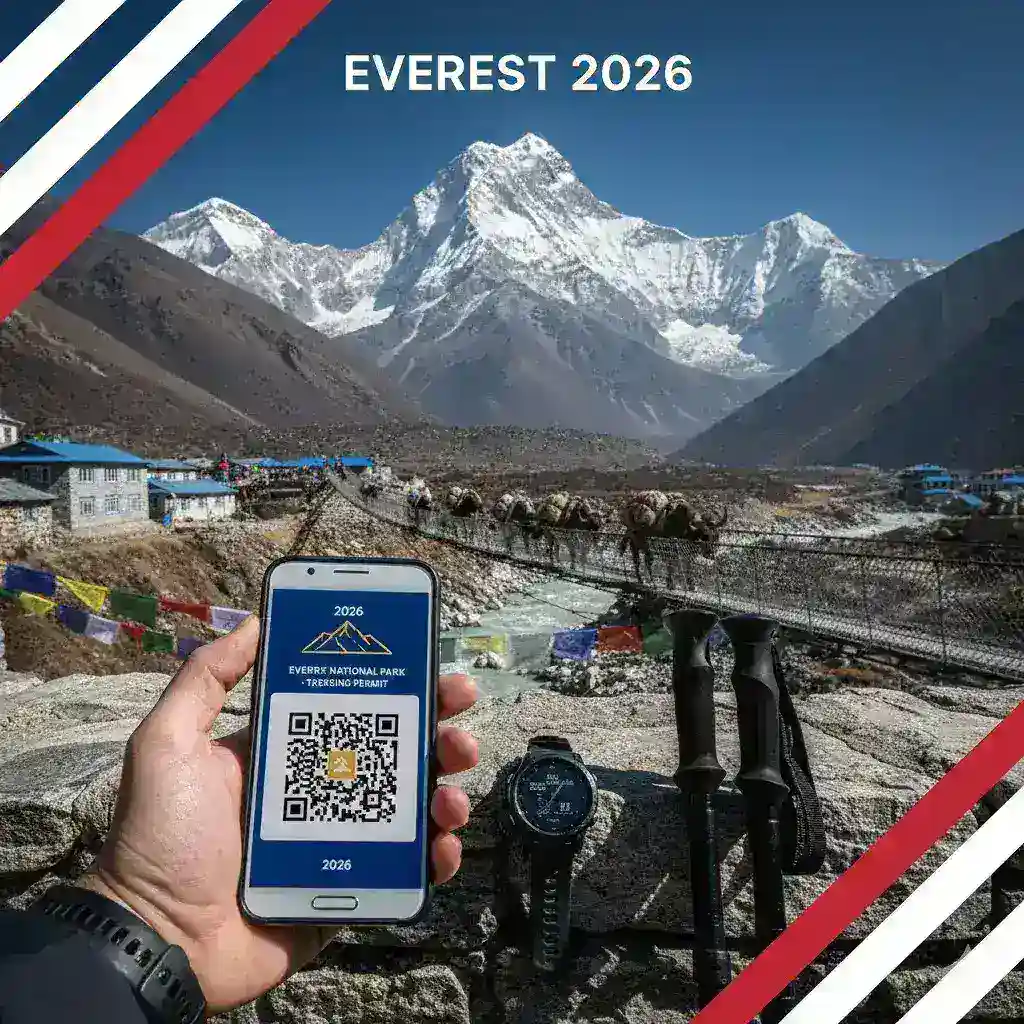
The Ultimate Reality Check: EBC in 2026
The Everest Base Camp Trek has long stood as the crown jewel of adventure tourism, a bucket-list experience that draws thousands of trekkers to Nepal's Himalayas each year. But as we move through 2026, mounting concerns about overcrowding, rising costs, environmental degradation, and safety have left many potential trekkers—particularly Americans accustomed to evaluating value propositions—wondering if this iconic journey still delivers on its legendary promise.
For US tourists considering the EBC trek, the decision involves more than just physical preparation and financial investment. It requires navigating a complex landscape of permit requirements, insurance mandates, environmental regulations, and ethical considerations that have evolved significantly in recent years. The trek that once represented pure adventure now exists within a framework of commercialization, sustainability concerns, and safety protocols that fundamentally alter the experience.
This comprehensive reality check examines whether the Everest Base Camp Trek remains worth the investment of time, money, and effort in 2026. We'll explore the current state of the trail, analyze costs from a US perspective, evaluate safety concerns, assess the impact of mass tourism, and provide honest assessments of what you can realistically expect. Whether you're a seasoned trekker or considering your first high-altitude adventure, this guide will help you make an informed decision about whether EBC aligns with your goals, values, and expectations.
The Current State of the Trail: What's Changed

The Everest Base Camp Trek of 2026 bears little resemblance to the rugged adventure of decades past. Understanding these changes is crucial for setting realistic expectations and determining if the modern EBC experience aligns with what you're seeking.
Infrastructure Development and Commercialization
The trail has undergone dramatic transformation since the 2015 earthquakes that devastated the region. Reconstruction efforts, while necessary, have fundamentally altered the character of the trek. What were once basic teahouses with shared facilities have been replaced in many locations by multi-story lodges offering private rooms, attached bathrooms, hot showers, and even WiFi connectivity.
This development brings both advantages and drawbacks. On the positive side, trekkers enjoy greater comfort, better sanitation, and improved safety standards. The availability of charging stations, internet access, and varied menus makes the trek more accessible to less experienced adventurers. However, this commercialization has also diminished the sense of remote wilderness adventure that originally drew many to EBC.
Lukla, the gateway to the Everest region, now features a more organized airport operation, though flights remain notoriously weather-dependent. The trail itself has been widened and improved in sections, with stone steps replacing rough paths in steep areas. Bridges have been reinforced, and signage has been standardized. These improvements enhance safety but also make the trek feel more managed and less wild.
Crowding and the High-Season Reality
Perhaps the most significant change affecting the EBC experience is the sheer volume of trekkers. In 2026, the trail sees approximately 40,000-50,000 trekkers annually, with the majority concentrated in two peak seasons: March-May and September-November. During these periods, particularly in April and October, the trail can feel more like a busy hiking path than a wilderness adventure.
Teahouses in popular stops like Namche Bazaar, Tengboche, and Gorak Shep frequently reach capacity during peak season, leading to a competitive atmosphere for accommodations. Some trekkers report waiting hours for tables at meal times, struggling to find beds despite reservations, and experiencing a lack of the tranquility they anticipated. The iconic photo spots at Base Camp and Kala Patthar often involve queuing with dozens of other trekkers, diminishing the sense of personal achievement.
However, this crowding is not uniform throughout the trek. The lower sections near Lukla and Namche experience the heaviest traffic, while higher elevations and alternative routes remain less congested. Trekkers willing to start earlier in the day, trek during shoulder seasons, or take alternative routes can still find solitude and authentic experiences.
Environmental Impact and Sustainability Concerns
The environmental cost of mass tourism in the Everest region has become impossible to ignore. Waste management remains a critical challenge, with an estimated 12 tons of trash left on the mountain annually despite cleanup efforts. While the Sagarmatha Pollution Control Committee (SPCC) has implemented regulations requiring trekkers to carry out waste and use designated toilets, enforcement remains inconsistent.
Deforestation for firewood continues to be a problem, though many lodges have transitioned to solar power and imported gas. Water sources face contamination risks from inadequate sanitation facilities. The carbon footprint of flying into Lukla and supporting thousands of trekkers contributes to the very climate change that threatens the Himalayan glaciers.
In response, Nepal has introduced stricter environmental regulations for 2026, including mandatory waste deposits, requirements to use licensed guides, and restrictions on single-use plastics in the Everest region. While these measures aim to protect the environment, they also add complexity and cost to the trekking experience.
The Financial Reality: Costs for US Tourists in 2026

For American trekkers, understanding the full financial commitment of the EBC trek is essential for determining whether it represents good value. The costs have increased substantially in recent years, and the total investment extends far beyond the obvious expenses.
Direct Trekking Costs
Permits and Fees:
- Sagarmatha National Park Entry Permit: NPR 3,000 (approximately $23 USD)
- Trekkers' Information Management System (TIMS) card: NPR 2,000 (approximately $15 USD) for individual trekkers, NPR 1,000 for those with guides
- Lukla flight permits and airport taxes: Included in flight cost
- Local area permits: Vary by specific route
- 👉 Seoul City Guide 2026: Exploring Gyeongbokgung, Myeongdong and Beyond
- 👉 Taiwan PASS 2026: 5 Days Unlimited Rail and Metro
- 👉 North Korea for Digital Nomad Families Navigating Secure Housing and Schooling
Flights:
- Round-trip Kathmandu to Lukla: $350-450 USD (highly variable by season)
- International flights to Kathmandu: $1,200-2,000 USD from major US cities
- Helicopter return option (weather/altitude issues): $500-1,000 USD
- 👉 Seoul City Guide 2026: Exploring Gyeongbokgung, Myeongdong and Beyond
- 👉 Taiwan PASS 2026: 5 Days Unlimited Rail and Metro
- 👉 North Korea for Digital Nomad Families Navigating Secure Housing and Schooling
Guide and Porter Services:
As of 2026, Nepal requires all trekkers in the Everest region to hire licensed guides, eliminating the option for independent trekking. This represents a significant cost increase:
- Licensed guide: $30-50 USD per day (including their food, accommodation, and insurance)
- Porter (optional but recommended): $25-35 USD per day
- For a typical 12-14 day trek: $500-900 USD for guide services
- 👉 Seoul City Guide 2026: Exploring Gyeongbokgung, Myeongdong and Beyond
- 👉 Taiwan PASS 2026: 5 Days Unlimited Rail and Metro
- 👉 North Korea for Digital Nomad Families Navigating Secure Housing and Schooling
Accommodation and Meals:
Teahouse costs increase with altitude:
- Lower elevations (Lukla-Namche): $5-10 USD per night for a room
- Mid elevations (Tengboche-Dingboche): $10-15 USD per night
- Higher elevations (Lobuche-Gorak Shep): $15-25 USD per night
- Meals: $5-10 USD per meal, increasing with altitude
- Daily food and lodging total: $40-60 USD per day
- 👉 Seoul City Guide 2026: Exploring Gyeongbokgung, Myeongdong and Beyond
- 👉 Taiwan PASS 2026: 5 Days Unlimited Rail and Metro
- 👉 North Korea for Digital Nomad Families Navigating Secure Housing and Schooling
Equipment and Preparation Costs
Many US trekkers underestimate the equipment investment required:
- Quality hiking boots: $150-300 USD
- Down sleeping bag (rated to -20°C): $200-400 USD
- Trekking poles: $50-150 USD
- Layered clothing system: $300-600 USD
- Backpack and day pack: $100-250 USD
- Accessories (gloves, hat, sunglasses, etc.): $150-300 USD
- 👉 Seoul City Guide 2026: Exploring Gyeongbokgung, Myeongdong and Beyond
- 👉 Taiwan PASS 2026: 5 Days Unlimited Rail and Metro
- 👉 North Korea for Digital Nomad Families Navigating Secure Housing and Schooling
Alternatively, gear rental in Kathmandu costs $50-100 USD for the trek duration, though quality and hygiene vary significantly.
Insurance and Medical Costs
Comprehensive travel insurance with high-altitude coverage is non-negotiable:
- Travel insurance with emergency evacuation: $200-400 USD
- Helicopter evacuation coverage (up to 6,000m): Essential
- Pre-trek medical examination: $100-300 USD
- Vaccinations and medications: $100-200 USD
- Emergency fund (recommended): $1,000-2,000 USD
- 👉 Seoul City Guide 2026: Exploring Gyeongbokgung, Myeongdong and Beyond
- 👉 Taiwan PASS 2026: 5 Days Unlimited Rail and Metro
- 👉 North Korea for Digital Nomad Families Navigating Secure Housing and Schooling
Total Cost Breakdown
Budget Trek (12-14 days):
- Guided package from Kathmandu: $1,500-2,000 USD
- International flights: $1,500 USD
- Equipment (purchase or rental): $300-500 USD
- Insurance and medical: $300-500 USD
- Spending money and contingencies: $500 USD
- Total: $4,100-5,000 USD
- 👉 Seoul City Guide 2026: Exploring Gyeongbokgung, Myeongdong and Beyond
- 👉 Taiwan PASS 2026: 5 Days Unlimited Rail and Metro
- 👉 North Korea for Digital Nomad Families Navigating Secure Housing and Schooling
Mid-Range Trek (12-14 days):
- Quality guided package: $2,500-3,500 USD
- International flights: $1,500 USD
- Equipment purchase: $800-1,200 USD
- Insurance and medical: $400-600 USD
- Spending money and contingencies: $800 USD
- Total: $6,000-7,600 USD
- 👉 Seoul City Guide 2026: Exploring Gyeongbokgung, Myeongdong and Beyond
- 👉 Taiwan PASS 2026: 5 Days Unlimited Rail and Metro
- 👉 North Korea for Digital Nomad Families Navigating Secure Housing and Schooling
Premium Trek (14-16 days with acclimatization):
- Luxury lodge package: $4,000-6,000 USD
- International flights (business class option): $3,000-5,000 USD
- High-quality equipment: $1,500-2,000 USD
- Comprehensive insurance: $500-800 USD
- Spending money and contingencies: $1,500 USD
- Total: $10,500-15,300 USD
- 👉 Seoul City Guide 2026: Exploring Gyeongbokgung, Myeongdong and Beyond
- 👉 Taiwan PASS 2026: 5 Days Unlimited Rail and Metro
- 👉 North Korea for Digital Nomad Families Navigating Secure Housing and Schooling
Value Assessment
For US tourists accustomed to evaluating cost-benefit ratios, the question becomes whether EBC delivers value commensurate with this investment. Compared to other world-class treks:
- Kilimanjaro: $3,000-6,000 USD, 5-9 days, summit achievement
- Inca Trail: $600-1,000 USD, 4 days, permits limited
- Torres del Paine: $1,500-3,000 USD, 7-10 days, Patagonia scenery
- Annapurna Circuit: $1,200-2,500 USD, 15-20 days, diverse landscapes
- 👉 Seoul City Guide 2026: Exploring Gyeongbokgung, Myeongdong and Beyond
- 👉 Taiwan PASS 2026: 5 Days Unlimited Rail and Metro
- 👉 North Korea for Digital Nomad Families Navigating Secure Housing and Schooling
EB C sits at the higher end of the cost spectrum for multi-day treks, though the 12-14 day duration and iconic status partially justify the expense. The mandatory guide requirement has increased costs by approximately $500-800 USD compared to previous years when independent trekking was permitted.
Safety Considerations: The Honest Assessment
Safety remains the paramount concern for any high-altitude trek, and the EBC route presents genuine risks that every potential trekker must understand and respect.
Altitude Sickness: The Ever-Present Threat
Acute Mountain Sickness (AMS) affects an estimated 30-40% of trekkers attempting EBC, with more severe forms—High Altitude Pulmonary Edema (HAPE) and High Altitude Cerebral Edema (HACE)—affecting 1-2% of trekkers. These conditions can be fatal if not treated promptly.
Risk Factors:
- Rapid ascent without proper acclimatization
- Previous history of altitude sickness
- Exertion beyond fitness level
- Dehydration
- Alcohol consumption at altitude
- Individual physiological susceptibility
- 👉 Seoul City Guide 2026: Exploring Gyeongbokgung, Myeongdong and Beyond
- 👉 Taiwan PASS 2026: 5 Days Unlimited Rail and Metro
- 👉 North Korea for Digital Nomad Families Navigating Secure Housing and Schooling
Prevention Strategies:
- Follow the "climb high, sleep low" principle
- Incorporate mandatory acclimatization days (Namche Bazaar and Dingboche/Pheriche)
- Ascend no more than 300-500m per day above 3,000m
- Stay well-hydrated (3-4 liters daily)
- Consider prophylactic Diamox (acetazolamide) after medical consultation
- Listen to your body and be willing to descend
- 👉 Seoul City Guide 2026: Exploring Gyeongbokgung, Myeongdong and Beyond
- 👉 Taiwan PASS 2026: 5 Days Unlimited Rail and Metro
- 👉 North Korea for Digital Nomad Families Navigating Secure Housing and Schooling
The reality is that approximately 10-15% of trekkers attempting EBC fail to reach Base Camp due to altitude-related issues. This statistic underscores the importance of realistic self-assessment and flexibility in your plans.
Flight Safety to Lukla
Tenzing-Hillary Airport in Lukla is consistently rated among the world's most dangerous airports due to:
- Short runway (527 meters) with a 12% gradient
- Mountainous terrain on three sides
- Unpredictable weather and visibility
- High elevation (2,845m)
- 👉 Seoul City Guide 2026: Exploring Gyeongbokgung, Myeongdong and Beyond
- 👉 Taiwan PASS 2026: 5 Days Unlimited Rail and Metro
- 👉 North Korea for Digital Nomad Families Navigating Secure Housing and Schooling
While safety has improved significantly with better aircraft, pilot training, and weather monitoring, accidents still occur. Weather-related cancellations and delays are common, with 20-30% of scheduled flights delayed or canceled during peak season. This can disrupt your itinerary and potentially leave you stranded.
Alternatives:
- Helicopter charter: $500-1,000 USD per person (weather dependent)
- Trek from Jiri or Salleri: Adds 4-7 days but avoids Lukla flight
- Roudrive to Phaplu and trek: Moderate alternative
- 👉 Seoul City Guide 2026: Exploring Gyeongbokgung, Myeongdong and Beyond
- 👉 Taiwan PASS 2026: 5 Days Unlimited Rail and Metro
- 👉 North Korea for Digital Nomad Families Navigating Secure Housing and Schooling
Trail Hazards and Physical Risks
Beyond altitude and flights, the trail itself presents challenges:
- Terrain: Rocky, uneven paths with steep ascents and descents
- Weather: Rapid changes, potential for snow even in trekking season
- River crossings: Some sections require crossing suspension bridges over deep gorges
- Falling rocks: Particularly in certain sections between Lobuche and Gorak Shep
- Exhaustion: Cumulative fatigue increases accident risk
- 👉 Seoul City Guide 2026: Exploring Gyeongbokgung, Myeongdong and Beyond
- 👉 Taiwan PASS 2026: 5 Days Unlimited Rail and Metro
- 👉 North Korea for Digital Nomad Families Navigating Secure Housing and Schooling
The mandatory guide requirement has improved safety by ensuring trekkers have experienced support, but it doesn't eliminate these inherent risks.
Medical Facilities and Emergency Response
Medical infrastructure in the Everest region has improved but remains limited:
- Himalayan Rescue Association clinics: Located in Pheriche and Manang, staffed by volunteer doctors during trekking season
- Teahouse first aid: Basic supplies available but limited
- Helicopter evacuation: Available but weather-dependent and expensive ($5,000-10,000 USD)
- Insurance requirements: Must cover evacuation up to 6,000m
- 👉 Seoul City Guide 2026: Exploring Gyeongbokgung, Myeongdong and Beyond
- 👉 Taiwan PASS 2026: 5 Days Unlimited Rail and Metro
- 👉 North Korea for Digital Nomad Families Navigating Secure Housing and Schooling
Response times for emergencies can be several hours, and weather can ground helicopters for days. This reality emphasizes the importance of prevention and conservative decision-making.
The Physical and Mental Challenge: Are You Ready?
Many US trekkers underestimate the physical and mental demands of the EBC trek. While technical climbing skills aren't required, the combination of altitude, duration, and terrain creates a genuine challenge.
Physical Fitness Requirements
Cardiovascular Endurance:
You should be capable of:
- Hiking 5-7 hours daily for 12-14 consecutive days
- Ascending 300-600m elevation gain per day
- Walking on uneven, rocky terrain
- Carrying a day pack (5-10 kg) while porters carry main luggage
- 👉 Seoul City Guide 2026: Exploring Gyeongbokgung, Myeongdong and Beyond
- 👉 Taiwan PASS 2026: 5 Days Unlimited Rail and Metro
- 👉 North Korea for Digital Nomad Families Navigating Secure Housing and Schooling
Training Recommendations (3-6 months before):
- Cardiovascular exercise 4-5 times weekly (running, cycling, swimming)
- Hiking with elevation gain on weekends
- Stair climbing with weighted pack
- Leg strengthening exercises
- Core stability work
- 👉 Seoul City Guide 2026: Exploring Gyeongbokgung, Myeongdong and Beyond
- 👉 Taiwan PASS 2026: 5 Days Unlimited Rail and Metro
- 👉 North Korea for Digital Nomad Families Navigating Secure Housing and Schooling
Realistic Self-Assessment:
You should be able to comfortably:
- Climb 3-4 flights of stairs without excessive breathlessness
- Hike 10-15 miles on moderate terrain
- Recover overnight from a strenuous day of activity
- 👉 Seoul City Guide 2026: Exploring Gyeongbokgung, Myeongdong and Beyond
- 👉 Taiwan PASS 2026: 5 Days Unlimited Rail and Metro
- 👉 North Korea for Digital Nomad Families Navigating Secure Housing and Schooling
If these activities feel challenging, you'll likely struggle on the EBC trek regardless of determination.
Mental Resilience
The mental challenge often exceeds the physical:
- Discomfort: Basic accommodations, limited privacy, cold temperatures, simple food
- Monotony: Long days of walking with limited entertainment
- Altitude effects: Headaches, nausea, sleep disturbance, mood changes
- Homesickness: Limited communication, time zone differences
- Uncertainty: Weather delays, itinerary changes, health concerns
- 👉 Seoul City Guide 2026: Exploring Gyeongbokgung, Myeongdong and Beyond
- 👉 Taiwan PASS 2026: 5 Days Unlimited Rail and Metro
- 👉 North Korea for Digital Nomad Families Navigating Secure Housing and Schooling
Success requires mental flexibility, patience, and the ability to maintain a positive attitude despite discomfort. The trek tests your psychological resilience as much as your physical fitness.
Time Commitment
Beyond the 12-14 days on the trail, consider:
- 2-3 days in Kathmandu for preparation and buffer
- Potential weather delays (build in 2-3 extra days)
- Post-trek recovery time
- Total trip: 16-20 days minimum
- 👉 Seoul City Guide 2026: Exploring Gyeongbokgung, Myeongdong and Beyond
- 👉 Taiwan PASS 2026: 5 Days Unlimited Rail and Metro
- 👉 North Korea for Digital Nomad Families Navigating Secure Housing and Schooling
For US travelers with limited vacation time, this represents a significant commitment that may not be feasible annually.
The Experience: What You'll Actually Encounter
Setting realistic expectations about the actual experience helps determine if EBC aligns with your goals and preferences.
The Scenery: Undeniably Spectacular
Despite all the challenges and changes, the scenery remains world-class:
- Mountain vistas: Uninterrupted views of Everest, Lhotse, Nuptse, Ama Dablam, and numerous other peaks
- Glaciers: Khumbu Glacier and icefalls visible from the trail
- Valleys: Dramatic river valleys carved by glacial meltwater
- Cultural landscapes: Terraced fields, traditional villages, ancient monasteries
- Sunrise/sunset: Spectacular alpenglow on Himalayan peaks
- 👉 Seoul City Guide 2026: Exploring Gyeongbokgung, Myeongdong and Beyond
- 👉 Taiwan PASS 2026: 5 Days Unlimited Rail and Metro
- 👉 North Korea for Digital Nomad Families Navigating Secure Housing and Schooling
The visual reward is genuine and profound, particularly from vantage points like Kala Patthar (5,545m), which offers the classic Everest view.
The Cultural Experience
The Sherpa culture and Buddhist heritage of the region add depth to the trek:
- Monasteries: Tengboche Monastery is the spiritual heart of the region
- Prayer flags and mani walls: Buddhist symbols throughout the trail
- Sherpa hospitality: Warm welcome in teahouses and villages
- Museums: Sherpa Museum in Namche Bazaar
- Local festivals: Timing your trek with Mani Rimdu or other festivals adds cultural richness
- 👉 Seoul City Guide 2026: Exploring Gyeongbokgung, Myeongdong and Beyond
- 👉 Taiwan PASS 2026: 5 Days Unlimited Rail and Metro
- 👉 North Korea for Digital Nomad Families Navigating Secure Housing and Schooling
However, commercialization has impacted authenticity in popular areas. Namche Bazaar feels more like a tourist town than a traditional village, with WiFi cafes, souvenir shops, and Western food options. More remote villages retain greater authenticity but require venturing off the main trail.
The Social Aspect
You'll meet trekkers from around the world, creating a unique social environment:
- Camaraderie: Shared challenges foster connections
- Diversity: Meet people from dozens of countries
- Support networks: Fellow trekkers provide encouragement
- Potential friendships: Lasting connections often form
- 👉 Seoul City Guide 2026: Exploring Gyeongbokgung, Myeongdong and Beyond
- 👉 Taiwan PASS 2026: 5 Days Unlimited Rail and Metro
- 👉 North Korea for Digital Nomad Families Navigating Secure Housing and Schooling
However, the social atmosphere can feel overwhelming if you're seeking solitude. Teahouse common rooms buzz with conversation, and the trail often feels like a social event rather than a solitary journey.
The Achievement Factor
Reaching Everest Base Camp (5,364m) and Kala Patthar provides genuine accomplishment:
- Physical achievement: Proof of fitness and determination
- Mental triumph: Overcoming discomfort and doubt
- Bucket list completion: Checking off a major life goal
- Personal growth: Learning your limits and capabilities
- 👉 Seoul City Guide 2026: Exploring Gyeongbokgung, Myeongdong and Beyond
- 👉 Taiwan PASS 2026: 5 Days Unlimited Rail and Metro
- 👉 North Korea for Digital Nomad Families Navigating Secure Housing and Schooling
That said, the experience at Base Camp itself can be anticlimactic. You're standing on a rocky glacier with views of Everest's west shoulder (not the summit), surrounded by climbing expedition tents during spring season. The journey and the views from Kala Patthar often prove more memorable than Base Camp itself.
Alternatives to Consider: Is There a Better Option?
For US tourists weighing whether EBC is worth it, considering alternatives provides valuable perspective.
Annapurna Circuit
Advantages over EBC:
- Lower cost ($1,200-2,500 USD)
- More diverse landscapes (tropical to arctic)
- Better road infrastructure (though this is also a drawback)
- Thorong La Pass (5,416m) provides similar altitude challenge
- Less crowded (though increasing)
- Cultural diversity (Hindu and Buddhist regions)
- 👉 Seoul City Guide 2026: Exploring Gyeongbokgung, Myeongdong and Beyond
- 👉 Taiwan PASS 2026: 5 Days Unlimited Rail and Metro
- 👉 North Korea for Digital Nomad Families Navigating Secure Housing and Schooling
Disadvantages:
- Road construction has diminished wilderness experience
- No direct Everest views
- Longer duration (15-20 days)
- 👉 Seoul City Guide 2026: Exploring Gyeongbokgung, Myeongdong and Beyond
- 👉 Taiwan PASS 2026: 5 Days Unlimited Rail and Metro
- 👉 North Korea for Digital Nomad Families Navigating Secure Housing and Schooling
Annapurna Base Camp (ABC)
Advantages:
- Shorter duration (7-12 days)
- Lower altitude (4,130m vs 5,364m)
- Lower cost ($800-1,500 USD)
- 360-degree mountain views at base camp
- Less risk of severe altitude sickness
- 👉 Seoul City Guide 2026: Exploring Gyeongbokgung, Myeongdong and Beyond
- 👉 Taiwan PASS 2026: 5 Days Unlimited Rail and Metro
- 👉 North Korea for Digital Nomad Families Navigating Secure Housing and Schooling
Disadvantages:
- Less iconic than EBC
- Can be crowded
- Shorter trek may feel less substantial
- 👉 Seoul City Guide 2026: Exploring Gyeongbokgung, Myeongdong and Beyond
- 👉 Taiwan PASS 2026: 5 Days Unlimited Rail and Metro
- 👉 North Korea for Digital Nomad Families Navigating Secure Housing and Schooling
Manaslu Circuit
Advantages:
- Far less crowded than EBC
- More authentic cultural experience
- Similar altitude challenge (Larkya La Pass 5,106m)
- Restricted area permits limit numbers
- Better value ($1,500-2,500 USD)
- 👉 Seoul City Guide 2026: Exploring Gyeongbokgung, Myeongdong and Beyond
- 👉 Taiwan PASS 2026: 5 Days Unlimited Rail and Metro
- 👉 North Korea for Digital Nomad Families Navigating Secure Housing and Schooling
Disadvantages:
- Requires special permit and guide
- Less infrastructure
- No Everest views
- More remote (harder emergency access)
- 👉 Seoul City Guide 2026: Exploring Gyeongbokgung, Myeongdong and Beyond
- 👉 Taiwan PASS 2026: 5 Days Unlimited Rail and Metro
- 👉 North Korea for Digital Nomad Families Navigating Secure Housing and Schooling
Langtang Valley
Advantages:
- Closest to Kathmandu (shorter trip)
- Lower cost ($600-1,200 USD)
- Less crowded
- Shorter duration (7-10 days)
- Rebuilding from earthquake shows resilience
- 👉 Seoul City Guide 2026: Exploring Gyeongbokgung, Myeongdong and Beyond
- 👉 Taiwan PASS 2026: 5 Days Unlimited Rail and Metro
- 👉 North Korea for Digital Nomad Families Navigating Secure Housing and Schooling
Disadvantages:
- Lower altitude (less challenging)
- No Everest views
- Smaller mountains
- 👉 Seoul City Guide 2026: Exploring Gyeongbokgung, Myeongdong and Beyond
- 👉 Taiwan PASS 2026: 5 Days Unlimited Rail and Metro
- 👉 North Korea for Digital Nomad Families Navigating Secure Housing and Schooling
Alternative Everest Region Treks
Gokyo Lakes Trek:
- Stunning turquoise lakes
- Gokyo Ri viewpoint (5,357m) rivals Kala Patthar
- Less crowded than main EBC route
- Can combine with EBC via Cho La Pass
- 👉 Seoul City Guide 2026: Exploring Gyeongbokgung, Myeongdong and Beyond
- 👉 Taiwan PASS 2026: 5 Days Unlimited Rail and Metro
- 👉 North Korea for Digital Nomad Families Navigating Secure Housing and Schooling
Three Passes Trek:
- Ultimate Everest region challenge
- Crosses three high passes (all over 5,000m)
- Comprehensive Everest experience
- Far less crowded
- 18-21 days duration
- 👉 Seoul City Guide 2026: Exploring Gyeongbokgung, Myeongdong and Beyond
- 👉 Taiwan PASS 2026: 5 Days Unlimited Rail and Metro
- 👉 North Korea for Digital Nomad Families Navigating Secure Housing and Schooling
The Verdict: Is EBC Worth It in 2026?
After examining costs, safety, physical demands, and the actual experience, the answer depends entirely on your priorities, circumstances, and expectations.
EBC Is Worth It If:
- You value iconic achievements: Standing at the foot of the world's highest mountain holds genuine meaning for you
- You have adequate time: You can commit 2-3 weeks without financial stress
- You're physically prepared: You've trained adequately and have realistic fitness
- You can afford it: The $4,000-8,000 USD total cost fits your budget without hardship
- You're flexible: You can handle delays, discomfort, and itinerary changes
- You appreciate cultural experiences: Sherpa culture and Buddhist heritage interest you
- You're okay with crowds: Sharing the experience with hundreds of other trekkers doesn't diminish it for you
- You prioritize scenery: Mountain vistas rank high on your travel values
- 👉 Seoul City Guide 2026: Exploring Gyeongbokgung, Myeongdong and Beyond
- 👉 Taiwan PASS 2026: 5 Days Unlimited Rail and Metro
- 👉 North Korea for Digital Nomad Families Navigating Secure Housing and Schooling
EBC Is NOT Worth It If:
- You're seeking solitude: You want wilderness isolation and tranquility
- You're on a tight budget: The cost would cause financial strain
- You have limited time: You can't commit 2-3 weeks
- You're unprepared physically: You haven't trained or have health concerns
- You expect luxury: You're unwilling to accept basic accommodations and simple food
- You're primarily motivated by Instagram: Social media validation is your main goal
- You're risk-averse: Altitude risks and flight safety concern you significantly
- You've done similar treks: You've already experienced high-altitude trekking and want something different
- 👉 Seoul City Guide 2026: Exploring Gyeongbokgung, Myeongdong and Beyond
- 👉 Taiwan PASS 2026: 5 Days Unlimited Rail and Metro
- 👉 North Korea for Digital Nomad Families Navigating Secure Housing and Schooling
The Middle Ground: Modified Approaches
If you're drawn to EBC but concerned about certain aspects, consider these compromises:
- Trek during shoulder season: Late February or late November offer fewer crowds but acceptable weather
- Choose Gokyo Lakes route: Similar altitude and scenery with fewer trekkers
- Extend your itinerary: 16-18 days instead of 12-14 allows better acclimatization and reduces altitude risk
- Hire a quality guide: Invest in an experienced guide who enhances safety and cultural understanding
- Combine with other regions: Add a few days in less-visited areas for a more diverse experience
- 👉 Seoul City Guide 2026: Exploring Gyeongbokgung, Myeongdong and Beyond
- 👉 Taiwan PASS 2026: 5 Days Unlimited Rail and Metro
- 👉 North Korea for Digital Nomad Families Navigating Secure Housing and Schooling
Final Recommendations for US Tourists
If you decide to pursue the EBC trek in 2026, follow these recommendations to maximize value and safety:
Before You Go
- Train seriously: 3-6 months of progressive cardiovascular and strength training
- Get comprehensive insurance: Verify coverage up to 6,000m includes helicopter evacuation
- Book reputable operators: Research guide companies thoroughly; don't choose solely on price
- Invest in quality gear: Don't skimp on boots, sleeping bag, and layers
- Build in buffer days: Plan 2-3 extra days for weather delays
- Get medical clearance: Consult a travel medicine specialist familiar with high altitude
- Learn about altitude sickness: Understand symptoms and be prepared to descend
- 👉 Seoul City Guide 2026: Exploring Gyeongbokgung, Myeongdong and Beyond
- 👉 Taiwan PASS 2026: 5 Days Unlimited Rail and Metro
- 👉 North Korea for Digital Nomad Families Navigating Secure Housing and Schooling
On the Trek
- Prioritize acclimatization: Don't skip rest days or rush the itinerary
- Stay hydrated: Drink 3-4 liters daily, even if you don't feel thirsty
- Listen to your body: Be honest about symptoms; don't push through warning signs
- Respect the culture: Follow local customs and treat Sherpa communities with dignity
- Minimize environmental impact: Pack out trash, use refillable water bottles, respect wildlife
- Be flexible: Accept that weather and conditions may alter your plans
- Enjoy the journey: Don't fixate solely on reaching Base Camp; appreciate each day
- 👉 Seoul City Guide 2026: Exploring Gyeongbokgung, Myeongdong and Beyond
- 👉 Taiwan PASS 2026: 5 Days Unlimited Rail and Metro
- 👉 North Korea for Digital Nomad Families Navigating Secure Housing and Schooling
Conclusion: A Personal Decision
The Everest Base Camp Trek in 2026 remains a remarkable achievement and a genuinely transformative experience for those who approach it with realistic expectations, adequate preparation, and respect for the challenges involved. The scenery is spectacular, the cultural richness is profound, and the sense of accomplishment is real.
However, it's no longer the rugged wilderness adventure it once was. Commercialization, crowding, and increased costs have fundamentally changed the experience. For some trekkers, these changes diminish the appeal; for others, improved safety and infrastructure make the trek more accessible without reducing its essential character.
For US tourists specifically, the decision requires honest self-assessment about your motivations, fitness, budget, and values. If you're seeking an iconic mountain experience and can accept the realities of modern trekking in Nepal, EBC can still deliver profound rewards. If you're primarily motivated by social media validation, unprepared for the physical demands, or seeking solitude and wilderness, alternative treks may serve you better.
Ultimately, the Everest Base Camp Trek is worth it if it aligns with your personal goals and you approach it with preparation, respect, and realistic expectations. The mountain isn't going anywhere, but your ability to tackle this challenge is finite. Choose wisely, prepare thoroughly, and if you go, commit fully to the experience—both its wonders and its difficulties.
The Himalayas have a way of teaching humility, resilience, and perspective. Whether you reach Base Camp or turn back at 4,000 meters, the journey itself holds value. That's the reality of Everest Base Camp in 2026: challenging, expensive, crowded at times, but still capable of changing lives for those who embrace it authentically.
0 Comments