.webp)
.webp)
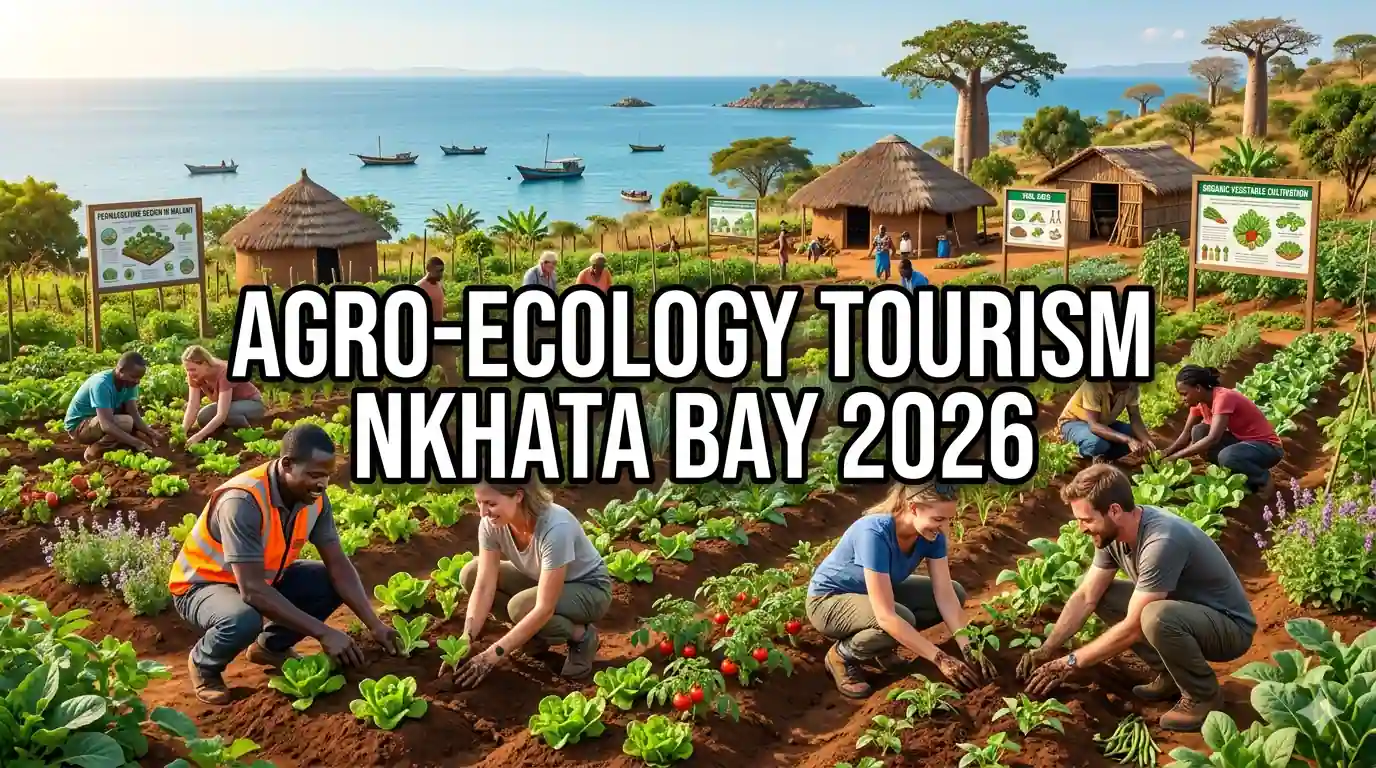
Why 2026 Is the Year of "Agro-Ecology" Tourism: Learning Farms in Nkhata Bay
As travelers increasingly seek meaningful, sustainable, and educational experiences, a transformative travel trend is emerging in 2026: agro-ecology tourism. This immersive approach combines sustainable agriculture, ecological learning, and cultural exchange, inviting visitors to participate in regenerative farming practices while exploring some of the world's most beautiful destinations. Leading this movement in Malawi is Nkhata Bay, a stunning lakeshore town on Lake Malawi where learning farms are revolutionizing how travelers connect with food, land, and local communities.
For conscious travelers tired of passive sightseeing, agro-ecology tourism offers something profound: the opportunity to get your hands in the soil, learn traditional and innovative farming techniques, understand food systems from seed to table, and contribute directly to community resilience—all while experiencing the breathtaking natural beauty of Lake Malawi's northern region. Nkhata Bay's unique combination of fertile highlands, lakeshore ecosystems, vibrant Tonga culture, and pioneering community-based tourism initiatives makes it the perfect laboratory for this transformative travel experience.
This comprehensive guide explores why 2026 marks the breakout year for agro-ecology tourism in Nkhata Bay, profiles the region's most impactful learning farms, details practical information for planning your farm-based Malawi adventure, and reveals how this travel trend benefits both visitors and host communities. From permaculture workshops to traditional fishing techniques, from organic cooking classes to reforestation projects, discover how Nkhata Bay's learning farms offer more than a vacation—they offer a pathway to deeper understanding of sustainability, food sovereignty, and our shared planetary future.
What exactly is agro-ecology tourism?
Agro-ecology tourism combines sustainable agriculture education with travel experiences, inviting visitors to learn about and participate in regenerative farming practices, food systems, and rural livelihoods. Unlike conventional agritourism focused on recreation, agro-ecology tourism emphasizes ecological principles, community empowerment, knowledge exchange, and hands-on learning about sustainable food production within local cultural contexts.
The Rise of Agro-Ecology Tourism: Why 2026 Is the Breakout Year

Several converging global trends explain why agro-ecology tourism is gaining momentum in 2026, with Nkhata Bay positioned at the forefront of this movement.
Climate Consciousness Driving Travel Choices:
As climate impacts become increasingly visible, travelers are seeking experiences that align with environmental values:
• Growing awareness of industrial agriculture's carbon footprint and ecological costs
• Interest in regenerative practices that sequester carbon and restore ecosystems
• Desire to support farming systems resilient to climate variability
• Recognition that food choices have profound environmental implications
Agro-ecology tourism allows travelers to engage directly with solutions rather than just observing problems.
Post-Pandemic Reevaluation of Travel Purpose:
The global pandemic prompted many to reconsider what travel should accomplish:
• Shift from consumption-focused tourism to contribution-focused experiences
• Increased value placed on meaningful human connection and cultural exchange
• Preference for slower, deeper travel over checklist sightseeing
• Interest in skills and knowledge that can be applied at home
Learning farms offer exactly this: purposeful travel that leaves both visitor and host enriched.
Food System Awareness and Culinary Tourism Growth:
Travelers are increasingly curious about where food comes and how it's produced:
• Rising interest in farm-to-table dining and local food cultures
• Concerns about food security, nutrition, and agricultural biodiversity
• Desire to understand traditional knowledge and indigenous farming practices
• Growing appreciation for the stories behind ingredients
Nkhata Bay's learning farms provide immersive access to these conversations through direct experience.
Community-Based Tourism Maturation:
Malawi has invested significantly in developing community-owned tourism models:
• Nkhata Bay's community trusts manage tourism revenues for local development
• Training programs equip residents to host and educate international visitors
• Partnerships with NGOs and development agencies provide technical support
• Success stories demonstrate that tourism can empower rather than exploit
This foundation enables authentic, high-quality agro-ecology experiences.
Digital Connectivity Enabling Niche Travel:
Improved internet access in rural Malawi facilitates discovery and booking:
• Learning farms can market directly to global audiences interested in sustainability
• Travelers can research, compare, and reserve experiences before arrival
• Social media shares amplify awareness of agro-ecology tourism opportunities
• Online communities connect like-minded travelers seeking meaningful experiences
Technology bridges the gap between remote farms and conscious travelers worldwide.
Who's Choosing Agro-Ecology Tourism:
• Eco-conscious millennials and Gen Z travelers seeking purpose-driven experiences
• Families wanting educational, values-aligned vacations for children
• Retirees with time for immersive learning and cultural exchange
• Professionals on sabbatical exploring sustainability careers or lifestyle changes
• Educators and students pursuing experiential learning about food systems
• Gardeners, farmers, and food enthusiasts wanting to expand their knowledge
• Volunteers seeking short-term opportunities to contribute meaningfully
Is agro-ecology tourism the same as farm volunteering?
Not exactly. While both involve farm-based experiences, agro-ecology tourism emphasizes structured learning, cultural exchange, and reciprocal benefit for visitors and hosts. Farm volunteering often focuses on labor contribution with less formal education. Agro-ecology tourism in Nkhata Bay typically includes guided workshops, demonstrations, meals featuring farm produce, and community interactions designed to maximize learning while respecting local time and resources.
Nkhata Bay: The Perfect Setting for Agro-Ecology Learning

Understanding why Nkhata Bay has become a hub for agro-ecology tourism reveals the destination's unique advantages.
Geographic and Ecological Diversity:
Nkhata Bay District offers varied landscapes that support diverse agricultural practices:
• Lakeshore plains: Ideal for vegetable production, fishing, and water management studies
• Escarpment highlands: Suitable for fruit trees, coffee, and terraced farming
• Forest reserves: Opportunities for agroforestry and biodiversity conservation
• Traditional villages: Living laboratories of indigenous knowledge and practices
This ecological variety enables comprehensive learning about different farming systems within a compact area.
Cultural Richness and Knowledge Systems:
The Tonga people of Nkhata Bay possess generations of agricultural wisdom:
• Traditional crop varieties adapted to local conditions
• Indigenous pest management and soil fertility techniques
• Seasonal calendars aligned with ecological rhythms
• Community-based resource management practices
• Culinary traditions that maximize nutrition from local ingredients
Learning farms facilitate respectful exchange of this knowledge with visitors.
Established Community Tourism Infrastructure:
Nkhata Bay has pioneered community-owned tourism models in Malawi:
• Nkhata Bay District Community Tourism Association coordinates experiences
• Revenue-sharing mechanisms ensure benefits reach participating households
• Training programs develop local capacity as guides, hosts, and educators
• Quality standards maintain visitor satisfaction while protecting community interests
This infrastructure supports reliable, high-quality agro-ecology tourism offerings.
Accessibility and Connectivity:
Despite its rural character, Nkhata Bay is reachable for international travelers:
• Road access from Lilongwe (approximately 5-6 hours) or Mzuzu (2 hours)
• Regular minibus and taxi services along the M5 highway
• Growing number of accommodations ranging from budget to mid-range
• Mobile network coverage enabling communication and navigation
• Lake transport connections to islands and other lakeshore destinations
This accessibility makes immersive farm experiences feasible without extreme logistical challenges.
Lake Malawi Context:
The lake itself enhances agro-ecology learning:
• Fish farming and aquaculture demonstrations complement land-based agriculture
• Water resource management connects farming practices to lake health
• Lakeshore ecosystems illustrate interdependence of terrestrial and aquatic systems
• Recreational opportunities (swimming, kayaking, snorkeling) balance work and leisure
The lake setting makes learning about sustainability both practical and pleasurable.
What makes Nkhata Bay different from other agro-tourism destinations?
Nkhata Bay combines authentic community ownership, diverse ecological zones within a compact area, rich Tonga cultural knowledge, Lake Malawi's natural beauty, and established tourism infrastructure. Unlike commercial agritourism focused on entertainment, Nkhata Bay's learning farms emphasize genuine knowledge exchange, ecological education, and mutual benefit—creating deeper, more transformative experiences for conscious travelers.
Featured Learning Farms and Agro-Ecology Experiences in Nkhata Bay

These pioneering initiatives showcase the range of agro-ecology tourism opportunities available:
Mzuzu Organic Farmers Association Learning Center:
Focus: Organic certification, market access, farmer training
Visitor Experience:
• Guided tours of demonstration plots showcasing organic techniques
• Workshops on composting, natural pest management, and seed saving
• Meetings with certified organic farmers sharing their journeys
• Market visits to understand value chains from farm to consumer
• Optional homestay with participating farming families
Best For: Farmers, agricultural professionals, serious sustainability learners
Duration: Half-day tours to multi-day immersive programs
Booking: Contact through Nkhata Bay tourism office or association directly
Lakeview Permaculture Farm:
Focus: Permaculture design, water harvesting, integrated systems
Visitor Experience:
• Introduction to permaculture ethics and design principles
• Hands-on activities: building swales, planting guilds, creating compost
• Lake-view meditation and reflection spaces for contemplative learning
• Farm-to-table meals prepared with harvested ingredients
• Evening discussions on applying permaculture at home
Best For: Gardeners, designers, eco-entrepreneurs, contemplative travelers
Duration: Day workshops or 3-5 day residential courses
Booking: Reserve via farm website or through eco-tourism platforms
Tonga Traditional Agriculture Heritage Project:
Focus: Indigenous knowledge, cultural preservation, intergenerational learning
Visitor Experience:
• Elders share traditional farming calendars and crop varieties
• Participate in seasonal activities: planting, harvesting, processing
• Learn traditional food preparation and preservation techniques
• Visit sacred sites and understand spiritual dimensions of land stewardship
• Cultural performances and storytelling evenings
Best For: Cultural enthusiasts, anthropologists, educators, heritage travelers
Duration: Full-day cultural immersion or multi-day village stays
Booking: Coordinate through community tourism association
Women's Agro-Enterprise Cooperative:
Focus: Gender equity, value addition, small-scale entrepreneurship
Visitor Experience:
• Meet women farmers leading sustainable agriculture initiatives
• Learn about processing crops into value-added products (jams, oils, dried foods)
• Participate in business skills workshops adapted for rural contexts
• Purchase directly from producers, supporting women's economic empowerment
• Shared meals and conversations about gender, agriculture, and development
Best For: Social entrepreneurs, gender advocates, development professionals
Duration: Half-day visits or full-day immersive experiences
Booking: Arrange through cooperative or tourism facilitators
Lakeshore Agroforestry Demonstration Site:
Focus: Tree-crop integration, erosion control, climate resilience
Visitor Experience:
• Explore diverse agroforestry systems combining trees, crops, and livestock
• Learn about native tree species and their ecological functions
• Participate in tree planting or nursery activities (seasonal)
• Understand connections between land management and lake health
• Hike through demonstration plots with panoramic lake views
Best For: Conservationists, foresters, climate-focused travelers
Duration: Half-day guided tours or full-day workshops
Booking: Contact through environmental NGOs or tourism office
Community Fish Farming Initiative:
Focus: Aquaculture, protein security, water resource management
Visitor Experience:
• Tour community-managed fish ponds and learn tilapia farming techniques
• Understand integration of fish farming with vegetable production
• Participate in feeding, monitoring, or harvesting activities
• Learn about sustainable fishing practices in Lake Malawi
• Enjoy freshly prepared fish meals as part of the experience
Best For: Aquaculture enthusiasts, nutrition advocates, food systems learners
Duration: Half-day visits or combined farm-fish full-day experiences
Booking: Coordinate through community tourism structures
Which learning farm is best for first-time agro-tourism visitors?
Lakeview Permaculture Farm offers the most accessible introduction to agro-ecology tourism, with structured workshops, comfortable facilities, English-speaking facilitators, and flexible duration options. The combination of hands-on activities, beautiful lake views, and farm-to-table meals provides a balanced, engaging experience without overwhelming beginners. For cultural depth, the Tonga Traditional Agriculture Heritage Project offers unparalleled insights into indigenous knowledge systems.
Planning Your Agro-Ecology Tourism Experience in Nkhata Bay

Strategic preparation ensures a rewarding and responsible farm-based Malawi adventure.
When to Visit:
Dry Season (May-October): Ideal for agro-ecology tourism
• Pleasant temperatures (20-28°C / 68-82°F) for outdoor activities
• Minimal rainfall reduces disruption to farm visits and workshops
• Harvest season for many crops—opportunities to participate in gathering
• Peak tourism period—book learning farm experiences 2-3 months ahead
• Excellent lake conditions for combining farm learning with water activities
Wet Season (November-April): Consider carefully
• Hot and humid with heavy rainfall, especially January-March
• Planting season—unique opportunities to learn about seasonal agriculture
• Lush, green landscapes and fewer tourists
• Potential for travel disruptions due to road conditions
• Some farm activities may be limited by weather
If visiting during wet season, pack rain gear and maintain flexible expectations.
Getting to Nkhata Bay:
From Lilongwe (Capital City):
• Road: Minibus or private taxi via M1 and M5 highways (5-6 hours, $15-40)
• Scenic route passes through diverse landscapes and rural communities
• Consider breaking journey with overnight stop in Mzuzu
• Private transfers can be arranged through tour operators or accommodations
From Mzuzu (Northern Regional Capital):
• Road: Minibus or taxi along M5 highway (approximately 2 hours, $5-15)
• More frequent transport options than from Lilongwe
• Mzuzu offers additional services and connections if needed
From Chileka International Airport (Blantyre):
• Road: Long journey (8-10 hours); consider overnight stop
• Alternative: Fly to Lilongwe or Mzuzu first, then continue to Nkhata Bay
Local Transport in Nkhata Bay:
• Walking: Town center and nearby farms accessible on foot
• Bicycle rental: Affordable way to explore lakeshore and surrounding areas
• Minibus/taxi: For reaching more distant learning farms
• Boat transport: For lake-based activities or island visits
Accommodation Options:
Budget ($15-35/night):
• Backpacker hostels with dorm beds and basic private rooms
• Community-run guesthouses supporting local livelihoods
• Camping at designated sites near lake or farms
• Ideal for solo travelers and those prioritizing farm time over luxury
Mid-Range ($40-80/night):
• Lakeshore lodges with comfortable rooms and lake views
• Eco-lodges incorporating sustainable design and practices
• Family-run guesthouses with personalized service and local meals
• Good balance of comfort and value for most agro-tourism visitors
Immersive Options:
• Farm stays: Sleep on participating learning farms for deepest immersion
• Village homestays: Experience daily life with Tonga families
• These options often include meals and activities in the price
• Book well in advance; limited capacity ensures authentic experiences
What to Pack:
Essential Items:
• Lightweight, breathable clothing for tropical climate
• Long sleeves and pants for sun protection and farm work
• Sturdy closed-toe shoes for farm activities and hiking
• Wide-brimmed hat, sunglasses, and high-SPF sunscreen
• Insect repellent (malaria prophylaxis recommended—consult doctor)
• Reusable water bottle (tap water not safe to drink; lodges provide treated water)
• Small backpack for daily farm visits and excursions
• Rain jacket or poncho (especially if traveling November-April)
• Basic first aid supplies and personal medications
Optional but Useful:
• Gardening gloves for hands-on farm activities
• Notebook and pen for recording observations and insights
• Camera for documenting experiences (ask permission before photographing people)
• Swimsuit and quick-dry towel for lake activities
• Light jacket for cool evenings near the lake
• Small gifts for host families (school supplies, seeds, or items from your home region)
Budget Considerations:
• Learning farm experiences: $10-30 for half-day; $30-75 for full-day workshops
• Multi-day immersive programs: $100-300 including accommodation and meals
• Accommodation: $15-80/night depending on standard
• Meals: $5-15 at local restaurants; included in many farm experiences
• Local transport: $1-10 per trip depending on distance and mode
• Activities: Lake tours, kayaking, village visits $10-25
• Overall daily budget: $40-100 for budget to mid-range agro-tourism experience
• Tip: Many learning farms offer sliding scale pricing; inquire about options
Do I need special skills or fitness for agro-ecology tourism?
No prior farming experience is required—learning farms welcome beginners and tailor activities to participants' abilities. Most experiences involve light to moderate physical activity (walking, planting, harvesting) suitable for average fitness levels. If you have mobility limitations, communicate when booking; many farms can adapt activities. Enthusiasm, curiosity, and respect for local knowledge matter far more than agricultural expertise.
What You'll Learn: Core Agro-Ecology Topics in Nkhata Bay

Agro-ecology tourism in Nkhata Bay offers rich educational content across multiple dimensions of sustainable food systems.
Soil Health and Regenerative Practices:
• Understanding soil as living ecosystem, not just growing medium
• Composting techniques: hot compost, vermicompost, bokashi methods
• Natural soil amendments: biochar, green manures, rock dust
• Minimal tillage approaches to preserve soil structure and biology
• Cover cropping and crop rotation for fertility and pest management
• Practical skills you can apply in home gardens or farms
Water Management in Tropical Climates:
• Rainwater harvesting systems for dry season irrigation
• Swales, contour planting, and keyline design for water retention
• Drip irrigation and efficient watering techniques
• Understanding watershed dynamics connecting farms to Lake Malawi
• Traditional Tonga water knowledge and modern adaptations
• Climate-resilient strategies for variable rainfall patterns
Biodiversity and Polyculture Systems:
• Benefits of growing diverse crops versus monocultures
• Companion planting and guild design for mutual benefit
• Integrating trees, crops, and animals in agroforestry systems
• Preserving indigenous crop varieties and agricultural biodiversity
• Habitat creation for beneficial insects and wildlife
• Ecological pest management without synthetic chemicals
Traditional Knowledge and Cultural Context:
• Tonga agricultural calendars aligned with ecological rhythms
• Indigenous crop varieties adapted to local conditions
• Community-based resource management and decision-making
• Spiritual and cultural dimensions of land stewardship
• Intergenerational knowledge transfer and preservation
• Respectful exchange: learning from rather than extracting from communities
Food Processing and Value Addition:
• Traditional preservation methods: drying, fermenting, smoking
• Small-scale processing equipment and techniques
• Turning surplus produce into marketable products
• Nutrition maximization through diverse, minimally processed foods
• Business skills for rural entrepreneurs: pricing, marketing, record-keeping
• Connecting production to consumption in sustainable food systems
Climate Adaptation and Resilience:
• Observing climate impacts on local agriculture and ecosystems
• Strategies farmers use to manage variability and extremes
• Early warning systems and adaptive decision-making
• Carbon sequestration through regenerative practices
• Community approaches to climate risk reduction
• Hope and agency: solutions-focused perspectives on climate challenges
Applying Learning at Home:
• Adapting tropical techniques to your home climate and context
• Starting small: container gardening, community plots, balcony farms
• Connecting with local food systems and sustainable agriculture networks
• Advocating for policy changes supporting agro-ecology
• Sharing knowledge within your community
• Continuing the journey: resources for ongoing learning
Will I get to eat food from the farms I visit?
Absolutely! Farm-to-table meals are a highlight of agro-ecology tourism in Nkhata Bay. Many learning farms include lunches or dinners prepared with freshly harvested ingredients, often featuring traditional Tonga recipes. You may participate in harvesting vegetables, grinding maize, or preparing meals alongside hosts—deepening your connection to food while enjoying delicious, nutritious cuisine. Dietary restrictions can usually be accommodated with advance notice.
Responsible Participation: Ethics of Agro-Ecology Tourism

Engaging respectfully ensures agro-ecology tourism benefits both visitors and host communities.
Principles for Ethical Engagement:
• Reciprocity: Approach learning as exchange, not extraction. Share your knowledge and perspectives while receiving others'.
• Respect: Honor local customs, time, and decision-making. Ask before photographing people or sacred sites.
• Humility: Recognize that traditional knowledge holds value equal to formal education. Listen more than you speak.
• Patience: Rural life moves at different rhythms. Embrace "African time" as part of the experience.
• Contribution: Ensure your visit generates fair compensation for hosts' time and expertise.
• Sustainability: Minimize your environmental footprint: conserve water, manage waste, respect ecosystems.
Practical Guidelines:
• Book through established community tourism structures that ensure fair revenue distribution
• Pay agreed prices without haggling over experiences that support livelihoods
• Bring small, useful gifts if staying with families (school supplies, seeds, photos from home)
• Learn basic Chichewa or Tonga greetings: "Moni" (hello), "Zikomo" (thank you)
• Dress modestly, especially in villages: cover shoulders and knees
• Ask permission before joining activities or taking photographs
• Follow farm safety instructions and respect boundaries
• Leave no trace: carry out all waste, stay on designated paths
• Share your experience thoughtfully: credit hosts, avoid stereotyping, focus on learning
What to Avoid:
• "Poverty tourism": Don't treat communities as spectacles. Focus on knowledge exchange, not pity.
• Unsolicited advice: Avoid telling farmers how to improve practices unless invited to share.
• Over-promising: Don't commit to follow-up support you can't deliver.
• Cultural appropriation: Appreciate traditions without claiming or commodifying them.
• Environmental harm: Don't introduce non-native seeds, disturb wildlife, or pollute water sources.
• Exploitative photography: Never photograph people without consent, especially children.
Maximizing Positive Impact:
• Choose experiences that employ and train local residents
• Purchase crafts and products directly from producers at fair prices
• Provide constructive feedback to help hosts improve visitor experiences
• Share your experience through reviews and word-of-mouth to support sustainable tourism
• Consider longer stays or repeat visits to deepen relationships and impact
• Advocate for agro-ecology and community tourism in your home community
• Support organizations working on food sovereignty and rural development
How do I know if a learning farm is ethically operated?
Look for farms affiliated with the Nkhata Bay District Community Tourism Association or reputable NGOs, transparent about revenue sharing, employing local residents, and welcoming visitor questions about their practices. Ethical farms prioritize community benefit over tourist entertainment, adapt activities to local capacity, and facilitate genuine knowledge exchange. When in doubt, ask directly about how tourism revenues support the community—reputable operators will answer openly.
Sample Itineraries for Agro-Ecology Tourism in Nkhata Bay

These ready-to-use itineraries help you design your farm-based Malawi adventure:
3-Day Introduction to Agro-Ecology:
Best for: First-time agro-tourism visitors, limited time
Base: Lakeshore lodge in Nkhata Bay town
Day 1: Arrival and Orientation
• Morning: Arrive Nkhata Bay, settle into accommodation
• Afternoon: Guided walk through town, visit local market
• Evening: Welcome dinner featuring lake fish and local vegetables
• Reflection: Journal about expectations and learning goals
Day 2: Permaculture Immersion
• Morning: Lakeview Permaculture Farm workshop (soil health, water harvesting)
• Lunch: Farm-to-table meal prepared with harvested ingredients
• Afternoon: Hands-on activity (planting, composting, or guild building)
• Late afternoon: Lake swim or kayak to balance work and leisure
• Evening: Group discussion on applying permaculture principles at home
Day 3: Traditional Knowledge and Departure
• Morning: Tonga Traditional Agriculture Heritage Project visit
• Learn about indigenous crops, seasonal calendars, cultural practices
• Participate in traditional food preparation
• Afternoon: Free time for souvenir shopping or lake relaxation
• Departure or extend stay for deeper immersion
5-Day Deep Dive Agro-Ecology Experience:
Best for: Serious learners, gardeners, sustainability professionals
Base: Mix of lodge and farm stay
Days 1-2: Foundations
• Arrival and orientation to Nkhata Bay and agro-ecology principles
• Mzuzu Organic Farmers Association learning center visit
• Workshops on composting, natural pest management, seed saving
• Evening: Community meal and storytelling
Days 3-4: Immersion
• Farm stay with participating family or permaculture residential program
• Full participation in daily farm rhythms: planting, tending, harvesting
• Specialized workshops based on interests (agroforestry, aquaculture, value addition)
• Cultural exchange: language lessons, traditional cooking, village exploration
• Lake activities for balance and reflection
Day 5: Integration and Application
• Morning: Visit Women's Agro-Enterprise Cooperative
• Learn about processing, marketing, and rural entrepreneurship
• Afternoon: Personal reflection and action planning
• Group sharing: commitments for applying learning at home
• Farewell dinner and departure
7-Day Comprehensive Agro-Ecology and Culture Journey:
Best for: Extended travelers, educators, researchers
Base: Rotating between town, farms, and village homestay
Structure:
• Days 1-2: Orientation and permaculture foundations
• Days 3-4: Traditional knowledge and cultural immersion
• Days 5-6: Specialized topics (choose focus: soil, water, biodiversity, enterprise)
• Day 7: Integration, action planning, and community celebration
Highlights:
• Multiple learning farms and perspectives
• Homestay experience for deepest cultural connection
• Time for personal projects or research
• Lake activities and relaxation integrated throughout
• Final community gathering to share learnings and celebrate exchange
Customization Tips:
• Mix and match elements from different itineraries based on interests
• Extend time at farms that particularly resonate with you
• Add lake activities, village visits, or cultural experiences as desired
• Adjust pace: some travelers prefer intensive learning; others want more reflection time
• Coordinate with hosts in advance to align activities with seasonal farm rhythms
Can I customize my agro-ecology itinerary?
Absolutely! Learning farms in Nkhata Bay welcome personalized requests. Whether you want to focus on soil health, traditional crops, women's enterprise, or climate adaptation, hosts can often tailor workshops and activities. Communicate your interests when booking, and be open to suggestions based on seasonal opportunities and community priorities. Flexibility enhances the authenticity and value of your experience.
Final Thoughts: Growing Connections Through Agro-Ecology Tourism
As 2026 unfolds, agro-ecology tourism in Nkhata Bay represents more than a travel trend—it embodies a fundamental reimagining of what tourism can accomplish. By inviting travelers to learn with rather than observe, to contribute rather than consume, and to connect across cultures through shared concern for land and food, these learning farms offer a pathway to more meaningful, sustainable, and transformative travel.
For visitors, the rewards are profound: practical skills for growing food, deeper understanding of ecological relationships, appreciation for indigenous knowledge, and personal connections that transcend borders. For Nkhata Bay communities, agro-ecology tourism generates income, validates traditional practices, builds capacity, and strengthens pride in cultural heritage. For the planet, every traveler who learns regenerative practices and shares that knowledge multiplies the impact of sustainable agriculture.
The timing is urgent and opportune. As climate challenges intensify and food systems face unprecedented pressures, the wisdom of agro-ecology—blending traditional knowledge with ecological science—offers hope. Nkhata Bay's learning farms demonstrate that this wisdom isn't abstract theory; it's living practice, accessible to anyone willing to get their hands in the soil and their hearts open to exchange.
Whether you spend three days or three weeks, whether you focus on permaculture design or traditional Tonga crops, whether you travel alone or with family, your participation in agro-ecology tourism contributes to a larger movement: one that values knowledge over spectacle, reciprocity over extraction, and long-term resilience over short-term convenience.
Lake Malawi's northern shores await—not just with breathtaking beauty, but with fertile ground for learning, growing, and connecting. The farms are ready. The teachers are welcoming. The lessons are timeless.
Your hands in the soil, your mind open to wisdom, your heart ready for exchange: this is agro-ecology tourism in Nkhata Bay. This is travel that transforms.
Come learn. Come grow. Come connect.
0 Comments