.webp)
.webp)
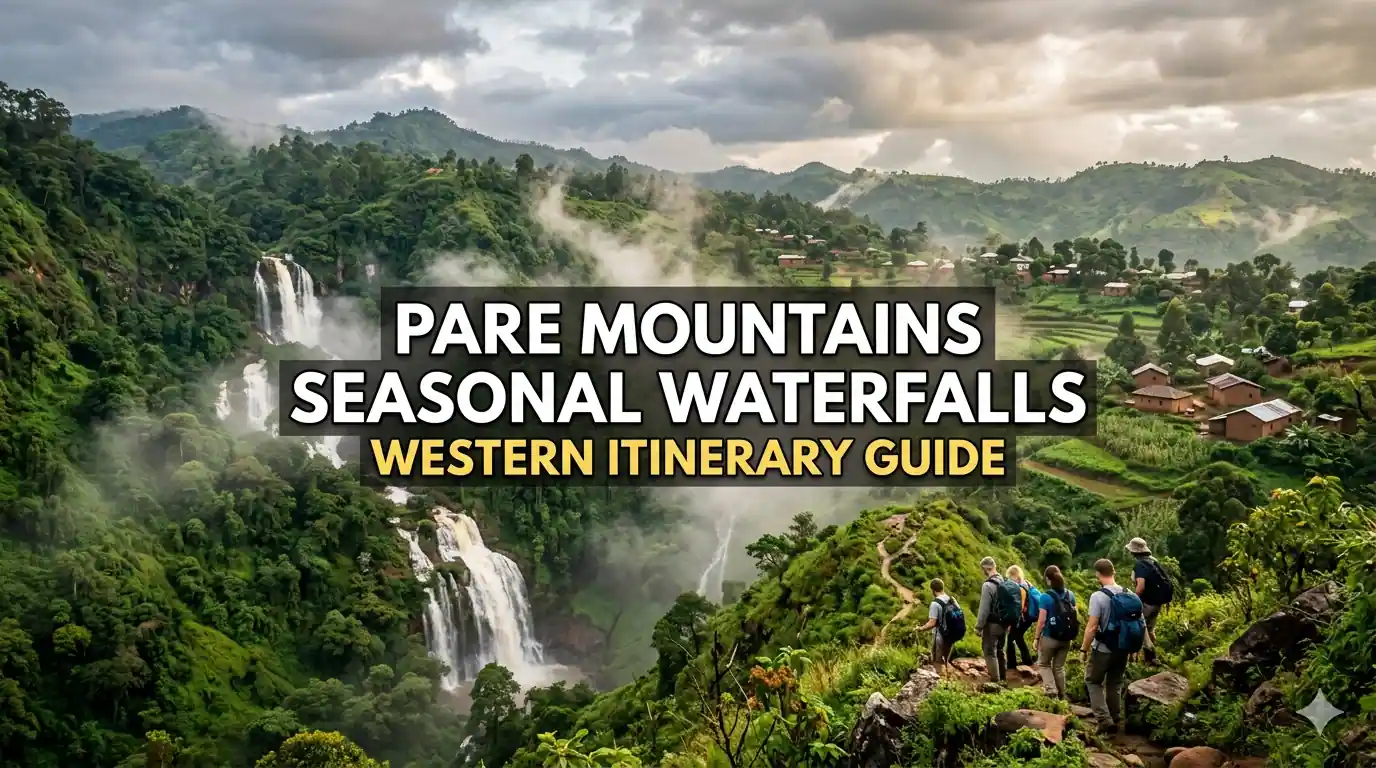
Discovering the Pare Mountains Hidden Waterfall Treasures
The Pare Mountains rise dramatically in northeastern Tanzania as part of the ancient Eastern Arc chain. These biodiverse highlands harbor spectacular seasonal waterfalls that transform the landscape during rainy periods.
Western slopes of the Pare Mountains receive substantial rainfall creating numerous cascading waterfalls. These natural wonders remain relatively undiscovered by mass tourism offering authentic adventure experiences.
Seasonal waterfalls appear primarily during and after rainy seasons from March through May and October through December. Timing your visit correctly ensures witnessing these spectacular natural displays at their peak flow.
The western itinerary provides access to the most impressive waterfall systems while connecting traditional Pare villages. This route combines natural beauty with rich cultural encounters and biodiversity exploration.
Understanding seasonal patterns route options and local logistics enables successful waterfall exploration. This comprehensive guide reveals everything needed for exploring the Pare Mountains spectacular seasonal waterfalls.
Understanding Seasonal Waterfall Patterns

Pare Mountains waterfalls exhibit dramatic seasonal variations in flow and accessibility. Long rains from March through May create the most spectacular waterfall displays with maximum water volume.
Short rains October through December produce secondary waterfall peaks though generally less dramatic than long rains. These periods offer good viewing with potentially easier trail conditions.
Dry seasons June through September and January through February see reduced waterfall flow. Some smaller cascades may disappear entirely though major falls maintain year-round flow.
Rainfall distribution varies significantly between North Pare and South Pare regions. Western slopes generally receive more precipitation than eastern areas creating more reliable waterfall systems.
Elevation affects waterfall seasonality with higher elevations maintaining flow longer into dry periods. Planning routes that incorporate elevation variations extends waterfall viewing opportunities.
Climate change impacts rainfall patterns making timing less predictable than historically. Building flexibility into itineraries accommodates variable conditions and maximizes waterfall encounters.
Western Itinerary Overview and Route Planning

The western Pare Mountains itinerary typically spans five to seven days depending on pace and interests. This route prioritizes waterfall viewing while incorporating cultural experiences and biodiversity exploration.
Starting points include Same town for South Pare or Vudee for North Pare access. Transportation from Arusha or Moshi requires four to six hours depending on road conditions.
Western slopes feature steeper terrain creating more dramatic waterfall drops. Trails ascend from lower elevations around eight hundred meters to peaks exceeding two thousand meters.
Daily hiking distances range from eight to fifteen kilometers with elevation gains of four hundred to eight hundred meters. Fitness level should accommodate sustained mountain trekking.
Route options allow customization based on time availability and waterfall priorities. Core western itinerary includes minimum three major waterfall systems with village homestays between trekking days.
Guide services are highly recommended for navigation safety and cultural interpretation. Local guides possess intimate knowledge of waterfall locations seasonal access and community protocols.
Day One Arrival and Lower Slope Waterfalls

Begin your western Pare itinerary with arrival at Same or designated starting village. Morning arrivals allow afternoon exploration of lower elevation waterfalls near trailheads.
Kiverenge Waterfall near Same provides an accessible introduction to Pare waterfall systems. This moderate hike requires two to three hours round trip with rewarding cascades.
Lower slope waterfalls typically maintain flow year-round fed by spring sources. These introductory falls build anticipation for higher elevation spectacles while allowing acclimatization.
Afternoon village orientation sessions introduce local culture and trekking protocols. Meeting village elders and guides establishes relationships crucial for successful mountain exploration.
Evening preparations include gear checks guide meetings and route briefings. Early nights ensure rested bodies for demanding mountain trekking beginning the following day.
Accommodation in village guesthouses or homestays provides authentic cultural immersion. These arrangements support local economies while offering comfortable rest before mountain adventures.
Day Two Ascent to Mid Elevation Cascades

Second day involves ascending to mid-elevation zones where seasonal waterfalls create spectacular displays. Early starts around seven in the morning maximize daylight for hiking.
Trails pass through diverse vegetation zones from cultivated lower slopes to montane forest. This ecological transition supports different waterfall types and viewing experiences.
Mid-elevation waterfalls often feature multiple tiers creating complex cascading systems. These formations provide excellent photography opportunities with varied compositional possibilities.
Lunch stops at traditional villages along routes offer cultural exchange and local cuisine. Pare communities welcome trekkers with hospitality sharing food and stories.
Afternoon hiking continues to designated campsites or village accommodations. Total daily elevation gain typically reaches six hundred meters requiring steady pacing.
Evening discussions with guides reveal ecological and cultural significance of waterfall areas. Local knowledge enhances appreciation for these natural and cultural landscapes.
Day Three High Elevation Waterfall Spectacles

Third day reaches the itinerary highlight with high elevation waterfall systems. These spectacular cascades represent the Pare Mountains most impressive seasonal water displays.
Mwanga Waterfall system in North Pare features dramatic drops exceeding one hundred meters. Multiple viewing platforms provide different perspectives on these powerful cascades.
High elevation waterfalls benefit from orographic rainfall creating reliable flow during wet seasons. Mist and spray create rainbow opportunities particularly in morning light.
Challenging terrain requires careful navigation with guide assistance essential. Rocky paths and stream crossings demand attention and proper footwear.
Extended time at waterfall sites allows photography rest and contemplation. These remote locations offer peaceful immersion in natural beauty away from crowds.
Descent to lower elevation accommodations begins mid-afternoon ensuring daylight arrival. Total hiking time reaches eight to ten hours requiring good fitness levels.
Day Four Cultural Villages and Hidden Cascades

Fourth day balances waterfall exploration with cultural immersion in traditional Pare villages. This combination provides holistic understanding of mountain landscapes and communities.
Hidden cascades near villages offer intimate waterfall experiences without strenuous hiking. These local secrets known primarily to residents provide authentic discoveries.
Village tours reveal traditional Pare architecture agricultural practices and daily life. Cultural exchanges deepen appreciation for communities stewarding these mountain environments.
Local guides share stories connecting waterfalls to Pare mythology and spiritual beliefs. These narratives add meaningful context to natural features enhancing visitor understanding.
Afternoon options include shorter waterfall hikes craft workshops or rest time. Flexible scheduling accommodates different interests and energy levels within groups.
Evening cultural performances featuring traditional Pare music and dance celebrate mountain heritage. These experiences support cultural preservation while entertaining visitors.
Day Five Descent and Departure

Final itinerary day involves descent to trailheads with optional morning waterfall visits. Gentle pacing allows reflection on mountain experiences before departure.
Lower elevation waterfalls visited on descent often differ character from highland falls. Comparing these systems illustrates elevation effects on waterfall formation and flow.
Farewell ceremonies with village hosts and guides honor relationships formed during trekking. These moments acknowledge hospitality and cultural exchange that enriched the journey.
Transportation arrangements return travelers to Same Arusha or onward destinations. Afternoon departures allow same-day connections to other Tanzanian destinations.
Post-trek reflection sessions help process experiences and plan future adventures. Journaling waterfall encounters preserves memories and insights from Pare Mountains exploration.
Feedback to guides and village hosts supports continuous improvement of community-based tourism. Constructive input helps refine experiences for future visitors while respecting local perspectives.
Essential Gear and Equipment for Waterfall Trekking

Proper gear significantly impacts safety and enjoyment during Pare Mountains waterfall trekking. Mountain conditions demand specific equipment beyond standard hiking gear.
Waterproof hiking boots with excellent traction prove essential for wet slippery conditions. Stream crossings and waterfall spray create consistently damp trail surfaces.
Rain gear including jacket and pants protects against sudden mountain weather changes. Pare Mountains generate localized rainfall even during generally dry periods.
Quick-dry clothing layers accommodate temperature variations from valley heat to mountain cool. Moisture-wicking fabrics prevent chilling from waterfall spray and perspiration.
Waterproof bags or dry sacks protect cameras electronics and dry clothing. Waterfall photography requires equipment protection from constant mist and spray exposure.
Trekking poles enhance stability on steep slippery terrain reducing knee stress. Poles prove particularly valuable during stream crossings and descent sections.
Best Times to Visit for Optimal Waterfall Viewing

Timing Pare Mountains visits around seasonal rainfall maximizes waterfall viewing experiences. Understanding precipitation patterns enables strategic trip planning.
April and May during peak long rains offer maximum waterfall flow and drama. These months guarantee spectacular cascades though trails prove most challenging.
June provides excellent compromise with strong waterfall flow and improving trail conditions. Recent rains maintain impressive displays while accessibility increases.
November during short rains offers secondary waterfall peak with generally easier conditions. This period suits travelers seeking waterfalls without extreme wet season challenges.
December and January present moderate waterfall flow with most accessible trails. Smaller cascades may diminish though major falls maintain impressive displays.
Photography enthusiasts often prefer June or November balancing water volume with light quality. Clearer skies during these periods enhance photographic opportunities.
Accommodation Options Along Western Routes

Western Pare Mountains offer varied accommodation from basic village homestays to comfortable lodges. Choices affect both budget and cultural immersion levels.
Village homestays provide authentic cultural experiences supporting local communities directly. These arrangements typically cost ten to twenty dollars per night including meals.
Basic guesthouses in larger villages offer private rooms with shared facilities. Prices range fifteen to thirty dollars nightly providing comfortable rest between trekking days.
Camping options exist for self-sufficient trekkers preferring wilderness experiences. Designated campsites require permission and often guide arrangement costing five to ten dollars.
Lodge accommodation in Same or larger towns provides hotel-style comfort before and after trekking. These facilities cost forty to eighty dollars nightly with full amenities.
Booking homestays through village guides ensures proper arrangements and fair pricing. Advance coordination guarantees availability particularly during peak trekking seasons.
Local Guide Services and Community Tourism

Local guides prove essential for successful Pare Mountains waterfall exploration. Their knowledge navigation skills and cultural connections enhance every aspect of trekking.
Guide fees typically range thirty to fifty dollars daily depending on experience and group size. This investment ensures safety cultural interpretation and community benefit.
Community-based tourism initiatives channel visitor spending directly to Pare villages. These programs prioritize local livelihoods alongside visitor experience quality.
Guide training programs develop local capacity for professional tourism services. Supporting trained guides contributes to sustainable community development.
Porter services available for those preferring not to carry full packs. Hiring porters costs ten to fifteen dollars daily providing employment while lightening your load.
Cook services prepare meals during multi-day treks using local ingredients. These arrangements cost additional twenty to thirty dollars daily including food expenses.
Food and Nutrition During Mountain Trekking

Adequate nutrition sustains energy for demanding Pare Mountains waterfall trekking. Meal planning balances local availability with nutritional requirements.
Village homestays typically include traditional Pare meals featuring ugali vegetables and occasionally meat. These hearty dishes provide necessary calories for mountain activity.
Packing energy snacks like nuts dried fruit and chocolate supplements village meals. Familiar snacks boost morale and provide quick energy during long hiking days.
Hydration proves critical with minimum three liters daily water intake recommended. Water sources along trails require treatment through filtration or purification tablets.
Local fruits including bananas papayas and oranges provide vitamins and variety. Village markets offer affordable fresh produce enhancing meal nutrition.
Special dietary requirements should be communicated to guides before trekking begins. Advance notice enables appropriate meal planning and ingredient sourcing.
Safety Considerations for Waterfall Exploration

Pare Mountains waterfall trekking involves inherent risks requiring careful management. Understanding hazards and precautions ensures safe enjoyable experiences.
Slippery rocks near waterfalls demand extreme caution and proper footwear. Never approach waterfall edges without guide approval and careful assessment.
Flash flooding poses serious risks during heavy rainfall periods. Guides monitor weather conditions adjusting itineraries to avoid dangerous situations.
Stream crossings require careful evaluation of depth current and footing. Trekking poles provide stability while crossing flowing water during wet seasons.
Altitude effects though moderate in Pare Mountains can impact some trekkers. Gradual ascent profiles and adequate hydration minimize altitude-related issues.
Emergency evacuation plans should be discussed with guides before trekking begins. Understanding procedures and communication methods prepares groups for unexpected situations.
Cultural Etiquette and Village Protocols

Respecting Pare cultural norms enhances visitor experiences and community relationships. Understanding etiquette demonstrates appreciation for host communities.
Greeting village elders and requesting permission before entering areas shows respect. Pare culture values proper protocols and hierarchical relationships.
Photographing people requires explicit permission particularly in rural villages. Some individuals decline photography for cultural or personal reasons that must be respected.
Dress modestly particularly when visiting villages and meeting community members. Covering shoulders and knees aligns with local cultural expectations.
Gift-giving to villages should be coordinated through guides to ensure appropriateness. Well-intentioned gifts can create unintended problems without cultural context.
Learning basic Swahili greetings facilitates positive interactions with Pare communities. Simple efforts at communication demonstrate respect and build rapport.
Photography Tips for Seasonal Waterfalls

Pare Mountains waterfalls offer exceptional photography opportunities requiring specific techniques. Mastering waterfall photography enhances memory preservation and sharing.
Early morning light creates optimal conditions with softer illumination and potential mist effects. Golden hour photography captures waterfalls in magical atmospheric conditions.
Polarizing filters reduce glare on wet rocks and water surfaces enhancing colors. These filters prove particularly valuable for waterfall photography in bright conditions.
Tripods or stable surfaces enable long exposures creating silky water effects. Slow shutter speeds transform cascading water into smooth ethereal flows.
Protecting equipment from waterfall spray requires waterproof bags or covers. Constant mist near falls threatens cameras and lenses without proper protection.
Varying compositions from wide landscape views to intimate details creates diverse portfolios. Multiple perspectives tell complete stories of waterfall environments.
Environmental Conservation and Responsible Trekking

Pare Mountains ecosystems require protection through responsible visitor behavior. Conservation-minded trekking preserves these treasures for future generations.
Staying on established trails prevents erosion and vegetation damage. Shortcutting switchbacks accelerates environmental degradation on mountain slopes.
Packing out all trash including biodegradable items protects mountain environments. Leave-no-trace principles apply even in remote waterfall areas.
Respecting wildlife viewing distances prevents stress to mountain species. Pare Mountains host unique biodiversity requiring careful observation practices.
Using established campsites and fire rings minimizes environmental impact. Dispersed camping damages vegetation and creates lasting scars on landscapes.
Supporting conservation initiatives through guide fees and donations funds protection efforts. Visitor contributions directly support Pare Mountains preservation.
Transportation Logistics to Western Pare

Reaching western Pare Mountains requires planning transportation from major Tanzanian cities. Understanding options enables smooth journey beginnings and endings.
Daladala buses from Arusha or Moshi to Same cost ten to fifteen dollars taking four to six hours. These local buses provide authentic travel experiences though comfort is basic.
Private transfers offer convenience and flexibility at higher costs of one hundred to one hundred fifty dollars. Groups often find private transport cost-effective and time-efficient.
Same town serves as primary gateway to both North and South Pare Mountains. This regional center provides supplies guides and final trekking preparations.
Local transport from Same to trailhead villages requires additional arrangement. Guides typically coordinate motorcycle taxi or vehicle transport to mountain access points.
Return transportation should be arranged before beginning mountain treks. Confirming pickup times and locations prevents post-trekking logistical complications.
Cost Breakdown for Pare Mountains Waterfall Trekking

Understanding Pare Mountains trekking costs enables accurate budget planning. Expenses vary based on group size service level and trip duration.
Guide services represent the largest single expense at thirty to fifty dollars daily. This investment ensures safety cultural interpretation and community benefit.
Accommodation costs range from ten dollars for homestays to eighty dollars for lodges. Mid-range budgets typically allocate twenty to thirty dollars nightly.
Food expenses average fifteen to twenty-five dollars daily including village meals and snacks. Local food proves affordable while providing necessary trekking nutrition.
Transportation to and from Pare Mountains costs twenty to one hundred fifty dollars depending on method. Budget travelers use daladalas while comfort seekers choose private transfers.
Total five-day western itinerary typically costs three hundred to six hundred dollars per person. This range reflects service choices group size and accommodation preferences.
Connecting Pare Mountains to Broader Tanzania Itineraries
Pare Mountains waterfall trekking integrates well with broader Tanzanian travel plans. Strategic sequencing maximizes experiences while minimizing backtracking.
Combining Pare visit with Kilimanjaro trekking or safari creates diverse Tanzania experiences. The mountains offer cultural and natural contrast to wildlife-focused itineraries.
Eastern Arc Mountains circuit could include Uluguru or Udzungwa Mountains after Pare. This thematic itinerary explores Tanzania's remarkable mountain biodiversity.
Coastal extensions to Tanga or Zanzibar provide beach relaxation after mountain trekking. Contrasting landscapes create balanced Tanzania travel experiences.
Arusha serves as convenient hub for Pare Mountains access and onward travel. Most international visitors pass through Arusha making Pare integration logistically simple.
Allowing buffer days before international flights prevents trekking delays from causing travel disruptions. Flexible scheduling accommodates mountain weather variability.
Conclusion Embracing Pare Mountains Waterfall Adventures
The Pare Mountains seasonal waterfalls offer extraordinary experiences for adventurous travelers seeking authentic Tanzanian mountain exploration. Western slopes provide spectacular cascades cultural encounters and biodiversity.
Timing visits around rainy seasons ensures impressive waterfall displays while understanding route logistics enables successful trekking. Proper preparation transforms challenging mountain terrain into rewarding adventure.
Community-based tourism approaches support Pare villages while providing visitors meaningful cultural exchanges. Responsible trekking practices preserve these mountain environments for future generations.
Western Pare itinerary reveals waterfalls hidden cascades and traditional villages rarely experienced by typical Tanzania tourists. This off-the-beaten-path destination rewards intrepid explorers with unforgettable mountain memories.
Your Pare Mountains waterfall adventure contributes to conservation cultural preservation and community development. By visiting respectfully and supporting local guides you help ensure these spectacular seasonal waterfalls remain accessible treasures for years to come.
0 Comments