.webp)
.webp)
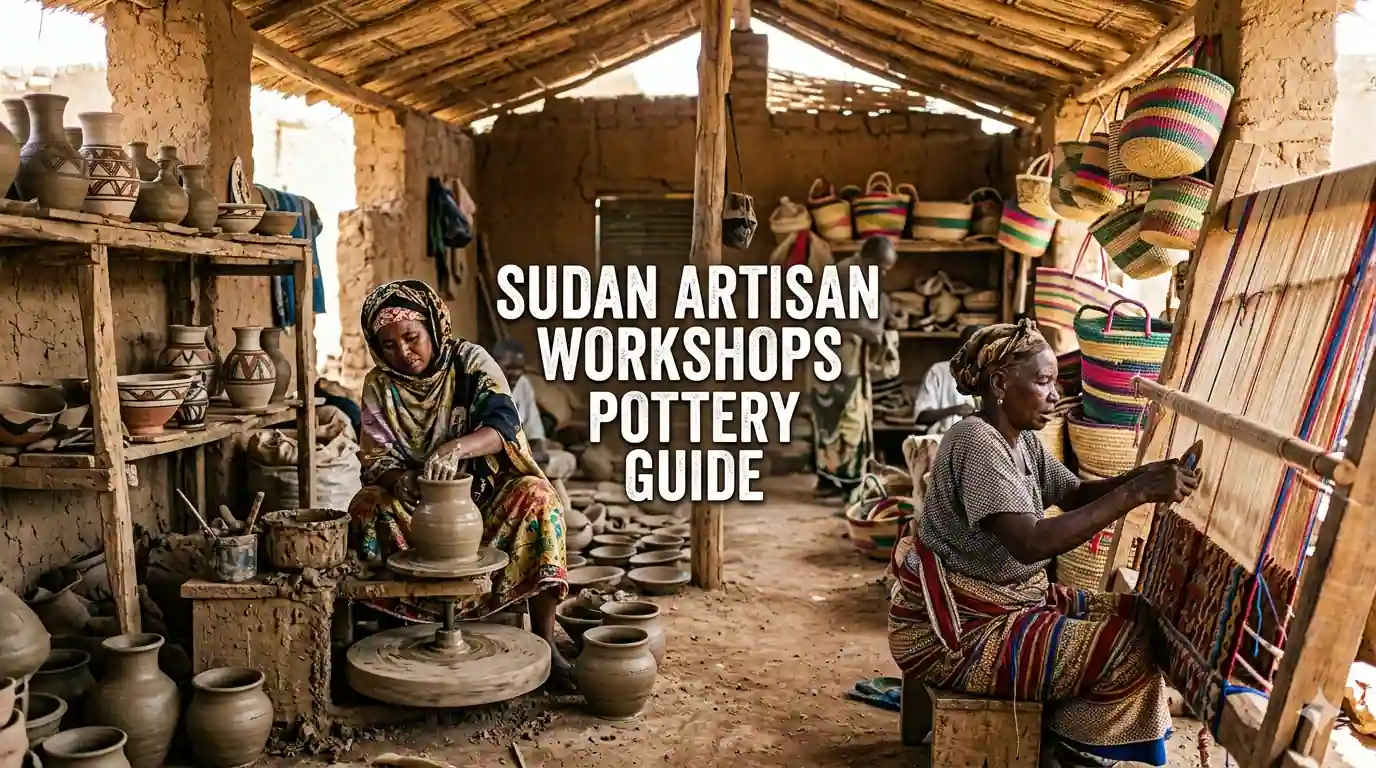
Discovering Sudan's Rich Artisan Heritage
Sudan boasts one of Africa's most diverse and ancient craft traditions. The country's artisan workshops preserve techniques passed down through countless generations.
From the Nile Valley pottery centers to weaving workshops across the country traditional crafts remain vital to Sudanese cultural identity. These skills represent living history.
Pottery making in Sudan dates back thousands of years to ancient Nubian civilizations. Modern artisans continue using methods remarkably similar to their ancestors.
Weaving traditions vary by region with distinct styles emerging from different ethnic communities. Each area contributes unique patterns and techniques to Sudan's textile heritage.
Visiting artisan workshops provides insight into Sudanese culture while supporting local craftspeople. These experiences connect travelers to authentic traditions beyond typical tourism.
Traditional Pottery Centers in Sudan

Sudan's pottery tradition centers around several key locations along the Nile River. These areas benefit from access to quality clay deposits essential for ceramic production.
The village of Faras in northern Sudan represents one of the oldest continuous pottery making regions. Nubian potters here maintain ancient techniques with minimal modern intervention.
Khartoum and Omdurman host numerous pottery workshops serving urban markets. These centers blend traditional methods with contemporary designs appealing to modern buyers.
The Blue Nile region features distinctive pottery styles characterized by intricate geometric patterns. Local clay deposits provide unique mineral content affecting final product characteristics.
Pottery production typically involves hand-building techniques rather than wheel throwing. Coiling and pinching methods create vessels of remarkable strength and beauty.
Women traditionally dominate pottery production in many Sudanese communities. This craft provides important economic independence and preserves cultural knowledge.
Nubian Pottery Workshops and Techniques
Nubian pottery represents some of Africa's most distinctive ceramic traditions. These workshops preserve methods unchanged for millennia.
Clay preparation involves careful selection and processing of local deposits. Artisans mix clay with organic materials improving workability and preventing cracking during firing.
Hand-building techniques dominate Nubian pottery production. The coiling method creates vessels by stacking and smoothing clay ropes into desired shapes.
Decoration often features incised geometric patterns reflecting Nubian aesthetic traditions. Red ochre and other natural pigments provide color before firing.
Open firing in wood or dung fueled kilns reaches temperatures around 800 degrees Celsius. This traditional method produces characteristic terracotta coloring.
Functional vessels include water jars cooking pots and storage containers. Decorative pieces showcase artistic skill through elaborate forms and surface treatments.
Omdurman Souq Pottery Markets
Omdurman's traditional souq hosts Sudan's most famous pottery markets. This historic marketplace attracts buyers from across the country and beyond.
Dozens of pottery vendors display wares in dedicated market sections. The concentration of artisans creates opportunities for comparison and negotiation.
Weekend markets feature the widest selection with new pieces arriving regularly. Friday and Saturday mornings offer the best shopping experiences.
Vendors typically demonstrate techniques for interested visitors. Watching pottery creation provides deeper appreciation for the skill involved.
Prices range from modest sums for simple utilitarian pieces to significant amounts for elaborate decorative works. Negotiation is expected and part of the purchasing culture.
The souq environment offers authentic cultural immersion beyond simple shopping. Interactions with artisans provide insights into Sudanese daily life and traditions.
Weaving Traditions Across Sudan
Sudan's weaving traditions vary significantly by region and ethnic group. Each community contributes distinctive styles and techniques to the national heritage.
Cotton weaving dominates in central Sudan where the climate supports cotton cultivation. The Gezira region particularly excels in cotton textile production.
Wool weaving prevails in western and northern areas where sheep and goat herding are common. These textiles serve both practical and ceremonial purposes.
Palm leaf and grass weaving creates baskets mats and containers throughout Sudan. This craft utilizes readily available materials requiring minimal processing.
Traditional looms range from simple ground looms to more complex horizontal designs. The choice of loom affects possible patterns and production speed.
Women traditionally handle most weaving though men participate in certain regions and specializations. Gender roles in weaving vary by ethnic community.
Traditional Basket Weaving Workshops
Basket weaving represents one of Sudan's most widespread craft traditions. Nearly every community produces distinctive basket styles for local use.
Materials include palm leaves grasses reeds and occasionally dyed fibers. Artisans select materials based on availability and intended basket function.
Coiling techniques dominate Sudanese basket construction. This method creates sturdy containers capable of holding grains water and other substances.
Decorative patterns emerge through strategic color placement and weaving variations. Natural dyes from plants minerals and insects provide color diversity.
Functional baskets serve storage carrying and processing needs. Decorative pieces showcase artistic skill through elaborate patterns and forms.
Workshops often operate as family enterprises with skills passing between generations. Children learn by observing and gradually participating in production.
Textile Weaving Centers in Khartoum
Khartoum hosts several important textile weaving centers serving urban and regional markets. These workshops blend traditional techniques with contemporary demands.
The traditional textile souq near the city center features numerous weaving workshops. Visitors can observe the complete production process from thread to finished cloth.
Cotton remains the primary fiber for Khartoum weavers though synthetic blends increasingly appear. Traditional pure cotton textiles command premium prices.
Strip weaving on narrow looms creates fabric later sewn into garments. This technique allows complex patterns through strategic color placement.
Tob and jalabiyas represent common garments produced by Khartoum weavers. These traditional clothing items maintain cultural significance despite modern fashion influences.
Some workshops offer custom weaving services for special occasions. Wedding garments and ceremonial textiles receive particular attention to detail and quality.
Darfur Weaving Traditions
Darfur region maintains distinctive weaving traditions reflecting its diverse ethnic composition. These crafts survived despite recent conflicts disrupting production.
Wool weaving predominates in Darfur where pastoralism remains central to livelihoods. Sheep and goat wool provides material for blankets clothing and tents.
Geometric patterns characterize Darfuri textiles with each ethnic group maintaining signature designs. These patterns communicate identity and cultural affiliation.
Natural dyes from local plants create earth-toned color palettes. Indigo madder root and various barks provide color variation.
Women's groups often organize weaving cooperatives supporting economic independence. These collectives preserve traditional knowledge while generating income.
International organizations have supported Darfuri weaving as cultural preservation and economic development. Export markets provide additional income streams for artisans.
Beja Tribe Weaving and Craft Traditions
The Beja people of eastern Sudan maintain unique craft traditions adapted to their pastoral lifestyle. Their weaving reflects nomadic needs and aesthetic preferences.
Camel hair and wool weaving produces textiles suited to desert conditions. These materials provide insulation against temperature extremes.
Tent production represents important Beja weaving specialization. Large woven panels create portable housing suited to nomadic movement.
Decorative elements include tassels fringes and geometric patterns. These embellishments serve both aesthetic and cultural signaling functions.
Leather working complements textile production in Beja craft traditions. Bags containers and decorative items utilize available animal products.
Workshops operate within family compounds with production scaling to meet needs. Surplus goods enter regional markets providing additional income.
Pottery Making Classes and Workshops
Some Sudanese pottery workshops welcome visitors interested in learning traditional techniques. These experiences provide hands-on cultural immersion.
Half-day classes introduce basic hand-building methods and decoration techniques. Participants create simple vessels to take home as souvenirs.
Multi-day workshops offer comprehensive pottery education from clay preparation to firing. Serious students gain deeper understanding of the craft.
Experienced artisans provide instruction in local languages with translation available. Communication barriers rarely prevent effective learning.
Class fees typically range from 30 to 100 dollars depending on duration and materials included. Payment supports artisan livelihoods and craft preservation.
Advanced students may arrange extended apprenticeships with master potters. These immersive experiences require significant time commitment but yield substantial skills.
Weaving Workshops Offering Visitor Experiences
Select weaving workshops welcome visitors for demonstrations and participation. These experiences support cultural exchange and artisan income.
Basic weaving classes teach fundamental techniques on traditional looms. Participants create small samples demonstrating learned skills.
Full-day workshops cover complete processes from fiber preparation to finished cloth. Comprehensive understanding requires sustained engagement.
Group visits can be arranged through tour operators specializing in cultural tourism. Coordination ensures workshops prepare for visitor participation.
Photography policies vary by workshop with some restricting commercial use. Always ask permission before photographing artisans or their work.
Purchasing finished products directly from workshops provides fair compensation to artisans. Prices typically exceed market rates but reflect fair trade principles.
Buying Authentic Sudanese Handicrafts
Purchasing directly from artisan workshops ensures authenticity and fair compensation. Middlemen often capture value that should go to craftspeople.
Quality indicators include consistent construction natural materials and traditional techniques. Mass-produced imitations lack the character of genuine handicrafts.
Price negotiation is customary in Sudanese markets though less so in workshop settings. Respect fair pricing that values artisan labor and skill.
Certificate of authenticity may accompany high-value pieces particularly pottery and textiles. Documentation verifies origin and traditional production methods.
Shipping arrangements for large or fragile items require careful planning. Workshops often assist with packaging and can recommend reliable shippers.
Export regulations may restrict certain cultural artifacts. Verify legal requirements before purchasing items of significant age or cultural importance.
Supporting Artisan Communities Through Tourism
Responsible tourism can significantly benefit Sudan's artisan communities. Visitor spending provides crucial income supporting craft preservation.
Fair trade principles ensure artisans receive equitable compensation for their work. Avoid aggressive negotiation that undermines craft values.
Cultural respect enhances interactions between visitors and artisans. Learning about traditions demonstrates appreciation beyond commercial transactions.
Photography should always be requested politely with respect for refusals. Some artisans prefer not to be photographed during work.
Sharing experiences responsibly promotes Sudan's craft heritage without exploitation. Social media can amplify artisan voices when used thoughtfully.
Return visits and repeat purchases build sustainable relationships between tourists and artisans. Long-term support proves more valuable than one-time transactions.
Current Challenges Facing Sudanese Artisans
Sudanese artisans face numerous challenges threatening traditional craft survival. Understanding these issues contextualizes the importance of supporting workshops.
Economic instability reduces domestic demand for handmade goods. Inflation and currency fluctuations make imported alternatives seemingly cheaper.
Young people increasingly pursue urban employment over traditional crafts. Skills transmission between generations faces disruption as youth migrate to cities.
Access to quality materials becomes more difficult and expensive. Imported dyes tools and fibers strain artisan budgets already pressured by economic conditions.
International market access remains limited by infrastructure and connectivity challenges. Artisans struggle to reach buyers willing to pay fair prices.
Conflict and displacement have disrupted craft production in affected regions. Rebuilding artisan communities requires sustained support and investment.
Preserving Traditional Craft Techniques
Preservation efforts aim to safeguard Sudan's craft heritage for future generations. Multiple stakeholders contribute to these vital initiatives.
Documentation projects record techniques patterns and oral histories from master artisans. This knowledge preservation proves crucial as elder craftspeople pass away.
Training programs introduce young people to traditional crafts with modern business skills. Combining heritage knowledge with entrepreneurship improves viability.
Cooperative development strengthens artisan bargaining power and market access. Collective action addresses challenges individual craftspeople cannot solve alone.
Museum exhibitions and cultural events raise awareness of Sudan's craft traditions. Public appreciation generates support for preservation efforts.
International partnerships connect Sudanese artisans with global markets and resources. These relationships provide income and knowledge exchange opportunities.
Planning Your Artisan Workshop Visit
Visiting Sudanese artisan workshops requires planning and cultural sensitivity. Proper preparation enhances experiences for both visitors and hosts.
Research specific crafts and regions of interest before travel. Understanding traditions demonstrates respect and enables meaningful engagement.
Arrange visits through reputable guides or tour operators when possible. Local contacts facilitate introductions and ensure workshops welcome visitors.
Learn basic Arabic greetings and craft-related vocabulary. Language effort signals respect and improves communication with artisans.
Bring small gifts from your home country as tokens of appreciation. Cultural exchange flows both directions enriching all participants.
Allocate sufficient time for unhurried visits. Rushed interactions prevent deep appreciation of craft processes and artisan knowledge.
Safety and Travel Considerations for Workshop Visits
Current security situations require careful assessment before traveling to Sudan. Many governments maintain travel advisories recommending against non-essential travel.
Verify current conditions through official sources before planning visits. Situations can change rapidly requiring flexible planning.
Work with established tour operators when visiting artisan workshops. Professional guides navigate security concerns and cultural protocols.
Register with your embassy if traveling to Sudan. This facilitates emergency communications if situations deteriorate.
Maintain communication with local contacts regarding safety conditions. Artisan communities often possess valuable local knowledge about security.
Consider virtual workshop tours if travel proves inadvisable. Some organizations offer online experiences supporting artisans without physical presence.
Conclusion and Cultural Appreciation
Sudan's artisan workshops preserve invaluable cultural heritage through pottery weaving and other traditional crafts. These skills represent thousands of years of accumulated knowledge and artistic expression.
Visiting workshops provides authentic cultural experiences while supporting artisan livelihoods. Responsible tourism can contribute to craft preservation and community development.
From Nubian pottery centers to Darfuri weaving cooperatives Sudan's craft diversity reflects its rich cultural complexity. Each region contributes unique traditions to the national heritage.
Supporting these artisans through fair purchases and respectful engagement helps ensure traditional skills survive for future generations. Your interest and appreciation validate the continued practice of these ancient crafts.
While current challenges complicate travel to Sudan the importance of preserving these traditions remains urgent. When conditions permit visiting artisan workshops offers profound insights into Sudanese culture and human creativity.
The potters weavers and craftspeople of Sudan maintain connections to ancestral knowledge through their daily work. Supporting their efforts preserves not just objects but living cultural traditions worthy of celebration and protection.
0 Comments