.webp)
.webp)
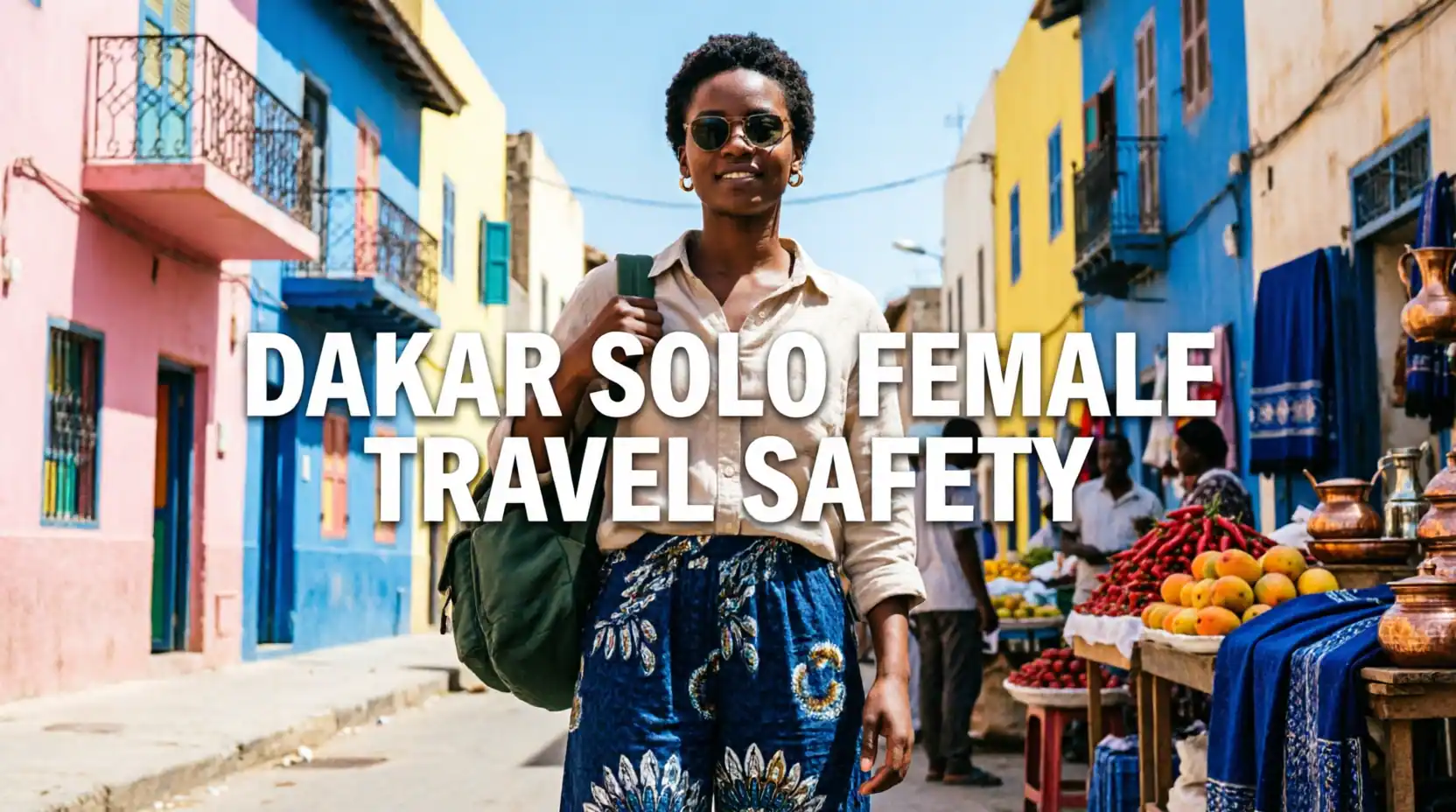
Is Dakar Safe for Solo Female Travelers in 2026
Dakar, the vibrant capital of Senegal, has emerged as an increasingly popular destination for solo female travelers seeking authentic African experiences. The city combines rich cultural heritage, stunning Atlantic coastline, and warm hospitality with improving safety infrastructure. While Dakar requires standard urban precautions similar to other major African cities, thousands of women travelers visit safely each year. The key lies in understanding local customs, choosing safe neighborhoods, and following proven safety strategies. This comprehensive guide provides updated 2026 information to help you explore Dakar with confidence and peace of mind.
Why Visit Dakar as a Solo Female Traveler

Dakar offers solo female travelers a unique blend of West African culture, French colonial architecture, and modern urban energy. The city serves as a gateway to understanding Senegalese traditions while providing comfortable infrastructure for international visitors. From the bustling markets of Medina to the serene beaches of Ngor, Dakar presents diverse experiences within a compact urban area. The city's strategic location on the Cap-Vert Peninsula makes it an ideal base for exploring Senegal's natural wonders and cultural sites.
What Makes Dakar Attractive for Women Traveling Alone
Dakar stands out for its relatively progressive attitude toward women compared to some neighboring countries. Senegalese culture emphasizes respect and hospitality, known locally as Teranga. Solo female travelers often report feeling welcomed rather than threatened. The city boasts a growing expat community, numerous female-friendly accommodations, and increasing numbers of women-only tours and activities. Dakar's culinary scene, art galleries, music venues, and historical sites provide endless opportunities for solo exploration without feeling isolated or out of place.
Cultural Experiences Unique to Dakar
The city offers immersive cultural experiences from traditional drumming lessons to textile workshops where you can learn batik techniques. Visit the historic Gorée Island, a UNESCO World Heritage Site that tells the poignant story of the Atlantic slave trade. Explore the African Renaissance Monument for panoramic city views, or wander through the colorful streets of the Plateau district with its French colonial buildings. The Grand Mosque and Cathedral of Dakar showcase religious harmony, while local markets like Marché Sandaga offer authentic shopping experiences with friendly vendors eager to share their crafts.
How Safe Is Dakar for Solo Female Travelers

Dakar maintains a moderate safety level for solo female travelers who exercise standard precautions. The city experiences typical urban challenges including petty theft, bag snatching, and occasional harassment, particularly in crowded areas and after dark. However, violent crime against tourists remains relatively rare. Most solo female travelers report positive experiences when staying in recommended neighborhoods, using trusted transportation, and respecting local customs. The Senegalese government prioritizes tourist safety, with visible police presence in major areas and a dedicated tourist police unit. Understanding which areas to avoid and when to exercise extra caution significantly enhances your safety.
Crime Rates and Safety Statistics in Dakar 2026
According to 2026 travel safety indexes, Dakar ranks moderately safe among West African capitals. Petty crime accounts for approximately 70 percent of incidents involving tourists, primarily pickpocketing in crowded markets, beaches, and public transportation. Violent crime against foreigners occurs in less than 5 percent of reported cases. The safest districts include Almadies, Ngor, and parts of Plateau, while areas like Grand Dakar and certain sections of Medina require extra vigilance, especially after sunset. Tourist police report that most incidents involve opportunistic theft rather than targeted attacks, making prevention through awareness highly effective.
Common Safety Concerns for Women in Dakar
Solo female travelers in Dakar most frequently encounter street harassment, persistent vendors, and occasional unwanted attention. While generally non-threatening, these situations can feel uncomfortable, particularly for first-time visitors to West Africa. Language barriers may complicate interactions, though French and basic Wolof phrases help significantly. Some travelers report being followed or approached by individuals offering unsolicited guidance or services. Scams targeting tourists, though not widespread, do exist, particularly around major attractions and transportation hubs. Understanding these common scenarios and preparing appropriate responses reduces stress and maintains your safety.
Best and Safest Neighborhoods in Dakar

Choosing the right neighborhood forms the foundation of a safe Dakar experience. The city offers several districts particularly well-suited for solo female travelers, each with distinct character and amenities. Almadies and Ngor provide upscale accommodations with beach access and strong security. Plateau offers central location with historic charm and business district safety. Point E and Fann feature residential tranquility with good restaurant options. These areas maintain regular police patrols, reliable electricity, quality accommodations, and easy access to attractions while minimizing safety risks.
Almadies and Ngor Districts Safety Guide
Almadies represents Dakar's safest and most expat-friendly neighborhood, located on the westernmost point of the African continent. This peninsula district features luxury hotels, beachfront restaurants, and well-maintained roads with good lighting. Ngor, adjacent to Almadies, offers a more authentic fishing village atmosphere while maintaining safety standards. Both areas benefit from proximity to the airport, numerous international restaurants, and active nightlife that remains secure. Accommodation options range from boutique hotels to serviced apartments, many with 24-hour security. The neighborhoods attract many solo female travelers and digital nomads, creating a supportive community atmosphere.
Plateau and Medina Neighborhood Overview
Plateau serves as Dakar's central business district, featuring wide boulevards, colonial architecture, and government buildings. During daylight hours, Plateau feels very safe with heavy foot traffic, police presence, and numerous cafes and shops. The area becomes quieter after business hours, requiring increased awareness when walking alone at night. Medina, one of Dakar's oldest neighborhoods, offers authentic cultural experiences but requires more caution. While generally safe during the day, solo female travelers should avoid wandering alone after dark and remain alert in crowded market areas. Both neighborhoods provide excellent value accommodations and easy access to major attractions.
Point E and Fann Residential Areas
Point E and Fann offer quieter, residential alternatives to tourist-heavy districts while maintaining good safety records. These neighborhoods feature tree-lined streets, local markets, and authentic Senegalese life away from tourist crowds. Accommodation tends toward guesthouses and mid-range hotels rather than luxury properties, appealing to budget-conscious travelers seeking cultural immersion. The areas maintain regular police patrols and benefit from strong community ties where residents look out for one another. Restaurants and cafes cater more to locals than tourists, providing authentic dining experiences at reasonable prices. These neighborhoods work well for travelers planning extended stays who prioritize cultural experiences over beach access.
How to Reach Dakar from Bangladesh and Major Cities

Reaching Dakar requires planning, particularly for travelers from South Asia and other distant regions. Blaise Diagne International Airport (DSS), located 40 kilometers from central Dakar, serves as Senegal's main international gateway. The airport replaced the older Léopold Sédar Senghor International Airport in 2017, offering modern facilities and improved connectivity. Most travelers from Bangladesh and South Asia connect through major European hubs like Paris, Istanbul, or Casablanca, or through Middle Eastern hubs including Dubai and Doha. Direct flights from West African capitals provide regional connectivity, while overland options exist for adventurous travelers already in West Africa.
Flight Options and Airlines Serving Dakar
Major international carriers serving Dakar include Air France, Turkish Airlines, Royal Air Maroc, Emirates, Qatar Airways, and Brussels Airlines. Air Senegal, the national carrier, has expanded its route network significantly, offering competitive prices and direct flights from several African and European cities. Travelers from Bangladesh typically find the best connections through Istanbul with Turkish Airlines, Paris with Air France, or Dubai with Emirates. Flight times from Dhaka to Dakar range from 18 to 30 hours depending on layovers. Booking 2-3 months in advance typically secures the best fares, with prices ranging from 800 to 1500 USD for economy class round-trip tickets.
Transportation from Blaise Diagne Airport to Dakar City
Upon arrival at Blaise Diagne International Airport, solo female travelers have several safe transportation options. The airport shuttle service, Dakar Dem Dikk, offers affordable bus service to central Dakar for approximately 2000 CFA francs (around 3.50 USD), though this option requires navigating public transport with luggage. Private airport transfers arranged through your hotel provide the safest and most convenient option, costing between 25000 and 40000 CFA francs (40-65 USD). Registered taxi services operate at designated airport ranks with fixed rates to major districts. Ride-hailing apps like Heetch and Yango operate in Dakar and offer transparent pricing. Avoid accepting rides from unsolicited offers inside the terminal.
Visa Requirements and Entry Rules for Dakar

Senegal maintains relatively straightforward visa policies that facilitate tourism while maintaining security standards. Citizens of many countries can enter Senegal visa-free for stays up to 90 days, though requirements vary by nationality. Travelers from Bangladesh and most South Asian countries require advance visa approval. The Senegalese government has implemented an electronic visa system to streamline applications, though traditional embassy applications remain available. All visitors must present a passport valid for at least six months beyond their intended stay, proof of onward or return travel, and evidence of yellow fever vaccination if arriving from endemic countries.
Visa Application Process for Bangladeshi Citizens
Bangladeshi passport holders must obtain a visa before traveling to Senegal. The application process requires submitting a completed visa application form, two recent passport-sized photographs, a valid passport with at least two blank pages, flight itinerary, hotel reservations or invitation letter, bank statements showing sufficient funds, and proof of yellow fever vaccination. Applications can be submitted at the nearest Senegalese embassy or consulate, though Bangladesh does not host a Senegalese diplomatic mission. Most Bangladeshi travelers apply through the Senegalese embassy in New Delhi, India, or utilize visa processing services. Processing times typically range from 10 to 15 business days, with visa fees around 50-80 USD depending on duration and type.
Visa-Free Entry and E-Visa Options
Citizens of ECOWAS member countries, European Union nations, and several other countries enjoy visa-free entry to Senegal for tourism purposes. The Senegalese government has also launched an e-visa platform allowing eligible travelers to apply online, reducing processing time and eliminating embassy visits. The e-visa system requires uploading supporting documents digitally and paying fees online, with approval typically granted within 5-7 business days. Travelers should verify current eligibility requirements before applying, as policies may change. Regardless of visa type, all visitors receive an entry stamp indicating authorized stay duration, typically 90 days for tourists. Overstaying visas results in fines and potential entry bans.
Best Time to Visit Dakar for Solo Female Travelers

Dakar's tropical climate features two distinct seasons that significantly impact travel experiences. The dry season, running from November to May, offers the most comfortable conditions for solo female travelers with minimal rainfall, moderate humidity, and pleasant temperatures averaging 24-27 degrees Celsius. This period coincides with peak tourist season, meaning better infrastructure, more fellow travelers to meet, and full operation of tours and activities. The wet season, from June to October, brings heavy rainfall, high humidity, and occasional flooding that can disrupt transportation and outdoor activities. While prices drop significantly during rainy months, the challenging weather conditions make exploration difficult and potentially unsafe.
Weather Patterns and Seasonal Considerations
Dakar experiences relatively stable temperatures year-round due to its coastal location, with averages ranging from 22 to 29 degrees Celsius. The harmattan winds from the Sahara between December and February can bring dust and slightly cooler temperatures, though this rarely causes significant discomfort. March through May represents the hottest period before rains begin, with temperatures occasionally reaching 32 degrees Celsius. The rainy season peaks in August and September, when daily downpours can last several hours and humidity exceeds 80 percent. For solo female travelers prioritizing safety and comfort, the dry season offers superior conditions with better visibility, safer road conditions, and more reliable transportation options.
Festivals and Events Worth Planning Your Visit Around
Timing your Dakar visit around major cultural events enhances the travel experience while providing opportunities to meet fellow travelers. The Dakar Biennale (Dak'Art), held in even-numbered years during May and June, showcases contemporary African art and attracts international visitors. Festival International de Jazz de Dakar occurs in December, offering world-class performances in intimate venues. Tabaski, the Senegalese celebration of Eid al-Adha, provides cultural immersion though many businesses close during this important religious holiday. The Saint-Louis Jazz Festival in May draws music lovers to the historic city north of Dakar. Planning around these events requires advance booking as accommodations fill quickly, but the vibrant atmosphere and cultural experiences justify the extra planning.
Cost of Traveling in Dakar as a Solo Female Traveler

Dakar presents moderate travel costs compared to other African capitals, offering good value for budget-conscious solo female travelers while providing luxury options for those seeking comfort. Daily expenses vary significantly based on accommodation choices, dining preferences, and activity selection. Budget travelers can manage on 30-50 USD per day by staying in hostels or guesthouses, eating local cuisine, and using public transportation. Mid-range travelers typically spend 70-120 USD daily for comfortable hotels, restaurant meals, occasional taxis, and paid attractions. Luxury travelers may exceed 200 USD per day for upscale accommodations, fine dining, private tours, and premium experiences. Understanding cost breakdowns helps plan realistic budgets and avoid financial stress.
Accommodation Costs in Safe Dakar Neighborhoods
Accommodation represents the largest expense for most solo female travelers in Dakar. Budget hostels and guesthouses in areas like Medina or Grand Dakar charge 15-30 USD per night for dormitory beds or basic private rooms, though these areas require extra safety precautions. Mid-range hotels and guesthouses in safer neighborhoods like Point E, Fann, or Plateau range from 50-100 USD per night for comfortable rooms with private bathrooms, air conditioning, and reliable wifi. Upscale hotels in Almadies and Ngor cost 120-300 USD per night, offering beach access, pools, restaurants, and enhanced security. Serviced apartments provide good value for extended stays, with weekly rates often discounted 20-30 percent compared to nightly rates.
Food and Dining Expenses for Solo Travelers
Dakar's food scene accommodates all budgets while offering authentic Senegalese cuisine and international options. Street food and local eateries called dibiteries serve generous portions of thieboudienne (fish and rice), yassa (marinated chicken or fish), and mafe (peanut stew) for 2-5 USD. Mid-range restaurants in Plateau and Almadies charge 10-20 USD for main courses, offering both local and international cuisine. Upscale dining experiences cost 30-60 USD per person, featuring fresh seafood, French-influenced dishes, and elegant atmospheres. Breakfast typically costs 3-8 USD, while lunch and dinner range higher. Solo travelers can reduce food costs by eating where locals eat, purchasing fresh fruit from markets, and choosing accommodations with kitchen facilities for occasional self-catering.
Transportation and Activity Costs
Transportation within Dakar varies from extremely affordable to moderately expensive depending on mode. Public buses cost 200-500 CFA francs (0.30-0.80 USD) per ride but can be crowded and challenging for newcomers. Taxis charge 2000-5000 CFA francs (3-8 USD) for short trips within central districts, though fares require negotiation unless using metered services. Ride-hailing apps like Heetch offer transparent pricing at 3000-8000 CFA francs (5-13 USD) for typical journeys. Private drivers for day trips cost 40000-70000 CFA francs (65-115 USD). Entrance fees to attractions range from free (beaches, markets) to 5000-15000 CFA francs (8-25 USD) for museums and historical sites. Guided tours cost 30-100 USD depending on duration and inclusions.
Sample 7-Day Dakar Itinerary for Solo Female Travelers
A well-planned week in Dakar balances cultural immersion, historical exploration, relaxation, and safety considerations. This sample itinerary prioritizes safe neighborhoods, reasonable pacing, and diverse experiences while allowing flexibility for personal interests. The schedule assumes arrival on Day 1 and departure on Day 8, with accommodations in Almadies or Plateau for optimal safety and convenience. Each day includes morning, afternoon, and evening activities with built-in rest time and meals. The itinerary incorporates must-see attractions, local experiences, and opportunities to connect with fellow travelers while maintaining awareness of safety best practices.
Day 1 and 2: Arrival and Plateau District Exploration
Day 1 focuses on settling in and gentle acclimatization. After airport transfer and hotel check-in, rest and refresh before evening exploration of your neighborhood. Grab dinner at a nearby restaurant, familiarize yourself with the area, and establish your bearings. Day 2 explores Plateau district, Dakar's historic center. Morning visits include the Grand Mosque (non-Muslims may view exterior), Place de l'Indépendance, and the Presidential Palace exterior. Afternoon explores the IFAN Museum of African Arts, housing impressive collections of masks, sculptures, and artifacts. Evening enjoys dinner at a Plateau restaurant before returning to your accommodation. This gentle start builds confidence and orientation before more ambitious adventures.
Day 3: Gorée Island Historical Experience
Dedicate Day 3 to Gorée Island, the poignant UNESCO World Heritage Site accessible by 20-minute ferry from Dakar's port. Morning ferry departure (first boats leave around 8 AM) avoids crowds and afternoon heat. Explore the House of Slaves, Door of No Return, and colonial architecture while hiring a local guide for historical context. The island's car-free streets, art galleries, and cafes provide peaceful exploration opportunities. Afternoon returns to Dakar with time to visit the African Renaissance Monument for panoramic city views, especially beautiful at sunset. Evening relaxes with dinner in Almadies, reflecting on the powerful historical experience. Gorée Island requires advance planning but represents an essential Dakar experience.
Day 4: Markets and Cultural Immersion
Day 4 immerses you in Dakar's vibrant market culture and local life. Morning explores Marché Sandaga, the city's largest market, where vendors sell everything from fresh produce to textiles and crafts. Practice bargaining skills and observe daily commerce while staying alert to belongings. Afternoon visits Marché Kermel, more upscale and organized, featuring beautiful colonial architecture and quality crafts. Consider a cooking class to learn Senegalese cuisine, available through various operators for 40-70 USD. Evening enjoys a traditional dinner at a local restaurant, perhaps trying attaya (Senegalese tea ceremony) with new friends. Market days require extra vigilance but offer authentic cultural experiences impossible to replicate elsewhere.
Day 5: Beach Day and Ngor Island
Day 5 provides relaxation and natural beauty with a beach-focused itinerary. Morning travels to Ngor village, a traditional fishing community with pristine beaches and laid-back atmosphere. Take a pirogue (traditional boat) to Ngor Island for snorkeling among rocky outcrops and tropical fish. Afternoon returns to mainland Ngor for fresh seafood lunch at a beachside restaurant. Optional surf lessons available for beginners at reasonable rates. Evening watches sunset from Ngor beach before returning to accommodation. Beach days offer recovery from urban intensity while showcasing Dakar's coastal beauty. Always swim in designated areas, protect belongings, and avoid isolated beach sections.
Day 6: Day Trip to Lac Rose or Saint-Louis
Day 6 offers flexibility for a day trip beyond Dakar. Option one visits Lac Rose (Pink Lake), located 35 kilometers northeast of Dakar, famous for its pink-hued waters caused by algae and high salt content. The lake resembles Bolivia's Laguna Colorada and offers unique photo opportunities, salt harvesting demonstrations, and quad biking adventures. Option two travels north to Saint-Louis, Senegal's former capital and UNESCO World Heritage Site, requiring 3-4 hours each way but rewarding with colonial architecture, jazz heritage, and the Langue de Barbarie sand spit. Both options work best with organized tours or private drivers for safety and convenience. Evening returns to Dakar for farewell dinner.
Day 7: Leisure and Departure Preparation
Final day balances last-minute exploration, souvenir shopping, and departure preparation. Morning revisits favorite spots or explores overlooked attractions. Perhaps enjoy a spa treatment, yoga class, or leisurely breakfast at a favorite cafe. Afternoon handles practical matters: confirming departure transportation, packing, and purchasing final souvenirs at fixed-price shops rather than stressful market bargaining. Evening enjoys a special farewell dinner, perhaps trying a restaurant saved for last. Early rest ensures energy for departure day. This relaxed final day prevents travel fatigue and allows reflection on your Dakar adventure while maintaining safety awareness through trip completion.
Essential Safety Tips for Solo Female Travelers in Dakar
Successful solo female travel in Dakar depends on proactive safety measures, cultural awareness, and common sense precautions. While Dakar does not present extreme dangers, implementing proven safety strategies significantly reduces risks and enhances peace of mind. These tips derive from experiences of thousands of women who have traveled safely to Dakar, local expert recommendations, and security professional advice. Following these guidelines helps you navigate Dakar confidently while respecting local customs and maintaining personal security. Remember that most safety issues stem from opportunistic situations rather than targeted threats, making prevention highly effective.
Dress Code and Cultural Respect Guidelines
Senegal is a predominantly Muslim country where modest dress demonstrates respect for local culture and reduces unwanted attention. While Dakar proves more liberal than rural areas, covering shoulders, chest, and knees remains advisable, particularly when visiting religious sites, markets, and residential neighborhoods. Lightweight, breathable fabrics in loose cuts provide comfort in tropical heat while maintaining modesty. Beachwear belongs exclusively at beaches and pools, never worn while walking through streets or markets. Packing a lightweight scarf proves invaluable for covering hair when entering mosques or conservative areas. Dressing appropriately signals cultural sensitivity and typically results in warmer reception from locals.
Transportation Safety and Reliable Options
Transportation choices significantly impact solo female traveler safety in Dakar. Avoid walking alone after dark, particularly in unfamiliar areas or poorly lit streets. During daylight, remain aware of surroundings and keep valuables concealed. For taxis, use hotel-recommended services or ride-hailing apps like Heetch and Yango that provide driver information, route tracking, and fare transparency. Never accept rides from strangers or unmarked vehicles. When using public transportation, keep bags in front of your body, avoid displaying phones or wallets, and sit near other women when possible. For day trips and airport transfers, arrange transportation through reputable companies or your accommodation. Share your itinerary and driver details with trusted contacts.
Accommodation Security Best Practices
Choosing secure accommodation forms the foundation of safe solo travel. Prioritize hotels and guesthouses with 24-hour reception, secure locks, in-room safes, and positive reviews from female travelers. Upon arrival, inspect room locks, windows, and balcony access. Use all available security features including deadbolts and security chains. Store passports, extra cash, and valuables in room safes or hotel safety deposit boxes. Keep a copy of important documents separately from originals. Avoid ground-floor rooms with easy street access when possible. Inform reception of your daily plans when venturing out, and request they not share your room number or personal information. Trust your instincts about accommodation safety and relocate if concerns arise.
Handling Harassment and Unwanted Attention
Solo female travelers in Dakar may encounter street harassment, persistent vendors, or unwanted romantic attention. While typically non-threatening, these situations cause discomfort and require confident responses. Firm, clear "no thank you" in French ("non merci") or Wolof ("déedéet") often suffices. Avoid engaging in lengthy explanations or arguments. Walking purposefully, appearing confident, and wearing headphones (even without music) can deter approaches. If followed, enter a shop, restaurant, or hotel and request assistance. Carry a whistle or personal alarm for emergency situations. Connect with other travelers or join group tours when visiting areas known for persistent harassment. Remember that ignoring unwanted attention often proves more effective than confrontation.
Emergency Contacts and Health Precautions
Prepare for emergencies by saving important contacts before arrival. Senegal's emergency numbers include 17 for police, 18 for fire, and 1515 for SAMU medical emergencies. Register with your country's embassy or consulate upon arrival, noting their contact information and location. Purchase comprehensive travel insurance covering medical evacuation, as serious injuries may require transport to Europe for advanced care. Health precautions include yellow fever vaccination (required for entry), malaria prophylaxis, hepatitis A and B vaccines, and typhoid vaccination. Drink only bottled or purified water, avoid ice in drinks, and eat only thoroughly cooked foods. Carry a basic medical kit including anti-diarrheal medication, rehydration salts, pain relievers, and any personal prescription medications with original packaging and doctor's notes.
Connecting with Other Travelers and Local Communities
Solo travel does not mean constant isolation. Dakar offers numerous opportunities to connect with fellow travelers, expats, and locals, enhancing safety through community while enriching your experience. Joining group tours, staying in social accommodations, attending language exchanges, and participating in activities creates natural networking opportunities. Online communities and social media groups for Dakar travelers provide pre-arrival connections and real-time advice. Building a network offers practical benefits including shared transportation costs, dining companions, and safety in numbers for evening activities. However, maintain healthy boundaries and trust your instincts when meeting new people, applying the same caution you would at home.
Female Traveler Groups and Safe Social Spaces
Several organizations and spaces specifically welcome female travelers in Dakar. Women-focused travel groups organize meetups, city tours, and cultural exchanges. Coworking spaces attract digital nomads and long-term travelers, providing professional environments to work and connect. Yoga studios, cooking classes, and art workshops offer structured activities where meeting people feels natural rather than forced. Cafés in Plateau and Almadies serve as informal gathering spots for international visitors. Facebook groups like "Dakar Expats" and "Solo Female Travelers Senegal" facilitate connections before and during your trip. Many hotels organize guest activities and dinners, creating easy socializing opportunities. These spaces provide safer environments for meeting people than random encounters on the street.
Final Thoughts on Dakar Solo Female Travel Safety
Dakar welcomes solo female travelers with open arms, offering rich cultural experiences, stunning landscapes, and warm hospitality that create unforgettable memories. While the city requires standard urban precautions and cultural sensitivity, thousands of women travel safely to Dakar each year, returning home with stories of adventure, connection, and personal growth. Success depends on thorough preparation, informed decision-making, and maintaining awareness without succumbing to fear. By choosing safe neighborhoods, respecting local customs, using reliable transportation, and connecting with supportive communities, you can explore Dakar confidently and securely. The city's blend of African tradition and modern convenience, combined with improving tourist infrastructure, makes it an increasingly accessible destination for independent female travelers. Embrace the adventure, trust your instincts, and discover why Dakar captivates those who venture to this vibrant West African capital.
0 Comments