.webp)
.webp)
15 Traditional Turkmen Dishes Beyond Plov and Ishlekli
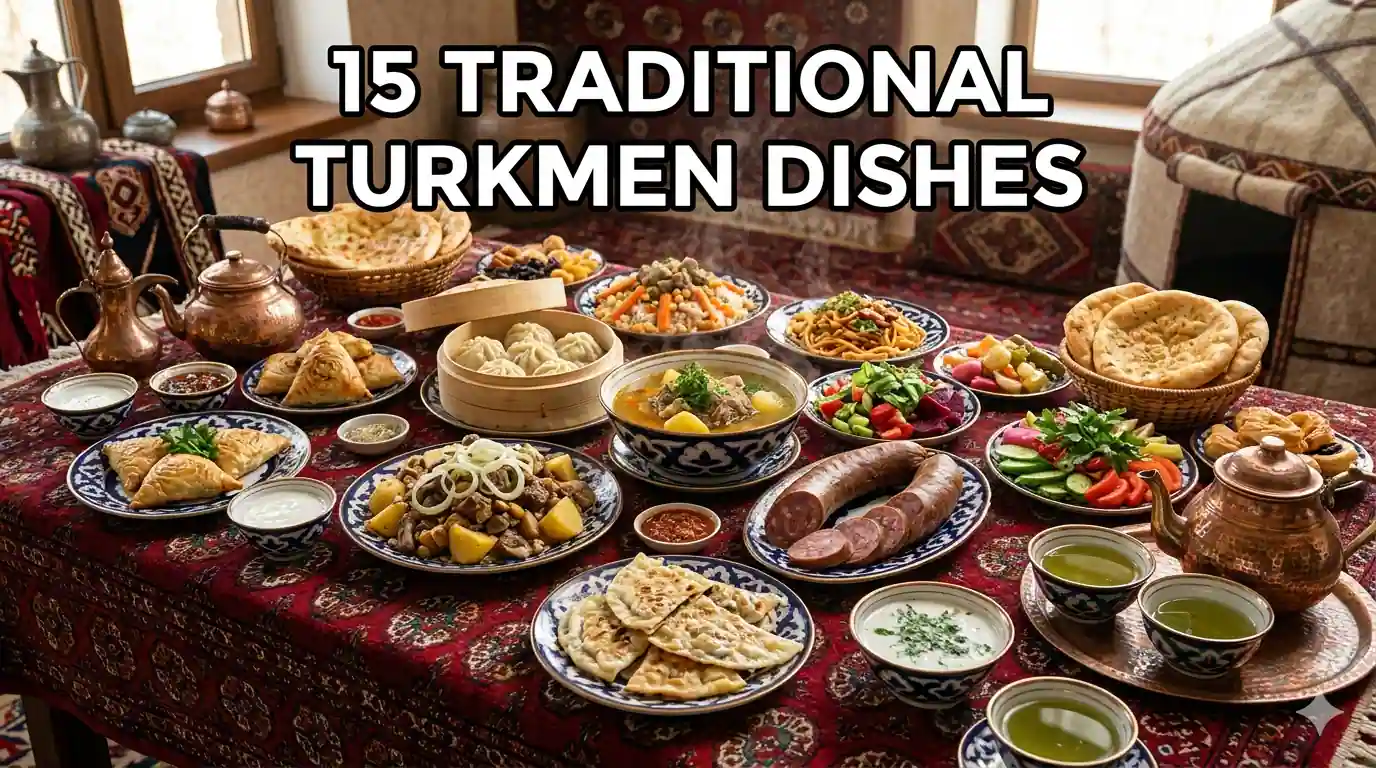
Exploring the Rich Culinary Heritage of Turkmenistan
Turkmenistan's cuisine reflects centuries of nomadic heritage, Silk Road influences, and the resourceful cooking traditions of desert-dwelling people. While plov and ishlekli have gained international recognition, the country's culinary landscape offers dozens of remarkable dishes that deserve attention.
Traditional Turkmen food centers around lamb, beef, horse meat, dairy products, and simple grains. The harsh Karakum Desert environment shaped a cuisine focused on preservation, nutrition, and utilizing every part of available ingredients.
Meat preparation methods include boiling, steaming, frying, and drying. Dairy plays a crucial role with various fermented products providing nutrition and preservation in the desert climate. Bread holds sacred status in Turkmen culture.
Seasonal ingredients and traditional cooking techniques create distinctive flavors. Clay ovens, cauldrons, and open-fire cooking remain common in rural areas. Urban restaurants blend traditional methods with modern presentation.
This comprehensive guide explores fifteen essential Turkmen dishes that showcase the diversity and depth of this underappreciated cuisine. Each dish tells a story of cultural heritage, adaptation, and culinary craftsmanship.
Manty Steamed Dumplings

Manty represents one of Central Asia's most beloved dishes and holds special significance in Turkmen cuisine. These steamed dumplings feature spiced meat filling wrapped in thin dough and cooked in specialized multi-tiered steamers called mantyshnitsa.
Traditional filling combines finely chopped lamb or beef with onions, black pepper, and cumin. Some regional variations include pumpkin or potatoes mixed with the meat. The meat-to-onion ratio proves crucial for juiciness.
Dough preparation requires skill to achieve the perfect thinness without tearing. Each manty measures about three to four centimeters across and gets pinched closed at the top in distinctive patterns that vary by region and family tradition.
Steaming takes thirty to forty minutes over boiling water. The steam circulates through tiered racks cooking dozens of dumplings simultaneously. Proper steaming ensures the dough becomes tender while the meat cooks through completely.
Serving traditions include topping manty with sour cream, butter, or yogurt. Some prefer sprinkling with paprika or black pepper. Eating manty requires care as the hot juices inside can burn if bitten too quickly.
Shurpa Hearty Meat and Vegetable Soup

Shurpa stands as the quintessential Turkmen soup, combining meat, vegetables, and aromatic spices in a nourishing broth. This dish exemplifies the Turkmen ability to create satisfying meals from simple ingredients.
Lamb or beef forms the soup base, cut into large chunks and simmered for hours until tender. The long cooking time extracts maximum flavor from the meat and bones, creating a rich, golden broth.
Potatoes, carrots, onions, and bell peppers provide vegetable content. Some versions include chickpeas or beans for additional protein and texture. Tomatoes add acidity and color to the broth.
Spice profiles remain simple but effective. Black pepper, cumin, bay leaves, and fresh herbs like dill and cilantro enhance the natural flavors without overwhelming them. Salt levels adjust to taste.
Shurpa serves as both everyday family meal and festive occasion dish. Large portions accommodate hungry appetites after long work days. The soup improves overnight as flavors meld and deepen.
Kuurdak Fried Meat and Onion Dish

Kuurdak demonstrates the Turkmen mastery of meat preparation through frying techniques. This dish features thinly sliced meat cooked with abundant onions until caramelized and tender.
Traditional preparation uses lamb or beef cut into thin strips against the grain. The slicing technique ensures quick cooking and tender results. Fat trimming balances flavor with health considerations.
Onions prove essential to kuurdak's character. Equal weight of onions to meat creates the dish's signature sweetness and moisture. The onions cook down until golden and almost jam-like in consistency.
Cooking occurs in a heavy cauldron or wok-like vessel over high heat. The meat browns quickly then simmers with the onions until completely tender. Some versions add a splash of water or broth to prevent sticking.
Seasoning remains minimal with salt and black pepper allowing the meat and onion flavors to shine. Fresh herbs garnish the finished dish. Kuurdak pairs excellently with bread or serves as filling for other dishes.
Gutap Savory Stuffed Flatbread

Gutap resembles ishlekli but features distinct preparation methods and fillings. These pan-fried stuffed breads offer variety in Turkmen cuisine with different regional interpretations.
Dough preparation uses flour, water, salt, and sometimes yogurt or milk for tenderness. The dough rests before rolling into thin circles about fifteen centimeters in diameter.
Fillings vary widely including spiced meat, pumpkin, herbs, or combinations. Meat fillings mirror ishlekli with lamb, onions, and spices. Pumpkin versions mix grated pumpkin with onions and sometimes meat.
Cooking occurs on a dry griddle or in a lightly oiled pan. Each gutap fries for several minutes per side until golden brown spots appear. The high heat creates characteristic blistering on the surface.
Serving suggestions include topping with butter or sour cream. Some prefer eating gutap plain to appreciate the filling flavors. These make excellent portable food for travelers and workers.
Kazy Traditional Horse Meat Sausage

Kazy represents a prestigious Turkmen delicacy made from horse meat and fat stuffed into natural casings. This sausage holds cultural significance and appears at important celebrations and gatherings.
Preparation begins with selecting quality horse meat from the rib area, which provides ideal meat-to-fat ratio. The meat cuts into strips and seasons generously with salt, black pepper, and garlic.
Natural casings from horse intestines undergo thorough cleaning and preparation. The seasoned meat strips pack tightly into casings using traditional techniques passed through generations.
Drying and curing processes preserve the sausage. Traditional methods involve hanging kazy in cool, ventilated areas for several weeks. Modern preparations may smoke the sausage for additional flavor and preservation.
Serving kazy requires slicing thinly to showcase the marbled meat and fat. It serves as appetizer or special dish accompanied by bread and onions. The rich, distinctive flavor appeals to adventurous eaters.
Chykhytma Meat Stew with Dough

Chykhytma combines meat stew with dough pieces creating a hearty one-pot meal. This dish exemplifies Turkmen resourcefulness in creating satisfying food from basic ingredients.
Meat selection typically features lamb or beef cut into bite-sized pieces. The meat browns in fat or oil before adding liquid for braising. This initial browning develops deep flavor.
Onions, tomatoes, and sometimes peppers provide vegetable base. Water or broth covers the ingredients for slow simmering. The cooking time ranges from one to two hours depending on meat tenderness.
Dough preparation uses simple flour and water mixture rolled thin and cut into squares or diamond shapes. These dough pieces add during the final thirty minutes of cooking.
The dough absorbs the flavorful broth while maintaining some texture. Final seasoning adjusts salt and adds fresh herbs. Chykhytma serves hot directly from the cooking pot.
Suyuk Et Boiled Meat Feast

Suyuk et literally means boiled meat and represents the simplest yet most revered Turkmen meat preparation. This dish highlights the quality of the meat through minimal intervention.
Large cuts of lamb or beef, often including bones, simmer in salted water for several hours. The gentle cooking method ensures tender meat while creating rich broth as valuable byproduct.
Minimal seasoning allows the meat's natural flavor to dominate. Salt, whole black peppercorns, and bay leaves provide subtle enhancement. Onion halves sometimes add to the cooking liquid.
Traditional serving presents the meat on large platters with the cooking broth served separately in bowls. Diners dip bread into the broth or pour it over the meat according to preference.
This dish holds special significance at celebrations and gatherings. The communal aspect of sharing suyu et strengthens social bonds. It demonstrates hospitality and generosity in Turkmen culture.
Borchok Fried Dough Delicacy

Borchok consists of small fried dough pieces that serve as snack, side dish, or accompaniment to tea. These golden bites offer simple pleasure in Turkmen cuisine.
Dough preparation combines flour, eggs, sour cream or yogurt, sugar, and a pinch of salt. The mixture creates a soft, slightly sweet dough that rolls thin before cutting.
Cutting techniques vary with some making diamond shapes, others creating twists or knots. The shapes affect texture with thinner pieces becoming crispier while thicker pieces remain chewy.
Frying occurs in hot oil until golden brown. The high heat creates puffy, crispy exterior while maintaining tender interior. Proper oil temperature prevents greasiness.
Serving options include dusting with powdered sugar, drizzling with honey, or eating plain. Borchok accompanies tea as dessert or snack. Children particularly enjoy these sweet treats.
Ayran Refreshing Yogurt Drink

Ayran serves as Turkmenistan's national beverage, providing refreshment and nutrition in the harsh desert climate. This fermented milk drink appears at every meal.
Traditional preparation mixes yogurt with water and salt to desired consistency. The ratio varies by preference with some preferring thicker, more yogurt-forward versions while others like it lighter.
Fermentation gives ayran its characteristic tangy flavor and probiotic benefits. Traditional methods use natural cultures while modern production may employ commercial starters.
Serving temperature proves important with ice-cold ayran providing maximum refreshment. The drink accompanies spicy or heavy foods, aiding digestion and cooling the palate.
Nutritional value includes protein, calcium, and beneficial bacteria. Ayran provides hydration and nutrition especially valuable in hot weather. It remains essential to Turkmen daily diet.
Chal Fermented Camel Milk

Chal represents a unique Turkmen specialty made from fermented camel milk. This traditional beverage holds cultural significance and offers distinctive flavor profile.
Camel milk collection requires skill and patience as camels produce less milk than cows. The milk's composition differs with lower fat but higher vitamin C and minerals.
Fermentation process uses specific cultures that thrive in camel milk. The fermentation creates slightly effervescent, tangy beverage with complex flavors. Traditional methods pass through generations.
Chal serves both as refreshment and medicinal drink. Nomadic Turkmen value it for health benefits and ability to sustain in desert conditions. The drink provides hydration and nutrition.
Acquired taste challenges some first-time tasters but devotees appreciate its unique character. Chal availability remains limited to traditional producers and specialized markets.
Gaymak Clotted Cream Delicacy

Gaymak features thick clotted cream that represents luxury in Turkmen dairy products. This rich delicacy serves as special treat or hospitality offering.
Production involves slow heating of fresh milk then allowing it to cool gradually. The cream rises and thickens forming dense, rich layer skimmed from the top.
Traditional methods use shallow pans and controlled heat sources. The process requires patience and skill to achieve proper consistency without burning. Modern production sometimes uses controlled equipment.
Serving suggestions include spreading on fresh bread, drizzling with honey, or eating by the spoonful. Gaymak's richness means small portions satisfy. It accompanies tea as special treat.
Nutritional density provides concentrated calories and fat valuable in traditional nomadic diet. Modern consumers enjoy it as indulgence. Gaymak demonstrates Turkmen dairy mastery.
Mashhurda Noodle Soup

Mashhurda combines noodles with meat and vegetables in comforting soup. This dish shows Persian and Central Asian culinary influences adapted to Turkmen tastes.
Broth preparation starts with lamb or beef bones simmered for hours. The resulting stock provides deep flavor foundation. Skimming ensures clear, clean-tasting broth.
Noodles may be homemade or purchased. Traditional hand-pulled noodles add authenticity though machine-cut versions work. The noodles cook directly in the broth absorbing flavor.
Vegetables include carrots, potatoes, onions, and sometimes tomatoes. Chickpeas add protein and texture. Spices remain simple with black pepper, cumin, and fresh herbs.
Serving includes ladling broth, noodles, meat, and vegetables into deep bowls. Fresh cilantro or dill garnishes each serving. Mashhurda provides complete meal in one bowl.
Kovurma Preserved Fried Meat

Kovurma demonstrates traditional meat preservation technique creating shelf-stable protein source. This preparation method proves essential for nomadic lifestyle and winter provisions.
Meat selection uses lamb or beef cut into small cubes. Fat content proves important for preservation and flavor. The meat-to-fat ratio affects final product quality.
Cooking process involves slow frying meat in its own fat until completely cooked and browned. The low moisture content and fat coating create preservation environment preventing spoilage.
Storage occurs in ceramic or glass containers with the rendered fat solidifying over the meat. Properly prepared kovurma keeps for months without refrigeration in cool conditions.
Usage includes adding to soups, stews, or eating with bread. The concentrated flavor enhances simple dishes. Kovurma provides quick protein for travelers and workers.
Yantyk Flatbread Pancake

Yantyk features thin unleavened flatbread cooked on dry surface. This simple bread accompanies meals or serves as edible utensil for scooping food.
Dough preparation uses flour, water, and salt mixed into soft consistency. The dough rests briefly before dividing into small balls for rolling.
Rolling technique creates paper-thin circles up to thirty centimeters diameter. Skill prevents tearing while achieving uniform thickness. Traditional rolling pins and surfaces facilitate the process.
Cooking occurs on hot griddle or inverted wok called saj. Each side cooks for about one minute until light brown spots appear. The bread should remain pliable not crisp.
Serving includes stacking warm yantyk and covering to retain moisture. The bread tears easily for sharing. It accompanies stews, soups, or serves as wrap for grilled meats.
Shekerli Choy Sweet Tea Tradition

Shekerli choy or sweet tea represents the cornerstone of Turkmen hospitality and daily life. This beverage accompanies every meal and social gathering.
Tea selection typically uses black tea though green tea appears in some regions. Quality loose leaf tea produces superior flavor compared to tea bags.
Brewing method involves rinsing teapot with hot water, adding tea leaves, then pouring boiling water. The tea steeps several minutes then pours into small bowls called piyalas.
Sweetening proves essential with sugar or sugar cubes served alongside. Some prefer dissolving sugar in the tea while others sip tea then bite sugar. Honey sometimes substitutes for sugar.
Cultural significance extends beyond refreshment. Tea ceremony demonstrates respect and hospitality. Refusing tea risks offending hosts. Multiple servings indicate welcome and generosity.
Where to Experience Authentic Turkmen Cuisine

Finding authentic Turkmen food requires knowing where to look. Tourist restaurants often serve simplified versions while local establishments maintain traditional preparations.
Local Markets and Bazaars
Turkmenistan's bazaars offer authentic food experiences with vendors selling traditional dishes. Ashgabat's Tolkuchka Bazaar features food sections with hot meals and snacks.
Market food proves inexpensive and authentic. Vendors prepare food fresh throughout the day. Observing preparation provides cultural insight and ensures quality.
Popular market items include ishlekli, manty, and various breads. Ayran and other dairy products sell alongside prepared foods. Prices remain very reasonable.
Traditional Tea Houses
Chayhanas or tea houses serve as social centers offering food and beverage. These establishments maintain traditional atmosphere and cooking methods.
Menu typically includes soups, grilled meats, breads, and of course tea. The food proves hearty and authentic. Service style reflects Turkmen hospitality traditions.
Tea houses attract local men primarily though tourists welcome. Visiting provides cultural immersion opportunity. Prices remain modest and portions generous.
Home Cooking Experiences
Accepting invitations to Turkmen homes provides ultimate authentic food experience. Home cooking maintains traditions and family recipes passed through generations.
Guests receive generous portions and multiple courses. Refusing food requires polite persistence as hosts continuously offer more. Bringing small gifts shows appreciation.
Home meals reveal dishes unavailable in restaurants. Family recipes vary creating regional and personal variations. These experiences create lasting memories and cultural understanding.
Understanding Turkmen Food Culture and Etiquette

Turkmen dining customs reflect deep cultural values of hospitality, respect, and community. Understanding these enhances food experiences and shows cultural sensitivity.
Table Manners and Customs
Meals typically eaten sitting on floor around dastarkhan or tablecloth. Modern settings use tables but traditional floor seating remains common in rural areas and homes.
Hand washing before meals proves essential. Hosts provide water basin and towel. This ritual shows respect for food and fellow diners.
Eating with right hand traditional though utensils now common. When using hands, only right hand touches food. The left hand considered unclean for eating.
Hospitality Expectations
Turkmen hospitality proves legendary with hosts offering abundant food. Guests expected to accept offerings graciously. Refusing food or drink may offend.
Complimenting the food shows appreciation. Learning Turkmen phrases for thank you and delicious enhances interactions. Hosts appreciate effort to engage with their culture.
Leaving small amount of food indicates satisfaction while finishing everything suggests still hungry. Understanding this nuance prevents over-serving.
Special Occasion Foods
Celebrations feature elaborate feasts with multiple meat dishes. Weddings, holidays, and important gatherings showcase culinary skills and generosity.
Kazy and other prestige foods appear at special events. The quality and quantity of food reflects host's status and respect for guests.
Traditional ceremonies include specific foods with symbolic meanings. Understanding these adds depth to cultural experiences.
Seasonal Variations in Turkmen Cuisine

Turkmen food changes with seasons reflecting ingredient availability and climate adaptation. Understanding seasonal patterns enhances travel planning and food experiences.
Spring and Summer Dishes
Warmer months feature lighter preparations with fresh vegetables and herbs. Gardens produce tomatoes, cucumbers, peppers, and greens used abundantly.
Cold soups and yogurt-based dishes provide refreshment. Ayran consumption increases. Grilled meats replace heavy stews.
Fresh fruits including melons, grapes, and apricots complement meals. The famous Turkmen melons reach peak season in late summer.
Autumn and Winter Foods
Colder months emphasize hearty, warming dishes. Stews, soups, and preserved foods dominate menus. The body requires more calories in cold weather.
Preserved meats like kovurma and dried products see increased use. Root vegetables and stored produce provide nutrition when fresh options limited.
Hot tea consumption increases dramatically. The warming effect proves essential in cold climate. Sweet, strong tea provides energy and comfort.
Dietary Considerations and Adaptations

Traditional Turkmen cuisine presents challenges for certain dietary preferences and restrictions. Understanding these helps travelers prepare appropriately.
Meat-Centric Nature
Turkmen food heavily features lamb, beef, and horse meat. Vegetarian options prove limited though not impossible to find.
Bread, dairy, and vegetables provide some vegetarian nutrition. However, social situations often include meat dishes making strict vegetarianism challenging.
Communicating dietary needs requires patience and clear explanation. Many Turkmen view meat as essential to proper nutrition and may worry about vegetarian guests.
Dairy Abundance
Dairy products feature prominently in Turkmen cuisine. Those with lactose intolerance face challenges though fermented products like ayran often prove easier to digest.
Many dishes include yogurt, sour cream, or cheese. Avoiding dairy requires careful selection and possible special requests.
Traditional fermentation creates probiotic-rich products beneficial for gut health. These offer nutritional advantages for those who tolerate dairy.
Preserving Turkmen Culinary Heritage

Modernization and globalization threaten traditional Turkmen foodways. Younger generations adopt international cuisines while traditional knowledge risks loss.
Documentation Efforts
Cultural organizations work to document traditional recipes and techniques. Elderly cooks share knowledge with researchers ensuring preservation.
Cookbooks and culinary archives capture traditional methods. These resources help future generations maintain connection to heritage.
Food festivals and cultural events showcase traditional cuisine. These celebrations raise awareness and pride in culinary heritage.
Modern Adaptations
Some chefs blend traditional flavors with modern techniques. This evolution keeps cuisine relevant while maintaining core identity.
Restaurant menus increasingly feature traditional dishes with contemporary presentation. This attracts younger diners and tourists.
Balancing preservation with innovation proves challenging. Maintaining authenticity while adapting to modern tastes requires skill and sensitivity.
Planning Your Turkmen Food Journey

Experiencing Turkmen cuisine requires planning and openness. These practical tips enhance your culinary adventures.
Best Places to Start
Begin with accessible dishes like manty, shurpa, and ayran. These introduce fundamental flavors without overwhelming adventurousness.
Progress to more challenging items like kazy and chal as comfort increases. Building familiarity with simpler dishes creates foundation for appreciation.
Ask locals for recommendations. Their pride in cuisine leads to enthusiastic suggestions and guidance.
Food Safety Considerations
Street food and market food generally safe when prepared fresh and hot. Observe cleanliness and turnover rates.
Drink bottled water and avoid ice. Water quality varies and stomach upset ruins food experiences.
Gradual introduction to new foods allows system adjustment. Overindulging initially may cause digestive issues.
Bringing Flavors Home
Some ingredients available for purchase including spices, dried fruits, and nuts. These make excellent souvenirs.
Recipes can be recreated at home though exact replication proves difficult without traditional ingredients and techniques.
Sharing food experiences and recipes keeps memories alive. Cooking Turkmen dishes for friends spreads cultural appreciation.
Turkmenistan's culinary landscape extends far beyond the internationally recognized plov and ishlekli. The fifteen dishes explored in this guide represent just a fraction of the rich, diverse food culture that has sustained the Turkmen people through centuries of desert life and nomadic traditions. From the delicate artistry of manty dumplings to the bold flavors of kazy horse sausage, from the refreshing simplicity of ayran to the complex preservation techniques of kovurma, each dish tells a story of adaptation, resourcefulness, and cultural pride. Experiencing authentic Turkmen cuisine requires venturing beyond tourist restaurants into local markets, tea houses, and ideally, Turkmen homes where traditional recipes live on. The meat-heavy, dairy-rich cuisine challenges some dietary preferences while delighting adventurous eaters with honest, hearty flavors. Understanding the cultural context, dining etiquette, and seasonal variations enhances appreciation for this underexplored culinary tradition. As Turkmenistan gradually opens to tourism, its food culture faces both preservation challenges and evolution opportunities. Visitors who approach Turkmen cuisine with respect, curiosity, and open minds discover not just nourishment but deep connection to a people and their remarkable heritage. The flavors of Turkmenistan linger in memory long after the journey ends, inviting return visits and continued exploration of this fascinating culinary landscape.
0 Comments