.webp)
.webp)
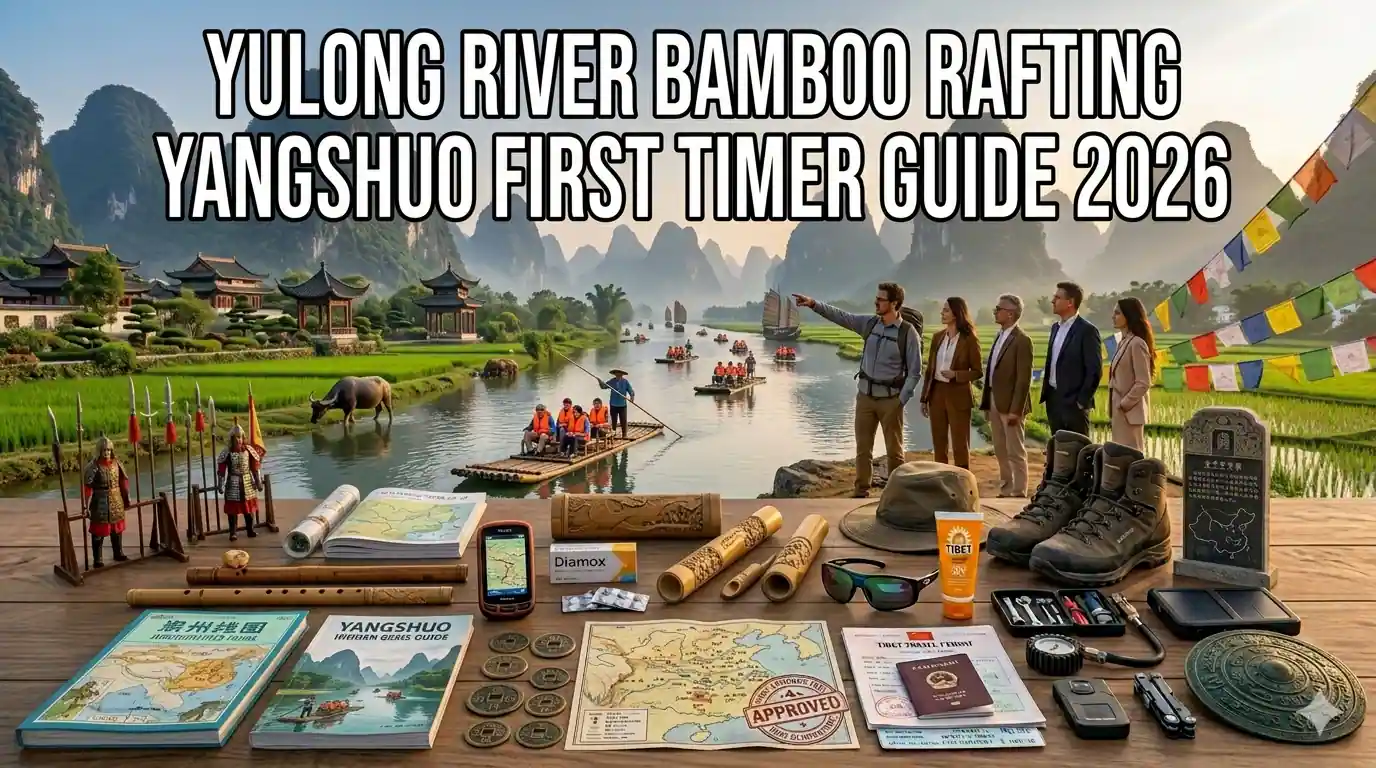
Discovering Yulong River Bamboo Rafting in Yangshuo
Bamboo rafting on the Yulong River represents one of China's most iconic and serene travel experiences. Located near Yangshuo in Guangxi Province, this peaceful river journey offers an intimate connection with the region's spectacular karst mountain landscape, traditional rural life, and pristine natural beauty.
Unlike the more commercialized Li River cruises, the Yulong River provides a quieter, more authentic experience where traditional bamboo rafts pole-powered by local boatmen glide silently through emerald waters framed by dramatic limestone peaks. The journey typically lasts between one to two hours depending on the route chosen, offering perfect opportunities for photography, relaxation, and cultural immersion.
For first-time visitors in 2026, understanding what to expect, how to prepare, and which route to choose ensures a memorable and safe experience. This comprehensive guide covers everything from booking procedures and safety considerations to photography tips and environmental responsibility, helping you make the most of this quintessential Yangshuo adventure.
Understanding the Yulong River Experience

The Yulong River, often called the "Little Li River," flows approximately forty-three kilometers through Yangshuo's countryside before joining the Li River. The bamboo rafting experience differs significantly from motorized boat tours, offering a slower, more meditative journey through one of China's most photographed landscapes.
What Makes Yulong River Special
Traditional bamboo rafts constructed from local bamboo poles provide an authentic transportation method used for centuries in this region. Each raft accommodates two to four passengers plus a local boatman who skillfully navigates using a long bamboo pole, creating a peaceful atmosphere free from engine noise.
The river's gentle current and shallow waters create ideal conditions for bamboo rafting, with water depths typically ranging from half a meter to two meters. This allows for close encounters with the riverbed, aquatic life, and riverside vegetation that motorized boats cannot provide.
Karst mountain scenery surrounds the entire route, with dramatic limestone peaks rising vertically from the flat agricultural landscape. These formations, created over millions of years, create constantly changing vistas as you navigate the river's gentle curves.
Rural life unfolds along the riverbanks, with water buffalo grazing in rice paddies, farmers tending crops, children playing near the water, and traditional villages nestled among the peaks. This living cultural landscape adds depth to the natural beauty.
Bamboo Rafting vs Other River Activities
Li River cruises offer longer journeys (typically four hours) on larger motorized vessels with more passengers. While spectacular, these lack the intimacy and tranquility of Yulong River's small bamboo rafts.
Motorized bamboo rafts on some sections provide faster travel but create noise and wake that diminish the peaceful atmosphere. Traditional pole-powered rafts remain the preferred choice for authentic experiences.
Kayaking offers more physical activity and independence but requires greater skill and effort. Bamboo rafting allows complete relaxation while a skilled boatman handles navigation.
Choosing Your Rafting Route
The Yulong River offers several distinct rafting routes, each with unique characteristics, scenery, and duration. Selecting the right route depends on your time availability, photography interests, and desired experience level.
Jinlong Bridge to Jiuxian Village Route
This popular upper section covers approximately six kilometers and takes about ninety minutes. The route features dramatic mountain scenery, traditional water wheels, and several small weirs where boatmen skillfully navigate elevation changes.
Best for: Photography enthusiasts seeking iconic karst mountain views and those wanting a comprehensive introduction to Yulong River scenery.
Highlights include the Golden Dragon Bridge (Jinlong Bridge) departure point, multiple photo opportunities of farmers and water buffalo, and the peaceful rural atmosphere of the upper river valley.
This route operates from approximately eight in the morning until four in the afternoon, with the best light for photography occurring between nine and eleven in the morning or three to four in the afternoon.
Chaolong to Gongnong Bridge Route
This middle section spans about four kilometers with a duration of approximately sixty to seventy-five minutes. The route offers a good balance of scenery and convenience, making it popular with time-conscious travelers.
Best for: Visitors with limited time who still want authentic Yulong River scenery and those staying in central Yangshuo.
Features include easier access from Yangshuo town, good mountain views, and convenient endpoint locations for continuing your day's activities.
This section tends to be busier during peak tourist seasons, so early morning departures provide a more peaceful experience.
Shuime Di to Dashucai Route
This lower section covers approximately five kilometers in about ninety minutes, featuring wider river sections and different mountain perspectives compared to upper routes.
Best for: Travelers seeking less crowded experiences and those interested in observing different aspects of rural riverside life.
The route passes through agricultural areas with active farming, offering cultural insights alongside natural beauty. Water levels tend to be more stable on this section.
Best Time to Visit and Seasonal Considerations
Timing significantly impacts your Yulong River bamboo rafting experience, affecting water levels, weather conditions, crowd levels, and photographic opportunities.
Spring Season March to May
Spring offers moderate temperatures ranging from fifteen to twenty-five degrees Celsius with occasional rain showers. The landscape bursts with green vegetation and blooming flowers, creating vibrant photographic opportunities.
Water levels rise from spring rains, creating fuller river conditions that enhance the rafting experience. Misty mornings are common, adding atmospheric drama to mountain scenery.
Crowd levels increase toward May as domestic tourism peaks. Booking in advance becomes important, particularly for weekend travel.
What to expect: Lush green scenery, comfortable temperatures, occasional rain requiring waterproof gear, and moderate to heavy crowds in May.
Summer Season June to August
Summer brings hot and humid conditions with temperatures reaching thirty to thirty-five degrees Celsius. Afternoon thunderstorms occur frequently but typically pass quickly.
Water levels reach their annual peak, sometimes causing temporary rafting suspensions during heavy rain periods. Check conditions before booking during rainy season.
This is peak tourist season with maximum crowds, particularly in July and August during school holidays. Early morning departures help avoid both crowds and afternoon heat.
What to expect: High water levels, hot weather requiring sun protection, frequent but brief rain showers, and maximum crowd levels requiring advance booking.
Autumn Season September to November
Autumn represents the ideal visiting season with comfortable temperatures of eighteen to twenty-eight degrees Celsius, stable weather, and reduced humidity.
Water levels stabilize at moderate levels, providing optimal rafting conditions. Clear skies and excellent visibility create perfect photography conditions.
Crowds decrease after the October national holiday, making late October and November particularly pleasant for peaceful rafting experiences.
What to expect: Ideal weather conditions, stable water levels, excellent visibility for photography, and decreasing crowds toward November.
Winter Season December to February
Winter brings cooler temperatures ranging from five to fifteen degrees Celsius with occasional colder periods. While less ideal for swimming, rafting remains comfortable with appropriate clothing.
Water levels drop to their lowest, sometimes exposing riverbed rocks and creating shallower sections. Some routes may have limited operations during very low water periods.
Crowds reach their minimum, offering peaceful experiences and easier booking. Some facilities may have reduced hours or temporary closures.
What to expect: Cooler weather requiring warm layers, lower water levels, minimal crowds, and potential route limitations during very low water.
What to Bring and Wear
Proper preparation ensures comfort, safety, and the ability to fully enjoy your bamboo rafting experience. Pack strategically based on season and personal needs.
Essential Items
Life jackets are provided and mandatory for all passengers. While not fashionable, they ensure safety and are non-negotiable. Choose properly fitting sizes and ensure secure fastening.
Waterproof bag or dry bag protects cameras, phones, wallets, and other valuables from water splashes. Even on calm days, water can splash into the raft, particularly when navigating weirs.
Sun protection including sunscreen SPF 30 or higher, sunglasses with UV protection, and wide-brimmed hat proves essential. Water reflection intensifies sun exposure, increasing burn risk.
Water and snacks for longer routes, particularly if rafting during midday. While some routes pass vendors, carrying your own supplies ensures hydration and energy.
Clothing Recommendations
Quick-dry clothing made from synthetic or merino wool materials works best. Avoid cotton which stays wet and cold when splashed. Lightweight long sleeves provide sun protection while allowing cooling.
Comfortable shoes that can get wet such as water shoes, sport sandals with straps, or old sneakers. Flip-flops may fall off in water and provide inadequate foot protection.
Change of clothes left at your hotel or in a locked vehicle for after the rafting trip. Even with careful rafting, you will likely get splashed.
Light jacket or windbreaker for early morning or late afternoon trips when temperatures drop, particularly in spring and autumn.
Photography Equipment
Waterproof camera or action camera like GoPro with waterproof housing captures the experience without worry about water damage. These devices handle splashes and occasional submersion.
Smartphone with waterproof case or dry bag allows photography while protecting your device. Many rafters successfully photograph with phones in quality dry bags.
Polarizing filter reduces water glare and enhances sky contrast if using a DSLR or mirrorless camera. This proves particularly useful for capturing mountain reflections.
Extra batteries and memory cards ensure you do not miss shots due to power or storage limitations. Cold weather and heavy use drain batteries quickly.
Booking and Costs
Understanding booking procedures, costs, and options helps you secure the best experience at fair prices while avoiding common tourist traps.
Official Booking Channels
Government-operated ticket offices at route departure points offer official rates and guaranteed service. These offices provide receipts and operate with transparent pricing.
Hotel concierge services can arrange rafting trips, often with hotel pickup and drop-off. While slightly more expensive than direct booking, the convenience and reliability often justify the premium.
Official tourism websites increasingly offer online booking with advance reservation options. This proves particularly useful during peak seasons when same-day availability may be limited.
Avoid street touts offering "discount" rafting as these often involve unlicensed operators, safety compromises, or hidden fees. Always verify operator credentials.
Current Pricing 2026
Official rates for bamboo rafting typically range from one hundred sixty to two hundred sixty yuan per person depending on the route chosen. Prices are generally per raft rather than per person, with rafts accommodating two to four passengers.
Jinlong Bridge route typically costs around two hundred to two hundred sixty yuan per raft. This premium route offers the longest distance and most comprehensive scenery.
Middle section routes like Chaolong to Gongnong Bridge cost approximately one hundred sixty to two hundred yuan per raft, providing good value for shorter trips.
Additional costs may include transportation to departure points if not included, photography services offered by some operators, and tips for boatmen though tipping remains optional.
Booking Tips
Book one to two days in advance during peak seasons (May, July-August, October) to ensure availability. Same-day booking often proves difficult during these periods.
Confirm what is included in the price: life jackets, transportation, duration, and any additional services. Clear understanding prevents surprises.
Request morning time slots for best light, cooler temperatures, and smaller crowds. The period between nine and eleven in the morning typically offers optimal conditions.
Verify the operator is licensed and uses proper safety equipment. Legitimate operators display credentials and maintain equipment properly.
Safety Considerations
While bamboo rafting on the Yulong River is generally safe, understanding and following safety guidelines ensures a trouble-free experience.
Water Safety
Always wear the provided life jacket properly fastened throughout the entire journey. Even strong swimmers should comply as river conditions can change unexpectedly.
Remain seated on the bamboo raft at all times. Standing or moving around destabilizes the raft and creates fall risks. If you need to adjust position, do so slowly and carefully.
Keep hands and feet inside the raft. Reaching into the water risks injury from submerged rocks, branches, or aquatic life.
Follow your boatman's instructions immediately. These experienced navigators understand the river's hazards and currents intimately.
Weather Considerations
Rafting is suspended during heavy rain, thunderstorms, or high water conditions. Respect these closures as they protect your safety.
Check weather forecasts before booking and be prepared to reschedule if conditions look unfavorable. Morning weather often proves more stable than afternoon.
Bring rain gear if rain is possible. A lightweight waterproof jacket keeps you comfortable without adding significant bulk.
Understand that weather in karst regions can change rapidly. What begins as a clear day can develop afternoon thunderstorms common in summer months.
Health Considerations
Bamboo rafting requires minimal physical exertion but does involve sitting on a hard bamboo surface for one to two hours. Those with back problems should consider comfort implications.
Sun exposure on water intensifies UV radiation. Apply sunscreen before departure and reapply if on longer routes. Seek shade when possible.
Stay hydrated particularly during hot weather. Bring water and drink regularly even if not feeling thirsty.
Those with severe allergies should carry appropriate medications and inform their boatman of any concerns.
Photography Tips for Yulong River
The Yulong River offers exceptional photographic opportunities. Proper preparation and technique help you capture stunning images of this iconic landscape.
Best Photography Times
Golden hour occurs approximately one hour after sunrise and one hour before sunset. Morning golden hour (typically six to eight AM depending on season) offers misty atmospheric conditions and soft light on karst peaks.
Mid-morning light (nine to eleven AM) provides clear visibility and good contrast for landscape photography. This time balances good light with comfortable temperatures.
Afternoon light (three to five PM) creates warm tones and long shadows that emphasize mountain textures. Late afternoon also offers potential for dramatic sunset colors.
Avoid midday (eleven AM to two PM) when harsh overhead light creates flat images and strong shadows. If rafting during this time, focus on details rather than landscapes.
Composition Techniques
Include the bamboo raft and boatman in compositions to provide scale and context. These human elements add interest and show the traditional nature of the experience.
Use the river as a leading line drawing the eye through the frame toward distant mountains. The river's curves create natural compositional flow.
Capture reflections in calm water sections for symmetrical compositions. Early morning typically offers the calmest water conditions.
Frame mountains through tree branches or other foreground elements to add depth and layers to images. This technique creates more three-dimensional compositions.
Equipment Settings
Use a polarizing filter to reduce water glare and enhance sky contrast. This proves particularly valuable for capturing mountain reflections clearly.
Shoot in RAW format if your camera allows, providing maximum flexibility for adjusting exposure and white balance during post-processing.
Use fast shutter speeds (one over two hundred fiftieth second or faster) to freeze water movement and ensure sharp images from the moving raft.
Bracket exposures in high contrast situations to ensure you capture detail in both bright skies and shadowed mountains. Merge later if needed.
Cultural and Environmental Responsibility
Responsible tourism ensures the Yulong River remains beautiful and culturally authentic for future visitors while respecting local communities.
Environmental Protection
Do not litter. Carry out all trash including food wrappers, tissues, and bottles. Even biodegradable items should be properly disposed of on shore.
Do not disturb wildlife including water birds, fish, or aquatic plants. Observe from a respectful distance without attempting to feed or touch animals.
Use reef-safe sunscreen to minimize chemical pollution in the river. Traditional sunscreens contain chemicals harmful to aquatic ecosystems.
Respect riverside vegetation and farmland. Do not trample crops or damage plants when accessing the river or taking photographs.
Cultural Respect
Ask permission before photographing local people, particularly farmers, children, or elderly residents. A smile and gesture usually suffices, and most people are happy to be photographed when asked respectfully.
Do not intrude on private property or homes along the river. Observe rural life from the river without trespassing.
Support local economy by purchasing from riverside vendors when appropriate. Small purchases of water, snacks, or handicrafts support local families.
Learn a few basic Mandarin phrases like "ni hao" (hello) and "xie xie" (thank you). Effort at communication is appreciated even if pronunciation is imperfect.
Practical Tips for First-Timers
These insider tips help first-time rafters navigate common challenges and maximize enjoyment of the Yulong River experience.
Before You Go
Confirm your hotel's location relative to rafting departure points. Some routes require thirty to forty-five minutes transportation from central Yangshuo.
Eat a light meal before departure but avoid heavy foods that might cause discomfort during the journey. Local breakfast options near departure points are often available.
Use restrooms before departure as facilities on the river are limited. Most departure points have basic restrooms available.
Secure valuables you do not need in a hotel safe. Bring only essentials on the raft to minimize loss risk.
During the Rafting
Communicate with your boatman about photo stops and pacing. Most boatmen happily slow down or pause at scenic spots for photography if you indicate your interest.
Relax and enjoy the experience rather than focusing exclusively on photography. The peaceful atmosphere and natural beauty deserve full attention.
Stay aware of low-hanging branches when passing under trees. Duck when necessary to avoid injury.
Expect to get splashed particularly when navigating small weirs or when other rafts pass. This is normal and part of the experience.
After the Rafting
Have your change of clothes ready for immediate use after disembarking. Drying off and changing quickly prevents discomfort.
Tip your boatman if service was good though this remains optional. Five to ten yuan is appreciated for friendly, informative service.
Explore the arrival area which often features local vendors, restaurants, and additional photo opportunities. Many routes end in charming riverside villages.
Share your experience and photos while memories are fresh. Writing reviews helps future travelers and supports quality operators.
Combining Rafting with Other Yangshuo Activities
Maximize your Yangshuo visit by combining Yulong River rafting with other regional attractions and activities.
Same-Day Combinations
Morning Yulong River rafting followed by afternoon bicycle rental to explore countryside roads. The combination provides both water and land perspectives of the karst landscape.
Early rafting followed by afternoon visit to Moon Hill or other climbing areas. The physical activities complement each other well with rafting providing relaxation after climbing.
Rafting in late afternoon followed by evening West Street exploration in Yangshuo town. This balances natural beauty with cultural and dining experiences.
Multi-Day Itineraries
Day one: Arrival and Yangshuo town exploration. Day two: Morning Yulong River rafting followed by afternoon cycling. Day three: Li River cruise or caving exploration.
Day one: Yulong River rafting and countryside exploration. Day two: Rock climbing or hiking. Day three: Cultural experiences including cooking classes or tai chi lessons.
Common Mistakes to Avoid
Learning from others' experiences helps you avoid common pitfalls that diminish the Yulong River experience.
Timing Mistakes
Booking afternoon slots during summer months results in rafting during peak heat and crowds. Morning departures consistently provide better experiences.
Attempting to visit during peak holiday periods (Chinese New Year, October national holiday) without advance booking leads to disappointment. These periods require planning weeks ahead.
Rushing the experience by choosing the shortest route when time allows longer journeys. The additional time on longer routes provides significantly more value.
Preparation Mistakes
Bringing valuables without waterproof protection results in water damage to phones, cameras, and wallets. Always use dry bags.
Wearing inappropriate footwear like flip-flops that fall off or provide inadequate protection. Proper water shoes prevent problems.
Not bringing sun protection leads to uncomfortable sunburn. Water reflection intensifies UV exposure significantly.
Expectation Mistakes
Expecting motorized speed when bamboo rafting is intentionally slow and peaceful. Embrace the meditative pace rather than fighting it.
Expecting complete solitude during peak seasons. While less crowded than Li River, Yulong still sees significant traffic during high season.
Expecting swimming opportunities. Bamboo rafting is a sightseeing activity, not a swimming excursion. Water quality and safety considerations make swimming inappropriate.
Conclusion: Your Yulong River Adventure Awaits
Bamboo rafting on the Yulong River represents more than just a tourist activity; it offers a genuine connection to one of China's most spectacular landscapes and a glimpse into traditional riverside life that has continued for centuries.
For first-time visitors in 2026, proper preparation including understanding routes, timing your visit appropriately, bringing the right gear, and respecting both the environment and local culture ensures a memorable and meaningful experience.
The gentle rhythm of the bamboo pole against the riverbed, the silence broken only by water sounds and occasional bird calls, and the ever-changing panorama of karst peaks create a meditative experience that stays with you long after you leave Yangshuo.
Whether you are a photography enthusiast seeking iconic images, a nature lover wanting to immerse yourself in stunning scenery, or a cultural traveler interested in traditional Chinese rural life, the Yulong River delivers an authentic and unforgettable experience.
Plan thoughtfully, pack appropriately, respect the environment and local communities, and allow yourself to fully embrace the peaceful pace of bamboo rafting. The Yulong River awaits to share its beauty and tranquility with those who take the time to experience it properly.
Your journey on these traditional bamboo rafts, gliding through emerald waters beneath towering limestone peaks, will undoubtedly become one of your most cherished China travel memories. Embrace the experience with an open heart and curious mind, and the Yulong River will reward you with moments of pure magic.
0 Comments