.webp)
.webp)
15 Essential Trini Slang Phrases Travelers Should Know Local Interaction
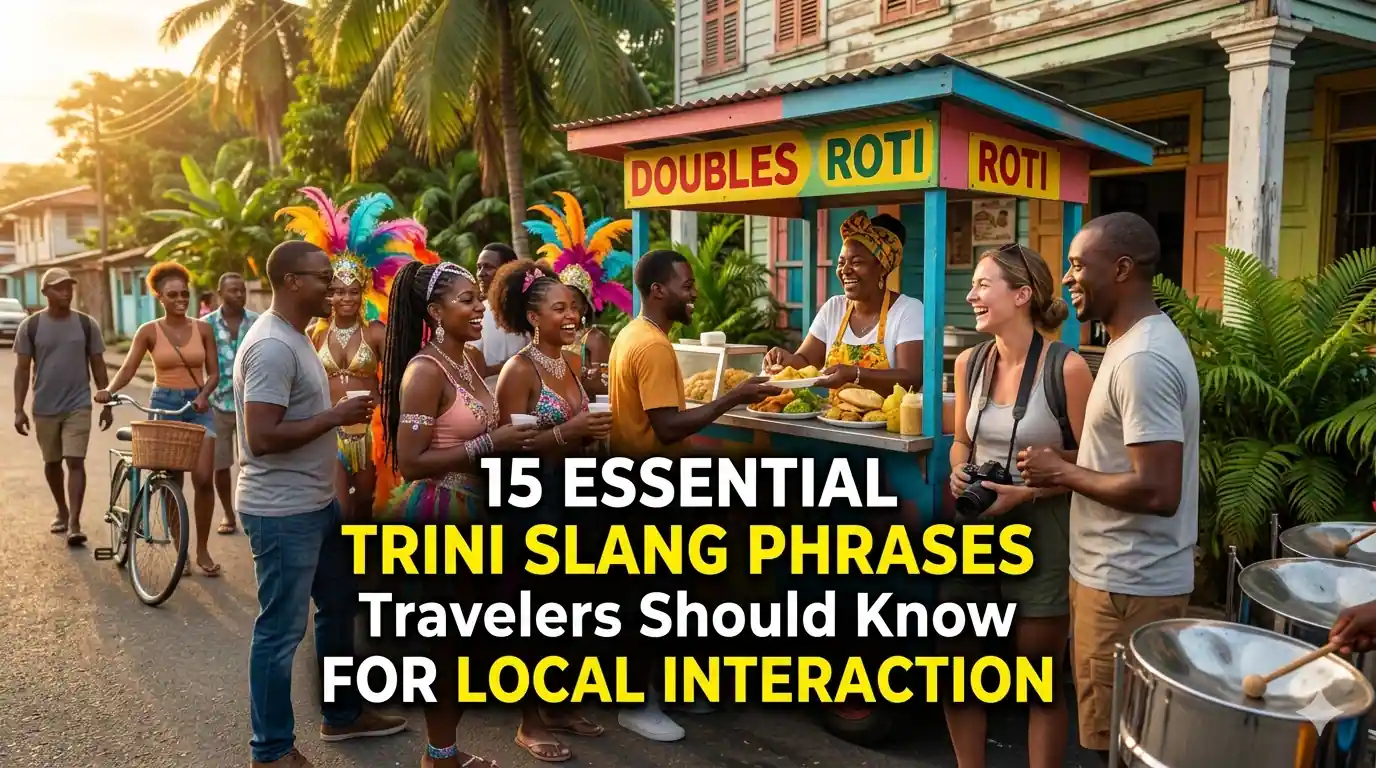
Discovering Trinidad and Tobago Through Local Language
Trinidad and Tobago offers travelers an extraordinary blend of Caribbean culture vibrant Carnival traditions and warm hospitality. Understanding local slang proves essential for meaningful interactions with Trinis who take pride in their unique linguistic heritage.
Trini Creole blends English African French Spanish and Indian influences creating a rich expressive dialect that reflects the islands diverse history. Mastering key phrases enables travelers to connect authentically with locals beyond typical tourist exchanges.
This comprehensive guide reveals fifteen essential Trini slang phrases every traveler should know for genuine local interaction. From casual greetings to cultural expressions these phrases open doors to deeper cultural understanding and memorable experiences in 2026.
Learning Trini slang demonstrates respect for local culture and often elicits warm responses from residents who appreciate visitors making effort to engage authentically. These phrases enhance everything from market shopping to Carnival celebrations.
Understanding Trini Creole and Its Cultural Context

Trini Creole represents far more than slang it embodies Trinidad and Tobagos multicultural identity and historical journey through colonialism migration and independence.
The dialect incorporates vocabulary from West African languages French patois Spanish and various Indian languages reflecting waves of immigration that shaped the islands population.
Pronunciation often differs significantly from standard English with dropped consonants altered vowel sounds and distinctive rhythmic patterns. Listening carefully to native speakers accelerates learning and comprehension.
Context matters immensely in Trini communication as tone body language and relationship dynamics influence meaning. The same phrase may convey different intentions depending on delivery and situation.
Respectful usage proves essential as some expressions carry cultural weight or may prove inappropriate in certain settings. Learning not just words but appropriate contexts demonstrates cultural sensitivity.
Phrase One Liming The Art of Relaxing

Liming ranks among the most fundamental Trini expressions meaning to hang out relax or spend leisure time with friends without specific agenda.
Usage example Come lime with we this evening means join us for casual socializing. The phrase emphasizes connection over activity valuing presence rather than productivity.
Cultural significance liming reflects Caribbean values of community relationships and enjoying life's simple pleasures. Understanding this concept helps travelers appreciate Trini social rhythms.
Traveler tip accepting invitations to lime opens doors to authentic experiences though always confirm details like location and timing as plans may prove flexible.
Pronunciation note lime sounds like lime in English though often extended to liming for the continuous form. Practice with locals who appreciate genuine effort.
Phrase Two Maco Understanding Social Curiosity

Maco describes the act of gossiping snooping or showing excessive curiosity about others affairs often with playful rather than malicious intent.
Usage example Stop macoing and mind your business gently chides someone for prying though tone determines whether comment proves humorous or critical.
Cultural context macoing reflects close-knit community dynamics where personal boundaries differ from individualistic cultures. Understanding this helps travelers navigate social interactions.
Traveler application recognizing when you might appear to be macoing helps avoid unintended offense. Ask permission before photographing people or inquiring about personal matters.
Appropriate response if called maco laugh good-naturedly and redirect conversation. Trinis value humor and self-awareness in social navigation.
Phrase Three Fete Celebrating Trinidadian Style

Fete refers to a party celebration or festive gathering particularly those featuring soca music dancing and abundant food and drink.
Usage example We going to a fete this weekend signals attendance at a lively social event. The word carries connotations of energy music and communal joy.
Cultural significance fetes represent central elements of Trinidadian social life particularly during Carnival season though celebrations occur year-round for various occasions.
Traveler opportunities accepting fete invitations enables experiencing authentic Trinidadian hospitality though prepare for late start times energetic crowds and extended duration.
Etiquette tips dress appropriately for the specific fete type bring contributions if requested and respect venue rules regarding photography or behavior.
Phrase Four Zess Navigating Showiness and Style

Zess describes showing off acting flashy or displaying wealth and style often with playful teasing rather than harsh criticism.
Usage example He zessing hard in that new car gently mocks someone for ostentatious display though context determines whether comment proves affectionate or judgmental.
Cultural nuance zessing reflects Caribbean appreciation for style and presentation balanced with values of humility and community. Understanding this tension helps interpret social cues.
Traveler awareness dressing nicely proves appreciated though excessive displays of wealth may attract unwanted attention or zessing comments. Balance style with cultural sensitivity.
Appropriate response to being zessed laugh along and acknowledge the comment. Trinis value good humor and ability to take playful teasing in stride.
Phrase Five Bazodee Embracing Confusion

Bazodee describes feeling confused bewildered or overwhelmed often in endearing rather than frustrating contexts.
Usage example All this Carnival music got me bazodee expresses delightful overwhelm at festive sensory richness. The word carries warmth and self-deprecating humor.
Cultural application bazodee acknowledges life's complexities while maintaining lighthearted perspective. Using the phrase demonstrates cultural fluency and emotional intelligence.
Traveler usage admitting to feeling bazodee when navigating unfamiliar situations invites helpful guidance from locals who appreciate honest vulnerability.
Pronunciation guidance bazodee sounds like bah-zoh-dee with emphasis on middle syllable. Practice with friendly locals who enjoy teaching language nuances.
Phrase Six Wukking Up Understanding Dance Culture

Wukking up refers to dancing provocatively to soca music particularly the hip-rolling movements central to Trinidadian dance culture.
Usage example She wukking up good at the fete compliments someone's dance skills and energy. The phrase celebrates bodily expression and musical connection.
Cultural context wukking up embodies Caribbean celebration of body positivity musical rhythm and communal joy. Understanding this helps travelers appreciate dance as cultural expression.
Traveler participation joining in wukking up requires comfort with close dancing and cultural respect. Observe first then participate modestly if invited.
Respectful engagement always ask before dancing with someone and respect boundaries. Wukking up should prove consensual and joyful for all participants.
Phrase Seven Sou-Sou Recognizing Community Economics

Sou-sou describes a rotating savings club where community members contribute money regularly with each member receiving the total pool in turn.
Usage example I getting my sou-sou next week indicates anticipation of receiving accumulated funds. The phrase reflects community-based financial support systems.
Cultural significance sou-sou demonstrates Trinidadian values of mutual aid trust and collective prosperity. Understanding this concept enriches appreciation of local economic practices.
Traveler awareness recognizing sou-sou references helps understand conversations about money community and planning. The practice reflects broader Caribbean economic traditions.
Respectful curiosity asking about sou-sou demonstrates interest in local culture though avoid prying into personal financial arrangements.
Phrase Eight Lime The Noun Form of Hanging Out

Lime as a noun refers to the social gathering or event itself where people come together to relax chat and enjoy each other's company.
Usage example That was a good lime last night expresses satisfaction with a social gathering. The word emphasizes quality of connection over specific activities.
Cultural importance limes represent fundamental social structures in Trinidadian life where relationships strengthen through unstructured time together.
Traveler application accepting invitations to limes enables authentic cultural immersion though arrive with flexible expectations regarding timing and activities.
Hosting tips if organizing a lime provide food drinks and music while allowing organic conversation to develop. Trinis value hospitality and inclusive atmospheres.
Phrase Nine Gyul Navigating Gendered Address

Gyul serves as casual address for girls or young women often used affectionately though context determines appropriateness.
Usage example Hey gyul how you doing functions as friendly greeting though tone and relationship influence whether term proves welcome.
Cultural nuance gyul reflects Caribbean patterns of familiar address though travelers should use cautiously until understanding social dynamics.
Traveler guidance observe how locals address each other before adopting similar terms. When in doubt use neutral greetings like hello or good day.
Appropriate response if called gyul respond politely while assessing whether term reflects friendly familiarity or inappropriate presumption.
Phrase Ten Chutney Understanding Musical and Situational Contexts

Chutney refers both to a popular music genre blending Indian and Caribbean influences and to situations that prove complicated or messy.
Usage example This chutney music got me moving celebrates the energetic dance genre while That's a real chutney describes a complicated situation.
Cultural significance chutney music represents Trinidadian Indo-Caribbean heritage and cultural fusion. Understanding both meanings enriches cultural comprehension.
Traveler opportunities attending chutney music events enables experiencing Indo-Trinidadian culture though research appropriate venues and etiquette beforehand.
Contextual awareness recognizing which meaning applies prevents confusion. Listen for musical references versus situational descriptions to interpret correctly.
Phrase Eleven Soca Embracing Energy and Vibe

Soca describes both the iconic Trinidadian music genre and the energetic vibe or atmosphere associated with celebration and Carnival.
Usage example The soca at that fete was incredible praises the music while This place has good soca describes positive energetic atmosphere.
Cultural centrality soca music drives Trinidadian Carnival and social life representing joy resistance and cultural pride. Understanding this deepens appreciation of local expressions.
Traveler engagement learning basic soca dance moves or lyrics demonstrates cultural interest though participate respectfully without appropriating.
Musical exploration seek out soca artists like Machel Montano Bunji Garlin or Patrice Roberts to understand the genre's evolution and cultural significance.
Phrase Twelve Parang Connecting to Seasonal Traditions

Parang refers to traditional Christmas folk music with Spanish and Venezuelan influences performed during holiday season throughout Trinidad.
Usage example We going paranging this weekend indicates participation in traditional house-to-house singing celebrations. The phrase connects to seasonal cultural practices.
Cultural heritage parang represents Trinidadian Spanish-speaking heritage and community-based holiday traditions. Understanding this enriches appreciation of seasonal celebrations.
Traveler opportunities attending parang events during December enables experiencing authentic Trinidadian Christmas traditions though research appropriate venues and etiquette.
Seasonal awareness parang occurs primarily November through January so references outside this period may prove metaphorical or refer to recorded music.
Phrase Thirteen D'back Navigating Disagreement

D'back means to contradict talk back or respond defiantly often with playful teasing rather than serious confrontation.
Usage example Stop d'backing and listen gently chides someone for arguing though tone determines whether comment proves humorous or critical.
Cultural communication d'backing reflects Caribbean patterns of verbal play and relationship negotiation. Understanding this helps interpret social dynamics accurately.
Traveler awareness recognizing when you might appear to be d'backing helps navigate conversations respectfully. Ask clarifying questions rather than contradicting prematurely.
Appropriate response if accused of d'backing apologize if unintended or engage playfully if context permits. Trinis value verbal agility and good-natured exchange.
Phrase Fourteen Steups Expressing Disapproval

Steups describes the sound of sucking teeth to express disapproval frustration or dismissal often accompanied by specific facial expressions.
Usage example making the steups sound while shaking head communicates disagreement without words. The gesture carries significant communicative power in Trini culture.
Cultural expression steups represents non-verbal communication central to Caribbean interaction. Understanding this enhances comprehension of unspoken social cues.
Traveler caution using steups requires cultural fluency as improper usage may prove offensive. Observe locals first before attempting this nuanced expression.
Recognition skills learning to identify steups helps travelers understand when they may have caused unintended offense or when others express disagreement.
Phrase Fifteen All Yuh Understanding Collective Address

All yuh serves as plural you addressing groups rather than individuals reflecting Caribbean linguistic patterns distinct from standard English.
Usage example All yuh ready for the fete addresses a group collectively. The phrase emphasizes community orientation over individual focus.
Cultural significance all yuh reflects Trinidadian values of collective identity and shared experience. Using the phrase demonstrates cultural awareness and inclusivity.
Traveler application using all yuh when addressing groups demonstrates linguistic respect though pronunciation may require practice with native speakers.
Pronunciation guidance all yuh sounds like all-yoo with smooth transition between words. Practice with friendly locals who appreciate genuine effort at cultural connection.
Practical Tips for Learning and Using Trini Slang

Effective language learning requires strategic approaches that respect cultural context while building practical communication skills.
Listen actively to native speakers noting pronunciation rhythm and contextual usage. Trini radio stations podcasts and social media provide authentic language exposure.
Practice with patient locals who appreciate visitors making effort. Most Trinis enjoy teaching language nuances to respectful learners.
Start with greetings and simple expressions before attempting complex phrases. Building confidence gradually prevents overwhelming yourself or others.
Carry a small phrasebook or use language apps though prioritize real-world practice over rote memorization. Contextual learning proves more effective than isolated vocabulary.
Cultural Etiquette When Using Local Slang

Respectful usage of Trini slang requires understanding not just words but appropriate contexts and cultural sensitivities.
Avoid using slang terms in formal settings like business meetings or official transactions unless initiated by local counterparts. Code-switching proves important in Trinidadian communication.
Recognize that some expressions carry historical or cultural weight requiring sensitivity. Research phrases before using them to avoid unintended offense.
Accept correction graciously when misusing terms. Trinis generally appreciate genuine effort though may gently guide proper usage.
Balance enthusiasm with humility when learning local language. Demonstrating curiosity without presumption builds positive cross-cultural relationships.
Regional Variations Within Trinidad and Tobago

Language usage varies between Trinidad and Tobago and across different regions within each island requiring contextual awareness.
Tobago dialect may differ slightly from Trinidadian Creole with distinct pronunciation patterns and vocabulary preferences. Observe local usage when visiting.
Urban versus rural areas may exhibit different slang prevalence and usage patterns. Port-of-Spain residents may use different expressions than rural communities.
Generational differences influence slang adoption with younger Trinis incorporating contemporary influences while elders maintain traditional expressions.
Traveler adaptation remain flexible and observant adjusting language usage based on local context and feedback from conversation partners.
Resources for Continued Language Learning

Extending Trini slang knowledge beyond basic phrases enables deeper cultural engagement and more authentic travel experiences.
Local radio stations like I95.5 FM or Power 102 provide authentic language exposure through music talk shows and advertisements.
Online communities and social media groups focused on Trinidadian culture offer opportunities to observe contemporary slang usage and ask questions.
Cultural centers and museums in Port-of-Spain sometimes offer language workshops or cultural orientation sessions for visitors.
Local friends and guides prove invaluable resources for ongoing language learning providing real-time feedback and contextual explanation.
Conclusion Connecting Through Language in Trinidad and Tobago

Learning essential Trini slang phrases transforms travel experiences from observation to participation enabling meaningful connections with Trinidad and Tobago's vibrant culture.
These fifteen phrases provide foundation for authentic interaction though true fluency develops through patient practice respectful engagement and genuine curiosity about local life.
Approaching language learning with humility humor and cultural sensitivity enriches travel while demonstrating respect for Trinidadian heritage and identity.
Your effort to speak Trini slang opens doors to warmer welcomes deeper conversations and more memorable experiences in this extraordinary Caribbean destination.
The rhythm of Trini Creole reflects the heartbeat of Trinidad and Tobago itself vibrant diverse and welcoming. Let these phrases guide you toward authentic connection and unforgettable cultural exchange.
0 Comments