.webp)
.webp)
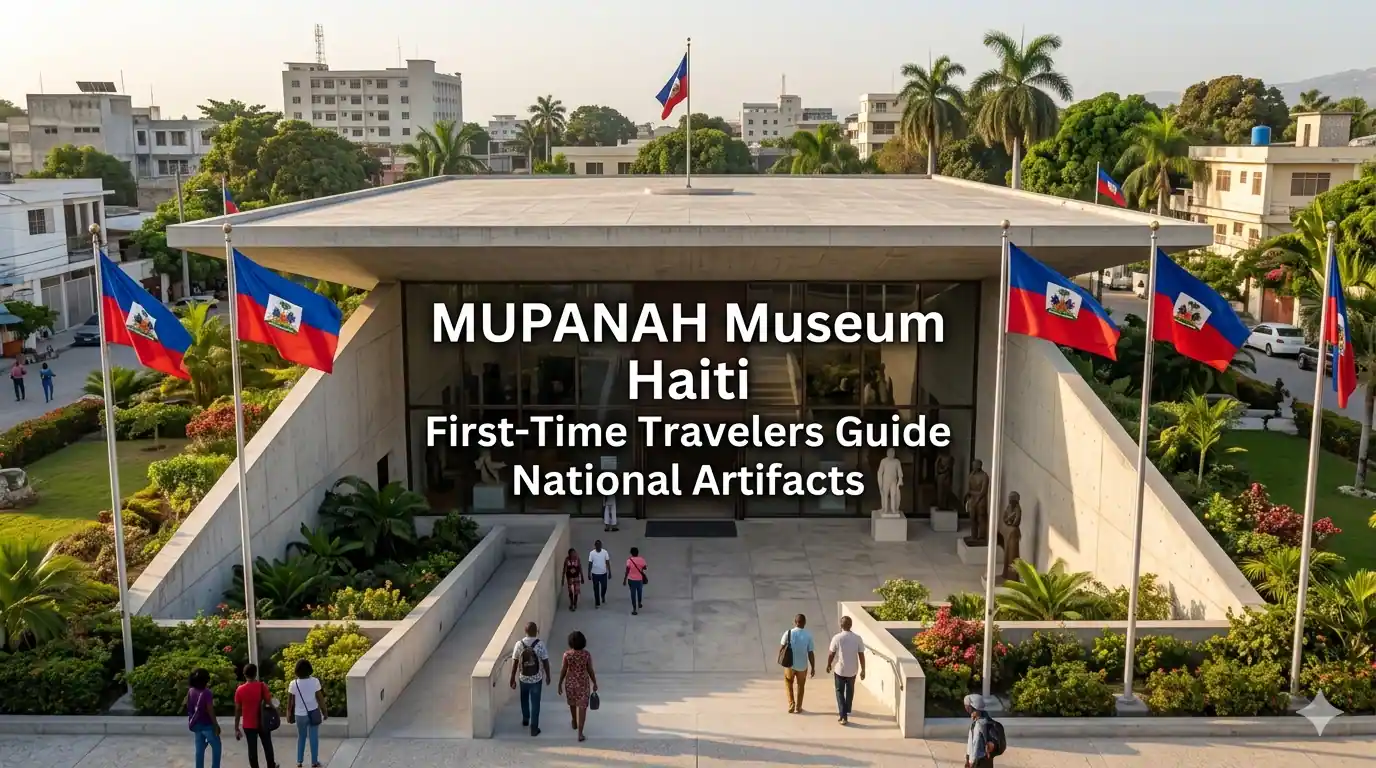
MUPANAH Museum Haiti First-Time Travelers Guide National Artifacts
Discovering Haitian History at the MUPANAH Museum
The Musée du Panthéon National Haïtien known as MUPANAH stands as Haiti's most significant cultural institution dedicated to preserving and presenting the nation's revolutionary heritage. Located in Port-au-Prince this remarkable museum houses artifacts from the Haitian Revolution the tombs of national heroes and exhibits that tell the story of the world's first Black republic.
For first-time visitors to Haiti the MUPANAH Museum offers an essential introduction to the nation's extraordinary history resilience and cultural identity. Understanding the artifacts exhibits and context enables meaningful engagement with Haiti's revolutionary legacy.
The museum's collection includes weapons documents personal belongings and ceremonial items from revolutionary leaders including Toussaint Louverture Jean-Jacques Dessalines and Henri Christophe. These artifacts provide tangible connections to the struggle for freedom that defined Haiti's founding.
This comprehensive guide reveals everything first-time travelers need to know about visiting the MUPANAH Museum including practical information exhibit highlights historical context cultural significance and tips for respectful meaningful engagement in 2026.
Historical Significance of the MUPANAH Museum

The MUPANAH Museum was established in nineteen eighty-three to honor Haiti's founding fathers and preserve artifacts from the revolutionary period that led to independence in eighteen oh four.
The museum's creation represented a national commitment to preserving Haitian heritage following decades of political instability. Its location in Port-au-Prince's cultural district positions it as central to understanding Haitian identity.
The building itself reflects modernist Haitian architecture designed to create contemplative spaces for engaging with difficult historical narratives. Courtyards exhibition halls and memorial spaces guide visitors through chronological and thematic presentations.
As a national pantheon the museum serves dual purposes as educational institution and sacred memorial. This dual role requires visitors to approach exhibits with both intellectual curiosity and cultural respect.
Understanding this historical context enriches the museum experience transforming artifact observation into meaningful engagement with Haiti's ongoing journey of self-determination and cultural preservation.
Key Artifacts and Exhibits for First-Time Visitors

The MUPANAH Museum's collection features extraordinary artifacts that illuminate Haiti's revolutionary history and cultural development.
The tomb of Toussaint Louverture represents the museum's most significant memorial. Though his remains were repatriated to Haiti in nineteen eighty-three the tomb serves as powerful symbol of Haitian resilience and the enduring legacy of the revolution's principal leader.
Weapons from the revolutionary period including swords muskets and ceremonial blades demonstrate the material culture of the independence struggle. These artifacts connect visitors to the physical reality of the fight for freedom.
Personal belongings of revolutionary leaders including clothing documents and household items provide intimate glimpses into the lives of historical figures. These humanizing artifacts complement broader historical narratives.
Historical documents including proclamations letters and official records offer primary source insights into revolutionary strategy governance and diplomacy. Translation aids help international visitors access these important texts.
Ceremonial objects and religious artifacts reflect the syncretic spiritual traditions that sustained revolutionary communities. These items reveal the cultural dimensions of political resistance.
Practical Visitor Information for 2026

Planning a visit to the MUPANAH Museum requires understanding current operational details and practical considerations.
Opening hours typically run Tuesday through Sunday from nine AM to four PM though schedules may vary due to holidays maintenance or special events. Verify current hours before visiting through official channels or hotel concierges.
Admission fees for international visitors typically range five to ten US dollars with discounted rates for students and Haitian citizens. Cash payment in US dollars or Haitian gourdes is usually accepted.
Location in downtown Port-au-Prince near the National Palace requires transportation planning. Hotel-arranged taxis or trusted tour operators provide safest access for international visitors.
Security screening at entrance includes bag checks and metal detection. Allow extra time for these procedures particularly during peak visiting hours or special events.
Photography policies vary by exhibit with some artifacts permitting photography while others restrict it to preserve sensitive materials. Observe posted signs and ask staff when uncertain.
Understanding the Haitian Revolution Through Museum Exhibits

The MUPANAH Museum's exhibits provide chronological and thematic frameworks for understanding the Haitian Revolution's complexity and significance.
Early exhibits address pre-revolutionary Saint-Domingue establishing context for the enslaved population's conditions colonial economics and emerging resistance movements. This foundation proves essential for appreciating revolutionary motivations.
Revolutionary period exhibits feature battle maps strategic documents and personal accounts that illuminate military campaigns political negotiations and social transformations. Multimedia presentations enhance engagement with complex historical narratives.
Post-independence exhibits explore nation-building challenges including international isolation economic development and cultural identity formation. These sections connect historical struggles to contemporary Haitian experiences.
Interactive elements including touchscreens audio guides and reconstructed environments enable varied learning styles though availability may vary based on museum resources and maintenance.
Guided tours when available provide expert interpretation that enriches understanding of artifacts historical context and cultural significance. Inquire about tour schedules upon arrival.
Cultural Protocols and Respectful Engagement

Visiting the MUPANAH Museum requires cultural sensitivity and respectful behavior that honors Haiti's national heritage and memorial spaces.
Approach memorial areas including the tomb of Toussaint Louverture with quiet reverence. These spaces serve as sacred sites for Haitians commemorating ancestral struggle and sacrifice.
Photography etiquette requires observing posted restrictions and asking permission before photographing other visitors or staff. Respect requests to refrain from documentation in sensitive areas.
Engage with exhibits thoughtfully allowing time for reflection rather than rushing through collections. The museum's narratives address difficult histories that merit contemplative engagement.
Ask questions of staff with genuine curiosity and respect. Museum personnel often possess deep knowledge of exhibits and Haitian history that enhances visitor understanding.
Support the museum's mission through admission fees donations or purchasing educational materials from the gift shop. These contributions support preservation efforts and cultural education.
Best Times to Visit for Optimal Experience

Timing your MUPANAH Museum visit significantly affects crowd levels lighting conditions and overall experience quality.
Weekday mornings typically prove least crowded enabling contemplative exploration without competing for exhibit space. Tuesday through Thursday mornings offer optimal conditions for first-time visitors.
Afternoon visits may coincide with school groups or tour parties creating busier conditions though also more dynamic atmosphere. Consider personal preferences regarding crowd levels when scheduling.
Seasonal considerations include Haiti's dry season December through April offering more reliable transportation and comfortable walking conditions. Rainy season visits require weather preparation though may feature fewer tourists.
Special commemorative dates including Haitian Independence Day January first and Flag Day May eighteenth may feature special programming though also increased visitor numbers. Research event calendars when planning visits.
Allow two to three hours for comprehensive museum exploration though flexible pacing enables deeper engagement with exhibits of particular interest.
Guided Tours and Educational Resources

Guided tours enhance the MUPANAH Museum experience through expert interpretation contextual knowledge and access to specialized information.
Official museum guides when available provide authoritative information about artifacts historical context and cultural significance. Inquire about tour schedules languages offered and reservation requirements upon arrival.
Private tour operators specializing in Haitian cultural tourism sometimes include MUPANAH visits in broader Port-au-Prince itineraries. These services offer transportation expertise and customized pacing though at higher cost.
Audio guides if available enable self-paced exploration with multilingual commentary. Verify availability and language options when planning your visit.
Educational materials including exhibit catalogs historical timelines and children's resources support varied learning needs. The museum gift shop often stocks these materials for purchase.
Academic researchers may arrange specialized access through advance coordination with museum administration. Contact the museum directly for research visit protocols and requirements.
Accessibility and Visitor Amenities

The MUPANAH Museum strives to accommodate diverse visitor needs though accessibility features may prove limited compared to institutions in more resourced settings.
Physical accessibility includes ramps and elevators in some areas though historic building elements may create barriers. Contact the museum in advance regarding specific accessibility requirements.
Restroom facilities exist though may prove basic by international standards. Plan accordingly and carry personal hygiene supplies as backup.
Climate control varies throughout the museum with some exhibits in air-conditioned spaces while others rely on natural ventilation. Dress in layers for comfort across varying conditions.
Seating areas enable rest during extended visits though availability may prove limited during busy periods. Pace your exploration to accommodate personal comfort needs.
Gift shop offerings include books crafts and educational materials supporting the museum's mission. Purchases contribute to preservation efforts and cultural education programs.
Photography Policies and Documentation Guidelines

Understanding photography policies enables appropriate documentation while respecting preservation needs and cultural protocols.
General exhibit photography typically permits non-flash photography for personal use though policies may vary by specific artifacts or temporary exhibitions. Observe posted signage and staff guidance.
Flash photography remains prohibited throughout the museum to protect light-sensitive artifacts including documents textiles and pigments. Respect these restrictions even in seemingly well-lit areas.
Memorial spaces including the tomb of Toussaint Louverture may restrict photography entirely or permit only discreet documentation. Prioritize respectful engagement over photographic opportunities in sacred areas.
Commercial photography including professional shoots or content creation for publication requires advance permission from museum administration. Contact the museum directly regarding commercial use protocols.
Share photographs responsibly providing historical context and cultural appreciation rather than treating artifacts as mere visual content. Ethical documentation honors the museum's educational mission.
Connecting MUPANAH to Broader Port-au-Prince Exploration

The MUPANAH Museum serves as excellent starting point for broader cultural exploration of Port-au-Prince and Haitian history.
Nearby attractions including the Iron Market National Palace grounds and Artisanat Center enable complementary cultural experiences within walking distance or short transportation.
Historical walking tours sometimes incorporate MUPANAH visits with surrounding revolutionary sites creating cohesive narrative experiences. Research tour options through reputable operators.
Art galleries and cultural centers in Pétion-Ville and downtown Port-au-Prince feature contemporary Haitian art that dialogues with historical narratives presented at MUPANAH.
Local restaurants near the museum offer opportunities to experience Haitian cuisine while reflecting on museum exhibits. Culinary experiences extend cultural engagement beyond the museum walls.
Community organizations and historical societies sometimes coordinate with MUPANAH for special events lectures or educational programs. Inquire about upcoming programming that might enhance your visit.
Safety Considerations for Museum Visitors

Visiting the MUPANAH Museum requires awareness of safety considerations appropriate for Port-au-Prince travel.
Arrange transportation through trusted sources including hotel concierges established tour operators or verified taxi services. Avoid hailing random taxis particularly for first-time visitors.
Keep valuables secure and maintain awareness of personal belongings in public spaces. Museum visits typically prove safe though standard urban precautions remain advisable.
Travel with companions when possible particularly for first-time visitors unfamiliar with Port-au-Prince. Group travel enhances safety and enriches cultural exchange opportunities.
Monitor current travel advisories and local conditions before visiting. Situational awareness enables adaptive planning if circumstances change.
Respect local customs and engage with community members respectfully. Cultural sensitivity contributes to positive interactions and personal safety.
Supporting Museum Preservation and Cultural Heritage
Visitor engagement with the MUPANAH Museum can contribute to preservation efforts and cultural heritage sustainability.
Admission fees and donations directly support artifact conservation exhibition development and educational programming. Consider contributing beyond required admission if your budget allows.
Purchasing educational materials crafts or books from the museum gift shop supports institutional revenue and Haitian artisans. These purchases extend the museum's educational mission.
Sharing respectful informed experiences through word-of-mouth or responsible social media raises awareness about Haitian cultural heritage. Ethical storytelling amplifies the museum's educational impact.
Volunteer opportunities may exist for qualified individuals with relevant expertise. Contact the museum directly regarding potential collaboration or support opportunities.
Advocating for cultural heritage preservation in broader travel and policy discussions helps protect institutions like MUPANAH for future generations of visitors and Haitians.
Conclusion Meaningful Engagement with Haitian Heritage
The MUPANAH Museum offers first-time visitors to Haiti an essential introduction to the nation's revolutionary history cultural resilience and ongoing journey of self-determination. Understanding artifacts exhibits and cultural context enables meaningful engagement with Haiti's extraordinary heritage.
Approaching the museum with respect curiosity and cultural sensitivity transforms artifact observation into meaningful connection with Haitian identity and historical experience. Your visit when conducted thoughtfully honors the legacy of those who fought for freedom and dignity.
Practical preparation regarding timing transportation and expectations enables smooth museum experiences that focus on learning rather than logistics. The museum's narratives reward contemplative engagement with Haiti's complex beautiful history.
Your MUPANAH Museum visit contributes to cultural preservation and cross-cultural understanding when conducted with respect and genuine interest. These artifacts tell stories of human courage that resonate across borders and generations.
The Museum of the Haitian National Pantheon awaits travelers ready to engage with Haiti's revolutionary legacy. With preparation respect and openness your visit reveals extraordinary stories of freedom resilience and cultural pride that define the Haitian experience.
0 Comments