.webp)
.webp)
Saint Lucia Travel Itinerary: A Complete 21-Day Deep Dive into Island Life, Culture, and Natural Beauty in 2026
Introduction: Why Spend 21 Days in Saint Lucia
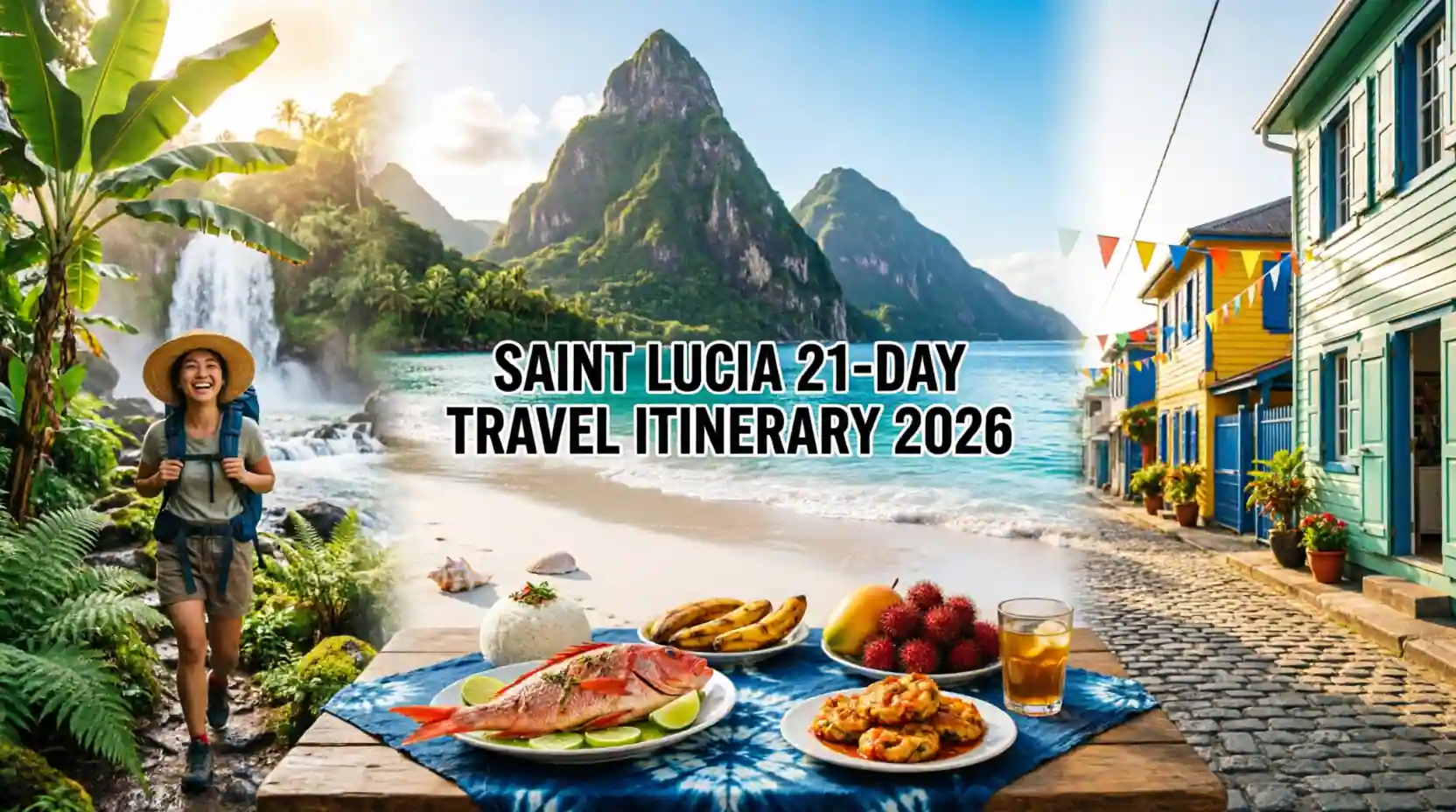
Saint Lucia, the crown jewel of the Caribbean's Windward Islands, offers visitors far more than a typical week-long beach vacation can encompass. This volcanic paradise, dominated by the iconic UNESCO World Heritage Pitons and blessed with lush rainforests, pristine beaches, vibrant Creole culture, and world-class resorts, rewards travelers who take the time to explore its many layers. A 21-day itinerary allows you to move beyond tourist highlights and truly immerse yourself in island life, discovering hidden waterfalls, bonding with local communities, mastering the art of island time, and experiencing the full spectrum of what makes Saint Lucia extraordinary.
Three weeks provides the luxury of balancing adventure with relaxation, exploration with immersion, and activity with authenticity. You can hike the Gros Piton at dawn, spend afternoons at secluded beaches, learn to cook traditional Creole cuisine, volunteer with conservation projects, explore remote fishing villages, indulge in luxury spa treatments, and still have time to simply sit on a beach watching fishermen haul in their nets as the sun sets behind the Pitons. This extended stay transforms a vacation into a meaningful cultural exchange and personal rejuvenation.
This comprehensive 21-day itinerary is designed for travelers seeking depth over breadth, authenticity over checklist tourism, and connection over convenience. Whether you are a remote worker seeking a tropical base, a retiree exploring long-term relocation possibilities, a couple celebrating a milestone, or simply someone who believes the best travel experiences unfold slowly, this guide will help you craft a Saint Lucia journey that nourishes body, mind, and soul while creating memories that last far beyond your departure.
Week One: Arrival, Orientation, and Northern Exploration

Your first week in Saint Lucia focuses on settling in, understanding the island's geography and culture, and exploring the vibrant northern region. This gradual introduction allows you to adjust to island time, recover from travel fatigue, and build a foundation of knowledge and confidence for deeper exploration in weeks two and three.
Base yourself in the north during this first week, choosing accommodation in or near Rodney Bay, Gros Islet, or Cap Estate. These areas offer excellent infrastructure, diverse dining and shopping options, beautiful beaches, and easy access to northern attractions while serving as convenient launching points for island-wide exploration.
Days 1-3: Arrival and Rodney Bay Orientation
Day 1: Arrival and Acclimatization
Arrive at Hewanorra International Airport (UVF) in the south or George F. L. Charles Airport (SLU) in the north. If arriving at UVF, arrange pre-booked transportation to your northern accommodation (approximately 90 minutes). Check into your lodging, unpack, and take time to rest and recover from travel. In the evening, enjoy a casual dinner at a nearby restaurant, perhaps sampling your first fresh seafood platter or traditional green fig and saltfish while watching the sunset over the Caribbean Sea.
Day 2: Rodney Bay and Gros Islet Exploration
Spend your first full day exploring the Rodney Bay area. Visit Rodney Bay Marina to see luxury yachts and waterfront dining, stroll along Reduit Beach (one of the island's best swimming beaches), and explore the shops and restaurants of Rodney Bay Village. In the evening, if it's a Friday, experience the legendary Gros Islet Jump-Up street party, where locals and visitors dance to soca music, sample grilled street food, and celebrate island culture late into the night.
Day 3: Cap Estate and Pigeon Island National Landmark
Dedicate this day to exploring Cap Estate, Saint Lucia's northernmost point and home to luxury resorts and the historic Pigeon Island National Landmark. Walk across the causeway to Pigeon Island, explore the ruins of Fort Rodney (built by the British in the 18th century), hike to the highest point for panoramic views, and swim at the beautiful beaches. Visit the on-site restaurant for lunch with spectacular ocean views. In the afternoon, explore the nearby Cap Estate golf course or relax at one of the area's pristine beaches.
Days 4-5: Northern Waterfalls and Rainforest
Day 4: Toraille Waterfall and Diamond Falls
Begin venturing south to explore Saint Lucia's famous waterfalls. Start with Toraille Waterfall near Soufrière, where you can swim in the refreshing pool beneath the 50-foot cascade. Continue to the Diamond Falls Botanical Gardens, where mineral-rich water creates a stunning rainbow-colored waterfall. Explore the extensive botanical gardens featuring tropical plants, flowers, and trees. Visit the adjacent Diamond Mineral Baths, used since the 18th century for their therapeutic properties. This day introduces you to Saint Lucia's volcanic heritage and natural beauty.
Day 5: Enbas Saut Waterfall Hike
Challenge yourself with a hike to Enbas Saut Waterfall, one of Saint Lucia's most spectacular and least crowded waterfalls. This moderate to challenging 2-3 hour round-trip hike takes you through pristine rainforest to a stunning 200-foot waterfall with a large swimming pool. The trail requires a local guide (mandatory), providing opportunities to learn about rainforest ecology, medicinal plants, and local history. Pack a picnic lunch to enjoy at the falls. This immersive nature experience connects you deeply with Saint Lucia's wild interior.
Days 6-7: Marine Adventures and Relaxation
Day 6: Snorkeling and Marine Exploration
Dedicate this day to exploring Saint Lucia's underwater world. Book a snorkeling or diving excursion to sites like Anse Cochon, Anse Chastanet Reef, or the coral gardens off Pigeon Island. These sites feature vibrant coral formations, tropical fish, sea turtles, and possibly rays. If you're not certified to dive, snorkeling provides excellent marine life viewing. Many operators offer combination trips that include beach time, lunch, and multiple snorkeling locations. In the evening, enjoy a seaside dinner featuring fresh catch of the day.
Day 7: Beach Day and Cultural Immersion
Spend your first week's final day relaxing and reflecting. Choose a favorite beach from your explorations or discover a new one. Read, swim, nap in a hammock, or simply watch the waves. In the late afternoon, visit a local village or market to interact with residents, practice your Creole greetings, and perhaps purchase handmade crafts. Attend a cultural performance if available, or simply sit at a local bar or restaurant observing daily life. This unstructured day allows you to process your first week's experiences and prepare for deeper exploration ahead.
Week Two: Soufrière, The Pitons, and Volcanic Heartland

Week two shifts your base to the Soufrière region, Saint Lucia's cultural and geological heart. This area, dominated by the iconic Pitons and active volcanic features, offers the island's most dramatic landscapes, rich history, and authentic Creole culture. Relocating here for a week allows you to explore this region thoroughly without lengthy daily commutes.
Choose accommodation in or near Soufrière town, ranging from luxury resorts with Piton views to charming guesthouses and eco-lodges. This central location provides easy access to hiking trails, volcanic sites, beaches, plantations, and marine activities while immersing you in authentic island life.
Days 8-9: The Iconic Pitons
Day 8: Gros Piton Hike
Wake early for the challenging but rewarding hike up Gros Piton, Saint Lucia's most famous natural landmark. This 2-3 hour ascent (one way) requires a certified guide and moderate fitness but rewards you with breathtaking 360-degree views of the island, the Caribbean Sea, and neighboring Petit Piton. Start by 7 AM to avoid midday heat and afternoon clouds. The trail passes through tropical forest and farmland, offering insights into local agriculture and ecology. Bring plenty of water, snacks, and a camera. Descend in time for a well-deserved lunch and afternoon rest.
Day 9: Petit Piton and Sulphur Springs
After yesterday's exertion, take a more relaxed approach. If you're an experienced hiker seeking adventure, consider the more challenging Petit Piton climb (steeper and requiring some scrambling). Otherwise, explore the Sulphur Springs Park, where you can walk through the world's only drive-in volcano, observe bubbling mud pools and steaming fumaroles, and learn about Saint Lucia's volcanic geology. Take a therapeutic mud bath using the mineral-rich volcanic mud, then rinse off at nearby waterfalls. This combination of adventure and relaxation showcases the region's unique volcanic character.
Days 10-11: Plantations and Chocolate
Day 10: Boucan by Hotel Chocolat and Rabot Estate
Immerse yourself in Saint Lucia's renowned cacao industry with a visit to the historic Rabot Estate and Boucan by Hotel Chocolat. Tour the cacao plantation to learn about chocolate production from bean to bar, participate in a chocolate tasting, and enjoy lunch at the estate's restaurant featuring cacao-infused cuisine. The stunning setting overlooking the Pitons provides perfect photo opportunities. Purchase artisanal chocolates and cacao products to take home. This experience connects you to Saint Lucia's agricultural heritage and innovative culinary scene.
Day 11: Traditional Plantation Tour
Visit a traditional plantation like Fond Doux or Balenbouche to understand Saint Lucia's colonial history and agricultural evolution. These working plantations produce cocoa, spices, and other crops using both traditional and sustainable methods. Tour the historic buildings, learn about plantation life past and present, and perhaps participate in harvesting or processing activities. Many plantations offer cooking classes where you can learn to prepare traditional dishes using estate-grown ingredients. This cultural immersion deepens your understanding of Saint Lucian history and contemporary rural life.
Days 12-13: Marine Beauty and Coastal Exploration
Day 12: Anse Chastanet and Scuba Diving
Spend this day exploring Anse Chastanet, one of Saint Lucia's most beautiful beaches and premier diving destinations. The beach offers excellent snorkeling right from shore, with coral reefs teeming with marine life. If you're certified, book a dive to explore deeper reefs, underwater volcanic formations, and possibly encounter sea turtles, rays, and reef sharks. Even non-divers can enjoy the beach, rent kayaks or paddleboards, or take a glass-bottom boat tour. The dramatic backdrop of the Pitons makes this one of the Caribbean's most photographed locations.
Day 13: Soufrière Town and Local Culture
Dedicate time to exploring Soufrière town itself, the former French colonial capital. Visit the historic church, browse local shops and markets, and interact with residents. Sample street food, practice your Creole, and observe daily life in this authentic Caribbean town. Visit the local market if it's market day, typically Saturday morning. In the afternoon, take a sunset cruise from Soufrière harbor, sailing between the Pitons as the light changes and the stars emerge. Many cruises include dinner and drinks, providing a romantic and memorable evening.
Day 14: Waterfalls and Natural Pools
Explore the numerous waterfalls and natural swimming holes around Soufrière. Visit Tet Paul Nature Trail for easier hiking with spectacular Piton views, or venture to more remote waterfalls like Bramble or Enbas Saut (if you didn't hike it in week one). Many waterfalls require local guides, providing employment for residents and opportunities to learn about the forest ecosystem. Pack a picnic and make a day of waterfall hopping, swimming in cool mountain pools surrounded by lush rainforest. This day emphasizes connection with nature and support for local guides and communities.
Week Three: Southern Discovery, Eastern Coast, and Departure Preparation

Your final week explores Saint Lucia's less-visited southern and eastern regions, offering pristine beaches, authentic fishing villages, and opportunities for reflection and integration before departure. This week balances adventure with relaxation, ensuring you leave feeling rejuvenated rather than exhausted.
Consider basing yourself in the south near Vieux Fort or Choiseul, or return to your original northern accommodation depending on flight logistics. This flexibility allows you to maximize your final days while minimizing travel stress before departure.
Days 15-16: Southern Beaches and Hewanorra
Day 15: Anse des Pitons and Anse Coco
Discover some of Saint Lucia's most pristine and secluded beaches. Anse des Pitons, accessible via a moderate hike or boat, offers stunning views and excellent snorkeling. Anse Coco, reached by a scenic coastal trail, provides a remote beach experience with dramatic scenery. These beaches see far fewer visitors than northern counterparts, offering tranquility and natural beauty. Pack food and water, as facilities are limited. Spend the day swimming, snorkeling, reading, and simply being present in these spectacular settings.
Day 16: Vieux Fort and Mary's Garden
Explore Vieux Fort, Saint Lucia's second-largest town and home to the international airport. Visit Mary's Garden, a beautiful botanical garden created by a local horticulturist, featuring native and exotic plants. Explore the town's markets, sample local food, and observe daily life in this working town rather than tourist center. Visit nearby beaches like Anse de Sable or Grande Anse. This day provides authentic cultural immersion and appreciation for Saint Lucian life beyond the tourism industry.
Days 17-18: Atlantic Coast and Fishing Villages
Day 17: Dennery and the Atlantic Coast
Drive the scenic route along Saint Lucia's rugged Atlantic (east) coast, experiencing a dramatically different landscape from the Caribbean side. Stop in Dennery, a authentic fishing village where you can watch fishermen bring in their catch, visit the Saturday market if timing aligns, and interact with friendly locals. The Atlantic coast features rougher seas, dramatic cliffs, and powerful waves, offering spectacular photo opportunities. Visit local bars and restaurants serving fresh seafood. This immersion in everyday Saint Lucian life provides cultural insights unavailable in tourist areas.
Day 18: Micoud and Traditional Crafts
Continue exploring the eastern coast through Micoud and surrounding villages. Seek out local artisans creating traditional crafts like weaving, pottery, or wood carving. Many communities welcome visitors interested in learning about traditional skills and cultural heritage. Visit a local cocoa estate or spice farm to understand agricultural practices. This day emphasizes cultural exchange, supporting local artisans and farmers, and gaining deeper appreciation for Saint Lucian traditions and craftsmanship.
Days 19-20: Reflection, Favorites, and Farewell
Day 19: Revisit Favorites
Dedicate this day to revisiting your favorite places and experiences from the previous two weeks. Return to that perfect beach, hike a trail you loved, dine at a memorable restaurant, or reconnect with people you've met. This reflective day allows you to deepen connections, capture additional photos in different light, and savor experiences without the pressure of a packed itinerary. Consider journaling about your journey, what you've learned, and how Saint Lucia has impacted you.
Day 20: Farewell Celebration and Preparation
Plan a special farewell dinner at a restaurant with Piton views or beachfront setting, perhaps choosing a fine dining establishment you've been saving. Order a multi-course meal featuring Saint Lucian ingredients and wines. Reflect on your three-week journey, the people you've met, the experiences that moved you, and the memories you're taking home. Begin packing, organizing photos, and preparing for departure. Purchase any final souvenirs or gifts. This day balances celebration with practical preparation, ensuring a smooth transition homeward.
Day 21: Departure
Enjoy your final Saint Lucian breakfast, perhaps featuring fresh tropical fruits, saltfish, and strong coffee. Take one last walk on the beach or drive through scenic areas on your way to the airport. Depart with a heart full of memories, a deeper understanding of Caribbean culture, and perhaps plans to return. The relationships formed and experiences gained during these 21 days will continue to enrich your life long after you leave this beautiful island.
Accommodation Strategies for Extended Stays

Choosing where to stay during a 21-day visit significantly impacts your experience and budget. Consider a mixed approach: luxury resort for the first week to recover from travel and enjoy pampering, boutique hotel or eco-lodge in Soufrière for week two's adventure and culture, and perhaps a vacation rental or guesthouse for week three's authentic immersion.
Weekly or monthly rental rates often provide substantial discounts compared to nightly rates. Negotiate directly with property owners or managers for extended stays. Consider properties with kitchen facilities to prepare some meals, reducing costs and providing flexibility. Locations with laundry facilities or services prove invaluable for three-week stays.
Recommended Areas and Property Types
Rodney Bay/Cap Estate (Week 1): Luxury resorts like Jade Mountain or Sugar Beach offer world-class amenities, while boutique hotels and vacation rentals provide more intimate experiences and better value. This area offers convenience, dining variety, and easy airport access.
Soufrière (Week 2): Choose from luxury resorts with Piton views, eco-lodges in the rainforest, or charming guesthouses in town. Properties like Ladera Resort (open-air suites with Piton views) or Fond Doux Plantation Resort (historic cocoa estate) provide unique experiences. Budget travelers can find guesthouses and small hotels in Soufrière town.
Vieux Fort/South (Week 3): More limited options but authentic experiences. Consider vacation rentals, guesthouses, or small hotels. This area offers value and cultural immersion over luxury amenities.
Transportation and Getting Around

For a 21-day stay, renting a car provides maximum flexibility and independence. Saint Lucia drives on the left, and roads can be narrow, winding, and mountainous, requiring confident driving skills. Rent from reputable companies, ensure adequate insurance coverage, and familiarize yourself with routes before venturing out. A 4WD vehicle proves helpful for accessing remote areas and waterfalls.
Alternative transportation includes taxis (expensive for daily use but convenient for specific trips), minibuses (inexpensive local buses connecting major towns, an authentic cultural experience), and organized tours (good for specific activities but limiting for extended exploration). Many visitors combine car rental for independent exploration with occasional taxis or tours for specific destinations.
Navigation and Road Conditions
Download offline maps before arrival, as cellular service can be spotty in remote areas. Major routes between tourist areas are generally well-maintained, but secondary roads can be rough. Drive cautiously, especially in rain, at night, or on mountain roads. Locals are generally friendly and helpful if you need directions. Allow extra time for journeys, as distances can be deceptive on winding mountain roads.
Dining and Culinary Experiences

Saint Lucia's cuisine blends African, French, East Indian, and British influences, creating flavorful Creole dishes that reflect the island's diverse heritage. A 21-day stay allows you to move beyond resort restaurants and explore the full spectrum of Saint Lucian dining, from street food to fine dining, from local roti shops to farm-to-table estates.
Must-try dishes include green fig and saltfish (national dish), callaloo soup, accra (saltfish fritters), bouyon (one-pot stew), roasted breadfruit, and fresh seafood prepared various ways. Sample tropical fruits like mangoes, papayas, soursop, and passion fruit. Don't miss the opportunity to taste Saint Lucian rum, particularly from distilleries like St. Lucia Distillers.
Dining Strategies for Extended Stays
Budget for a mix of dining experiences: occasional fine dining at resort restaurants, regular meals at local eateries and street food vendors, and self-catering for some meals if your accommodation has kitchen facilities. Visit local markets for fresh produce, fish, and ingredients. This approach balances indulgence with authenticity and manages costs over three weeks.
Make reservations for popular restaurants, especially during high season. Ask locals for recommendations—they know the best hidden gems. Be adventurous and try dishes you've never encountered. Many restaurants offer weekly specials or themed nights worth planning around.
Budget Considerations for 21 Days

Three weeks in Saint Lucia represents a significant investment, but costs vary dramatically based on choices. Luxury travelers might spend $5,000-$10,000+ per person, mid-range travelers $2,500-$5,000, and budget travelers can manage on $1,500-$2,500 with careful planning. Accommodation typically represents the largest expense, followed by dining, activities, and transportation.
Strategies for managing costs include traveling during shoulder season (May-June or November) for lower rates, negotiating weekly/monthly accommodation discounts, preparing some meals yourself, using local transportation, focusing on free activities like hiking and beach time, and limiting expensive tours and fine dining to special occasions.
Sample Budget Breakdown (Mid-Range)
Accommodation: $1,500-$2,500 (mix of mid-range hotels and vacation rentals) Dining: $800-$1,200 (mix of restaurants, local eateries, and self-catering) Transportation: $400-$600 (car rental, gas, occasional taxis) Activities and Tours: $500-$800 (guided hikes, diving, plantation tours) Miscellaneous: $300-$500 (souvenirs, tips, unexpected expenses) Total: $3,500-$5,600 for 21 days
These estimates exclude international flights and travel insurance. Adjust based on your preferences and priorities.
Cultural Immersion and Community Connection

Three weeks provides time to move beyond tourist experiences and form genuine connections with Saint Lucian people and culture. Learn basic Creole (Kwéyòl) phrases—locals appreciate the effort. Greet people warmly, engage in conversation, show interest in their lives and culture, and be respectful of local customs and traditions.
Attend local events like Friday night Jump-Ups, Saturday markets, church services (if appropriate), or community festivals. Volunteer for a few hours with a local organization if opportunities align with your skills and interests. Support local businesses, artisans, and guides rather than international chains. These actions demonstrate respect and contribute to sustainable tourism that benefits local communities.
Cultural Etiquette and Respect
Saint Lucians are generally warm and welcoming, but appreciate visitors who show respect. Dress modestly when not at the beach, particularly in towns and villages. Ask permission before photographing people. Be patient and embrace "island time"—things move more slowly than in North America or Europe. Tip appropriately for good service (10-15% is standard). Learn about Saint Lucia's history, including the colonial past and ongoing challenges, to better understand contemporary society.
Health, Safety, and Practical Considerations

Saint Lucia is generally safe for tourists, but standard precautions apply. Don't leave valuables unattended on beaches or in vehicles. Use hotel safes for passports and excess cash. Avoid walking alone at night in unfamiliar areas. Stay informed about weather conditions, particularly during hurricane season (June-November). Drink bottled or filtered water if you have a sensitive stomach, though tap water is generally safe.
Health considerations include sun protection (SPF 30+, hats, sunglasses), insect repellent (mosquitoes can carry dengue fever), staying hydrated, and being cautious with unfamiliar foods initially. Ensure routine vaccinations are current and consider hepatitis A and typhoid vaccines. Purchase comprehensive travel insurance covering medical emergencies, evacuation, and trip cancellation.
Packing for 21 Days
Pack light, breathable clothing suitable for tropical climate: shorts, t-shirts, sundresses, swimwear, lightweight long sleeves for sun protection and evenings. Include sturdy hiking shoes or boots, water shoes or sandals, rain jacket, sun hat, and sunglasses. Bring reef-safe sunscreen to protect marine ecosystems. Pack a reusable water bottle to reduce plastic waste. Include a small daypack for hikes and excursions. Don't forget adapters for Type G (British-style) electrical outlets.
Sustainable and Responsible Tourism Practices

With three weeks to explore, you have both the opportunity and responsibility to minimize your environmental impact and maximize positive contributions to local communities. Choose eco-friendly accommodations with sustainability certifications. Support local guides, restaurants, and businesses. Respect marine life and coral reefs—never touch or stand on coral, maintain distance from sea turtles and other wildlife, and use reef-safe sunscreen.
Participate in conservation activities if available, such as beach cleanups, tree planting, or citizen science projects. Minimize single-use plastics by bringing reusable bags, bottles, and containers. Conserve water and energy, particularly important on an island with limited resources. Respect protected areas and follow all guidelines at parks and reserves. Your choices as a long-term visitor can model responsible tourism and contribute to Saint Lucia's sustainable development.
Conclusion: Transforming Three Weeks into Lifelong Memories

A 21-day journey through Saint Lucia offers far more than a vacation—it provides an opportunity for transformation, connection, and deep appreciation of Caribbean culture, natural beauty, and island life. By slowing down, engaging authentically, and exploring thoroughly, you create memories and gain insights impossible during a rushed week-long visit. You'll leave not just with photographs and souvenirs, but with friendships formed, skills learned, perspectives shifted, and a profound connection to this remarkable island.
Whether you spend your days hiking volcanic peaks, swimming in hidden waterfalls, dancing at street parties, volunteering with conservation projects, or simply sitting on beaches watching fishermen haul in their nets, each moment contributes to a rich tapestry of experience. The relationships you build, the challenges you overcome, the beauty you witness, and the culture you embrace will continue to enrich your life long after you depart.
As you plan your 21-day Saint Lucia adventure for 2026, approach it with openness, curiosity, respect, and a willingness to step outside your comfort zone. Embrace both the spectacular and the ordinary, the planned and the spontaneous, the adventurous and the restful. Saint Lucia rewards those who invest time and attention, offering layers of discovery that unfold gradually. Your three weeks here will become a touchstone experience, a place you'll return to in memory and perhaps in person, a reminder of what travel at its best can be: transformative, connecting, and deeply, profoundly human.
0 Comments