.webp)
.webp)
Panama Tourist Visa Guide 2026 for US Travelers
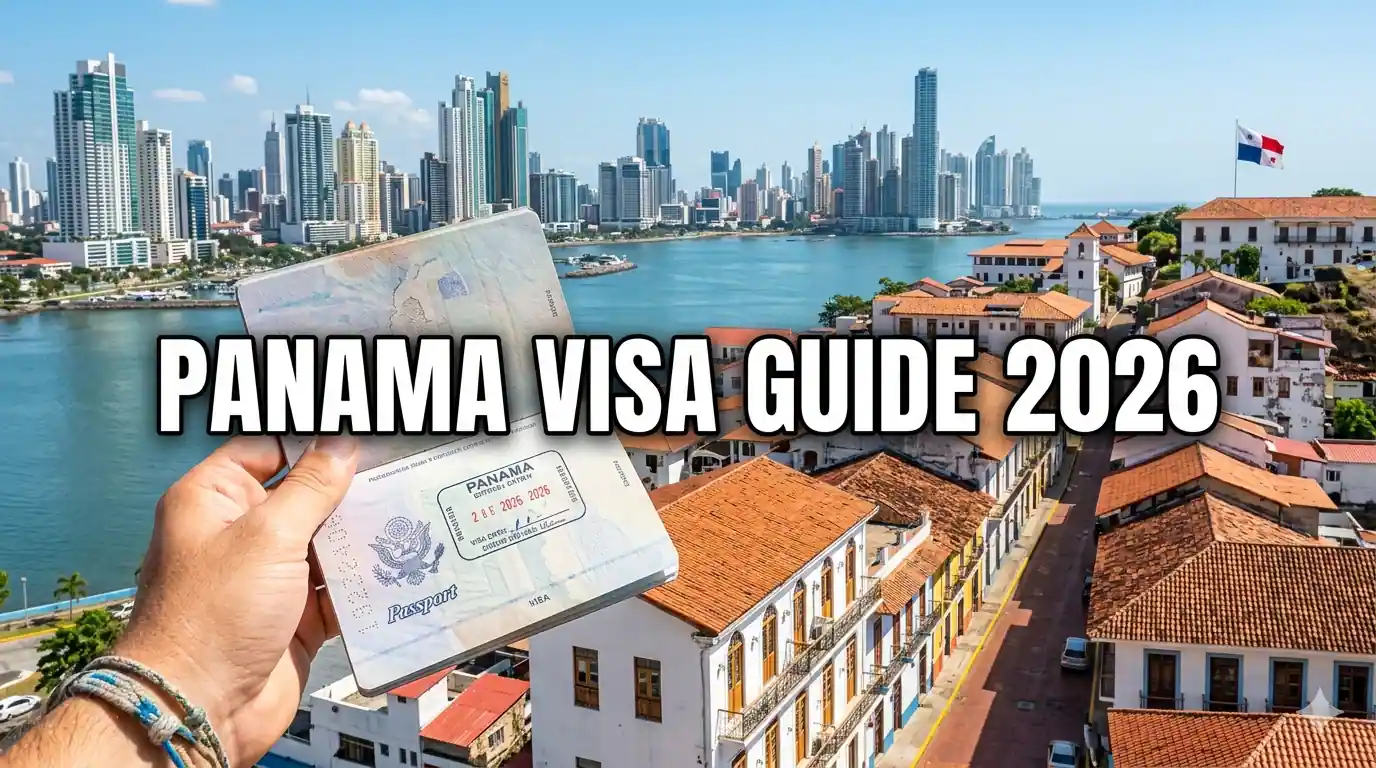
Panama Tourist Visa Guide 2026 for US Travelers
Panama has emerged as one of the most captivating travel destinations in Central America, offering pristine beaches, lush rainforests, vibrant cities, and the world-famous Panama Canal. For United States travelers planning to explore this tropical paradise in 2026, understanding the visa requirements and application process is essential for a smooth journey. This comprehensive guide provides everything you need to know about Panama tourist visas, entry requirements, and travel logistics.
Do US Citizens Need a Visa to Visit Panama in 2026
United States citizens enjoy favorable visa policies when traveling to Panama. As of 2026, US passport holders do not need to obtain a traditional tourist visa for stays up to 180 days. Instead, travelers receive a tourist card upon arrival, which serves as their entry permit. However, meeting specific entry requirements is mandatory, including possessing a valid passport, proof of onward travel, and sufficient funds for your stay.
The tourist card system simplifies the entry process significantly, but travelers must ensure they meet all documentation requirements to avoid complications at immigration. Understanding these requirements before departure prevents unnecessary stress and ensures a seamless entry into Panama.
What Is the Panama Tourist Card
The Panama tourist card is an entry document issued to eligible travelers upon arrival at Panamanian ports of entry. This card replaces the need for a pre-approved visa for citizens of many countries, including the United States. The tourist card allows visitors to stay in Panama for tourism, business meetings, or family visits for up to 180 days, though immigration officers typically grant 90 days initially with the possibility of extension.
The tourist card costs approximately 100 USD and is usually included in your airline ticket price. If not prepaid, you will pay this fee upon arrival. The card is valid for multiple entries within its validity period, making it convenient for travelers planning to explore neighboring countries and return to Panama.
Panama Visa Requirements for US Passport Holders

While US citizens do not need to apply for a visa in advance, they must present specific documents upon arrival in Panama. Immigration officials carefully review these documents to ensure travelers meet entry requirements. Being prepared with all necessary paperwork expedites the immigration process and demonstrates your legitimacy as a tourist.
The requirements are straightforward but strictly enforced. Failure to present any required document may result in denial of entry, so thorough preparation is essential. This section details each requirement and provides practical tips for compliance.
Valid Passport Requirements
Your passport must be valid for at least three months beyond your intended departure date from Panama. This is a strict requirement, and immigration officers will not make exceptions. Additionally, your passport should have at least one blank page for entry stamps. While some sources suggest six months validity is required, Panama officially requires only three months for US citizens.
Ensure your passport is in good condition with no significant damage. Torn pages, water damage, or excessive wear may raise concerns with immigration officials. If your passport is nearing expiration or damaged, renew it before traveling to avoid complications.
Proof of Onward or Return Travel
Panamanian immigration requires all visitors to present proof of onward or return travel. This means you must show a confirmed airline ticket, bus ticket, or cruise itinerary demonstrating your intention to leave Panama within the authorized stay period. Electronic tickets are acceptable, but ensure you have printed copies or digital access to your confirmation.
If you are traveling overland to Costa Rica or Colombia, a bus ticket reservation suffices. For cruise passengers, your cruise itinerary serves as proof. Immigration officers may ask to see this documentation, so keep it easily accessible during the immigration process.
Proof of Sufficient Funds
Travelers must demonstrate they have sufficient financial resources to support themselves during their stay in Panama. The official requirement is 500 USD or its equivalent in other currencies. Immigration officials may request to see cash, credit cards, bank statements, or traveler's checks as proof of funds.
While not every traveler is asked to show proof of funds, being prepared prevents potential issues. Carry a combination of cash and credit cards, and consider printing recent bank statements if you have substantial funds in your account but limited cash on hand.
Yellow Fever Vaccination Certificate
If you are traveling from a country with risk of yellow fever transmission, Panama requires proof of yellow fever vaccination. While the United States is not a yellow fever endemic country, if your itinerary includes travel through countries like Brazil, Colombia, or Peru before arriving in Panama, you may need to present a yellow fever vaccination certificate.
The vaccination must be administered at least 10 days before entry, and the certificate should be the official International Certificate of Vaccination or Prophylaxis (ICVP) signed by a healthcare provider. Keep this document with your passport and other travel documents.
How to Enter Panama as a US Citizen in 2026

Entering Panama as a US citizen is relatively straightforward when you are properly prepared. The process begins before you even board your flight, as airlines verify travel documents before allowing passengers to board international flights to Panama. Understanding the complete entry process from departure to immigration clearance helps ensure a smooth arrival experience.
Most US travelers arrive via Tocumen International Airport in Panama City, though land borders with Costa Rica and Colombia, as well as cruise ports, are also common entry points. Each entry point follows similar procedures, though airport processing is typically the most efficient.
Airport Entry Process Step by Step
Upon arrival at Tocumen International Airport or any Panamanian airport, follow these steps for smooth immigration processing. First, proceed to the immigration counters designated for non-residents. Have your passport, tourist card payment confirmation if prepaid, proof of onward travel, and proof of funds readily accessible. Immigration officers will stamp your passport with an entry stamp indicating the number of days authorized for your stay.
The officer may ask simple questions about the purpose of your visit, duration of stay, and where you will be staying. Answer honestly and confidently. After immigration clearance, collect your baggage and proceed through customs. Panama uses a red and green light system for customs inspection. Press the button, and if you get a green light, you proceed without inspection. A red light means your baggage will be examined.
Land Border Entry Procedures
Entering Panama by land from Costa Rica or Colombia involves additional steps compared to airport entry. At land borders, you must clear both exit procedures from the departing country and entry procedures for Panama. The most popular land border crossings are Paso Canoas and Sixaola from Costa Rica, and the Darien border region from Colombia, though the latter requires special arrangements due to security concerns.
At the border, present the same documentation required for airport entry. Land border processing may take longer due to higher volumes of travelers and more limited staffing. Ensure you arrive during daylight hours, as some border crossings have limited operating hours. Additionally, verify current border crossing status before travel, as temporary closures can occur.
Cruise Ship Entry Requirements
Cruise passengers enjoy simplified entry procedures when visiting Panama as part of their cruise itinerary. The cruise line typically handles most documentation requirements, and passengers disembark using their cruise ship ID cards along with passports. Tourist card fees for cruise passengers are often included in the cruise fare.
Cruise passengers are generally granted permission to stay in Panama for the duration of the ship's port call. If you plan to disembark the cruise and continue traveling independently in Panama, you must inform immigration officials and may need to complete additional documentation to convert your entry status from cruise passenger to independent traveler.
Panama Visa Costs and Fees for Americans in 2026

Understanding the costs associated with visiting Panama helps travelers budget appropriately. While US citizens do not pay for a traditional visa application, several fees and costs are associated with entry and extended stays. These costs are reasonable compared to many other international destinations, making Panama an attractive option for budget-conscious travelers.
Beyond entry fees, consider costs for visa extensions if you plan to stay longer than initially authorized, as well as potential penalties for overstaying your permitted time. Being aware of all potential costs prevents unexpected expenses during your trip.
Tourist Card Fee Breakdown
The Panama tourist card costs 100 USD for most travelers. This fee is typically included in your airline ticket price when you purchase your flight. Check your ticket confirmation to verify if the tourist card fee has been prepaid. If not included, you will pay this fee upon arrival at the airport or border crossing.
The tourist card is valid for multiple entries within its validity period, usually matching your passport validity or up to five years. This makes it cost-effective for travelers planning multiple visits to Panama within a short timeframe. Keep your tourist card receipt or confirmation, as you may need to present it during subsequent entries.
Visa Extension Costs
If you wish to extend your stay beyond the initial period granted by immigration, you can apply for a visa extension through Panama's National Migration Service. The cost for a 30-day extension is approximately 100 USD, while a 60-day extension costs around 200 USD. Extensions must be applied for before your initial authorized stay expires.
The extension process requires visiting a National Migration Service office, completing an application form, providing proof of sufficient funds, proof of onward travel, and paying the extension fee. Processing typically takes 3 to 5 business days. It is advisable to apply for extensions well before your current authorization expires to avoid overstay penalties.
Overstay Penalties and Fines
Overstaying your authorized period in Panama results in fines that must be paid before departure. The penalty is 100 USD for the first month of overstay, plus 50 USD for each additional month. These fines are strictly enforced, and immigration officials will not allow you to leave the country without payment.
Beyond financial penalties, significant overstays may affect your ability to re-enter Panama in the future. Immigration records track all entries and exits, and patterns of overstaying may result in denial of entry on subsequent visits. Always ensure you depart before your authorized stay expires or obtain a proper extension.
How Long Can US Citizens Stay in Panama

US citizens can stay in Panama for up to 180 days per calendar year as tourists. However, immigration officers at the port of entry determine the specific number of days granted upon arrival, which is typically 90 days for first-time visitors. The exact number of days authorized will be stamped in your passport, and you must depart Panama before this date unless you obtain an extension.
Understanding the difference between the maximum allowable stay and the days actually granted is crucial. Always check your entry stamp carefully upon arrival to confirm the number of days authorized. If you believe you were granted fewer days than you need for your planned activities, you can politely request clarification from the immigration officer, though approval is at their discretion.
Extending Your Stay Beyond Initial Authorization
If you need to stay in Panama longer than the days initially granted, you can apply for an extension through the National Migration Service. Extensions are typically granted in 30-day or 60-day increments, up to the maximum 180 days per calendar year. To qualify for an extension, you must demonstrate sufficient funds, valid reasons for extension, and proof of onward travel.
Apply for extensions at least one week before your current authorization expires. Visit any National Migration Service office with your passport, completed extension application form, proof of funds, proof of onward travel, and the extension fee. Processing takes 3 to 5 business days, during which you can remain in Panama legally.
Resetting Your 180 Day Limit
The 180-day limit applies per calendar year, meaning it resets on January 1st each year. If you use your full 180 days in 2026, you cannot re-enter Panama as a tourist until January 1, 2027, when your allowance resets. Some travelers attempt to reset their time by leaving Panama and re-entering, but immigration officials may deny entry if they believe you are attempting to live in Panama as a de facto resident on tourist status.
For those wishing to spend extended time in Panama, consider applying for a long-term visa such as the Friendly Nations Visa, Pensionado Visa, or other residency options. These visas allow longer stays and provide additional benefits for those planning extended time in Panama.
Best Time to Visit Panama for US Travelers

Panama's tropical climate offers year-round travel opportunities, but understanding seasonal variations helps you plan the ideal trip. The country experiences a dry season from mid-December through April and a rainy season from May through November. Each season offers distinct advantages depending on your travel preferences and planned activities.
Peak tourist season coincides with the dry season and North American winter months, particularly December through March. During this period, expect higher prices for accommodations and flights, but enjoy optimal weather conditions for outdoor activities and beach visits.
Dry Season Advantages December to April
The dry season, also called summer in Panama, offers the most predictable weather with minimal rainfall and abundant sunshine. This is the ideal time for beach activities, hiking, wildlife viewing, and exploring outdoor attractions. Temperatures remain consistently warm, averaging 75 to 90 degrees Fahrenheit throughout the country.
Popular destinations like Bocas del Toro, Boquete, and the San Blas Islands are most accessible during the dry season. Road conditions are optimal, and outdoor tours operate on regular schedules. However, this is also peak tourist season, so book accommodations and popular tours well in advance to secure availability and potentially better rates.
Rainy Season Benefits May to November
The rainy season, or winter, brings afternoon showers and thunderstorms, typically lasting only a few hours each day. Mornings are often sunny and clear, making it possible to enjoy outdoor activities before rain arrives. The landscape is lush and vibrant, waterfalls are at their most spectacular, and tourist crowds are significantly smaller.
Traveling during the rainy season offers substantial cost savings, with hotels and tours offering discounts of 20 to 40 percent compared to peak season rates. If you do not mind occasional rain and prefer fewer crowds and lower prices, the rainy season can be an excellent time to visit. Just pack appropriate rain gear and maintain flexibility in your daily schedule.
Special Events and Festivals
Panama hosts numerous festivals and events throughout the year that may influence your travel timing. Carnaval, celebrated in February or March depending on the liturgical calendar, is Panama's largest festival featuring parades, music, dancing, and traditional celebrations. This is an exciting time to visit but requires advance planning as accommodations fill quickly.
Other notable events include the Panama Jazz Festival in January, the Flower and Coffee Fair in Boquete during March, and independence celebrations in November. Consider these events when planning your trip, as they offer unique cultural experiences but may also affect availability and pricing.
Essential Travel Tips for Panama in 2026

Successful travel to Panama requires more than just proper documentation. Understanding local customs, safety considerations, transportation options, and practical logistics enhances your travel experience and helps you avoid common pitfalls. This section provides essential tips based on current conditions and traveler experiences.
Panama is generally safe and welcoming to tourists, but like any international destination, taking precautions and staying informed ensures a smooth and enjoyable trip. From currency considerations to health precautions, these tips cover the practical aspects of traveling in Panama.
Currency and Money Matters
Panama uses the US dollar as its official currency alongside the Panamanian balboa, which is pegged 1 to 1 with the US dollar. US currency circulates freely throughout the country, and you will receive change in a combination of US dollars and Panamanian coins. Credit cards are widely accepted in cities and tourist areas, though cash is preferred in rural locations and small establishments.
ATMs are readily available in Panama City and major tourist destinations, dispensing US dollars. Notify your bank of your travel plans to prevent card blocks due to foreign transactions. While Panama is relatively affordable compared to North America, prices in tourist areas can be comparable to US cities. Budget accordingly and consider that dining and activities in Panama City may cost similar to mid-range US cities.
Health and Safety Considerations
Panama is generally safe for tourists, but exercise standard precautions as you would in any international destination. Petty theft and pickpocketing can occur in crowded areas, so keep valuables secure and maintain awareness of your surroundings. Avoid displaying expensive jewelry or electronics, and use hotel safes for passports and excess cash.
Regarding health, tap water is safe to drink in Panama City and most urban areas, but use bottled water in rural regions. Mosquito-borne illnesses like dengue and Zika exist in Panama, so use insect repellent and take precautions, especially during the rainy season. Travel insurance covering medical evacuation is recommended, as serious medical conditions may require transport to the United States for treatment.
Transportation Within Panama
Panama offers various transportation options depending on your destination. Domestic flights connect Panama City with Bocas del Toro, David, and other regional hubs efficiently. Buses provide affordable transportation throughout the country, with modern air-conditioned coaches serving major routes. In Panama City, rideshare apps like Uber operate alongside traditional taxis.
Renting a car provides flexibility for exploring rural areas and multiple destinations, but be aware that driving conditions vary significantly. Urban traffic in Panama City can be congested, while rural roads may be unpaved and challenging, especially during the rainy season. International driving permits are not required for US license holders, but carry your valid US driver's license when renting vehicles.
Popular Destinations in Panama for First Time Visitors

Panama offers diverse experiences from modern urban centers to pristine natural environments. First-time visitors often focus on iconic destinations that showcase the country's unique character and natural beauty. Understanding what each region offers helps you plan an itinerary that matches your interests and available time.
While Panama City serves as the gateway for most travelers, the country's true treasures lie in its diverse landscapes, indigenous cultures, and outdoor adventures. Consider spending time beyond the capital to experience Panama's full range of attractions.
Panama City and the Canal
Panama City seamlessly blends modern skyscrapers with historic colonial architecture. The Casco Viejo district, a UNESCO World Heritage Site, features restored colonial buildings, trendy restaurants, boutique hotels, and vibrant plazas. The Panama Canal remains the country's most famous attraction, and visiting the Miraflores Locks to watch ships transit is a must-do experience.
Allocate at least two to three days for Panama City to explore the historic district, visit the canal, experience the Biomuseo designed by Frank Gehry, and enjoy the city's excellent dining scene. The city also serves as a convenient base for day trips to nearby attractions like the Panama Canal expansion, Gamboa rainforest, and indigenous Embera villages.
Bocas del Toro Archipelago
The Bocas del Toro archipelago on Panama's Caribbean coast offers stunning beaches, crystal-clear waters, world-class surfing, and vibrant island culture. The main town on Isla Colon provides accommodations, restaurants, and tour operators, while smaller islands offer secluded beaches and pristine snorkeling and diving sites.
Popular activities include island hopping, snorkeling with sea turtles, visiting Starfish Beach, exploring coral reefs, and experiencing the laid-back Caribbean atmosphere. Allocate three to four days minimum to properly explore the archipelago. The region is accessible via domestic flight from Panama City or overnight bus followed by water taxi.
Boquete and the Highlands
Nestled in the mountains near the Costa Rican border, Boquete offers a refreshing escape from tropical heat with its spring-like climate year-round. This charming town is surrounded by coffee plantations, cloud forests, waterfalls, and outdoor adventure opportunities. Boquete is particularly popular with expats and nature enthusiasts.
Activities include coffee farm tours, hiking in Volcan Baru National Park, bird watching, white water rafting, and exploring hot springs. The region produces some of the world's finest coffee, and plantation tours provide insight into the coffee production process. Plan three to four days to enjoy Boquete's natural beauty and outdoor activities.
Conclusion and Final Recommendations

Traveling to Panama as a US citizen in 2026 is straightforward and rewarding. The simplified entry requirements, favorable visa policies, and welcoming atmosphere make Panama an accessible destination for both first-time visitors and experienced travelers. By ensuring you have a valid passport, proof of onward travel, sufficient funds, and understanding the entry process, you set the foundation for a successful trip.
Panama's diversity, from the cosmopolitan capital to pristine beaches and mountain highlands, offers something for every traveler. Whether you are interested in history, nature, adventure, or relaxation, Panama delivers exceptional experiences. Start planning your Panamanian adventure today, and prepare to discover why this remarkable country continues to captivate travelers from around the world.
Remember to check for any updated travel advisories or entry requirement changes closer to your departure date, as policies can evolve. With proper preparation and an adventurous spirit, your Panama journey will create memories that last a lifetime.
0 Comments