.webp)
.webp)
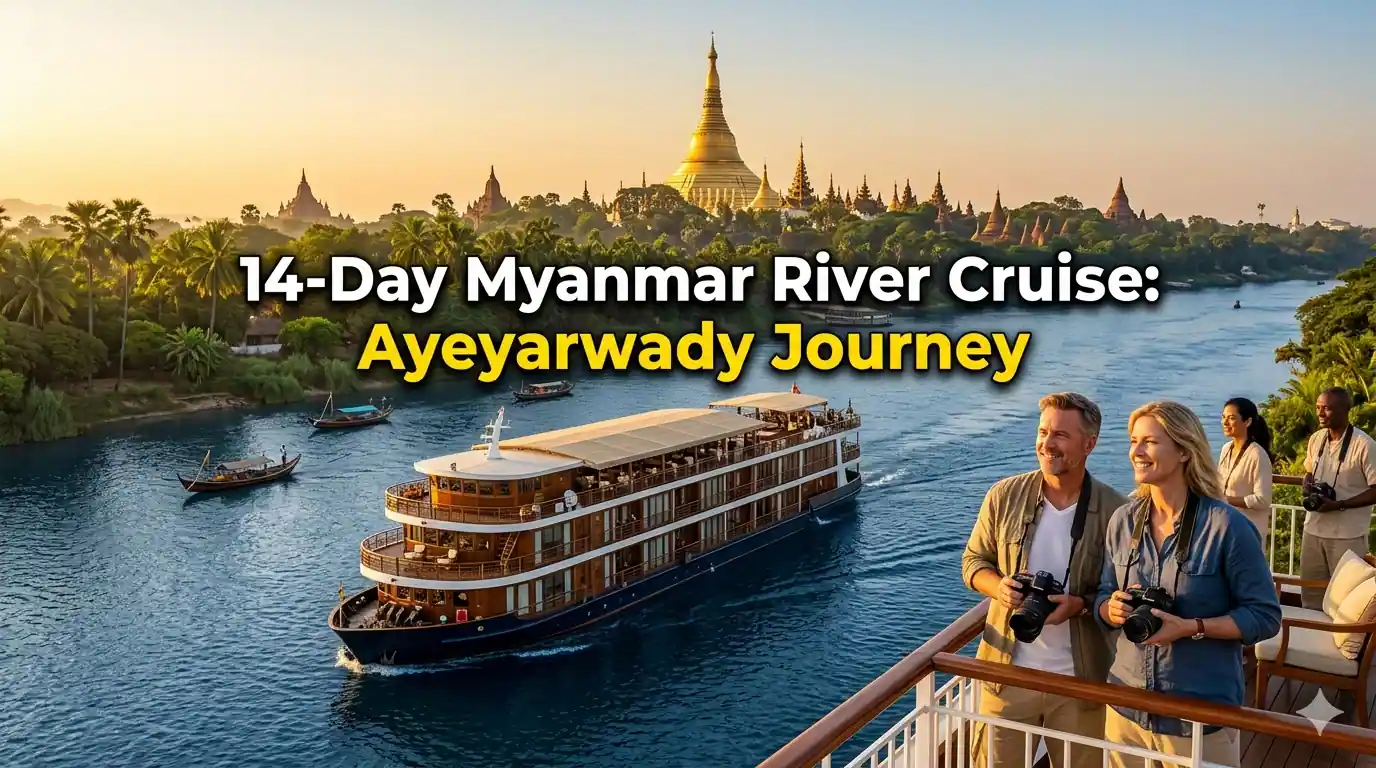
Introduction to Myanmar's Ayeyarwady River Cruise Experience
Embarking on a 14-day river cruise along Myanmar's majestic Ayeyarwady River is one of the most enchanting ways to explore this captivating Southeast Asian nation. The Ayeyarwady, also known as the Irrawaddy, serves as the lifeblood of Myanmar, flowing over 2,000 kilometers from the Himalayan foothills to the Andaman Sea. This ancient waterway has been the country's primary transportation route for centuries, connecting remote villages, historic temples, and bustling markets that remain largely untouched by modern tourism.
A two-week river cruise offers the perfect balance between comfort and authentic cultural immersion. Unlike rushed land tours, cruising the Ayeyarwady allows you to wake up each morning to ever-changing riverside scenery, witness traditional fishing techniques passed down through generations, and visit sacred pagodas and ancient temples at a leisurely pace. You'll sail past golden stupas, encounter friendly locals at riverside markets, and explore archaeological wonders like Bagan's thousands of temples, all while enjoying the comfort of your floating hotel.
This comprehensive 14-day itinerary covers the essential route from Yangon to Mandalay (or vice versa), including extended stops at iconic destinations like Bagan, Mingun, Pakokku, and remote villages accessible only by river. Whether you're a history enthusiast, photography lover, or simply seeking a unique travel experience, this journey through Myanmar's heartland promises unforgettable memories and deep cultural connections.
Why Choose a River Cruise for Exploring Myanmar

River cruising offers distinct advantages over traditional land-based travel in Myanmar. The Ayeyarwady River provides access to remote communities and archaeological sites that are difficult or time-consuming to reach by road. Many villages along the river have maintained their traditional ways of life for centuries, offering authentic cultural encounters that mass tourism hasn't diminished.
The pace of river travel naturally encourages relaxation and reflection. Instead of spending hours on bumpy buses or domestic flights, you unpack once while your accommodation transports you to new destinations. Mornings begin with misty river views and the gentle hum of the ship's engines, while evenings offer spectacular sunsets over the water as you enjoy dinner on deck.
From a practical standpoint, river cruises handle logistics seamlessly. Your meals, accommodation, transportation, and often guided excursions are included, eliminating the stress of coordinating multiple hotels, restaurants, and local transport. This is particularly valuable in Myanmar, where infrastructure can be challenging and language barriers exist outside major tourist centers.
Additionally, cruising is environmentally friendlier than multiple domestic flights and reduces your carbon footprint while supporting local communities through regulated tourism. Many cruise operators employ local guides, source food from riverside markets, and contribute to village development projects.
Best Time to Cruise the Ayeyarwady River
Timing your Myanmar river cruise significantly impacts your experience. The ideal cruising season runs from November to February during the cool, dry season. During these months, temperatures range from 70-85°F (21-29°C), humidity is lower, and skies are typically clear, providing perfect conditions for temple visits and photography.
The hot season from March to May sees temperatures soar above 95°F (35°C), making midday excursions uncomfortable. However, this period offers lower prices and fewer tourists if you don't mind the heat. The rainy season from June to October brings heavy monsoons that can cause river levels to rise dramatically, sometimes disrupting cruise schedules. While the landscape is lush and green during this time, many operators suspend services during peak monsoon months.
November and December are particularly popular due to pleasant weather and numerous festivals, including the Tazaungdaing Festival of Lights. Book well in advance for these months as cruises fill quickly. January and February offer similar weather with slightly fewer crowds.
Day-by-Day 14-Day Myanmar River Cruise Itinerary

This detailed itinerary assumes a southbound journey from Mandalay to Yangon, though most cruises operate in both directions. Adjust accordingly if traveling northbound.
Days 1-2: Mandalay - The Last Royal Capital
Your journey begins in Mandalay, Myanmar's second-largest city and the last royal capital before British colonization. Spend your first day exploring this cultural hub's highlights before boarding your cruise ship.
Day 1 Highlights:
Arrive in Mandalay and check into your hotel or board your cruise ship if it offers pre-cruise accommodation. Begin with a visit to Mandalay Hill, a 790-foot sacred mound offering panoramic city views. Climb the covered stairway lined with shops selling religious items, or take the elevator to the summit. At the top, explore several pagodas including Sutaungpyei Pagoda, where you can watch monks chanting at sunset.
Visit the magnificent Kuthodaw Pagoda, home to the world's largest book - 729 marble slabs inscribed with Buddhist scriptures. Each slab is housed in its own white stupa, creating a mesmerizing landscape of white against blue sky. Nearby, explore Sandamuni Pagoda with its thousands of iron Buddha images.
End your day at U Bein Bridge in nearby Amarapura, the world's longest teak bridge spanning 1.2 kilometers across Taungthaman Lake. Visit at sunset when the bridge is silhouetted against golden skies and local fishermen paddle traditional boats beneath its arches.
Day 2 Highlights:
Explore Mandalay's artisan workshops before departure. Visit traditional craftspeople creating gold leaf, wood carvings, silk weaving, and marble Buddha images. These family-run workshops have operated for generations, maintaining techniques unchanged for centuries.
Visit Mahamuni Buddha Temple to see one of Myanmar's most revered Buddha images, covered in thick gold leaf applied by devotees over centuries. Watch the morning ritual when monks wash the Buddha's face and brush his teeth at 4 AM.
Board your cruise ship in the late afternoon, settling into your cabin and attending the welcome briefing. As the ship departs Mandalay around sunset, enjoy a welcome dinner on deck while watching the city lights fade and the river landscape transform into silhouettes against twilight skies.
Days 3-4: Mingun and Monywa - Ancient Wonders
Day 3: Mingun
Your first full day on the river brings you to Mingun, a small town 11 kilometers upstream from Mandalay. Despite its modest size, Mingun boasts several remarkable attractions.
Disembark early to visit Mingun Pahtodawgyi, an enormous unfinished stupa that would have been the world's largest if completed. King Bodawpaya began construction in 1790, but the project was abandoned after his death. The massive brick structure, cracked by the 1839 earthquake, still impresses with its scale. Climb to the terrace for river views and to see the massive paw prints of Buddha.
Visit the nearby Mingun Bell, the world's second-largest functioning bell weighing 90 tons. Cast in 1808, it survived the earthquake that damaged the pagoda. You can ring the bell using a wooden striker, and locals believe doing so brings good fortune.
Explore Hsinbyume Pagoda, a stunning white wave-like pagoda built in 1816 to honor King Bodawpaya's daughter. Its seven terraced levels represent the seven mountain ranges surrounding Mount Meru in Buddhist cosmology. The undulating white walls create beautiful photo opportunities, especially in morning light.
Return to your ship for lunch as it continues downriver, watching rural life unfold along the banks - farmers tending rice paddies, children waving from riverbanks, and traditional fishing boats casting nets.
Day 4: Monywa
Stop at Monywa, a trading town on the Chindwin River tributary. This less-visited destination offers fascinating attractions away from typical tourist crowds.
Visit the extraordinary Thanboddhay Pagoda, a colorful temple complex featuring over 8,000 Buddha images. The main stupa is covered in vibrant tiles and surrounded by smaller stupas in various architectural styles. The intricate details and kaleidoscope of colors make this one of Myanmar's most visually striking temples.
Explore the impressive Lay Sekkun Buddha, a massive 100-meter-long reclining Buddha housed in a cavernous building. The serene expression and sheer scale create a powerful spiritual atmosphere.
Take time to wander Monywa's local market, where you'll find traditional longyis, fresh produce, and handmade crafts. Interact with friendly locals curious about visitors to their town.
If time permits, visit the nearby Po Win Taung and Shwe Ba Taung cave complexes, featuring ancient Buddhist murals and sculptures carved into sandstone cliffs dating back to the 4th century.
Days 5-8: Bagan - The Temple Plains
Day 5: Arrival in Bagan
Arrive in Bagan, Myanmar's crown jewel and one of Southeast Asia's most spectacular archaeological sites. The ancient city contains over 2,000 temples and pagodas scattered across a 26-square-mile plain, creating an otherworldly landscape.
Disembark and transfer to your hotel or remain aboard if your cruise offers extended Bagan stays. Begin with an orientation tour to understand Bagan's layout and history. The kingdom flourished between the 9th and 13th centuries when it served as the capital of the Pagan Kingdom.
Visit some of Bagan's most significant temples including Ananda Temple, considered the most beautiful with its four standing Buddha faces and exquisite architecture. Built in 1105, it represents a transition from early Mon-style to larger, more imposing structures.
Climb Shwesandaw Pagoda for your first sunset over the temple plains. This popular viewing spot fills with tourists and locals alike, all watching the sun sink behind silhouetted stupas while hot air balloons drift overhead (during balloon season, November-March).
Day 6: Exploring Bagan's Temples
Dedicate a full day to exploring Bagan's temple circuit. Start early to avoid heat and crowds. Visit Dhammayangyi Temple, the largest temple in Bagan, known for its massive brick construction and mysterious history - King Narathu, who built it, was assassinated before completion.
Explore Sulamani Temple, featuring beautiful frescoes and intricate brickwork. The temple's name means "crowning jewel," and its well-preserved condition offers insight into 12th-century craftsmanship.
Visit Thatbyinnyu Temple, Bagan's tallest structure at 61 meters. Its imposing presence dominates the skyline, and climbing to the upper levels provides excellent photo opportunities.
Don't miss Gawdawpalin Temple, a two-story structure with beautiful golden spires, and Htilominlo Temple, notable for its ornate plaster decorations and quiet atmosphere.
Consider renting an e-bike to explore independently, allowing flexibility to discover smaller, less-visited temples away from tour groups. The flat terrain makes cycling pleasant, though midday heat can be intense.
Day 7: Bagan's Hidden Gems and Local Life
Spend your third day discovering Bagan beyond the major temples. Visit local villages where traditional crafts thrive. Watch artisans creating lacquerware, Bagan's most famous craft. The process involves multiple layers of bamboo or horsehair coated with lacquer and decorated with intricate designs, taking months to complete.
Explore Myinkang Village, known for its cottage industries including wood carving, tapestry weaving, and palm-leaf painting. Meet craftspeople who welcome visitors and explain their techniques.
Visit a palm sugar production facility to see how toddy palm trees are tapped and the sap transformed into sugar, a staple ingredient in Burmese cuisine.
Take a traditional horse cart tour to remote temples inaccessible to larger vehicles. These charming carts, pulled by small ponies, offer a nostalgic way to explore while supporting local drivers.
End your day with a sunset cruise on the Ayeyarwady, watching temples from the water as the setting sun bathes everything in golden light.
Day 8: Sunrise and Departure
Rise before dawn for a sunrise temple visit. Popular spots include Shwesandaw, Pyathatgyi, or less-crowded options like Lawkananda. Watch the sky transform from indigo to pink and gold as temples emerge from morning mist.
Enjoy a traditional Burmese breakfast at a local teahouse, sampling mohinga (fish noodle soup), laphet thoke (tea leaf salad), and sweet milk tea.
Visit Nandamannya Temple to see well-preserved 13th-century frescoes, or explore Gu Byaukgyi Temple with its Indian-influenced paintings.
Return to your ship mid-morning as it prepares to continue downriver. Spend the afternoon relaxing on deck, reflecting on Bagan's wonders while the landscape gradually changes from temple-dotted plains to agricultural fields.
Days 9-10: Pakokku and Rural Villages
Day 9: Pakokku
Stop at Pakokku, Myanmar's third-largest city and an important commercial center. This bustling river port offers authentic glimpses of everyday Myanmar life.
Explore Pakokku's vibrant morning market, one of the country's largest. Vendors sell everything from fresh produce and spices to traditional medicines and handwoven textiles. The market's energy and variety make it fascinating to wander.
Visit Pakhangyi Monastery, a beautiful teak structure showcasing traditional Burmese architecture. The monastery's intricate carvings and peaceful atmosphere provide contrast to the busy market.
Pakokku is famous for cheroot production - traditional Burmese cigars made from tobacco and tamarind. Visit a workshop to see the hand-rolling process and learn about this local industry.
Take time to interact with locals at riverside tea shops, practicing basic Burmese greetings and learning about daily life in this important trading hub.
Day 10: Village Visits
Spend the day visiting riverside villages accessible only by boat. Your cruise will arrange small boat excursions to communities where traditional lifestyles persist.
Visit a village school to see children learning in modest facilities. Many cruise operators support educational initiatives, and bringing school supplies is appreciated.
Observe traditional fishing techniques using conical bamboo traps, a method unchanged for centuries. Watch fishermen balance on one leg while casting nets, an iconic image of Myanmar river life.
Explore village monasteries, often the community's architectural highlight and center of social life. Monks may welcome visitors and explain Buddhist practices.
Participate in daily activities like rice pounding, weaving, or food preparation. These authentic interactions create meaningful cultural exchanges and support community-based tourism.
Enjoy a picnic lunch in a village setting, sampling home-cooked Burmese dishes prepared with local ingredients.
Days 11-12: Salay and Yandabo
Day 11: Salay
Visit Salay, a remote town that served as an important cultural and religious center. Relatively isolated from modern development, Salay preserves traditional architecture and customs.
Explore the ancient monastery complex featuring teak buildings over 200 years old. The wooden structures showcase exquisite carvings and traditional construction techniques.
Visit the colonial-era Catholic church, an unexpected sight in predominantly Buddhist Myanmar, reflecting the town's diverse religious history.
Meet local artisans practicing traditional crafts including gold leaf making, weaving, and wood carving. Salay's isolation has helped preserve these skills.
Walk through residential areas where daily life continues much as it has for generations. Children play in dusty streets, women weave on traditional looms, and monks collect alms at dawn.
Day 12: Yandabo
Stop at Yandabo, famous for its pottery industry. The village sits on a clay-rich riverbank, providing perfect materials for pottery production.
Watch potters shape clay using traditional kick wheels, creating water jars, cooking pots, and decorative items. The pottery-making process has remained unchanged for centuries.
Visit kilns where pots are fired using traditional methods. The distinctive terracotta-colored pottery is sold throughout Myanmar.
Purchase directly from artisans, ensuring they receive fair compensation. Pottery makes practical souvenirs that support local craftspeople.
Explore the village's peaceful atmosphere, visiting the local monastery and chatting with residents about their craft-based livelihood.
Days 13-14: Pyay and Arrival in Yangon
Day 13: Pyay
Visit Pyay (formerly Prome), a historic city with archaeological significance. The area contains ancient ruins and important religious sites.
Explore Shwesandaw Pagoda, different from Bagan's similarly-named temple. This important pilgrimage site offers city views and houses sacred Buddha relics.
Visit nearby Sri Ksetra, an ancient Pyu city and UNESCO World Heritage Site. The archaeological zone contains ruins dating to the 5th century, including massive city walls, stupas, and palace sites.
Explore Pyay's colonial architecture, remnants of British rule. The town maintains a relaxed atmosphere compared to larger cities.
Shop at local markets for traditional textiles and handicrafts. Pyay's position as a trading hub means diverse goods are available.
Day 14: Yangon Arrival
Your cruise concludes as you arrive in Yangon, Myanmar's largest city and former capital. Disembark and transfer to your hotel or the airport for departure.
If time permits before your flight, visit Shwedagon Pagoda, Myanmar's most sacred site. The 2,500-year-old stupa covered in gold plates and topped with thousands of diamonds and gems creates an unforgettable final impression.
Explore Yangon's colonial downtown, visiting Scott Market (Bogyoke Aung San Market) for last-minute shopping. The market offers everything from jade and gems to traditional longyis and handicrafts.
Enjoy a farewell dinner at a rooftop restaurant overlooking the city, reflecting on your two-week journey down the Ayeyarwady.
What to Expect Onboard Your River Cruise

Understanding life aboard a Myanmar river cruise helps you prepare appropriately and maximize enjoyment.
Accommodation and Facilities
Myanmar river cruise ships range from boutique vessels carrying 20-40 passengers to larger ships accommodating 100+ guests. Cabins typically feature air conditioning, en-suite bathrooms, and windows or balconies. Upper-deck cabins offer better views but come at premium prices.
Common areas include a restaurant serving buffet and à la carte meals, a sun deck with loungers for scenic viewing, a lounge bar for evening entertainment, and sometimes a small library or gift shop. WiFi is increasingly available but often slow and unreliable - embrace the digital detox.
Most cruises are all-inclusive, covering accommodation, all meals, guided excursions, and sometimes alcoholic beverages. Premium cruises may include spa services, laundry, and special dining experiences.
Dining and Cuisine
Meals showcase Burmese cuisine alongside international options. Expect rice-based dishes, curries, fresh fish from the river, tropical fruits, and flavorful salads. Mohinga, Myanmar's national dish, frequently appears at breakfast.
Dietary restrictions can usually be accommodated with advance notice. Vegetarian options are plentiful, though vegan travelers may need to request specific modifications as fish sauce is ubiquitous in Burmese cooking.
Formal dinners may be scheduled, though most cruises maintain smart-casual dress codes. Pack lightweight, breathable fabrics suitable for tropical climates.
Daily Schedule and Excursions
Typical days begin early with wake-up calls around 6 AM, breakfast at 7 AM, and morning excursions starting by 8 AM to avoid midday heat. Ships sail during lunch and afternoon rest periods, arriving at evening destinations around 4-5 PM.
Excursions include guided temple visits, village walks, market tours, and cultural demonstrations. Guides are knowledgeable local experts who provide historical context and cultural insights. Small group sizes ensure personalized attention.
Afternoon downtime allows rest, reading on deck, or participating in onboard activities like cooking demonstrations, language lessons, or cultural talks.
Packing Essentials for Your Myanmar River Cruise

Proper packing ensures comfort and respect for local customs throughout your journey.
Clothing Considerations
Pack lightweight, breathable natural fabrics like cotton and linen. Myanmar's tropical climate means you'll want loose-fitting clothes that keep you cool while respecting modesty standards.
For temple visits, shoulders and knees must be covered. Pack long pants or skirts and shirts with sleeves. Carry a lightweight scarf or shawl for quick coverage when needed. Remove shoes and socks before entering temples, so slip-on shoes are convenient.
Include a light jacket or sweater for air-conditioned spaces and cooler December-January evenings. A rain jacket is essential if traveling during shoulder seasons.
Comfortable walking shoes are crucial for temple exploration and village walks. Sandals work for onboard relaxation, but closed-toe shoes protect against dust and insects during excursions.
Health and Safety Items
Bring a comprehensive personal medical kit including prescription medications, pain relievers, anti-diarrheal medication, antihistamines, and motion sickness remedies. While ships carry basic first aid, specific medications may be unavailable.
Pack high-SPF sunscreen, insect repellent with DEET, and after-sun care. The tropical sun is intense, and mosquitoes are prevalent, especially at dawn and dusk.
Include hand sanitizer, wet wipes, and tissues. While ships maintain high cleanliness standards, facilities in remote villages may be basic.
Bring a reusable water bottle and water purification tablets as backup. Most cruises provide safe drinking water, but having backup is wise.
Electronics and Documentation
Myanmar uses Type C, D, F, and G outlets with 230V voltage. Bring a universal adapter and power strip to charge multiple devices. Power outages can occur, so a portable power bank is useful.
Download offline maps, translation apps, and entertainment before departure, as internet connectivity is limited. Bring books, journals, and playing cards for relaxed evenings.
Keep passport, visa, travel insurance documents, and cruise confirmation easily accessible. Carry photocopies separate from originals. Bring passport-sized photos for potential visa extensions or permits.
A good camera with zoom lens captures temple details and wildlife. Binoculars enhance birdwatching and distant temple viewing.
Cost and Budgeting for Your Myanmar River Cruise

Understanding costs helps you budget appropriately and avoid unexpected expenses.
Cruise Pricing
Myanmar river cruise prices vary significantly based on ship category, cabin type, and season. Budget cruises start around $150-250 per person per night, mid-range options cost $300-500 per night, and luxury cruises exceed $600-1,000 per night.
A 14-day cruise typically costs $2,100-14,000 per person depending on category. Most cruises are priced per person based on double occupancy, with single supplements adding 25-50% for solo travelers.
Included amenities vary, so compare carefully. Most cruises include accommodation, all meals, guided excursions, and basic beverages. Premium options may include premium alcohol, spa treatments, laundry, and special experiences.
Additional Expenses
Budget for international flights to Myanmar, typically $800-1,500 from the US or Europe. Domestic flights to reach your cruise departure point may add $100-300.
Myanmar tourist eVisa costs $50 for US citizens. Travel insurance is essential and typically costs 5-10% of your total trip cost.
Plan for pre and post-cruise hotel stays in Mandalay or Yangon, budgeting $50-300 per night depending on category. Meals during these stays, additional excursions, and souvenirs add to costs.
Bring cash for tipping guides and crew (typically $10-15 per day), purchasing crafts at village stops, and personal expenses. US dollars in crisp, undamaged bills are widely accepted, though local currency (kyat) is needed for small purchases.
Travel Tips and Cultural Etiquette

Respecting Myanmar customs enhances your experience and shows appreciation for local culture.
Temple Etiquette
Always remove shoes and socks before entering temple grounds. Dress modestly with covered shoulders and knees. Women should avoid touching monks or sitting higher than monks. Walk clockwise around stupas and pagodas.
Ask permission before photographing people, especially monks. Never point your feet at Buddha images or people, as feet are considered the lowest and dirtiest part of the body.
Speak quietly in religious sites and follow posted rules. Some temples restrict photography or access to certain areas.
General Cultural Considerations
Use your right hand for giving and receiving items, as the left hand is considered unclean. Greet people with a slight bow and hands pressed together in prayer position, saying "Mingalaba" (hello).
Public displays of affection are frowned upon. Maintain composure and avoid raising your voice or showing anger, as losing face is deeply shameful in Burmese culture.
Respect the monarchy and avoid political discussions, especially regarding Aung San Suu Kyi or the military. Myanmar's political situation is complex and sensitive.
Support local communities by purchasing directly from artisans at fair prices. Bargaining is acceptable at markets but do so respectfully and with a smile.
Health and Safety Precautions
Drink only bottled or purified water. Avoid ice in drinks unless certain it's made from purified water. Eat freshly cooked food and avoid raw vegetables or peeled fruits from street vendors.
Myanmar is generally safe for tourists, but exercise normal precautions. Keep valuables secure, be aware of surroundings in crowded areas, and follow your cruise operator's safety guidelines.
Check current travel advisories before departure. Some regions have restrictions due to ongoing conflicts, though main cruise routes are typically safe.
Conclusion: An Unforgettable Journey Through Myanmar's Heart

A 14-day Ayeyarwady River cruise offers an unparalleled way to experience Myanmar's rich cultural heritage, stunning landscapes, and warm hospitality. From Mandalay's royal legacy to Bagan's temple-studded plains, from riverside villages preserving ancient traditions to Yangon's vibrant energy, this journey captures the essence of one of Southeast Asia's most fascinating countries.
The leisurely pace of river travel allows deep immersion in destinations rather than superficial sightseeing. You'll witness sunrises over misty rivers, share smiles with villagers whose lives revolve around the waterway, and stand in awe before architectural wonders that have endured for centuries. These experiences create lasting memories and foster genuine appreciation for Myanmar's unique culture.
While Myanmar faces political challenges and travel advisories warrant attention, the country remains open to tourists, and responsible tourism supports local communities dependent on this industry. By traveling respectfully, supporting local businesses, and approaching encounters with openness and humility, you contribute positively to Myanmar's future.
Whether you're a seasoned traveler or embarking on your first Asian adventure, a Myanmar river cruise promises transformation, inspiration, and stories you'll share for a lifetime. The Ayeyarwady has carried kings, traders, and pilgrims for over a millennium - now it's your turn to sail its sacred waters and discover the soul of Myanmar.
0 Comments