.webp)
.webp)
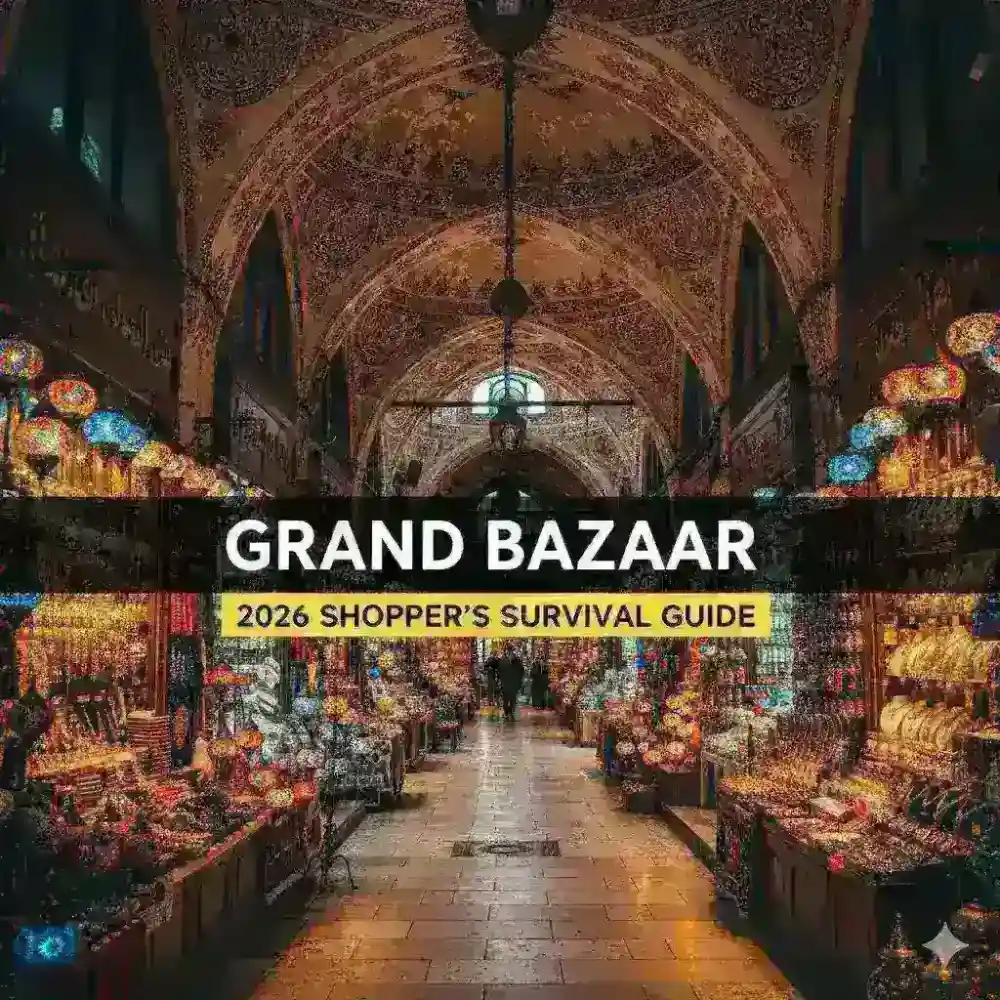
GRAND BAZAAR ISTANBUL: SURVIVAL GUIDE FOR SHOPPERS
The Grand Bazaar (Kapalıçarşı) stands as one of the world's oldest and largest covered markets, a labyrinthine wonderland of over 4,000 shops, 61 covered streets, and countless treasures spanning from exquisite carpets and glittering jewelry to aromatic spices and hand-painted ceramics. For over 550 years, this magnificent marketplace has been the beating heart of Istanbul's commercial life, attracting merchants, travelers, and bargain hunters from every corner of the globe.
In 2026, as travelers seek authentic cultural experiences and unique souvenirs, the Grand Bazaar remains an essential destination for anyone visiting Istanbul. However, navigating this vast, bustling marketplace can be overwhelming for first-time visitors. Whether you're a seasoned shopper seeking the perfect carpet, a jewelry enthusiast hunting for unique pieces, a culture lover exploring traditional crafts, or simply a curious traveler wanting to experience this historic marvel, this comprehensive survival guide will help you shop confidently, bargain effectively, and make the most of your Grand Bazaar adventure.
Understanding the Grand Bazaar requires more than just browsing; it demands engaging with centuries of trading traditions, mastering the art of negotiation, and respecting the cultural context of this historic marketplace. By approaching the Grand Bazaar with preparation, curiosity, and respect, you will discover not just souvenirs but a living dialogue between past and present, between commerce and culture, between tradition and innovation.
HISTORICAL CONTEXT: 550 YEARS OF TRADING EXCELLENCE
The Grand Bazaar's story begins in the 15th century, shortly after the Ottoman conquest of Constantinople.
Construction and Development:
- 1455-1461: Sultan Mehmed II (the Conqueror) ordered the construction of the first structures, initially housing traders of textiles and jewelry
- 16th Century: Major expansion under Sultan Suleiman the Magnificent; the bazaar grew to its current规模
- Architecture: Covered streets with vaulted ceilings, ornate decorations, and multiple entrances (gates)
- Organization: Shops grouped by trade (carpet sellers, jewelers, coppersmiths, etc.)
Historical Significance:
- Economic Hub: Center of Ottoman commerce and international trade
- Cultural Crossroads: Meeting point for merchants from Europe, Asia, and Africa
- Architectural Marvel: One of the world's first covered shopping malls
- UNESCO Recognition: Part of Istanbul's Historic Areas World Heritage Site
LAYING THE GROUNDWORK: BEFORE YOU SHOP
Preparation is key to a successful Grand Bazaar experience.
Essential Knowledge:
Opening Hours:
- Monday-Saturday: 8:30 AM - 7:00 PM
- Sunday: Closed (important!)
- Religious Holidays: Closed on first day of major religious holidays
- Best Times: Early morning (9-11 AM) or late afternoon (4-6 PM) for fewer crowds
Getting There:
- Tram: Beyazıt-Kapalıçarşı station (Line T1) - closest and most convenient
- Walking: 10-15 minutes from Sultanahmet Square
- Taxi: Ask for "Kapalıçarşı" or "Beyazıt Gate"
- Main Entrances:
- Beyazıt Gate (northwest) - most popular entrance
- Nuruosmaniye Gate (northeast) - near the mosque
- Mahmutpaşa Gate (southeast) - connects to street market
What to Bring:
- Cash: Turkish Lira (TRY) essential; many vendors prefer cash, especially for bargaining
- Credit Cards: Accepted in larger shops but cash gives better bargaining power
- Comfortable Shoes: You'll walk several kilometers on uneven stone floors
- Water Bottle: Stay hydrated; limited drinking fountains inside
- Small Bag: For purchases; avoid large backpacks
- Camera: For photos (ask permission first)
- Shopping List: Know what you're looking for to avoid impulse buys
- Budget: Set a spending limit and stick to it
NAVIGATING THE MAZE: UNDERSTANDING THE LAYOUT
The Grand Bazaar can be confusing, but understanding its structure helps.
Main Streets and Sections:
Major Thoroughfares:
- Kalpakçılar Caddesi: Main street running east-west; jewelry and gold shops
- Sahaflar Caddesi: Book sellers and antique dealers
- Zincirli Kuşlu Caddesi: Ceramics and tiles
- İç Bedesten: Historic core with highest-value items (jewelry, antiques, carpets)
Shop Organization:
- Jewelry/Gold: Concentrated in specific sections; look for hallmarks
- Carpets/Kilims: Dedicated carpet sellers throughout
- Ceramics/Tiles: Iznik pottery and traditional tiles
- Leather Goods: Jackets, bags, and accessories
- Textiles: Scarves, pashminas, and fabrics
- Antiques: Books, coins, and collectibles
- Spices/Tea: Aromatic shops with Turkish delights
- Copper/Brass: Traditional metalwork and souvenirs
Landmarks for Orientation:
- Beyazıt Tower: Visible from some areas; helps with direction
- Major Mosques: Nuruosmaniye Mosque provides orientation point
- Fountains: Historic fountains serve as meeting points
- Gate Numbers: 22 main gates; note which you entered
WHAT TO BUY: TREASURES OF THE GRAND BAZAAR
The Grand Bazaar offers incredible variety. Here's what to look for:
Carpets and Kilims:
Turkish Carpets:
- Types: Hand-knotted (most valuable), hand-woven, machine-made
- Regions: Hereke (finest), Kayseri, Konya, Anatolian villages
- Materials: Wool, silk, cotton
- Prices: $100-$10,000+ depending on size, age, and quality
- Buying Tips:
- Ask about origin, age, and materials
- Check both sides for quality
- Request certificate of authenticity for expensive pieces
- Bargain aggressively (start at 40-50% of asking price)
Kilims (Flat-weave Rugs):
- Characteristics: Flat-woven, reversible, geometric patterns
- Uses: Rugs, wall hangings, cushions
- Prices: $50-$2,000+
- Advantages: Lighter, often less expensive than pile carpets
Jewelry and Gold:
Gold and Silver:
- Standards: Turkish gold typically 14k (585) or 22k (916)
- Hallmarks: Look for official stamps and guarantees
- Prices: Based on weight plus craftsmanship
- Buying Tips:
- Check for hallmarks and certificates
- Compare prices at multiple shops
- Understand current gold prices
- Bargain on craftsmanship, not gold weight
Gemstones:
- Turkish Items: Turquoise, amber, Ottoman-style jewelry
- Quality: Ask for certificates for expensive stones
- Caution: Be wary of "too good to be true" deals
Ceramics and Tiles:
Iznik Pottery:
- History: Traditional Ottoman ceramic art from İznik
- Characteristics: Cobalt blue, turquoise, floral motifs
- Items: Plates, tiles, mosque lamps, decorative pieces
- Prices: $30-$500+ for authentic pieces
- Quality Indicators: Hand-painted, signed by artist, slight imperfections
Modern Ceramics:
- Quality: Varies widely; inspect carefully
- Prices: More affordable than antiques
- Uses: Decorative items, tableware, souvenirs
Leather Goods:
Turkish Leather:
- Quality: Generally high-quality leather
- Items: Jackets, bags, wallets, belts
- Prices: $50-$500+ depending on quality
- Bargaining: Expect to negotiate 30-40% off initial price
Textiles and Scarves:
Pashminas and Scarves:
- Materials: Silk, wool, cotton, cashmere blends
- Prices: $20-$200+ for quality pieces
- Quality Check: Feel the fabric, check for pilling
- Caution: "Pashmina" often used loosely; verify materials
Turkish Towels (Peshtemal):
- Traditional: Lightweight, absorbent cotton towels
- Uses: Beach, bath, scarf, tablecloth
- Prices: $15-$50
- Quality: Look for 100% cotton, tight weave
Spices, Tea, and Turkish Delight:
Spices:
- Popular Items: Sumac, pul biber (red pepper flakes), saffron
- Quality: Buy from reputable spice shops
- Prices: Vary by spice; saffron most expensive
- Packaging: Request sealed packages for travel
Turkish Tea (Çay):
- Types: Black tea (most common), apple tea, herbal blends
- Prices: $5-$30 per kg
- Quality: Look for reputable brands or shop recommendations
Turkish Delight (Lokum):
- Traditional: Rosewater, pistachio, walnut varieties
- Quality: Fresh is best; avoid pre-packaged tourist versions
- Prices: $10-$30 per kg
- Best Shops: Look for established lokum makers
Antiques and Collectibles:
Items:
- Ottoman coins, manuscripts, calligraphy, vintage items
- Caution: Export restrictions on items over 100 years old
- Authentication: Request certificates and provenance
- Prices: Highly variable; expert knowledge helpful
BARGAINING 101: THE ART OF NEGOTIATION
Bargaining is expected and essential in the Grand Bazaar.
Golden Rules of Bargaining:
1. Start Low, But Reasonable:
- Offer 30-50% of asking price initially
- Don't insult the seller with ridiculously low offers
- Show genuine interest in the item
2. Be Patient and Polite:
- Bargaining is a social interaction, not a confrontation
- Smile, be friendly, enjoy the process
- Take your time; don't rush
3. Know When to Walk Away:
- If price doesn't meet your budget, politely decline
- Often, seller will call you back with better price
- Don't feel pressured to buy
4. Use Cash as Leverage:
- Cash offers often get better prices
- Show you have cash ready to close deal
- "I can pay cash right now for X price"
5. Bundle Purchases:
- Buying multiple items? Negotiate package deal
- "I'll take both if you give me Y price"
- Sellers prefer larger sales
Bargaining Phrases (Turkish helps!):
- "Çok pahalı" (chok pahalı) = "Very expensive"
- "İndirim yapar mısınız?" (indirim yapar mısınız) = "Can you give a discount?"
- "Son fiyat ne?" (son fiyat ne) = "What's your final price?"
- "Düşüneyim" (düşüneyim) = "Let me think about it"
- "Teşekkür ederim" (teshekkür ederim) = "Thank you"
Typical Bargaining Scenarios:
Scenario 1: Carpets
- Seller asks: $1,000
- You offer: $400
- Seller counters: $800
- You counter: $500
- Final price: $600-650 (40-45% discount)
Scenario 2: Jewelry
- Seller asks: $300
- You offer: $120
- Seller counters: $250
- You counter: $150
- Final price: $180-200 (33-40% discount)
Scenario 3: Ceramics
- Seller asks: $80
- You offer: $30
- Seller counters: $60
- You counter: $40
- Final price: $45-50 (40-44% discount)
When NOT to Bargain Aggressively:
- Fixed-price shops (rare but exist)
- Very low-priced items (under $10)
- Food and consumables
- When seller has already given significant discount
- If you've already purchased multiple items from same seller
AVOIDING SCAMS AND TOURIST TRAPS
The Grand Bazaar is generally safe, but awareness prevents problems.
Common Scams to Avoid:
1. The "Friendly Guide" Scam:
- Tactic: Overly friendly person offers to "show you around"
- Reality: Leads you to shops where they get commission; prices inflated
- Prevention: Politely decline unsolicited guides; navigate yourself
2. The Bait-and-Switch:
- Tactic: Shows you high-quality item, switches to inferior version
- Reality: You pay for quality but receive inferior product
- Prevention: Inspect carefully before paying; watch packaging
3. The "Special Discount" Pressure:
- Tactic: Claims "special price just for you today only"
- Reality: Creates false urgency; price not actually special
- Prevention: Take your time; compare prices elsewhere
4. The Credit Card Surcharge:
- Tactic: Adds 5-10% fee for credit card use
- Reality: Illegal in Turkey but still happens
- Prevention: Pay cash; report if charged extra
5. The Fake Antiquity:
- Tactic: Sells modern item as antique
- Reality: You pay antique prices for modern reproduction
- Prevention: Request certificates; buy from reputable dealers
General Safety Tips:
- Keep Valuables Secure: Use money belt or hidden pouch; don't flash cash
- Stay Aware: Crowded areas attract pickpockets
- Use Reputable Shops: Look for established stores with good reviews
- Get Receipts: Always request receipt with item description
- Export Rules: Know restrictions on antiques and cultural items
- Emergency Numbers: 112 for all emergencies in Turkey
CULTURAL ETIQUETTE AND RESPECTFUL SHOPPING
Respectful behavior enhances your experience and builds rapport with vendors.
Cultural Norms:
Greetings:
- "Merhaba" (hello) - Basic greeting
- "Nasıl yardımcı olabilirim?" (How can I help?) - Common seller greeting
- Respond politely; relationship building matters
Tea and Hospitality:
- Sellers often offer Turkish tea (çay)
- Accepting is polite and builds rapport
- Not obligatory to buy after accepting tea
- Say "Teşekkür ederim" (thank you)
Photography:
- Always ask permission before photographing shops or vendors
- Some sellers may decline; respect their wishes
- Never photograph without permission
Respectful Behavior:
- Don't handle items carelessly, especially fragile ceramics or carpets
- Remove shoes if requested (some carpet shops)
- Be patient; bargaining takes time
- Don't touch items you're not seriously considering buying
Language Tips:
Basic Turkish Phrases:
- Merhaba = Hello
- Teşekkür ederim = Thank you
- Lütfen = Please
- Evet = Yes
- Hayır = No
- Ne kadar? = How much?
- Çok güzel = Very beautiful
- Pahalı = Expensive
- İndirim = Discount
English in the Bazaar:
- Most vendors speak basic English
- Learning Turkish phrases shows respect
- Use simple English; avoid slang
- Be patient with language barriers
PRACTICAL SHOPPING STRATEGIES
Maximize your Grand Bazaar experience with smart strategies.
Before You Go:
Research:
- Know what you want to buy
- Understand fair prices (ask hotel staff or check online)
- Identify reputable shops through reviews
- Set a realistic budget
Timing:
- Arrive early (9-10 AM) for fewer crowds and fresh energy
- Avoid Friday afternoons (prayer time; some shops close)
- Allow 3-4 hours minimum; full day if serious shopping
- Don't shop when tired or rushed
During Your Visit:
Navigation Strategy:
- Enter through Beyazıt Gate (most straightforward)
- Start with main streets (Kalpakçılar Caddesi)
- Explore side streets systematically
- Use landmarks to maintain orientation
- Don't be afraid to get lost (part of the experience!)
Shopping Approach:
- Browse first, buy later
- Compare prices at multiple shops
- Build rapport with sellers you like
- Don't show too much enthusiasm for items (weakens bargaining position)
- Take photos of items you're considering (with permission)
Money Management:
- Withdraw cash before entering (ATMs inside charge high fees)
- Keep small bills for easier transactions
- Don't show all your cash
- Use money belt or hidden pouch
- Set spending limit and stick to it
After Purchase:
- Get detailed receipt with item description
- Request certificate of authenticity for valuable items
- Ask about shipping options for large items (carpets, etc.)
- Keep all documentation for customs
- Inspect items carefully before leaving shop
WHAT NOT TO BUY (OR BUY WITH CAUTION)
Some items require extra caution:
Antiques Over 100 Years Old:
- Issue: Export restrictions; may be illegal to take out of Turkey
- Solution: Request documentation; verify age and export legality
- Alternative: Buy modern reproductions
"Too Good to Be True" Deals:
- Issue: Likely fake, stolen, or inferior quality
- Solution: Trust your instincts; if price seems impossible, it probably is
- Alternative: Pay fair price for authentic items
Unsealed Food Items:
- Issue: Customs restrictions; may be confiscated
- Solution: Request sealed, labeled packages
- Alternative: Buy from established spice/lokum shops with export packaging
Items Without Receipts:
- Issue: No proof of purchase; can't verify authenticity or get refunds
- Solution: Always request detailed receipt
- Alternative: Don't buy if seller refuses receipt
NEARBY ATTRACTIONS: COMBINING SHOPPING WITH SIGHTSEEING
Maximize your Sultanahmet visit by combining Grand Bazaar with nearby attractions:
Within 5-Minute Walk:
Beyazıt Mosque and Square:
- Distance: Adjacent to Grand Bazaar's main entrance
- Significance: Historic mosque and public square
- Visiting: Free entry; peaceful atmosphere
- Time Needed: 30 minutes
Nuruosmaniye Mosque:
- Distance: Northeast entrance of Grand Bazaar
- Significance: Beautiful 18th-century Ottoman mosque
- Visiting: Free entry; dress code required
- Time Needed: 30-45 minutes
Within 10-Minute Walk:
Sultanahmet Square:
- Distance: 600 meters (8-minute walk)
- Significance: Historic heart of Istanbul
- Highlights: Blue Mosque, Hagia Sophia, Egyptian Obelisk
- Time Needed: 1-2 hours
Basilica Cistern:
- Distance: 700 meters (10-minute walk)
- Significance: 6th-century underground water reservoir
- Visiting: Admission fee; atmospheric lighting
- Time Needed: 45 minutes - 1 hour
Within 15-Minute Walk:
Spice Bazaar (Mısır Çarşısı):
- Distance: 1 kilometer (15-minute walk or short tram ride)
- Significance: Historic spice market; smaller but charming
- Shopping: Spices, Turkish delight, dried fruits, nuts
- Time Needed: 1-2 hours
Suggested Itineraries:
Half-Day Shopping (4 hours):
1. Grand Bazaar exploration and shopping (3 hours)
2. Lunch in Sultanahmet (1 hour)
Full-Day Cultural Experience (8 hours):
1. Grand Bazaar shopping (3 hours)
2. Lunch break (1 hour)
3. Spice Bazaar exploration (1.5 hours)
4. Sultanahmet Square, Blue Mosque, Hagia Sophia (2.5 hours)
PRACTICAL TIPS FOR 2026 VISITORS
Essential Information:
Before You Go:
- Check Opening Hours: Verify current hours; may vary seasonally
- Closed Days: Sunday and first day of religious holidays
- Cash: Withdraw Turkish Lira before entering; ATMs inside charge high fees
- Comfortable Shoes: Essential for walking on uneven stone floors
- Weather: Bazaar is covered but can be hot in summer; dress in layers
- Bag: Bring small bag for purchases; avoid large backpacks
During Your Visit:
- Arrive Early: 9-10 AM for best experience and fewer crowds
- Stay Hydrated: Bring water; limited drinking fountains
- Take Breaks: Bazaar is overwhelming; rest in cafes
- Use Restrooms: Facilities available but may charge small fee
- Keep Valuables Secure: Use money belt; don't flash cash
- Ask for Help: Lost? Ask shopkeepers for directions to nearest gate
After Shopping:
- Shipping: For large items (carpets), ask about international shipping
- Customs: Keep receipts for customs declarations
- Export Rules: Verify restrictions on antiques and cultural items
- Follow-up: Many shops offer email contact for future purchases
Common Mistakes to Avoid:
- Shopping on Sunday: Bazaar is closed; plan accordingly
- Rushing: Allow adequate time; don't treat as quick stop
- Not Bargaining: Expected and necessary; don't pay asking price
- Showing Too Much Enthusiasm: Weakens bargaining position
- Buying First Item: Always compare prices at multiple shops
- Ignoring Quality: Cheapest isn't always best value
- Not Getting Receipts: Always request detailed receipt
- Flashing Cash: Keep money secure; don't show large amounts
- Forgetting to Enjoy: Don't get so focused on deals that you miss the experience
CONCLUSION: A SHOPPING ADVENTURE LIKE NO OTHER
The Grand Bazaar is more than just a marketplace; it's a living museum, a cultural institution, and a testament to Istanbul's rich commercial heritage. For over five centuries, it has welcomed merchants and shoppers from around the world, creating a unique space where commerce, culture, and human connection intertwine.
In 2026, as you navigate its covered streets, engage in the time-honored dance of bargaining, and discover treasures both expected and unexpected, you participate in a tradition that spans generations. Whether you leave with a hand-knotted carpet, a piece of jewelry, a box of Turkish delight, or simply memories of vibrant colors, intoxicating aromas, and warm hospitality, the Grand Bazaar offers something invaluable: a genuine connection to Istanbul's soul.
May your Grand Bazaar adventure deepen your appreciation for Turkish craftsmanship and trading traditions, and inspire your commitment to respectful, mindful shopping. As the merchants and artisans who have sustained this marketplace for centuries understood, true value lies not just in the items we acquire but in the relationships we build, the stories we collect, and the cultural bridges we cross. May you carry that understanding forward, wherever your journey leads.
Useful Resources:
- Official Grand Bazaar Information: Check Istanbul Tourism official website
- Istanbul Tourism: www.goturkey.com
- Currency Exchange: Check current TRY exchange rates before visiting
- Emergency Services: 112 for all emergencies in Turkey
- Tourist Police: 155 (speak English)
Disclaimer: Information is accurate as of early 2026. Opening hours, prices, and policies may change; verify current details before your visit. This guide is for informational purposes only and does not constitute professional shopping or travel advice. Prices mentioned are approximate and subject to market fluctuations.
0 Comments