.webp)
.webp)
Complete Guide to Exploring Al-Shafi'i Mosque in Jeddah 2026
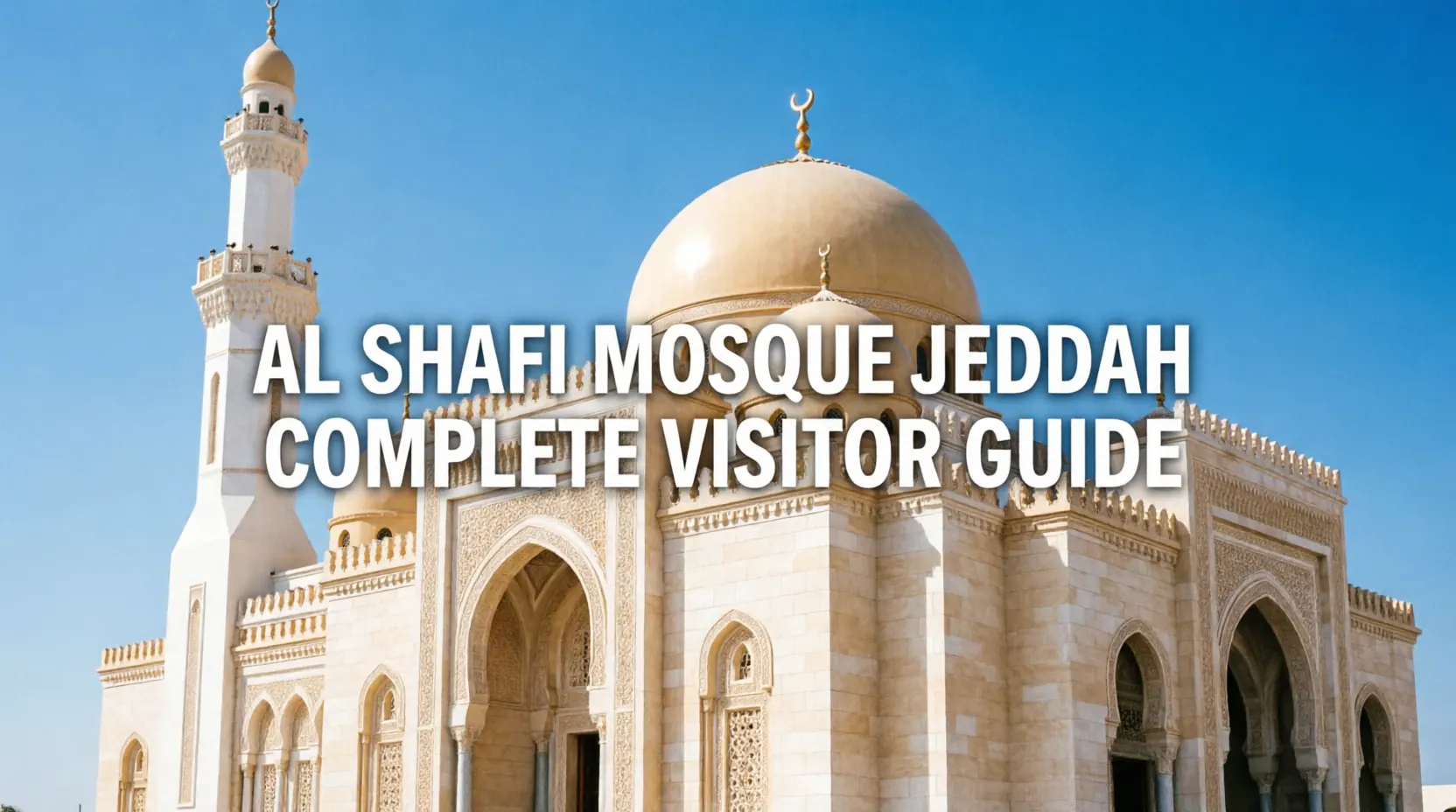
Complete Guide to Exploring Al-Shafi'i Mosque in Jeddah 2026
The Al-Shafi'i Mosque stands as one of Jeddah's most significant religious and architectural landmarks. This historic mosque honors Imam Al-Shafi'i, one of the four great founders of Sunni Islamic jurisprudence.
Located in the heart of Jeddah, the mosque serves both as an active place of worship and a testament to Islamic architectural heritage. Its elegant design reflects centuries of artistic tradition and spiritual devotion.
Visitors to Jeddah seeking to understand Saudi Arabia's Islamic culture will find the Al-Shafi'i Mosque an essential destination. The mosque offers insights into religious practices, architectural beauty, and community life.
This comprehensive 2026 guide provides everything you need to know about visiting the Al-Shafi'i Mosque. From historical context and architectural features to visiting guidelines and nearby attractions, you will discover how to experience this sacred site respectfully and meaningfully.
Historical Significance of the Al-Shafi'i Mosque

The Al-Shafi'i Mosque derives its name from Imam Muhammad ibn Idris Al-Shafi'i, the renowned eighth-century Islamic scholar and jurist. His legal methodology, known as the Shafi'i school, remains influential across the Muslim world today.
While the current mosque structure represents modern construction, it commemorates the legacy of Imam Al-Shafi'i and his contributions to Islamic thought. The mosque serves as a living tribute to scholarly tradition and spiritual guidance.
Jeddah's religious landscape has evolved significantly under Saudi Arabia's Vision 2030 initiative. This transformation balances preservation of Islamic heritage with enhanced accessibility for pilgrims and cultural visitors.
The Al-Shafi'i Mosque reflects this balance, maintaining traditional functions while welcoming respectful visitors interested in Islamic culture and architecture. Understanding this context enhances appreciation for the site.
Imam Al-Shafi'i and Islamic Jurisprudence
Imam Al-Shafi'i lived from 767 to 820 CE and made foundational contributions to Islamic legal theory. His work synthesized Quranic teachings, prophetic traditions, and scholarly reasoning into coherent legal methodology.
The Shafi'i school of jurisprudence emphasizes balanced interpretation of Islamic sources. This approach influences religious practice across East Africa, Southeast Asia, and parts of the Arabian Peninsula.
Imam Al-Shafi'i's tomb in Cairo remains a major pilgrimage site. Mosques bearing his name throughout the Muslim world honor his intellectual and spiritual legacy.
Understanding Imam Al-Shafi'i's contributions helps visitors appreciate why mosques dedicated to him hold special significance within Islamic tradition.
The Mosque in Jeddah's Religious Landscape
Jeddah hosts numerous mosques serving diverse communities and functions. The Al-Shafi'i Mosque distinguishes itself through historical associations and architectural prominence.
The mosque serves local residents for daily prayers while also accommodating visitors exploring Jeddah's Islamic heritage. This dual role reflects the city's position as a gateway to Mecca.
Religious sites in Jeddah operate within Saudi Arabia's regulatory framework for Islamic institutions. This framework ensures proper maintenance, respectful access, and alignment with religious guidelines.
Visitors should understand that active mosques prioritize worship functions. Cultural appreciation must always respect the primary religious purpose of these spaces.
Architectural Features and Design Elements

The Al-Shafi'i Mosque showcases elegant Islamic architecture blending traditional elements with contemporary construction techniques. Its design reflects principles of symmetry, geometry, and spiritual symbolism central to Islamic art.
Key architectural features include graceful minarets, elegant domes, and intricate decorative details. These elements create visual harmony while serving functional purposes for worship and community gathering.
Interior spaces emphasize tranquility and focus through careful use of light, space, and ornamentation. Prayer halls accommodate worshippers with attention to acoustics, sightlines, and comfort.
Calligraphic inscriptions from the Quran adorn walls and arches, integrating sacred text with architectural beauty. These artistic elements invite contemplation and spiritual reflection.
Exterior Design and Facade Elements
The mosque's exterior presents a dignified presence appropriate for a place of worship. Clean lines, balanced proportions, and restrained ornamentation reflect Islamic aesthetic principles.
Minarets rise gracefully from the structure, serving both functional roles for call to prayer and symbolic roles as visual landmarks. Their design echoes traditional Arabian architectural forms.
Domes crown prayer spaces, creating distinctive silhouettes against Jeddah's skyline. These architectural features enhance acoustics while symbolizing the heavens in Islamic tradition.
Entrance areas welcome visitors with appropriate grandeur while maintaining accessibility. Thoughtful design accommodates large gatherings during peak prayer times and religious occasions.
Interior Spaces and Prayer Hall Design
Prayer halls prioritize functionality and spiritual atmosphere. Spacious layouts accommodate worshippers while maintaining clear sightlines toward the qibla wall indicating Mecca's direction.
Natural and artificial lighting combine to create serene environments suitable for prayer and reflection. Careful illumination highlights architectural details without causing distraction.
Carpeting provides comfort for prayer postures while contributing to acoustic management. High-quality materials reflect the importance of the worship space.
Decorative elements including geometric patterns, arabesques, and calligraphy enhance visual interest while avoiding figurative representation in accordance with Islamic artistic traditions.
Location and Accessibility in Jeddah

The Al-Shafi'i Mosque occupies a central location in Jeddah, making it accessible to visitors exploring the city's cultural and religious sites. Its position facilitates combination visits with nearby attractions.
Jeddah's transportation infrastructure supports access to religious sites. Visitors can reach the mosque via taxi, ride-hailing services, or public transportation depending on preferences and budget.
Parking availability varies by time of day and religious calendar. Planning arrival times around prayer schedules helps avoid congestion and ensures smoother visits.
The mosque's neighborhood reflects Jeddah's blend of traditional and modern urban character. Surrounding areas offer additional cultural experiences and practical services for visitors.
Getting to the Mosque from Key Locations
From King Abdulaziz International Airport, the mosque lies approximately 30 kilometers away. Taxi or ride-hailing services provide direct transportation with travel times of 30-45 minutes depending on traffic.
Visitors staying in Jeddah's city center can reach the mosque within 10-20 minutes by vehicle. Walking may be feasible for nearby accommodations depending on exact locations and weather conditions.
Public bus routes serve areas near the mosque, though schedules and coverage may require planning. Local residents or hotel concierges can provide current transportation guidance.
Ride-hailing apps like Uber and Careem operate reliably in Jeddah. These services offer convenient, transparent pricing for visitors unfamiliar with local transportation options.
Navigating the Surrounding Area
The mosque's neighborhood features a mix of residential, commercial, and religious establishments. This diversity provides context for understanding daily life in Jeddah.
Nearby shops and cafes offer opportunities for refreshment before or after mosque visits. Respecting local customs regarding dress and behavior remains important throughout the area.
Signage in Arabic predominates, though major routes include English translations. Navigation apps with offline maps help visitors orient themselves without constant internet connectivity.
Local residents generally welcome respectful visitors seeking to learn about Islamic culture. Polite inquiries about directions or local customs often receive helpful responses.
Visiting Guidelines and Etiquette

Visiting active mosques in Saudi Arabia requires understanding and observing appropriate etiquette. These guidelines ensure respectful engagement with sacred spaces and worship practices.
Non-Muslim visitors should verify current access policies before planning visits. Saudi Arabia has expanded cultural tourism opportunities while maintaining religious sensitivities.
Dress codes apply to all mosque visitors regardless of faith. Modest clothing covering shoulders, arms, and legs demonstrates respect for Islamic cultural norms.
Behavior within mosque spaces should reflect the sacred nature of the environment. Quiet conversation, respectful movement, and attention to posted guidelines facilitate positive experiences.
Dress Code Requirements
Men should wear clothing covering shoulders and knees at minimum. Long pants and shirts with sleeves represent appropriate attire for mosque visits.
Women should wear loose-fitting clothing covering arms and legs. Head coverings may be required or recommended depending on specific mosque policies.
Abayas, traditional black cloaks, are often provided at major religious sites for female visitors. Accepting and properly wearing these garments demonstrates cultural respect.
Footwear removal before entering prayer areas is standard practice. Clean socks or presentable bare feet maintain hygiene and respect for sacred spaces.
Behavioral Expectations During Visits
Maintain quiet voices and respectful demeanor throughout mosque premises. Loud conversation or disruptive behavior contradicts the contemplative atmosphere of worship spaces.
Photography policies vary by mosque and occasion. Always request permission before taking photos, particularly of worshippers or interior prayer spaces.
Avoid walking in front of praying individuals or crossing prayer rows. These actions disrupt worship and demonstrate lack of awareness of religious practices.
Follow guidance from mosque staff or volunteers regarding appropriate areas for visitors. Restricted zones protect worship activities and sacred objects.
Prayer Times and Worship Schedule

Islamic prayer times follow the sun's position and change daily throughout the year. Understanding this schedule helps visitors plan appropriate times for mosque visits.
The five daily prayers occur at dawn, midday, afternoon, sunset, and evening. Each prayer has specific timing windows that shift with seasonal daylight variations.
Friday midday prayer, known as Jumu'ah, holds special significance in Islam. Mosques experience peak attendance during this weekly congregational prayer.
Visitors should avoid scheduling tours during prayer times unless specifically interested in observing worship practices. Respectful observation requires advance coordination and understanding of protocols.
Checking Current Prayer Times
Prayer time applications provide accurate, location-specific schedules for Jeddah. Apps like Muslim Pro or Islamic Finder offer reliable information for planning visits.
Mosque websites or local information centers may post prayer schedules. These sources reflect official timings used by the specific mosque community.
Hotel concierges and tour guides can provide current prayer time information. Local expertise helps visitors navigate religious calendars and cultural expectations.
Allow flexibility in scheduling around prayer times. Slight variations in timing or extended worship periods may affect visit plans.
Observing Worship Practices Respectfully
Visitors interested in observing Islamic prayer should arrange guidance through official channels. Mosque staff can explain appropriate viewing areas and behavioral expectations.
Understand basic prayer postures and sequences to appreciate the spiritual discipline on display. Prayer involves standing, bowing, prostrating, and sitting in structured patterns.
Avoid interrupting worshippers with questions or requests during prayer times. Save inquiries for before or after worship periods when community members may be more available.
Recognize that worship represents personal spiritual practice. Observation should enhance understanding without intruding on individual religious experiences.
Cultural Context and Islamic Heritage

The Al-Shafi'i Mosque exists within Saudi Arabia's rich Islamic heritage and contemporary cultural development. Understanding this context enriches visitor experiences and appreciation.
Saudi Arabia balances preservation of religious traditions with modernization under Vision 2030. This initiative expands cultural tourism while maintaining Islamic values and practices.
Jeddah's historical role as a gateway to Mecca shapes its religious character. The city hosts diverse Muslim communities while serving pilgrims traveling to Islam's holiest sites.
Visitors contribute to cross-cultural understanding when approaching religious sites with respect and curiosity. Thoughtful engagement supports positive international relationships.
Islamic Architecture and Artistic Traditions
Islamic architecture emphasizes geometric patterns, calligraphy, and spatial harmony. These artistic principles reflect theological concepts of unity, order, and divine beauty.
Calligraphic inscriptions from the Quran integrate sacred text with architectural design. This fusion of word and form creates environments conducive to spiritual reflection.
Geometric patterns symbolize infinite divine order through repeating mathematical forms. These designs invite contemplation of cosmic principles underlying Islamic thought.
Understanding these artistic traditions enhances appreciation for mosque aesthetics. Visual elements serve both decorative and didactic functions within Islamic cultural contexts.
Community Life and Religious Practice
Mosques serve as centers for community gathering, education, and social support beyond worship functions. They foster connections among believers and provide services to local populations.
Religious education programs at mosques transmit Islamic knowledge across generations. These initiatives preserve scholarly traditions while adapting to contemporary needs.
Charitable activities organized through mosques address community needs and embody Islamic values of compassion and social responsibility. Visitors may observe these functions during appropriate times.
Understanding mosques' multifaceted roles helps visitors appreciate their significance beyond architectural or touristic interest. These institutions sustain living religious communities.
Nearby Attractions and Cultural Sites

The Al-Shafi'i Mosque's central Jeddah location facilitates combination visits with other cultural and historical attractions. Planning efficient itineraries maximizes exploration of the city's heritage.
Al-Balad, Jeddah's historic old town, offers traditional architecture, markets, and cultural experiences. This UNESCO World Heritage area complements religious site visits with historical context.
The Jeddah Corniche provides waterfront recreation, public art, and scenic views. This modern development contrasts with historic sites while showcasing contemporary Saudi urban planning.
Museums and cultural centers in Jeddah present Islamic art, Saudi history, and regional heritage. These institutions deepen understanding of the cultural contexts surrounding religious sites.
Al-Balad Historic District
Al-Balad features traditional coral-stone architecture and narrow winding streets characteristic of historic Jeddah. Walking tours reveal centuries of urban development and cultural exchange.
Traditional markets, or souqs, offer handicrafts, spices, and local products. Shopping supports local artisans while providing authentic cultural experiences.
Historic mosques and houses in Al-Balad demonstrate architectural evolution and preservation efforts. These sites complement visits to active religious institutions like the Al-Shafi'i Mosque.
Guided tours of Al-Balad provide historical context and navigation assistance. Knowledgeable guides enhance understanding of Jeddah's layered heritage.
Jeddah Corniche and Modern Attractions
The Jeddah Corniche stretches along the Red Sea coast with parks, sculptures, and recreational facilities. This area offers relaxation after cultural site visits.
Public art installations along the Corniche include works by international and Saudi artists. These pieces reflect contemporary cultural expression alongside traditional heritage.
Waterfront dining and cafes provide opportunities for refreshment with scenic views. Evening visits capture beautiful sunsets over the Red Sea.
The Corniche demonstrates Saudi Arabia's investment in public spaces and quality of life. This modern development complements historic preservation efforts throughout Jeddah.
Practical Tips for Visitors

Successful visits to the Al-Shafi'i Mosque require preparation and cultural awareness. These practical recommendations help ensure respectful, informative, and enjoyable experiences.
Research current access policies before traveling. Saudi Arabia's tourism regulations evolve, and mosque access for non-Muslim visitors may have specific requirements.
Plan visits around prayer schedules and religious calendar events. Major Islamic holidays affect mosque operations and visitor access.
Carry identification and any required permits or documentation. Official sites may request verification of visitor status or purpose.
Language and Communication Considerations
Arabic serves as the primary language in Saudi Arabia. Learning basic greetings and polite phrases demonstrates respect and facilitates interactions.
English is widely understood in Jeddah's tourism and service sectors. Major sites often provide English-language information materials or staff.
Translation apps can assist with basic communication needs. Offline language packs ensure functionality without constant internet connectivity.
Patience and respectful gestures bridge language gaps when verbal communication proves challenging. Non-verbal courtesy transcends linguistic barriers.
Health and Comfort Preparations
Jeddah's climate features high temperatures and humidity, particularly in summer months. Lightweight, modest clothing balances comfort with cultural requirements.
Stay hydrated throughout visits, carrying water bottles for use in appropriate areas. Heat exhaustion poses risks during extended outdoor exploration.
Comfortable footwear supports walking on varied surfaces including mosque floors and historic district streets. Remove shoes when entering prayer areas as required.
Sun protection including hats, sunglasses, and sunscreen prevents sunburn during outdoor portions of visits. Respect dress codes while maintaining health safeguards.
Photography Guidelines and Documentation

Photography at religious sites requires sensitivity to worship practices and cultural norms. Understanding appropriate guidelines ensures respectful documentation of visits.
Always request permission before photographing mosque interiors, worshippers, or religious ceremonies. Some areas or activities may prohibit photography entirely.
Focus photography on architectural elements, decorative details, and exterior views when permitted. These subjects capture aesthetic and cultural significance without intruding on worship.
Respect requests to refrain from photography even in generally permissible areas. Individual mosques or specific occasions may have unique restrictions.
Respectful Photography Practices
Avoid using flash photography inside prayer halls as it disrupts worship and may damage sensitive materials. Natural light or available artificial lighting suffices for most architectural photography.
Position yourself thoughtfully to avoid including worshippers in frames without consent. Crop images or adjust angles to focus on permissible subjects.
Share photographs respectfully on social media with accurate cultural context. Avoid sensationalizing or misrepresenting religious practices and spaces.
Consider the purpose of photography: documentation for personal learning versus public sharing. Different contexts may warrant different approaches to image capture and distribution.
Alternative Documentation Methods
Sketching architectural details offers engaging alternatives to photography while encouraging close observation. This practice deepens appreciation for design elements.
Journaling about experiences captures impressions and insights beyond visual documentation. Written reflections complement photographic records of visits.
Collecting informational materials from visitor centers or educational displays provides factual context for later reference. These resources support continued learning after visits.
Discussing experiences with knowledgeable guides or local residents enriches understanding beyond what visual documentation alone can convey.
Final Thoughts on Visiting Al-Shafi'i Mosque

The Al-Shafi'i Mosque offers visitors meaningful opportunities to engage with Islamic heritage, architectural beauty, and living religious practice in Jeddah. Approaching this sacred site with respect and curiosity enhances both personal experience and cross-cultural understanding.
Understanding historical context, observing appropriate etiquette, and planning visits thoughtfully ensure positive interactions with mosque communities and spaces. These preparations demonstrate respect for Islamic traditions and Saudi cultural norms.
Visitors contribute to global appreciation for Islamic heritage when they engage respectfully with religious sites. Thoughtful tourism supports cultural preservation and international goodwill.
The Al-Shafi'i Mosque stands as a testament to enduring spiritual traditions and architectural excellence. Experiencing this site within its proper context enriches understanding of Saudi Arabia's religious and cultural landscape.
0 Comments