.webp)
.webp)
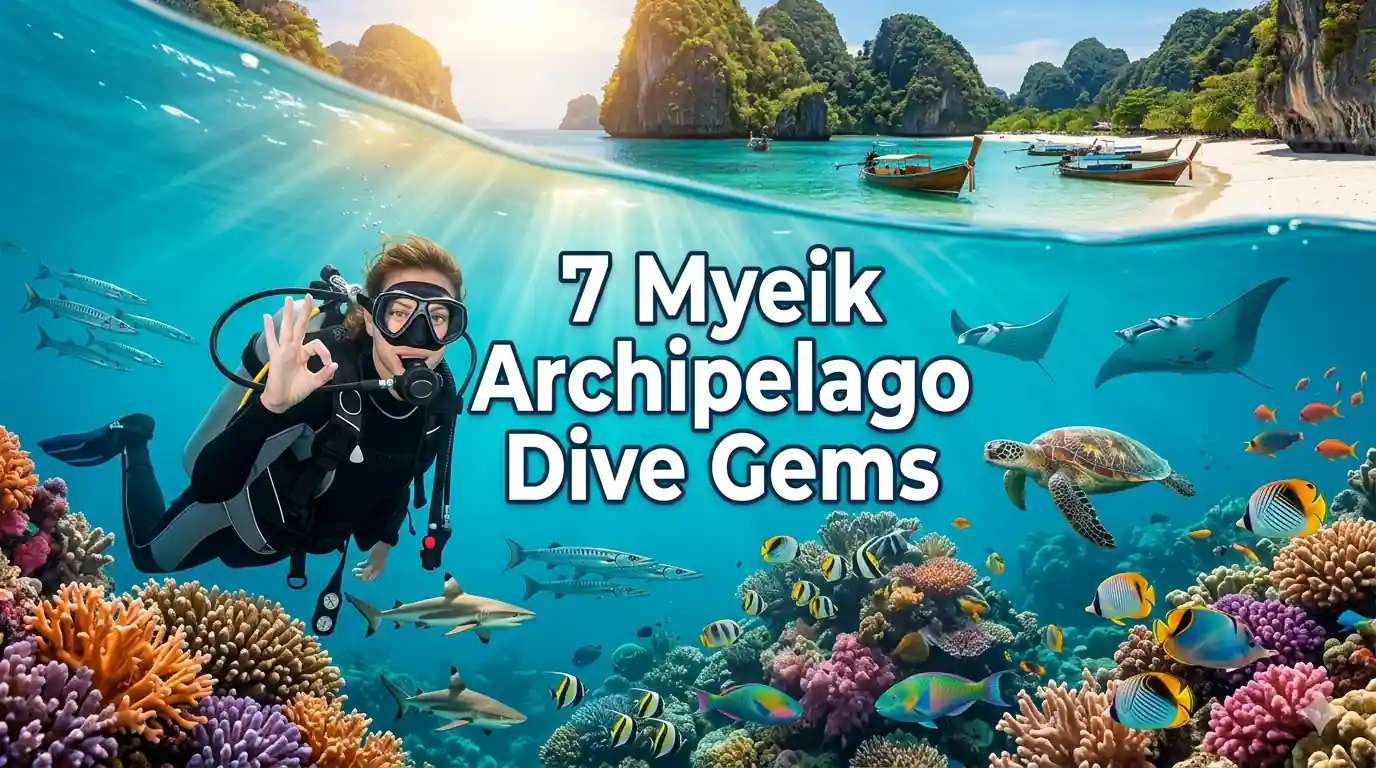
Discovering Myanmar's Last Frontier: The Myeik Archipelago
The Myeik Archipelago, also known as the Mergui Archipelago, represents one of the last great frontiers for adventure diving in Southeast Asia. This remote chain of over 800 islands stretches along Myanmar's southern coast in the Andaman Sea, offering world-class diving experiences that remain largely untouched by mass tourism. For divers seeking pristine coral reefs, dramatic underwater topography, and encounters with spectacular marine life far from crowded dive boats, the Myeik Archipelago delivers an unparalleled adventure.
Unlike Thailand's heavily visited Similan Islands or Indonesia's popular Komodo dive sites, the Myeik Archipelago remains relatively undiscovered. This isolation has preserved its underwater ecosystems in remarkable condition, with healthy coral gardens, abundant fish populations, and frequent sightings of pelagic species including manta rays, whale sharks, and reef sharks. The archipelago's location in the Andaman Sea places it within a biodiversity hotspot where warm tropical waters support incredible marine diversity.
Access to the Myeik Archipelago requires commitment - typically involving liveaboard expeditions departing from Kawthaung, Myanmar's southernmost town. This remoteness filters out casual tourists, ensuring that those who make the journey experience diving in near-pristine conditions with minimal boat traffic and exclusive access to spectacular sites. For adventure divers willing to venture off the beaten path, the Myeik Archipelago offers the rare opportunity to explore truly unspoiled underwater environments.
Why the Myeik Archipelago Belongs on Every Diver's Bucket List

The Myeik Archipelago's appeal to adventure divers extends far beyond its pristine condition. The region's unique geological history has created diverse underwater landscapes ranging from dramatic granite boulder formations and vertical wall dives to shallow coral gardens and deep-water channels. This variety ensures that every dive presents new discoveries, whether you're photographing macro life, exploring caverns, or drifting along current-swept reefs.
Marine biodiversity in the Myeik Archipelago rivals the best dive destinations in the Indo-Pacific. Healthy hard and soft coral communities provide habitat for thousands of fish species, from tiny pygmy seahorses to massive schools of barracuda and trevally. The archipelago's position along migratory routes means seasonal encounters with whale sharks, manta rays, and various shark species. Rare sightings include dugongs, sea turtles nesting on remote beaches, and occasional oceanic whitetip sharks in deeper waters.
Beyond the underwater experience, the Myeik Archipelago offers cultural encounters with the Moken sea gypsies, nomadic communities who have inhabited these islands for centuries. Their traditional knowledge of the sea and sustainable fishing practices provide fascinating insights into harmonious coexistence with this fragile ecosystem. Many liveaboard operators facilitate respectful cultural exchanges, adding anthropological depth to the diving adventure.
Best Time to Dive the Myeik Archipelago
The diving season in the Myeik Archipelago runs from November to April, coinciding with the dry season and optimal visibility conditions. November through February offers the calmest seas and best visibility, often exceeding 30 meters, making this peak season for photography and drift diving. Water temperatures range from 27-29°C (81-84°F), comfortable for most divers with a 3mm wetsuit.
March and April remain excellent for diving, though seas can become slightly rougher and water temperatures rise to 30°C (86°F). These warmer months sometimes bring increased pelagic activity, with better chances of whale shark and manta ray encounters. The monsoon season from May to October makes diving impossible due to heavy rains, strong winds, and poor visibility, so all liveaboard operations close during this period.
For divers seeking the best balance of conditions, marine life activity, and potentially lower prices, late November and early December offer ideal timing. The seas have calmed after the monsoon, visibility is excellent, and the archipelago's ecosystems are refreshed and vibrant.
Hidden Gem #1: Black Rock - The Pelagic Paradise

Black Rock stands as the Myeik Archipelago's most famous dive site, and for good reason. This submerged granite pinnacle rises from depths of 40 meters to within 5 meters of the surface, creating a dramatic underwater mountain that attracts spectacular marine life. Located in the northern section of the archipelago, Black Rock exemplifies everything that makes this region special for adventure divers.
The dive begins with a descent along the granite wall, where soft corals in vibrant purples, oranges, and yellows blanket the rock face. Giant sea fans sway in the current, providing habitat for reef fish, while moray eels peek from crevices in the granite. As you circle the pinnacle, keep watch in the blue water above - this is where Black Rock's reputation shines.
Pelagic encounters are frequent at Black Rock. Schools of barracuda form swirling tornadoes overhead, while giant trevally patrol the perimeter. Leopard sharks rest on sandy patches between granite boulders, and white-tip reef sharks cruise the deeper sections. During peak season from February to April, whale sharks and manta rays regularly visit, drawn by plankton-rich currents. The possibility of encountering these gentle giants makes every descent at Black Rock an adrenaline-fueled adventure.
Black Rock offers diving for all experience levels, though strong currents can develop, making it best suited for intermediate to advanced divers. Drift diving techniques are often employed, with boats picking up divers after they complete the circuit. Visibility typically ranges 20-30 meters, and the site can be dived multiple times without repetition due to its size and marine life diversity.
Hidden Gem #2: Shark Island - Where Reef Sharks Rule

Shark Island lives up to its name, offering some of the most reliable shark encounters in the Myeik Archipelago. This granite island features multiple dive sites around its perimeter, each presenting unique underwater topography and marine life concentrations. The site's consistent shark sightings have made it a favorite among underwater photographers and shark enthusiasts.
The eastern side of Shark Island features a dramatic wall dive dropping vertically to over 40 meters. Black-tip reef sharks and white-tip reef sharks patrol this wall in numbers that exceed most other Southeast Asian dive destinations. It's not unusual to count 15-20 sharks on a single dive, resting on ledges, cruising the wall, or investigating curious divers. These sharks have grown accustomed to dive boats but remain wild and majestic, providing thrilling yet safe encounters.
Beyond the sharks, Shark Island boasts exceptional macro life. The reef's healthy coral communities support nudibranchs, shrimp, and crabs in stunning variety. Frogfish camouflage among sponges, while ghost pipefish drift in the current. Photographers can spend entire dives documenting the reef's tiny residents before venturing into the blue to watch sharks patrol the perimeter.
The island's western side offers a different experience with shallower reefs and swim-throughs between massive granite boulders. Sunlight filtering through underwater caverns creates ethereal lighting effects, perfect for creative photography. Schools of snapper and fusilier form shimmering clouds, while larger predators including groupers and amberjack hunt the reef edges.
Hidden Gem #3: The Cathedral - An Underwater Marvel

The Cathedral earns its name from a spectacular natural formation that creates one of the Myeik Archipelago's most memorable dive experiences. This site features a massive granite archway rising from the seabed, with sunlight streaming through the opening to illuminate the underwater chamber below. The effect resembles light filtering through stained glass windows in a Gothic cathedral, creating an almost spiritual diving experience.
The dive typically begins at 25-30 meters depth, exploring the sandy bottom around the cathedral's base. Large groupers rest in the shadows, while schools of batfish glide gracefully through the archway. As you ascend through the opening, the play of light and shadow creates constantly changing photographic opportunities. The granite surfaces are adorned with colorful sponges and soft corals that thrive in the filtered light.
Inside the cathedral chamber, the acoustic properties create an eerie silence broken only by your regulator's bubbles. This peaceful environment attracts curious reef fish that approach closer than at other sites. Moray eels emerge from crevices, while octopus sometimes claim the deeper recesses as their den. The site's unique geology and lighting make it essential for any Myeik Archipelago diving itinerary.
Multiple entries around the cathedral structure allow for varied dive profiles. Shallow sections feature hard coral gardens with excellent biodiversity, while deeper areas attract larger pelagics. The site works well for both wide-angle photography capturing the dramatic formation and macro photography documenting the reef's smaller inhabitants.
Hidden Gem #4: Rocky Point - The Macro Photographer's Dream

While many Myeik Archipelago sites excel at big animal encounters, Rocky Point specializes in the small stuff, making it paradise for macro photography enthusiasts. This site's complex topography of boulders, caves, and crevices provides endless hiding places for cryptic marine species, rewarding patient divers with extraordinary discoveries.
The dive begins on a sloping reef covered in soft corals and sea whips. Here, pygmy seahorses cling to gorgonian fans, their tiny bodies perfectly camouflaged. Finding these masters of disguise requires keen eyes and macro lenses, but the satisfaction of spotting them rivals any big animal encounter. Multiple species inhabit Rocky Point, including Bargibant's pygmy seahorse in pink and yellow color morphs.
Rocky Point's boulder fields harbor diverse nudibranch species, from colorful chromodorids to well-camouflaged dorids. Each rock flip reveals new treasures - hairy frogfish, boxer crabs carrying anemones as weapons, and various shrimp species living symbiotically with other organisms. The site's biodiversity makes it ideal for underwater naturalists who enjoy spending entire dives exploring a single square meter of reef.
Beyond macro life, Rocky Point features interesting topography including swim-throughs and small caves. Giant pufferfish rest in shaded areas, while moray eels of various species peek from rocky crevices. The site's sheltered location makes it suitable for diving in various conditions, providing a reliable option when other sites experience strong currents.
Hidden Gem #5: Blue Hole - A Vertical Adventure

The Blue Hole in the Myeik Archipelago offers a different diving experience from the region's typical reef and pinnacle dives. This vertical sinkhole plunges to unknown depths, its walls adorned with spectacular soft coral formations and home to unique deep-water species rarely seen on shallow reefs.
Descending into the Blue Hole feels like entering another world. The walls drop steeply, covered in purple and orange soft corals that create a kaleidoscope of color against the deep blue backdrop. At 20-30 meters depth, the hole opens into a cavern where light penetrates from above, creating an ethereal atmosphere. Schooling fish including glassfish and cardinalfish fill the water column, their silvery bodies reflecting available light.
The Blue Hole attracts larger species that prefer deeper water. Grey reef sharks patrol the perimeter, while occasional hammerhead sharks visit during cooler months. The site's depth and structure make it suitable for advanced divers comfortable with deeper diving and potential currents. Proper buoyancy control is essential to avoid damaging the delicate coral formations and stirring sediment.
For technical divers with appropriate training and gas mixes, the Blue Hole offers exploration potential beyond recreational limits. The sinkhole's full depth remains uncharted, adding an element of mystery and adventure. Even within recreational limits, however, the Blue Hole delivers spectacular diving with its unique geology and deep-water marine life.
Hidden Gem #6: Turtle Bay - A Sanctuary for Sea Turtles

Turtle Bay provides one of the Myeik Archipelago's most heartwarming diving experiences, offering reliable encounters with both green turtles and hawksbill turtles in their natural habitat. This protected bay features extensive seagrass beds and healthy coral reefs that serve as feeding grounds for resident turtle populations.
The dive begins on a gently sloping reef where turtles graze on seagrass or rest on sandy patches between coral heads. Unlike more heavily dived locations, Myeik's turtles remain unaccustomed to human presence, making encounters feel genuinely wild and special. It's common to observe 5-10 turtles on a single dive, some approaching curiously while others continue feeding undisturbed.
Beyond the turtles, Turtle Bay showcases exceptional reef health. The coral communities have recovered remarkably from past bleaching events, with high percentages of live coral cover. Hard corals including branching acropora and massive porites create complex habitat for reef fish. The bay's protected location means calmer conditions suitable for divers of all levels, including those completing open water certifications.
Snorkelers can also enjoy Turtle Bay's turtle encounters, making it an excellent site for mixed groups of divers and non-divers. The shallow reef sections teem with tropical fish, while sea cucumbers and starfish populate the sandy areas. Turtle Bay demonstrates the Myeik Archipelago's commitment to marine conservation and sustainable tourism practices.
Hidden Gem #7: The Wall - Dramatic Drop-Off Diving

Simply called "The Wall" by local dive operators, this site epitomizes the dramatic underwater topography that makes the Myeik Archipelago special. The reef drops vertically from shallow depths to beyond recreational limits, creating a breathtaking blue-water backdrop for exploring vibrant coral communities and encountering pelagic species.
The dive begins on the reef top at 5-10 meters, where hard coral gardens flourish in brilliant sunlight. As you swim toward the drop-off, the reef suddenly plunges into the abyss, creating an awe-inspiring vista. Following the wall along its contour reveals hanging soft corals, sea fans, and sponges that filter nutrients from passing currents. The contrast between the colorful reef and the deep blue void creates stunning photographic compositions.
The Wall attracts species that prefer steep drop-offs and deep water. Napoleon wrasse glide along the reef edge, while schools of snapper and fusilier form dense clouds in the water column. Larger predators including grouper and amberjack patrol the wall, hunting smaller fish. In the blue beyond the reef, keep watch for barracuda, trevally, and occasional shark sightings.
Multiple entry points along The Wall allow dive guides to choose sections based on current conditions and diver experience. Some areas feature dramatic overhangs and caves, while others offer gentle slopes suitable for less experienced divers. The site's versatility and consistent marine life make it a reliable highlight on any Myeik Archipelago diving itinerary.
Planning Your Myeik Archipelago Diving Expedition

Reaching the Myeik Archipelago requires advance planning and commitment, but the rewards justify the effort. Most divers access the archipelago through liveaboard expeditions departing from Kawthaung, reachable via domestic flight from Yangon or overland travel from Thailand's Ranong province. Liveaboards range from budget-friendly options to luxury vessels, typically offering 7-14 day itineraries covering the archipelago's best dive sites.
Liveaboard diving provides the only practical way to explore the Myeik Archipelago's remote sites. Day trips from Kawthaung reach only the nearest islands, missing the spectacular outer reefs where marine life thrives undisturbed. Liveaboards maximize diving time, often scheduling 3-4 dives daily plus night dives, while transporting you between sites as you sleep. This efficiency makes the journey's time and cost investment worthwhile.
Budget for your Myeik Archipelago expedition considering these factors: liveaboard costs range $1,500-$4,000 for 7-10 day trips depending on vessel category and cabin type. Add domestic flights from Yangon to Kawthaung ($150-$300 round-trip), Myanmar visa fees ($50), travel insurance, and personal expenses. While not cheap, the cost per dive compares favorably to other world-class destinations, and the pristine conditions justify the premium.
What to Pack for Myeik Archipelago Diving
Packing appropriately enhances your Myeik diving experience. Bring your own dive computer and surface marker buoy, as liveaboards may have limited supplies. A 3mm wetsuit suffices for most divers, though a 5mm provides extra warmth for multiple daily dives. Reef hooks prove useful for drift diving at sites like Black Rock, allowing you to hold position without damaging coral.
Underwater photography equipment deserves careful consideration. The Myeik Archipelago's pristine conditions and diverse subjects reward quality cameras. Bring both wide-angle lenses for dramatic seascapes and pelagic encounters, plus macro lenses for the archipelago's incredible small critters. Extra batteries and memory cards are essential, as charging opportunities may be limited.
Beyond dive gear, pack motion sickness medication for potentially rough seas, especially early and late in the season. Sun protection including reef-safe sunscreen, hats, and UV-protective clothing prevents sunburn during surface intervals. Cash in US dollars (crisp, undamaged bills) facilitates purchasing souvenirs from Moken communities or paying additional fees.
Marine Conservation in the Myeik Archipelago

The Myeik Archipelago's pristine condition results from both its remoteness and growing conservation efforts. Myanmar's government has established marine protected areas within the archipelago, though enforcement remains challenging. Responsible dive operators work with local communities and conservation organizations to minimize environmental impact while supporting sustainable tourism that benefits residents.
As a diver, you contribute to conservation by choosing operators committed to sustainable practices. Look for liveaboards that enforce no-anchor policies, use mooring buoys, prohibit single-use plastics, and educate guests about marine protection. Your dive fees support local economies, providing alternatives to destructive fishing practices and creating incentives to preserve the archipelago's natural resources.
Practice responsible diving by maintaining excellent buoyancy control to avoid coral damage, never touching or chasing marine life, and refusing to purchase souvenirs made from coral, shells, or endangered species. Report any illegal fishing or destructive practices to your dive operator. By diving responsibly in the Myeik Archipelago, you help ensure these hidden gems remain pristine for future generations of adventure divers.
Conclusion: Your Myeik Archipelago Adventure Awaits

The seven hidden gems of the Myeik Archipelago represent just a fraction of the diving opportunities this remarkable region offers. From Black Rock's pelagic spectacles to Turtle Bay's gentle giants, from The Cathedral's ethereal light to Rocky Point's macro treasures, each site delivers unique experiences that justify the journey to Myanmar's remote southern coast.
For adventure divers seeking alternatives to crowded dive destinations, the Myeik Archipelago offers the rare combination of world-class diving, pristine conditions, and genuine exploration. The archipelago's relative obscurity won't last forever - as word spreads about these exceptional dive sites, more travelers will discover what seasoned divers already know. Now remains the perfect time to experience the Myeik Archipelago before mass tourism transforms this last frontier.
Planning your expedition requires commitment and investment, but the memories of diving untouched reefs, encountering abundant marine life, and exploring one of Southeast Asia's final underwater frontiers will last a lifetime. The Myeik Archipelago reminds us why we became divers - to witness the ocean's beauty, encounter its incredible inhabitants, and explore the planet's last wild places. Book your liveaboard, pack your gear, and prepare for the diving adventure of a lifetime in the Myeik Archipelago.
0 Comments