.webp)
.webp)
What to Pack for a Tropical Trek to the Mount Liamuiga Crater in 2026: Complete Packing Guide
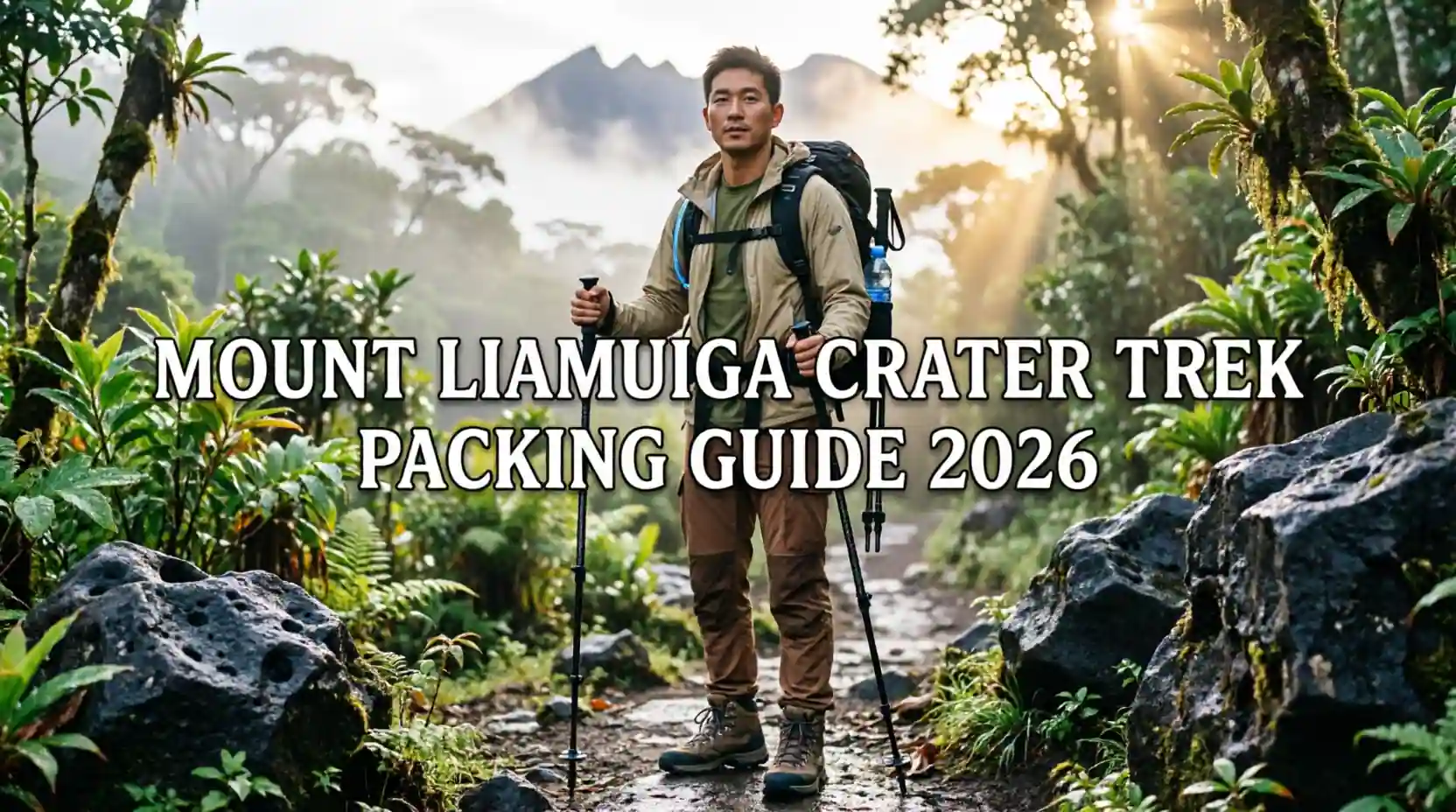
Introduction to Mount Liamuiga: St Kitts Volcanic Wonder
Mount Liamuiga, the dormant volcano that dominates the island of St Kitts, stands as one of the Caribbean's most spectacular and challenging trekking destinations. Rising 3,792 feet above sea level, this majestic peak features a lush rainforest ecosystem that transitions dramatically into a surreal volcanic crater at its summit. The trek to Mount Liamuiga Crater offers adventurers an extraordinary journey through pristine tropical wilderness, with opportunities to observe endemic wildlife, unique volcanic geology, and breathtaking panoramic views that reward the physical effort required to reach the summit.
Planning a tropical trek to Mount Liamuiga in 2026 requires thoughtful preparation and strategic packing to ensure safety, comfort, and enjoyment throughout the journey. The combination of high humidity, variable weather conditions, challenging terrain, and remote location creates specific packing needs that differ significantly from temperate climate hiking or casual day trips. Understanding what to bring—and what to leave behind—can mean the difference between an unforgettable adventure and a difficult, potentially unsafe experience.
This comprehensive packing guide addresses every aspect of preparing for a Mount Liamuiga crater trek, from essential footwear and clothing choices to specialized gear for volcanic terrain, from hydration strategies to photography equipment for capturing the summit's dramatic beauty. Whether you are an experienced mountaineer or a first-time tropical trekker, this guide provides the detailed information needed to pack confidently for one of the Caribbean's most rewarding hiking adventures.
Understanding Mount Liamuiga's Unique Trekking Environment

Mount Liamuiga presents a distinctive trekking environment that combines tropical rainforest conditions with volcanic terrain and significant elevation gain. The trail begins in dense, humid lowland forest characterized by towering trees, thick undergrowth, and abundant wildlife. As elevation increases, vegetation transitions to elfin woodland with smaller, wind-sculpted trees, eventually giving way to the stark, otherworldly landscape of the crater rim.
Weather conditions on Mount Liamuiga can change rapidly, with morning sunshine potentially giving way to afternoon clouds, mist, or rain showers. Temperatures at the summit can be 10 to 15 degrees Fahrenheit cooler than at sea level, while humidity remains high throughout the climb. These variable conditions require packing strategies that provide protection from rain, wind, and temperature changes while maintaining breathability and comfort in tropical heat.
Terrain Challenges and Physical Demands
The Mount Liamuiga trail presents diverse terrain challenges that influence gear selection. The lower sections feature muddy, root-covered paths that demand excellent traction and ankle support. Middle sections include steep inclines with loose volcanic soil and rocks requiring careful footing. The final approach to the crater rim traverses unstable scree and sharp volcanic rock that necessitates durable footwear and protective clothing.
The trek typically requires 3 to 5 hours round trip depending on fitness level and pace, with sustained elevation gain of nearly 4,000 feet. This physical demand makes lightweight packing essential while ensuring adequate hydration, nutrition, and safety equipment. Every item in your pack should serve a clear purpose, balancing necessity against the burden of extra weight on steep terrain.
Environmental Considerations and Conservation
Mount Liamuiga lies within a protected forest reserve that harbors endemic species and fragile ecosystems. Responsible trekking requires packing practices that minimize environmental impact, including reusable water containers, biodegradable products, and proper waste management systems. Understanding Leave No Trace principles and packing accordingly helps preserve this remarkable natural resource for future visitors.
The volcanic crater itself contains sensitive geological features and unique microclimates that warrant careful exploration. Packing gear that allows you to observe and photograph these features without disturbing them enhances both your experience and your contribution to conservation efforts.
Essential Footwear for Tropical Volcanic Trekking

Footwear represents the most critical packing decision for a Mount Liamuiga trek, as proper boots directly impact safety, comfort, and enjoyment throughout the journey. The combination of muddy trails, loose volcanic soil, sharp rocks, and steep inclines demands footwear that provides excellent traction, ankle support, durability, and water resistance while remaining breathable in tropical conditions.
High-quality hiking boots with aggressive lug patterns on the outsole provide the grip necessary for muddy and slippery sections of the trail. Look for boots constructed with Vibram or similar high-performance rubber compounds that maintain traction on wet volcanic rock and loose soil. The boot's tread pattern should feature deep, multi-directional lugs that shed mud effectively and bite into varied terrain.
Boot Features and Selection Criteria
Ankle support proves essential for navigating Mount Liamuiga's uneven terrain, making mid-cut or high-cut hiking boots preferable to low-cut trail runners. The additional support helps prevent ankle rolls on loose scree and provides stability when traversing root-covered paths. However, ensure boots are well broken-in before your trek to avoid blisters and discomfort.
Waterproof membranes like Gore-Tex offer protection from mud and morning dew while maintaining breathability to manage sweat in humid conditions. However, some trekkers prefer non-waterproof boots that dry faster if they become saturated, as tropical conditions often involve unavoidable moisture exposure. Consider your personal preference and typical weather patterns when making this choice.
Fit remains paramount regardless of boot features. Visit a specialized outdoor retailer for professional fitting, trying boots with the socks you plan to wear while trekking. Ensure adequate toe room to prevent bruising on descents while maintaining a secure heel fit to prevent slippage. Walk on inclined surfaces in the store to test performance on terrain similar to Mount Liamuiga.
Socks and Foot Care Essentials
Quality hiking socks significantly impact comfort and blister prevention during tropical treks. Merino wool or synthetic blend socks wick moisture away from feet, reduce friction, and maintain cushioning even when damp. Avoid cotton socks, which retain moisture and increase blister risk in humid conditions.
Pack an extra pair of socks in your daypack to change into if your feet become wet during the trek. Dry feet at the end of the journey improve comfort and reduce the risk of fungal infections in tropical climates. Consider moisture-wicking liner socks worn beneath hiking socks for additional blister protection on long treks.
Include basic foot care items in your pack: blister treatment pads, moleskin for hot spots, and antifungal powder for post-trek care. Prevention proves easier than treatment, so address any foot discomfort immediately rather than waiting for blisters to develop.
Clothing Strategies for Humid Mountain Conditions

Clothing selection for Mount Liamuiga requires balancing protection from elements with breathability in tropical humidity. The layering system that works well in temperate climates requires adaptation for Caribbean conditions, where overheating and sweat management often present greater challenges than cold protection.
Base layers should consist of moisture-wicking synthetic or merino wool fabrics that pull sweat away from skin and dry quickly. Avoid cotton entirely, as it retains moisture, becomes heavy when wet, and dries slowly in humid conditions. Lightweight, long-sleeved shirts provide sun protection and insect resistance while maintaining breathability through mesh panels or ventilated fabrics.
Mid Layers and Weather Protection
Despite tropical temperatures, the summit of Mount Liamuiga can feel cool, especially when clouds roll in or wind increases. A lightweight fleece or synthetic insulated vest provides warmth without significant weight or bulk. Choose compressible options that pack small when not needed but provide meaningful insulation when conditions change.
Rain protection proves essential for tropical mountain trekking, where afternoon showers develop quickly and unexpectedly. A lightweight, packable rain jacket with ventilation zippers offers protection from rain while allowing heat and moisture to escape. Look for jackets with adjustable hoods that fit over hats and cuffs that seal around gloves if needed.
Rain pants represent optional but valuable gear for extended treks or seasons with higher precipitation likelihood. Lightweight, packable options add minimal weight while providing significant protection if weather deteriorates. Consider pants with side zippers that allow donning over boots without removing footwear.
Bottoms and Mobility Considerations
Hiking pants or convertible pants that zip off into shorts provide versatility for changing conditions and personal comfort preferences. Look for fabrics with stretch panels or articulated knees that facilitate movement on steep terrain. Reinforced seats and knees enhance durability when scrambling over volcanic rock or resting on rough surfaces.
Shorts alone may suffice for experienced trekkers in dry conditions, but long pants offer protection from thorny vegetation, insect bites, and sun exposure. Consider packing lightweight gaiters to keep debris out of boots and protect lower legs from scratches and insect bites in dense undergrowth.
Hydration and Nutrition for Tropical Trekking

Proper hydration represents perhaps the most critical aspect of tropical mountain trekking, as high humidity reduces evaporative cooling and increases sweat rates. The combination of physical exertion, elevation gain, and tropical heat creates substantial fluid requirements that must be met through strategic planning and adequate water capacity.
Carry a minimum of 2 to 3 liters of water per person for a Mount Liamuiga trek, with additional capacity for hotter days or slower pacing. Hydration bladders with drinking tubes allow convenient sipping without stopping, while water bottles provide flexibility for treating water from natural sources if needed. Consider carrying both systems for redundancy and flexibility.
Water Treatment and Electrolyte Management
While the Mount Liamuiga trail does not typically require water treatment, carrying a lightweight filter or purification tablets provides emergency capability if you need to supplement your water supply. Natural water sources in tropical forests may contain pathogens that cause gastrointestinal illness, making treatment essential if using untreated water.
Electrolyte replacement becomes important during extended tropical treks where heavy sweating depletes sodium and other minerals. Pack electrolyte tablets, powder mixes, or sports drinks to add to your water, preventing cramping and maintaining performance. Balance electrolyte intake with plain water to avoid overconsumption of sugars or salts.
Nutrition and Energy Management
Sustained energy throughout the trek requires strategic nutrition planning. Pack lightweight, calorie-dense snacks that provide quick energy and sustained fuel: energy bars, trail mix, dried fruit, and nut butters offer excellent options. Include savory items alongside sweet choices to prevent flavor fatigue and maintain appetite in humid conditions.
Timing your nutrition intake prevents energy crashes during challenging sections. Consume small amounts frequently rather than large meals that may cause discomfort during exertion. Save a special treat for the summit as motivation and reward for reaching the crater rim.
Navigation and Safety Equipment Essentials

While the Mount Liamuiga trail is generally well-marked and popular, carrying navigation and safety equipment ensures preparedness for unexpected situations. Tropical weather can reduce visibility quickly, and remote terrain means assistance may not be immediately available if problems arise.
A detailed topographic map of St Kitts and a compass provide fundamental navigation capability independent of electronic devices. Learn basic map and compass skills before your trek, as technology can fail due to battery depletion, water damage, or signal loss in dense forest. Practice using these tools in familiar terrain before relying on them in challenging conditions.
Electronic Navigation and Communication
GPS devices or smartphone apps with offline maps offer valuable navigation assistance when used as supplements to traditional tools. Download maps of the Mount Liamuiga area before departure, as cellular service may be unreliable in remote forest sections. Carry a portable power bank to recharge devices if the trek extends longer than anticipated.
Communication devices provide critical safety backup in remote areas. A fully charged mobile phone enables emergency calls if service is available, while satellite messengers or personal locator beacons offer reliable communication regardless of cellular coverage. Inform someone of your planned route and expected return time before departing.
First Aid and Emergency Preparedness
A compact but comprehensive first aid kit addresses common trekking injuries and illnesses. Include adhesive bandages, blister treatment, antiseptic wipes, pain relievers, antihistamines, and any personal medications. Add items specific to tropical environments: insect sting treatment, antifungal cream, and rehydration salts.
Emergency shelter items like a lightweight space blanket or bivy sack provide protection if you become stranded due to injury or weather. While unlikely on a popular day hike, these items add minimal weight while potentially saving lives in extreme situations. Include a whistle and signal mirror for attracting attention if needed.
Specialized Gear for Volcanic Terrain

The volcanic nature of Mount Liamuiga creates unique gear requirements that differ from standard forest hiking. Sharp volcanic rock, loose scree, and sulfur deposits near the crater demand protective equipment and specialized techniques for safe exploration.
Gloves protect hands when scrambling over sharp volcanic rock or using fixed ropes on steep sections. Lightweight hiking gloves with reinforced palms provide dexterity for handling gear while shielding skin from abrasions and cuts. Consider gloves with touchscreen-compatible fingertips if you plan to use electronic devices while wearing them.
Eye and Respiratory Protection
Sunglasses with UV protection shield eyes from intense tropical sun and glare off volcanic rock. Polarized lenses reduce glare from wet surfaces and enhance visibility in bright conditions. Carry a protective case to prevent scratches when sunglasses are not in use.
The crater area may contain volcanic gases or fine ash particles that irritate respiratory systems. A lightweight dust mask or bandana provides protection if air quality deteriorates, particularly for trekkers with asthma or respiratory sensitivities. Check current volcanic activity reports before your trek and heed any advisories regarding crater access.
Trekking Poles and Stability Aids
Trekking poles significantly enhance stability and reduce joint stress on steep, uneven terrain. Adjustable poles allow customization for ascending and descending, while carbide tips provide reliable traction on volcanic rock. Rubber tip covers protect delicate surfaces when needed and reduce noise on hard terrain.
Poles distribute weight from legs to arms, reducing fatigue on long climbs and providing additional points of contact on slippery sections. Practice using poles before your trek to develop efficient technique and avoid dependence that could become problematic if a pole breaks or is lost.
Photography Equipment for Capturing the Crater

The dramatic landscape of Mount Liamuiga Crater offers extraordinary photographic opportunities that reward careful equipment planning. Balancing image quality with weight and weather protection requires strategic choices about cameras, lenses, and accessories.
Mirrorless cameras provide excellent image quality in compact packages ideal for trekking. Weather-sealed bodies protect against humidity and occasional rain, while interchangeable lenses offer flexibility for diverse subjects from wide crater vistas to detailed volcanic textures. A versatile zoom lens covering wide-angle to short telephoto ranges handles most crater photography needs.
Protection and Accessories
Protect camera equipment from tropical humidity and potential rain with weather-resistant bags or covers. Silica gel packets in camera bags absorb moisture that can damage electronics and lenses. Microfiber cloths and lens cleaning solution address condensation and water droplets that inevitably accumulate in humid conditions.
A lightweight tripod enables long exposures for misty crater scenes or low-light summit photography, though many trekkers prefer monopods or mini-tripods that balance stability with packability. Consider whether the weight of tripod gear justifies the photographic benefits for your specific goals.
Extra batteries and memory cards ensure you do not miss shots due to depleted power or full storage. Cold temperatures at the summit can reduce battery performance, so keep spares warm in an interior pocket. Cloud storage or backup devices protect images from loss if equipment is damaged.
Backpack Selection and Packing Strategy

Choosing the right backpack and packing it efficiently significantly impacts comfort and performance during a Mount Liamuiga trek. The pack must carry essential gear while distributing weight effectively and remaining comfortable in humid conditions.
A 20 to 30 liter daypack provides adequate capacity for Mount Liamuiga essentials without excessive weight or bulk. Look for packs with ventilated back panels that reduce sweat accumulation, padded shoulder straps and hip belts that distribute weight comfortably, and compression straps that stabilize loads on uneven terrain.
Weight Distribution and Accessibility
Pack heavier items close to your back and centered between shoulder blades to maintain balance and reduce strain. Place frequently needed items like water, snacks, and rain gear in easily accessible pockets or the top of the main compartment. Organize gear in waterproof stuff sacks or dry bags to protect contents and simplify retrieval.
Test your packed backpack on short hikes before the Mount Liamuiga trek to identify comfort issues or missing items. Adjust strap positioning and weight distribution based on experience, and refine your packing list by eliminating non-essential items that add weight without meaningful benefit.
Weather Protection for Gear
Protect your backpack and contents from tropical rain with a pack cover or internal dry bags. Even water-resistant packs can become saturated in heavy downpours, potentially damaging electronics, clothing, and other sensitive items. Pack critical gear like first aid supplies and navigation tools in waterproof containers regardless of pack protection.
Include a lightweight trash bag in your pack for carrying out all waste, following Leave No Trace principles. Tropical environments decompose organic matter quickly, but human waste and non-biodegradable items must be packed out to protect fragile ecosystems.
Health Considerations and Tropical Trek Preparation

Tropical trekking presents specific health considerations that require preparation and awareness. Understanding potential risks and preventive measures ensures you can enjoy the Mount Liamuiga experience without compromising your wellbeing.
Sun protection proves critical even under forest canopy, as UV radiation penetrates foliage and reflects off surfaces. Apply broad-spectrum sunscreen with SPF 30 or higher to exposed skin before departure and reapply regularly, especially after sweating. Wear a wide-brimmed hat and UV-blocking sunglasses for comprehensive protection.
Insect Protection and Tropical Diseases
Tropical forests harbor mosquitoes and other insects that can transmit diseases or cause uncomfortable bites. Apply EPA-registered insect repellent containing DEET, picaridin, or oil of lemon eucalyptus to exposed skin and clothing. Treat clothing with permethrin for additional protection that persists through multiple washings.
While St Kitts has low malaria risk, consult a travel medicine specialist before your trip to discuss appropriate preventive measures for Caribbean travel. Ensure routine vaccinations are current and consider hepatitis A and typhoid vaccines recommended for Caribbean destinations.
Physical Preparation and Acclimatization
The physical demands of Mount Liamuiga warrant preparation before your trek. Regular cardiovascular exercise, leg strength training, and practice hikes with elevation gain build fitness that enhances enjoyment and reduces injury risk. If possible, arrive in St Kitts a day or two before your trek to acclimatize to tropical conditions.
Listen to your body during the trek and adjust pace accordingly. Tropical heat and humidity increase perceived exertion, making it easy to push too hard. Take regular breaks, hydrate consistently, and turn back if you experience signs of heat illness, severe fatigue, or other concerning symptoms.
Sustainable Trekking Practices for Mount Liamuiga
Responsible trekking on Mount Liamuiga helps preserve this remarkable ecosystem for future visitors while minimizing your environmental impact. Sustainable practices benefit both the natural environment and the local communities that depend on tourism.
Follow established trails to prevent erosion and protect fragile vegetation. Volcanic soils and tropical plants recover slowly from damage, making trail discipline essential. Resist the temptation to create shortcuts or explore off-trail areas that may harbor sensitive species or unstable terrain.
Leave No Trace Principles
Pack out all trash, including biodegradable items like fruit peels that can alter local ecosystems. Use reusable containers for snacks and water to minimize waste generation. Choose products with minimal packaging and avoid single-use plastics whenever possible.
Respect wildlife by observing from a distance and never feeding animals. Tropical species may become dependent on human food or aggressive if accustomed to handouts. Use binoculars or zoom lenses for close viewing without disturbing natural behaviors.
Supporting Local Conservation
Consider contributing to local conservation organizations that protect Mount Liamuiga and St Kitts natural resources. Many groups offer volunteer opportunities or educational programs that deepen understanding of tropical ecosystems while supporting preservation efforts.
Hire local guides when possible, as their expertise enhances safety and enjoyment while providing economic benefits to St Kitts communities. Guides share knowledge about ecology, history, and culture that enriches the trekking experience beyond what guidebooks can provide.
Conclusion: Packing Confidence for Your Mount Liamuiga Adventure
Preparing for a tropical trek to Mount Liamuiga Crater requires thoughtful consideration of gear, clothing, and supplies that address the unique challenges of Caribbean volcanic terrain. By prioritizing essential items, balancing protection with weight, and embracing sustainable practices, you can pack confidently for an unforgettable adventure that combines physical challenge with extraordinary natural beauty.
The rewards of reaching Mount Liamuiga's crater rim—panoramic views of St Kitts and neighboring islands, the surreal landscape of the volcanic caldera, and the satisfaction of conquering one of the Caribbean's premier treks—justify the careful preparation detailed in this guide. Every item you pack should serve a clear purpose, contributing to safety, comfort, or enjoyment without adding unnecessary burden to your journey.
As you finalize your packing list for 2026, remember that flexibility and adaptability prove as valuable as any piece of gear. Tropical mountain weather can change quickly, trails may present unexpected challenges, and personal needs may evolve during the trek. Pack with intention, prepare with care, and embrace the adventure with confidence that your thoughtful preparation will enable you to fully experience the magic of Mount Liamuiga Crater.
0 Comments