.webp)
.webp)
7 Hidden Gems in Azuero Peninsula for Adventure Photographers
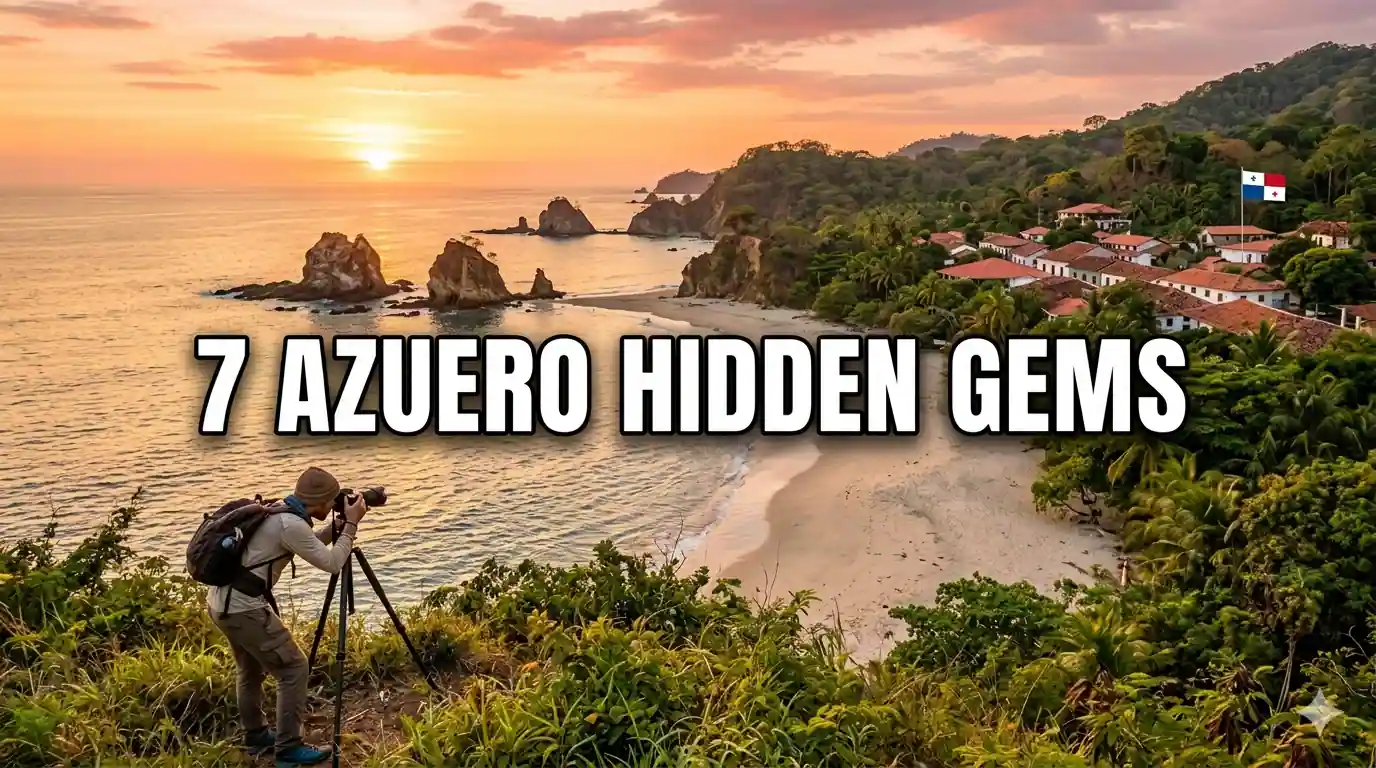
7 Hidden Gems in Azuero Peninsula for Adventure Photographers
The Azuero Peninsula stands as one of Panama's best-kept secrets, a land where ancient traditions meet pristine natural beauty and adventure photographers find endless inspiration. This rugged southwestern region of Panama remains largely untouched by mass tourism, offering authentic cultural experiences, dramatic Pacific coastlines, traditional colonial villages, and incredible biodiversity that will elevate your photography portfolio to new heights. For adventure photographers seeking unique subjects away from crowded tourist destinations, the Azuero Peninsula delivers an extraordinary canvas of landscapes, wildlife, culture, and raw natural beauty.
Unlike Panama's more developed Caribbean coast or the urban sophistication of Panama City, the Azuero Peninsula preserves its authentic Panamanian soul through centuries-old traditions, remote beaches accessible only by boat or rugged trails, traditional fishing villages frozen in time, and protected natural areas teeming with wildlife. This comprehensive guide reveals seven exceptional hidden gems that every adventure photographer needs to explore, providing detailed location information, optimal shooting conditions, access details, and insider tips to help you capture stunning images that tell the story of this remarkable region.
Why the Azuero Peninsula Belongs on Every Photographer's Bucket List
The Azuero Peninsula offers adventure photographers a rare combination of accessibility and authenticity that few destinations worldwide can match. This 8,000-square-kilometer peninsula juts into the Pacific Ocean, creating diverse ecosystems from dry tropical forests to pristine beaches, from traditional agricultural landscapes to protected wildlife refuges. The region's unique position creates dramatic weather patterns, spectacular sunsets over the Pacific, and microclimates that support incredible biodiversity.
For photographers, the Azuero Peninsula provides endless subjects: traditional pollera dress worn by local women during festivals, centuries-old colonial architecture in villages like Pedasí and Los Santos, surf breaks that rival Costa Rica's best waves, sea turtle nesting sites on remote beaches, howler monkeys in coastal forests, and traditional fishing methods unchanged for generations. The quality of light throughout the day, especially during golden hour, creates exceptional conditions for landscape, wildlife, and cultural photography.
Best Time to Visit Azuero Peninsula for Photography
The dry season from December through April offers the most reliable weather for photography, with clear skies, minimal rainfall, and optimal lighting conditions. This period coincides with Panama's famous carnival celebrations in February or March, providing exceptional opportunities for cultural and festival photography. However, the dry season also brings more visitors, particularly during carnival and Easter week.
The green season from May through November delivers lush landscapes, dramatic storm clouds, fewer tourists, and lower accommodation costs. While afternoon rain showers are common, mornings often provide clear shooting conditions. This season excels for landscape photography with vibrant vegetation, active wildlife, and dramatic atmospheric conditions. Photographers willing to work around rain showers will find the green season offers unique creative opportunities with moody skies and enhanced colors.
Hidden Gem Number 1: Isla Iguana Wildlife Refuge

Isla Iguana Wildlife Refuge represents one of Panama's most spectacular and least-visited natural treasures, a small uninhabited island located just off the coast near Pedasí that offers adventure photographers pristine beaches, crystal-clear waters, diverse wildlife, and some of the most photogenic seascapes in Central America. This 58-hectare island, designated as a protected wildlife refuge in 1972, features white-sand beaches fringed by coconut palms, coral reefs teeming with tropical fish, seabird colonies, and the rare blue-footed booby, making it a paradise for wildlife and landscape photographers alike.
Access to Isla Iguana requires a 30-minute boat ride from Pedasí, and visitor numbers are strictly limited to protect the fragile ecosystem. This restriction means you will rarely encounter crowds, allowing for uninterrupted photography sessions and authentic wildlife encounters. The island's beaches, particularly Playa de los Frijoles and Playa Oeste, offer postcard-perfect compositions with turquoise water, white sand, and dramatic rock formations. Snorkeling around the island's coral reefs provides exceptional underwater photography opportunities with sea turtles, rays, tropical fish, and healthy coral formations in water clarity that rivals the Caribbean.
Photography Opportunities at Isla Iguana
Wildlife photographers will find exceptional subjects at Isla Iguana, including the island's namesake iguanas sunning on rocks, frigate birds soaring overhead, brown boobies nesting in coastal vegetation, and if you are lucky, the elusive blue-footed booby. The island serves as an important nesting site for seabirds, and respectful observation from designated trails allows you to capture intimate behavioral shots without disturbing the birds. Early morning visits provide the best wildlife activity and soft, directional light ideal for bird photography.
Landscape photographers should focus on the island's dramatic coastline, where volcanic rock formations create natural arches and interesting foreground elements for seascape compositions. The contrast between white sand, turquoise water, and dark volcanic rock provides striking visual elements. Sunset photography from the beach facing the mainland offers spectacular opportunities as the sun descends toward the Pacific horizon, painting the sky in brilliant oranges, pinks, and purples. Bring a tripod for long exposures that smooth the water and create ethereal effects.
Practical Information for Visiting Isla Iguana
Boats to Isla Iguana depart from Pedasí between 7:00 AM and 9:00 AM, with return trips around 2:00 PM to 3:00 PM. The cost ranges from 25 to 40 USD per person including the refuge entrance fee of 5 USD. You must bring all food, water, and supplies as there are no facilities on the island. Pack lightweight camping chairs, snorkeling gear, sunscreen, and waterproof bags to protect your camera equipment from salt spray and sand.
The best photography light occurs during the first two hours after arrival in the morning and the final two hours before departure in the afternoon. Midday heat causes wildlife to seek shade and creates harsh lighting conditions less suitable for photography. Plan your shooting schedule accordingly, using midday hours for lunch, rest, and equipment maintenance. The island's limited shade means bringing sun protection is essential for both you and your camera gear.
Hidden Gem Number 2: Cerro Hoya National Park

Cerro Hoya National Park stands as one of Panama's most remote and least-visited national parks, a vast wilderness area covering 33,000 hectares in the western Azuero Peninsula that offers adventure photographers pristine rainforest, dramatic mountain landscapes, exceptional biodiversity, and the challenge of documenting one of Central America's last true wilderness areas. This rugged park, named after Cerro Hoya, the peninsula's highest peak at 1,558 meters, encompasses primary rainforest, cloud forest at higher elevations, remote Pacific beaches accessible only by boat or multi-day hikes, and wildlife populations including jaguars, tapirs, scarlet macaws, and hundreds of bird species rarely encountered elsewhere in Panama.
For adventure photographers willing to embrace challenging conditions and limited infrastructure, Cerro Hoya National Park delivers extraordinary rewards. The park's isolation has preserved ecosystems largely untouched by human development, providing opportunities to capture landscapes and wildlife in their most natural state. The combination of mountain and coastal environments within a single protected area creates diverse photographic subjects, from misty cloud forest scenes to pristine beach seascapes, from canopy-level bird photography to macro shots of rare orchids and insects.
Photography Opportunities in Cerro Hoya
Landscape photographers will find endless inspiration in Cerro Hoya's dramatic topography. The park's mountains create layered compositions with valleys filled with morning mist, particularly stunning during the green season when vegetation reaches peak vibrancy. Sunrise from higher elevation trails offers panoramic views across the peninsula to the Pacific Ocean, with opportunities to capture the sun breaking through cloud layers and illuminating the forest canopy. The park's rivers and waterfalls provide dynamic subjects for long-exposure photography, with silky water effects against dark volcanic rock and lush vegetation.
Wildlife photography in Cerro Hoya requires patience and local knowledge but rewards photographers with rare species encounters. The park hosts Panama's largest population of scarlet macaws, and photographing these magnificent birds in flight against the green forest canopy creates stunning images. Howler monkeys, white-faced capuchins, and spider monkeys inhabit the forest, providing opportunities for behavioral photography. Bird photographers will find over 300 species including trogons, motmots, toucans, and raptors. Hiring a local guide significantly increases your chances of wildlife encounters while ensuring you photograph animals responsibly without causing stress or habitat disturbance.
Access and Logistics for Cerro Hoya Photography
Reaching Cerro Hoya National Park requires planning and flexibility. The park has multiple entry points, with the most accessible route from the village of El Toro, reachable by 4WD vehicle from Chitré or Las Tablas. The journey takes 3 to 4 hours and requires crossing several rivers, making it impassable during heavy rain. From El Toro, hiking trails lead into the park's interior, with basic camping areas available but no developed facilities. You must be self-sufficient with all food, water, shelter, and safety equipment.
Alternative access involves boat transportation to remote Pacific beaches like Playa Guánico or Playa Cativá, followed by multi-day hikes into the mountain interior. This approach combines coastal and mountain photography but requires advanced planning, local guides, and excellent physical condition. Regardless of your entry point, expect challenging hiking conditions with steep trails, high humidity, and river crossings. Pack camera equipment in waterproof bags, bring backup batteries as charging opportunities do not exist, and protect gear from humidity with silica gel packets and dry bags.
Hidden Gem Number 3: Playa Venao and Surrounding Surf Breaks

Playa Venao has evolved from a secret surfer's paradise to one of Panama's premier surf destinations, yet it retains an authentic, laid-back atmosphere that appeals to adventure photographers seeking dynamic action shots, stunning coastal landscapes, and vibrant surf culture without the commercialization found at more developed beach destinations. This horseshoe-shaped bay on the Azuero Peninsula's Pacific coast offers consistent year-round surf, dramatic rock formations framing the beach, spectacular sunsets, and a growing community of surfers, yogis, and digital nomads that creates interesting cultural photography opportunities alongside world-class wave photography.
For photographers, Playa Venao provides diverse subjects beyond just surf action. The beach's unique geography creates interesting compositional elements with rocky headlands on both ends, a long sandy beach perfect for sunrise and sunset photography, and offshore islands visible on clear days. The surrounding area features additional surf breaks like Playa Arenal and Playa Cambutal, each offering different wave characteristics and photographic perspectives. The region's development has been relatively sensitive, maintaining a balance between tourism infrastructure and natural beauty that keeps the area photogenic and authentic.
Surf and Action Photography at Playa Venao
Surf photography at Playa Venao excels during the dry season from December through April when consistent swells produce clean, photogenic waves. The main beach break offers both left and right-hand waves suitable for various skill levels, providing continuous action for photography. For the best surf shots, position yourself on the rocky headlands at either end of the bay during low to mid-tide when waves break closest to shore. Bring a telephoto lens (200mm minimum, 400mm ideal) to capture surfers riding waves, and use fast shutter speeds (1/1000 second or faster) to freeze action.
Beyond traditional surf photography, Playa Venao offers opportunities for lifestyle and cultural photography. The beach's yoga retreats, surf schools, and beachfront cafes create interesting subjects documenting the surf culture lifestyle. Golden hour provides beautiful light for environmental portraits of local surfers, international visitors, and the mix of cultures that converge at this Pacific coast destination. Sunset photography from the beach or nearby hillside viewpoints delivers spectacular colors as the sun descends into the Pacific, with silhouettes of surfers, palm trees, and beach structures creating compelling compositions.
Exploring Beyond Playa Venao
The area surrounding Playa Venao offers additional photography locations worth exploring. Playa Arenal, just a short drive away, features a more secluded beach with consistent surf and dramatic coastal scenery. Playa Cambutal, accessible via rough 4WD road, offers pristine beaches, sea turtle nesting sites (seasonal), and opportunities to photograph traditional fishing villages. The drive between these locations traverses rural Azuero landscapes with traditional farms, cattle ranches, and small villages that provide authentic cultural photography opportunities.
For landscape photographers, the coastal hills surrounding Playa Venao offer elevated viewpoints for panoramic photography. Hiking these trails during golden hour provides sweeping views of the Pacific coastline, surf breaks, and the peninsula's interior mountains. The region's dry tropical forest creates interesting textural elements and frames coastal views with native vegetation. Bring a wide-angle lens for landscape compositions and a drone if you have one, as aerial perspectives of the coastline and surf breaks are spectacular, though always respect local regulations and privacy.
Hidden Gem Number 4: Traditional Villages of Los Santos

The traditional villages of Los Santos province represent the cultural heart of the Azuero Peninsula, where colonial architecture, centuries-old traditions, and authentic Panamanian life create exceptional opportunities for cultural and documentary photography. Towns like Pedasí, Los Santos, Tonosí, and Macaracas preserve architectural heritage dating back to the Spanish colonial period, maintain traditional crafts and customs, and offer photographers intimate access to a way of life increasingly rare in modern Latin America. For adventure photographers interested in cultural storytelling, these villages provide rich subjects from ornate colonial churches to traditional pollera dress, from local markets to artisan workshops.
Pedasí, perhaps the most photogenic of these villages, combines colonial charm with coastal proximity, creating a unique character that attracts photographers and artists. The town's central plaza, surrounded by white-washed buildings with red-tile roofs and colorful wooden doors, provides classic architectural photography subjects. Nearby Los Santos city, the provincial capital, hosts one of Panama's most spectacular carnival celebrations and features impressive colonial churches with baroque architecture. Smaller villages like Tonosí and Macaracas offer even more authentic experiences with fewer tourists and residents eager to share their traditions with respectful visitors.
Cultural Photography in Colonial Villages
Architectural photography in Azuero's traditional villages rewards patient observers with beautiful details and compositions. Colonial churches feature ornate facades, hand-carved wooden altars covered in gold leaf, and centuries-old religious art. The Church of San Luis de Tolosa in Los Santos and the Church of Nuestra Señora de la Purificación in Pedasí offer exceptional interior and exterior photography opportunities. Respectful photography during non-service hours is generally permitted, though always ask permission before photographing inside active churches.
Street photography in these villages captures daily life unfolding against colonial backdrops. Early morning provides the best light and most authentic scenes as residents begin their day, vendors set up markets, and children walk to school. The villages' narrow streets, colorful buildings, and traditional architecture create natural frames for environmental portraits and candid street scenes. Look for interesting details like hand-painted signs, traditional wooden balconies, flower-filled courtyards, and local artisans practicing traditional crafts like pottery, weaving, and mask-making for carnival.
Festival and Event Photography
The Azuero Peninsula hosts Panama's most spectacular traditional festivals, providing exceptional opportunities for cultural photography. Carnival in Las Tablas and other Azuero towns, celebrated in February or March, features elaborate costumes, traditional music, colorful parades, and the famous "culetas" (satirical effigies). The Festival de la Mejorana in Guararé, held in September, celebrates Panamanian folklore with traditional music, dance, and the iconic pollera dress. These festivals attract photographers from around the world, but smaller village celebrations offer more intimate access and authentic moments.
Photographing festivals requires preparation and cultural sensitivity. Research festival schedules in advance to know when and where key events occur. Bring versatile lens coverage from wide-angle for crowd scenes to telephoto for capturing details and performances from a distance. Fast lenses (f/2.8 or wider) help in low-light conditions during evening events and indoor celebrations. Most importantly, engage respectfully with participants, ask permission when appropriate, and consider sharing your photos with the community as a gesture of appreciation for their hospitality and cultural sharing.
Hidden Gem Number 5: Playa Guánico and Remote Pacific Beaches

Playa Guánico and the remote Pacific beaches of the western Azuero Peninsula represent some of Panama's last truly wild coastlines, accessible only by boat or challenging multi-day hikes through Cerro Hoya National Park. These pristine beaches, including Playa Guánico, Playa Cativá, Playa El Toro, and Playa Arenal, offer adventure photographers unspoiled natural beauty, dramatic coastal landscapes, sea turtle nesting sites, traditional fishing villages, and the rare opportunity to document beaches largely untouched by tourism development. For photographers seeking solitude and authentic wilderness experiences, these remote beaches deliver extraordinary rewards.
Playa Guánico, perhaps the most famous of these remote beaches, features a long crescent of white sand backed by primary rainforest, with a small traditional fishing village at one end. The beach's isolation means you may have it entirely to yourself, allowing for uninterrupted photography sessions and intimate encounters with nature. Sea turtles nest on these beaches seasonally, providing exceptional wildlife photography opportunities for those willing to camp overnight and patrol the beach after dark. The combination of beach, rainforest, and traditional village creates diverse photographic subjects within a single location.
Beach and Coastal Landscape Photography
The remote beaches of western Azuero offer exceptional conditions for seascape and coastal landscape photography. The Pacific coastline features dramatic rock formations, tide pools teeming with marine life, offshore islands visible on clear days, and some of Panama's most spectacular sunsets. The beaches' white and golden sands contrast beautifully with the deep blue Pacific and dark volcanic rock formations, creating striking compositional elements. Early morning and late afternoon provide the best light, with long shadows adding depth and texture to beach scenes.
Tidal variations significantly impact photography opportunities on these beaches. Low tide exposes interesting rock formations, tide pools, and sand patterns perfect for wide-angle compositions. High tide creates dramatic wave action against coastal cliffs and rock formations, ideal for capturing dynamic seascapes. Research tide schedules before your visit to plan shooting sessions around optimal conditions. Bring a sturdy tripod for long exposures that smooth wave movement and create ethereal effects, neutral density filters for daytime long exposures, and waterproof protection for your equipment as salt spray and sand pose constant threats.
Wildlife and Conservation Photography
Sea turtle nesting season on Azuero's remote Pacific beaches, typically from July through December, provides exceptional opportunities for wildlife and conservation photography. Olive ridley, hawksbill, and leatherback turtles come ashore at night to nest, creating powerful photographic subjects that tell important conservation stories. Photographing nesting turtles requires patience, respect, and adherence to strict guidelines to avoid disturbing these endangered animals. Work with local conservation groups or guides who can facilitate responsible turtle photography while contributing to conservation efforts.
Beyond sea turtles, these remote beaches support diverse wildlife including shorebirds, crabs, iguanas, and occasional visits from howler monkeys from adjacent forests. The traditional fishing villages at beaches like Playa Guánico offer cultural photography opportunities, documenting a way of life closely tied to the ocean and largely unchanged for generations. Photographing traditional fishing methods, wooden boats, and village life provides important visual documentation of cultural heritage while creating compelling images that connect nature and human culture.
Hidden Gem Number 6: Isla Cañas and Sea Turtle Nesting Sites

Isla Cañas, a small tidal island in the Azuero Peninsula's Gulf of Chiriquí, ranks as one of the world's most important sea turtle nesting sites and offers adventure photographers extraordinary opportunities to document these ancient mariners in one of their last strongholds. This remote island, accessible only by boat during high tide or on foot during low tide through mangrove channels, hosts thousands of nesting olive ridley, leatherback, hawksbill, and green sea turtles annually, particularly from July through December. For photographers passionate about wildlife conservation and willing to embrace challenging conditions, Isla Cañas provides once-in-a-lifetime photographic experiences.
Beyond sea turtles, Isla Cañas offers diverse ecosystems including mangrove forests, tidal flats, and coastal habitats that support rich bird life, crocodiles, and other wildlife. The island's small fishing village provides cultural photography opportunities, documenting a community whose life revolves around the rhythms of tides and turtle nesting seasons. The journey to Isla Cañas itself, involving boat rides through mangrove channels and often requiring wading through shallow water, adds adventure and context to the photographic experience, creating a complete story of access, conservation, and natural wonder.
Sea Turtle Photography Techniques and Ethics
Photographing nesting sea turtles requires specialized techniques and strict ethical guidelines to avoid disturbing these endangered animals. Always work with authorized guides from the local turtle conservation association, who ensure you maintain safe distances and follow protocols that prioritize turtle welfare over photography. Use red-filtered flashlights or headlamps, as white light can disorient nesting turtles and hatchlings. Never use flash photography with nesting turtles, as it can disrupt the nesting process and cause turtles to abort nesting and return to sea.
For photography, bring fast lenses (f/2.8 or wider) capable of focusing in low light, as you will be working with available light or minimal red light. High ISO performance is essential, as you may be shooting at ISO 3200 or higher. Use a monopod rather than a tripod for mobility and reduced footprint on the beach. Focus on capturing the turtle's journey from ocean to nesting site and back, the excavation of the nest chamber, egg-laying, and the covering process. These behavioral sequences tell the complete nesting story. Patience is crucial, as nesting can take 2-3 hours from arrival to departure.
Hatchling Photography and Conservation Storytelling
Photographing sea turtle hatchlings emerging from nests and making their first journey to the ocean provides some of the most emotionally powerful images in wildlife photography. Hatchling emergences typically occur 45-60 days after eggs are laid, primarily at night or early morning. These events require even greater sensitivity than adult nesting photography, as hatchlings are extremely vulnerable and easily stressed. Never handle hatchlings for photography, never use flash, and maintain distance that allows natural behavior while still capturing compelling images.
Use the hatchling emergence to tell broader conservation stories. Document the threats sea turtles face including plastic pollution, coastal development, and climate change. Photograph the conservation work being done by local organizations protecting nests, relocating eggs from vulnerable beaches, and educating communities. Include images of local guides and conservationists in your storytelling, showing the human connection to turtle conservation. These images, shared responsibly, can raise awareness and support for ongoing conservation efforts while creating a complete narrative beyond just beautiful wildlife photos.
Hidden Gem Number 7: Cerro Canajagua and Highland Views

Cerro Canajagua, rising to 1,045 meters in the eastern Azuero Peninsula near the village of El Arenal, offers adventure photographers one of the region's most rewarding highland experiences with panoramic views spanning from the Pacific Ocean to the Gulf of Panama, traditional coffee farms, cloud forest ecosystems, and some of the peninsula's most spectacular sunrise and sunset photography opportunities. This accessible mountain destination provides a different perspective on the Azuero Peninsula, showcasing agricultural landscapes, rural communities, and elevated viewpoints that reveal the region's geographic diversity often overlooked by coastal-focused visitors.
The journey to Cerro Canajagua takes you through traditional Azuero countryside, passing small farming communities, cattle ranches, and coffee plantations that provide authentic cultural photography opportunities. The mountain's slopes support cloud forest at higher elevations, creating misty, atmospheric conditions perfect for moody landscape photography. Local guides from El Arenal village can lead hikes to various viewpoints, share knowledge about the area's natural and cultural history, and facilitate respectful photography in rural communities. This combination of natural beauty, cultural access, and manageable hiking difficulty makes Cerro Canajagua an essential stop for adventure photographers exploring the Azuero Peninsula.
Highland Landscape Photography
Cerro Canajagua's summit and various viewpoints along hiking trails offer exceptional opportunities for panoramic landscape photography. On clear days, you can capture sweeping views encompassing the Pacific coastline, the Azuero Peninsula's interior valleys, and on exceptionally clear days, even the islands of the Gulf of Chiriquí. Sunrise photography from the summit provides dramatic lighting as the sun emerges over the eastern mountains, casting long shadows across valleys and illuminating morning mist in forested areas. Sunset photography offers spectacular colors as the sun descends toward the Pacific, with layered mountain ridges creating depth and interest.
The mountain's cloud forest environment provides unique photographic conditions with frequent mist and fog creating atmospheric, moody images. These conditions excel for fine art landscape photography, with reduced visibility simplifying compositions and emphasizing texture, form, and tonal relationships. Forest photography in cloud forest conditions benefits from overcast light that eliminates harsh shadows and reveals subtle colors in moss, ferns, and orchids. Bring a polarizing filter to manage reflections on wet vegetation and enhance color saturation, and protect your equipment from moisture with rain covers and silica gel packets.
Cultural and Agricultural Photography
The rural communities and coffee farms surrounding Cerro Canajagua offer rich opportunities for cultural and documentary photography. Traditional coffee production in the Azuero highlands follows methods passed down through generations, providing subjects from coffee cultivation and harvesting to processing and roasting. Photographing these processes tells important stories about traditional agriculture, rural livelihoods, and the connection between land and community. Always ask permission before photographing people, and consider purchasing coffee from farms you visit to support local economies.
Agricultural landscapes in the Cerro Canajagua region create interesting photographic subjects, with terraced hillsides, patchwork fields, and traditional farm buildings set against mountain backdrops. The interplay between human cultivation and natural landscape reveals how Azuero's communities have shaped their environment while maintaining harmony with natural systems. Golden hour light enhances these agricultural landscapes, with warm tones illuminating fields and long shadows adding depth and dimension. Wide-angle lenses capture expansive agricultural scenes, while telephoto lenses compress distant elements and isolate interesting details within the broader landscape.
Essential Photography Gear for Azuero Peninsula Adventures

Successfully photographing the Azuero Peninsula's diverse subjects requires thoughtful gear selection that balances versatility with the practical realities of traveling in remote, humid, and sometimes challenging conditions. The peninsula's variety from coastal seascapes to highland landscapes, from wildlife to cultural subjects, demands flexible equipment that can handle multiple photography styles while surviving tropical conditions.
Essential camera gear includes a versatile zoom lens like a 24-70mm f/2.8 for general photography, a telephoto zoom (70-200mm or 100-400mm) for wildlife and surf photography, and a wide-angle lens (16-35mm) for landscapes and architecture. Fast prime lenses (35mm or 50mm f/1.4 or f/1.8) excel for low-light cultural photography and provide creative options with shallow depth of field. Bring multiple batteries as charging opportunities may be limited in remote areas, high-capacity memory cards, and a sturdy but lightweight tripod for seascapes and low-light work.
Protecting Gear in Tropical Conditions
The Azuero Peninsula's tropical climate poses specific challenges for camera equipment including high humidity, salt spray near the coast, dust on dirt roads, and sudden rain showers. Protect your gear with quality rain covers, silica gel packets in camera bags to absorb moisture, and waterproof dry bags for boat trips and beach photography. Clean equipment regularly to remove salt and dust, and never change lenses in dusty or humid conditions when possible. Consider weather-sealed camera bodies and lenses if you frequently shoot in challenging conditions.
For remote locations like Isla Cañas, Cerro Hoya, and Playa Guánico, pack lightweight but durable gear that you can comfortably carry on long hikes or boat rides. Every ounce matters when hiking through tropical forests or wading through tidal channels. Balance image quality with portability, and remember that the best camera is the one you have with you. A high-quality mirrorless system often provides the best balance of image quality, weather sealing, and portability for Azuero Peninsula adventures.
Planning Your Azuero Peninsula Photography Adventure

Successfully photographing the Azuero Peninsula's hidden gems requires careful planning that considers seasonal variations, access logistics, accommodation options, and local resources. The peninsula's remote nature means services are limited compared to Panama City or Bocas del Toro, so advance preparation ensures you can focus on photography rather than solving logistical problems in the field.
Accommodation options range from basic guesthouses in traditional villages to eco-lodges near remote beaches and comfortable hotels in Pedasí. Book accommodations in advance during peak season (December-April) and carnival periods, but expect limited availability in remote areas where options may be basic. Many remote locations like Playa Guánico and Isla Cañas require camping, so bring appropriate gear or arrange guided tours that include accommodation and meals.
Transportation and Access Considerations
Getting around the Azuero Peninsula requires reliable transportation, ideally a 4WD vehicle capable of handling rough roads, river crossings, and beach driving where permitted. Rental cars are available in Panama City and Chitré, but verify insurance coverage and road condition restrictions. Public buses connect major towns but do not reach remote photography locations, making independent vehicle access essential for serious photography adventures.
For locations like Isla Iguana, Isla Cañas, and remote beaches, boat transportation is necessary. Arrange boats through local guides or tour operators in Pedasí, Tonosí, or El Arenal. Verify boat safety equipment, weather conditions, and tide schedules before departure. Many boat operators also serve as knowledgeable guides who can enhance your photography experience with local knowledge about wildlife behavior, optimal shooting locations, and cultural context.
Conclusion: Your Azuero Peninsula Photography Journey Awaits
The Azuero Peninsula stands ready to challenge and inspire adventure photographers with its remarkable diversity of landscapes, wildlife, culture, and raw natural beauty. From the pristine beaches of Isla Iguana to the remote wilderness of Cerro Hoya National Park, from traditional colonial villages to world-class surf breaks, from sea turtle nesting sites to highland cloud forests, these seven hidden gems represent just the beginning of photographic opportunities in this extraordinary region.
What makes the Azuero Peninsula truly special for photographers is not just the visual splendor but the authenticity and accessibility that allow for meaningful connections with places and people. Unlike overcrowded tourist destinations, the Azuero Peninsula welcomes photographers with open arms, offering genuine interactions, uncrowded locations, and the freedom to explore and create without constant interruption. The region's commitment to preserving traditional culture and protecting natural resources ensures that future generations of photographers will find the same inspiration that awaits you today.
Your Azuero Peninsula photography adventure will challenge your technical skills, expand your creative vision, and provide images that tell important stories about conservation, culture, and the enduring beauty of one of Panama's last great wilderness regions. Pack your gear, plan your journey with respect for local communities and fragile ecosystems, and prepare to capture images that will define your photography for years to come. The Azuero Peninsula's hidden gems are waiting to reveal themselves through your lens.
0 Comments