.webp)
.webp)
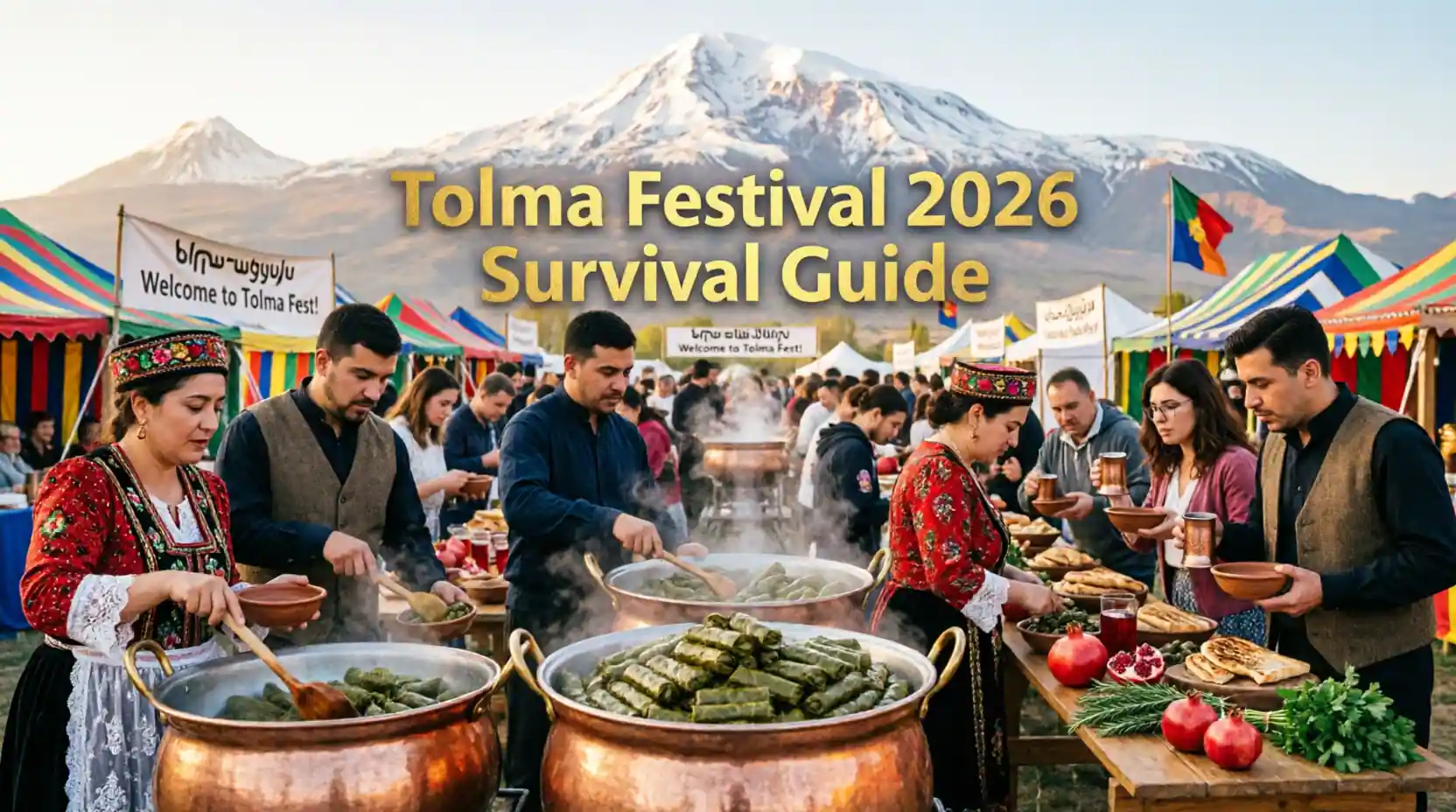
Introduction to Tolma Festival 2026
The Tolma Festival represents Armenia's most celebrated culinary event honoring the ancient art of stuffed grape leaf preparation.
Thousands of visitors gather annually to experience traditional cooking competitions, tastings, and cultural performances.
The 2026 edition promises larger crowds, expanded programming, and heightened international attention.
Surviving this vibrant festival requires strategic preparation, cultural awareness, and practical planning.
This comprehensive guide equips you with essential tips for enjoying Tolma Festival safely and memorably.
What Is the Tolma Festival

Tolma refers to Armenia's iconic dish of minced meat, rice, and herbs wrapped in grape leaves or vegetables.
The festival celebrates this culinary heritage through cooking contests, tastings, and educational demonstrations.
Local families, professional chefs, and international visitors participate in multi-day festivities.
Cultural performances, traditional music, and artisan markets complement the food-centered programming.
Understanding the festival's cultural significance enhances appreciation and respectful participation.
When and Where Is Tolma Festival 2026
Tolma Festival 2026 is scheduled for late May or early June in the Armavir Province of Armenia.
The main venue typically centers around villages like Musaler or Vagharshapat near historic sites.
Festival dates usually span a weekend with peak activities on Saturday and Sunday.
Exact dates announced by Armenian Ministry of Tourism approximately three months before event.
Plan travel arrangements early as accommodation fills quickly during festival period.
Festival Schedule and Key Events
Opening ceremony features traditional blessings, folk performances, and welcome addresses from organizers.
Cooking competitions begin mid-morning with teams preparing tolma using family recipes and techniques.
Judging occurs afternoon with awards ceremony celebrating best traditional and innovative preparations.
Public tasting sessions allow visitors to sample diverse tolma varieties from participating teams.
Evening programs include live music, dance performances, and community celebrations under stars.
Crowd Management and Navigation Strategies

Tolma Festival attracts tens of thousands of visitors creating dense crowds especially during peak hours.
Strategic timing and route planning significantly improve comfort and access to festival activities.
Understanding crowd patterns helps avoid bottlenecks and maximize enjoyment of key events.
Preparation for physical demands of navigating crowded outdoor venues essential for all attendees.
These strategies transform overwhelming crowds into manageable and even enjoyable festival experiences.
Best Times to Arrive and Move
Arrive early morning before ten AM to secure parking and access popular activities before crowds peak.
Midday hours between twelve and three PM typically see heaviest congestion at food stations and stages.
Late afternoon after four PM often offers lighter crowds as families with young children depart.
Evening programs attract different crowd demographics creating opportunities for relaxed exploration.
Plan movement between venues during off-peak transitions to avoid main crowd flows.
Navigation and Meeting Point Strategies
Download offline festival maps before arrival as cellular service may be unreliable in rural venues.
Establish clear meeting points with travel companions in case of separation in dense crowds.
Identify landmark features like stages, information tents, or distinctive trees for orientation.
Wear bright or distinctive clothing making it easier for companions to locate you in crowds.
Agree on communication protocols if mobile service fails including backup meeting times and locations.
Heat and Weather Preparedness

Late spring and early summer in Armenia bring warm temperatures that can challenge festival comfort.
Outdoor venues offer limited shade creating risk of heat exhaustion without proper preparation.
Understanding weather patterns and packing accordingly ensures physical comfort throughout festival day.
Hydration strategies and sun protection essential for enjoying extended outdoor festival activities.
These preparations prevent weather-related discomfort from diminishing your festival experience.
Essential Heat Protection Items
Wide-brimmed hat or cap provides crucial shade for face and neck during extended outdoor exposure.
Sunglasses with UV protection reduce eye strain from bright sunlight reflecting off festival grounds.
Lightweight long-sleeved shirt offers sun protection while allowing airflow for cooling.
Portable handheld fan or misting bottle provides personal cooling relief during crowded moments.
Umbrella or parasol creates personal shade though consider courtesy to others in dense crowds.
Hydration and Energy Management
Carry reusable water bottle refilling at designated stations to maintain hydration throughout day.
Electrolyte tablets or sports drinks help replace minerals lost through sweating in warm conditions.
Schedule regular rest breaks in shaded areas preventing fatigue from continuous activity.
Balance festival food indulgence with lighter options maintaining energy without heaviness.
Recognize early signs of heat stress like dizziness or excessive thirst and respond promptly.
Food Safety and Dietary Considerations

Tolma Festival centers on food consumption requiring attention to safety and personal dietary needs.
Outdoor food preparation and serving present unique considerations for health-conscious attendees.
Understanding food handling practices helps minimize risk of foodborne illness during festival.
Communicating dietary restrictions effectively ensures enjoyable participation for all visitors.
These precautions protect health while allowing full engagement with festival culinary offerings.
Safe Food Selection Practices
Choose tolma and other dishes served hot and freshly prepared rather than sitting at ambient temperature.
Observe food handling practices at vendor stations noting cleanliness and proper temperature maintenance.
Prefer vendors with high customer turnover indicating fresh preparation and popular offerings.
Avoid dishes containing raw or undercooked ingredients if you have sensitive digestive system.
Carry hand sanitizer or wipes for cleaning hands before eating when washing facilities are limited.
Managing Dietary Restrictions
Research tolma ingredients beforehand as traditional preparations include meat, rice, and various spices.
Communicate allergies or restrictions clearly to vendors using simple phrases or translation assistance.
Vegetarian and vegan tolma options sometimes available though confirm preparation methods carefully.
Bring backup snacks if you have severe restrictions ensuring safe options when festival foods are limited.
Carry necessary medications like antihistamines or digestive aids for unexpected reactions.
Cultural Etiquette and Respectful Participation

Tolma Festival celebrates Armenian cultural heritage requiring respectful engagement from all attendees.
Understanding local customs and expectations enhances experience and demonstrates cultural appreciation.
Appropriate behavior toward participants, performers, and fellow visitors creates positive atmosphere.
Learning basic Armenian phrases and customs facilitates meaningful interactions with local community.
These practices transform tourism into cultural exchange benefiting both visitors and hosts.
Respectful Photography Practices
Always ask permission before photographing individuals especially cooks, elders, and children at festival.
Respect signs prohibiting photography at certain performances, ceremonies, or preparation areas.
Avoid intrusive flash photography that may disrupt cooking demonstrations or cultural performances.
Share photographs respectfully online avoiding stereotyping or misrepresenting Armenian culture.
Consider purchasing photos from official festival photographers supporting event documentation efforts.
Appropriate Behavior and Dress
Dress modestly respecting Armenian cultural norms especially when visiting nearby religious sites.
Remove shoes when entering tents or areas where food preparation occurs following local custom.
Accept offered hospitality graciously though politely decline if dietary restrictions prevent participation.
Avoid criticizing food preparations or cultural practices expressing appreciation for differences.
Learn basic Armenian greetings like "Barev" for hello and "Shnorhakalutyun" for thank you.
Transportation and Logistics Planning

Reaching Tolma Festival venues requires coordination of transportation in rural Armenian settings.
Limited parking and public transit options necessitate advance planning for smooth arrival and departure.
Understanding local transportation dynamics prevents stressful delays and logistical complications.
Strategic planning for getting to and from festival maximizes time for enjoying activities.
These logistics considerations ensure transportation challenges do not diminish festival experience.
Getting to Festival Venues
Most visitors drive from Yerevan approximately one hour to Armavir Province festival locations.
Rental cars provide flexibility though parking fills early requiring arrival before peak times.
Shared taxis and marshrutka minibuses serve festival routes though schedules may be irregular.
Organized tour groups offer transportation included though with less flexibility for independent exploration.
Confirm exact venue location and access routes before departure as rural addresses can be ambiguous.
Parking and Departure Strategies
Arrive early to secure parking in designated lots avoiding distant overflow areas requiring long walks.
Note parking location with photo or landmark reference as large lots can be disorienting when returning.
Consider arranging pre-booked taxi pickup for departure avoiding post-festival transportation crowds.
Allow extra time for departure as traffic congestion common when thousands leave simultaneously.
Coordinate meeting points with companions if using separate vehicles to simplify regrouping after festival.
Accommodation and Rest Strategies

Overnight stays near Tolma Festival venues enhance experience though require advance booking.
Limited accommodation options in rural areas fill quickly during festival period.
Strategic lodging choices balance proximity, comfort, and budget considerations effectively.
Rest strategies during festival day maintain energy for extended celebration participation.
These approaches ensure accommodation logistics support rather than hinder festival enjoyment.
Where to Stay Near Festival Venues
Vagharshapat offers hotels and guesthouses approximately fifteen minutes from typical festival locations.
Armavir town provides additional accommodation options though requiring slightly longer commute to venues.
Yerevan stays offer widest selection though requiring one hour daily commute to festival site.
Homestays and guesthouses in festival villages provide authentic experience though book very early.
Consider splitting stay between Yerevan and rural location balancing amenities with proximity.
Rest and Recovery During Festival
Schedule midday rest break in shaded area or return to accommodation preventing exhaustion.
Alternate active participation with quieter observation periods maintaining energy throughout day.
Stay hydrated and eat regular small meals rather than large infrequent consumption.
Wear comfortable footwear supporting extended walking on potentially uneven festival grounds.
Listen to your body taking breaks when needed rather than pushing through fatigue.
Budget Planning and Cost Management

Tolma Festival attendance involves various costs requiring strategic budgeting for optimal experience.
Understanding typical expenses helps travelers allocate funds effectively across festival activities.
Money-saving strategies enable fuller participation without exceeding financial comfort zones.
Planning for incidental costs prevents stressful budget shortfalls during festival enjoyment.
These financial approaches ensure money concerns do not diminish cultural and culinary experiences.
Typical Festival Expenses
Entry to Tolma Festival typically free though some special events or tastings may charge modest fees.
Food purchases range from five hundred to two thousand AMD per serving depending on portion and vendor.
Transportation costs from Yerevan approximately three thousand to six thousand AMD round-trip per person.
Accommodation near venues ranges from ten thousand to thirty thousand AMD nightly depending on type.
Souvenirs, crafts, and additional activities add variable expenses based on personal preferences.
Money Saving Strategies
Bring reusable water bottle avoiding repeated purchases of bottled water throughout festival day.
Share food tastings with companions sampling more varieties while controlling total spending.
Use public transportation or carpooling reducing individual transportation costs significantly.
Book accommodation well in advance securing better rates before festival demand increases prices.
Set daily spending limit tracking purchases to avoid impulsive overspending in festive atmosphere.
Health and Safety Precautions

Large outdoor festivals present health and safety considerations requiring proactive preparation.
Understanding potential risks and mitigation strategies protects wellbeing during celebration.
Emergency preparedness ensures ability to respond effectively if issues arise during festival.
These precautions enable confident participation knowing safety measures are in place.
Health and safety planning transforms potential concerns into manageable aspects of festival enjoyment.
Essential Health Items to Carry
Basic first aid kit with bandages, antiseptic wipes, and pain relievers for minor injuries.
Personal medications in original containers with prescription documentation for customs if needed.
Hand sanitizer and wet wipes for hygiene when washing facilities are limited or crowded.
Sunscreen with high SPF reapplied throughout day protecting against prolonged sun exposure.
Insect repellent for evening hours when mosquitoes may be active in rural festival settings.
Emergency Preparedness
Save local emergency numbers including Armenia police one zero two and ambulance one zero three.
Carry copy of passport and travel insurance information separate from originals for security.
Identify festival medical tent or first aid station location upon arrival for quick access if needed.
Share itinerary and expected return time with trusted contact not attending festival.
Know location of nearest hospital or clinic to festival venue for serious medical situations.
Photography and Memory Capture Tips

Tolma Festival offers exceptional photographic opportunities documenting Armenian culinary culture.
Strategic photography approaches capture meaningful memories while respecting participants and traditions.
Technical preparation ensures equipment performs reliably in festival environment conditions.
Ethical photography practices honor subjects and cultural context of images captured.
These approaches enable beautiful documentation without compromising festival experience or relationships.
Technical Photography Preparation
Charge all camera batteries fully and carry spare power banks for extended festival day shooting.
Bring memory cards with ample capacity as festival offers countless photographic opportunities.
Protect equipment from dust and food particles using camera bags or protective covers.
Consider lightweight tripod or monopod for stable shots though be mindful of crowd navigation.
Test camera settings in similar lighting conditions before festival ensuring optimal exposure knowledge.
Ethical and Cultural Photography
Always ask permission before photographing individuals especially cooks, elders, and children.
Respect requests to not photograph certain preparations, ceremonies, or cultural practices.
Avoid intrusive close-ups that may make subjects uncomfortable or disrupt their activities.
Share photographs with subjects when possible building positive connections through imagery.
Use images respectfully online providing cultural context and avoiding stereotyping representations.
Post Festival Recovery and Reflection

After intense festival day proper recovery enhances enjoyment of memories and prepares for continued travels.
Practical post-festival strategies address physical fatigue and sensory overload common after large events.
Reflection practices deepen appreciation of cultural experiences and personal growth from participation.
These approaches transform festival conclusion into meaningful transition rather than abrupt end.
Post-festival care ensures Tolma experience enriches rather than exhausts your Armenian journey.
Physical Recovery Strategies
Hydrate thoroughly after festival day replacing fluids lost through activity and warm conditions.
Rest feet with elevation and comfortable footwear addressing fatigue from extended walking.
Light nutritious meal helps recovery after festival food indulgence without heavy digestive burden.
Gentle stretching or short walk next day alleviates muscle stiffness from festival activities.
Allow adequate sleep recovering from early start and extended celebration participation.
Cultural Reflection and Sharing
Journal about festival experiences capturing sensory details and personal insights while fresh.
Share photographs and stories with respectful context honoring Armenian culture and hospitality.
Research tolma history and variations deepening understanding of culinary tradition experienced.
Connect with fellow attendees or organizers through social media continuing cultural exchange.
Consider supporting Armenian culinary preservation efforts inspired by festival participation.
Conclusion and Final Recommendations

Tolma Festival 2026 offers unforgettable celebration of Armenian culinary heritage and community spirit.
Strategic preparation for crowds, weather, food safety, and logistics maximizes enjoyment and minimizes stress.
Cultural respect and ethical participation transform tourism into meaningful cultural exchange.
Health precautions and budget planning ensure practical concerns do not diminish festival experience.
With these survival strategies your Tolma Festival journey becomes cherished memory of Armenian hospitality and tradition.
0 Comments